Explore the latest newsletter updates on the Indiana Woodland Steward website. Stay up-to-date with forestry news and receive their free e-newsletter by subscribing at IWS Subscribe.
Highlights from the new Newsletter include:
Ticks in Indiana Woodlands: Identification, Risk Reduction, and Prevention By Lee Green
“Indiana’s forests, woodlots, and edge habitats support a diverse tick fauna that matters to both human and animal health. As reforestation has increased and wildlife hosts, especially white‑tailed deer, have…”
How Emerging Digital Forestry Technologies Can Support Indiana Landowners By Erica Kronenberger and Zhao Ma
Department of Forestry and Natural Resources, Purdue University
“Indiana is home to more than 4.8 million acres of forestland, of which 4.6 million acres are timberland, and this amount increases every year1. Eighty four percent of Indiana’s forests is…”
Tree of Heaven, Ailanthus altissima By Lenny Farlee, Ron Rathfon, Don Carlson, Brian Beheler
“Tree-of-heaven (ToH), also known as Chinese sumac, varnish tree, or stink tree, is a large, rapidly-growing deciduous tree native to parts of China. Tree-of-heaven was introduced …”
Days Gone By Volumn 35 Number 2
Constructing a corn crib from native hardwoods on Mr. Herbert C. Thomas’ property in Vermillion County (photos by Roy C. Brundage, undated).
The Indiana Woodland Steward Newsletter is a resource offering a wealth of valuable information for foresters, woodland owners, timber marketing specialists, woodland and wildlife enthusiasts. The Indiana Woodland Steward Institute (IWS) is an entity made from 11 organizations within the state including Purdue University, Indiana Department of Natural Resources (DNR), and Indiana Hardwood Lumbermen’s Association (IHLA), that works to promote best usage practices of Indiana’s woodland resources through their Woodland Steward publication.
Trees are lost every year from storm-related events. Major damage to parts of the tree or even the entire tree can result from high winds, snow and ice. Historic, specimen and significant trees provide value to the landscape and the community, and these trees can become aesthetic, financial and social losses in storms. In addition to physical damage or loss, risk and liability can become a concern to people and the surrounding property. Seasonal storms can cause extensive damage depending on timing and intensity. Deciding what to do with damaged trees is an important process.
Over time, trees swaying in the wind develop extra strength to withstand directional forces. If conditions are consistent, trees will initiate changes in their development to compensate for these loading patterns. They are biologically engineered to adjust to external loading, under normal conditions. This fiber strength can minimize the impact of external forces, unless they are excessive, such as during a storm. Typically, these loads come from wind. However, ice and snow also can cause damage from excessive weight on branches.
Typical weather events are not an issue for trees. They are engineered to withstand normal conditions. However, some storms can exert extreme forces, resulting in injuries of varying degrees. It is at this point that a tree owner or manager must make an informed decision based on the extent of the damage. The assistance of a trained arborist can help determine if a tree can be saved from sustained injuries, or if it requires removal
The response to storm damage should be based primarily on two concepts: risk and sustainability. If the tree is an imminent or likely danger to people, property or activities, the decision leaves little room for options. However, if the residual risk from the damage is determined to be of an acceptable level and the injury to the tree not life- threatening, mitigation may be possible to save the tree and reduce the danger.
There are several types of tree damage that occur from violent weather. Each has its own specific assessment considerations. All parts of the tree should be inspected during a post-storm assessment.
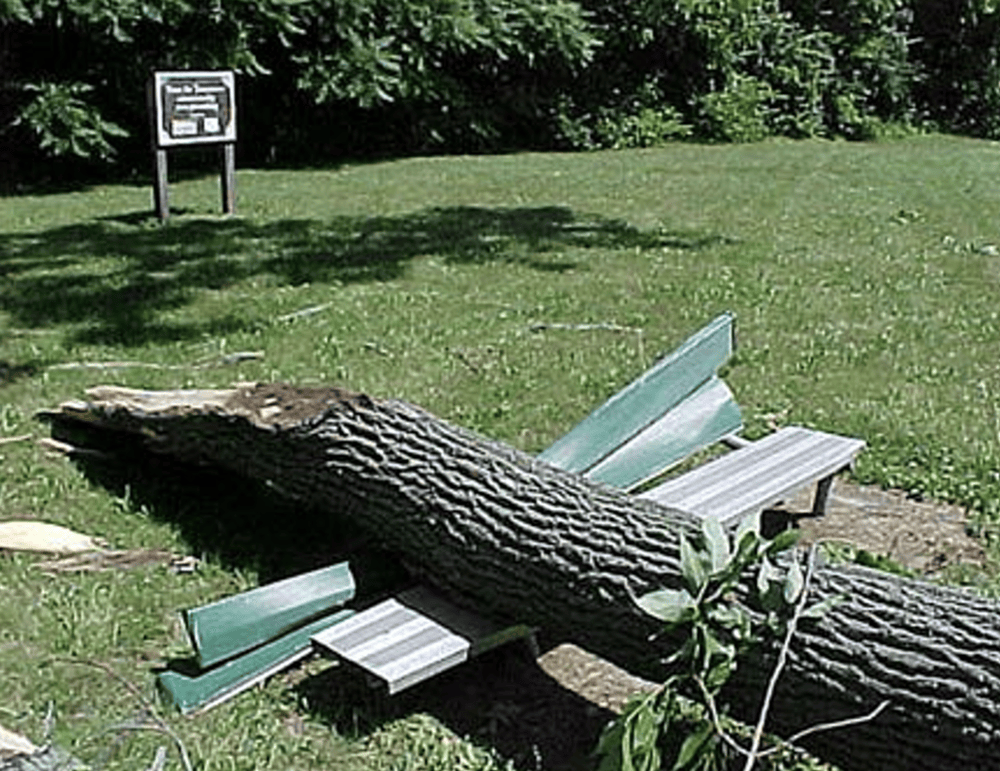
Excessive winds uproot large trees with weak root systems
Some common damage found includes: Wind Throw
The entire tree is “pushed over” by high winds. The loading forces on the aerial tree portions are too great for the developed root system. Previous harm from activities such as construction damage, lack of maintenance and attacks from pests predisposes the tree to damage with poor anchorage or health. Inspect the root plate of each tree on a regular basis to determine if there are any root health issues. Look for fungal fruiting bodies, exposed roots, lifting or other damage. Larger or more mature trees that have been completely uprooted are typically not salvageable
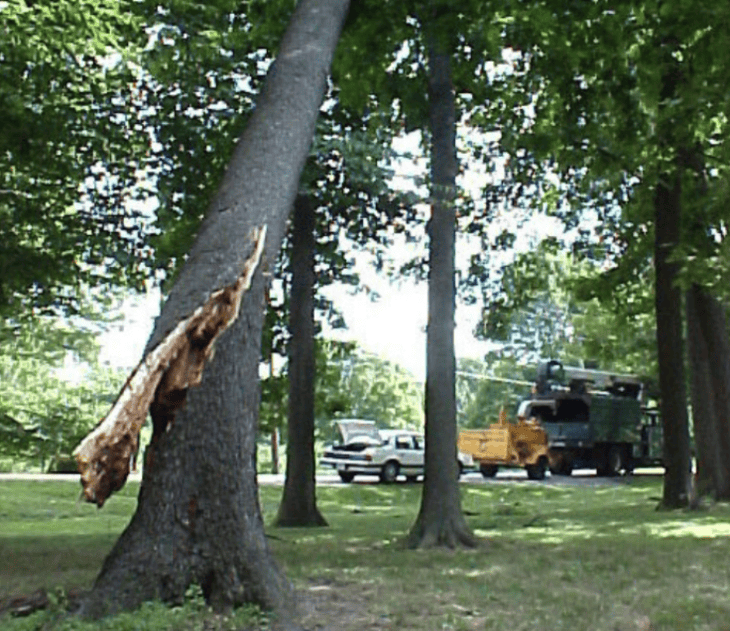
Tree trunks fail at their weakest points, causing them to snap or break.
Stem Failure
Trees will fail at their weakest point. Typically, failure is caused by the combination of a defect and external forces. Old injury sites or wounds are common on tree trunks, and these damaged areas can lead to tree failure under excessive loads. Also, trees newly exposed to prevailing winds from development or removal can be at greater risk. Trunks can snap or buckle if the tree is unable to withstand the wind forces. Damage from stem failure usually cannot be repaired. Trees with major defects on the trunk should be examined carefully to determine the degree of risk for that location. Look for decayed areas, cavities, nesting holes and fungal fruiting bodies for indicators. The extent and location of these defects will help the arborist determine the potential for failure.
Crown Twist
The tree canopy contains an array of leaves, twigs and branches that make up the crown portion of the tree.
Winds causing a twist of the trunk can leave dangerous splits and cracks.
Many times, the crown can have an uneven geometry from competition or poor pruning, leaving an unequal appearance. The result of this situation in high winds can be trouble. Uneven wind loading on the lopsided crown produces a damaging twist on major branches and the stem. This twisting causes torsional stress, much like twisting a rope backwards, resulting in splits and cracking. This is especially damaging around old wounds or other defects, which can lead to failure. Close investigation is necessary to spot these often-subtle cracks. Often this damage can be mitigated in branches; however, take caution with damaged trunks.
Root Failure
Stability and anchorage are important roles of the root system for keeping a tree upright.
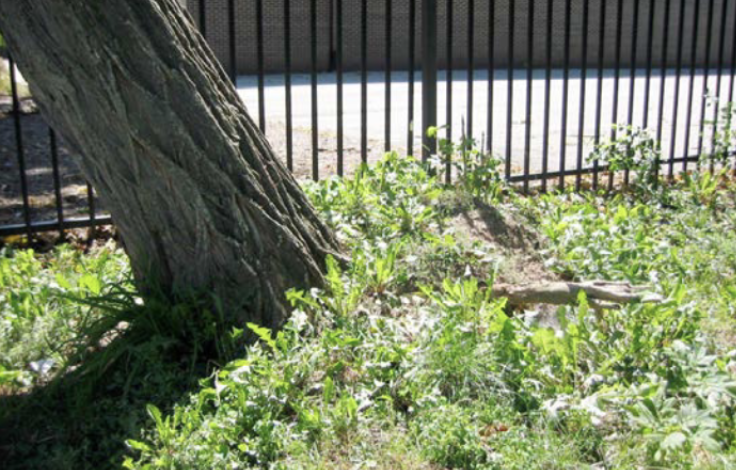
Root failure often leaves trees leaning. Look for exposed roots after high wind storms.
Both the structural, woody roots and the fine absorbing roots create an effective network of strength to withstand wind-loading forces. As the tree becomes larger, increased stress is put on the roots to maintain stability.
Roots that are restricted, diseased or damaged can cause trees to lean and fall. Careful examination of the root plate is needed to determine if anchorage is compromised. Look for heaving soil and roots around the tree trunk, which can present a high-risk situation. The presence of pulled or broken roots, as well as any mushroom development around the root system, also can be indicators of defects in the roots. Depending on the age, size and degree of exposure, mitigation may be possible. Young trees with healthy roots systems can be up righted and staked or guyed with success. However, if more than 30 percent of the roots are exposed, removal may be the better option.
Damage to branches, such as shear plane cracks, should be removed by proper pruning.
Branch Failure
Tree branches are easy victims of loading forces. Whether it is axial loading from snow or ice accretion or lateral, side loading from wind, damage is frequent. Because branches can sometimes be poorly attached to the main stems, they can easily experience injury. However, this structural arrangement allows the branches to be flexible and disposable, and easily shed in times of stress to help dampen the impact of wind, minimizing damage to the larger, structural branches.
Poor architecture and development, such as codominant stems and included bark in branch junctions, predisposes branches to failure and often are the first to experience damage. Branch failure can be easily repaired and not lethal to the tree unless more than half the crown has been destroyed. However, they can create high-risk situations in the wrong places. Learn to recognize dead, broken, hanging limbs or other signs of damage to reduce risk. Often twisted and cracked branches are difficult to see and may need closer inspection by an arborist to identify. Be sure to use pruning best practices when correcting damage in the crown.
There are other forms of damage, such as lightning damage, which can be detrimental and even lethal to trees. A certified arborist or qualified consulting arborist can help provide a prognosis.
Storm Damage Prevention
It is impossible to protect a tree from storms or prevent damage from weather events. However, there are some actions that can minimize injury to trees.
The best preparation begins when trees are young or newly planted. Do not stake or guy trees unless absolutely necessary. This prevents development of internal adjustments to wind with response wood growth. Let the tree adjust to local conditions by allowing natural movement.
Functional pruning helps trees form a healthy, more wind-resistant crown. Inspection and corrective pruning of newly planted trees produces a stronger structure. Eliminate codominant stems by pruning these weak- forked branches. Choose a good, strong central leader for young trees. This will prevent losing the whole crown in the future. Choose branches with even spacing, radially around the tree for balance and symmetry.
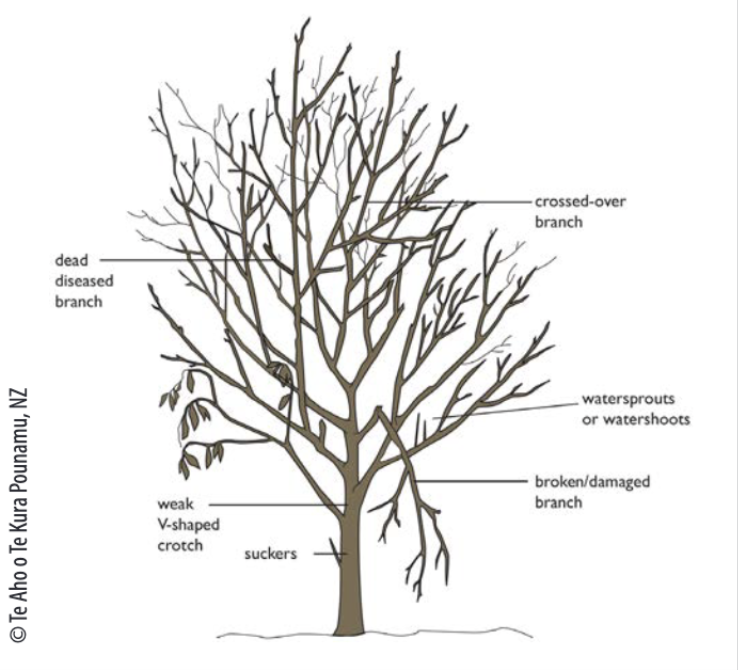
Inspect trees for broken, dying, diseased and dead branches each year. Also, conduct a visual assessment after a storm event. Look for crossing branches, which lead to problems where rubbing produces damage and decay. Always favor branches with a “U” shape or greater than 45° angle, which forms an optimal connection. These branches will have fewer tendencies to split or break from wind or ice loads. Eliminate branches with bark inclusion and tight or narrow branch junctions.
Tree topping is an unhealthy practice.
Branch training is essential for sustainable, long-term tree plantings.
Under no circumstances should a tree be “topped” to prevent wind or ice damage. Topped trees produce many small, poorly attached sprouts and as they grow, the canopy weight and density is actually increased. In addition, topped branches often develop decay and diseased stems, which further weakens the tree and makes the branches more susceptible to breakage. Topping may seem to make a tree safer, but it actually increases the potential for storm damage with unhealthy epicormic sprouting and additional decay in the stems.
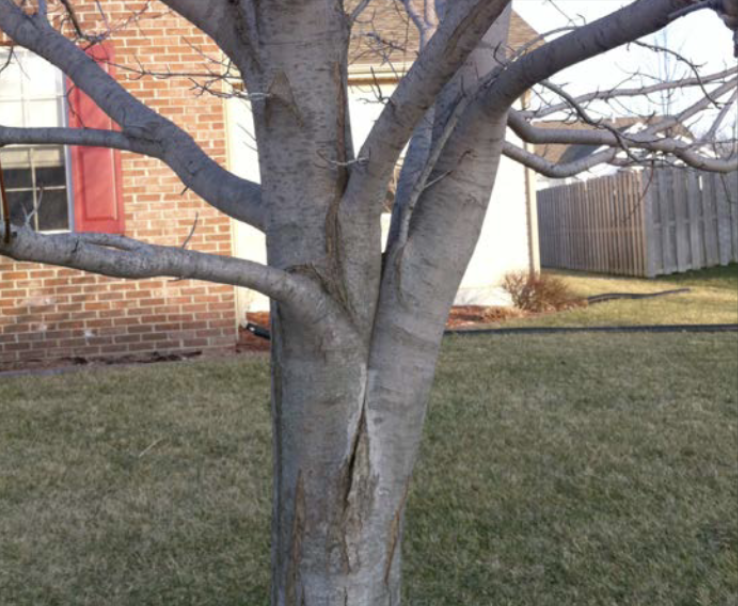
Codominant stems on this maple, as well as included bark, are more prone to splitting
When mature trees develop unequal crowns, prune to improve symmetry. However, remember pruning best practices and never remove more than 30 percent of the crown at one time. It may take several years for crown restoration. Good pruning techniques also promote faster healing of the cuts.
Do not try to “wind-proof” the tree by thinning out branches. Trees rely on proper branching habits and placement to dampen the wind energy affecting them. Excessive and unnecessary pruning creates wounds and additional stress on tree health. Allow the tree to develop fully and naturally by pruning only when needed. However, proper health care includes pruning for vigor. This includes removing dead, dying or diseased branches, poor branch attachments, crossing branches and narrow branch angles. After this functional pruning, some thinning is achieved to reduce drag or sail in the canopy.
A healthy tree is the best defense to any challenge the tree may face in its lifetime. Appropriate watering and fertilization improves root growth and structure, making the tree more stable. Monitor for pest problems and treat when needed to prevent insects and diseases from weakening tree health. Remove diseased branches, as needed, to minimize spread and potential damage.
This tree has good branch structure with strong attachments.
Risk Assessment
Following a severe storm event, not all trees will need to be pruned or removed, and many will need little or no treatment. After identifying the type of damage, risk assessment is the priority. One of the more critical tasks for the property owner is determining an acceptable level of risk. It is the responsibility of a tree owner or manager to maintain and manage their trees to protect the safety of others. This usually requires assistance from a well-qualified arborist.
Post-Storm Response
Safety first! Stay clear and look for dangerous hanging limbs, broken branches and other failures before beginning cleanup or inspections. Keep others clear of the areas beneath and around damaged trees. Be alert for power lines that could be involved with damaged trees. All utility lines should be considered energized and dangerous.
Functional pruning creates a healthier tree that is less prone to damage from ice and wind.
Damage assessment is the next step. Review the affected tree or trees to determine the level of injury. Some trees may not require any action and can recover on their own. The challenging part of the assessment is deciding which trees can be pruned properly to a healthy state and which trees should be removed. Many factors are involved in the decision, and damage may be hidden or difficult to determine. It is critical to get a professional arborist with credentials to conduct the assessment and the work required to mitigate the injured parts of the tree.
Match skills with the situation when it comes to reparation of damages and restoration. Be able to recognize when tree damage requires advanced training and is best handled by the arborist. Tree work is dangerous and the hazards are compounded when storm damage is involved. Leaning trees, broken and pinned branches, as well as utility lines, can create life-threatening situations.
Basic cleanup can be helpful in the post-storm response process. Removing downed branches and limbs, and performing basic pruning on smaller, injured trees, can help speed recovery from the event. This also provides for a better evaluation of the site and the larger affected trees.
Hire a Certified Arborist
One key to dealing with the challenges of storm damage is to consult a qualified tree service. Finding a qualified tree care professional is important protection for the property owner. Sometimes less credible companies follow storms to take advantage of a bad situation. Knowing how to hire a reputable arborist can protect a property owner from being victimized. A professionally trained arborist can determine if a tree can be saved. Even if the tree must be removed, safety and training are needed to prevent additional damage or injury from the removal. An International Society of Arboriculture Certified Arborist can help save a tree or improve the risk situations that follow storms. Also, choosing an accredited company brings the highest level of standards for client satisfaction and safety.
A list of qualified arborists can be obtained by contacting the following sources:
Purdue Landscape Report: Pollarding is a tree pruning method in which the upper branches of a tree are cut back to the same points on a regular schedule, creating a framework of knobby growth points from which new shoots emerge. The practice has been used for centuries and is especially common in landscapes where trees must be kept at a controlled height or width. Pollarding is not the same as topping, which is generally considered harmful because it removes branches without a long-term management plan. Instead, pollarding is a deliberate, repeated technique that can shape a tree into a compact, manageable form.
One of the main advantages of pollarding is size control. In urban areas, along streets, and near buildings or utility lines, trees often need to fit within tight spaces. Pollarding can reduce conflicts with overhead wires, streetlights, sidewalks, and traffic while still allowing a tree to remain in place. It can also reduce shade, which may be useful in courtyards, parking areas, and other sites where too much canopy cover is a problem. Some trees also respond by producing dense, attractive new growth, which can give them a distinctive architectural look.
Pollarding may also extend the usable life of certain trees when it is started early and maintained properly. Because the tree is kept smaller and more compact, it may be less likely to fail under wind or storm stress than a large tree with heavy limbs. In some settings, the regular cutting of new shoots can even provide a source of small-diameter wood or fodder, which helps explain why pollarding developed historically as a practical land-management method.
That said, pollarding has real drawbacks. It must be done correctly and consistently; if a tree is pollarded at the wrong age, on the wrong species, or after long neglect, the result can be stress, decay, weak regrowth, or structural problems. Not all trees tolerate the practice well, and some may decline if pollarded too aggressively. Pollarding also creates a very artificial appearance, which some people dislike. A freshly pollarded tree can look bare or severe for a time, and the repeated cuts require ongoing maintenance.
Figure 1: New growth on pollarded tree. Photo credit: Ben McCallister
Figure 2: Pollarded street trees in Shibuya, Tokyo. Photo credit: Ben McCallister
Pollarding is most strongly associated with Europe, especially Britain, France, the Netherlands, Italy, and parts of Spain, where it has a long history in both rural and urban landscapes. Today, it is still widely seen in European cities and towns, particularly on street trees and in managed public spaces. It also appears in some parts of North America, but it remains much more culturally visible and historically rooted in Europe. In many places, it is valued both for its practical function and for the distinctive form it creates over time.
Used thoughtfully, pollarding is a useful tool rather than a universal solution. It works best when matched to the right species, the right site, and a long-term maintenance plan. For the right tree in the right place, it can be both functional and visually striking.
With storm season just around the corner, one topic of concern on many minds is damage to and from trees. Depending on the intensity of the storms and the condition of the trees, damage from high winds, heavy rainfall, and lightning can be quite severe. Cracked or broken branches, stem failure, and root failure are some of the main concerns, but also the risk and liability of damage to people and property.
If your tree is damaged, there are some steps to deal with the situation. First and foremost, consider the safety of yourself and others around you. Inspect the tree from a distance first looking for the following:
Heaving of the ground indicating potential root failure
Damage to limbs and/or the trunk of the tree
Hanging branches can fall to the ground resulting in injury or death
Be aware of utility and power lines. Trees can become charged by coming in contact with live wires. All utility lines should be considered energized and dangerous.
If you find your trees damaged from a storm hiring an International Society of Arboriculture (ISA) Certified Arborist to perform a risk assessment will help guide your decision of how to manage your tree. To find an arborist near you and verify credentials use the link at Find an Arborist, Trees are Good, International Society of Arboriculture (ISA). For more information, you can also view Trees and Storms: Understanding Damage, Risk and Recovery, an informational Got Nature? Blog article from Purdue Extension.
Purdue Landscape Report: Many of the leaf spot diseases we observe can cause premature leaf drop in affected plants, which can reduce plant vigor if the disease is severe enough and a large proportion of the canopy falls in one season. Elm trees are susceptible to a number of different anthracnose fungi, including Ophiognomoniaintermedia, Gloeosporium betulae, Cryptocline betularum, and Cylindrosporium sp. Cryptocline is the fungus that we encounter the most frequently on samples submitted to the lab for diagnosis.
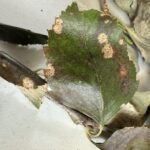
Figure 1: Cryptocline leaf spot on Elm (photo by Paul Bachi, University of Kentucky Research and Education Center)
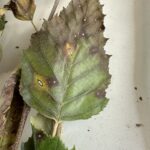
Figure 2: Cryptocline leaf spot on a young elm shrub. As the density of leaf spots increases, the leaf blade turns more yellow. (Photo from Purdue Landscape Report)
Figure 3: Mature Cryptocline lesions which are tan in color and have black fungal structures within (photo from Purdue Plant & Pest Diagnostic Laboratory)
Symptoms
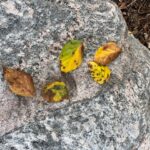
Leaf spots may start as small, round chlorotic lesions that slowly expand over time (Figures 1 & 2). Eventually, a necrotic spot with a purple/black border and tan or white center will form (Figure 3). Lesions may begin to develop on a leaf vein and instead of being circular will follow the vein a little, creating a thin necrotic lesion (Figure 4). With increased leaf spot development, large areas of the leaf blade will turn yellow and eventually necrotic, before it falls from the tree (Figure 5). Leaf drop will typically occur in the lower canopy, areas where there is less air movement and higher humidity; however, epidemics occur during periods of we weather that can cause significant leaf drop. Leaf loss typically occurs in the summer (late July to mid-August).
Figure 4: Lesions of Cryptocline located on leaf veins, creating elongate necrotic lesions instead of the typical round lesions located elsewhere on the leaf. (Photo from Purdue Plant & Pest Diagnostic Laboratory)
Figure 5: Elm leaves which have turned yellow or necrotic and fallen prematurely from the tree. (Photo from Plant & Pest Diagnostic Laboratory)
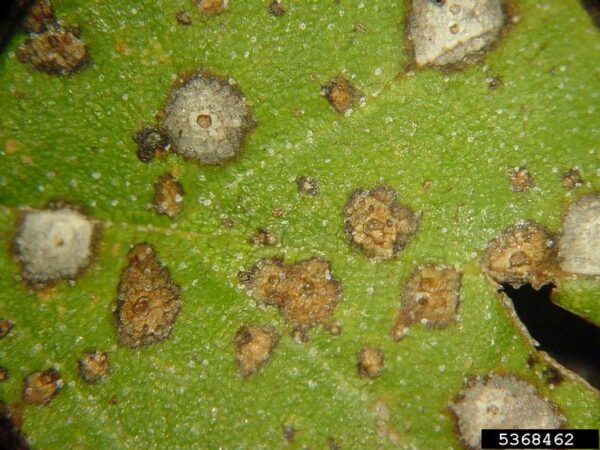
Figure 6: Close up image of Cryptocline leaf spots with acervuli. (Photo by Paul Bachi, University of Kentucky Research and Education Center)
Life Cycle Cryptocline is only known to colonize the leaves, so it overwinters in fallen leaf tissue. In the spring, the fungus will produce ascospores which are carried in the wind to infect young elm leaves. Once initial lesions progress, black fungal structures (acervuli) will form in the necrotic tissue and being producing asexual spores (conidia) in a sticky substance, which can be spread via rain (Figure 6). The conidia act as a secondary infection cycle where it will infect foliage and create new leaf spots continuously throughout the growing season as long as the environmental conditions are conducive.
Management
Like other leaf spot pathogens that do not infect stems, removal of the foliage in the fall can reduce inoculum for the following year (though won’t eliminate the disease). Providing fertilizer (where needed) and water (hot and dry periods) will help mitigate some tree stress, as stress can predispose plants to increased disease severity. Fungicides are not normally recommended for mature trees as it is impractical to get coverage across the entire canopy, but could be practical in a nursery setting if symptoms are observed and leading to leaf drop. It is still early in the season, but the next few weeks are important to monitor for some disease issues that may explode later in the season.
For other information on management of foliar disease problems, please see the following link: Foliar Fungal Disease Management.
Damage to the cambium layer can cause serious health issues for the tree.
One of the most dangerous pests of trees is humans, especially humans with equipment. Lawn mowers and weed trimmers can cause injuries that create a hazard when an injury leads to tree disease or death. This blog explains why the damage is so dangerous and suggests ways to protect your trees.
Defended by Bark
The site of injury is usually the root flare: the area where the tree meets the turf and gets in the path of the mower or trimmer. The root flare, like the rest of the trunk, is protected by bark, which guards a very important plant transport system just behind the woody bark layer. Specialized tubes move nutrients and water between the roots and leaves to keep the tree alive. Any damage to this transport system can affect tree health and the tree could die.
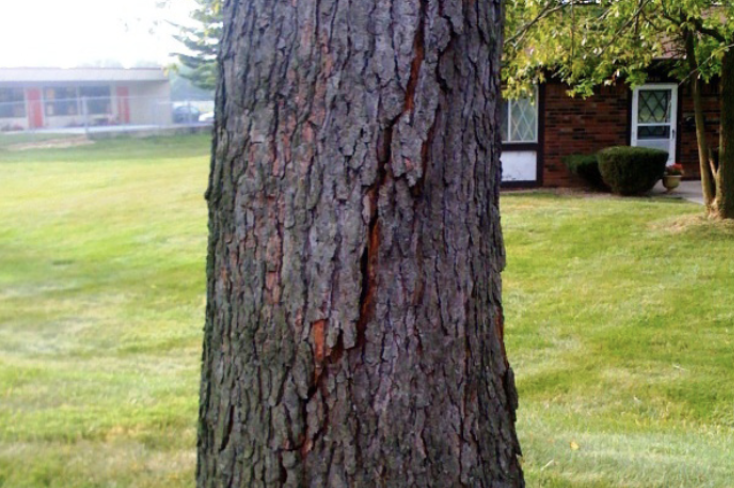
Old damage from mowing can create a serious risk in the landscape
The bark layer can vary in thickness on different tree species. It can be more than an inch in thickness or less than 1/16 of an inch on young, smooth-barked trees such as maples and birches. This isn’t much protection against string trimmers and mowing equipment, especially on young, newly planted trees.
Damage Done
Any damage to or removal of the bark and the transport system can cause problems for a tree. Even when a tree tries to recover from a wound, leaves and branches often decline and die back, because food and water pathways were destroyed. Although a large wound is generally more serious than a smaller one, repetitive wounding adds up to greater trouble for the tree. If the damage extends completely around the base of the tree (a situation called girdling), the tree ultimately dies.
Recent damage from mowing equipment leads to decay and dieback in the tree
All tree wounds are serious when it comes to tree health. No matter what size the wound is, the damage done is irreversible. The tree must devote a great deal of energy and many resources into trying to seal off the damaged area to prevent further complications. The wounded area is an opening for wood-rotting organisms and decay fungi to enter and cause further damage. These microorganisms often attack the injured bark and invade adjacent healthy tissue, greatly enlarging the wound and extending the damage. Trees can be completely girdled from pathogen attack following injuries.
Fungi that are active on the wound surface can also deteriorate the structure of the woody tissues beneath, decaying and weakening the tree. This weakened, structurally unsound tree may eventually die and become a hazard to people around it.
Preventing Problems
Newly planted, young trees need our help to become established in the landscape. They are the trees most commonly and seriously affected by maintenance equipment.
Mulch rings can provide a healthier environment as well as a visual cue to keep equipment away.
However, injury to these trees can be avoided easily and at very low cost if you follow one or more of these suggestions.
Physically remove turf or prevent grass and weeds from growing at the base of the tree. This lowtech solution can eliminate a potentially serious problem.
Spray herbicides to eliminate vegetation around the base of the tree to decrease mowing maintenance costs. Be sure to use care when applying herbicides around trees. Carefully follow label directions.
Add a mulch ring, when possible, to help reduce the competition for water and nutrients. Mulch or other ground coverings reduce mowing requirements in the landscape.
Add a 2˝ to 3˝ layer of mulch on the root zone of the tree to provide an attractive and healthy environment for the tree to grow. This also provides a visual cue to keep equipment away from the tree.
Add trunk guards or similar devices to give the tree additional protection. White, expanding tree guards can help help trees withstand equipment contact and also can help to reduce winter injury.
Trees are a valuable asset to your property and are important to our environment. Every tree contributes to the urban forest and improves air and water quality in your neighborhood. Protect and preserve these growing assets by keeping mowing and weed-trimming equipment away from tree trunks. The damage lasts and it cannot be undone. Don’t create a hazard!
Join Purdue Extension forester Lenny Farlee in this episode of “A Woodland Management Moment” as he explores the considerations for growing high timber-quality black walnut on purpose. Learn about what black walnut requires to grow well, its visual characteristics and the timeline of this plant in openings. Watch the video to discover some of the management strategies you can use gradually develop these black walnut stems for timber markets.
If you have any questions regarding trees, forests, wildlife, wood products, or other natural resource topics, feel free to contact us by using our Ask an Expert web page.
Spring is one of the best times to identify trees and shrubs in Indiana. As buds break and flowers emerge, many species reveal distinctive traits that make identification easier and more enjoyable. In this collection of ID That Tree videos, Purdue Extension Forester Lenny Farlee highlights a variety of native trees and shrubs from eye-catching flowering species to lesser-known woodland plants. Whether you’re a student, landowner or simply enjoy exploring the outdoors, these videos offer a quick and accessible way to build your tree identification skills this spring.
Explore the Spring Bloom Edition videos, starting with Umbrella Magnolia:
Continue building your identification skills with these additional ID That Tree: Spring Bloom Edition videos:
If you have any questions regarding wildlife, trees, forest management, wood products, natural resource planning or other natural resource topics, Purdue Extension – FNR is here to help. Visit our Ask an Expert webpage to connect with a Purdue Extension specialist.
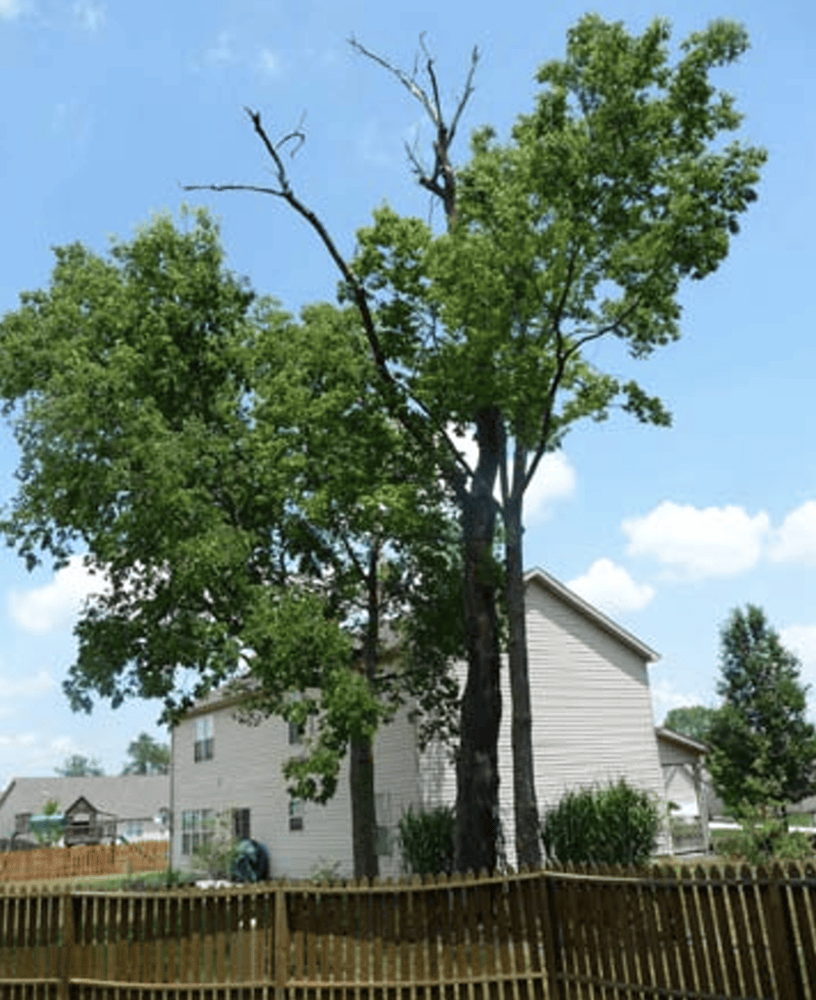
Unhealthy trees can fail, causing potential damage to nearby homes
Trees provide many benefits for our homes, businesses and properties. If a tree is defective, however, it may become a hazard. It is important to understand that tree owners have a duty to inspect and maintain their trees. All property owners should take reasonable steps to protect themselves by involving a qualified consultant or certified arborist.
The primary responsibilities of the arborist are to assess the potential for tree failure, advise owners of the consequences of failure and recommend the proper measures to prevent and abate failures. In assessing and managing trees it is important to create a balance between the inherent risk a tree poses and the benefits provided by the tree. Risk tree management begins with these basic steps:
Reduce tree liabilities: The property owner or manager has an obligation to periodically inspect trees for unsafe conditions. Since all trees have risk associated with them, regular inspection compels the owner or manager to evaluate the amount of risk they are willing to assume. Tree risk assessment is an important part of a program to determine if a tree is structurally sound or has the potential for failure. Inspections show that the tree owner is actively managing their trees and could reduce the owner’s liability if a failure occurs.
Inspect regularly: Trees should be assessed through inspections by a qualified arborist, preferably an International Society of Arboriculture Certified Arborist. Further inspections should be conducted after major weather events. At a minimum, trees should be inspected every five years or according to the owner’s risk tolerance.
Document and maintain records: Every inspection should be recorded and kept on file for future reference. These records are important for several reasons. Past evaluations can show how a tree has changed in its health and structure over the years. Also, written assessments are beneficial in liability claims and court cases. These written evaluations could minimize liability if a failure occurs and a claim is filed against the tree owner.
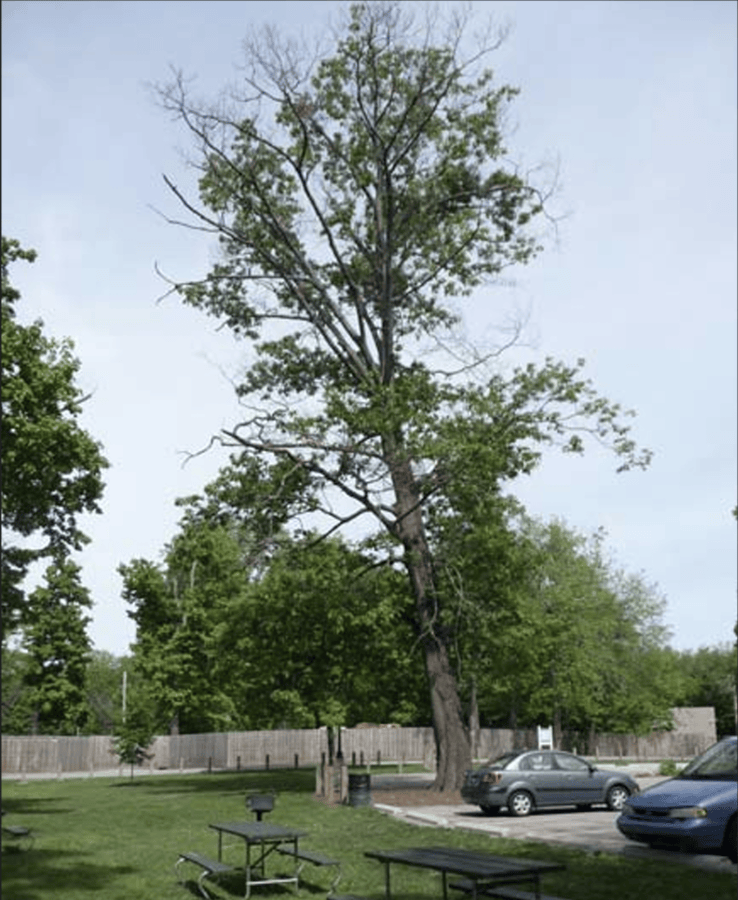
Inspect trees for health conditions and defects during the tree risk assessment.
Develop a site policy and care plan: Every property manager should create and implement a policy for tree risk. This includes developing a standard of care, an inspection process and mitigation of property risk. Routine care and scheduled maintenance for all trees is essential.
Mitigate tree risk: Tree owners should make every effort to reduce risk with proper pruning and health care practices. Consider all options before deciding on removal. If possible, move or remove the “target” (see definition in “Tree Risk Assessment” section). Install structural support systems where feasible. Modify site conditions to improve the environment around the tree. Risk mitigation requires a process of logical options focusing on protecting the target and preserving the tree.
Schedule tree work: While evaluating trees for risk, the inspector should note any tree maintenance needs. The inspection can determine the timing and priority of work needed. The work should be prioritized first for safety and then for tree health. Consider potential risk, activities around the tree, level of acceptable risk and the needs of the client.
Create good tree planting strategies: Identify planting needs and locations that become available as trees are removed or destroyed. Improving the health and safety of the landscape requires an understanding of management principles, such as species selection and diversity. Also consider the impact of site infrastructure, including utilities, streets and sidewalks, and choose the right tree for the right place. Select trees known to thrive under local conditions and sustainable as long-term investments in the property
Tree Risk Assessment
For a tree to be considered hazardous it must be defective either in some part or as a whole, with risk for failure and a target that is threatened. Trees are declared hazards if assessments have been completed and mitigation is required to prevent a failure from causing damage affecting the target. To understand the implications of this concept, tree owners need to know some common terms of tree risk management.
Identify potential targets for tree failure.
A target is people, property or activities that could be injured, damaged or disrupted by a tree failure. Tree owners must carefully assess the area around homes, playgrounds, sidewalks and parking areas. Is the target static, moveable or mobile? Consider whether people can be kept away or separated from the target area. Also, assess the target’s value and potential. Review the target zone, which is the area where the tree or a branch is likely to strike when it falls, to determine consequences of the tree’s failure. The target zone should include the areas inside a circle around the tree, which is at least as wide as the total tree height.
Risk is the combination of the likelihood of a tree failure event and the severity of the possible consequences of that event. Every tree has the potential to fail; however, only a small number of failures actually cause injury or damage. It is impossible to maintain trees free of risk. Some level of risk must be accepted by the owner.
Hazard is a likely source of harm and is identified as the tree part or parts which will affect the target zone. For example, an entire tree or a single branch could be determined as a hazard. Hazards are identified during tree assessments, and tree owners are required to take steps to minimize the risk of damage from failure.
Individual tree characteristics must be considered when conducting evaluations for defects and failure potential. Evaluations should take a systematic approach, assessing the potential for tree failure, understanding the impact of such failures and outlining a plan of action to prevent and mitigate these failures. Tree owners should fully understand the site factors and characteristics of the tree species. There are several contingencies that influence tree failure potential and risk. These include soil type and saturation, wind exposure, pest damage, poor growing conditions and poor pruning practices such as topping.
Among the characteristics to consider when conducting tree risk evaluations are:
Defects — severity and location. Decay, cankers, cracks and other positive indicators of weakness in the roots, stems and branches may need immediate attention if a target is present.
Species characteristics. Some tree species possess weaker wood, a susceptibility to decay, poor growth habits and potential for pests. They could be more likely to fail after wounding because of poor ability to wall off internal decay or health issues.
Canopy size, shape and weight distribution. This is especially true in situations where a tree is exposed to windy conditions, is leaning or has a poor stem-to-canopy ratio.
Crown architecture. Poor branching and similar characteristics can create high-risk situations in strong winds and other weather conditions.
Plant health and vigor. This determines how a tree can overcome wounding or pest infestations.
The overall size of the defective part. A predetermined rating system, which outlines critical thresholds, should be considered and incorporated into the tree’s risk management plan.
Tree Inspections
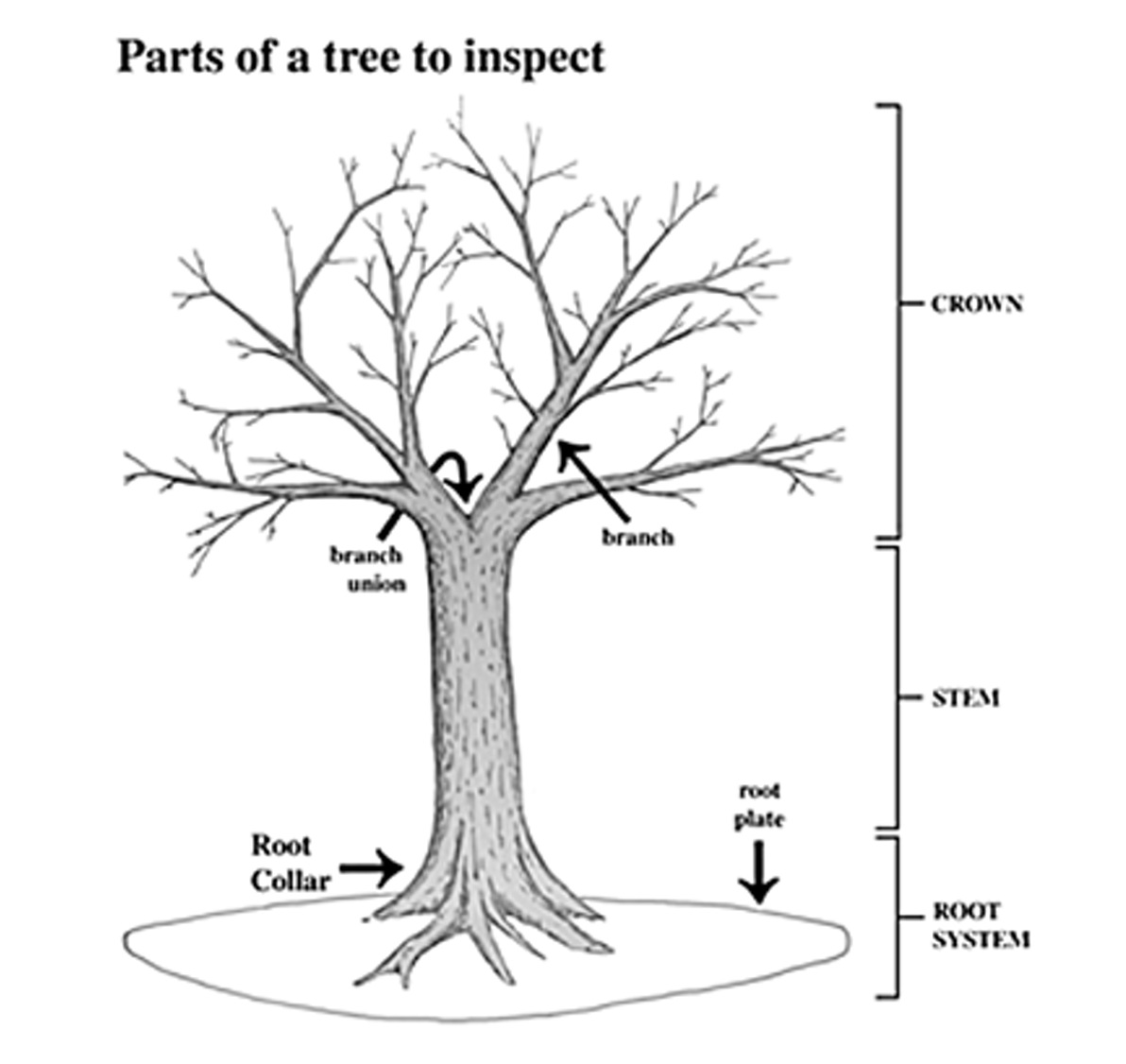
Assessments should include a thorough examination of each section of the tree. A systematic approach using standardized evaluation methods aids the process. Review the canopy (crown), branches and root zone to check for signs of failure. These include:
Dead, diseased, dying or broken branches.
Thinning or poor canopy health.
An unstable branching pattern, overextended or weakly attached branches, or cracks in the stems.
Cracks or decayed areas in the main trunk.
Exposed or decayed roots, heaving of the soil, fungus growth or cracks in the soil around the root plate.
Recurrent inspections to determine tree health and condition are critical for successful risk management programs. Trees in active-use areas should be inspected annually for defects and conditions leading to failure. Inspections are necessary after storms to ensure excessive loads have not exceeded the strength of the tree and its parts. Also, be sure to note trees with a history of failures or those with problematic structure, for more frequent monitoring and inspection. A good database and archive of tree evaluations is a critical strategy in the overall risk management plan.
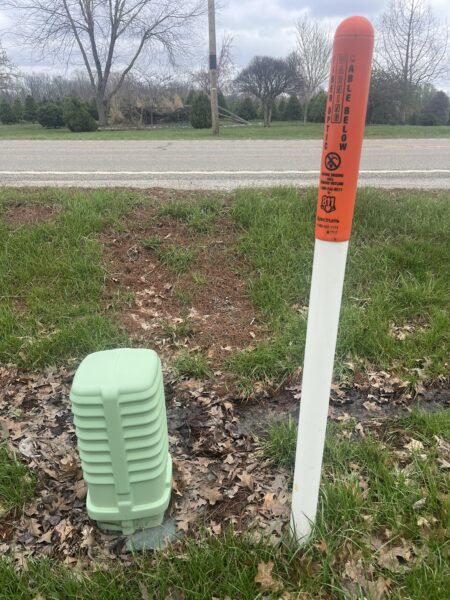
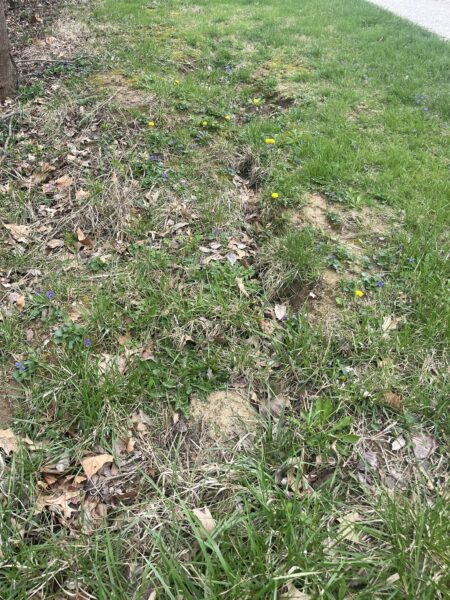
Figure 1. Runoff from roads surfaces into trenches can quickly form gullies from soil erosion if not quickly repaired following utility work (Purdue Landscape Report)
Purdue Landscape Report: Each of us utilize mobile devices and daily consume services that require fiber and other utility infrastructure. Necessary utility work along roadways often leaves sunken trenches, compacted soil for lawns that are uneven or stripped of vegetation. If damage is significant, check with the utility provider, as many companies have restoration policies or reimbursement options for affected homeowners. However, subcontractors and varying degrees of action by utilities can make this a frustrating process.
But a few timely steps can speed recovery and simplify the process rather than dealing with later weed overgrowth or washing overtime. Begin by removing rocks, excess gravel, and construction debris. Loosen the sides of ruts or where excess soil remains beside a trench with a rake or shovel to level out and improve water infiltration and root development. If the area has settled or ruts are present after a period of time, regrade to match the surrounding lawn and ensure proper drainage away from the roadway and sidewalks. Use extra caution when these areas are collocated with drainage or susceptible to water over wash as your work can be whisked away. In some cases, ignored sunken trenches and ruts can be back filled with highly deteriorated mulch to help bring back life to the soil if one has patience to let time continue to run its course and seed later into the mellowed, high organic matter soil.
Next, incorporate quality topsoil or compost to rebuild soil structure and fertility.
Figure 2. Sunken trenches from utility work that have been overgrown with grass/weeds can be a hazard for one walking or when mowing. Often the easiest fix if one is willing to be patient is to add composted mulch into the trench which will help fill to help soil and have less disturbance. Mulch is also much easier to shovel than top soil.
Choose a grass seed mix appropriate for your region and light conditions and apply it evenly over the prepared area. Lightly rake the seed into the soil and cover with straw mulch to reduce erosion and conserve moisture. Keep the area consistently moist with light, frequent watering until seedlings are well established, typically 2–3 weeks depending on weather. If the season is not fit for seeding grass (i.e. July) try seeding a temporary cover crop like buckwheat that will attract pollinators and give short term cover while choking out weeds.
For larger or highly visible areas, sod can provide an instant fix, though it is both expensive and requires careful watering to root successfully. Once new grass reaches 3–4 inches, begin mowing and apply a light fertilizer application to encourage growth.
In summary, it depends on the time frame and the urgency you have to fix a recently created problem based on its location. For problem areas that have existed over time where weed growth has already occurred, using composted mulch to fill sunken trenches or ruts may be the easiest, while using mowing to manage weeds during summer and seed after lighly working surface more towards late summer or early fall.