Purdue Landscape Report: Many of the leaf spot diseases we observe can cause premature leaf drop in affected plants, which can reduce plant vigor if the disease is severe enough and a large proportion of the canopy falls in one season. Elm trees are susceptible to a number of different anthracnose fungi, including Ophiognomoniaintermedia, Gloeosporium betulae, Cryptocline betularum, and Cylindrosporium sp. Cryptocline is the fungus that we encounter the most frequently on samples submitted to the lab for diagnosis.
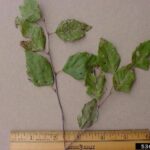
Figure 1: Cryptocline leaf spot on Elm (photo by Paul Bachi, University of Kentucky Research and Education Center)
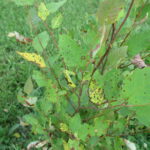
Figure 2: Cryptocline leaf spot on a young elm shrub. As the density of leaf spots increases, the leaf blade turns more yellow. (Photo from Purdue Landscape Report)
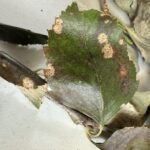
Figure 3: Mature Cryptocline lesions which are tan in color and have black fungal structures within (photo from Purdue Plant & Pest Diagnostic Laboratory)
Symptoms
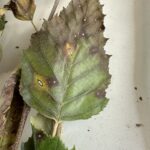
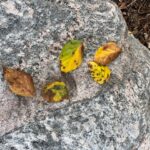
Leaf spots may start as small, round chlorotic lesions that slowly expand over time (Figures 1 & 2). Eventually, a necrotic spot with a purple/black border and tan or white center will form (Figure 3). Lesions may begin to develop on a leaf vein and instead of being circular will follow the vein a little, creating a thin necrotic lesion (Figure 4). With increased leaf spot development, large areas of the leaf blade will turn yellow and eventually necrotic, before it falls from the tree (Figure 5). Leaf drop will typically occur in the lower canopy, areas where there is less air movement and higher humidity; however, epidemics occur during periods of we weather that can cause significant leaf drop. Leaf loss typically occurs in the summer (late July to mid-August).
Figure 4: Lesions of Cryptocline located on leaf veins, creating elongate necrotic lesions instead of the typical round lesions located elsewhere on the leaf. (Photo from Purdue Plant & Pest Diagnostic Laboratory)
Figure 5: Elm leaves which have turned yellow or necrotic and fallen prematurely from the tree. (Photo from Plant & Pest Diagnostic Laboratory)
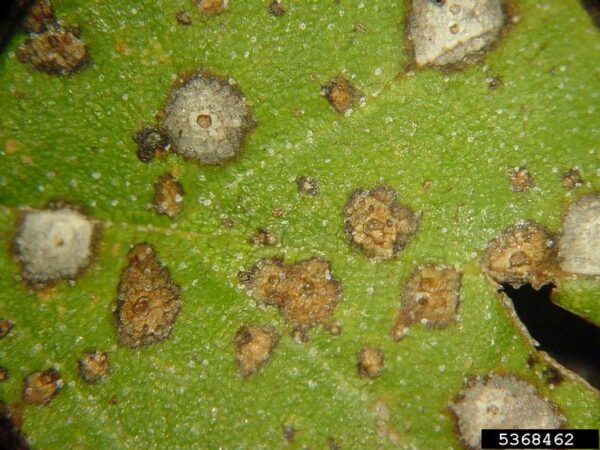
Figure 6: Close up image of Cryptocline leaf spots with acervuli. (Photo by Paul Bachi, University of Kentucky Research and Education Center)
Life Cycle Cryptocline is only known to colonize the leaves, so it overwinters in fallen leaf tissue. In the spring, the fungus will produce ascospores which are carried in the wind to infect young elm leaves. Once initial lesions progress, black fungal structures (acervuli) will form in the necrotic tissue and being producing asexual spores (conidia) in a sticky substance, which can be spread via rain (Figure 6). The conidia act as a secondary infection cycle where it will infect foliage and create new leaf spots continuously throughout the growing season as long as the environmental conditions are conducive.
Management
Like other leaf spot pathogens that do not infect stems, removal of the foliage in the fall can reduce inoculum for the following year (though won’t eliminate the disease). Providing fertilizer (where needed) and water (hot and dry periods) will help mitigate some tree stress, as stress can predispose plants to increased disease severity. Fungicides are not normally recommended for mature trees as it is impractical to get coverage across the entire canopy, but could be practical in a nursery setting if symptoms are observed and leading to leaf drop. It is still early in the season, but the next few weeks are important to monitor for some disease issues that may explode later in the season.
For other information on management of foliar disease problems, please see the following link: Foliar Fungal Disease Management.