 Purdue University - Extension - Forestry and Natural Resources
Got Nature? Blog

Damage to the cambium layer can cause serious health issues for the tree.
One of the most dangerous pests of trees is humans, especially humans with equipment. Lawn mowers and weed trimmers can cause injuries that create a hazard when an injury leads to tree disease or death. This blog explains why the damage is so dangerous and suggests ways to protect your trees.
Defended by Bark
The site of injury is usually the root flare: the area where the tree meets the turf and gets in the path of the mower or trimmer. The root flare, like the rest of the trunk, is protected by bark, which guards a very important plant transport system just behind the woody bark layer. Specialized tubes move nutrients and water between the roots and leaves to keep the tree alive. Any damage to this transport system can affect tree health and the tree could die.

Old damage from mowing can create a serious risk in the landscape
The bark layer can vary in thickness on different tree species. It can be more than an inch in thickness or less than 1/16 of an inch on young, smooth-barked trees such as maples and birches. This isn’t much protection against string trimmers and mowing equipment, especially on young, newly planted trees.
Damage Done
Any damage to or removal of the bark and the transport system can cause problems for a tree. Even when a tree tries to recover from a wound, leaves and branches often decline and die back, because food and water pathways were destroyed. Although a large wound is generally more serious than a smaller one, repetitive wounding adds up to greater trouble for the tree. If the damage extends completely around the base of the tree (a situation called girdling), the tree ultimately dies.

Recent damage from mowing equipment leads to decay and dieback in the tree
All tree wounds are serious when it comes to tree health. No matter what size the wound is, the damage done is irreversible. The tree must devote a great deal of energy and many resources into trying to seal off the damaged area to prevent further complications. The wounded area is an opening for wood-rotting organisms and decay fungi to enter and cause further damage. These microorganisms often attack the injured bark and invade adjacent healthy tissue, greatly enlarging the wound and extending the damage. Trees can be completely girdled from pathogen attack following injuries.
Fungi that are active on the wound surface can also deteriorate the structure of the woody tissues beneath, decaying and weakening the tree. This weakened, structurally unsound tree may eventually die and become a hazard to people around it.
Preventing Problems
Newly planted, young trees need our help to become established in the landscape. They are the trees most commonly and seriously affected by maintenance equipment.

Mulch rings can provide a healthier environment as well as a visual cue to keep equipment away.
However, injury to these trees can be avoided easily and at very low cost if you follow one or more of these suggestions.
- Physically remove turf or prevent grass and weeds from growing at the base of the tree. This lowtech solution can eliminate a potentially serious problem.
- Spray herbicides to eliminate vegetation around the base of the tree to decrease mowing maintenance costs. Be sure to use care when applying herbicides around trees. Carefully follow label directions.
- Add a mulch ring, when possible, to help reduce the competition for water and nutrients. Mulch or other ground coverings reduce mowing requirements in the landscape.
- Add a 2˝ to 3˝ layer of mulch on the root zone of the tree to provide an attractive and healthy environment for the tree to grow. This also provides a visual cue to keep equipment away from the tree.
- Add trunk guards or similar devices to give the tree additional protection. White, expanding tree guards can help help trees withstand equipment contact and also can help to reduce winter injury.
Trees are a valuable asset to your property and are important to our environment. Every tree contributes to the urban forest and improves air and water quality in your neighborhood. Protect and preserve these growing assets by keeping mowing and weed-trimming equipment away from tree trunks. The damage lasts and it cannot be undone. Don’t create a hazard!
Resources:
Planting Your Tree Part 1: Choosing Your Tree, Purdue Extension YouTube Channel
Tree Pruning Essentials Video, Purdue Extension YouTube Channel
Tree Defect Identification, The Education Store, Purdue Education’s resource center
Why Is My Tree Dying?, Got Nature? Blog, Purdue Extension – Forestry and Natural Resources (FNR)
Tree Wound and Healing, Got Nature? Blog, Purdue Extension – FNR
Surface Root Syndrome, The Education Store
Find an Arborist video, Trees are Good-International Society of Arboriculture (ISA)
Trees and Storms: Understanding Damage, Risk and Recovery – Got Nature? Blog, Purdue Extension – FNR
Report INvasive, Purdue Extension
Indiana Invasive Species Council
ID That Tree, Playlist, Purdue Extension – FNR YouTube Channel (Invasive White Mulberry, Siberian Elm, Tree of Heaven)
Fifty Common Trees of Indiana
Native Trees of the Midwest, Purdue University Press
Subscribe – Purdue Extension-FNR YouTube Channel
Lindsey Purcell, Executive Director
Indiana Arborist Association
The longer daylight period and the warming weather are bringing new life to woodlands. We have a community of native plants, called spring ephemerals, that grow, bloom and produce seed quickly before the tree leaves emerge and the forest understory is wrapped in shade. Several of my favorite wildflowers are in this group, including hepaticas, trilliums, bloodroot, squirrel-corn and trout lily.
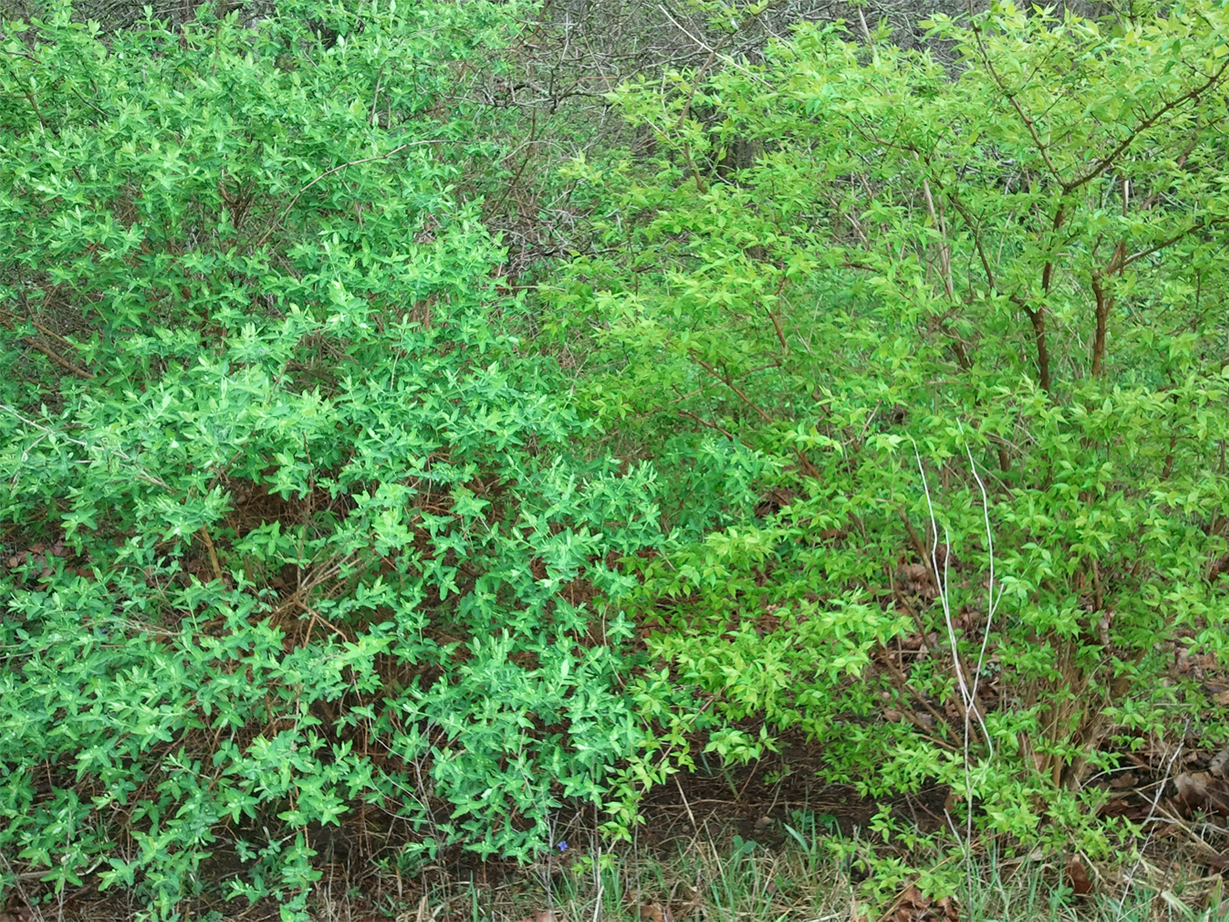
Invasive Asian bush honeysuckle species in spring
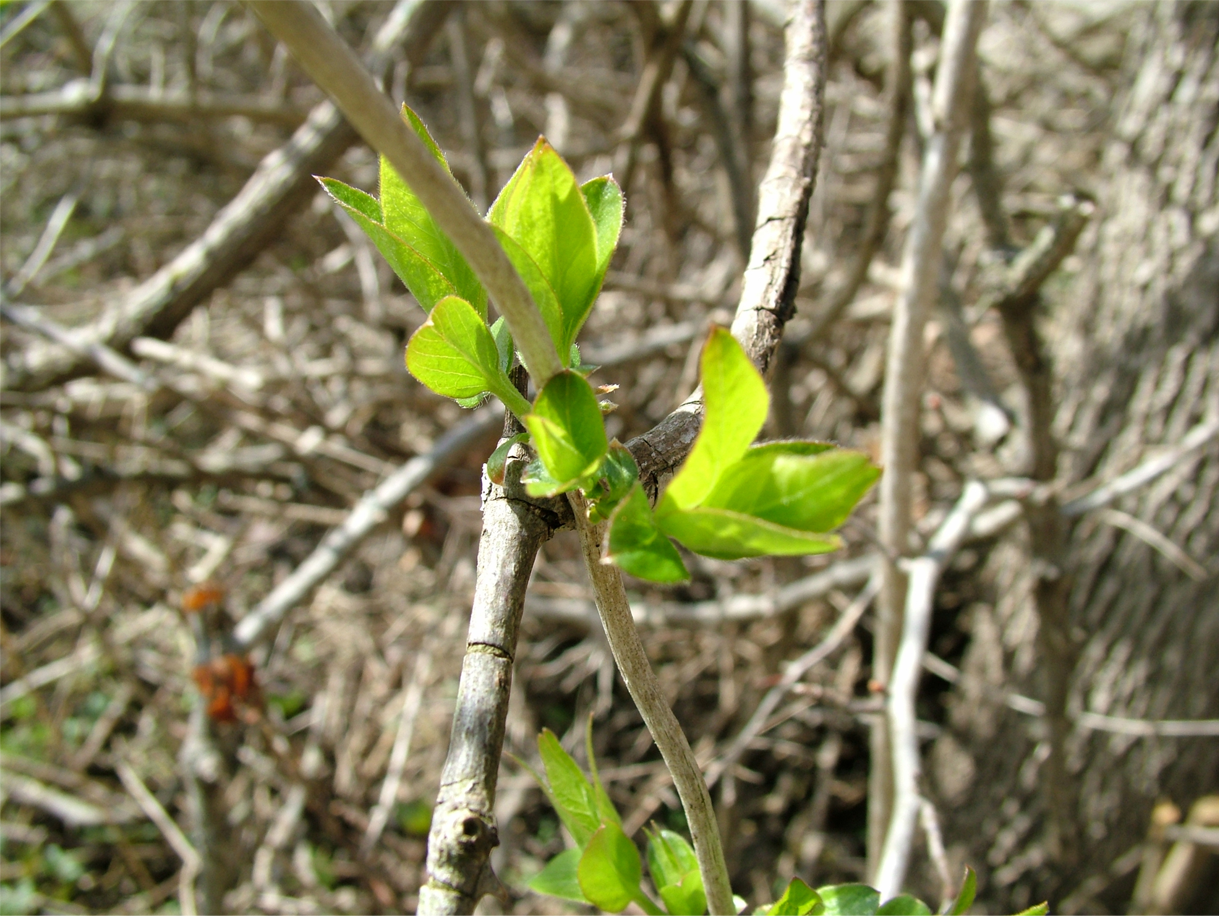
Invasive Asian bush honeysuckle species in spring
Some unwelcome invaders also emerge early in the spring, producing early foliage and an unnatural shade competing with our native plants. Several woody invasive plants have moved into our woodlands from ornamental and other plantings and now compete aggressively with our natives. These include Asian bush honeysuckles, privets, winged burning bush, and multiflora rose. These plants tend to produce foliage faster than most of our native trees and shrubs, proving them with a competitive advantage through a longer growing season. This early leaf emergence also provides us with an opportunity to identify these invaders in our woodlands. When walking out to observe the wildflowers or hunt for morels, keep your eyes open for the invasive plants. Small specimens can be pulled when soils are moist. Larger specimens may be cut and the stump treated with a herbicide to prevent sprouting. An easy and effective herbicide to access for landowners is glyphosate concentrate products mixed at a 50% ratio with water. Apply this mixture to the cut stump immediately after cutting. Read the herbicide label to understand the protective gear and application instructions required to apply safely.
If you have a large infestation that is beyond your capacity to control, consider contacting a local forester or other natural resources professional for advice on how best to deal with your invasive plant problem. You may contact the Indiana DNR Division of Forestry for advice from the District Forester. Private-sector foresters and environmental groups along with contractors, may also be able to help you manage invasive species on your property. To find a private-sector forester visit www.findindianaforester.org.
You can find environmental groups and contractors, and additional information on invasives at the Indiana Invasive Species Council website. The State of Indiana Cooperative Invasive Species Management helps organize local resources to help landowners ID and effectively manage invasive species. Purdue Extension has many invasive species resource publications and videos that can help with identification and management.
Controlling invasive plants can bring a sense of satisfaction, knowing you are doing something to promote the health and sustainability of your property.
To view more Got Nature? posts on Invasive Species:
What are invasive species and why should I care?
Invasive Species: the Good News and the Bad News
Resources
Conservation Tree Planting: Steps to Success, video, Purdue Extension – Forestry & Natural Resources (FNR) YouTube Channel
Indiana DNR Division of Forestry
Indiana Invasive Species Council
State of Indiana Cooperative Invasive Species Management
Report Invasive, Purdue Extension
The GLEDN Phone App – Great Lakes Early Detection Network
EDDMapS, Early Detection and Distribution Mapping System
Invasive Plant Series: Winged Burning Bush, The Education Store, Purdue Extension’s resource center
Burning Bush Video, The Education Store
Question: What is the best management process with cut invasive brush tops?, Got Nature? Blog, Purdue Extension – FNR
Control Management of Poison Hemlock, Got Nature? Blog, Purdue Extension – FNR
Professional Forester, Indiana Forestry Woodland Owners Association (IFWOA)
District Forester, Indiana Department of Natural Resources, 10+ acres
Find an Arborist, International Society of Arboriculture
Lenny Farlee, Sustaining Hardwood Extension Specialist
Purdue University Department of Forestry and Natural Resources
Walk through many forests in Indiana today, and you might not notice what is missing until you look up. Ash trees, once a common part of these woodlands, have rapidly disappeared due to the invasive emerald ash borer. Since its arrival in the early 2000’s, this small beetle has killed millions of ash trees across the state (Figure 1).

Figure 1: Dead ash tree killed by emerald ash borer
But what happens after ash trees are gone? Do new trees grow in their place, or do forests begin to change in unexpected ways?
To answer these questions, researchers revisited long-term forest monitoring plots across Indiana that were first established in the 1990s, before emerald ash borer was present. By comparing forest conditions before and after widespread ash mortality, we can begin to understand how these ecosystems are responding to one of the most destructive invasive forest pests in North America.
Even though young ash trees are still present in many forests, their numbers are dropping quickly (Figure 2). In some areas, ash seedlings have declined by more than 70 percent over the past decade. While a few saplings remain, very few are surviving long enough to replace the large trees that have been lost.
This suggests that ash is unlikely to return as a major component of Indiana forests anytime soon. As the remaining seeds in the soil are used up and fewer young trees survive, ash may become a much rarer species on the landscape.
As ash declines, other plant species are filling the gaps, but not always in the way we might expect.
Instead of fast-growing canopy trees taking over, many forests are becoming dominated by shade-tolerant species that thrive in low-light conditions. Native plants like spicebush and pawpaw are increasing in abundance, often forming dense layers in the understory. These species can make it difficult for other trees to establish and grow.
Sugar maple, another shade-tolerant species, remains common as seedlings but is not always successfully growing into larger trees. This creates a bottleneck where young trees are present, but few make it into the next stage of forest development.
At the same time, invasive plants are becoming more common in many forests following ash loss. Species such as bush honeysuckle and multiflora rose are increasing, especially in areas where ash trees have died.
These invasive plants can outcompete native vegetation, further limiting the ability of forests to regenerate diverse tree communities. Once established, they often persist and spread, creating additional challenges for forest management.
When large trees die, we might expect more sunlight to reach the forest floor, helping new trees grow. However, in many Indiana forests, the loss of ash is creating only small openings in the canopy rather than large gaps.

Figure 2: Ash regeneration in the understory.
These smaller gaps favor shade-tolerant plants rather than species that need full sunlight to thrive. As a result, forests are gradually shifting toward communities dominated by shrubs and slow-growing, shade-adapted trees.
Ecologists often refer to this process as mesophication, a transition toward cooler, shadier, and more moisture-loving forest conditions. Over time, this can lead to forests that are more uniform and less diverse.
The loss of ash is more than just the disappearance of a single group of trees: it is part of a broader pattern of change driven by invasive species, altered disturbance patterns, and shifting forest conditions.
Without intervention, many forests may continue to develop dense understories dominated by a small number of species, including invasive plants. This can reduce tree diversity, limit wildlife habitat, and alter how forests function over time.
While forests are resilient and will continue to grow and change, they may look very different from those of the past.
Landowners, land managers, and the public all play a role in supporting healthy forests. Monitoring for invasive species, promoting a diversity of native trees, and managing dense understory growth can help improve forest regeneration.
As research continues, understanding how forests respond to the loss of species like ash will be critical for guiding conservation and management efforts in the years ahead.
Resources:
Emerald Ash Borer, Purdue Extension-Entomology
Emerald Ash Borer, Animal and Plant Health Inspection Service (USDA)
Emerald Ash Borer Invasion of North America: History, Biology, Ecology, Impacts, and Management, Daniel A. Herms, Deborah G. McCullough, 2014, Annual Review Entomology.
New Hope for Fighting Ash Borer, Got Nature? Purdue Extension- Forestry and Natural Resources (FNR)
Emerald Ash Borer Tools & Resources – Purdue Extension Entomology
Invasive Pest Species: Tools for Staging and Managing EAB in the Urban Forest, Got Nature? Blog, Purdue Extension – FNR
Now is the Time to Control Non-Native Bush Honeysuckle, Got Nature? Blog, Purdue Extension – FNR
What are Invasives Species and Why Should I Care?, Got Nature? Blog, Purdue Extension – FNR
ID That Tree: Invasive Multiflora Rose, Purdue Extension – FNR YouTube Channel
Invasive Species, Purdue Extension – FNR YouTube Channel
Report INvasive, Purdue Extension
The GLEDN Phone App – Great Lakes Early Detection Network
EDDMapS, Early Detection and Distribution Mapping System
Cooperative Invasive Species Management Area (CISMA)
Find an Arborist, International Society of Arboriculture
Professional Forester, Indiana Forestry Woodland Owners Association (IFWOA)
District Forester, Indiana Department of Natural Resources, 10+ acres
Tree Planting Part 2: Planting a Tree, Purdue Extension – FNR YouTube Channel
Conservation Tree Planting: Steps to Success, Purdue Extension – FNR YouTube Channel
Hardwood Tree Improvement and Regeneration Center (HTIRC)
Tree Risk Management – Got Nature? Blog, Purdue Extension – FNR
Subscribe – Purdue Extension-FNR YouTube Channel
Thaddeus Swart, Graduate Research Assistant
Purdue Department of Forestry & Natural Resources
Faculty Advisors:
Dr. Mike Jenkins, Forestry & Natural Resources Professor
Purdue Department of Forestry & Natural Resources
Dr. Mike Suanders, Professor of Ecology and Natural Resources
Purdue Department of Forestry & Natural Resources
“Why is my tree starting to die just after I built my house?”
This is a common question following new construction. Typically, trees don’t die immediately from construction damage. It often takes several years for the symptoms to develop. Connecting today’s dying tree to the damage of a few years ago is difficult for homeowners to recognize and diagnose. So what actually kills trees in a formerly wooded lot turned into a subdivision or home lot? The words “formerly wooded” should be a clue.
After selectively clearing all but the best trees on the building site, landscape equipment such as bulldozers, skid steer loaders and excavators begin to grade the lot surface into a level, compacted plane. Building infrastructure, such as the foundation, utilities, walks and driveways, is cut into place for the site. As the building process occurs, several things may happen, none of which is good for trees.
Soil and Root System Changes
Oftentimes, the below ground damage to trees is the most significant and most difficult to diagnose and remedy. Even minor changes to the soil grade or soil profile can produce negative responses from trees. Whether removing or adding soil around the roots of trees, extreme caution is advised.
Undisturbed soils, such as those found in a forested area, are composed of layers, or horizons. The lop layer occupies the upper 6 inches to 12 inches and is rich in nutrients and organic matter. This is the soil component usually missing in new home construction because of the grading and leveling process. The topsoil is typically removed, stockpiled or used elsewhere in random areas around the site.
Important chemical processes take place in this topsoil/root layer that enable trees to absorb essential nutrients and water. If a tree is unable to obtain these in sufficient quantities, decline and, eventually, death will occur. This is typical on construction sites because disturbed soils lack good structure and composition.
 Soil consists of various sized particles depending upon type and composition: sand, silt and clay. In addition to the solid parts of the soil, plants need open spaces between the particles. It is recommended that soils should contain at least 12 percent oxygen for good root growth.
The compaction from equipment running over the soil in the leveling process forces these spaces together, leaving as little as 2 to 4 percent of the necessary oxygen in the soil. Unfortunately, once the soil is ready for the home, sidewalk and driveway, it’s no longer suitable for root growth or tree survival.
A relatively flat, compacted surface is required to build a home. This is achieved by grading the existing soil surface. Large equipment is used to level and compact the soil to get the bulk density necessary to support the home or structure. Soil conditions required to support a house and the necessary infrastructure are different from, and in sharp contrast to, the soils of the formerly wooded lot. Undisturbed soils, such as those in a forest, are pliable and easily penetrated by the roots because needed open spaces or pores in the soil are filled with life supporting oxygen and water.
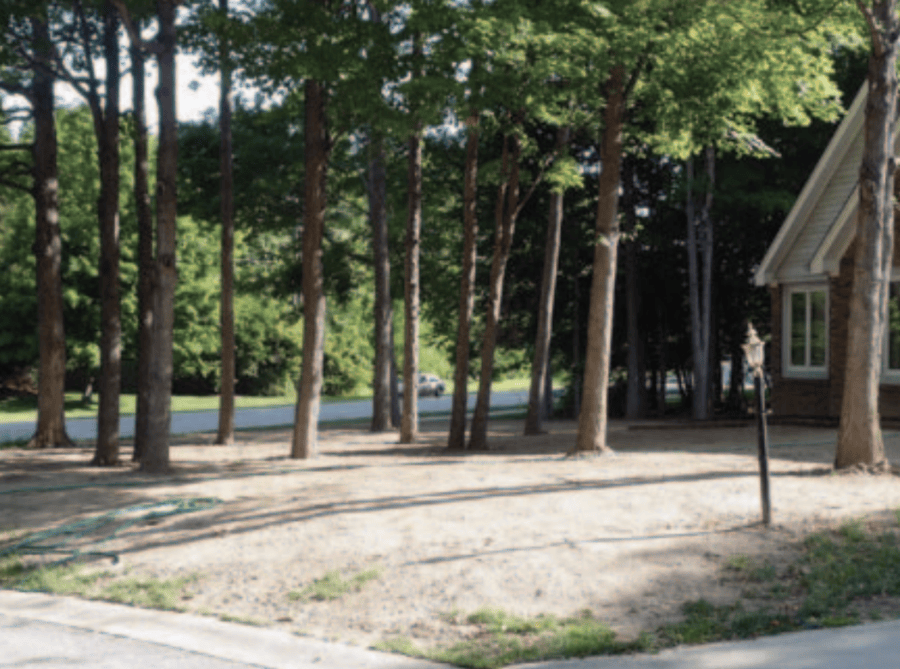 The excavation and grading processes create a “hard pan” and remove the valuable topsoil, leaving the remaining topsoil to be used for leveling and covering the lot. This subsoil usually is compacted, nutrient-poor and lacking pore space for water and oxygen, and not suitable for long-lasting, healthy trees.
Soil Grade Changes
One of the most common causes of decline in trees on the construction site is raising the grade or soil level around existing trees. “Filling” graded areas on the site raises the level of soil and covers the original soil. This causes damage to tree root systems by cutting off the oxygen supply, preventing gas exchange between soil and air. In addition, an existing tree grows accustomed to a certain amount of water it receives. Cutting or filling soil around a tree disrupts normal water flow and either deprives the tree of water or creates excessive soil moisture. Trees can decline and die with as little as 1 inch of clay-type soils added to the existing grade. So changing the level of soils around a tree and allowing these fill soils to touch the tree can be fatal!
Studies have shown that fill soil over the root system greatly reduces the root system. In a short time, roots begin to decay and die back, causing overall decline in the tree and significantly increasing the risk of tree failure. Often this type of root damage doesn’t reveal itself for several years. Symptoms may be observed, such as untimely fall color or declining and dying branches in the upper and outermost parts of the tree canopy.
Physical Damage
Careless operation of equipment around trees can cause severe damage to trees and compromise their future health. Any damage to the tree trunk can create conditions that affect health and safety.
Construction equipment can injure the aboveground and below ground parts of a tree by breaking branches, tearing the bark, wounding the trunk or cutting trunk flares and roots. These injuries are permanent and can kill a tree.
Root Cutting
Excavating for foundations and other structures on the site severs the roots of those chosen trees remaining on the site. Since a majority of a tree’s root system is found in the topsoil area, these building processes can be devastating.
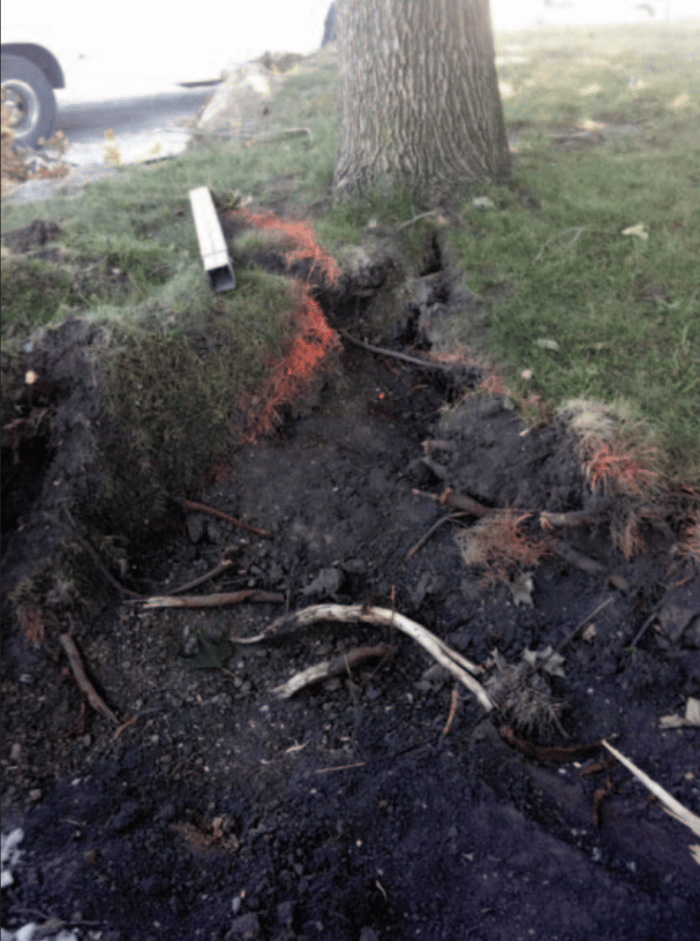
Research indicates that a large portion of most tree roots grow in the upper 12 inches of the soil profile and can spread laterally up to 2 to 3 times the height of the tree. For example, the root system of a 50-foot shade tree can be found in a 150-foot circle around the trunk. Therefore, digging foundations, sidewalks or driveways drastically reduces important root structures of these carefully selected trees. Reducing the root system lessens a tree’s ability to absorb the water and nutrients that are essential for growth. This root loss also places additional stress on the tree as it tries to recover by using stored carbohydrate reserves, further weakening the tree and making it more susceptible to insects and disease.
Root cutting near a tree also reduces stability and increases risk to the owner. Research indicates if 40 percent of the roots are cut, the tree becomes 40 percent less stable, making it more susceptible to windthrow.
Trunk and Crown Damage
The vascular system of a tree lies just beneath the bark in an area called the cambium layer. This includes the water and food-conducting tissue known as the xylem and phloem. Any injury to the cambium layer on the trunk and branches creates a wound disrupting the flow of the conducting tissue. If the damage is severe enough, the tree can die. The affected area on the trunk or branches takes months to years to heal. In some tree species which don’t heal well, the wound may never close. In this time, fungi and other wood-decaying organisms can enter the tree. This decay can begin spreading to other parts of the tree, causing more health issues for the tree and risk for the owner.
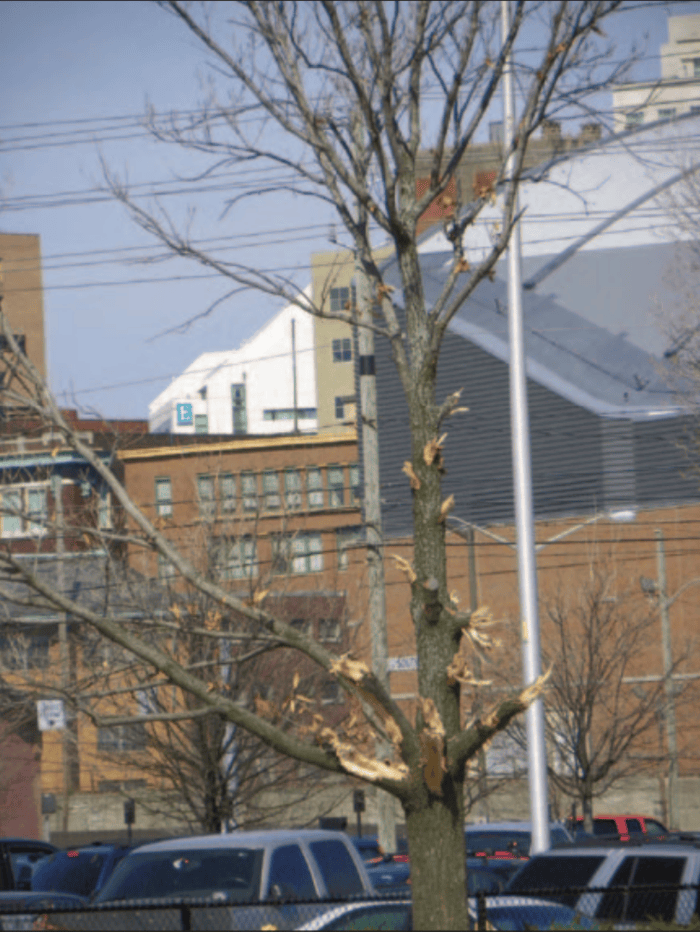 Construction damage causes health and survival issues for trees and creates risk issues for people and the property around them. Tree damage above and below ground creates weaknesses in the tree structure and reduces its ability to withstand storms and other weather-related events.
So, why does the tree seem to decline and die within a few years of construction?
The answer is reduced health and inability to perform critical plant functions because of direct or indirect damage to the tree or its soil environment.
For example, as normal photosynthesis occurs, trees store carbohydrates for next year’s growth. If a tree was healthy and growing before construction, functions such as processing food for energy storage were in effect for the coming year. When that process and any other critical function is interrupted by root damage and soil changes, the tree begins to use up its food reserves and becomes unable to replace them. This drastically weakens the tree and predisposes it to other issues such as insect and disease infestations. Trees unable to continue their basic processes won’t function well and the result is gradual decline, dieback and death. Protecting trees now prevents problems in the future. Preservation is critical for those who would save existing trees on a construction site.
To prevent this type of tree damage during construction also refer to Purdue Extension publication FNR-463-W, Construction and Trees: Guidelines for Protection.
Resources:
Planting Your Tree Part 1: Choosing Your Tree, Purdue Extension YouTube Channel
Tree Planting Part 2: Planting a Tree, Purdue Extension YouTube Channel
Tree Installation: Process and Practices, The Education Store
Tree Pruning Essentials, The Education Store
Tree Pruning Essentials Video, Purdue Extension YouTube Channel
Drought Information, Indiana Department of Natural Resources
Drought? Don’t forget the trees!, The Education Store
Tree Defect Identification, The Education Store
Tree Wound and Healing, Got Nature? Blog, Purdue Extension – Forestry and Natural Resources
Surface Root Syndrome, The Education Store
Find an Arborist video, Trees are Good-International Society of Arboriculture (ISA)
Trees and Storms: Understanding Damage, Risk and Recovery – Got Nature? Blog, Purdue Extension – FNR
Indiana Invasive Species Council
ID That Tree, Playlist, Purdue Extension – FNR YouTube Channel (Invasive White Mulberry, Siberian Elm, Tree of Heaven)
Fifty Common Trees of Indiana
An Introduction to Trees of Indiana
Native Trees of the Midwest, The Education Store
Subscribe – Purdue Extension-FNR YouTube Channel
Lindsey Purcell, Executive Director
Indiana Arborist Association
Purdue Landscape Report: An unfortunate question I am sometimes asked is similar to this: “I lost my prized shade tree! What can I plant that will grow fast and give me shade?” While there is no instant fix to this scenario, let’s review a few trees that might be better choices here in northern Indiana.
One obstacle to consider is that many of the fast-growing trees are also fast-dying, meaning that, relatively speaking, they are not long-lived for trees. We’re already behind the 8-ball in our highly manipulated landscapes because we know that trees in landscapes tend to live much shorter lives than trees in their unmanipulated natural habitats.
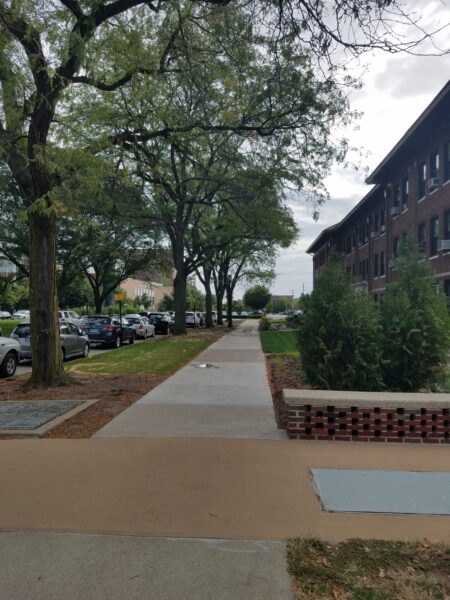
Figure 1. Honeylocust is a fast growing tree that performs well in urban plantings (Image from Purdue Landscape Report)
That said, here are a few trees to consider. I would still encourage homeowners to invest some time in researching the trees that they are considering. There are pros and cons to almost every tree, and there isn’t room in this article to fully explore all the advantages and disadvantages of each tree. Additionally, I will not be getting into detail about all the cultivars available.
Let’s start with our state tree, the Tuliptree (a.k.a Tulip-poplar or Yellow-poplar). Tuliptrees can become quite large and offer a pretty yellow fall color. They prefer deep, rich, well-drained soils.
If maples are on your mind, a couple of options would be Red maple and Freeman maple (a hybrid cross of Silver maple and Red maple). Red maple has more moderate growth. The Freeman maple is a faster grower and has stronger wood than one of its parents, the Silver maple. These maples do best in well-drained, slightly acid soils, but will tolerate a variety of soil conditions.
Northern catalpa is a fast grower, but dealing with the fruit litter, a long seed pod, may be a deterrent for some locations. It has large, heart-shaped leaves. It would grow well in moist sites.
Common hackberry is a fast grower, but it is susceptible to galls on the leaves (from a n insect), and limbs can become susceptible to wind and ice damage. It tolerates a wide variety of soil conditions. Thornless honeylocust is widely adapted to different soil types. Honeylocusts in the wild produce large thorns. The Thornless honeylocust is adapted to landscapes and allows dappled sunlight to reach turfgrass, so that it thrives more than it would under a tree that provides heavy shade.
Sweetgum is also a fast-growing shade tree with brilliant fall colors. It has a star-shaped leaf. One drawback of sweetgum is the spiny seed capsule. This fallen fruit can make walking in the yard barefoot a painful experience.
Eastern cottonwood is the tree on record for the fastest growth rate of any tree native to the U.S. However, those with cottonwoods in their yard can tell you that the cottony seed mass shed in the spring sticks everywhere. It can be a mess. Plus, cottonwood can shed limbs frequently, especially after storms. This tree is commonly found along rivers and streams, so it not surprisingly prefers moist soils.
Also found along rivers and streams, American sycamore is a fast-growing tree in some landscapes. However, it can be a messy landscape tree, shedding bark, leaves, limbs, and fruit nearly year-round. The large fallen leaves can smother grass if not mowed or raked. It is also sensitive to a spring disease called anthracnose, which can cause defoliation and twig death.
Wild black cherry may be another good choice. Although it may not be available in some nurseries, it can be grown from seed. It prefers rich, moist, well-drained soils.
A couple of faster-growing oaks to consider are Pin oak and Northern red oak. Pin oak would be better suited to slightly wetter spots, while Red oak would work on a wider variety of soils, preferring rich, moist, well-drained sites. Pin oak is susceptible to iron chlorosis (yellowing leaves) on alkaline soils.
Finally, American basswood also prefers rich, moist, well-drained soils and is somewhat shade-tolerant. This tree can grow quite tall and provide excellent shade.
In your research, find out how large the tree you will be purchasing will get. One common planting mistake is locating trees too close to structures. Consider the mature size when placing it in the landscape.
Time your spring planting near Arbor Day, the last Friday in April.
Original article posted: Fast-Growing Trees for the Landscape.
Subscribe and receive the newsletter: Purdue Landscape Report Newsletter.
Resources:
Fifty Common Trees of Indiana
An Introduction to Trees of Indiana
Native Trees of the Midwest, The Education Store
Shrubs and Woody Vines of Indiana and the Midwest, The Education Store
Tree Installation: Process and Practices, The Education Store
Wildlife Habitat Hint YouTube Playlist, Purdue Extension – FNR
Invasive Species YouTube Playlist, Purdue Extension – FNR
Report Invasive Species, Purdue Invasive Species
Find an Arborist video, Trees are Good-International Society of Arboriculture (ISA)
ID That Tree, Purdue Extension-FNR YouTube playlist
Purdue Plant and Pest Diagnostic Laboratory
Trees and Storms – The Education Store, Purdue Education’s resource center
Planting Your Tree, video, Purdue Extension
Subscribe Purdue Extension – Forestry and Natural Resources YouTube Channel
John Woodmansee, Extension Educator, Whitely County
Purdue Extension
In this edition of ID That Tree, Purdue Extension Forester Lenny Farlee introduces us to dwarf chinkapin oak, an uncommon oak species found in far northern Indiana. Unlike many oaks that grow into large forest trees, this species often takes on a different form. Learn about the types of sites where dwarf chinkapin oak is typically found, how it compares to its relative the chinkapin oak and why it plays an important role in supporting wildlife. Whether you’re a student, landowner or simply curious about Indiana’s native trees and shrubs, this video offers a quick introduction to this unique and lesser-known oak species.
If you have any questions regarding wildlife, trees, forest management, wood products, natural resource planning or other natural resource topics, feel free to contact us by using our Ask an Expert web page.
Resources:
ID That Tree – Video Playlist, Purdue Extension – Forestry and Natural Resources (FNR) YouTube Channel
Purdue Arboretum Explorer
Conservation Tree Planting: Steps to Success, Purdue Extension – FNR YouTube Channel
A Woodland Management Moment, Playlist, Purdue Extension – FNR YouTube Channel
Woodland Stewardship for Landowners, Playlist, Purdue Extension – FNR YouTube Channel
Fifty Common Trees of Indiana, Purdue Extension – FNR
Indiana Invasive Species Council
Cooperative Invasive Species Management Area (CISMA)
Report Invasive, Purdue Extension
Habitat University, Episode 12 – Exploring the challenges of Invasive Species, Habitat University-Natural Resource University
Shrubs and Woody Vines of Indiana and the Midwest, Purdue University Press
Native Trees of the Midwest, Purdue University Press
Professional Forester, Indiana Forestry Woodland Owners Association
District Forester, Indiana Department of Natural Resources, 10+ acres
Find an Arborist, International Society of Arboriculture
Forest Improvement Handbook, The Education Store
Lenny Farlee, Extension Forester
Hardwood Tree Improvement and Regeneration Center
Purdue Department of Forestry & Natural Resources
Join Purdue Extension forester Lenny Farlee in this episode of “A Woodland Management Moment” as he discusses the benefits of using windbreak plantings around hardwood tree plantations. Using a black walnut planting as an example, this episode introduces how windbreaks can influence early growth, protection and overall tree form. The video also connects windbreaks to broader planting strategies and long-term management objectives. Watch to learn how thoughtful plantation design can support both tree performance and woodland management goals.
A good resource to learn more is the Walnut Council website. Founded in 1970, the Walnut Council is an international association representing nearly 700 woodland owners, foresters, forest scientists, and wood-producing industry representatives in 45 states and three foreign countries. The purpose is to assist in the technical transfer of forest research to field applications, help build and maintain better markets for wood products and nut crops, and to promote sustainable forest management, conservation, reforestation, and utilization of American black walnut (Juglans nigra) and other high quality fine hardwoods.
If you have any questions regarding trees, forests, wildlife, wood products, or other natural resource topics, feel free to contact us by using our Ask an Expert web page.
Resources:
A Woodland Management Moment, Playlist, Purdue Extension – Forestry and Natural Resources (FNR) YouTube Channel
Explore the Rich World of Oaks with Purdue FNR Extension & Partners, Purdue Extension – FNR Got Nature? Blog
Conservation Tree Planting: Steps to Success, Purdue Extension – FNR YouTube Channel
It’s Not Too Late to Order Trees for Spring Planting, Purdue Extension – FNR Got Nature? Blog
Shrubs and Woody Vines of Indiana and the Midwest, Purdue University Press
Native Trees of the Midwest, Purdue University Press
ID That Tree, Playlist, Purdue Extension – FNR YouTube Channel
Investing in Indiana Woodlands, The Education Store
Woodland Stewardship for Landowners Video Series, Playlist, Indiana Department of Natural Resources YouTube Channel
District Forester, Indiana DNR Division of Forestry, for over 10 acres of woodlands
Professional Forester, Indiana Forestry & Woodland Owners Association (IFWOA)
Forest Improvement Handbook, The Education Store
Purdue Arboretum Explorer
Lenny Farlee, Extension Forester
Hardwood Tree Improvement and Regeneration Center
Purdue Department of Forestry & Natural Resources
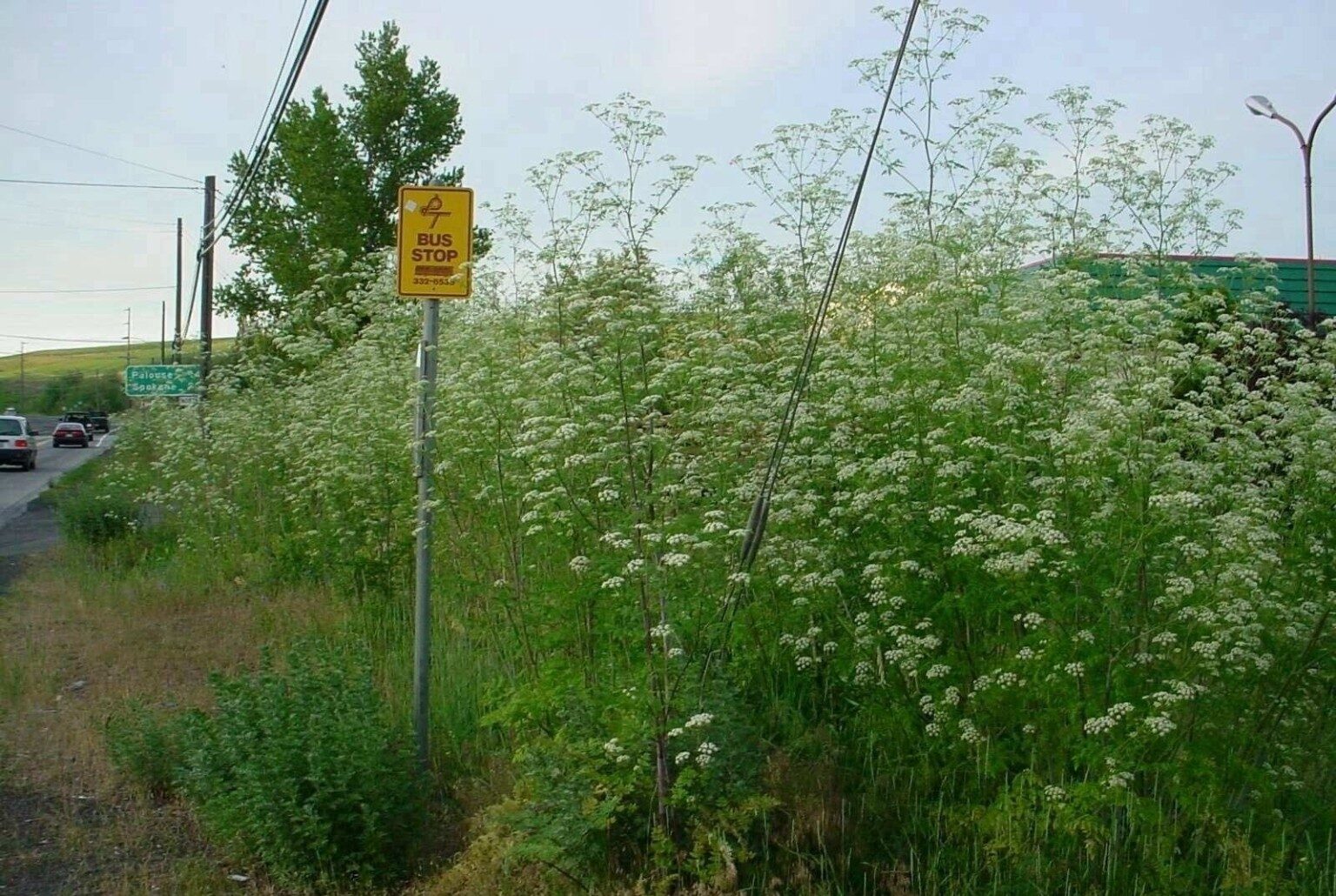
Photo by: Richard Old, XID Services, Inc., Bugwood.org.
Made infamous through the trial of Socrates, Shakespeare’s Hamlet and Macbeth, and several other works of classic literature, poison hemlock is an extremely toxic plant that will pose a risk this summer and should be handled with caution.
Poison hemlock is native to Europe. It is a biennial plant, meaning that it has a two-year lifespan. Last summer, it went through vegetative growth and largely stayed out of sight as a basal rosette. This summer, a long stem (up to 3 to 10 feet tall) will bolt and produce small white clusters of flowers. Poison hemlock is a member of the parsley family and can sometimes be confused with wild carrot. However, its distinguishing feature is its hairless hollow stalks with purple blotches.
The biggest risk with poison hemlock is ingestion. Lethal doses are fairly small, so it is important for animal owners or parents of young children to identify it in their area and remove it if possible. The toxins can also be absorbed through the skin and lungs, so be sure to wear gloves and a mask when handling these plants.
Symptoms of hemlock poisoning include dilation of the pupils, weakening or slowing pulse, blue coloration around the mouth and eventually paralysis of the central nervous system and muscles leading to death. Quick treatment can reverse the effects, so act quickly.
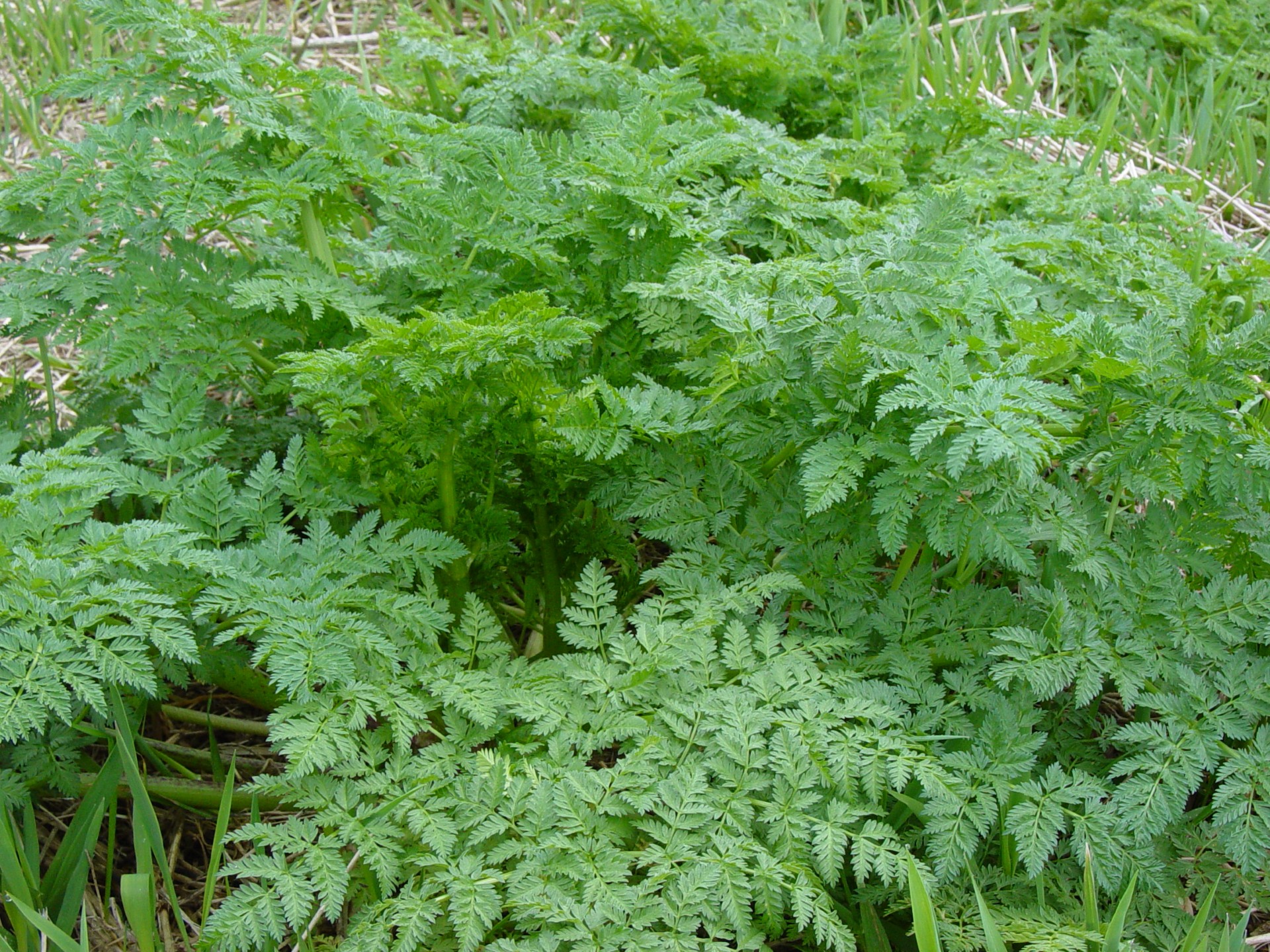 It is considered highly invasive and is listed on both Indiana’s noxious weed list and the terrestrial invasive plant rule list, Indiana General Assembly IC 14-24-12, IC 15-15, IC 15-16-7 to 10, Indiana Department of Natural Resources, Terrestrial Invasive Species – Plants. Thus, its occurrence may have legal implications for landowners. Some Indiana counties aggressively monitor and spray poison hemlock, particularly along county roads. It primarily invades disturbed and early succession sites such as roadsides, stream and ditch banks, vacant lots, and field borders. However, it can spread into pastures, hay fields, and other grassland habitats.
Its sap contains alkaloid toxins which are highly toxic to humans and animals. Although humans would not normally purposely or accidentally ingest poison hemlock (Socrates was a notable exception), care should be taken when mowing or cutting to avoid dermal and respiratory inhalation exposure. Livestock farmers should control poison hemlock in pastures, feed lots and holding pens and ensure it is not baled in hay.
Poison hemlock spreads via seed, so effective management must prevent new seed production, prevent spread of existing seed, and exhaust the existing seed supply in the soil seed bank.
Poison hemlock seed is often inadvertently spread by mowing, road maintenance or agricultural equipment. Mow infested areas along roadsides, ditch banks and field edges before seed develops. A single mowing may delay but not stop poison hemlock from growing another shoot and ultimately flowering and producing seed. Multiple mowings are likely required to prevent new seed production.
 Herbicide control should focus on the first-year basal rosette. Herbicide control can still be achieved in the early stages of flower stem development. However, as the flower stem grows so grows the amount of herbicide required to provide full coverage and thus full control. A 2% solution of glyphosate (41% active ingredient) in water with a non-ionic surfactant will provide good control of poison hemlock basal rosettes. If the poison hemlock is growing among desirable grasses, broadleaf-specific herbicides such as triclopyr and 2,4-D are also very effective on poison hemlock and will not harm the grasses. AS always, read the pesticide label for proper, safe handling and use.
For more information see Purdue Cooperative Extension Invasive Plant Fact Sheet Series FNR-437-W, Poison Hemlock. For further guidance on poison hemlock control, contact your county Purdue Cooperative Extension office.
Resources:
Noxious and Invasive Weeds and the Weed Laws in Indiana, Purdue Extension – Botany & Plant Pathology
Be Careful Around Highly Toxic Poison Hemlock Plant This Summer, Purdue Extension – Forestry and Natural Resources (FNR)
Poison Hemlock, Pest & Crop Newsletter, Purdue Extension – Entomology
Pest & Crop Newsletter, Purdue Extension
Recognizing and Managing Poison Hemlock, Purdue Landscape Report
Hemlock Woolly Adelgid: Distribution Update, Purdue Landscape Report
Poison Hemlock (Conium maculatum), United States Department of Agriculture (USDA)
Invasive plants: impact on environment and people, The Education Store, Purdue Extension’s resource center
Woodland Management Moment: Invasive Species Control Process, Video, Purdue Extension – Forestry and Natural Resources (FNR) YouTube Channel
What are Invasive Species and Why Should I Care?, Purdue Extension – Forestry and Natural Resources (FNR)
Indiana Invasive Species Council
Report INvasive, Purdue Extension & Indiana Invasive Species Council
Purdue Pest and Plant Diagnostic Lab
Ron Rathfon, Regional Extension Forester, Southern Indiana Purdue Agriculture Center (SIPAC)
Purdue Forestry and Natural Resources
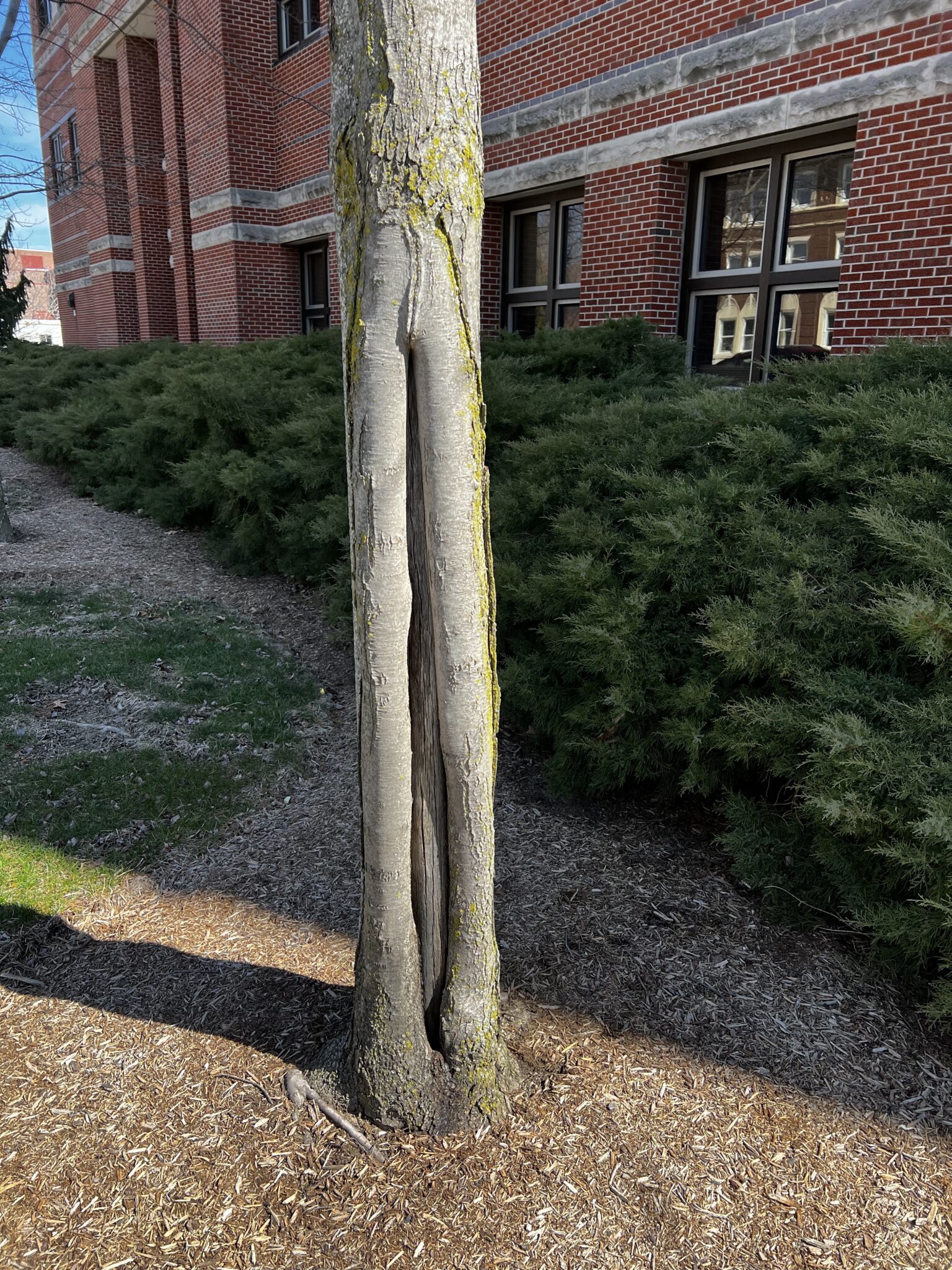
Figure 1 – Southwest damage from the base of the tree up the trunk.
We are now on the other side of the equinox, and while the days are getting longer again, we are beset with Midwest snows and icy temperatures that could persist to the beginning of Spring in March. During this time, there is a likely chance of a “tug-of-war” between our current cold weather and intermittent warm spells, and it’s a good time to check on your trees, especially newly transplanted trees and species with thinner bark.
As you head outdoors, what you might notice are signs of damage to your trees that include splits or cracks that could range in size from less than 1” to up to the entire length of the main stem and/or sunken areas on the trunk (Figs. 1 & 2). What you’re witnessing is winter stem damage known as sunscald or southwest damage (usually located on south to southwest-facing sides of the tree).
So, what is southwest damage and why has your tree been affected by it? It’s a wound that’s opened during winter due to sudden drops in temperature. These drops can come from different instances like the change from day to night or even from sudden cloud cover on a sunny day. The sun warms the trunk on the south to southwest faces of the tree, then the temperature change causes the bark to split. Repeated instances eventually cause dehydration of the damaged area which causes scalding.
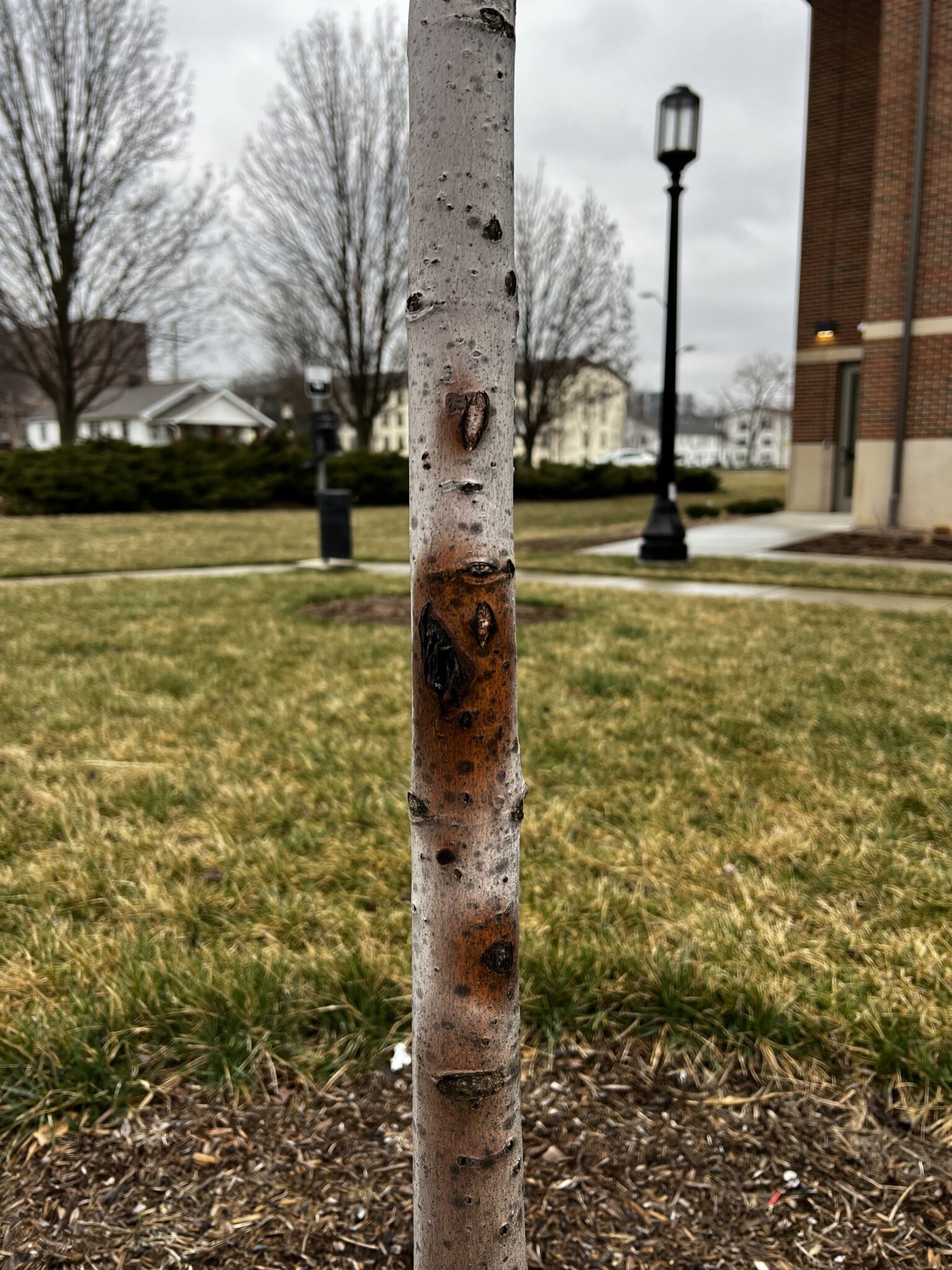
Figure 2 – Sunken wound from scalding damage.
Southwest damage comes from a previously sustained injury and will likely be found on younger trees or species with thin bark including Acer spp., Betula spp., Malus spp., Platanus spp., Prunus spp., and Ulmus spp. If these trees are also stressed, for example, from the dryer hotter summers we’ve been experiencing or other factors, they will be more vulnerable to damage moving into winter months.
As your trees grow and become more established, chances of damage decrease. Install white tree guards in Fall on trees less than 4” to help protect them during the winter. Those of you that are ahead of the game in your tree protection will have already done this last year to help prevent southwest damage (and damage from deer rub if you installed them in the fall before the rut). I commend you on your efforts, but make sure not to leave them on year-round. As things begin to heat up those covers can be a source of moisture retention which can lead to rot on the trunk of your tree. Plan on removing them as Spring sets in and save them for next Fall.
If cracking has already occurred, don’t panic. It’s not the end of your tree. Depending on the extent of the damage the tree may be able to seal off the damage with callus tissue called wound wood (Fig. 4). Healthier trees can produce this more quickly. Some things you can do to assist your tree include the following:
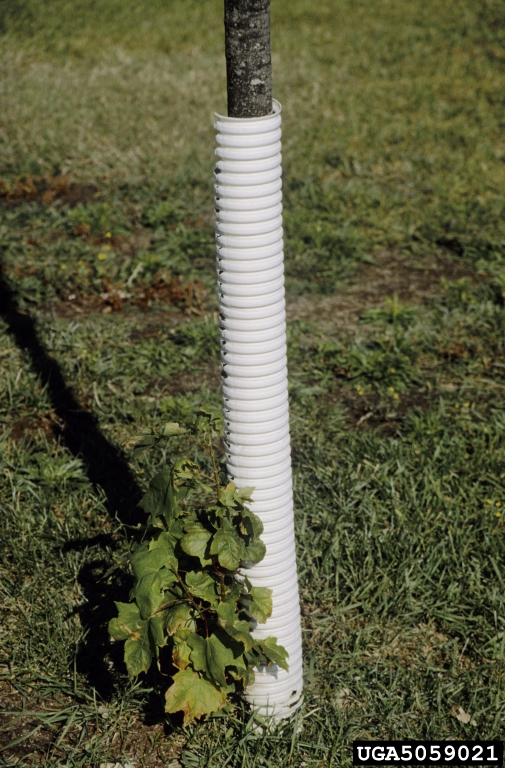
Figure 3 – Use of white tree guards can protect the trunk from temperature changes that cause damage.
- Putting your tree on a watering schedule (especially in the summer) to reduce water and heat stress.
- Mulching your tree (no mulch volcanoes) can help stop mechanical damage from mowing and other lawn maintenance and can also help with water retention in the soil.
- Herbicide use should be limited and done on days with little to no wind to help reduce drift onto the tree.
- Plan on installing white tree guards mid to late Fall. I like the white corrugated drainpipes you can find at local home and garden stores. Make sure to get a diameter larger than you tree to provide airflow to the trunk.
If you are still worried about the health of your tree, you can always find an ISA Certified Arborist nearby using the Trees Are Good website. They will be able to help assess any other issues and provide excellent professional help.
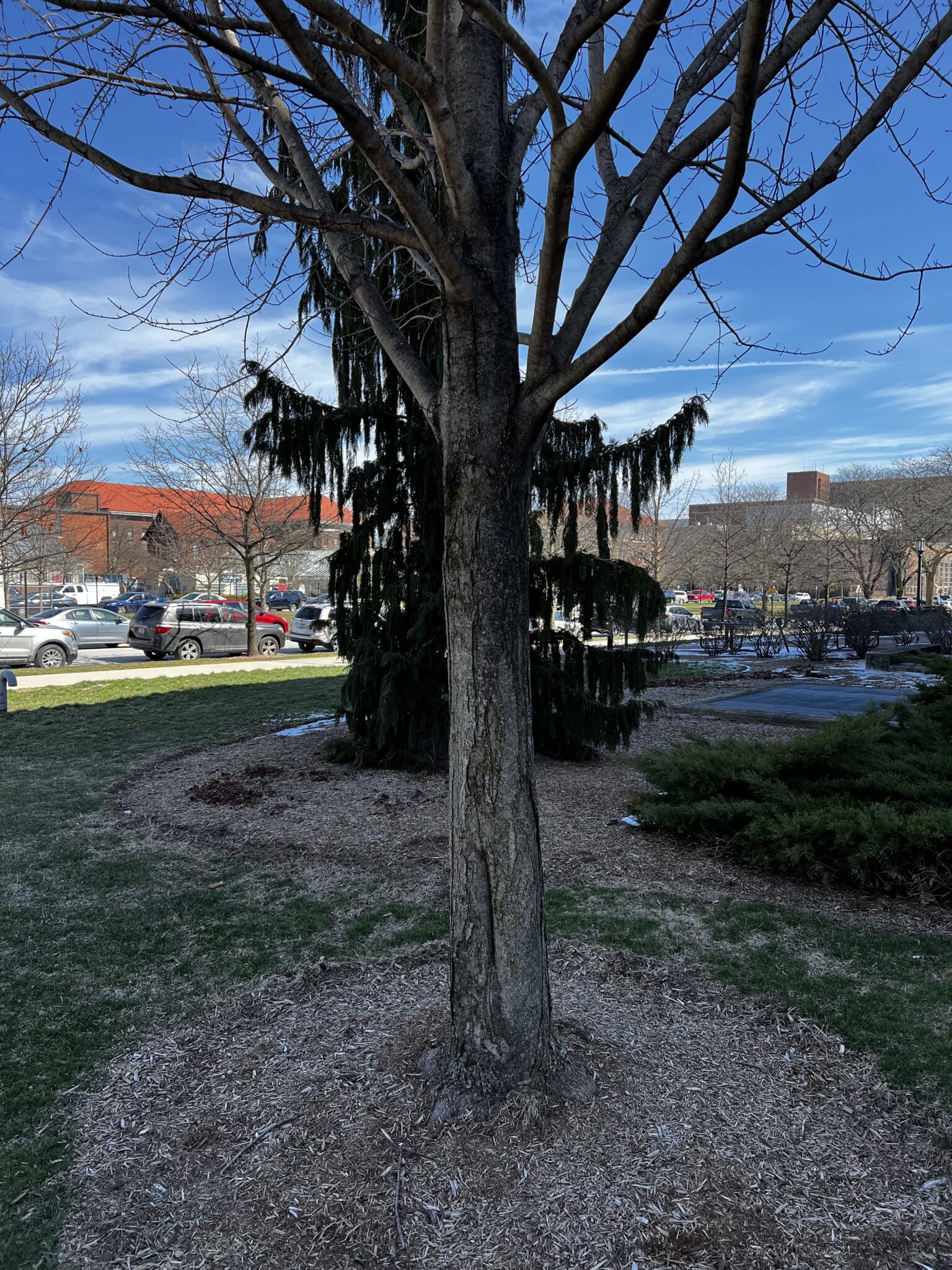
Figure 4 – Callus tissue growth closing over southwest damage.
Resources:
The Purdue Landscape Report
Find an Arborist video, Trees are Good, International Society of Arboriculture (ISA)
Equipment Damage to Trees, Got Nature? Blog
Tree wounds and healing, Got Nature? Blog
Tree Defect Identification, The Education Store, Purdue Extension resource center
Tree Pruning Essentials, Publication & Video, The Education Store
Shrubs and Woody Vines of Indiana and the Midwest, The Education Store
Tree Risk Management – Got Nature? Blog, Purdue Extension – FNR
Why Is My Tree Dying? – Got Nature? Blog, Purdue Extension – Forestry and Natural Resources
ID That Tree, Purdue Extension-Forestry & Natural Resources (FNR) YouTube playlist
Subscribe to Purdue Extension-FNR YouTube Channel
Ben McCallister, Urban Forestry Specialist
Purdue Forestry and Natural Resources
Are you a woodland owner who is just beginning to explore forest regeneration, restoration and reforestation activities?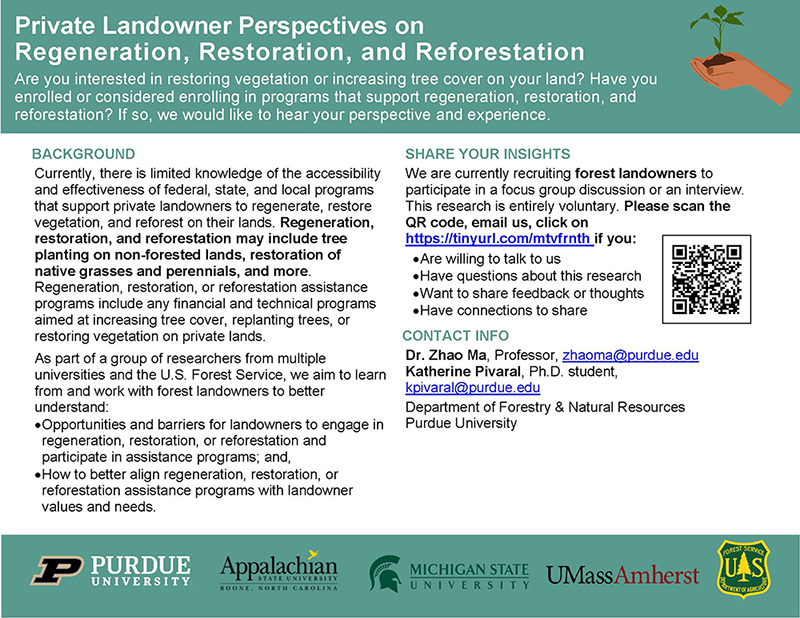
The Human Dimensions Lab at the Department of Forestry and Natural Resources with Purdue University is conducting research to understand private landowners’ perspectives on regeneration, restoration and reforestation. Private forest and woodland owners are key partners in forest and vegetation management efforts across the United States. These activities may involve tree planting, restoration of native vegetation or other practices aimed at enhancing forest and vegetation cover on private lands. Various federal, state and local programs offer financial and technical assistance to support these efforts and understanding landowner perspectives is important for informing future research and outreach.
About the Research
As part of a collaborative research effort involving multiple universities and the U.S. Forest Service, the Purdue University research team is working directly with private forest landowners to better understand real‑world experiences with regeneration, restoration and revegetation.
Specifically, the research aims to:
- Better understand the opportunities and barriers that landowners face when considering or engaging in regeneration, restoration or revegetation activities, including participation in assistance programs.
- Explore how assistance programs can better align with landowner values, needs and goals.
By learning directly from landowners, especially those who are in the early stages of exploring these activities, the researchers hope to generate insights that can improve the design and delivery of support programs in the future.
Who Can Participate?
The research team is currently recruiting forest and woodland owners who have recently begun exploring regeneration, restoration or reforestation topics and are willing to share their perspectives.
Participation may include an interview or focus group discussion, depending on participant preference and availability. All participation is entirely voluntary.
Why Participate?
By sharing your experiences, questions and thoughts, you can help researchers and land management agencies better understand what works, what doesn’t and what support landowners truly need. Your insights can contribute to more effective, landowner‑centered programs that support forest and woodland stewardship on private lands.
Learn More or Get Involved
If you are interested in participating, have questions about the research, would like to share feedback or know others who may be interested, please reach out before March 15 and visit the Landowners: Share Your Insight form provided by the Purdue Human Dimensions Lab.
Contact Information:
Primary: Katherine Pivaral, Ph.D. Student
Department of Forestry & Natural Resources, Purdue University
Email: kpivaral@purdue.edu
Dr. Zhao Ma, Professor
Department of Forestry & Natural Resources, Purdue University
Email: zhaoma@purdue.edu
FNR looks forward to learning from and collaborating with forest and woodland owners to better understand how regeneration, restoration and reforestation efforts can support both landowners and the landscapes they steward.
Katherine Pivaral, Ph.D. Student
Department of Forestry & Natural Resources, Purdue University
Resources:
Appalachian State University
Michigan State University
University of Massachusetts – Amherst
U.S. Forest Service
Hardwood Ecosystem Experiment (HEE)
Hardwood Tree Improvement & Regeneration Center (HTIRC)
Forest Improvement Handbook, The Education Store
Managing Your Woods for White-Tailed Deer, The Education Store
Deer Impact Toolbox, Purdue Extension
Virtual Tour Brings Forest Management for Birds to Life, Got Nature? Blog Post, Purdue Extension – Forestry and Natural Resources (FNR)
Silvics Succession Management Webinar, Purdue Extension-FNR YouTube Channel
Subscribe: Deer, Forest Management, ID That Tree, Woodland Management Moment, Invasive Species and many other topic video playlists Purdue Extension-FNR YouTube Channel

Recent Posts
- Purdue Extension’s Regional Teams Are Here: Connecting Communities with Expertise and Opportunity
Posted: October 14, 2026 in Community Development, Forestry, Forests and Street Trees, Gardening, How To, Timber Marketing, Urban Forestry, Wildlife, Woodlands - Why Do Our Trees Go From Green Leaves to Different Colors?
Posted: in Forestry, Forests and Street Trees, Urban Forestry, Woodlands - Distinguishing Dogwoods
Posted: October 13, 2026 in Forestry, Urban Forestry, Wildlife, Woodlands - It’s Not Too Early To Start Planning For Spring Tree Planting
Posted: in Forestry, How To - Can I Plant Trees in the Fall?
Posted: October 12, 2026 in Forestry, How To, Land Use, Plants, Urban Forestry, Wildlife - Burning for Benefits: Why Fire Belongs in Indiana
Posted: in Forestry, Safety, Woodlands - Disease May Cause Wilting and Eventual Death of Certain Trees and Shrubs, Purdue Landscape Report
Posted: October 5, 2026 in Disease, Forestry, Plants - October Is Firewood Month: Protect Indiana’s Forests by Making Smart Choices
Posted: October 1, 2026 in Forestry, Forests and Street Trees, How To, Invasive Insects, Urban Forestry - Woodland Flowers of Late Summer
Posted: September 14, 2026 in Forestry, Gardening, Wildlife, Woodlands - New Indiana Woodland Steward Newsletter
Posted: August 12, 2026 in Forestry, Urban Forestry, Wildlife, Woodlands
Archives
Categories
- Alert
- Aquaculture/Fish
- Aquatic/Aquaculture Resources
- Ask the Expert
- Christmas Trees
- Community Development
- Disease
- Drought
- Forestry
- Forests and Street Trees
- Gardening
- Got Nature for Kids
- Great Lakes
- How To
- Invasive Animal Species
- Invasive Insects
- Invasive Plant Species
- Land Use
- Natural Resource Planning
- Nature of Teaching
- Plants
- Podcasts
- Ponds
- Publication
- Safety
- Spiders
- Timber Marketing
- Urban Forestry
- Webinar
- Wildlife
- Wood Products/Manufacturing
- Woodland Management Moment
- Woodlands