 Purdue University - Extension - Forestry and Natural Resources
Got Nature? Blog
United States Department of Agriculture Animal and Plant Health Inspection Service Bulletin: USDA declares August Tree Check Month and urges public to look for Asian longhorned beetle.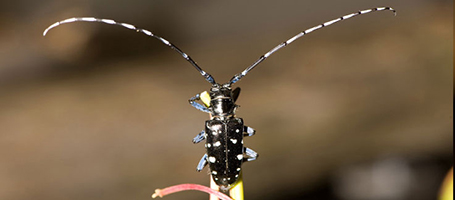
WASHINGTON, July 23, 2019 — August is the height of summer, and it is also the best time to spot the Asian longhorned beetle (ALB) as it starts to emerge from trees. The U.S. Department of Agriculture (USDA) is asking the public to take five minutes to step outside and report any signs of this invasive pest. Checking trees for the beetle will help residents protect their own trees and better direct USDA’s efforts to eradicate this beetle from the United States.
“It’s important to look for signs of the beetle now, because it’s slow to spread during the early stages of an infestation,” said Josie Ryan, APHIS’ National Operations Manager for the ALB Eradication Program. “With the public’s help, we can target new areas where it has spread and provide a better chance of quickly containing it.”
The Asian longhorned beetle feeds on a wide variety of popular hardwood trees, including maple, birch, elm, willow, ash and poplar. It has already led to the loss of more than 180,000 trees. Active infestations are being fought in three areas of the country: Worcester County, MA, Long Island, NY (Nassau and Suffolk Counties), and Clermont County, Ohio.
“Homeowners need to know that infested trees do not recover and will eventually die, becoming safety hazards,” warned Ryan. “USDA removes infested trees as soon as possible because they can drop branches and even fall, especially during storms, and this keeps the pest from spreading to nearby healthy trees.”
The Asian longhorned beetle has distinctive markings that are easy to recognize:
- Antennae that are longer than the insect’s body with black and white bands.
- A shiny, jet-black body with white spots, about 1” to 1 ½” long.
- Six legs and feet, possibly bluish-colored.
Signs of infestation include: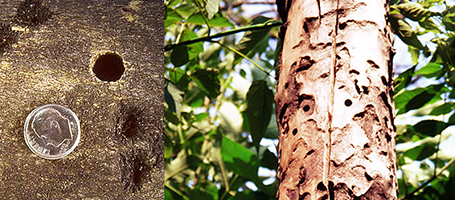
- Round exit holes in tree trunks and branches about the size of a dime or smaller.
- Shallow oval or round scars in the bark where the adult beetle chewed an egg site.
- Sawdust-like material called frass, laying on the ground around the tree or in the branches.
- Dead branches or limbs falling from an otherwise healthy-looking tree.
After seeing signs of the beetle:
- Make note of what was found and where. Take a photo, if possible.
- Try to capture the insect, place in a container, and freeze it. This will preserve it for easier identification.
- Report findings by calling 1-866-702-9938 or completing an online form at USDA Animal and Plant Health Inspection Service.
It is possible to eliminate this pest and USDA has been successfully doing so in several areas. Most recently, the agency declared Stonelick and Batavia Townships in Ohio to be free of the Asian longhorned beetle. We also eradicated the beetle from Illinois, New Jersey, Boston, MA, and parts of New York. The New York City boroughs of Brooklyn and Queens are in the final stages of eradication.
For more information about the Asian longhorned beetle, other ways to keep it from spreading—such as not moving firewood—and eradication program activities, visit USDA Animal and Plant Health Inspection Service. For local inquiries or to speak to your State Plant Health Director, call 1-866-702-9938.
Other Resources:
Report Invasive Species, Purdue Agriculture & Indiana Invasive Species Council
Great Lakes Early Detection Network, Bugwood Apps
New Hope for Fighting Ash Borer, Got Nature? Blog
Mile-a-Minute Invasive Vine Found Indiana, Got Nature? Blog
Sericea Lespedeza: Plague on the Prairie, Got Nature? Blog
Invasive Plants: Impact on Environment and People, The Education Store, Purdue Extension
Invasive Plant Species in Hardwood Tree Plantations, The Education Store
Invasive Plant Species: Callery Pear, Purdue Extension The Education Store
United States Department of Agriculture Animal and Plant Health Inspection Service
Cockroaches are serious threats to human health. They carry dozens of types of bacteria, such as E. coli and salmonella, that can sicken people. And the saliva, feces and body parts they leave behind may not only trigger allergies and asthma but could cause the condition in some children.
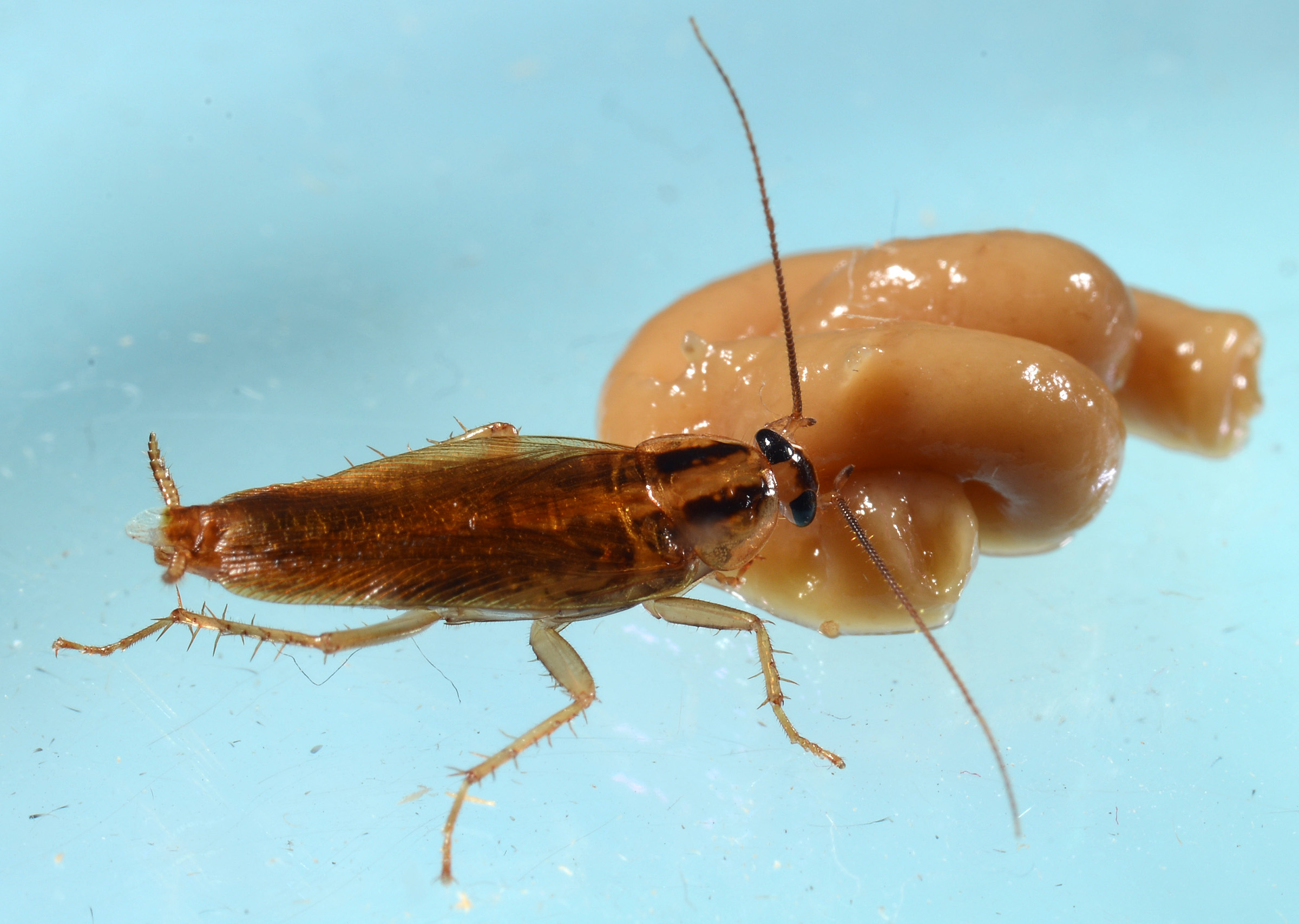
A German cockroach feeds on an insecticide in the laboratory portion of a Purdue University study that determined the insects are gaining cross-resistance to multiple insecticides at one time. (Photo by John Obermeyer/Purdue Entomology)
A Purdue University study led by Michael Scharf, professor and O.W. Rollins/Orkin Chair in the Department of Entomology, now finds evidence that German cockroaches (Blattella germanica L.) are becoming more difficult to eliminate as they develop cross-resistance to exterminators’ best insecticides. The problem is especially prevalent in urban areas and in low-income or federally subsidized housing where resources to effectively combat the pests aren’t as available.
“This is a previously unrealized challenge in cockroaches,” said Scharf, whose findings were published in the journal Scientific Reports. “Cockroaches developing resistance to multiple classes of insecticides at once will make controlling these pests almost impossible with chemicals alone.”
Each class of insecticide works in a different way to kill cockroaches. Exterminators will often use insecticides that are a mixture of multiple classes or change classes from treatment to treatment. The hope is that even if a small percentage of cockroaches is resistant to one class, insecticides from other classes will eliminate them.
Scharf and his study co-authors set out to test those methods at multi-unit buildings in Indiana and Illinois over six months. In one treatment, three insecticides from different classes were rotated into use each month for three months and then repeated. In the second, they used a mixture of two insecticides from different classes for six months. In the third, they chose an insecticide to which cockroaches had low-level starting resistance and used it the entire time.
In each location, cockroaches were captured before the study and lab-tested to determine the most effective insecticides for each treatment, setting up the scientists for the best possible outcomes.
“If you have the ability to test the roaches first and pick an insecticide that has low resistance, that ups the odds,” Scharf said. “But even then, we had trouble controlling populations.”
For full article: Rapid cross-resistance bringing cockroaches closer to invincibility.
Resources
Report Invasive Species, Purdue Agriculture & Indiana Invasive Species Council
Purdue experts encourage ‘citizen scientists’ to report invasive species, Purdue Agriculture News
New Hope for Fighting Ash Borer, Got Nature? Blog, Purdue Forestry and Natural Resources
Mile-a-Minute Invasive Vine Found Indiana, Got Nature? Blog
Sericea Lespedeza: Plague on the Prairie, Got Nature? Blog
Michael E. Scharf, Professor and O.W. Rollins/Orkin Chair
Purdue Department of Entomology
Brian J. Wallheimer, Science Writer
Purdue College of Agriculture
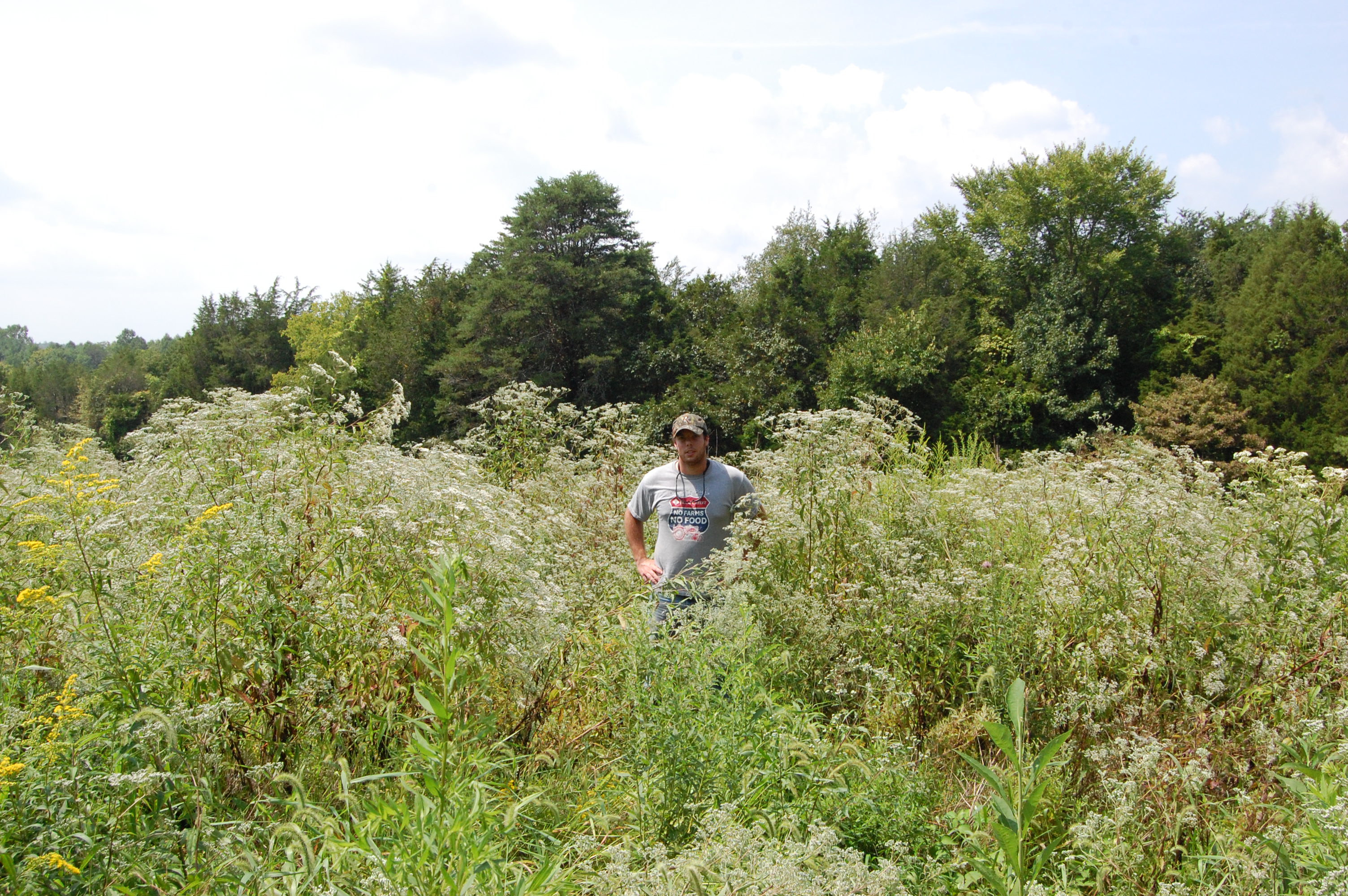
A “weedy” field like this may seem unsightly to some, but to wildlife, it provides invaluable food and cover. Just by leaving this field unmowed, you can improve habitat on your farm.

Mowing just to clean up the farm, or Recreational Mowing Syndrome (RMS), eliminates habitat for countless wildlife species.
Do you have a sudden urge to jump in the tractor and mow your fields, field borders or road ditches?
You might have RMS.
Do you enjoy spending your weekend in the cab of the tractor with a mower in tow in search of places to mow across your property?
You might have RMS.
Do you get queasy at the sight of a “weedy” unkempt field?
You might have RMS.
What is RMS you ask? RMS stands for Recreational Mowing Syndrome, a condition that afflicts many rural landowners during the summer months. And if you answered yes to any or all of the questions above, then you have RMS.
What is it?
RMS is the sudden urge many landowners get to ‘clean’ up their property by mowing the ideal fields, field borders, and road ditches around the farm during the summer months. While a mowed field may look attractive in the eyes of a landowner, in the eyes of wildlife, this is a serious problem.
These prime mowing spots provide habitat for a suite of birds, mammals, herpetofauna, and pollinating insects that inhabit our rural landscapes. Many of these species are actively nesting or raising young in these areas during peak mowing season – April through September. And the weeds coming up in these fields like common milkweed, tall ironweed, common ragweed, and many others provide food and cover for wildlife.
How to treat it?
The easiest way to treat RMS is by going cold-turkey – park the tractor for the summer. If you are not ready to give up mowing all together, then restrict your mowing to just the lanes around the fields, instead of the whole field. If you are ready to give up mowing, but still want to enjoy time in the tractor, try these options.
Instead of hooking up the mower, hook up the sprayer and go control some invasive species on the property, like bush honeysuckle, autumn olive, or sericea lespedeza. Or try hooking up the disk and disking around the field to prepare firebreaks for a late summer or fall prescribed fire.
You can still spend time on the tractor during the summer months without eliminating wildlife habitat through mowing. In fact, you can improve it!
Next time you look at your window and see a “weedy” field, don’t cringe and give into the urge to mow it. Instead, just smile and listen to all the quail whistling, songbirds singing, and bees buzzing in the habitat you improved by not mowing.
Resources
Renovating native warm-season grass stands for wildlife: A Land Manager’s Guide, The Education Store, Purdue Extension Resource Center
Effective Firebreaks for Safe Use of Prescribed Fire, Got Nature?, Purdue Extension – FNR
Sericea Lespedeza: Plague on the Prairie, Got Nature?, Purdue Extension – FNR
Jarred Brooke, Wildlife Extension Specialist
Purdue Forestry and Natural Resources
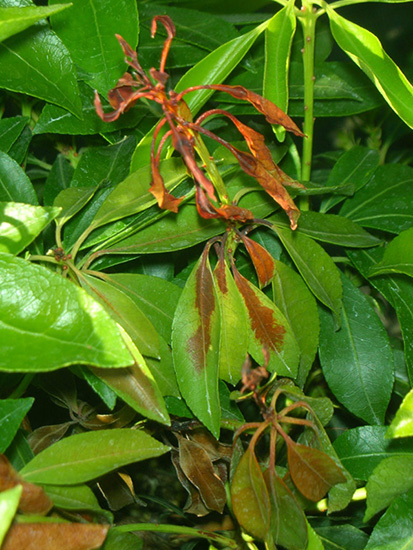 Sudden oak death, as the name suggests, is a disease that is capable of rapidly killing certain species of oaks. It was first identified in California, in 1995. Two years earlier it was identified in Germany and the Netherlands, killing rhododendron. Because the pathogen originally infected and killed tanoaks, an undesirable, understory scrub tree, it generated little interest until other, more desirable oaks species began dying. However, by this point, the disease was well established and eradication no longer an option, with millions of oak trees killed by the disease. Currently, over 120 hosts in addition to oaks have been identified, and more continue to be added to this list. What is most unusual about sudden oak death is the severity of disease symptoms coupled with the broad host range of the pathogen. This leads to difficulty in diagnosing and managing this disease.
What causes this disease?
The pathogen that causes SOD is Phytophthora ramorum (pronounced Fī-toff-thor-ă ră-mor-ǔm). This pathogen belongs to a group of organisms in the Kingdom Chromista, and has characteristics similar to fungi, plants and animals. It spreads throughout the plant by hyphal threads (like fungi), produces spores (like fungi) that have flagella and swim through water (like animals), but its cell wall is made up of cellulose (like plants). When conditions dry up, Phytophthora can produce thick walled sexual spores called oospores, or asexual chlamydospores. Because P. ramorum is not a ‘true’ fungus, many fungicides labeled for control of other fungal diseases are not effective against it.
With such a broad range of plant hosts, it is important to stress that P. ramorum affects different species in different ways. Identification must be confirmed in the laboratory and cannot be identified on field symptoms alone. Many common landscape shrubs are also infected by other endemic Phytophthora species, and symptoms look similar. Boring insects and other root rots may be mistaken for this disease. For this reason, all Phytophthora infections should be screened by the Purdue Plant and Pest Diagnostic Laboratory.
What are the symptoms of SOD?
To understand this disease, it is important to recognize that there are two categories of hosts: bark canker hosts and foliar hosts. Further complicating this is the fact that oaks are divided into three subgroups, and only the red oak group are susceptible to this pathogen. Of our 17 oak species in Indiana, half are potentially, or known to be susceptible, and include black, blackjack, cherrybark, Northern pin, pin, red, scarlet, and Shumard oaks. Diagnostic symptoms of infected red oaks include oozing sap and red-brown cankers that often leading to death.
Our concern right now is on ‘the other’ hosts. Despite its name, sudden oak death primarily spreads through foliar hosts that are sold throughout the United States. Foliar hosts include rhododendrons, azalea, viburnum, lilac, and periwinkle (Vinca minor).
These hosts (and many others) are infected via the leaves and small branches. These infections rarely cause death, and can be mistaken for sunscald, twig canker, and dieback caused by other pathogens, including native Phytophthora species. Although symptoms from these infections are not severe, and are rarely fatal, the infections produce enormous numbers of spores that can infect neighboring, susceptible oaks—and other plant species. For this reason, we are asking people to examine any rhododendrons (or other co-mingled hosts like azalea, viburnum and lilac) purchased this spring from Walmart and Rural King, while the disease may still be controlled and the pathogen contained. Although this disease doesn’t look like much on rhododendron or lilac, its ability to spread to oaks and kill them is what makes it so devastating. These shrubs play a key role in the spread of P. ramorum, acting as a breeding ground for spores (inoculum) that can spread through water, wind-driven rain, plant material, or human activity. Oaks are considered terminal hosts, since the pathogen does not readily spread from intact bark cankers; they become infected only when exposed to spores produced on the leaves and twigs of neighboring plants.
For full article and photos view: Purdue Landscape Report
Other resources:
Sudden Oak Death, California Oak Mortality Task Force
Sudden Oak Death, Indiana Department of Natural Resources
White Oak, The Education Store, Purdue Extension resource center
Planting Forest Trees and Shrubs in Indiana, The Education Store
Successful Oak and Hickory Regeneration, The Hardwood Ecosystem Experiment: 2006-2016, The Education Store
Find a Certified Arborist, International Society of Arboriculture
Janna Beckerman, Professor
Purdue Botany and Plant Pathology
The Invasive Terrestrial Plant Rule was signed by Governor Holcomb and published on March 18, 2019. the rule goes into effect 30 days after publishing, so it will be effective in April.
The Rule States that a person must not: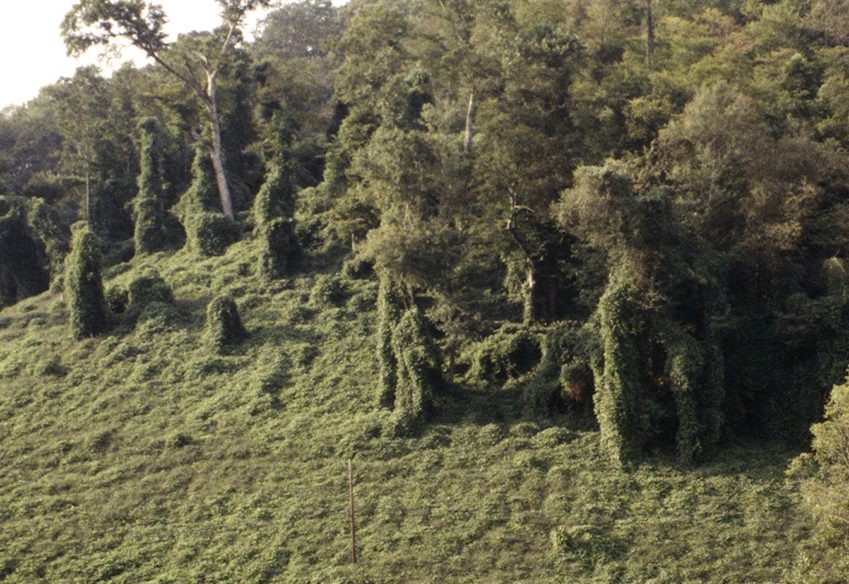
- sell, offer or grow for sale, gift, barter, exchange, or distribute a species;
- transport or transfer a species;
- introduce a species
with respect to the 44 invasive plant species (see full list in the Landscape Report).
Note: Selling, offering, distributing and transporting doesn’t go into effect until April of 2020, so nurseries will have some time to sell down their stock. This is an important component of the rule to minimize economic loss to nurseries that grow and/or sell the few commercially available species that are on the list. Currently there is no mandate to eradicate existing plantings in nurseries, landscapes, or forested areas
To learn more about what an invasive species is, what damage they do, what Indiana is doing, and more please read the Landscape Report, Terrestrial Invasive Species Rule Signed by Indiana Governor.
Resources
Mile-a-Minute Invasive Vine Found Indiana, Got Nature? Blog
Invasive plants: impact on environment and people, Purdue Extension The Education Store
Invasive Plant Species in Hardwood Tree Plantations, The Education Store
Invasive Plant Species: Callery Pear, Purdue Extension The Education Store
Invasive Plant Species: Wintercreeper, Purdue Extension The Education Store
Invasive Plant Species Oriental Bittersweet, Purdue Extension The Education Store
Report Invasive Species, Purdue Invasive Species
The GLEDN Phone App – Great Lakes Early Detection Network
EDDMaps – Early Detection and Distribution Mapping System (Report Invasives)
Cooperative Invasive Species Management Area (CISMA)
Indiana Department of Natural Resources: Invasive Species
Indiana Invasive Species Council
Indiana Department of Natural Resources (IDNR)
Kristol from Tippecanoe County, IN, sent in question to the Purdue Extension-Forestry and Natural Resources experts (Ask an Expert ) asking what resources are available to help with landscaping for a front yard and sidewalk area that accumulates water after a hard rain. She also asked for resources to improve drainage.
Purdue Extension has several articles and resources to help with this type of situation.
The resources in our Rainscaping and Master Gardeners Program shares several neat options:
Rain Gardens Go with the Flow, Indiana Yard and Garden, Purdue Horticulture
Rainscaping Program
Master Gardeners Program
Don’t miss the publications located in the Purdue Extension resource center, The Education Store, relating to the topic:
Tree Installation: Process and Practices
Planting Forest Trees and Shrubs in Indiana
Climate Change: How will you manage stormwater runoff?
For Midwest Landscapes, have a look at the Purdue Landscape Report:
Purdue Landscape Report
Check out upcoming workshops available for land and woodland owners, to talk with an expert:
Purdue Extension-Forestry and Natural Resources Calendar
Check out our Got Nature? posts as well, as this is always a great resource for new information:
Got Nature?, Forestry and Natural Resources-Purdue Extension
These resources give you lots of options that match what your looking for along with experts in the field to contact if needed.
We always appreciate the questions coming in, so keep them coming. Our experts will respond quickly and give you the guidance you need for your next steps.
Diana Evans, Extension Information Coordinator
Purdue Forestry and Natural Resources
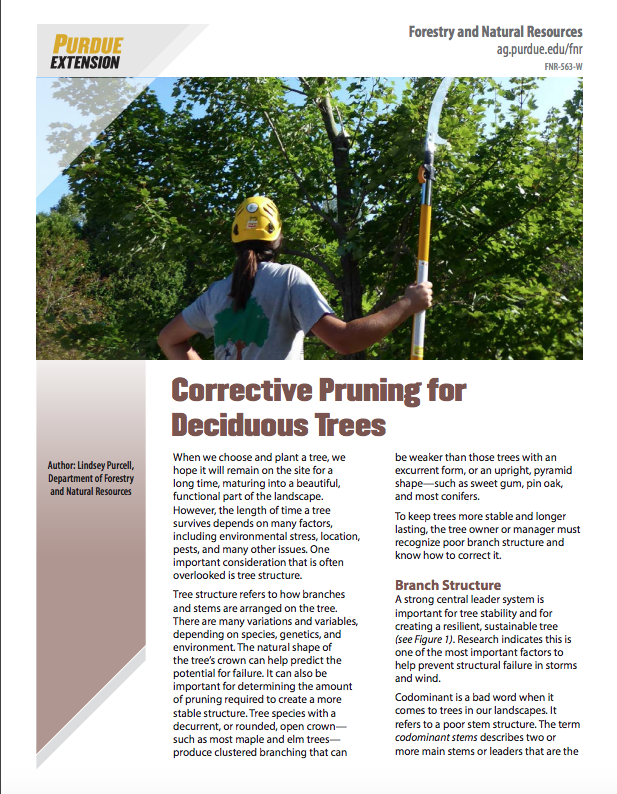
How do I remedy poor branching? Is my tree at risk of splitting, and how can pruning prevent that? Corrective pruning has many implications for tree structure, health, and longevity. Developing a strong, central branch structure in a deciduous tree is critical for preventing structural failure caused by storms, wind, and ice. This 8-page publication explains the problems resulting from a co-dominant stem structure and addresses pruning strategies for correcting poor structure.
To view this full publication please go to Corrective Pruning for Deciduous Trees located in The Education Store, Purdue Extension’s resource center.
Resources
Preparations to Prevent Southwest Tree Injury, Got Nature? Blog
When do you stake a tree?, Got Nature? Blog
Top 5 List for Tree Selection and Planting, Got Nature? Blog
Tree Selection for the “Un-natural” Environment, The Education Store, Purdue Extension
Tree Support Systems, The Education Store, Purdue Extension
Tree Installation: Process and Practices, The Education Store, Purdue Extension
Planting Your Tree Part 1: Choosing Your Tree, video, The Education Store, Purdue Extension
Lindsey Purcell, Urban Forestry Specialist
Purdue Forestry and Natural Resources
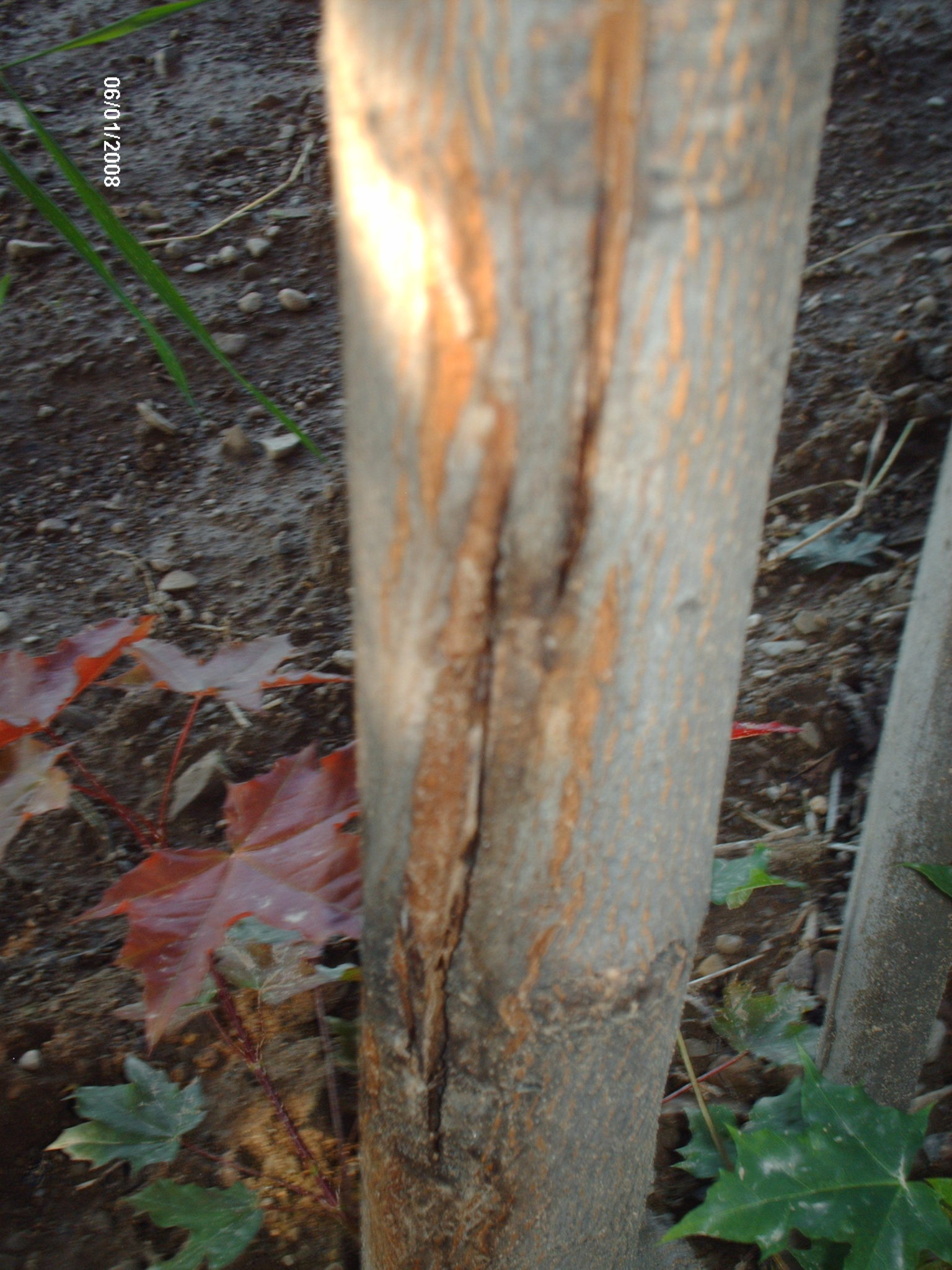
Figure 1. Bark cracking due to Southwest injury.
The time is now to start protecting your trees! Now that your ears are perked up, let’s talk a bit about Southwest injury on trees.
Bark cracking (Fig.1) is a phenomenon that occurs in many species of trees and can have many causes. One of the most common types of bark cracking is termed Southwest injury. Southwest injury occurs during the winter months on the lower section of the trunk on the southwest side. This happens when there is a sudden temperature drop, for example, the sun going behind a cloud during the winter. The freeze-thaw cycle happens very quickly when there is a change from very warm to cold conditions, which results in a crack. If there is a snow pack, the reflection of sunlight on the bark will actually increase the temperature in the bark.
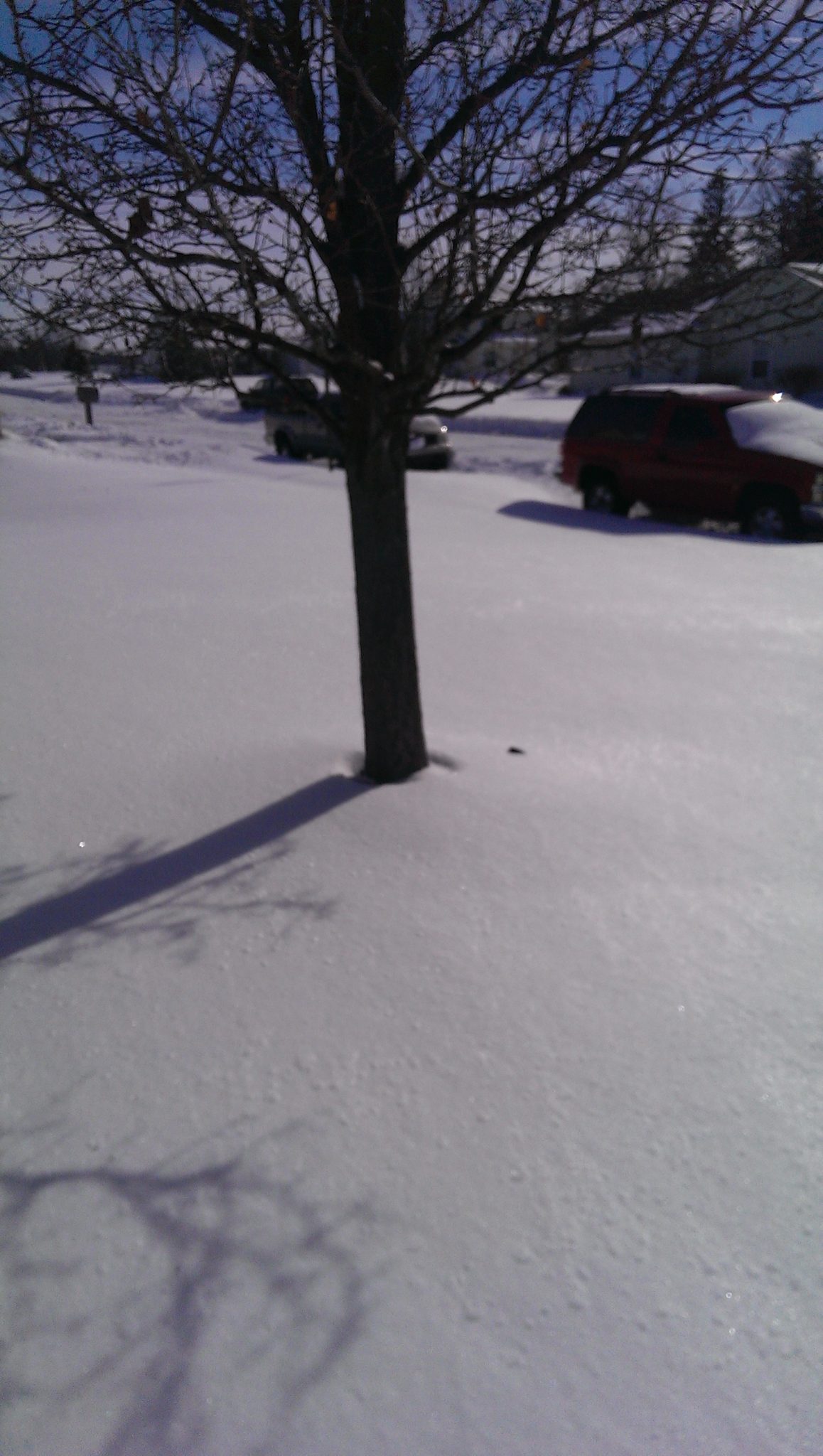
Figure 2. Snow can increase the reflection of sunlight to the tree, thus increasing the likelihood of Southwest injury.
Usually Southwest injury occurs on thin-barked trees, such as Acer spp., Cercis spp., Malus spp., and many others (Fig. 3). A thin-barked tree lacks the amount of cork cells in thicker-barked trees, thus allowing the vascular tissue to be located very close to the bark. Thick bark trees tend to be more resistant to cracking due to a greater lag in the freeze/thaw cycle. Trees that are under stress due to environmental factors, herbicide injury, and/or insect and disease are more susceptible to cracking.
No matter the initial cause of the crack, the common denominator of a crack in the bark is a pre-set wound. The freeze-thaw cycle during the cold months causes the point of injury to expand and contract. Like with your vehicle windshield, a small point of injury in bark will expand and contract due to sudden heating or cooling, thus causing a large crack.

Figure 3. Bark cracking on thin-barked species, such as maple, is common due to Southwest injury.
Any type of cracking that occurs, originates from a point of injury, such as a pruning or other mechanical injury. These are horizontal cracks that can range from <1” to the entire length of the trunk, though are usually localized near the bottom of the trunk (Fig. 4).
Once trees are greater than about four inch caliper, the likelihood of Southwest injury is diminished. On trees four inches or less, tree guards (also called tree wraps) should be installed over each trunk.
White tree guards may help prevent this from occurring due to the reflection of the sun, preventing overheating on the bottom of the trunk (Fig. 5) In order to prevent cracking, try to prevent any type of mechanical damage that could cause cracking in the winter. Bark cracks become visible most often during the late winter/early spring. Tree guards should be removed in the spring, because the guards become a problem with disease due to moisture within the guard.
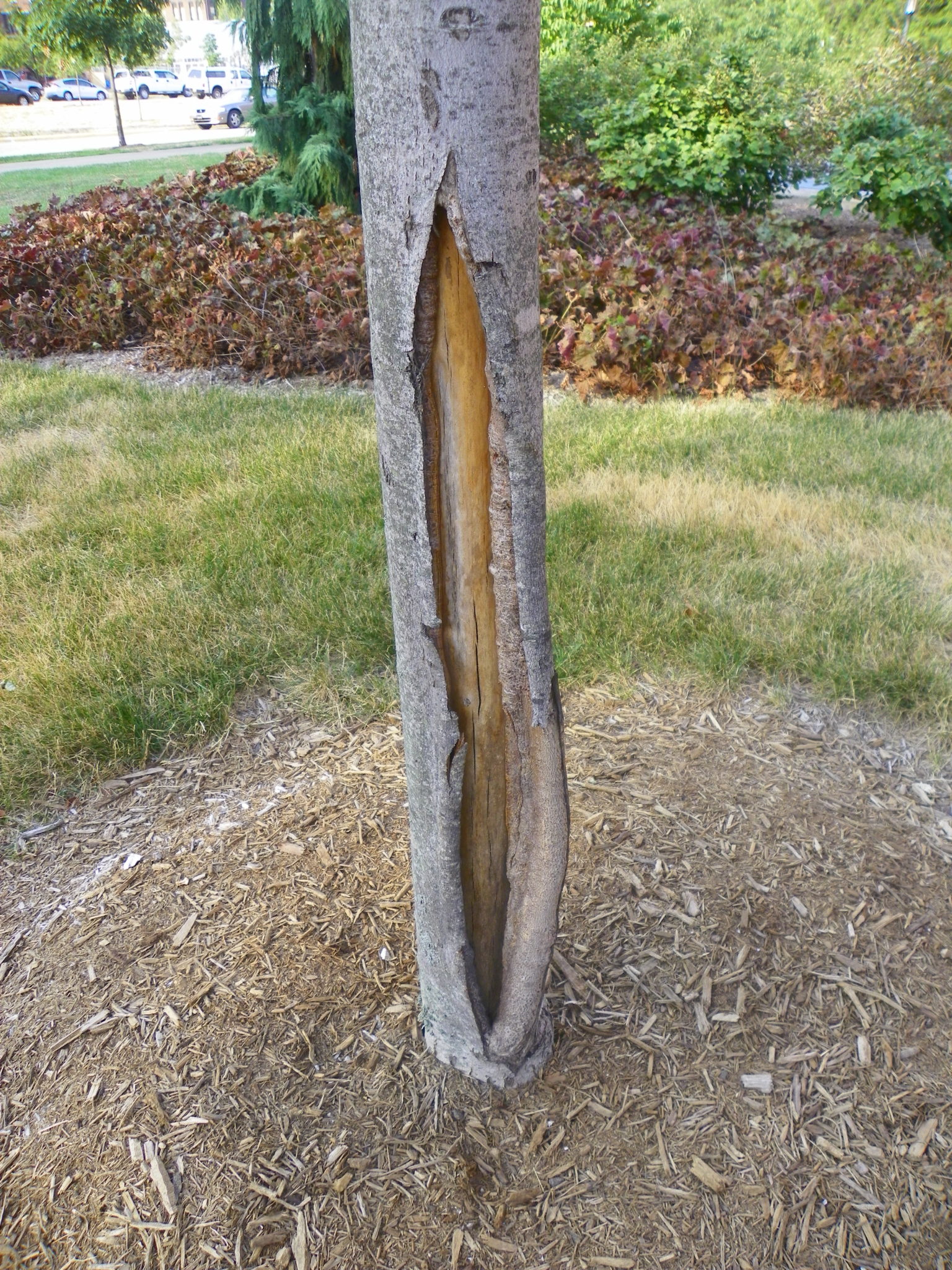
Figure 4. Southwest injury typically causes cracking up the trunk from close to the root flare
In some circumstances a healthy plant may heal, partitioning off the damaged area, but the bark on a plant under stress, due to drought, herbicide damage, etc., may last the entire life of the tree.
For full article, check out the Landscape Report
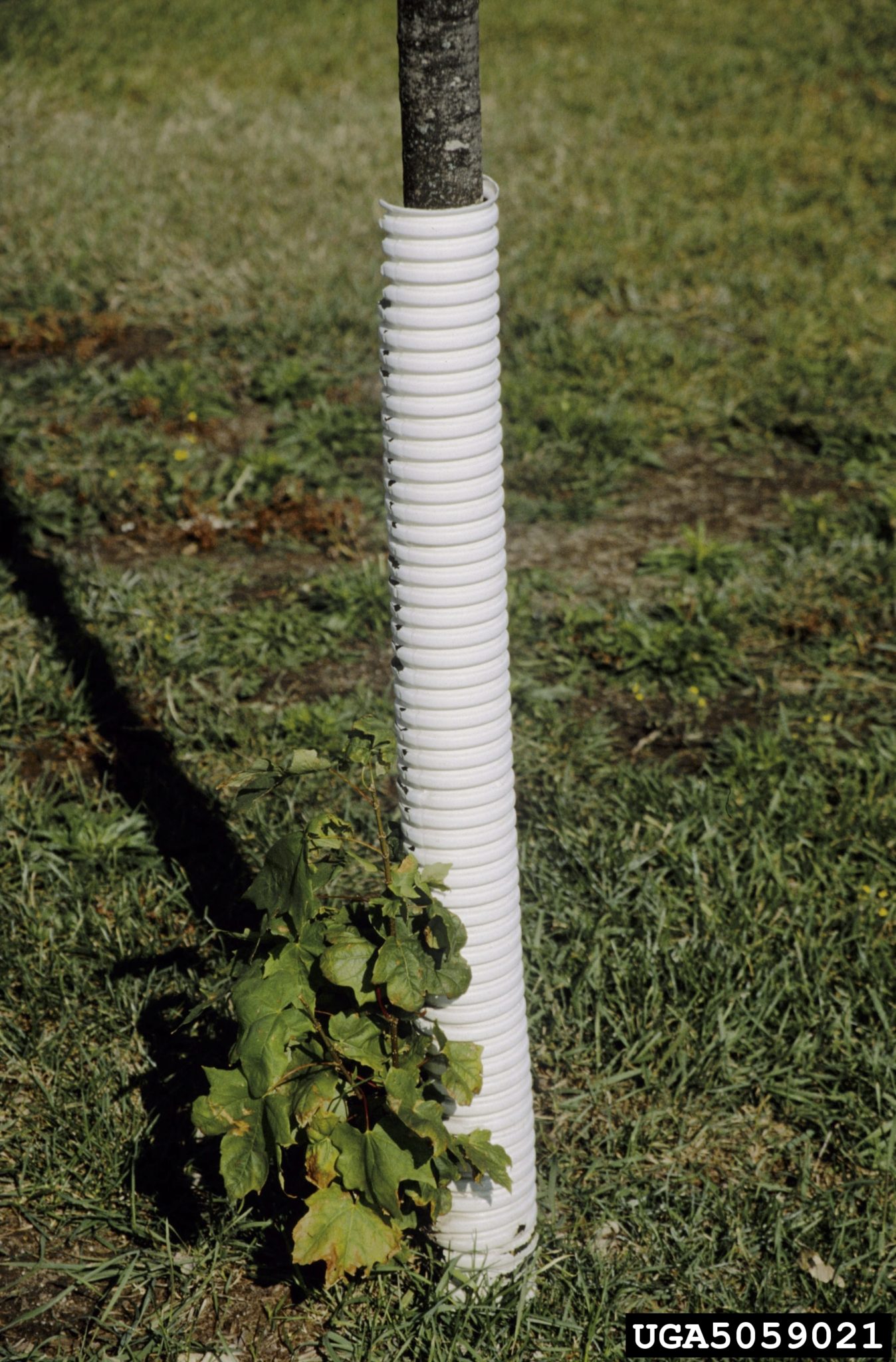
Figure 5. White tree guards can help minimize Southwest injury by reflecting sunlight. Joseph OBrien, USDA Forest Service, Bugwood.org.
Resources
Trees and Storms, The Education Store
Pruning Ornamental Trees and Shrubs, The Education Store
Why Hire an Arborist, The Education Store
Why Is My Tree Dying? The Education Store
Weeping Cherry Trees Appear to be Damaged or Dead. Was This Past Winter Hard on These Types of Trees?, Got Nature? Blog
Lindsey Purcell, Urban Forestry Specialist
Purdue Forestry and Natural Resources
The DNR Division of Entomology & Plant Pathology has discovered that a shipment of boxwood plants infected with boxwood blight was shipped to Indiana in May.
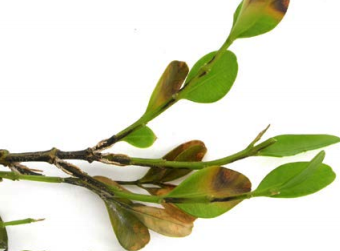
The black streaks on these stems are typical of boxwood blight. Photo by M. Daughtrey, New York.
This is important because boxwood blight (Calonectria pseudonaviculata) is a fungal disease that infests members of the popular Buxaceae family, and is often transported through the nursery trade. Hosts include Buxus (boxwood), Pachysandra (Japanese spurge) and Sarcococca (sweetbox).
In total, 23 stores in Indiana received infected material in early spring (particularly “Graham Blandy” cultivar), and it’s possible that members of the public inadvertently purchased some plants.
The fungus, which can lay dormant in drier conditions, can be found on all above-ground portions of the plant and presents itself as dark leaf spots. It causes rapid defoliation, which typically starts on the bottom of the plant and moves toward the top. This fungal pathogen can move through sporulation in water and from dropped leaves. As a result, infection can spread to surrounding plants from a single infected plant.
If you suspect one of your plants shows signs and symptoms of boxwood blight, please call (866) NO EXOTIC (866-663-9684) use the information at dnr.IN.gov/entomolo.
For more information on this pathogen see the following link extension.purdue.edu/extmedia/BP/BP-203-W.pdf
A DNR inspector found the plants at a national chain home and garden store in early October. The shipment originated at a nursery in Oregon. It was also sent to stores in 11 other states.
Upon confirmation of boxwood blight on these plants by the Purdue Plant and Pest Diagnostic Lab, the DNR required that the chain remove all boxwood from their shelves for disposal and that the stores mitigate the area through disinfection to ensure that the pathogen is no longer present and able to infect further shipments of plants.
The DNR is currently surveying for boxwood blight in Indiana. To date, the DNR has not found the pathogen, except for a few interceptions like this one.
To view all DNR news releases, please see dnr.IN.gov.
Resources:
Boxwood Blight Found in Indiana, full Landscape Report
Boxwood Blight, The Education Store, Purdue Resources
Tom Creswell, Clinical Engagement Associate Professor
Purdue Botany and Plant Pathology
Lindsey Purcell, Urban Forestry Specialist
Purdue Forestry and Natural Resources

Review trees on a regular basis for health and safety.
Trees provide many benefits for our homes with shade, beauty and improved air quality as just a few, however, if a tree has defects which could lead to a failure, your shade tree could become a liability. It is important to understand that tree owners have a legal duty to inspect and maintain their trees. All property owners should take reasonable steps to protect themselves and others by taking a look at trees around the property on a regular basis. Here are some suggestions to consider in making your trees safer for everyone.
Reduce Tree Liabilities: In general, the law obligates tree owners to periodically inspect their property and take reasonable care to maintain it and this includes trees. Routine inspections also exhibit that the tree owner is actively managing their property and trees and thereby reduces their liability if a failure does occur.
When it comes to trees, it’s best to have a professional conduct risk and tree health assessments if there is any uncertainty. However, Homeowners can look for tree defects, including dead branches, broken limbs, decay pockets or other conditions that reduce a tree’s strength. Review the tree from the top, down. Look at the tree’s crown, main branches, trunk and root area to see if there is anything abnormal. If you find easily recognizable defects like dead and falling branches, cavities, fungal fruiting bodies or newly-formed leans on a tree, consider having the tree examined by a certified arborist. This is especially important after a severe storm. Trees can easily survive normal weather conditions for many years, however, excessive winds can have a real impact. Make certain trees aren’t removed prematurely out of fear without making an informed decision along with the arborist.
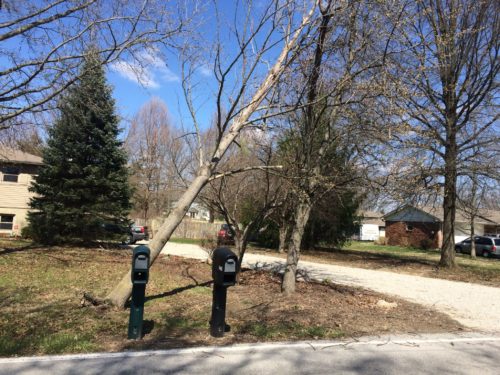
Recent leans developing on trees may be corrected, however, they do pose a risk and should be inspected by an arborist.
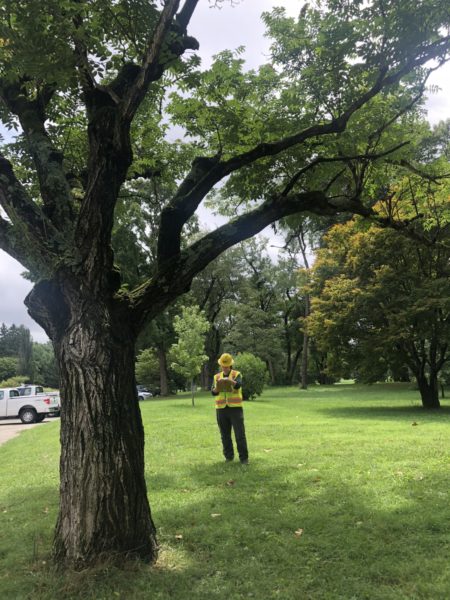
Understanding tree health and risk is challenging for tree owners. It is best to find a ISA Certified Arborist to help with identifying tree issues.
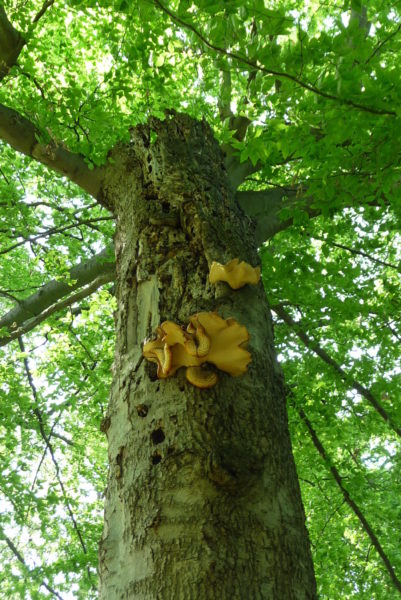
Look for unusual fungal growths on you trees. This indicates decay which can lead to a higher risk of failure.
Schedule Tree Work: If risk or health issues are found during the inspection, schedule the tree work with a qualified arborist. Be sure to find a tree care company in the area that is reputable and can provide references. Also, being fully insured is another important item to be aware when choosing an arborist. To find an arborist in your area, go to the website, www.treesaregood.org.
Inspection on a regular basis: Trees should be inspected regularly. These inspections should occur during the growing season and dormancy. Further inspections should be conducted after major weather occurrences. At a minimum, trees should be inspected every five years by an arborist, especially if there is decline and dieback present in your trees.
Article shared by: The Landscape Report, Why Tree Inspections?.
Resources:
Trees and Storms, The Education Store, Purdue Extension’s resource center
Tree Risk Management, The Education Store
Planting Problems: Trees Planted Too Deep, Video, Purdue Extension – Forestry and Natural Resources YouTube Channel
Planting Your Tree Part 1: Choosing Your Tree, Video, Purdue Extension YouTube Channel
Tree Planting Part 2: Planting a Tree, Video, Purdue Extension YouTube Channel
Tree Appraisal and the Value of Trees, The Educational Store, Purdue Extension resource center
Surface Root Syndrome, The Education Store
Iron Chlorosis of Trees and Shrubs, The Education Store
Tree Pruning Essentials, Publication & Video, The Education Store
Cold Injury to Trees, Got Nature? Post, Purdue FNR Extension
Urban Forestry
Purdue Extension – Forestry and Natural Resources (FNR)

Recent Posts
- ID That Tree: Shumard Oak
Posted: March 9, 2026 in Plants, Urban Forestry, Wildlife, Woodlands - ID That Tree: Fragrant Sumac
Posted: February 4, 2026 in Plants, Urban Forestry, Wildlife - It’s Not Too Late to Order Trees for Spring Planting
Posted: January 13, 2026 in Forestry, How To, Plants - Red in Winter – What Are Those Red Fruits I See?
Posted: December 1, 2025 in Forestry, Plants, Urban Forestry, Wildlife, Woodlands - Untangling and Identifying Vines, Purdue Landscape Report
Posted: September 29, 2025 in Invasive Plant Species, Plants, Wildlife - Control Management of Poison Hemlock
Posted: May 7, 2025 in Invasive Plant Species, Plants, Wildlife, Woodlands - Top 10 Spring Flowering Shrubs, Purdue Landscape Report
Posted: April 28, 2025 in Gardening, Plants, Urban Forestry - PPDL’s 2024 Annual Report – Enhancing Plant Health
Posted: March 21, 2025 in Forestry, Invasive Insects, Invasive Plant Species, Plants, Wildlife - What Are Invasive Species and Why Should I Care?
Posted: February 24, 2025 in Forestry, How To, Invasive Plant Species, Plants, Woodlands - Ask An Expert: Holidays in the Wild
Posted: December 9, 2024 in Christmas Trees, Forestry, Forests and Street Trees, How To, Plants, Wildlife, Woodlands
Archives
Categories
- Alert
- Aquaculture/Fish
- Aquatic/Aquaculture Resources
- Ask the Expert
- Christmas Trees
- Community Development
- Disease
- Drought
- Forestry
- Forests and Street Trees
- Gardening
- Got Nature for Kids
- Great Lakes
- How To
- Invasive Animal Species
- Invasive Insects
- Invasive Plant Species
- Land Use
- Natural Resource Planning
- Nature of Teaching
- Plants
- Podcasts
- Ponds
- Publication
- Safety
- Spiders
- Timber Marketing
- Uncategorized
- Urban Forestry
- Webinar
- Wildlife
- Wood Products/Manufacturing
- Woodland Management Moment
- Woodlands