 Purdue University - Extension - Forestry and Natural Resources
Got Nature? Blog
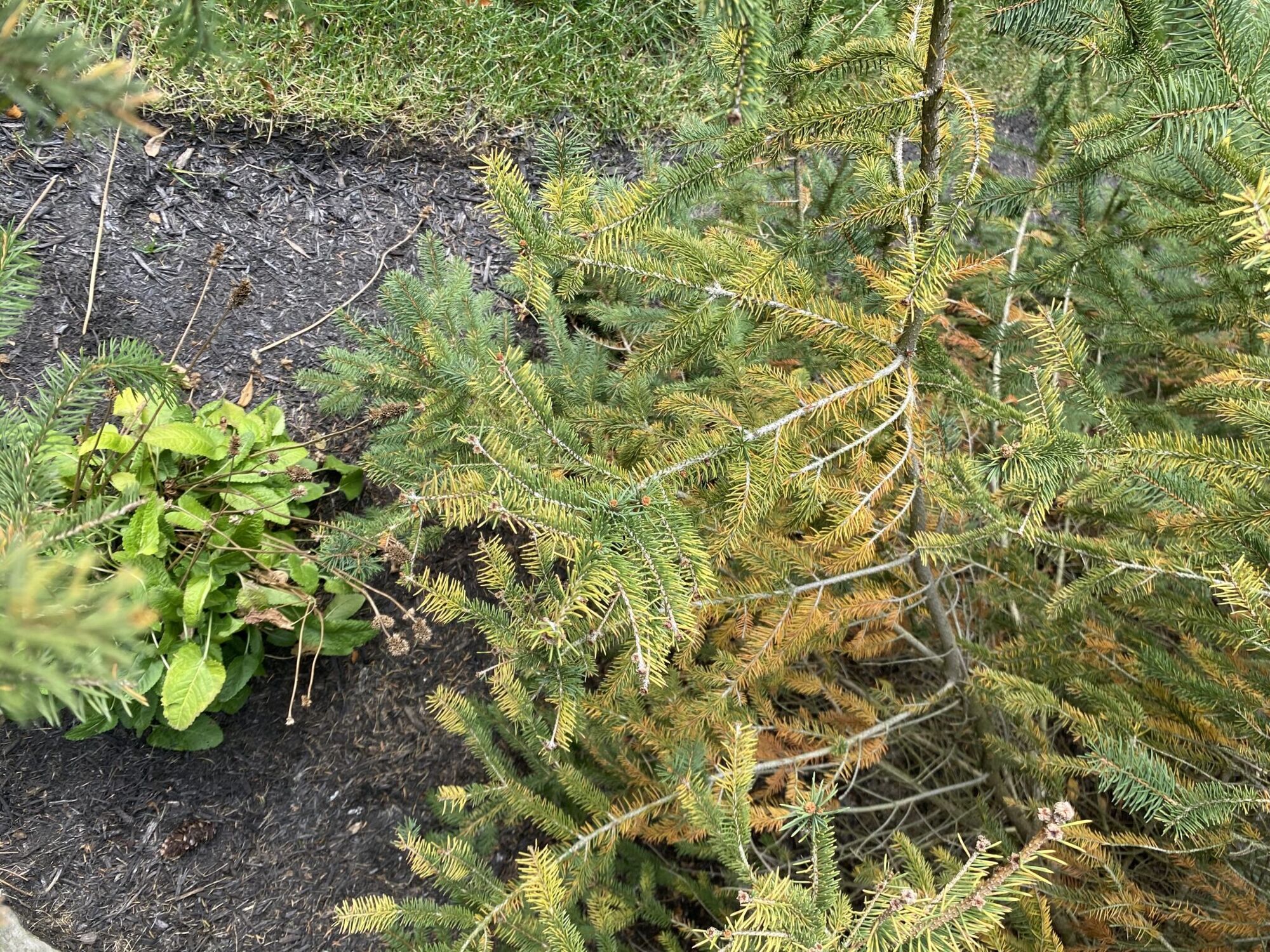
Figure 2: A young spruce tree under the effects of transplant and root stress.
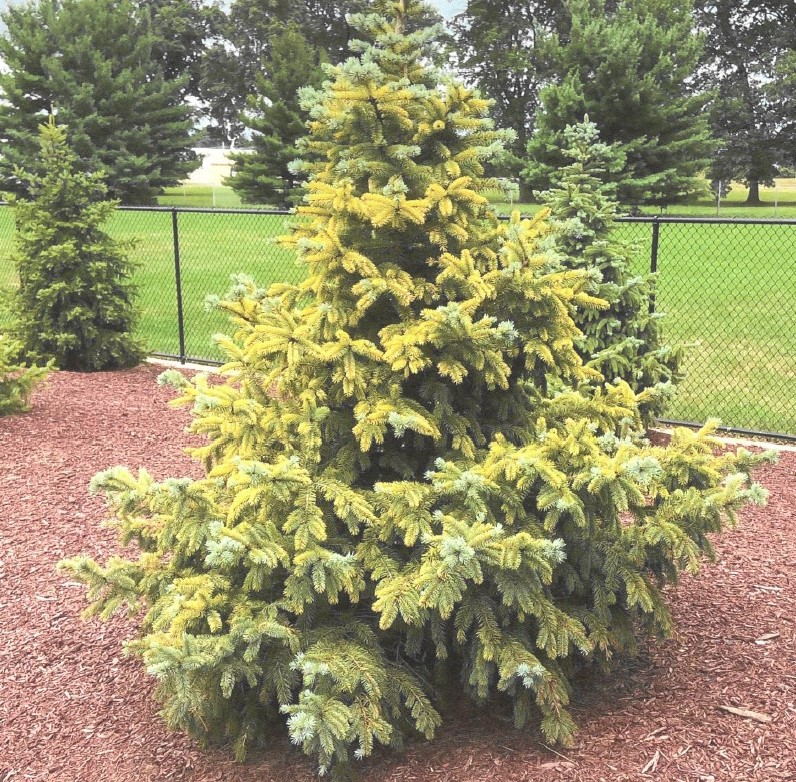
Figure 1: A spruce tree suffering from root damage and water stress.
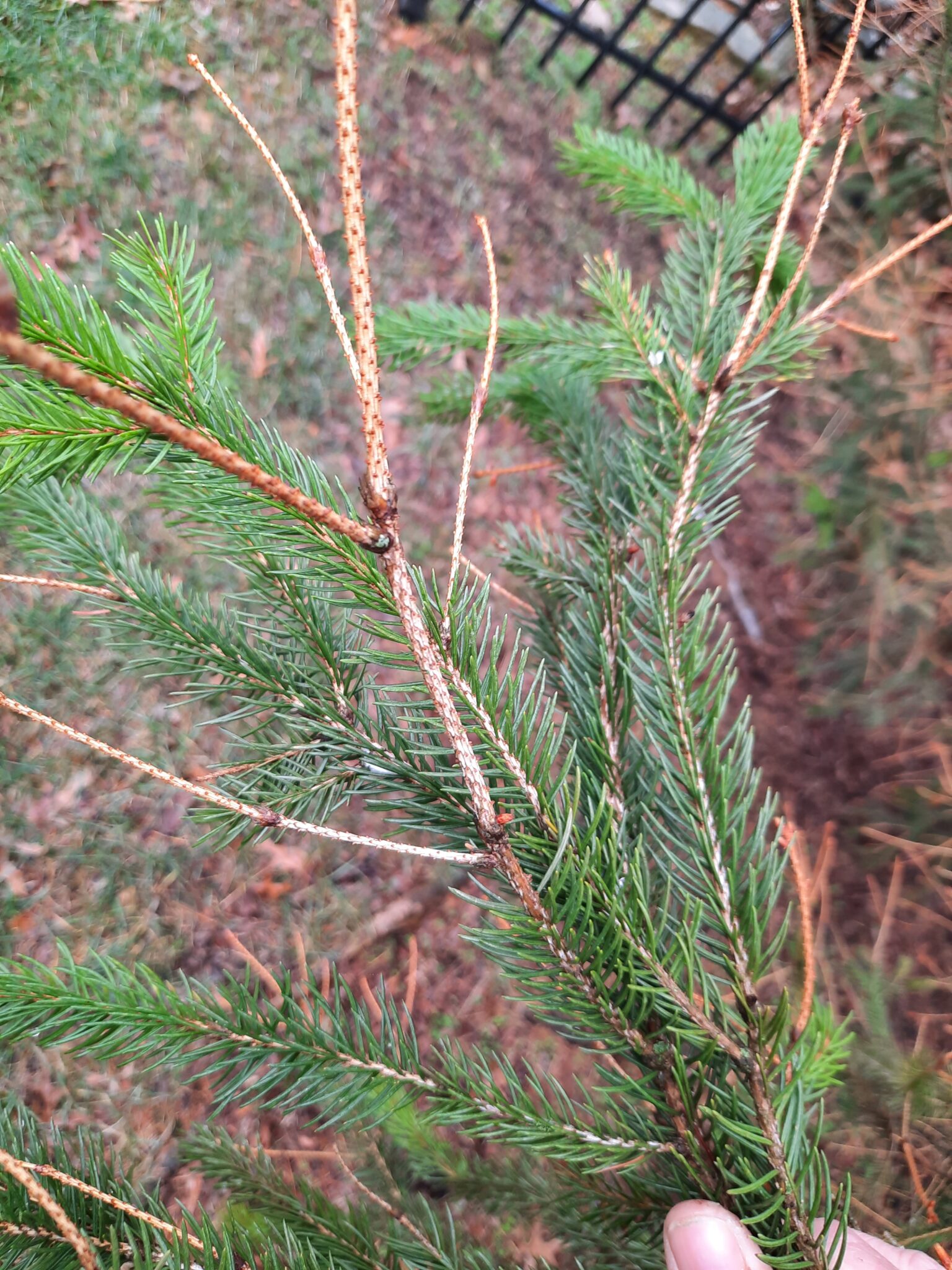
Figure 4: Phomopsis dieback with excessive needle loss on branch tips.
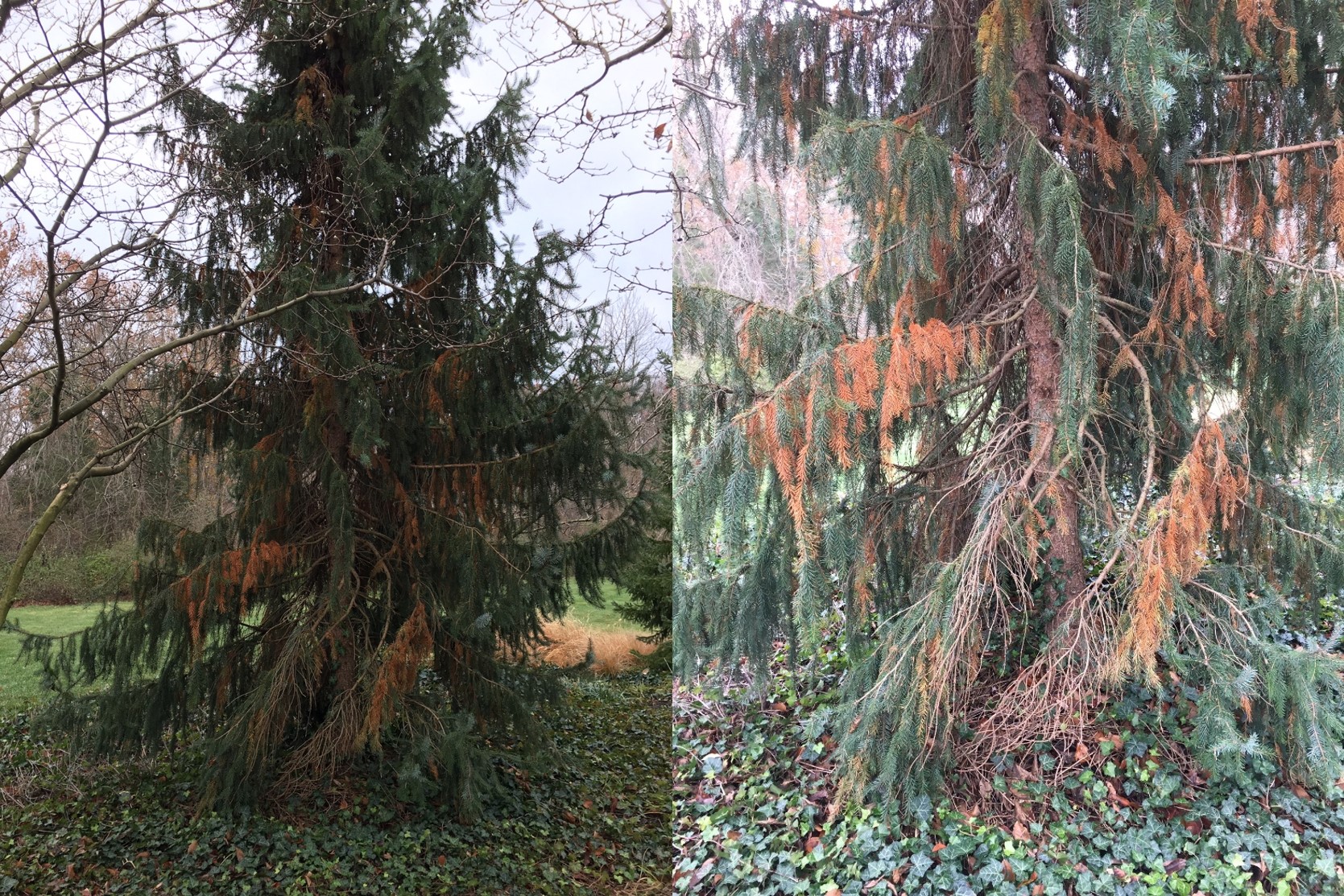
Figure 3: Dieback symptoms in a mature tree associated with Phomopsis infection.
Resources
Borers of Pines and Other Needle Bearing Evergreens in Landscapes, The Education Store, Purdue Extension resource center
Ask an Expert Question: Blue Spruce dying, what can I do?, Got Nature? Blog, Purdue Extension – Forestry and Natural Resources
Why Spruce Trees Lose Their Needles, Purdue Extension
Diseases Common in Blue Spruce, Purdue Extension
John Bonkowski, Plant Disease Diagnostician
Purdue Department of Botany and Plant Pathology
In this edition of ID That Tree, Purdue Extension forester Lenny Farlee gives tips on how to identify two species – honey locust and bur oak – from just the markings and scarring on leafless twigs.
If you have any questions regarding wildlife, trees, forest management, wood products, natural resource planning or other natural resource topics, feel free to contact us by using our Ask an Expert web page.
Resources
Honey Locust, The Education Store, Purdue Extension resource center
Bur Oak, The Purdue Arboretum Explorer
Bur Oak, Native Trees of Indiana Riverwalk, Purdue Fort Wayne
ID That Tree, Playlist, Purdue Extension-FNR YouTube Channel
A Woodland Management Moment, Purdue Extension – FNR Playlist
Investing in Indiana Woodlands, The Education Store
Forest Improvement Handbook, The Education Store
Lenny Farlee, Sustaining Hardwood Extension Specialist
Purdue University Department of Forestry and Natural Resource
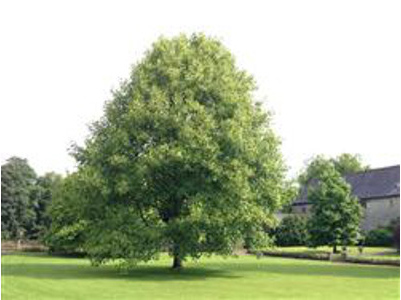
Question: We live in Tippecanoe county and need to transplant a tulip tree that is 2-3’ tall. Could you please tell me when the optimal time would be to transplant? I have read to transplant in the spring, but would like more specific information, so that it will have a good chance of surviving.
Answer: Early spring (before leaves emerge) and fall (after leaf drop) are the best times to transplant deciduous trees. Evergreens are most successfully transplanted in early spring and late summer (late August to mid-September).
Dig and move trees with the soil root mass adhering to portions of their root systems to minimize damage and improve chances of survival. The soil should be moist when the plant is dug. If the soil is dry, thoroughly water the area 3 to 4 days before digging. When digging trees, the radius of the root ball should be approximately 8 to 12 inches for each inch of trunk diameter at chest height. For example, a tree with a 1-inch-diameter trunk should have a soil ball that is 16 to 24 inches in diameter. Using a spade, dig a trench around the tree to a depth of 1½ to 2 feet. Then cut beneath the roots, rounding the bottom of the soil ball. Tip the soil ball to one side, place a piece of burlap or a small tarp in the trench on the opposite side, then carefully tip or roll the soil ball over onto the burlap. IMPORTANT! Manipulate the ball by the root/soil mass and NOT the tree trunk. Tightly secure the burlap or tarp around the soil ball to move it to its next home. Lift and carry the root ball rather than grasping the trunk. If transporting in a vehicle at speeds, be sure to cover the tender buds with a tarp to protect them from drying out.
If possible, replant the tree immediately. Dig a hole that is 2 times the width of the tree’s rootball. The depth of the hole should be 2 or 3 inches less than the height of the soil ball. Be sure the root flare is visible to get the exact depth. Carefully lower the tree into the hole, position it correctly, and begin to place soil back into the hole. Firm the soil around the tree’s rootball with your hands. Then complete the backfilling of the hole and water thoroughly.
Do not allow the soil ball to break during the digging, moving, and replanting process. Home gardeners should limit themselves to transplanting small trees. Trees with a trunk diameter greater than 2 inches should be left to nursery professionals.
Post-planting should include supplemental watering and no fertilization for the first year. Staking or guying may be necessary in vulnerable areas such as exposed or windy sites. Finish with mulch and monitor for pests and dry conditions.
Resources
Certified Arborist to come to your property: Find an Arborist, International Society of Arboriculture
Send in a sample/photos to help diagnose: Purdue Plant & Pest Diagnostic Lab, Botany & Plant Pathology
Contact Purdue Extension County Educator
Tree Installation: Process and Practices
Planting Forest Trees and Shrubs in Indiana
Instructional/training videos (planting tree tips, identifying trees, landscaping with trees and much more):
Purdue Extension – Forestry and Natural Resources YouTube Channel
Join Us LIVE and Ask an Expert: Virtual Live Workshops with Q&A
Invasive Pests:
Invasive Forest Pests in IN, Purdue Extension-Entomology
Indiana Invasive Species Council
Midwest Landscapes: Purdue Landscape Report, Purdue University
Workshops available for land and woodland owners: Purdue Extension-Forestry and Natural Resources Calendar
Lindsey Purcell, Urban Forestry Specialist
Purdue University, Department of Forestry and Natural Resources
On this edition of ID That Tree, Purdue Extension forester Lenny Farlee introduces you to the Black Gum, also known as bee gum. This simple leaved species can bring brilliant fall color and is best identified by its branches, which come out at nearly 90 degree angles to the stump, its alligator like bark and small berries.
If you have any questions regarding wildlife, trees, forest management, wood products, natural resource planning or other natural resource topics, feel free to contact us by using our Ask an Expert web page.
Resources
Black Gum and Tupelo, The Education Store, Purdue Extension resource center
ID That Tree Fall Color Edition: Black Gum, Got Nature? Blog, Purdue Extension – FNR
Black Gum/Tupelo, Native Trees of Indiana River Walk, Purdue Fort Wayne
Black Gum & Tupelo, Purdue Arboretum Explorer
ID That Tree, Playlist, Purdue Extension-FNR YouTube Channel
A Woodland Management Moment, Playlist, Purdue Extension-FNR YouTube Channel
Investing in Indiana Woodlands, The Education Store
Forest Improvement Handbook, The Education Store
Lenny Farlee, Sustaining Hardwood Extension Specialist
Purdue University Department of Forestry and Natural Resource
Spiky round fruiting structures which hold the seeds as well as star-shaped leaves are signature characteristics of the sweetgum, a tree native to southern Indiana and utilized ornamentally throughout the state. Learn more about the sweetgum from Purdue Extension forester Lenny Farlee on this edition of ID That Tree.
If you have any questions regarding wildlife, trees, forest management, wood products, natural resource planning or other natural resource topics, feel free to contact us by using our Ask an Expert web page.
Resources
Sweetgum, The Education Store, Purdue Extension resource center
Sweetgum, FNR-Hardwood, The Purdue Arboretum Explorer
Sweetgum, Native Trees of Indiana Riverwalk, Purdue Fort Wayne
ID That Tree, Playlist
A Woodland Management Moment, Playlist, Purdue Extension-FNR YouTube Channel
Investing in Indiana Woodlands, The Education Store
Forest Improvement Handbook, The Education Store
Lenny Farlee, Sustaining Hardwood Extension Specialist
Purdue University Department of Forestry and Natural Resource
In this episode of Ask an Expert, Illinois-Indiana Sea Grant‘s aquaculture marketing outreach associate Amy Shambach and Purdue Aquaculture Lab Manager Bob Rode share more about aquaculture, a growing method to increase the food supply.
If you have any questions regarding trees, forests, wildlife, wood products or other natural resource topics, feel free to contact us by using our Ask an Expert web page.
Resources
Aquaculture Research Lab, Purdue Forestry and Natural Resources
Local Farmers, Local Fish: Shrimp, Video, Purdue Extension YouTube channel
Aquaculture Industry in Indiana Growing, Video, Purdue Agriculture YouTube Channel
Aquaponics, Video, Purdue University YouTube channel
Aquaculture: Cage Culture, Video, Purdue University YouTube channel
Eat Midwest Fish
Indiana Department of Natural Resources Commercial Fish Suppliers Database
IN Fish Stocking, Indiana Department of Natural Resources (IDNR)
Fish & Wildlife Properties – State Fish Hatcheries, IN DNR
Indiana Aquaculture Association
North Central Regional Aquaculture Center (NCRAC)
Southern Regional Aquaculture Center (SRAC)
Indiana Fish Entry Requirements, Indiana State Board of Animal Health
Amy Shambach, Aquaculture Marketing Outreach Associate
Purdue Department of Forestry and Natural Resources/Illinois Indiana Sea Grant Program
Bob Rode, Extension Aquaculture Specialist
Department of Forestry and Natural Resources, Purdue University
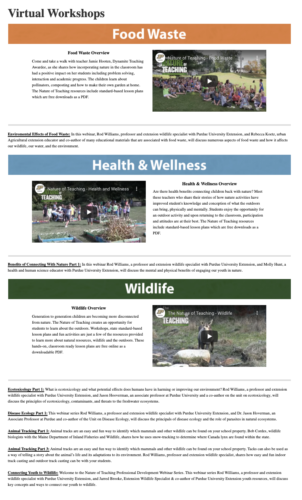
The Nature of Teaching Extension program includes formal standards-based curricula and informal activity-based curricula, all centered around getting youth outside. Topics included are Food Waste, Health & Wellness, and Wildlife. Each program area provides standards-based, classroom-ready, free lesson plans with downloadable PDFs.
The resources keep growing with now opportunities to take the virtual workshops and receive a certificate of completion. The webinars include all the links to the material for K-12 curriculum and activities available. Whether you are a teacher, natural resource leader or a 4-H leader you have the opportunity to use the prepared curriculum with fun activities while teaching K-12 youth about natural resources, conservation, and the environment.
Resources
Virtual Workshops, Nature of Teaching
Nature of Teaching, Website, Purdue College of Agriculture
The Nature of Teaching, YouTube channel
Transporting Food Waste, The Education Store, Purdue Extension resource center
Benefits of Connecting with Nature, The Education Store
Nature of Teaching: Common Mammals of Indiana, The Education Store
Rod Williams, former Professor of Wildlife Science & Wildlife Extension Specialist
Purdue University Department of Forestry and Natural Resources
You may have found salamanders while flipping over rocks and logs in the woods or you may have seen them scurrying in and out of your pond. In this episode of FNR Ask the Expert, join Dr. Rod Williams, extension specialist Nick Burgmeier and IU Northwest’s Dr. Spencer Cortwright as they discuss all things salamander, including the different species as well as some threats to these amazing amphibians.
If you have any questions regarding trees, forests, wildlife, wood products or other natural resource topics, feel free to contact us by using our Ask an Expert web page.
Resources
Ask An Expert, Playlist, Purdue Extension – Forestry and Natural Resources YouTube channel
Help the Hellbender, Purdue Extension – FNR Playlist
A Moment in the Wild, Purdue Extension – FNR Playlist
The Nature of Teaching: Adaptations for Aquatic Amphibians, The Education Store, Purdue Extension resource center
How Our Zoos Help Hellbenders, The Education Store
Help the Hellbender, Website, Purdue College of Agriculture
Rod Williams, Professor of Wildlife Science
Purdue University Department of Forestry and Natural Resources
Nick Burgmeier, Research Biologist and Wildlife Extension Specialist
Purdue Department of Forestry and Natural Resources
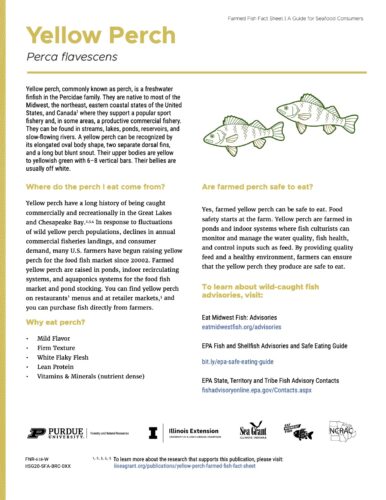 The publication Yellow Perch is the second in a series of fact sheets that describe fish and shellfish produced in the Midwest region of the United States. (See FNR-608-W, Walleye Farmed Fish Fact Sheet.) Yellow perch have been popular among anglers for many years, and since 2002, responding to greater demand, U.S. farmers are raising perch in ponds, aquaponic systems, etc. The fact sheet also includes culinary characteristics, cooking tips, and a recipe for Baked Parmesan Perch.
View other seafood publications and video resources as you place keywords in the search field located on The Education Store website.
Resources
Fish: Healthy Protein Handout, The Education Store, Purdue Extension resource center
Walleye Farmed Fish Fact Sheet: A Guide for Seafood Consumers, The Education Store
Fish Cleaning with Purdue Extension County Extension Director, Got Nature? Blog, Purdue Extension – Forestry and Natural Resources
Eat Midwest Fish, Website
Sustainable Aquaculture: What does it mean to you?, The Education Store, Purdue Extension resource center
Best Practices Guide for Charter Fishing and COVID-19, The Education Store
Pond Management: Managing Fish Populations, The Education Store
Aquatics & Fisheries, Playlist, Purdue Extension – Forestry and Natural Resources
Amy Shambach, Aquaculture Marketing Outreach Associate
Purdue Department of Forestry and Natural Resources/Illinois Indiana Sea Grant Program
Join this Ask An Expert Live session and learn about snakes and turtles, their natural history, interesting research happening in I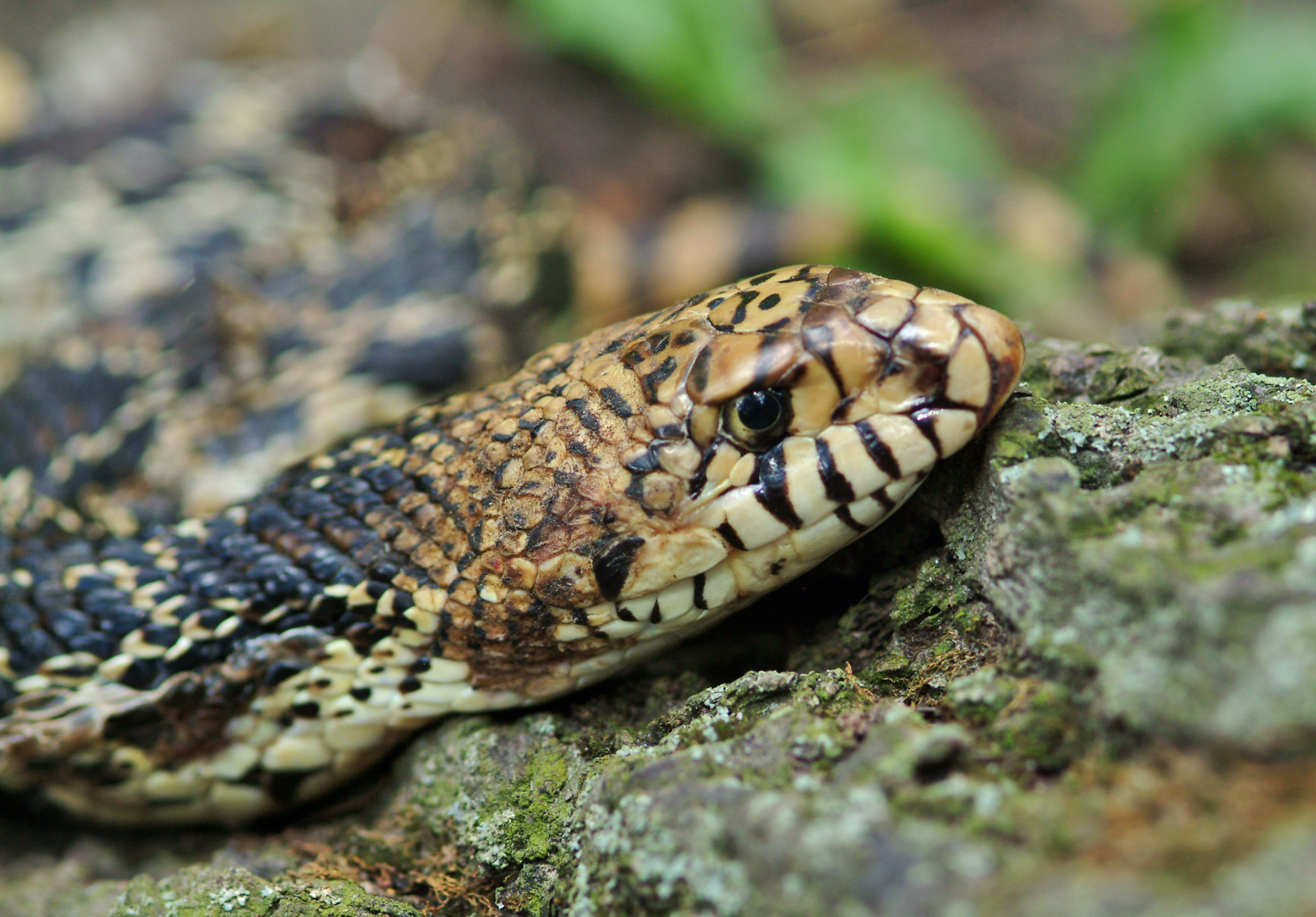 ndiana, and why you don’t need to worry about water moccasins in your pond!
Date: April 1st, 2021
Time: 12 p.m. EST.
Speaker: Dr. Rod Williams, Professor of Wildlife Science, Purdue Forestry and Natural Resources; Dr. Bruce Kingsbury, Director of the Environmental Resource Center, Purdue Fort Wayne; Dr. Vicky Meretsky, Director of the Environmental Master’s Programs, Indiana University Paul H. O’Neill School of Public and Environmental Affairs
Contact: Diana Evans, Extension and Web Communications Specialist, evans44@purdue.edu
For the Facebook live link and more information, visit Purdue Forestry and Natural Resources Facebook event page.
Resources
Turtles of Indiana, The Education Store, Purdue Extension resource center
Snakes of the Central and Northeastern United States, The Education Store
Snakes of Indiana, The Education Store
Indiana Amphibian and Reptile ID Package (4 softcover books), The Education Store
Reptiles: Turtles, Snakes, and Lizards, Purdue Nature of Teaching Website
Ask An Expert, Playlist, Purdue Extension – Forestry and Natural Resources YouTube channel
A Moment in the Wild: Eastern Hognose, Purdue Extension – FNR Video
A Moment in the Wild: Eastern Kingsnake, Purdue Extension – FNR Video
A Moment in the Wild: Racer, Purdue Extension – FNR Video
Rod Williams, Professor of Wildlife Science
Purdue University Department of Forestry and Natural Resources

Recent Posts
- October Is Firewood Month: Protect Indiana’s Forests by Making Smart Choices
Posted: October 1, 2026 in Forestry, Forests and Street Trees, How To, Invasive Insects, Urban Forestry - Heavy August Rains Bring More Mosquitoes to Indiana
Posted: September 9, 2026 in How To, Invasive Insects, Safety, Wildlife - Question: Why Did the Shagbark Hickories Survive the Tornado?
Posted: August 27, 2026 in Forests and Street Trees, How To, Urban Forestry - Indiana Fall Hunting Licenses on Sale and New Mobile App Available
Posted: August 12, 2026 in Forestry, How To, Wildlife - Trees and Storms: Understanding Damage, Risk and Recovery
Posted: in How To, Urban Forestry - Celebrate Pollinator Week With Flowers of June Tour
Posted: June 15, 2026 in Forestry, Gardening, How To, Wildlife - Connecting Research to Practice: Natural Resources & Land Use Spring Training
Posted: June 5, 2026 in Forestry, Forests and Street Trees, How To, Invasive Animal Species, Invasive Plant Species, Land Use, Natural Resource Planning, Urban Forestry, Wildlife, Woodlands - Indiana Monarch and Pollinator Conservation
Posted: June 1, 2026 in Forestry, Forests and Street Trees, Gardening, How To, Natural Resource Planning, Plants, Urban Forestry, Wildlife - Spring Storms Are Coming: How to Reduce Tree Damage and Risk
Posted: May 1, 2026 in How To, Urban Forestry, Wildlife, Woodlands - It’s Timberdoodle Time!
Posted: April 3, 2026 in Got Nature for Kids, How To, Wildlife
Archives
Categories
- Alert
- Aquaculture/Fish
- Aquatic/Aquaculture Resources
- Ask the Expert
- Christmas Trees
- Community Development
- Disease
- Drought
- Forestry
- Forests and Street Trees
- Gardening
- Got Nature for Kids
- Great Lakes
- How To
- Invasive Animal Species
- Invasive Insects
- Invasive Plant Species
- Land Use
- Natural Resource Planning
- Nature of Teaching
- Plants
- Podcasts
- Ponds
- Publication
- Safety
- Spiders
- Timber Marketing
- Urban Forestry
- Webinar
- Wildlife
- Wood Products/Manufacturing
- Woodland Management Moment
- Woodlands