Purdue Landscape Report: Many of the leaf spot diseases we observe can cause premature leaf drop in affected plants, which can reduce plant vigor if the disease is severe enough and a large proportion of the canopy falls in one season. Elm trees are susceptible to a number of different anthracnose fungi, including Ophiognomoniaintermedia, Gloeosporium betulae, Cryptocline betularum, and Cylindrosporium sp. Cryptocline is the fungus that we encounter the most frequently on samples submitted to the lab for diagnosis.
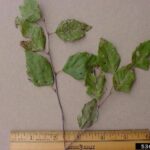
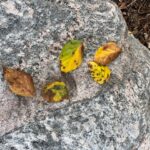
Figure 1: Cryptocline leaf spot on Elm (photo by Paul Bachi, University of Kentucky Research and Education Center)
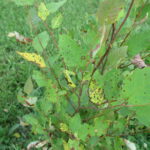
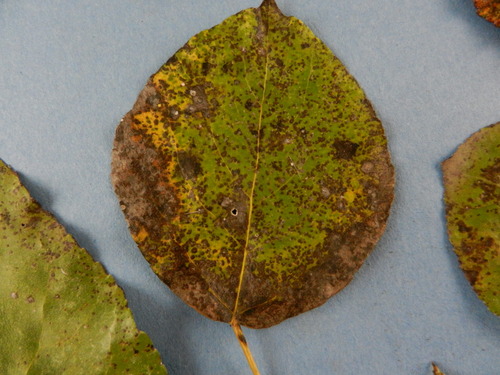
Figure 2: Cryptocline leaf spot on a young elm shrub. As the density of leaf spots increases, the leaf blade turns more yellow. (Photo from Purdue Landscape Report)
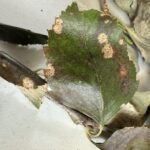
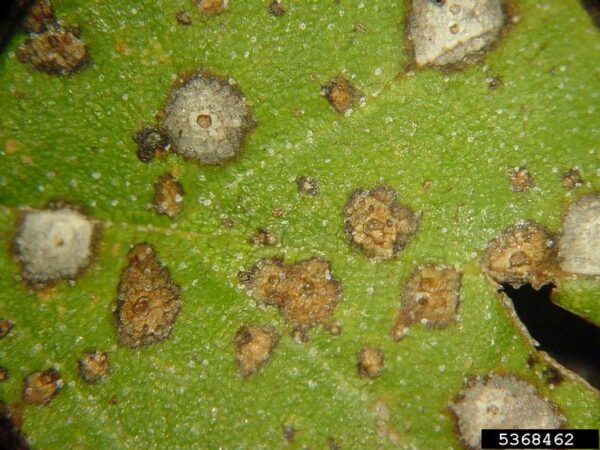
Figure 3: Mature Cryptocline lesions which are tan in color and have black fungal structures within (photo from Purdue Plant & Pest Diagnostic Laboratory)
Symptoms
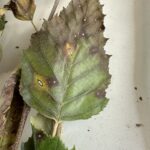
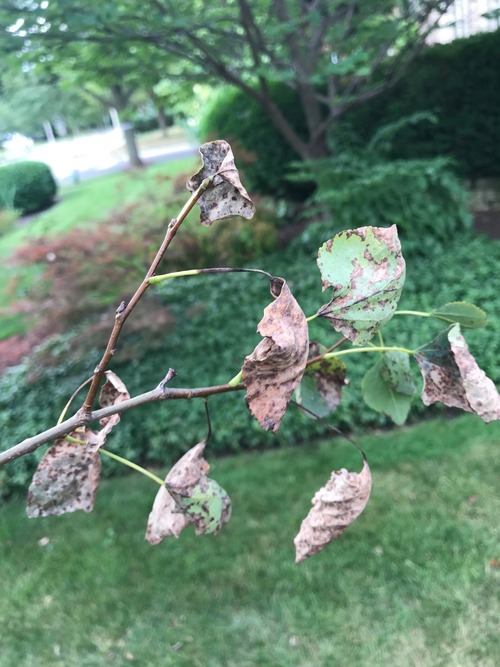
Leaf spots may start as small, round chlorotic lesions that slowly expand over time (Figures 1 & 2). Eventually, a necrotic spot with a purple/black border and tan or white center will form (Figure 3). Lesions may begin to develop on a leaf vein and instead of being circular will follow the vein a little, creating a thin necrotic lesion (Figure 4). With increased leaf spot development, large areas of the leaf blade will turn yellow and eventually necrotic, before it falls from the tree (Figure 5). Leaf drop will typically occur in the lower canopy, areas where there is less air movement and higher humidity; however, epidemics occur during periods of we weather that can cause significant leaf drop. Leaf loss typically occurs in the summer (late July to mid-August).
Figure 4: Lesions of Cryptocline located on leaf veins, creating elongate necrotic lesions instead of the typical round lesions located elsewhere on the leaf. (Photo from Purdue Plant & Pest Diagnostic Laboratory)
Figure 5: Elm leaves which have turned yellow or necrotic and fallen prematurely from the tree. (Photo from Plant & Pest Diagnostic Laboratory)
Figure 6: Close up image of Cryptocline leaf spots with acervuli. (Photo by Paul Bachi, University of Kentucky Research and Education Center)
Life Cycle Cryptocline is only known to colonize the leaves, so it overwinters in fallen leaf tissue. In the spring, the fungus will produce ascospores which are carried in the wind to infect young elm leaves. Once initial lesions progress, black fungal structures (acervuli) will form in the necrotic tissue and being producing asexual spores (conidia) in a sticky substance, which can be spread via rain (Figure 6). The conidia act as a secondary infection cycle where it will infect foliage and create new leaf spots continuously throughout the growing season as long as the environmental conditions are conducive.
Management
Like other leaf spot pathogens that do not infect stems, removal of the foliage in the fall can reduce inoculum for the following year (though won’t eliminate the disease). Providing fertilizer (where needed) and water (hot and dry periods) will help mitigate some tree stress, as stress can predispose plants to increased disease severity. Fungicides are not normally recommended for mature trees as it is impractical to get coverage across the entire canopy, but could be practical in a nursery setting if symptoms are observed and leading to leaf drop. It is still early in the season, but the next few weeks are important to monitor for some disease issues that may explode later in the season.
For other information on management of foliar disease problems, please see the following link: Foliar Fungal Disease Management.
Rooted in Research, USDA Forest Service: Non-native species are increasingly shaping forests across the eastern United States. While many introduced species coexist without major disruption, some become invasive: damaging ecosystems, reducing biodiversity and impacting the economic value forests provide. Over the past decade, the extent of forest land affected by invasive species has continued to grow, making management more complex and costly.
Hemlock woolly adelgid egg sacs on a hemlock branch. Photo from Rooted in Research newsletter.
To address these challenges, the USDA Forest Service Research and Development team is hosting a six-part webinar series focused on invasive species in eastern forests. This series brings together leading scientists to share research-backed management strategies and explore the ecological and economic impacts of invasive species across the region.
These are virtual webinars that will be held on select Tuesdays and Thursdays in May. Each webinar will be ~60 minutes and start at 2:00 PM Eastern time. All events are open to anyone interested in forest health, conservation and management!
Forests play a critical role in supporting biodiversity, protecting water resources, and contributing to local and regional economies. As invasive species continue to spread, understanding how to manage and mitigate their impacts is more important than ever. This webinar series provides an opportunity to learn directly from experts working at the forefront of forest research.
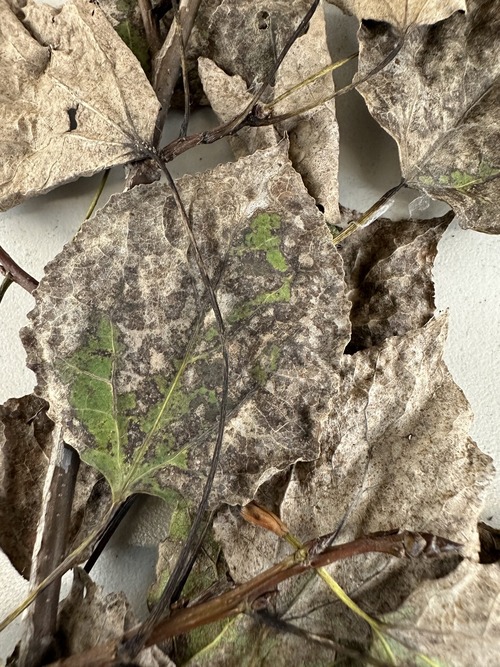
Purdue Landscape Report: Aspen, cottonwood, and poplar are all names for the fast-growing Populus tree species. Used widely for building materials, these trees are often located around ponds, riverbanks, and sloping areas toward water bodies (especially cottonwood). Cottonwood flowers produce little white tufted seeds that float through the air which a lot of people love (my kids included), unless it lands in their mouth. These beautiful trees are susceptible to a fungus that can cause significant damage under the right conditions: Marssonina (newer name is Drepanopeziza).
There are three species of Marssonina that can infect Populus – different tree species may only be susceptible to one of the Marssonina species. The fungi cause the same kind of disease and develop similarly on the host. Marssonina can infect the leaves, stems and seeds of Populus, which can lead to large amounts of leaf loss during wet weather, girdled stems and dieback, and aborted seeds. Since seeds can carry the fungus, the seed will take it with it to where it lands and can become infected immediately after germinating. It is common to see high disease severity in the canopy, but unless there is significant leaf loss (up to 70% defoliation) it may not reduce plant vigor. Leaf lesions typically develop as small black to brown dots or flecks which expand in size as time goes one. As the disease progresses, large areas of the leaf will become necrotic, creating odd dead blotches, potentially killing the majority of the leaf blade.
The fungus produces asexual spores in a small black pustule on the upper surface of the leaf which will eventually burst and release the spores during humid weather early in the spring. Marssonina will continue to produce spores and cause disease the whole season, creating repeat infections on the same tree. Symptoms tend to start lower in the canopy and ascend up the tree as the season progresses. The spores are spread by water splash, so rainfall will help spread this fungus in the landscape.
For trees planted in native landscapes, this disease will likely be inevitable and may make the foliage look less than stellar. That being said, removing leaves that drop or at the end of fall will reduce total inoculum for future seasons and can reduce total disease long-term. Similarly, trees that are stressed will typically develop increased disease severity, so if you are seeing large amounts of leaf spots or leaf loss, I would recommend employing stress mitigation strategies to keep the tree happy and healthy (fertilizer, mulch, irrigation as needed, etc.). If a tree appears to develop significant disease every year and has reduced limb growth, you may consider removing the tree if you are concerned it may die early and replace with a resistant clone, as disease susceptibility can vary greatly between clones of the same species.
Fig 1: Populus sp. with significant leaf loss due to Marssonina leaf spot. Photo credit: PPDL
Fig 2: Aspen wit thinning tree canopy due to Marssonina infection. Photo credit: PLR
Fig 3: Necrotic flecks and dots associated with early infection by Marssonina. Photo credit: PPDL
Fig 4: Leaf necrosis and twig dieback caused by Marssonina. Photo credit: PLR
Fig 5: Severely leaf necrosis of an aspen tree caused by repeat infections by Marssonina. Photo credit: PPDL
Purdue Landscape Report: We have received a few elm tree samples this year with a disease we do not often see, but which is relatively common: black spot of elm. This disease, also called elm anthracnose, is caused by the fungus Stegophora ulmea and can affect most species of elm with American elm varieties being more susceptible.
Figure 1. Elm foliage with chlorotic spotting and black fungal structures caused by Stegophora ulmea.
The fungus becomes active in the spring at temperatures of 45 deg F or above. It can release spores that will infect newly unfolding leaves leading to chlorotic leaf spots or blotches on the upper leaf surface. Black fungal fruiting bodies will develop within the affected tissue, making it seem like the leaves have been dotted with tar. These fungal structures are raised and will give the leaf a bumpy texture. As more spots develop and coalesce, they will create white areas of dead tissue that can eventually turn brown.
The black fungal stromata can produce asexual spores (conidia) which can cause new infections during the growing season. Conidia are produced in a mucilage which becomes loose in humid conditions and can be spread by water splash (rain or irrigation). While leaf infections are the most commonly observed symptom, Stegophora can also infect leaf petioles and twigs. Premature leaf drop due to severe leaf spotting can occur, but significant defoliation may also develop when petioles are infected. Stem infections can lead to shoot blighting and small limb dieback.
Figure 2. Elm foliage with large black fruiting bodies of Stegophora ulmea.
Black spot is generally worse when the weather is cool and moist over an extended period of time. The fungus can reinfect the tree throughout the season during rainy. When the summer turns hot and dry, disease development will slow down and trees with twig blighting may show some recovery by pushing out new growth from dormant buds below affected shoots. Please note that twig blighting may look similar to flagging branches associated with Dutch elm disease (DED), so we recommend pruning off the branch and looking for internal vascular streaking to rule out DED.
Fungicides are not normally recommended to manage this disease for mature trees in landscapes since it is impractical to get full coverage of the foliage and damage is not usually severe. However, preventative applications may be warranted in nursery settings when the disease is severe to protect new growth and slow down disease spread until drier weather occurs, especially where overhead irrigation is used. Raking up leaf litter and pruning out infected stems will remove inoculum for the following season and help prevent existing infections from spreading.
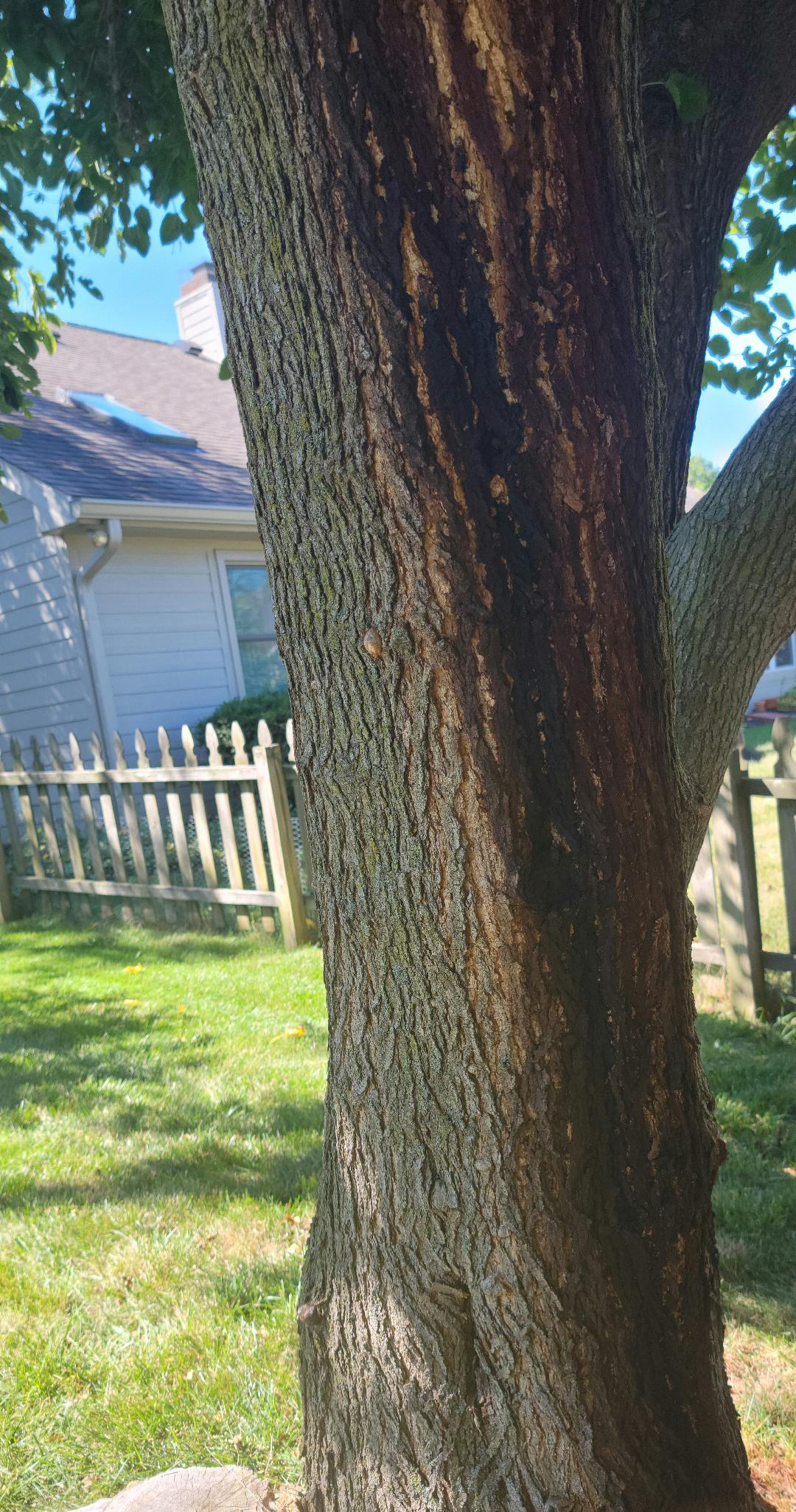
Question: We have a large 60+ foot mulberry tree in our backyard that is located by our pond. This is the first year I have seen these dark streaks on the bark of the tree. Should I have concerns?
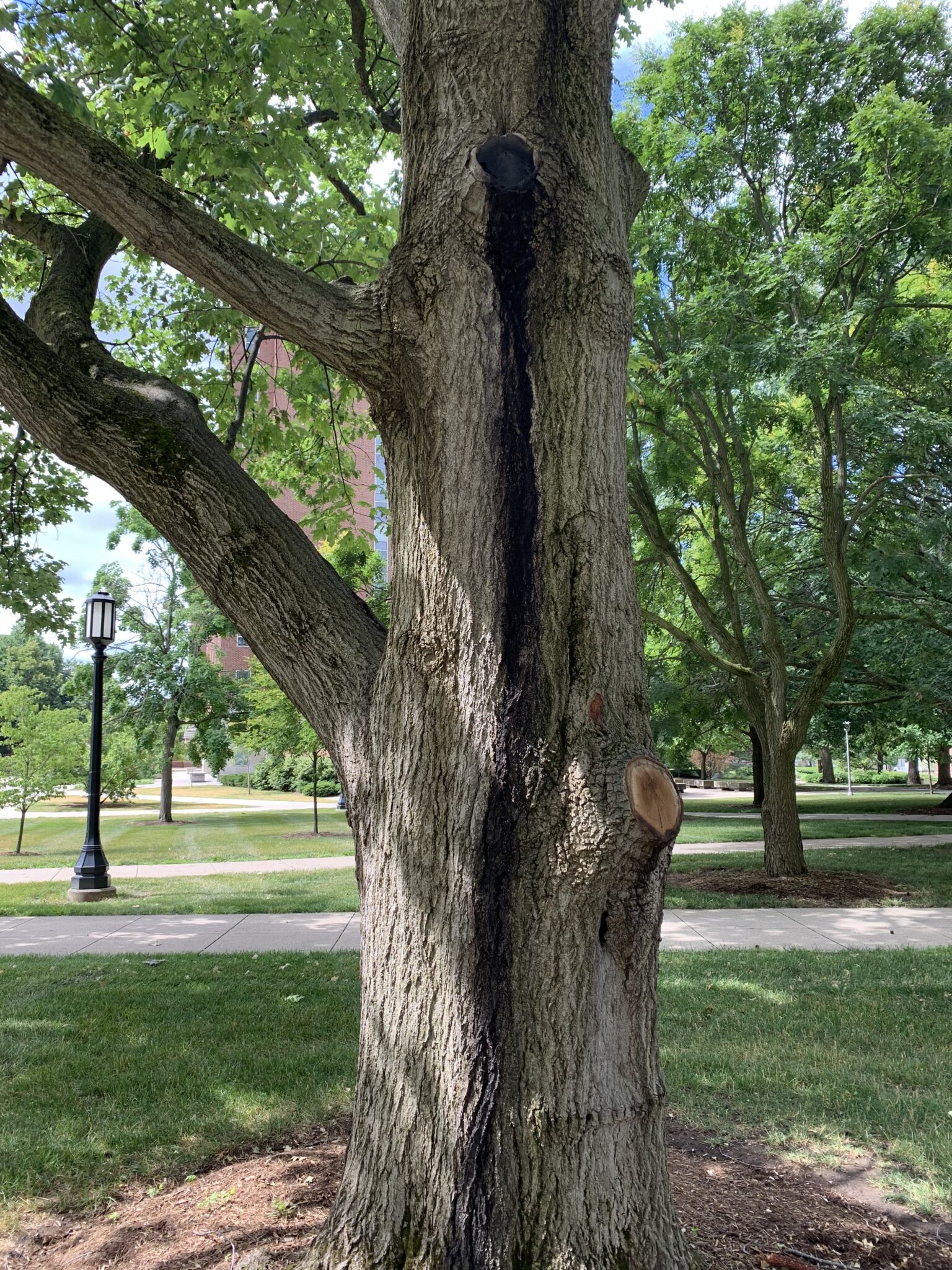
Answer: From the photos, it looks like wet wood/slime flux is affecting your tree. It is a bacterial infection on trees and in most cases is not a serious issue, but unfortunately, there is nothing to be done about it. Many years ago they used to drill holes to try and allow gases and liquids drain from an area with the slime flux but through research and experience this practice is not recommended.
The Purdue Landscape Report titled Slime Flux of Trees shares more about this disease:
Slime flux (also known as wet wood) is a dark, foul-smelling and unsightly seepage of sap from tree trunks. The disease is not usually a serious problem but the appearance can be alarming. Slime flux is caused by common surface-inhabiting bacteria or yeast fungi that enter the trunk through wounds associated with improper pruning, stem breakage, injections, cracks from freeze injury or weak limb crotches. The bacteria and yeast may live on sap nutrients within injured trees for many years without any outward evidence.
Symptoms
The main symptom is the appearance of the dark sap oozing on the trunk exterior which happens when gasses produced by growth of the bacteria and yeast cause the internal pressure of the sap to become high enough to force the sap out through cracks in the bark. The dark streaks usually turn light gray or white upon drying. Oozing sap may be frothy and white at the point of exit. Airborne bacteria, yeasts, and fungi often colonize the wet oozing material, which ferments and releases a foul odor. Slime flux may delay wound healing (callus formation).
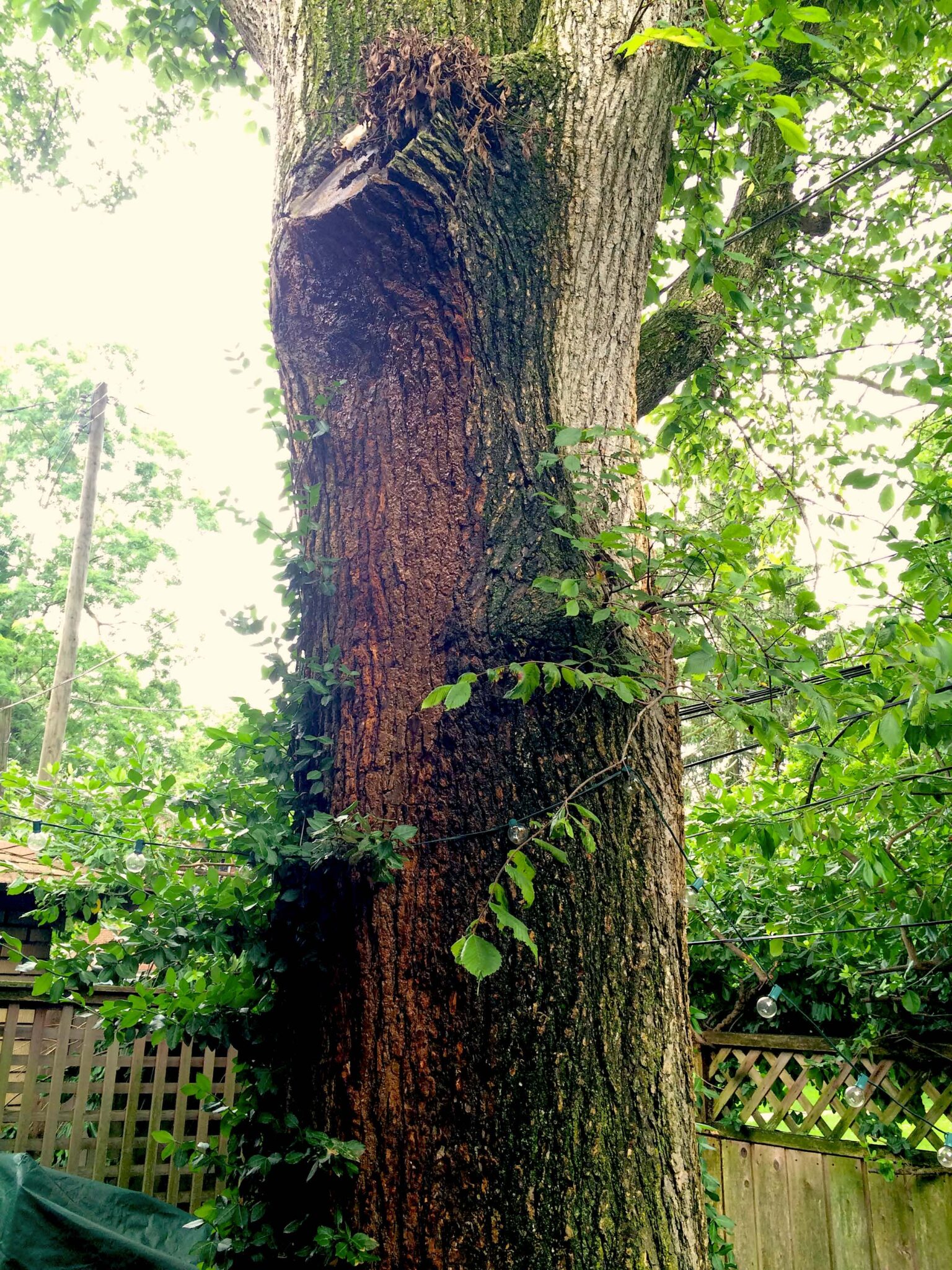
Purdue Landscape Report: Slime flux (also known as wet wood) is a dark, foul-smelling and unsightly seepage of sap from tree trunks (fig. 1). The disease is not usually a serious problem but the appearance can be alarming. Slime flux is caused by common surface-inhabiting bacteria or yeast fungi that enter the trunk through wounds associated with improper pruning, stem breakage, injections, cracks from freeze injury or weak limb crotches. The bacteria and yeast may live on sap nutrients within injured trees for many years without any outward evidence.
Symptoms The main symptom is the appearance of the dark sap oozing on the trunk exterior which happens when gasses produced by growth of the bacteria and yeast cause the internal pressure of the sap to become high enough to force the sap out through cracks in the bark. The dark streaks usually turn light gray or white upon drying. Oozing sap may be frothy and white at the point of exit. Airborne bacteria, yeasts, and fungi often colonize the wet oozing material, which ferments and releases a foul odor. Slime flux may delay wound healing (callus formation).
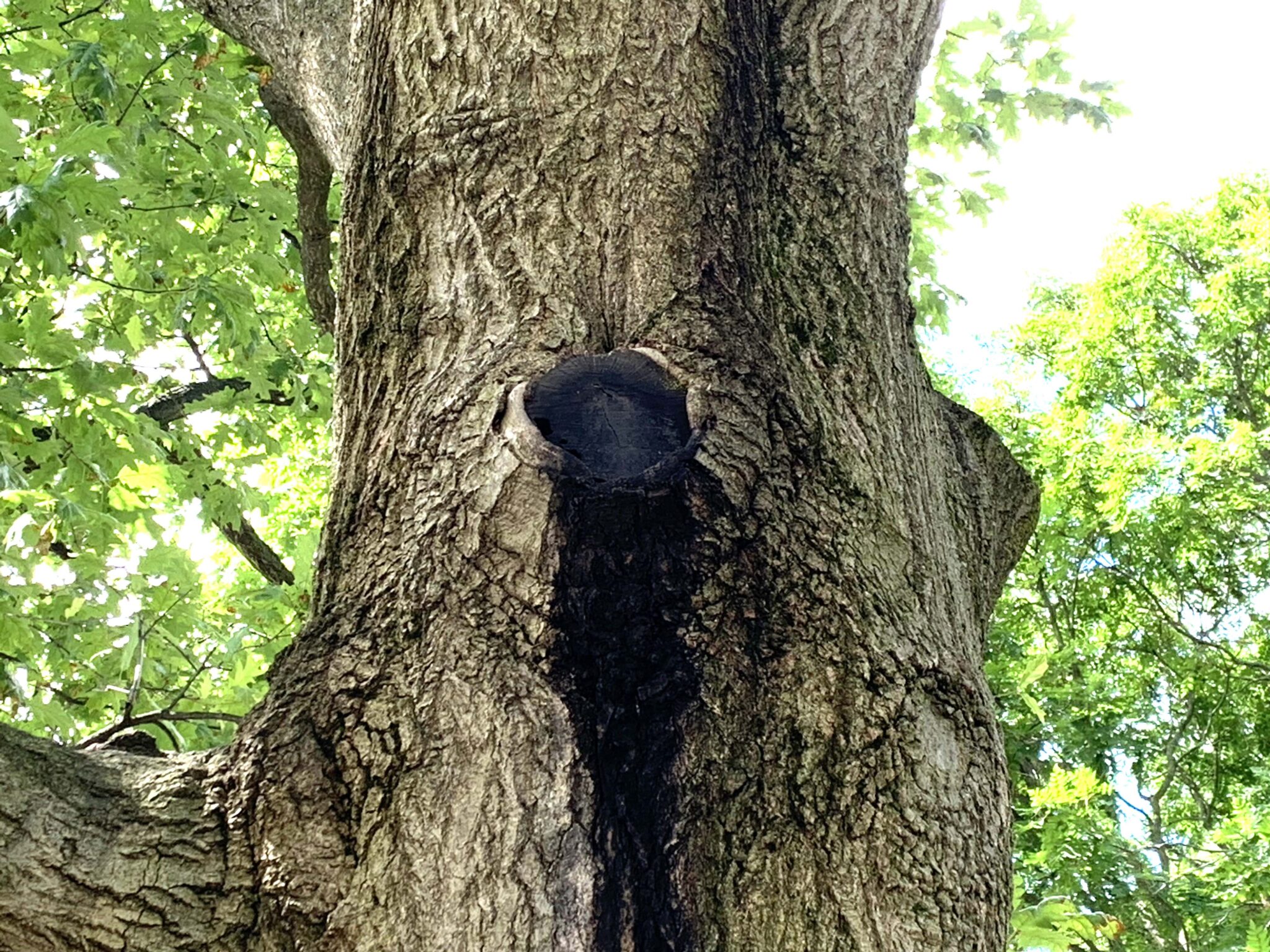
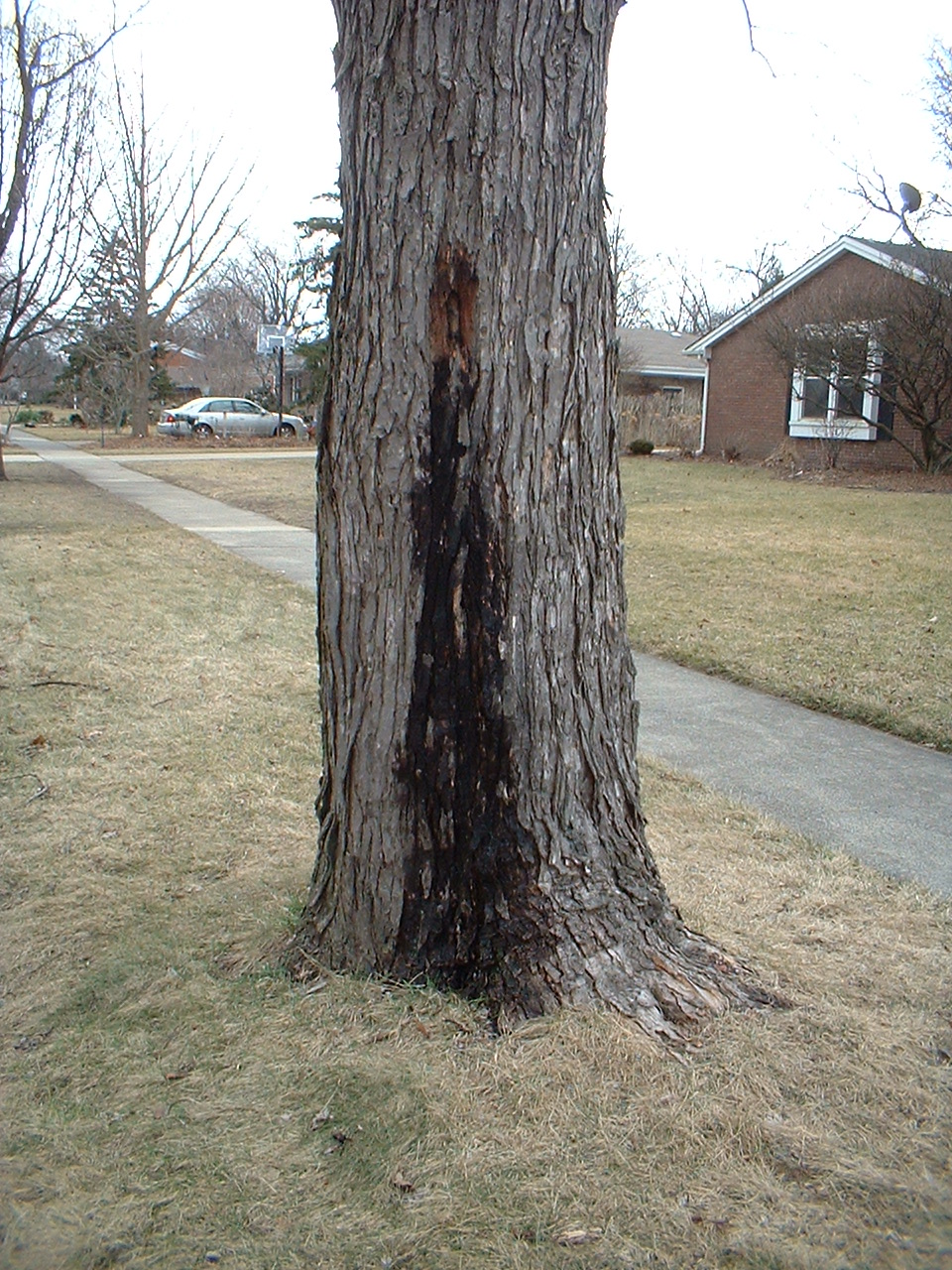
Slime flux is extremely common on mature elms (fig 2), oak (fig 3) and mulberry; and is seen less frequently on maples (fig 4), paper birch, sycamore, and walnut.
Figure 4. Silver Maple
Figure 3. White Oak
Figure 2. American Elm
Prevention There is no control or treatment for slime flux. Inserting a drain tube into the tree to relieve pressure and drain infected sap was once an accepted treatment, but is no longer recommended and may do more harm than good. Boring holes in affected trees causes internal spread of the bacteria within the tree and may allow entry of wood decay fungi.
To reduce the chances of susceptible trees developing wet wood avoid unnecessary wounding of the trunk and branches. Proper pruning techniques, HO-4-W, will allow branches to heal more rapidly. Make sure susceptible trees receive good general care; including irrigation when needed and mulch to conserve moisture and keep mowers away from the trunk. Avoid excess traffic in tree root zone to prevent soil compaction and root injury.
The first and most important step for managing a tree disease is to accurately diagnose the problem. The best approach to diagnosis of tree problems is to start by submitting photos of the tree via the digital upload tool on the Purdue Pest & Diagnostic Lab (PPDL) website. In the case of slime flux it is impractical to collect the type of physical sample needed for confirmation so photos are the best alternative.
References Sinclair, W. A. and H. H. Lyon. 2005. Diseases of trees and shrubs. Cornell University Press, Ithaca, NY. 660 pp.
Stipes, R. J. and Campana, R. J. (eds.) 1981. Compendium of Elm Diseases. APS Press, St. Paul, MN.
Many trees, shrubs, and other ornamental plantings in Indiana and throughout the Midwest suffer from iron deficiency caused by high pH (alkaline) soil. Soil pH affects plant growth directly and indirectly by affecting the availability of essential nutrients and microbial activity. One of these nutrients is iron, an essential plant nutrient that is required for the production of chlorophyll. Chlorophyll is necessary for photosynthesis and gives plants their green color. Iron (and manganese) deficiency results in leaf yellowing (chlorosis); over time, scorching of foliage, dieback and even death of the tree or shrub can result.
Iron Chlorosis of Trees and Shrubs talks about the symptoms, the cause and the managing of iron chlorosis. One of the authors is Lindsey Purcell, an urban forestry specialist from the Department of Forestry and Natural Resources at Purdue University.
This 5-page publication is part of the Plant Pathology in the Landscape Series and is a free download from the Purdue Extension resource center, The Education Store. View other tree disease publications and video resources as you place keywords in the search field located on The Education Store website.
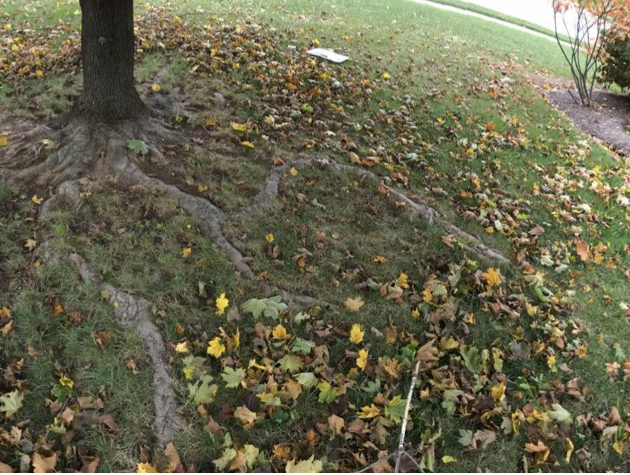
Trees in the landscape are highly prized and provide many benefits to you and your home. However, those shallow roots that appear on the surface of our lawns can create real headaches, especially when trying to grow lush turfgrass. This free download Surface Root Syndrome publication will help you learn what surface roots are, common approaches to address the problem, and best practices to management.