 Purdue University - Extension - Forestry and Natural Resources
Got Nature? Blog
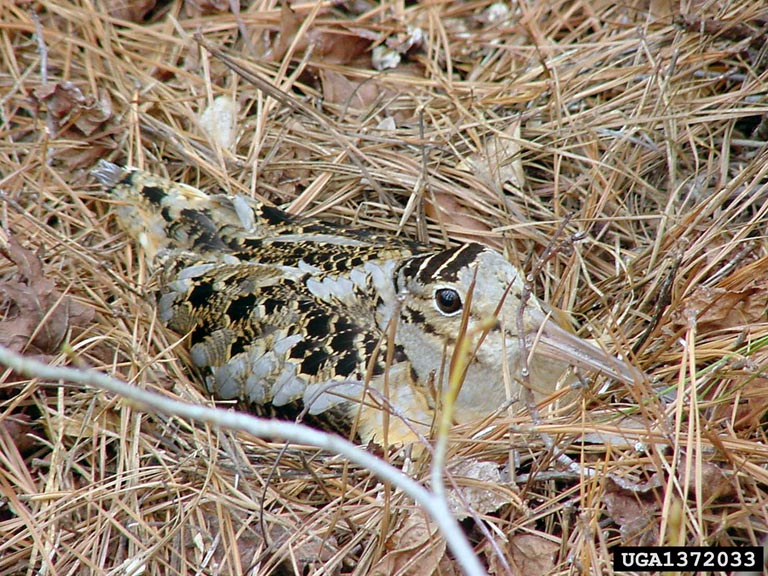
American Woodcock. Photo credit: Ricky Layson Photography, Bugwood.org.
You know Spring is around the corner when the days get longer and the temperatures rise. While the weather has pleasantly been warm this year so far, perhaps my favorite harbinger of Spring is the annual arrival of the American Woodcock, also known as the Timberdoodle. Their unique “peents” and the spectacular aerial flights of males looking to attract mates can be very entertaining.
Woodcock are migratory and spend their winters in the southern U.S. They arrive in Indiana in the early spring. Male woodcock typically set up their singing grounds in open fields and forest openings and recently logged areas. However, they can often be seen in urban areas including parks and even residential communities. The best time to observe them is at dusk. Woodcock will spend time on the ground “peenting” for a while, then fly high into the air to perform their “dance” only to return to the ground where they will repeat the process. This will go on until it gets dark. You can sometimes hear them peent in the morning before sunrise.
If you’re outside around dusk in early spring, keep an ear out — you just might hear the peent of a timberdoodle nearby.
Resources:
American Woodcock, Indiana Department of Natural Resources, Department of Fish & Wildlife
Americna Woodock – Listen to Woodcock call, Purdue Ross Biological Reserve
The Birders’ Dozen Profile 2: American Woodcock, Indiana Woodland Steward
Learn how forests are used by birds new videos, Got Nature? Blog
Managing Woodlands for Birds, The Education Store-Purdue Extension resource center
Managing Woodlands for Birds Video, Purdue Extension-Forestry and Natural Resources (FNR) YouTube Channel
Birds and Residential Window Strikes: Tips for Prevention, The Education Store, Purdue Extension resource center
Breeding Birds and Forest Management: The Hardwood Ecosystem Experiment and the Central Hardwoods Region, The Education Store
No Room at the Inn: Suburban Backyards and Migratory Birds, The Education Store
The Birders’ Dozen, Profile: Baltimore Oriole, Indiana Woodland Steward
Ask An Expert, Playlist, Purdue Extension – FNR YouTube Channel
It’s For the Birds, Indiana Yard and Garden-Purdue Consumer Horticulture
National Audubon Society
The Cornell Lab of Ornithology
Subscribe, Purdue Extension – FNR YouTube Channel
Brian MacGowan, Extension Wildlife Specialist
Purdue University, Department of Forestry and Natural Resources
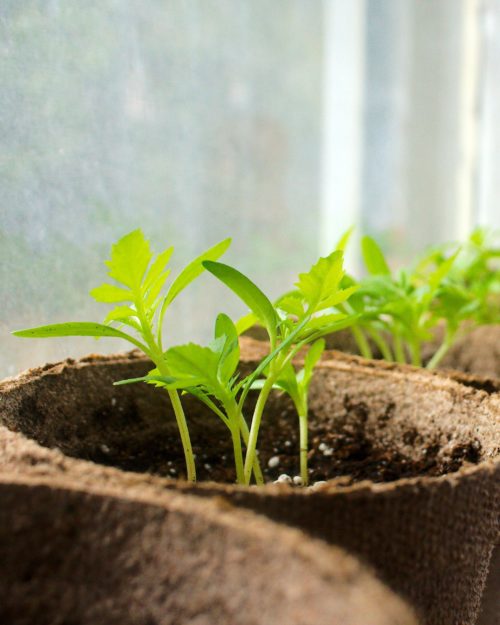 As the snow flies and the temperature drops, there are still some activities that we can do to remind us that spring is on the way. One of those is planning for tree planting. The Indiana DNR Division of Forestry operates a nursery system that provides tree and shrub seedlings to Indiana landowners. The seedlings are intended for conservation plantings for purposes like wildlife habitat, erosion control, windbreaks, and reforestation plantings. The state nursery also provides Select black walnut, red oak, white oak and black cherry seedlings for those interested in growing trees for timber. These seedlings are a result of tree breeding programs at the Division of Forestry and Purdue University. Seedlings are mostly bare-root one and two year old stock intended for spring planting. Seedlings are still available for purchase from the state nursery system. You can find ordering and contact information for the state nursery at Instructions for Ordering Tree Seedlings.
There are also several private nursery options for ordering tree seedlings in Indiana. The private nurseries may be able to offer species, sizes, and quantities of seedlings not available from the state, and can also sell trees for non-conservation purposes like landscaping and Christmas trees. The National Nursery and Seed Directory provided by the USDA Forest Service provides a directory of seed and plant sources across the region.
When planting trees and shrubs, be sure to check the suitability of your site for the species of plants you plan to use. Long-lived woody plants need to be on sites well-suited to their growth for good long-term results. You can consult the Web Soil Survey for maps and information covering the soil types on your property. You can also consult forestry and conservation professionals for advise and assistance. Purdue Extension offers several resources for planning your tree planting including publications and upcoming workshops. Check out upcoming events: Purdue Extension – Forestry and Natural Resources (FNR) Events.
So, take some time while the snow is falling to make plans for a warm spring day of tree planting.
Resources:
Instructions for Ordering Tree Seedlings, Indiana DNR Division of Forestry
National Nursery and Seed Directory, USDA Forest Service
Conservation Tree Planting: Steps to Success – webinar, Purdue Extension-Forestry & Natural Resources (FNR) YouTube Channel
Web Soil Survey, USDA Natural Resources Conservation Service
Deer Impact, Purdue Extension Pond & Wildlife
Planting Forest Trees and Shrubs in Indiana (pdf), located on The Education Store, Purdue Extension’s resource center
Planting and Care of Fine Hardwood Seedlings (pdf), located on The Education Store, Purdue Extension’s resource center
Importance of Hardwood Tree Planting , The Education Store
Designing Hardwood Tree Plantings for Wildlife, The Education Store
Resources and Assistance Available for Planting Hardwood Seedlings, The Education Store
Creating a Wildlife Habitat Management Plan for Landowners, The Education Store
Forest Improvement Handbook, The Education Store
How to Build a Plastic Mesh Deer Exclusion Fence, The Education Store
ID That Tree, Purdue Extension-Forestry & Natural Resources (FNR) YouTube playlist
Woodland Stewardship for Landowners, Purdue Extension – FNR Extension YouTube Playlist
Woodland Management Moment, Purdue Extension – FNR YouTube Playlist
Lenny Farlee, Extension Forester
Hardwood Tree Improvement & Regeneration Center (HTIRC)
Purdue University Department of Forestry and Natural Resources
Welcome to ID That Tree! In this episode, Purdue Extension Forester Lenny Farlee introduces us to a widespread native shrub called smooth sumac. Found in open fields, roadsides and woodland edges across Indiana, this shrub is easily identified by its recognizable stems and leaves. Watch the video to learn about these characteristics, along with the differences in smooth sumac through the different seasons. For example, in summer, this shrub has flowers that turn into fruit heads! Whether you’re a student, naturalist or simply curious about native plants, this video offers a quick and helpful guide to identifying smooth sumac in the wild.
If you have any questions regarding wildlife, trees, forest management, wood products, natural resource planning or other natural resource topics, feel free to contact us by using our Ask an Expert web page.
Resources:
ID That Tree – Video Playlist, Purdue Extension – Forestry and Natural Resources (FNR) YouTube Channel
Purdue Arboretum Explorer
Conservation Tree Planting: Steps to Success, Purdue Extension – FNR YouTube Channel
A Woodland Management Moment, Playlist, Purdue Extension – FNR YouTube Channel
Woodland Stewardship for Landowners, Playlist, Purdue Extension – FNR YouTube Channel
Fifty Common Trees of Indiana, Purdue Extension – FNR
Indiana Invasive Species Council
Cooperative Invasive Species Management Area (CISMA)
Report Invasive, Purdue Extension
Habitat University, Episode 12 – Exploring the challenges of Invasive Species, Habitat University-Natural Resource University
Shrubs and Woody Vines of Indiana and the Midwest, Purdue University Press
Native Trees of the Midwest, Purdue University Press
Professional Forester, Indiana Forestry Woodland Owners Association
District Forester, Indiana Department of Natural Resources, 10+ acres
Find an Arborist, International Society of Arboriculture
Forest Improvement Handbook, The Education Store
Lenny Farlee, Extension Forester
Hardwood Tree Improvement and Regeneration Center
Purdue Department of Forestry & Natural Resources
With rainfall well below average, watering your trees is more important than ever. Indiana typically receives around 3.14 inches of rain in September, but as of 2025, only 1.31 inches have fallen—making this month even drier than last year. These conditions can lead to dry, wilted leaves and stress for trees across the state, especially during prolonged heat. To see how drought is affecting your area, visit the U.S. Drought Monitor for Indiana-specific maps.
In this video, Lindsey Purcell, Executive Director of the Indiana Arborist Association, explains why consistent watering is critical and shares practical tips to help your trees stay healthy through dry spells.
Extreme heat can have a major impact on tree health and survival. Water is the most limiting ecological resource for a tree, and without adequate moisture, decline and death are imminent. It reduces carbohydrate production, significantly lowering energy reserves and production of defense chemicals in the tree. Check out this publication titled Drought? Don’t Forget the Trees! to learn what to look for for any weakening issues including pests that like the dry conditions.
If you have any questions regarding wildlife, trees, forest management, wood products, natural resource planning or other natural resource topics, feel free to contact us by using our Ask an Expert web page.
More Extreme Heat Resources:
Climate and Drought Maps, Purdue Indiana State Climate Office
Summer Tree Care, Purdue Landscape Report
Drought? Don’t Forget the Trees!, The Education Store, Purdue Extension resource center
Extreme Heat Including Fact Sheets, Purdue Extension – IN-PREPared
Extreme Heat – Resources, Extension Disaster Education Network (EDEN)
Drought Information, Indiana Department of Natural Resources
Planting Your Tree Part 1: Choosing Your Tree, Purdue Extension YouTube Channel
Tree Selection for the “Un-natural” Environment, The Education Store
Tree Pruning Essentials Video, Purdue Extension YouTube Channel
Tree Defect Identification, The Education Store
Tree Wound and Healing, Got Nature? Blog, Purdue Extension – Forestry and Natural Resources
Surface Root Syndrome, The Education Store
Submit Sample, Purdue Plant & Pest Diagnostic Lab
Find an Arborist, Indiana Arborist Association
Ben McCallister, Urban Forestry Specialist
Purdue Forestry & Natural Resources
I seem to be finding Kirtland’s snakes as I am cleaning my gardens. There seems to be an increase of grubs, beetles and worms, but I have not seen the small lizards yet. We have an abundance of chipmunks. Is there something I can do to discourage the snakes from taking up residency in my yard?
Many people have questions about snakes, and this post addresses the two most common – what is it and what can I do? The answer to the latter is, in part, related to the first, so I’ll address that one first. Indiana is home to a diversity of snake species. Identifying snakes to species can be tricky. First, geographic location often can easily differentiate among similar species or subspecies. Check the distribution map of the species in question and that of similar species. This may not resolve all issues since the distribution of similar species often overlap, distribution maps are not 100 percent accurate (i.e., they are a “best guess”) and some species and subspecies share similar characteristics where their ranges overlap. Second, scale configuration and appearance differs among some groups of species. For snakes, the texture of the body scales (keeled or smooth) or the presence/absence of a divided anal plate (the large scale that covers the cloacal opening) are key. Finally, physical characteristics including size, color and pattern can be used. For some species, conclusive identification is easier with the specimen in hand, although handling venomous species (which are rare in Indiana) is not recommended. With practice, one can become quite adept at identifying all of them.
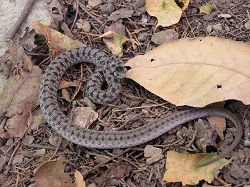
DeKay’s Brownsnake – This species is a small chestnut to dark brown snake averaging 25-30 centimeters in length. The belly is cream to pink. It has two rows of dark spots along the back that fade toward the tail. Dark bars may connect the dorsal spots, giving the impression of a ladder-like pattern. The area within this pattern is usually lighter in color than the sides, often giving the impression of a central stripe.
Kirtland’s snakes referenced in the homeowner’s question are endangered in Indiana. They are generally found near or along the margins of water bodies, but they can also be found in some urban areas on occasion. Due to these facts and since Kirtland’s snakes are generally quite secretive in behavior, this homeowner’s garden visitors are likely another species. Common garden visitors in Indiana include DeKay’s Brown snake (pictured above) or Eastern Gartersnake. Red-bellied Snakes (pictured below) have a pinkish-red belly similar to Kirtland’s snake. They are more of a woodland species, but it could be a possibility. All of these snakes can eat slugs and other garden pests.
Is there something homeowners can do to discourage snakes from taking up residency in their yards and around their homes? There really is no foolproof method to discourage snakes from utilizing a property. Reducing mulch layer thickness; removing brush piles, rock piles or other refuse; and keeping vegetation low are all steps that may help. Keep in mind that this may also reduce use of your property by wildlife you desire. There have been some repellents developed for snakes, but research results on their effectiveness have been mixed at best. In general, you should be wary of repellents that promise to keep animals out of an area. Lastly, there is plastic mesh fencing that you can purchase. Fencing can be used to exclude animals from small areas – it is generally cost-prohibitive for larger areas, and I am not aware of studies that test the effectiveness of fencing for snakes. Snake fencing is generally designed to exclude larger venomous snakes as opposed to the typical garden species that can be quite small. Snakes can also get stuck and die in mesh fences when their head fits through but the body gets stuck. The scales “catch” the mesh when the snake attempts to back out. Mesh fencing is also susceptible to damage from trimmers and falling limbs, and rabbits and rodents can chew holes in it. Thus, regular inspection and maintenance is required to maintain its function.
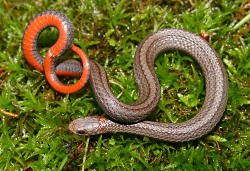
The Red-bellied Snake (18-25 cm) has both a brown and gray color phase. The two black lines along the length of its back may appear similar to the dark spots along the back of the DeKay’s Brownsnake (Storeria dekayi), but lack the crossbars. The belly has a distinctive bright pink or red coloration for which the species was named. Three light blotches may be visible behind the head on the neck.
Remember, while many folks are afraid of snakes or don’t want them around, the vast majority of species are harmless and can actually help homeowners by preying upon animals that actually are a nuisance and cause damage. Before taking any action, consider their benefits to you and how your actions affect other wildlife that call your yard home.
Resources
Snakes and Lizards of Indiana, The Education Store, Purdue Extension’s resource center
Snakes of the Central and Northeastern United States, The Education Store
Snakes of Indiana, The Education Store
Indiana Amphibian and Reptile ID Package (4 softcover books), The Education Store
Reptiles: Turtles, Snakes, and Lizards, Purdue Nature of Teaching Website
Ask An Expert, Playlist, Purdue Extension – Forestry and Natural Resources YouTube channel
A Moment in the Wild: Eastern Hognose, Purdue Extension – FNR Video
A Moment in the Wild: Eastern Kingsnake, Purdue Extension – FNR Video
A Moment in the Wild: Racer, Purdue Extension – FNR Video
Brian MacGowan, Extension Wildlife Specialist
Department of Forestry and Natural Resources, Purdue University
While the weather may tell you otherwise, spring is upon us. With the changing weather comes greening grass, breaking buds and sprouting plants. This plethora of fresh growth can help cure the winter blues, but it also provides wildlife with a desirable food source. Recently you may have noticed deer and other wildlife’s increased utilization of winter wheat fields and other green areas like lawns – early spring is the time you see deer in Indiana feed extensively on grass.
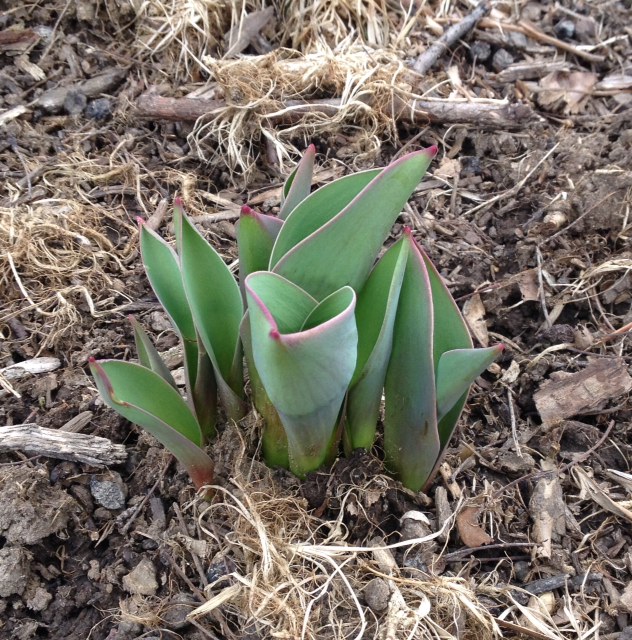 For homeowners, this is the time you need to scout around your home for emerging plants in your landscaping beds. Plants that are frequently browsed by deer such as tulips or hostas need special attention, but the limited amount of green plant material can leave any plant as a potential target. Most homeowners choose a type of taste repellent to protect plants. There are several tips on how to increase the efficacy of this approach.
- Timing: It helps to have some foresight into when damage is likely to occur and/or the plant developmental stage(s). Unfortunately, this is usually based on past experience. Ideally, you want to time applications during these periods. With tulips, for example, applying repellents early during sprouting, later during sprouting and during flower bud development will prevent damage during most years.
- Type of repellent: There are many types of taste repellents labeled for deer and other wildlife species. Most have a combination of capsaicin, putrefied egg solids and/or fatty acids of ammonium soaps. There are, of course, others with different ingredients. So which do you choose? There have been many studies that have investigated the efficacy of repellents. The bottom line – they work, but control is not 100%.
- Label: Failures can often result when not following the directions on the label. The label also provides safety information and what you can/can’t spray. Read and follow the label – it’s the law.
- Expectations: You aren’t going to solve all of your wildlife problems by spraying a few plants or even everything. If you use repellents, reapply according to label directions (every three to four weeks is usually a good rule of thumb). To increase success, you may use them as part of an integrated approach that includes exclusion, cultural practices and other approaches.
Resources
Diagnosing and Controlling Wildlife Damage, The Education Store, Purdue Extension’s rescource center
Preventing Wildlife Damage – Do You Need a Permit?, The Education Store
Wildlife Conflicts, Purdue University
New Tool for Helping Landowners to Help Declining Birds, Got Nature? Blog, Purdue Extension – Forestry & Natural Resources (FNR)
Forest Management for Reptiles and Amphibians: A Technical Guide for the Midwest, The Education Store
Ask the Expert: Hardwood Ecosystem Experiment – Birds and Salamander Research, Purdue Extension – FNR
Developing a Wildlife Habitat Management Plan, The Education Store
The Nature of Teaching, Purdue Extension
ID That Tree, Playlist, Purdue Extension – Forestry and Natural Resources Youtube Channel
A Woodland Management Moment, Playlist, Purdue Extension – FNR Youtube Channel
Shrubs and Woody Vines of Indiana and the Midwest, Purdue University Press
Native Trees of the Midwest, Purdue University Press
Forest Improvement Handbook, The Education Store
Fifty Common Trees of Indiana, Purdue Extension – FNR
Invasive plants: impact on environment and people, The Education Store
ReportINvasive, Purdue College of Agriculture – Entomology
Cooperative Invasive Species Management Area (CISMA)
District Forester, Indiana Department of Natural Resources, 10+ acres
Find an Arborist, International Society of Arboriculture
Brian MacGowan, Extension Wildlife Specialist
Department of Forestry and Natural Resources
Join Purdue Extension forester Lenny Farlee and wildlife specialist Brian MacGowan as they help you prepare for the holidays while keeping your family and local wildlife safe. This video discusses everything from how to choose and care for a real Christmas tree as well as what to do with it after the season and also how to make wildlife/nature-friendly decorations.
Topics Include:
– What can I do with my tree after Christmas that would benefit wildlife?
– Are artificial structures legal in Indiana lakes?
– What types of items can I collect from the wild for holiday decorations?
– How do I do it in an environmentally responsible way?
– Are there some things I shouldn’t or can’t collect?
– What outdoor holiday decorations can benefit wildlife?
– How do I make it last longer?
– Can I avoid problems with non-target wildlife?
If you have any questions regarding trees, forest management, wildlife, wood products or other natural resource topics, feel free to contact us by using our Ask an Expert web page.
Resources
Selecting an Indiana-Grown Christmas Tree, The Education Store, Purdue Extension resource center
Tips for First-Time Buyers of Real Christmas Trees, The Education Store
Indiana Christmas Tree Growers Association
Purdue University Invasive Species resources
Indiana DNR Division of Fish and Wildlife for wildlife possession rules
Feed the birds with a DIY wreath, Audubon
Dan Cassens: Tips for First-Time Christmas Tree Buyers, Video, Purdue Agriculture
Dan Cassens: Starting Your Own Christmas Tree Farm, Video
Lenny Farlee, Sustaining Hardwood Extension Specialist
Purdue University Department of Forestry and Natural Resource
Brian MacGowan, Extension Wildlife Specialist
Department of Forestry & Natural Resources, Purdue University
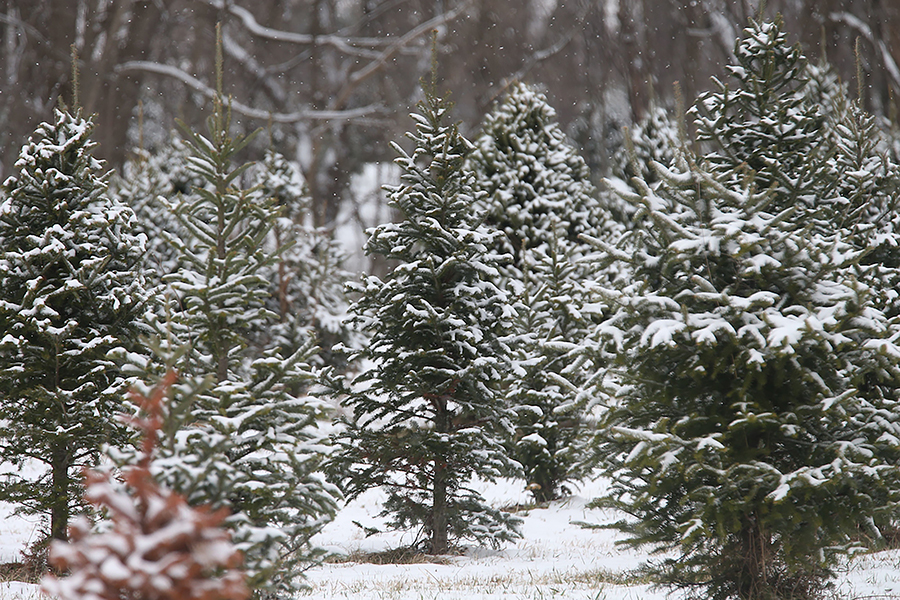 A real Christmas tree is an important part of a holiday celebration for many Hoosier households. Consumers have several choices for purchasing a real tree, including pre-cut trees at retail outlets or seasonal sales locations, choose-and-cut trees at Christmas tree farms, or even live trees that can be replanted after the holidays. Purdue Extension offers two publications that can help you select and care for your tree: Tips for First-Time Buyers of Christmas Trees provides advice and direction on how to set up and care for your tree to improve safety and enjoyment. Selecting an Indiana-Grown Christmas Tree provides details on the characteristics of different species of real Christmas trees available in Indiana, as well as care instructions for cut and live Christmas trees.
Pre-cut real Christmas trees are available at many retail outlets like garden centers, supermarkets, or seasonal sales locations. If you are looking for local choose-and-cut Christmas tree farms you can consult local media and advertising outlets or the Indiana Christmas Tree Growers Association. Some garden centers and Christmas tree farms may also offer live trees for sale.
If you are considering growing your own Christmas trees for personal use or sale, the Extension publications Growing Christmas Trees and A Choose-and-Cut Pine and Fir Christmas Tree Case Study outline economic and management considerations for growing Christmas trees.
Check out the Ask an Expert: Holidays in the Wild as the experts answer questions regarding Christmas trees along with wildlife you may see while you walk in the woods this winter. In this Ask an Expert video they share resources about picking a real Christmas tree and how to access real trees locally in Indiana as well as collecting decoration materials like cones, seed pods and nuts form the wild for crafting and decorating. They also discuss how you can provide habitat and supplemental food for wildlife using Christmas trees and wreaths before, during and after the holiday season.
Resources:
A Choose-and-Cut Pine and Fir Christmas Tree Case Study, The Education Store, Purdue Extension’s resource center
Living Christmas Trees For The Holidays and Beyond, The Education Store
Tips for First-Time Buyers of Real Christmas Trees, The Education Store
Growing Christmas Trees, The Education Store
Selecting an Indiana-Grown Christmas Tree, The Education Store
Winterize Your Trees, The Education Store
Tree Installation: Process and Practices, The Education Store
What do Treed Do in the Winter?, Got Nature? Blog, Purdue Extension – Forestry and Natural Resources (FNR)
Forest/Timber Playlist, subscribe to Purdue Extension – Forestry and Natural Resources (FNR) YouTube Channel
Ask the Expert: Holidays in the Wild, Purdue Extension – FNR YouTube Channel
ID That Tree: Balsam Fir, Purdue Extension – FNR YouTube Channel
ID That Tree: Scotch Pine, Purdue Extension – FNR YouTube Channel
To identify other pine trees view ID That Tree, Purdue Extension – FNR YouTube Channel
Lenny Farlee, Extension Forester
Hardwood Tree Improvement and Regeneration Center
Purdue Department of Forestry & Natural Resources
In this edition of ID That Tree, Purdue Extension forester Lenny Farlee takes us through the different characteristics of Hoptree, a relatively common shrub here in Indiana. This is a unique native plant with three-part leaves and hop-like seed pods. Also called Wafer Ash due to its distinctive wafer-shaped seeds, this shrub can often be confused with Poison Ivy or Bladdernut, so be sure to pay attention to key differences in the video. Features include trifoliate leaves and the temperate areas in which it grows.
If you have any questions regarding wildlife, trees, forest management, wood products, natural resource planning or other natural resource topics, feel free to contact us by using our Ask an Expert web page.
Resources:
ID That Tree: Firs and Spruces, Video Playlist, Purdue Extension – Forestry and Natural Resources (FNR) YouTube Channel
ID That Tree – Jack Pine, Scotch Pine, Red Pine, Virginia Pine, Eastern White Pine, Video Playlist, Purdue Extension – Forestry and Natural Resources (FNR) YouTube Channel
Beat Back Borers Attacking Pines and Other Cone Bearing Trees, Purdue Landscape Report
Tree Diseases: White Pine Decline in Indiana, The Education Store, Purdue Extension Resource Center
Purdue Arboretum Explorer
Conservation Tree Planting: Steps to Success, Purdue Extension – FNR YouTube Channel
A Woodland Management Moment, Playlist, Purdue Extension – FNR YouTube Channel
Woodland Stewardship for Landowners, Playlist, Purdue Extension – FNR YouTube Channel
Indiana Department of Natural Resources: Invasive Species
Indiana Invasive Species Council
Cooperative Invasive Species Management Area (CISMA)
Report Invasive, Purdue Extension
Episode 11 – Exploring the challenges of Invasive Species, Habitat University-Natural Resource University
Shrubs and Woody Vines of Indiana and the Midwest, The Education Store
Native Trees of the Midwest, The Education Store
Professional Forester, Indiana Forestry Woodland Owners Association
Forest Improvement Handbook, The Education Store
Find an Arborist, International Society of Arboriculture
Lenny Farlee, Extension Forester
Hardwood Tree Improvement and Regeneration Center
Purdue Department of Forestry & Natural Resources
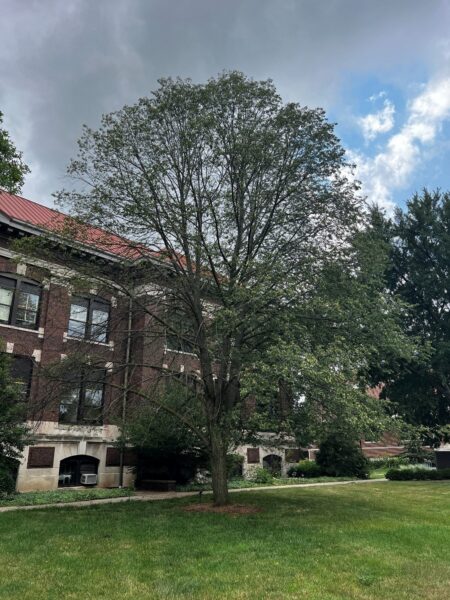
Figure 1: Drought stress can cause decline and, in some cases, death in trees.
Purdue Landscape Report: With recent rain storms across the state, watering may not be at the forefront of everyone’s minds. But as we head deeper into summer it is food to remember most of Indiana is in a state of abnormal dryness to moderate drought, continuing similar conditions from previous years. With that in mind, we should be thinking about the health of our trees (Fig. 1).
Understanding what drought is and its effects on trees can help to bolster care plans. Drought is an extended time with little to no precipitation and can slow growth, reducing photosynthesis, and depleting energy reserves trees need to survive dormancy in winter. Drought conditions can stress trees, making them susceptible to pests and diseases, reducing their ability to produce defensive chemicals, and in severe situations resulting in death (Fig. 2).
One simple task to protect your trees is watering. This is especially important in young and newly transplanted trees. A good industry guideline is the 5-plus-5 rule.
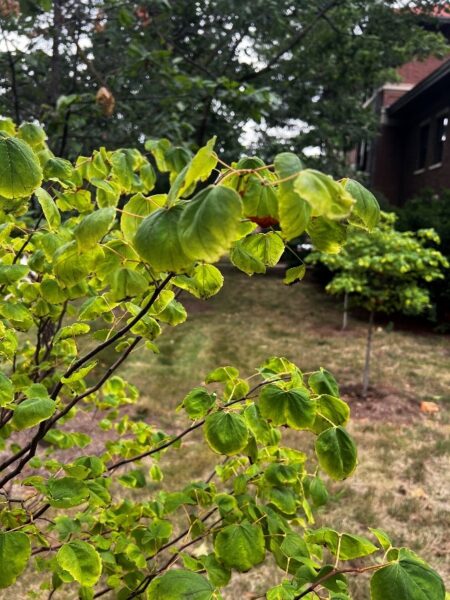
Figure 2a: Wilting in leaves and dieback in parts of the tree can indicate drought stress.
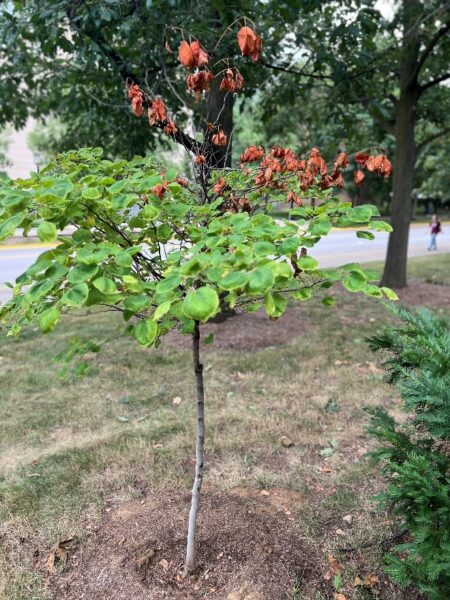
Figure 2b: Wilting in leaves and dieback in parts of the tree can indicate drought stress.
Apply 5 gallons of water plus 5 gallons for every diameter inch of the trunk. For example, a 4-inch tree would require about 25 gallons of water as needed. A good tactic to reduce water runoff from the hose is to take a large bucket and drill enough small holes to create a slow drip watering system. Also check moisture levels in your soil to see if conditions are dry, moist, or saturated.
Another way to maintain soil moisture is to mulch around the tree. Mulch rings should be at least 3 feet in diameter and 2-3 inches deep with a 2–3-inch space between the base of the trunk and the inner mulch ring. Mulching up to the trunk is called volcano mulching and causes issues like stem girdling root production and decay. Mulching reduces evaporation from the soil and helps maintain moderate soil temperatures. It also reduces competition with surrounding lawn and landscaping plants while protecting the trunk from mechanical damage caused by mowing and lawn care practices.
These little steps can go a long way to protect your trees, extending their life spans and your enjoyment with a healthy canopy. For a more detailed look at drought and trees, please have a look at the Purdue extension store here.
Original article posted: Summer Tree Care: Watering Your Trees.
Subscribe and receive the newsletter: Purdue Landscape Report Newsletter.
Resources:
Planting Your Tree Part 1: Choosing Your Tree, Purdue Extension YouTube Channel
Tree Planting Part 2: Planting a Tree, Purdue Extension YouTube Channel
Tree Installation: Process and Practices, The Education Store
Tree Pruning Essentials, The Education Store
Tree Pruning Essentials Video, Purdue Extension YouTube Channel
Drought Information, Indiana Department of Natural Resources
Drought? Don’t forget the trees!, The Education Store
Tree Defect Identification, The Education Store
Tree Wound and Healing, Got Nature? Blog, Purdue Extension – Forestry and Natural Resources
Surface Root Syndrome, The Education Store
Find an Arborist video, Trees are Good-International Society of Arboriculture (ISA)
Trees and Storms: Understanding Damage, Risk and Recovery – Got Nature? Blog, Purdue Extension – FNR
Indiana Invasive Species Council
ID That Tree, Playlist, Purdue Extension – FNR YouTube Channel (Invasive White Mulberry, Siberian Elm, Tree of Heaven)
Fifty Common Trees of Indiana
An Introduction to Trees of Indiana
Native Trees of the Midwest, The Education Store
Subscribe – Purdue Extension-FNR YouTube Channel
Ben McCallister, Urban Forestry Specialist
Purdue Forestry & Natural Resources

Recent Posts
- Restoring Roots to Save the Salamanders, USDA – Natural Resources Conservation Service
Posted: May 6, 2026 in Aquaculture/Fish, Forestry, Wildlife - Spring Storms Are Coming: How to Reduce Tree Damage and Risk
Posted: May 1, 2026 in How To, Urban Forestry, Wildlife, Woodlands - Cryptocline Leaf Spot (Anthracnose) of Elm, Purdue Landscape Report
Posted: April 30, 2026 in Disease, Forestry, Woodlands - Mechanical Damage to Trees: Mowing and Maintenance Equipment
Posted: April 24, 2026 in Forestry, Forests and Street Trees, Urban Forestry - A Woodland Management Moment: Growing Quality Black Walnut in Openings
Posted: April 20, 2026 in Urban Forestry, Woodland Management Moment, Woodlands - Spring Into Bloom With ID That Tree
Posted: in Forests and Street Trees, Urban Forestry, Woodlands - Question: Have Whippoorwill Birds Declined in Numbers?
Posted: in Ask the Expert, Wildlife - Invasive Species in Eastern Forests, Webinar Series
Posted: in Invasive Insects, Invasive Plant Species, Urban Forestry, Wildlife - Tree Risk Management: What Every Property Owner Needs to Know
Posted: April 17, 2026 in Forests and Street Trees, Wildlife, Woodlands - As the spring wildflowers emerge, so do the woodland invaders
Posted: April 16, 2026 in Forestry, Forests and Street Trees, Invasive Plant Species
Archives
Categories
- Alert
- Aquaculture/Fish
- Aquatic/Aquaculture Resources
- Ask the Expert
- Christmas Trees
- Community Development
- Disease
- Drought
- Forestry
- Forests and Street Trees
- Gardening
- Got Nature for Kids
- Great Lakes
- How To
- Invasive Animal Species
- Invasive Insects
- Invasive Plant Species
- Land Use
- Natural Resource Planning
- Nature of Teaching
- Plants
- Podcasts
- Ponds
- Publication
- Safety
- Spiders
- Timber Marketing
- Urban Forestry
- Webinar
- Wildlife
- Wood Products/Manufacturing
- Woodland Management Moment
- Woodlands