 Purdue University - Extension - Forestry and Natural Resources
Got Nature? Blog
How do I remedy poor branching? Is my tree at risk of splitting, and how can pruning prevent that? Corrective pruning has many implications for tree structure, health, and longevity. Developing a strong, central branch structure in a deciduous tree is critical for preventing structural failure caused by storms, wind, and ice. This 8-page publication explains the problems resulting from a co-dominant stem structure and addresses pruning strategies for correcting poor structure.
To view this full publication please go to Corrective Pruning for Deciduous Trees located in The Education Store, Purdue Extension’s resource center.
Resources
Preparations to Prevent Southwest Tree Injury, Got Nature? Blog
When do you stake a tree?, Got Nature? Blog
Top 5 List for Tree Selection and Planting, Got Nature? Blog
Tree Selection for the “Un-natural” Environment, The Education Store, Purdue Extension
Tree Support Systems, The Education Store, Purdue Extension
Tree Installation: Process and Practices, The Education Store, Purdue Extension
Planting Your Tree Part 1: Choosing Your Tree, video, The Education Store, Purdue Extension
Lindsey Purcell, Urban Forestry Specialist
Purdue Forestry and Natural Resources
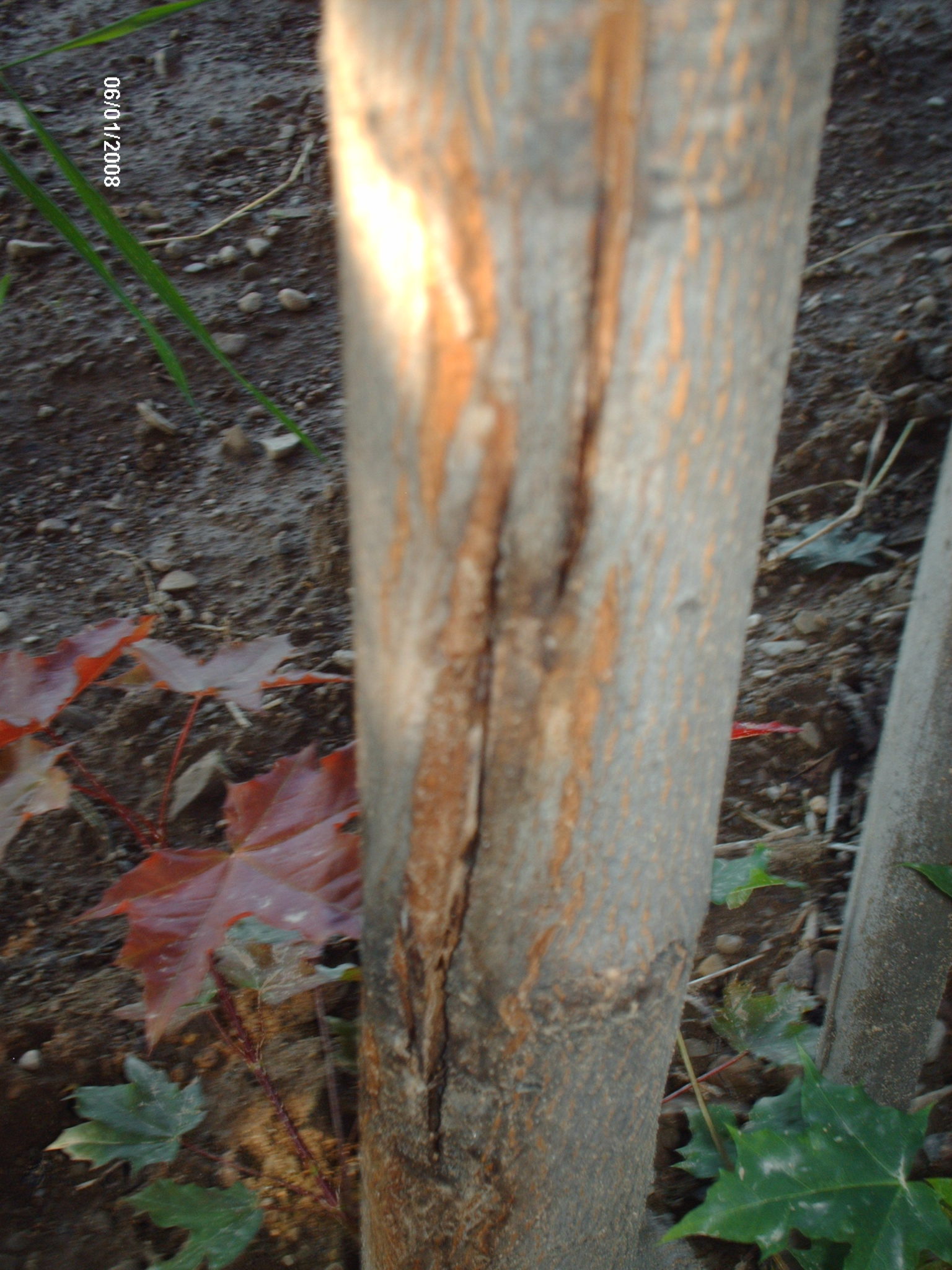
Figure 1. Bark cracking due to Southwest injury.
The time is now to start protecting your trees! Now that your ears are perked up, let’s talk a bit about Southwest injury on trees.
Bark cracking (Fig.1) is a phenomenon that occurs in many species of trees and can have many causes. One of the most common types of bark cracking is termed Southwest injury. Southwest injury occurs during the winter months on the lower section of the trunk on the southwest side. This happens when there is a sudden temperature drop, for example, the sun going behind a cloud during the winter. The freeze-thaw cycle happens very quickly when there is a change from very warm to cold conditions, which results in a crack. If there is a snow pack, the reflection of sunlight on the bark will actually increase the temperature in the bark.
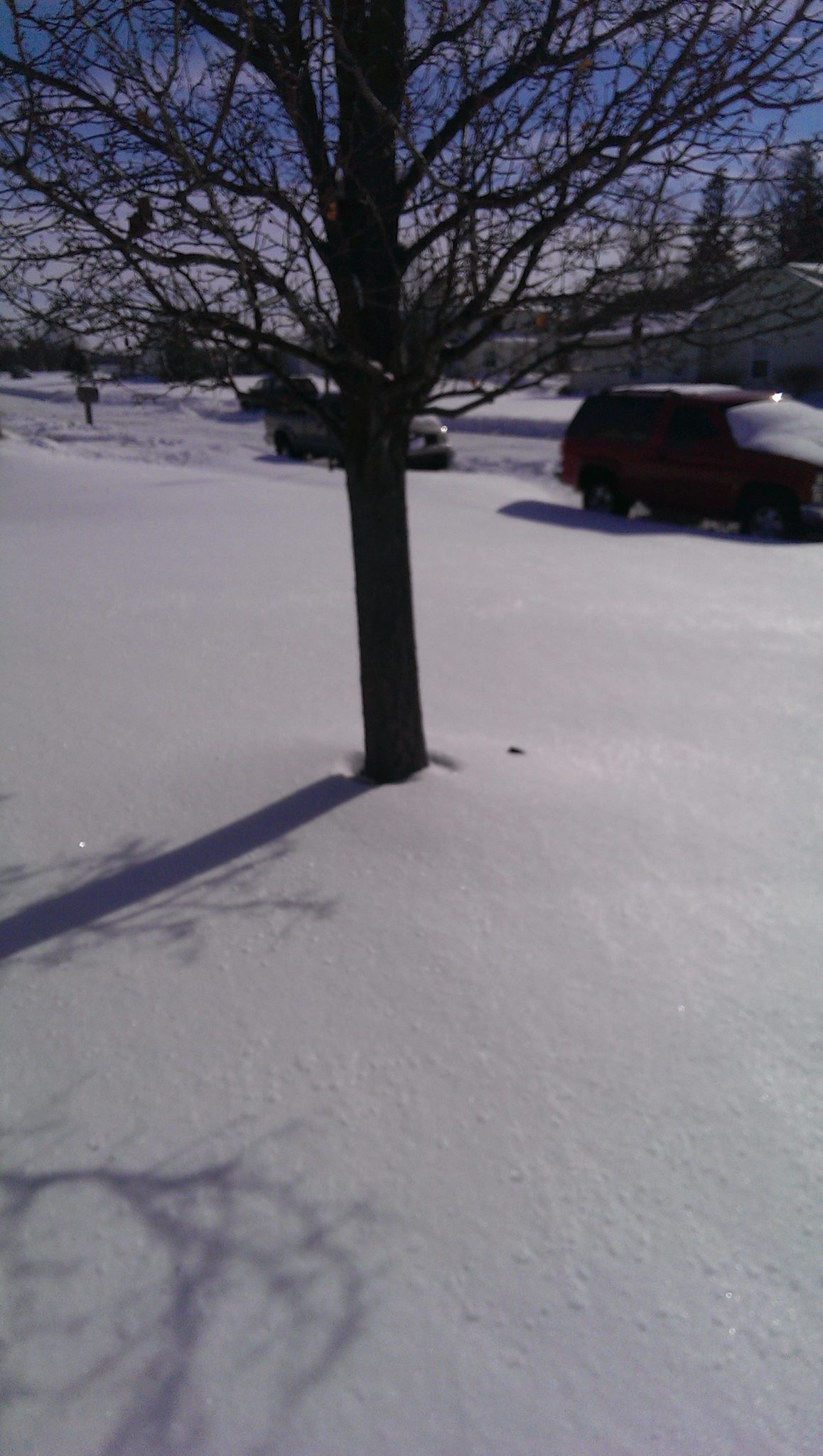
Figure 2. Snow can increase the reflection of sunlight to the tree, thus increasing the likelihood of Southwest injury.
Usually Southwest injury occurs on thin-barked trees, such as Acer spp., Cercis spp., Malus spp., and many others (Fig. 3). A thin-barked tree lacks the amount of cork cells in thicker-barked trees, thus allowing the vascular tissue to be located very close to the bark. Thick bark trees tend to be more resistant to cracking due to a greater lag in the freeze/thaw cycle. Trees that are under stress due to environmental factors, herbicide injury, and/or insect and disease are more susceptible to cracking.
No matter the initial cause of the crack, the common denominator of a crack in the bark is a pre-set wound. The freeze-thaw cycle during the cold months causes the point of injury to expand and contract. Like with your vehicle windshield, a small point of injury in bark will expand and contract due to sudden heating or cooling, thus causing a large crack.

Figure 3. Bark cracking on thin-barked species, such as maple, is common due to Southwest injury.
Any type of cracking that occurs, originates from a point of injury, such as a pruning or other mechanical injury. These are horizontal cracks that can range from <1” to the entire length of the trunk, though are usually localized near the bottom of the trunk (Fig. 4).
Once trees are greater than about four inch caliper, the likelihood of Southwest injury is diminished. On trees four inches or less, tree guards (also called tree wraps) should be installed over each trunk.
White tree guards may help prevent this from occurring due to the reflection of the sun, preventing overheating on the bottom of the trunk (Fig. 5) In order to prevent cracking, try to prevent any type of mechanical damage that could cause cracking in the winter. Bark cracks become visible most often during the late winter/early spring. Tree guards should be removed in the spring, because the guards become a problem with disease due to moisture within the guard.
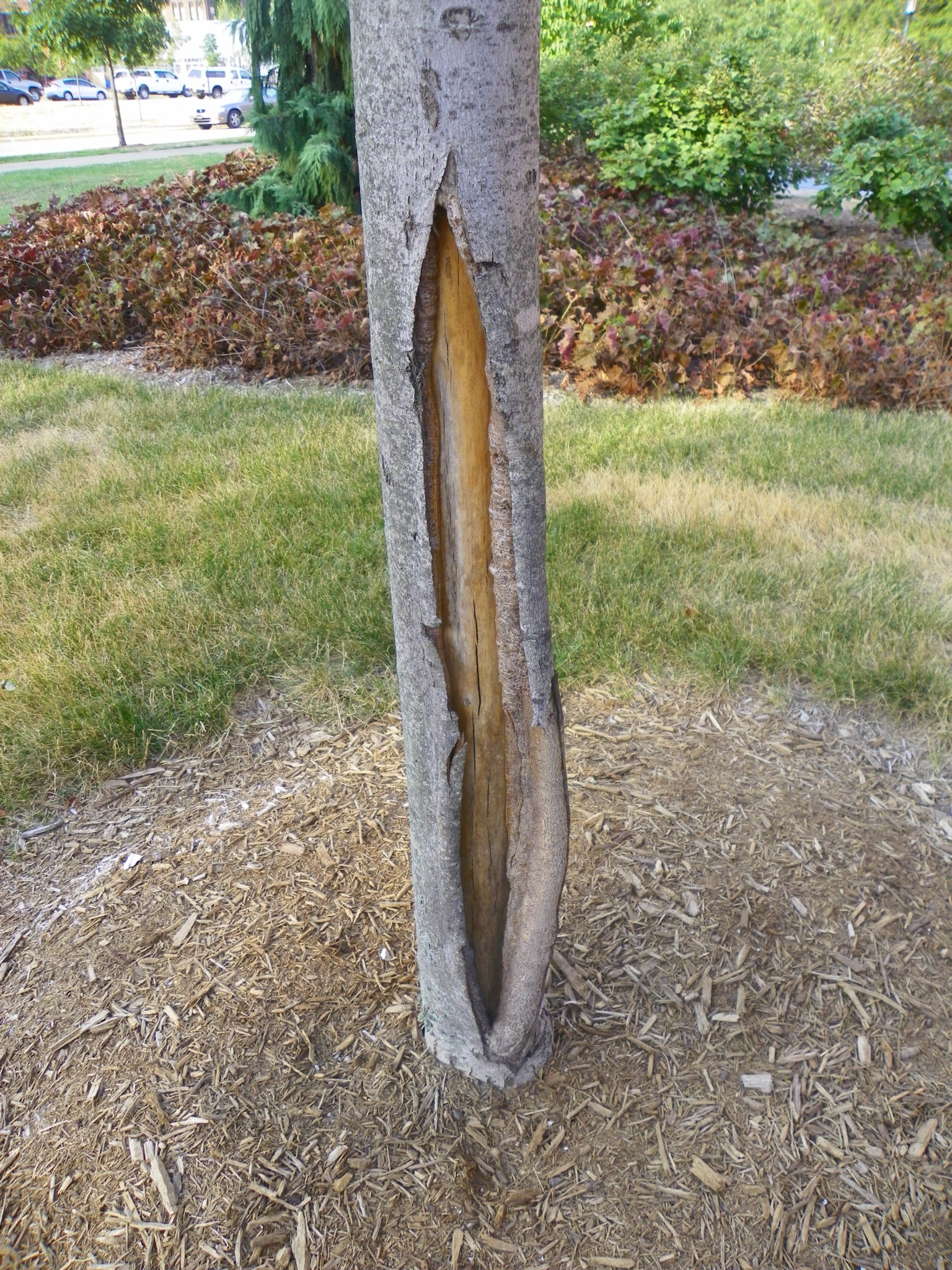
Figure 4. Southwest injury typically causes cracking up the trunk from close to the root flare
In some circumstances a healthy plant may heal, partitioning off the damaged area, but the bark on a plant under stress, due to drought, herbicide damage, etc., may last the entire life of the tree.
For full article, check out the Landscape Report
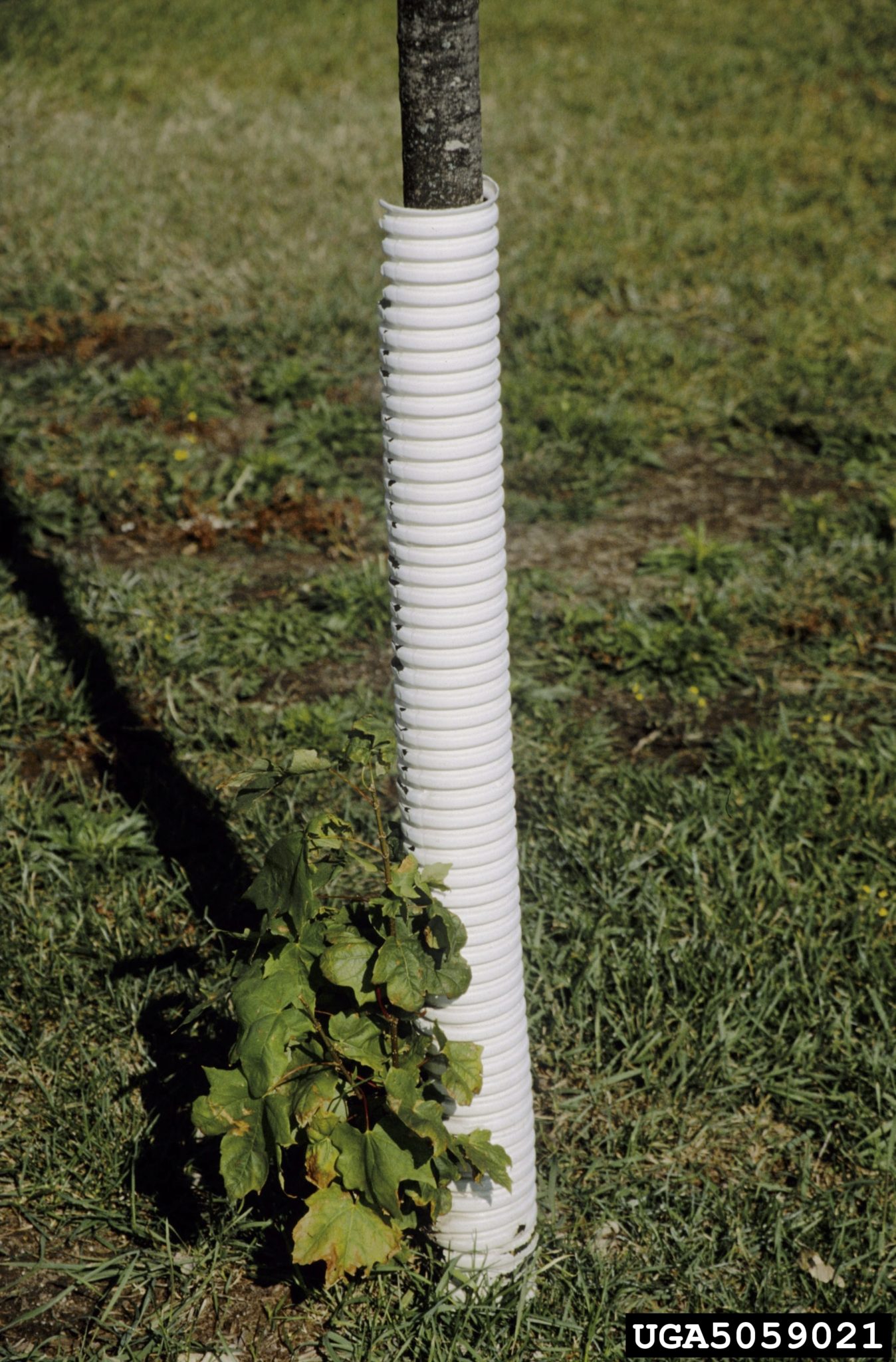
Figure 5. White tree guards can help minimize Southwest injury by reflecting sunlight. Joseph OBrien, USDA Forest Service, Bugwood.org.
Resources
Trees and Storms: Understanding Damage, Risk and Recovery – Got Nature? Blog, Purdue Extension – FNR
Pruning Ornamental Trees and Shrubs, The Education Store
Why Hire an Arborist, The Education Store
Why Is My Tree Dying? – Got Nature? Blog, Purdue Extension – Forestry and Natural Resources
Weeping Cherry Trees Appear to be Damaged or Dead. Was This Past Winter Hard on These Types of Trees?, Got Nature? Blog
Lindsey Purcell, Urban Forestry Specialist
Purdue Forestry and Natural Resources
The DNR Division of Entomology & Plant Pathology has discovered that a shipment of boxwood plants infected with boxwood blight was shipped to Indiana in May.
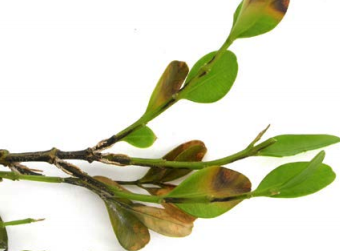
The black streaks on these stems are typical of boxwood blight. Photo by M. Daughtrey, New York.
This is important because boxwood blight (Calonectria pseudonaviculata) is a fungal disease that infests members of the popular Buxaceae family, and is often transported through the nursery trade. Hosts include Buxus (boxwood), Pachysandra (Japanese spurge) and Sarcococca (sweetbox).
In total, 23 stores in Indiana received infected material in early spring (particularly “Graham Blandy” cultivar), and it’s possible that members of the public inadvertently purchased some plants.
The fungus, which can lay dormant in drier conditions, can be found on all above-ground portions of the plant and presents itself as dark leaf spots. It causes rapid defoliation, which typically starts on the bottom of the plant and moves toward the top. This fungal pathogen can move through sporulation in water and from dropped leaves. As a result, infection can spread to surrounding plants from a single infected plant.
If you suspect one of your plants shows signs and symptoms of boxwood blight, please call (866) NO EXOTIC (866-663-9684) use the information at dnr.IN.gov/entomolo.
For more information on this pathogen see the following link extension.purdue.edu/extmedia/BP/BP-203-W.pdf
A DNR inspector found the plants at a national chain home and garden store in early October. The shipment originated at a nursery in Oregon. It was also sent to stores in 11 other states.
Upon confirmation of boxwood blight on these plants by the Purdue Plant and Pest Diagnostic Lab, the DNR required that the chain remove all boxwood from their shelves for disposal and that the stores mitigate the area through disinfection to ensure that the pathogen is no longer present and able to infect further shipments of plants.
The DNR is currently surveying for boxwood blight in Indiana. To date, the DNR has not found the pathogen, except for a few interceptions like this one.
To view all DNR news releases, please see dnr.IN.gov.
Resources:
Boxwood Blight Found in Indiana, full Landscape Report
Boxwood Blight, The Education Store, Purdue Resources
Tom Creswell, Clinical Engagement Associate Professor
Purdue Botany and Plant Pathology
Lindsey Purcell, Urban Forestry Specialist
Purdue Forestry and Natural Resources
Snake fungal disease (SFD), caused by the fungus Ophidiomyces ophiodiicola, is an emerging pathogen of snakes identified in more than 15 genera of captive and free-ranging snakes in 21 states.
SFD is not considered a risk to people.
Some infected snakes show no symptoms. Others develop facial swelling and disfigurement, skin and scale lesions and internal lesions. For some snakes, the disease is fatal.
The fungus can persist in the soil. The route of transmission is unknown, but may occur through contact with soil, other infected snakes, or from mother to offspring.
SFD in Indiana
Researchers from the University of Illinois first identified SFD in Indiana in late 2017 during a surveillance project for the disease.
The researchers swabbed the skin of 53 snakes from 10 Indiana counties. Of those, 13 tested positive for the fungus. Two of those 13 snakes had visible lesions. Species that tested positive included the northern water snake (Nerodia sipedon), racer (Coluber constrictor), milk snake (Lampropeltis triangulum) and queen snake (Regina septemvittata).
The surveillance project was funded by the Indiana Department of Natural Resources State Wildlife Grant T7R22.
Why monitoring SFD is important
Snakes are important predators and play a critical role in maintaining a balanced ecosystem. Having healthy snake populations in Indiana is necessary to keep rodent populations in check.
Documenting the distribution of this disease will help us develop conservation and management plans.
Snake fungal disease may cause high mortality rates in eastern massasauga rattlesnakes (Sistrurus catenatus), a federally threatened and state-endangered species in parts of northern Indiana. The potential long-term effect on populations of massasaugas and other snakes remains uncertain.
Contact an Indiana DNR wildlife biologist if you have any information you would like to share.
For full article view Snake Fungal Disease, Indiana Department of Natural Resources.
Resources:
Snakes and Lizards of Indiana, The Education Store, Purdue Extension’s resource center
Snakes of the Central and Northeastern United States, The Education Store
Indiana Department of Natural Resources (IDNR)
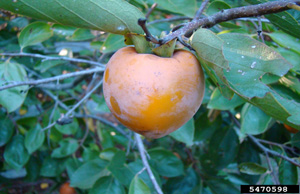
Ripe persimmon. Photo: Rebekah D. Wallace, University of Georgia, Bugwood.org.
The American persimmon tree’s scientific name, Diospyros virginiana, is loosely interpreted “divine fruit” or “fruit of the gods” of Virginia. If you have tasted a ripe persimmon on a crisp fall day, you might agree with that assessment. Several persimmon tree species are found in both the new and old world and have been used for food and wood products for centuries. Our American persimmon is native to the southern half of Indiana but can survive in the northern half of the state as well.
The ripe fruit is famous for the sweet orange pulp used in puddings, cookies and candies. If you are unlucky enough to eat a persimmon that has not yet ripened, your opinion of its eating quality will be quite different. Unripe persimmons have a high tannin content that makes the fruit very astringent – I describe it as feeling like your head is shrinking while simultaneously trying to expel a glue ball from your mouth! Most dedicated persimmon collectors wait for the fruit to become soft and fall from the tree before collecting to avoid this unpleasant experience. Contrary to popular belief, the fruit does not have to experience a frost to ripen. Persimmon fruit normally ripen in September and October, but some trees hold fruit well into winter.
A warning to those tempted to over-indulge in persimmon fruit: the tannin in the unripened fruit can combine with other stomach contents to form what is called a phytobezoar, a sort of gooey food ball that can become quite hard. One patient had eaten over two pounds of persimmons every day for over 40 years. Surgery is often required to remove bezoars, but a recent study indicated Coca-Cola could be used to chemically shrink or eliminate the diospyrobezoar. There is very little risk to those infrequently eating ripe persimmons.
Persimmon is related to ebony and has extremely hard wood once commonly used for golf clubs when “woods” where actually made of wood. The heartwood of persimmon can be black, like ebony, but significant dark heartwood formation may not occur until the tree is quite old. Persimmon is a medium-sized tree here in Indiana but can be over 100 feet tall in the bottomland forests of the Southern U.S. Where I grew up in Southern Indiana, my family ritual in the fall was to go to Brown County State Park and pick up persimmons, separate the tasty pulp from the skin and seeds and freeze the pulp for use in persimmon pudding and candy over the holidays. We might also collect some black walnuts or hickory nuts to include in the candy. We had to be diligent, as the opossums, raccoons and deer liked persimmon as much as we did.

The embryo in persimmon seed – is it a spoon, knife or fork? Photo: Lenny Farlee, Purdue Extension Forester
In addition to use for food, persimmon has some folk tradition related to winter weather forecasting. It was thought the shape of the embryo in the seed could predict the winter weather: a spoon shape indicated deep snow, a knife would indicate icy cutting winds and a fork meant it would be mild with plenty to eat until spring. I collected a few seeds from trees here on the West Lafayette campus and split them open to see what the tree wants to tell me – looks like a spoon to me, but you can make your own predictions.
The Indiana DNR Division of Forestry Nursery sells American persimmon seedlings. You can also find selections for fruit production being sold commercially, along with several Asian persimmon varieties. Male and female flowers are normally formed on separate trees, so plant several to get good pollination.
The following site has a wealth of information on persimmon, including several recipes and locations to buy pulp and seedlings, as well as natural and cultural history including the annual Persimmon Festival in Mitchell, Indiana:
http://www.persimmonpudding.com/.
Resources:
Persimmons, The Education Store, Purdue Extension resource center
Resources and Assistance Available for Planting Hardwood Seedlings, The Education Store
Tree Installation: Process and Practices, The Education Store
Tree Planting Part 1: Choosing a Tree, video, The Education Store
Lenny D Farlee, Sustaining Hardwood Extension Specialist
Purdue University Department of Forestry and Natural Resources

Review trees on a regular basis for health and safety.
Trees provide many benefits for our homes with shade, beauty and improved air quality as just a few, however, if a tree has defects which could lead to a failure, your shade tree could become a liability. It is important to understand that tree owners have a legal duty to inspect and maintain their trees. All property owners should take reasonable steps to protect themselves and others by taking a look at trees around the property on a regular basis. Here are some suggestions to consider in making your trees safer for everyone.
Reduce Tree Liabilities: In general, the law obligates tree owners to periodically inspect their property and take reasonable care to maintain it and this includes trees. Routine inspections also exhibit that the tree owner is actively managing their property and trees and thereby reduces their liability if a failure does occur.
When it comes to trees, it’s best to have a professional conduct risk and tree health assessments if there is any uncertainty. However, Homeowners can look for tree defects, including dead branches, broken limbs, decay pockets or other conditions that reduce a tree’s strength. Review the tree from the top, down. Look at the tree’s crown, main branches, trunk and root area to see if there is anything abnormal. If you find easily recognizable defects like dead and falling branches, cavities, fungal fruiting bodies or newly-formed leans on a tree, consider having the tree examined by a certified arborist. This is especially important after a severe storm. Trees can easily survive normal weather conditions for many years, however, excessive winds can have a real impact. Make certain trees aren’t removed prematurely out of fear without making an informed decision along with the arborist.
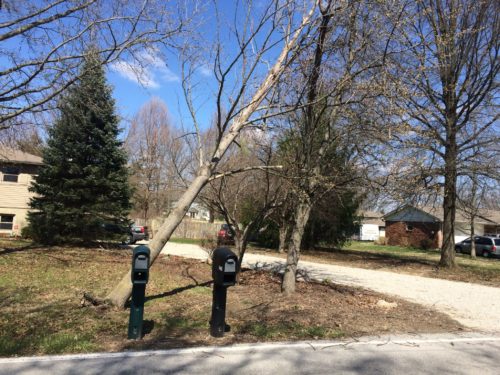
Recent leans developing on trees may be corrected, however, they do pose a risk and should be inspected by an arborist.
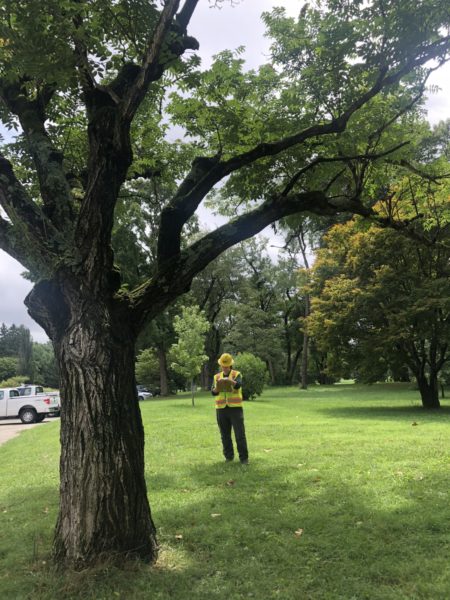
Understanding tree health and risk is challenging for tree owners. It is best to find a ISA Certified Arborist to help with identifying tree issues.
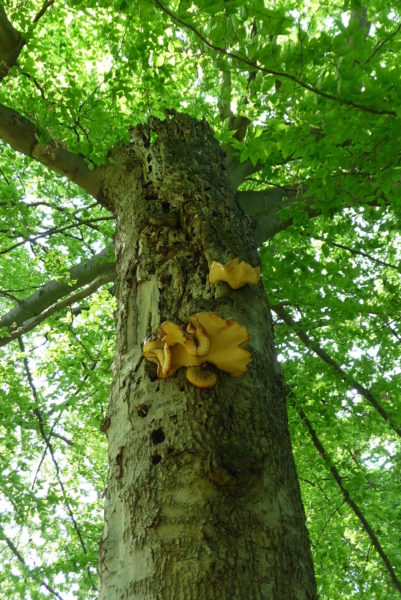
Look for unusual fungal growths on you trees. This indicates decay which can lead to a higher risk of failure.
Schedule Tree Work: If risk or health issues are found during the inspection, schedule the tree work with a qualified arborist. Be sure to find a tree care company in the area that is reputable and can provide references. Also, being fully insured is another important item to be aware when choosing an arborist. To find an arborist in your area, go to the website, www.treesaregood.org.
Inspection on a regular basis: Trees should be inspected regularly. These inspections should occur during the growing season and dormancy. Further inspections should be conducted after major weather occurrences. At a minimum, trees should be inspected every five years by an arborist, especially if there is decline and dieback present in your trees.
Article shared by: The Landscape Report, Why Tree Inspections?.
Resources:
Trees and Storms: Understanding Damage, Risk and Recovery – Got Nature? Blog, Purdue Extension – FNR
Tree Risk Management – Got Nature? Blog, Purdue Extension – FNR
Planting Problems: Trees Planted Too Deep, Video, Purdue Extension – Forestry and Natural Resources YouTube Channel
Planting Your Tree Part 1: Choosing Your Tree, Video, Purdue Extension YouTube Channel
Tree Planting Part 2: Planting a Tree, Video, Purdue Extension YouTube Channel
Tree Appraisal and the Value of Trees, The Educational Store, Purdue Extension resource center
Surface Root Syndrome, The Education Store
Iron Chlorosis of Trees and Shrubs, The Education Store
Tree Pruning Essentials, Publication & Video, The Education Store
Cold Injury to Trees, Got Nature? Post, Purdue FNR Extension
Urban Forestry
Purdue Extension – Forestry and Natural Resources (FNR)
 Trail camera surveys are a great tool that provide a wealth of information about white-tailed deer and other wildlife on your property. You can gather information about deer population density, doe-to-buck ratio, and fawn recruitment, which may ultimately help guide management decisions on your property.
Here are a few tips when conducting a trail camera survey for deer.
Survey design
- Place cameras at a density of 1 camera per 100 acres of property
- Run cameras for 10-14 days
- Check cameras every 4-5 days
- Conduct surveys in the late summer before hunting season or late winter after hunting season
Camera set-up & placement
- Set the camera to the correct date and time
- Turn the burst mode to off
- Set camera to a 5-10 minute delay (the delay can be shorter, but it will result in more pictures that will take longer to analyze)
- Place the camera about waist height (2.5 – 3 feet) above the ground
- Place the bait 10-15 feet from the camera
- Face the camera north or south to avoid over-exposure from the sun
- Place a ID tag on a tree in the view of the camera to differentiate camera locations
Analyzing camera data
When analyzing camera data from a survey, based on antler characteristics you can then determine the number of unique bucks captured during the survey. You also need to determine the total number of bucks, does, and fawns in all the photos. This will help you determine density, doe-to-buck ratios, and fawn recruitment (fawn-to-doe ratio). For easy data analysis check out this Trail Camera Data Computation Form from the Quality Deer Management Association.
Trail camera surveys can be a fun activity for you and your family to do prior to or after the hunting season. They can also provide you with information about deer and other wildlife that are using your property.
*Before conducting a baited camera survey be sure to check the wildlife feeding and baiting laws in your state. For the state of Indiana you can find this information in the Indiana Hunting & Trapping Guide.
Resources:
Conducting Camera Surveys to Estimate Population Characteristics of White-tailed Deer, Mississippi State University Extension
Estimating Deer Populations on Your Property: Camera Survey, University of Missouri Extension
How to Run a Trail-Camera Survey – National Deer Association
Handling Harvested Game: Field Dressing, The Education Store, Purdue Extension resource center
Bovine Tuberculosis in Wild White-tailed Deer, The Education Store
Jarred Brooke, Extension Wildlife Specialist
Department of Forestry & Natural Resource, Purdue University
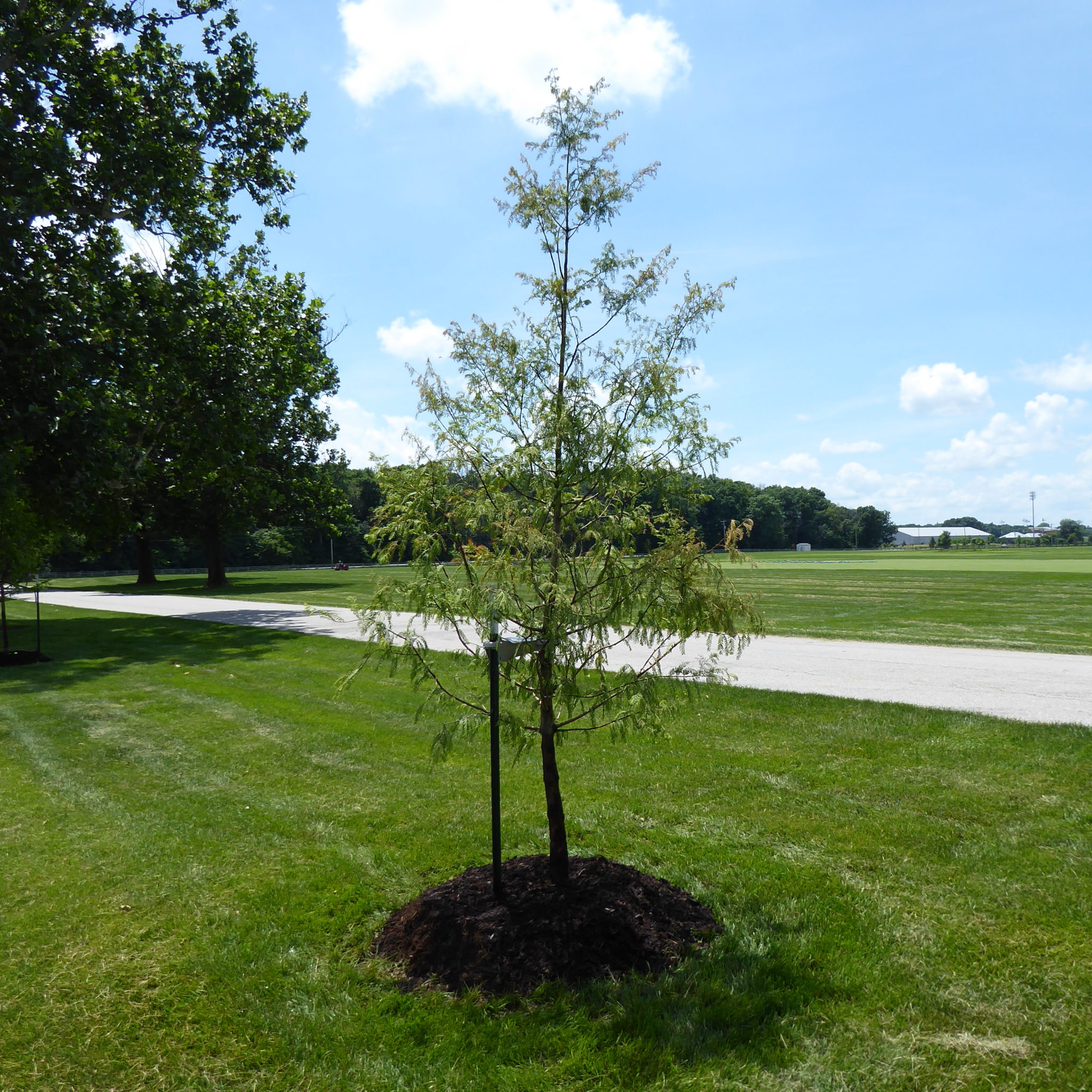
Figure 1. Properly staked tree adds support.
Stake or not to stake, that is the question!?
“No,” is the likely answer to these common questions about post-planting tree care. Trees establish themselves quite well in normal situations. Support systems such as staking and guying are, in most cases, unnecessary and can even be detrimental. Movement caused by the wind is crucial to help saplings develop into strong, structurally balanced trees.
However, in unusual conditions, staking, guying, or a similar system may be needed to hold tress upright until adequate root growth anchors them firmly in the soil. When necessary, the support system must be installed properly and removed at the appropriate time to prevent damage.
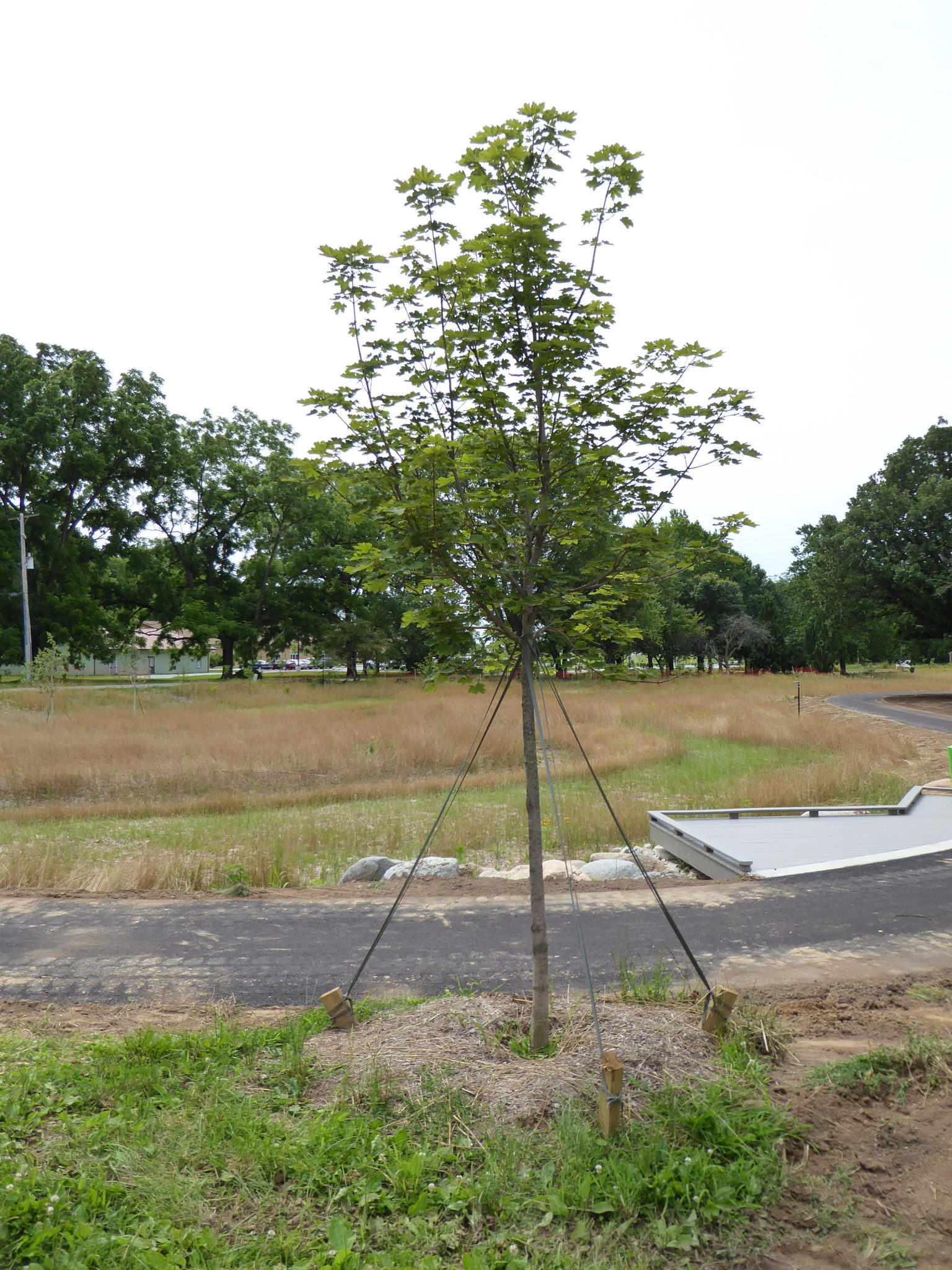
Figure 2. Guy wires can provide stability in harsh, windy conditions.
When to Stake Trees
When stakes are needed, timing depends on the environment and the type of tree.
- Bare-root trees and container-grown trees
- Large evergreen trees with high wind exposure
- Open sites exposed to strong winds
- Taller trees with undersized root balls
- Trees in areas with high rates of vandalism
- Threat of mechanical damage
Improperly staked trees suffer from poor development such as decreased truck diameters and smaller root systems – and may be unable to stay upright after you take the supports away. Often trunk tissue suffers from rubbing and may even be girdled by support materials. Also, due to poor development and taper, previously supported trunks are more likely to break off in high winds or blow over after stakes are removed.

Figure 3. Support materials left too long can damage trees.
Proper Methods and Materials of Guying and Staking
Staking and guying a tree trunk to keep it upright can be a necessary, temporary support system, but does not compensate for poor root development and establishment long-term.
- Guying is temporary and typically used on larger trees that are transplanted balled-and-burlapped. Three points of attachment provide the best support for these large-trees.
- Staking connects the trunk to a nearby steel or wooden post. This is a common approach on smaller trees or containerized tree stock.
- Underground stabilizing systems are also effective and economical for stabilizing the root balls on larger balled-and-burlapped trees. There are several commercial anchor systems available.
The cardinal sins of support include: staking trees too high, too tightly, and for too long which all cause tree damage. Improper staking can cause stem abrasions and trunk girdling. Review the anchor, attachment point, and tension on a regular basis, adjusting as needed to make certain the supports are effective and not damaging the tree. If a tree is supported, the ties and guys should be removed as soon as feasible, usually no later than after one growing season or one year. For more information see Purdue extension publication, Tree Support Systems.
Related Sources:
Stake or not to stake, that is the question?!, The Landscape Report
Tree Support Systems, The Education Store
Latest Issue of the Purdue Landscape Report, Got Nature Post
Plant for the Sun!, Got Nature Post
Lindsey Purcell, Urban Forestry Specialist
Purdue Forestry and Natural Resources
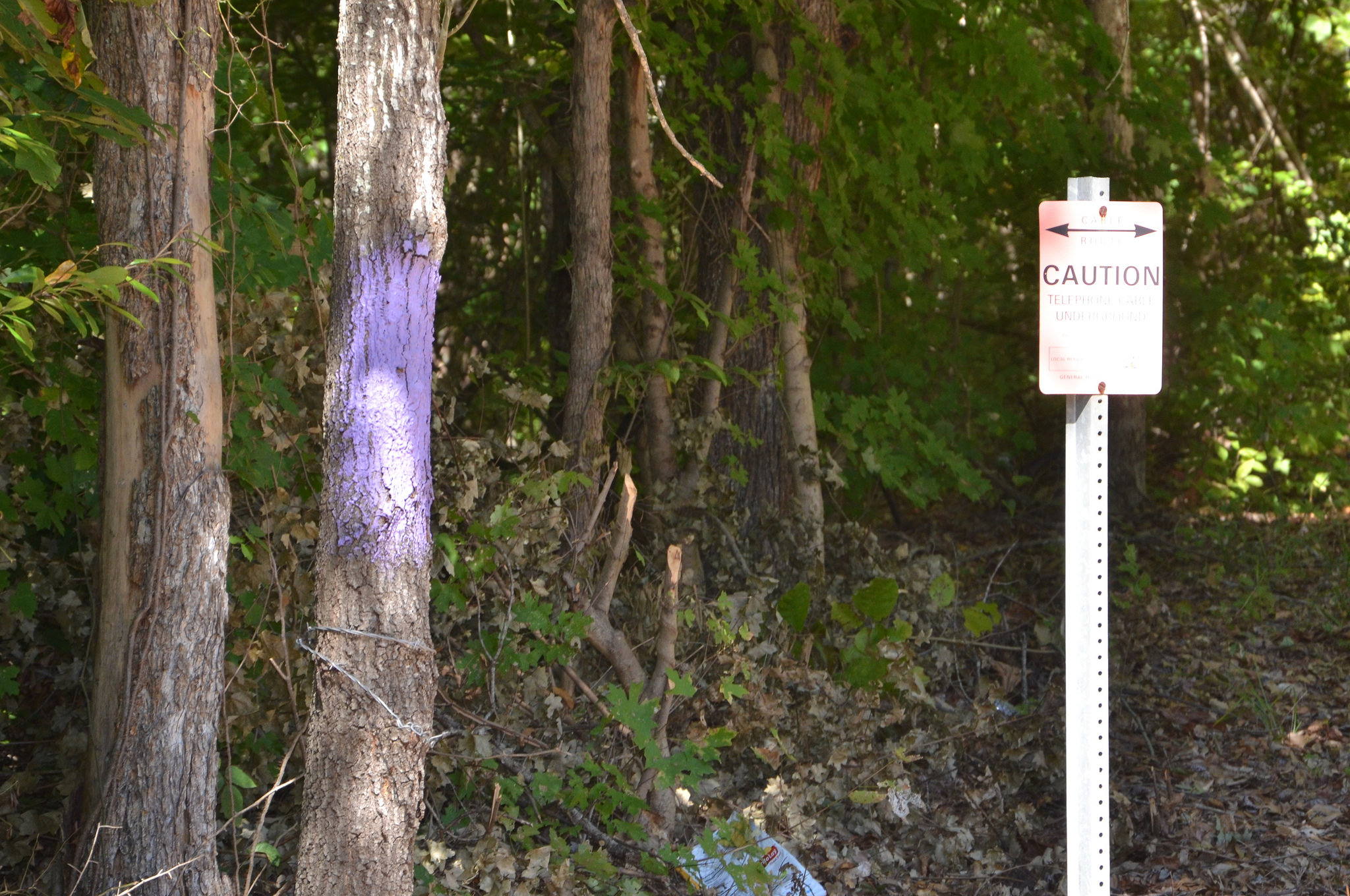
Purple paint on this tree marks “No Trespassing”. Image courtesy of creativecommons.org (Photo by: Robert Burns, Texas A&M AgriLife Communications.)
A new Indiana law went into effect on July 1st, that may help you mark your property boundaries more efficiently to prevent trespassing. The “purple paint law” is found in Indiana Code IC 35-43-2-2 and stipulates that appropriately applied purple paint can be used to mark your property with the same legal effect as using a No Trespassing sign. Landowners attempting to protect their property from trespassing have often been frustrated by the need to post signs and replace signs torn down, vandalized, or rendered unreadable by the elements. Marking boundaries with purple paint should provide a more efficient and inexpensive option, as well as eliminating placing nails in your trees.
Below are the guidelines for applying the paint marks to indicate a No Trespassing area.
- Each purple mark must be readily visible to any person approaching the property and must be placed on:
- a tree:
- as a vertical line of at least eight (8) inches in length and with the bottom of the mark at least three (3) feet and not more than five (5) feet from the ground; and
- not more than one hundred (100) feet from the nearest other marked tree; or
- a post:
- with the mark covering at least the top two (2) inches of the post, and with the bottom or the mark at least (3) feet and not more than five (5) feet six (6) inches from the ground; and
- not more than thirty-six (36) feet from the nearest other marked post; and
- a tree:
- Before a purple mark that would be visible from both sides of a fence shared by different property owners or lessees may be applied, all of the owners or lessees of the properties must agree to post the properties with purple marks under subsection (c)(4).
You can view the code at: Indiana General Assembly.
Consider using a high quality boundary marking paint to extend the lifespan of your paint applications.
Resources:
Indiana General Assembly, Private Property and Trespassing Code of Indiana
Private Property Rights: Rights, Responsibilities & Limitations, The Education Store, Purdue Extension’s resource center
Lenny D Farlee, Extension Forester
Purdue University Department of Forestry and Natural Resources
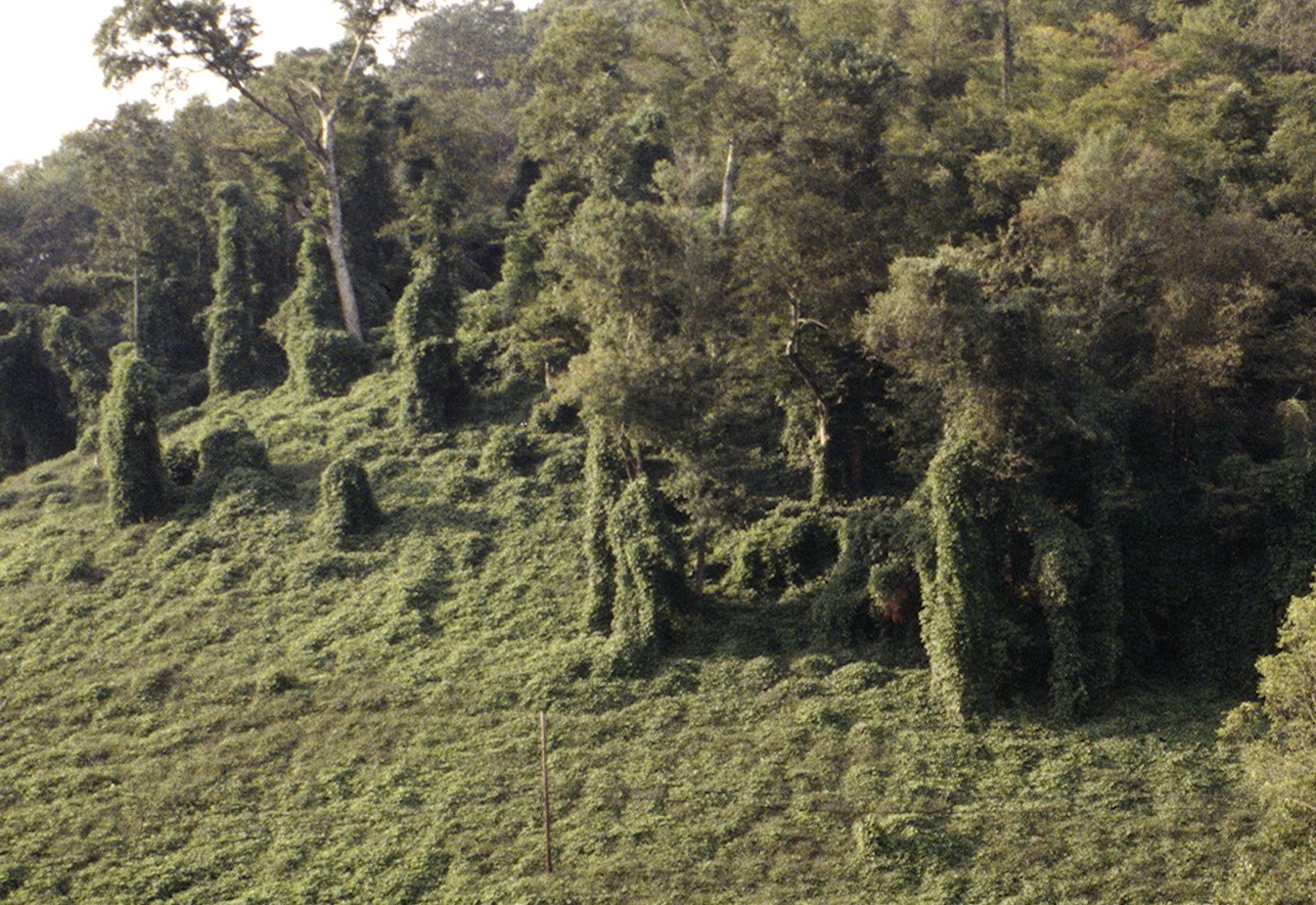
(Figure 1) Mile-a-minute vine grows more than 25 feet in height in one growing season, overtopping shrubs, small trees and growing up forest edges. Image by: USDA APHIS PPQ Archive, USDA APHIS PPQ, Bugwood.org
Preventing the establishment of new invasive species is priority number one and the best expenditure of limited resources in an invasive species management program. Next in priority is early detection of and rapid response (EDRR) to the first report of a new invasion. Stopping invasive species from entering or, next best, at their initial point of introduction saves the incalculable costs later-on associated with rapidly spreading, all-consuming invasive species populations. The verification of a report of mile-a-minute vine (Persicaria perfoliata) on a property in Monroe County, Indiana on May 14, 2018 sets a historical precedence demonstrating a growing capability of detecting and reporting new invaders. The population was very small at this spot and had apparently been sprayed by a homeowner with herbicide, not necessarily to kill the mile-a-minute, but likely to kill the companion multiflora rose.
Our hope is that this is the only instance of mile-a-minute vine in Indiana. There is a significant probability that it is not! In the coming months, a more thorough survey of this property and surrounding area will be conducted to look for more of the vine. But now Indiana stands on high alert as natural resource professionals keep a look out for more of this highly-invasive pest. However, there are too few professionals with eyes on the landscape. The more eyes trained to identify the very distinct characteristics of mile-a-minute, the higher the chance of us catching it before it explodes across the landscape, wreaking havoc and mayhem in our forests and fields, wildlife habitat and mushroom hunting and birding grounds.

(Figure 2) The leaves are simple, alternate, light green and a nearly perfect triangle shape. Image by: Leslie J. Mehrhoff, University of Connecticut, Bugwood.org
All landowners, land stewards, and nature lovers are needed to be additional eyes looking for this insidious threat this summer and in coming years. Please take a moment to learn its identifying characteristics. If you think you have found it, please report it on EDDMapS (Early Detection & Distribution Mapping System) or from your smart phone on the GLEDN (Great Lakes Early Detection Network) app. If you are unsure if you are correctly identifying it, please contact a forester or other natural resource professional for confirmation or just report it in EDDMapS or the GLEDN app, along with photos, and a professional in your area will verify its identification before it actually gets posted.
Mile-a-minute identification:
Mile-a-minute vine is a member of the buckwheat family, Polygonaceae. Although its common name exaggerates its growth potential, this annual vine can grow as much as 6 inches a day and can reach heights of more than 25 feet within the growing season. It forms very dense, tangled mats, growing over shrubs, small trees and up the sides of forest edges (Fig. 1). The leaves are simple, alternate, light green and a nearly perfect triangle shape (Fig. 2). The delicately narrow, green to red-tinted stems, and the petiole (leaf stem) and midrib on the underside of the leaves are armed with small, stiff, recurved barbs (Fig. 3). Small, cup- or saucer-shaped leaf structures, called ocreae, encircle the stem at each node (Fig. 4). Clusters of small white, rather inconspicuous, flowers emerge from the ocreae. Flowers develop into clusters of deep, iridescent blue berry-like fruits, approximately 5 mm in diameter, each fruit containing a single black or reddish-black hard seed, called an achene. Seeds are dispersed by birds and mammals, including chipmunks, squirrels and deer, which eat the fruit. Floodwaters facilitate long distance dispersal of seed.
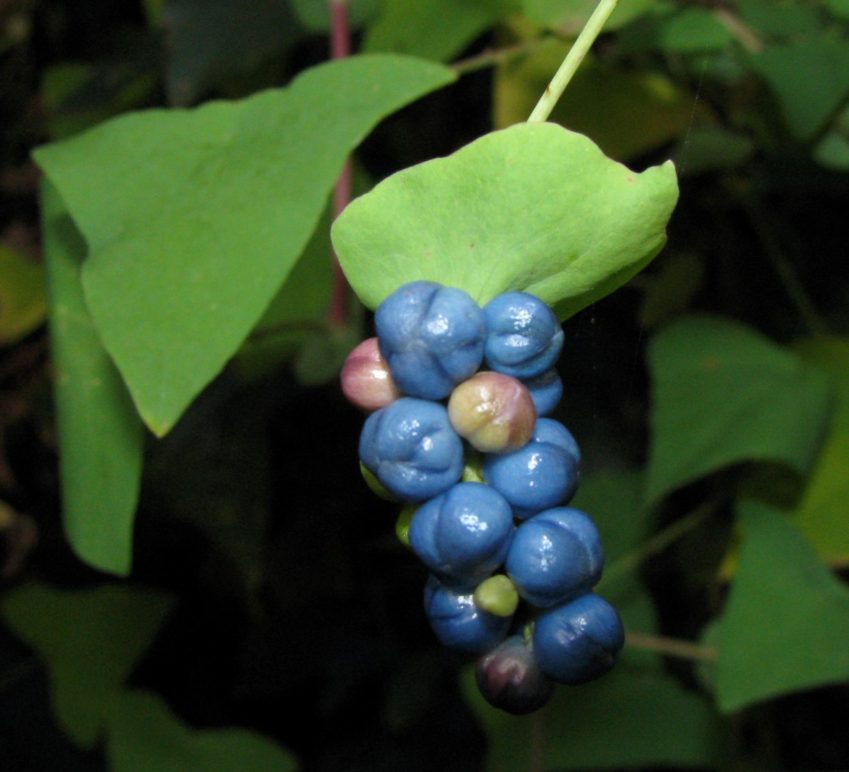
(Figure 4) Small, cup- or saucer-shaped leaf structures, called ocreae, encircle the stem at each node. Flowers emerge from the ocreae and develop into clusters of deep, iridescent blueberry like fruits. Image by: Leslie J. Mehrhoff, University of Connecticut, Bugwood.org
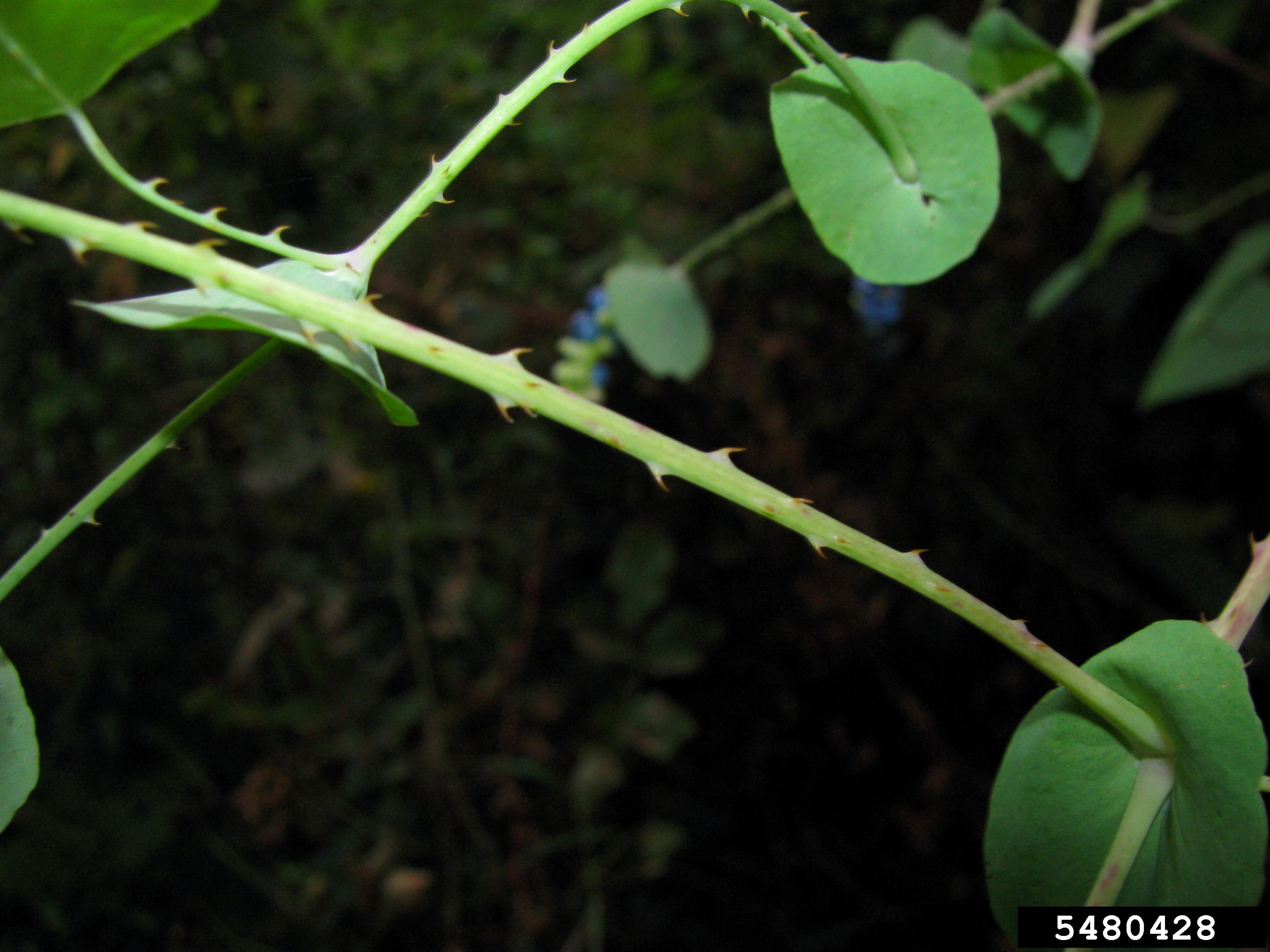
(Figure 3) The delicately narrow, green to red-tinted stems, and the petiole (leaf stem) and midrib on the underside of the leaves are armed with small, stiff, recurved barbs. Image by: Leslie J. Mehrhoff, University of Connecticut, Bugwood.org
Resources:
Mile-a-Minute Vine, FNR-481-W, The Education Store, Purdue Extension’s resource center
Mile-a-minute vine: What you need to know about the plant that can grow 6 inches a day, Indianapolis Star
Invasive Species – Indiana Department of Natural Resources (IDNR)
Ask an Expert – Purdue Extension-Forestry and Natural Resources
Indiana Invasive Species Council – Includes: IDNR, Purdue Department of Entomology and Professional Partners
EDDMaps – Early Detection and Distribution Mapping System
Report Invasives, College of Agriculture
Great Lakes Early Detection Network App (GLEDN) – The Center for Invasive Species & Ecosystem Health
Ron Rathfon, Regional Extension Forester SIPAC
Purdue Department of Forestry and Natural Resources

Recent Posts
- Opportunities for Prescribed and Wildland Fire Training
Posted: November 4, 2026 in Forestry, How To, Wildlife, Woodlands - Wildlife Issues and Solutions: A New Online Series
Posted: in Forestry, How To, Wildlife, Woodlands - Burning for Benefits: Where Fire Belongs in Indiana
Posted: in Forestry, Safety, Wildlife, Woodlands - Residents, Alumni Invited to Share Indiana Natural Resource, Spaces, Species Memories
Posted: in Forestry, Forests and Street Trees, Gardening, Urban Forestry, Wildlife - Now Is The Time To Control Non-Native Bush Honeysuckle
Posted: October 30, 2026 in Forestry, How To, Invasive Plant Species, Woodlands - Help Strengthen the Future of Indiana Maple Syrup
Posted: October 29, 2026 in Forestry, How To, Woodlands - Popular Landscape Shrub is Invasive
Posted: October 15, 2026 in Alert, Forestry, Forests and Street Trees, Invasive Plant Species, Plants, Woodlands - Purdue Extension’s Regional Teams Are Here: Connecting Communities with Expertise and Opportunity
Posted: October 14, 2026 in Community Development, Forestry, Forests and Street Trees, Gardening, How To, Timber Marketing, Urban Forestry, Wildlife, Woodlands - Why Do Our Trees Go From Green Leaves to Different Colors?
Posted: in Forestry, Forests and Street Trees, Urban Forestry, Woodlands - Deer and Turkey Archery Seasons Opening Soon, MyDNR
Posted: October 13, 2026 in Alert, Safety, Wildlife
Archives
Categories
- Alert
- Aquaculture/Fish
- Aquatic/Aquaculture Resources
- Ask the Expert
- Christmas Trees
- Community Development
- Disease
- Drought
- Forestry
- Forests and Street Trees
- Gardening
- Got Nature for Kids
- Great Lakes
- How To
- Invasive Animal Species
- Invasive Insects
- Invasive Plant Species
- Land Use
- Natural Resource Planning
- Nature of Teaching
- Plants
- Podcasts
- Ponds
- Publication
- Safety
- Spiders
- Timber Marketing
- Urban Forestry
- Webinar
- Wildlife
- Wood Products/Manufacturing
- Woodland Management Moment
- Woodlands