 Purdue University - Extension - Forestry and Natural Resources
Got Nature? Blog

Review trees on a regular basis for health and safety.
Trees provide many benefits for our homes with shade, beauty and improved air quality as just a few, however, if a tree has defects which could lead to a failure, your shade tree could become a liability. It is important to understand that tree owners have a legal duty to inspect and maintain their trees. All property owners should take reasonable steps to protect themselves and others by taking a look at trees around the property on a regular basis. Here are some suggestions to consider in making your trees safer for everyone.
Reduce Tree Liabilities: In general, the law obligates tree owners to periodically inspect their property and take reasonable care to maintain it and this includes trees. Routine inspections also exhibit that the tree owner is actively managing their property and trees and thereby reduces their liability if a failure does occur.
When it comes to trees, it’s best to have a professional conduct risk and tree health assessments if there is any uncertainty. However, Homeowners can look for tree defects, including dead branches, broken limbs, decay pockets or other conditions that reduce a tree’s strength. Review the tree from the top, down. Look at the tree’s crown, main branches, trunk and root area to see if there is anything abnormal. If you find easily recognizable defects like dead and falling branches, cavities, fungal fruiting bodies or newly-formed leans on a tree, consider having the tree examined by a certified arborist. This is especially important after a severe storm. Trees can easily survive normal weather conditions for many years, however, excessive winds can have a real impact. Make certain trees aren’t removed prematurely out of fear without making an informed decision along with the arborist.
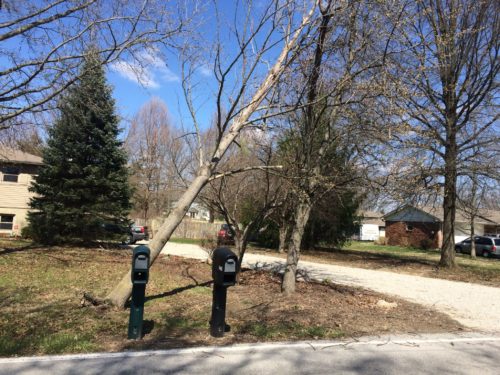
Recent leans developing on trees may be corrected, however, they do pose a risk and should be inspected by an arborist.
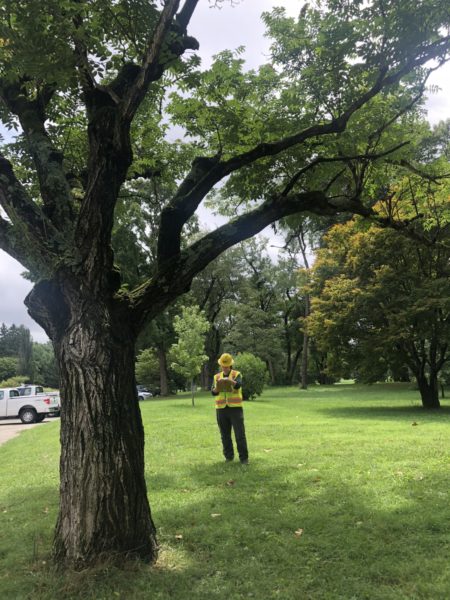
Understanding tree health and risk is challenging for tree owners. It is best to find a ISA Certified Arborist to help with identifying tree issues.
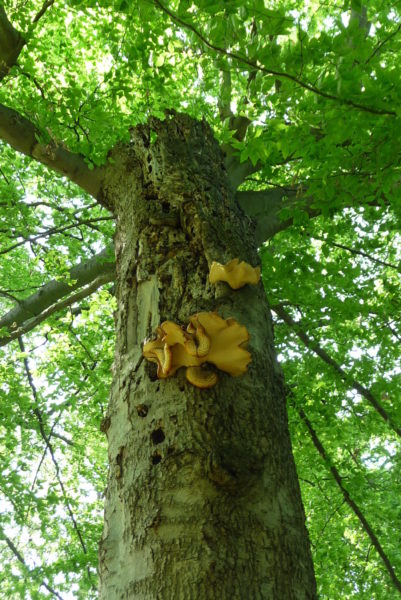
Look for unusual fungal growths on you trees. This indicates decay which can lead to a higher risk of failure.
Schedule Tree Work: If risk or health issues are found during the inspection, schedule the tree work with a qualified arborist. Be sure to find a tree care company in the area that is reputable and can provide references. Also, being fully insured is another important item to be aware when choosing an arborist. To find an arborist in your area, go to the website, www.treesaregood.org.
Inspection on a regular basis: Trees should be inspected regularly. These inspections should occur during the growing season and dormancy. Further inspections should be conducted after major weather occurrences. At a minimum, trees should be inspected every five years by an arborist, especially if there is decline and dieback present in your trees.
Article shared by: The Landscape Report, Why Tree Inspections?.
Resources:
Trees and Storms: Understanding Damage, Risk and Recovery – Got Nature? Blog, Purdue Extension – FNR
Tree Risk Management – Got Nature? Blog, Purdue Extension – FNR
Planting Problems: Trees Planted Too Deep, Video, Purdue Extension – Forestry and Natural Resources YouTube Channel
Planting Your Tree Part 1: Choosing Your Tree, Video, Purdue Extension YouTube Channel
Tree Planting Part 2: Planting a Tree, Video, Purdue Extension YouTube Channel
Tree Appraisal and the Value of Trees, The Educational Store, Purdue Extension resource center
Surface Root Syndrome, The Education Store
Iron Chlorosis of Trees and Shrubs, The Education Store
Tree Pruning Essentials, Publication & Video, The Education Store
Cold Injury to Trees, Got Nature? Post, Purdue FNR Extension
Urban Forestry
Purdue Extension – Forestry and Natural Resources (FNR)
A color-banded loggerhead shrike found south of Goose Pond FWA in July 2017 successfully raised six young in Davies County this summer. Fledging six young is exceptional for shrikes, which on average fledge 2.6 per nesting attempt.

Loggerhead photo from IDNR
This female is even more special because she is the only one of 12 banded shrikes that hatched last year to be sighted back in Indiana this year. This summer she paired with a male shrike that did not nest in 2017, likely because there were no female shrikes left in his area after steep declines in this songbird’s population.
For more information view the Indiana Department of Natural Resources, Fish and Wildlife, Loggerhead Shrike.
Resources:
Birds and Residential Window Strikes: Tips for Prevention, Got Nature? blog post, Purdue Forestry and Natural Resources (FNR)
Learn How Forests are used by Birds, Got Nature? blog post, FNR
Managing Woodlands for Birds, The Education Store, Purdue Extension’s resource center
Breeding Birds and Forest Management: the Hardwood Ecosystem Experiment and the Central Hardwoods Region, The Education Store
Article from MYDNR Email Newsletter, Indiana Department of Natural Resources
 Trail camera surveys are a great tool that provide a wealth of information about white-tailed deer and other wildlife on your property. You can gather information about deer population density, doe-to-buck ratio, and fawn recruitment, which may ultimately help guide management decisions on your property.
Here are a few tips when conducting a trail camera survey for deer.
Survey design
- Place cameras at a density of 1 camera per 100 acres of property
- Run cameras for 10-14 days
- Check cameras every 4-5 days
- Conduct surveys in the late summer before hunting season or late winter after hunting season
Camera set-up & placement
- Set the camera to the correct date and time
- Turn the burst mode to off
- Set camera to a 5-10 minute delay (the delay can be shorter, but it will result in more pictures that will take longer to analyze)
- Place the camera about waist height (2.5 – 3 feet) above the ground
- Place the bait 10-15 feet from the camera
- Face the camera north or south to avoid over-exposure from the sun
- Place a ID tag on a tree in the view of the camera to differentiate camera locations
Analyzing camera data
When analyzing camera data from a survey, based on antler characteristics you can then determine the number of unique bucks captured during the survey. You also need to determine the total number of bucks, does, and fawns in all the photos. This will help you determine density, doe-to-buck ratios, and fawn recruitment (fawn-to-doe ratio). For easy data analysis check out this Trail Camera Data Computation Form from the Quality Deer Management Association.
Trail camera surveys can be a fun activity for you and your family to do prior to or after the hunting season. They can also provide you with information about deer and other wildlife that are using your property.
*Before conducting a baited camera survey be sure to check the wildlife feeding and baiting laws in your state. For the state of Indiana you can find this information in the Indiana Hunting & Trapping Guide.
Resources:
Conducting Camera Surveys to Estimate Population Characteristics of White-tailed Deer, Mississippi State University Extension
Estimating Deer Populations on Your Property: Camera Survey, University of Missouri Extension
How to Run a Trail-Camera Survey – National Deer Association
Handling Harvested Game: Field Dressing, The Education Store, Purdue Extension resource center
Bovine Tuberculosis in Wild White-tailed Deer, The Education Store
Jarred Brooke, Extension Wildlife Specialist
Department of Forestry & Natural Resource, Purdue University
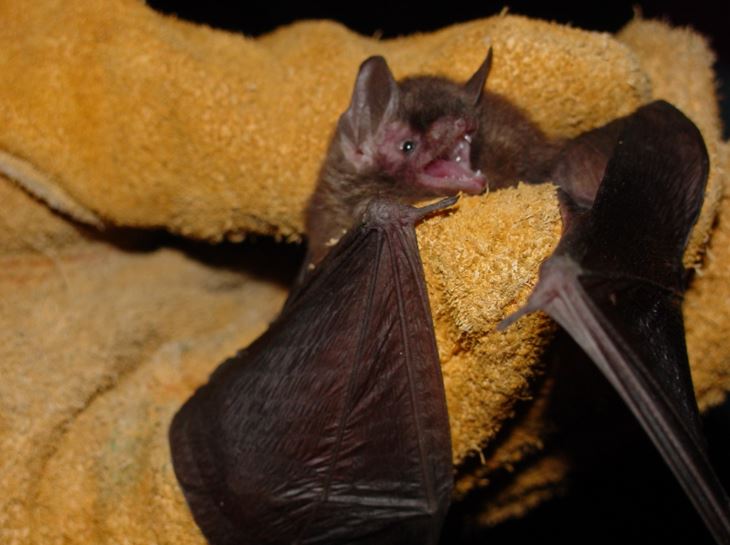 At different times of the year, I get questions about bats in structures. Bats are a timely issue towards the end of summer because young bats will soon be able to fly. Excluding bats from structures is limited to this time. This process is typically called “venting” where access points (both in use and potential) are identified, most are sealed off, and the remaining points are fitted with one-way doors that allow bats to leave but not reenter. If only the opening they use is sealed off, they will simply use another entry point. Think of it this way – our houses have multiple points of entry, but you may only use one. You will use another if necessary.
Bats can make their way into a house in a number of ways – gaps between siding and chimney, gaps between roof sheathing and fascia board, etc. New and old construction alike. Eliminating access to all of these small, potential points of access can be a challenge. The bodies of some bat species are as small as your thumb. Even though you don’t have an attic, there are still spaces inside a structure where bats can live.
Bats are one of the most difficult wildlife conflicts to deal with because of the nature of their habits. They can pass through extremely small openings, move throughout the inside of a structure, and often entre/occupy hard to reach areas. Bat exclusion is not an activity I recommend for most homeowners. There is a skill necessary to find and seal all possible access points. Since most of these are located high above ground and accessing these points can require special ladders, lifts and other safety equipment.
Having bats in the attic isn’t simply a nuisance issue, but also can be a safety issue. Like Most wildlife carry diseases. With bats, histoplasmosis and rabies are the two that are the ones most concern for people with bats in their homes. The Center of Disease Control (CDC) has good information on these and other diseases. Fleas that live on bats can also be vectors for disease. It is always a good idea to limit exposure to wildlife animals as much as possible. For bats, venting in the end of summer and fall and preventing reentry is a logical first step.
If you have bats and want to solve the problem now is the time to contact professionals who can help. Unfortunately, most nuisance wildlife control operators don’t do bat work because it requires specialized equipment and the difficulty of it. Because of that, control will not be cheap for the customer. Many people construct bat houses to attract bats. While beneficial, artificial bat houses will not attract bats from an attic.
Resources:
Selecting a Nuisance Wildlife Control Professional, The Education Store-Purdue Extension’s resource center
Bats in Indiana, Indiana Department of Natural Resources (IDNR)
Bat Houses, Bat Conservation International
Brian J. MacGowan, Extension Wildlife Specialist
Department of Forestry & Natural Resources, Purdue University
Collisions with man-made structures are one of the primary causes of bird mortality. In fact, up to a billion birds are killed each year in the United States due to window strikes. Approximately 50% of the time, these strikes result in death.
This publication offers practical, researched, do-it-yourself tips to limit bird collisions at your residence – many of which can be implemented at little or no cost. It also outlines best practices for what to do if and when a bird strike occurs.
To view this full publication please go to Birds and Residential Window Strikes: Tips for Prevention at The Education Store.
Resources
Learn how forests are used by birds new videos, Got Nature? Blog
Managing Woodlands for Birds, The Education Store-Purdue Extension resource center
Jennifer Antonides, Graduate Research Assistant
Purdue Forestry and Natural Resources
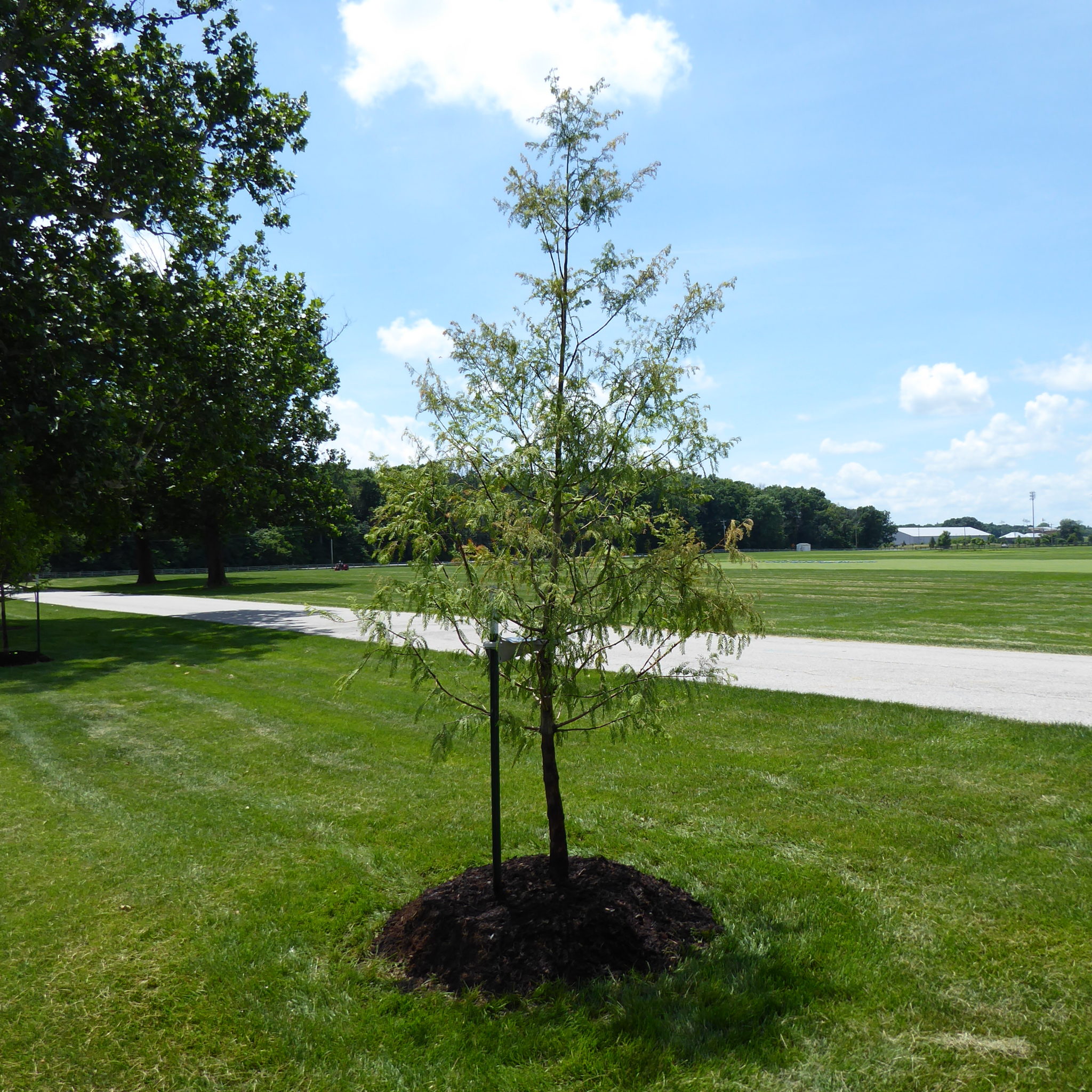
Figure 1. Properly staked tree adds support.
Stake or not to stake, that is the question!?
“No,” is the likely answer to these common questions about post-planting tree care. Trees establish themselves quite well in normal situations. Support systems such as staking and guying are, in most cases, unnecessary and can even be detrimental. Movement caused by the wind is crucial to help saplings develop into strong, structurally balanced trees.
However, in unusual conditions, staking, guying, or a similar system may be needed to hold tress upright until adequate root growth anchors them firmly in the soil. When necessary, the support system must be installed properly and removed at the appropriate time to prevent damage.
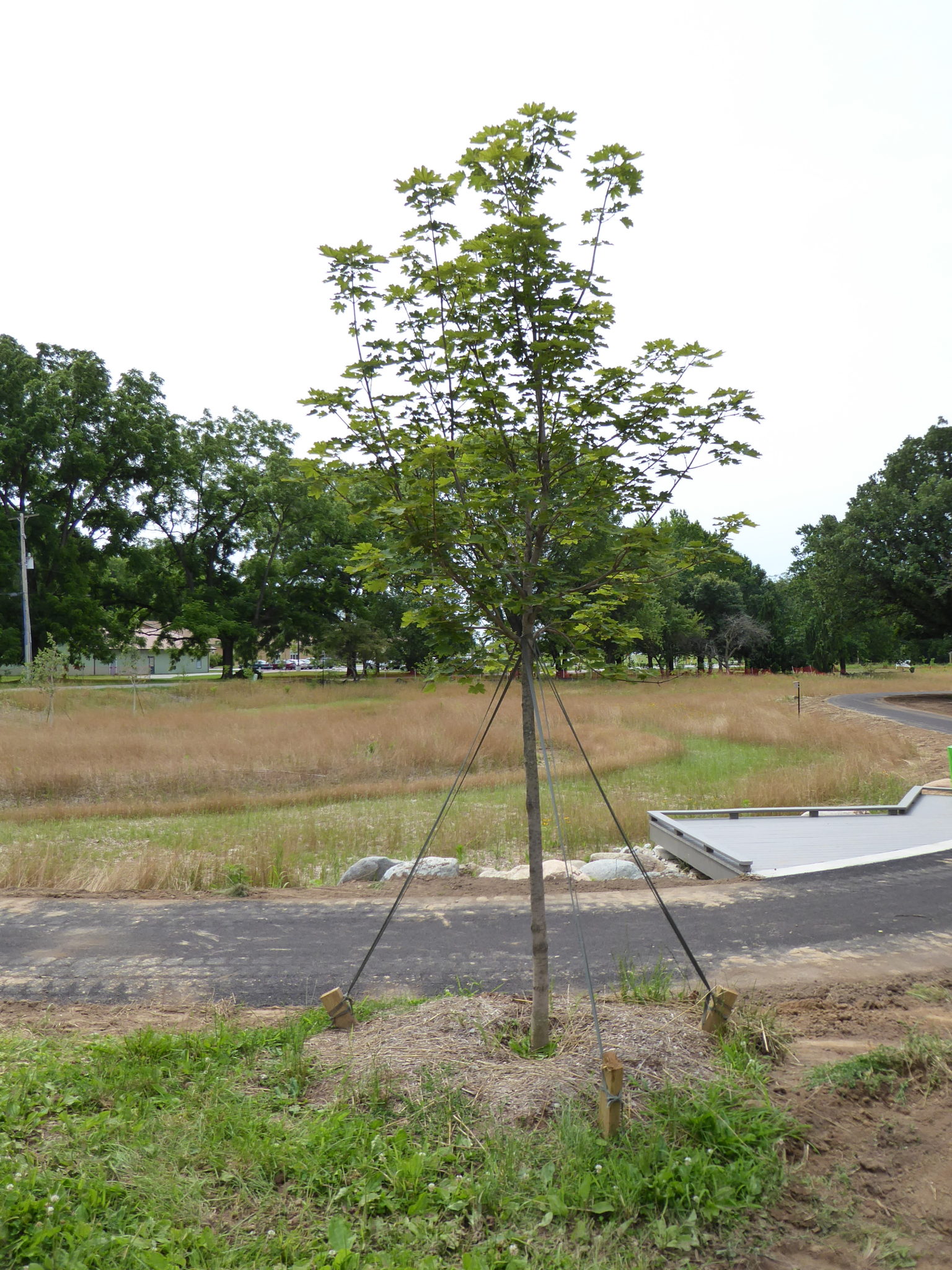
Figure 2. Guy wires can provide stability in harsh, windy conditions.
When to Stake Trees
When stakes are needed, timing depends on the environment and the type of tree.
- Bare-root trees and container-grown trees
- Large evergreen trees with high wind exposure
- Open sites exposed to strong winds
- Taller trees with undersized root balls
- Trees in areas with high rates of vandalism
- Threat of mechanical damage
Improperly staked trees suffer from poor development such as decreased truck diameters and smaller root systems – and may be unable to stay upright after you take the supports away. Often trunk tissue suffers from rubbing and may even be girdled by support materials. Also, due to poor development and taper, previously supported trunks are more likely to break off in high winds or blow over after stakes are removed.

Figure 3. Support materials left too long can damage trees.
Proper Methods and Materials of Guying and Staking
Staking and guying a tree trunk to keep it upright can be a necessary, temporary support system, but does not compensate for poor root development and establishment long-term.
- Guying is temporary and typically used on larger trees that are transplanted balled-and-burlapped. Three points of attachment provide the best support for these large-trees.
- Staking connects the trunk to a nearby steel or wooden post. This is a common approach on smaller trees or containerized tree stock.
- Underground stabilizing systems are also effective and economical for stabilizing the root balls on larger balled-and-burlapped trees. There are several commercial anchor systems available.
The cardinal sins of support include: staking trees too high, too tightly, and for too long which all cause tree damage. Improper staking can cause stem abrasions and trunk girdling. Review the anchor, attachment point, and tension on a regular basis, adjusting as needed to make certain the supports are effective and not damaging the tree. If a tree is supported, the ties and guys should be removed as soon as feasible, usually no later than after one growing season or one year. For more information see Purdue extension publication, Tree Support Systems.
Related Sources:
Stake or not to stake, that is the question?!, The Landscape Report
Tree Support Systems, The Education Store
Latest Issue of the Purdue Landscape Report, Got Nature Post
Plant for the Sun!, Got Nature Post
Lindsey Purcell, Urban Forestry Specialist
Purdue Forestry and Natural Resources
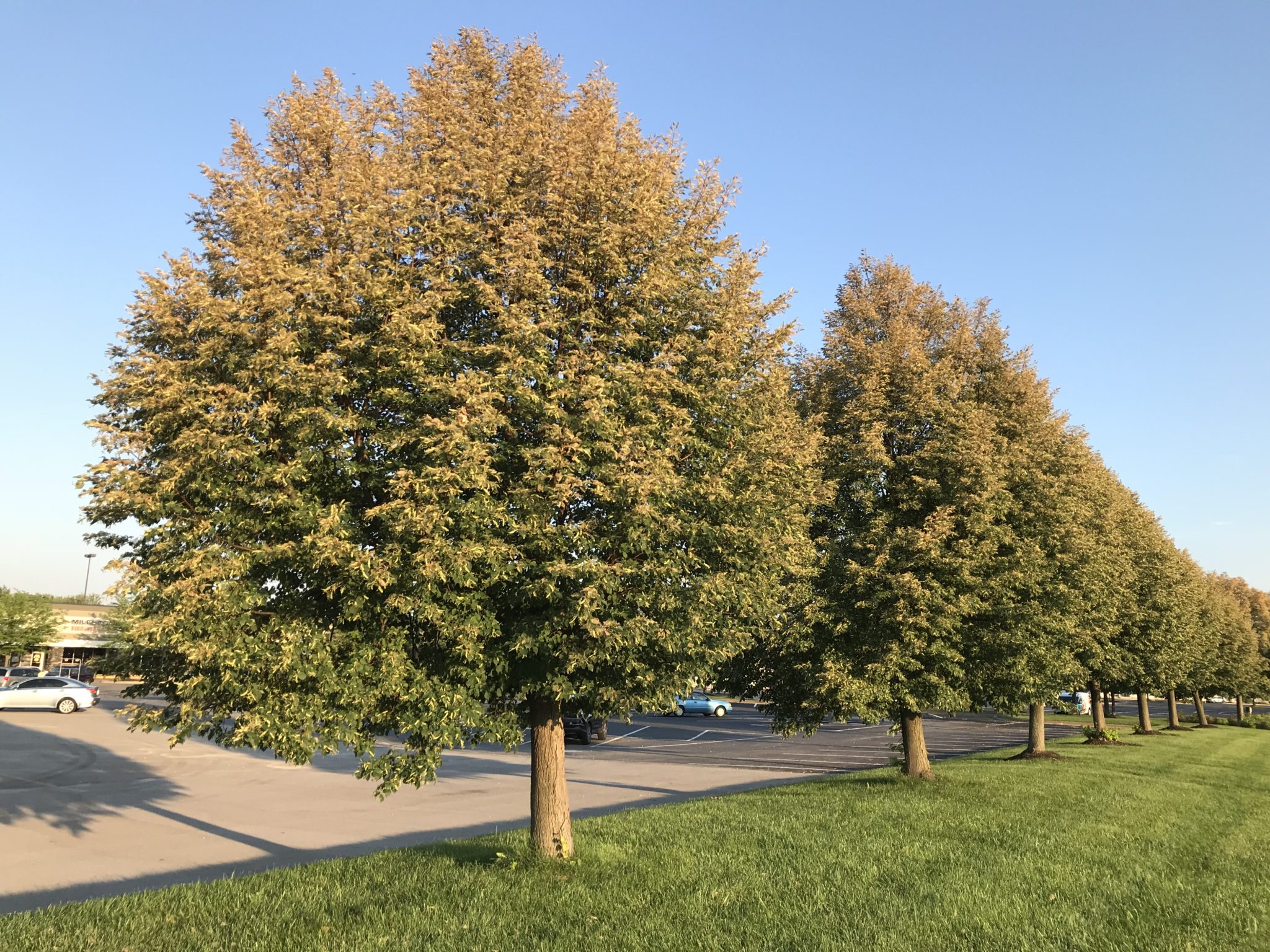 The latest issue (18-11) of The Purdue Landscape Report has been released July 17th. This issue contains four articles about common tree care accidents, problems of tree transplant shock, leaf loss, and poison ivy.
Will my Trees Recover After Losing their Leaves?
Damage caused by defoliating insects can be quite shocking. An effective response to this sort of defoliation should be based on your understanding of how losing leaves affects plant health.
Poison Ivy
Most landscape professionals and gardeners have heard of the wise advice “leaves of three, let it be” referring to the pest plant poison ivy. While not quite as catchy, the saying really should be “leaflets of three, let it be.”
Homeowner Tree Care Accidents
The Tree Care Industry Association (TCIA) conducted an analysis of 62 civilian tree care-related accidents reported by the media from January 2017 to June 2018. TCIA is a trade association that promotes professional tree care and discourages homeowners from taking unnecessary risks caring for their trees themselves.
Common Abiotic Problems of Ornamentals: Transplant Shock
Transplant shock occurs when plants become stressed due to poor root establishment, often mimicking drought stress. The severity of transplant shock is dependent on many factors, which include plant species, soil type/quality, moisture, temperature, growth stage of the plant, root loss from the nursery, as well as many other factors.
Please check out the full articles at The Purdue Landscape Report
Resources:
Poison Ivy, The Education Store, Purdue Extension resource center
Tree Support System, The Education Store
Construction & Trees: Guidelines for Protection, The Education Store
Cliff Sadof, Entomology Extension Coordinator
Purdue Department of Entomology
Rosie Lerner, Extension Consumer Horticulturist
Purdue Department of Horticulture and Landscape Architecture
Lindsey Purcell, Urban Forestry Specialist
Purdue Department of Forestry and Natural Resources
Kyle Daniel, Nursery & Landscape Outreach Specialist
Purdue Department of Horticulture and Landscape Architecture
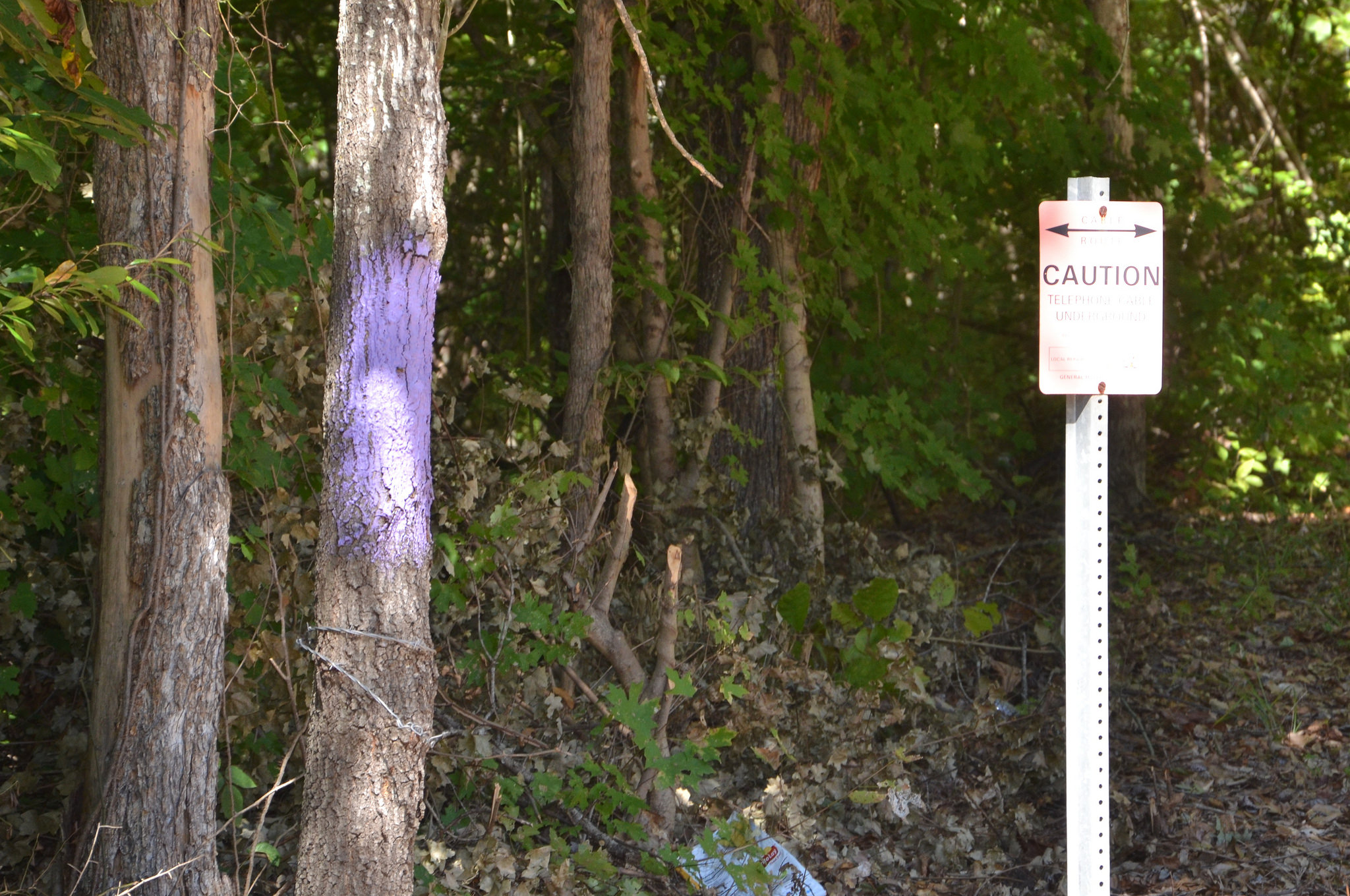
Purple paint on this tree marks “No Trespassing”. Image courtesy of creativecommons.org (Photo by: Robert Burns, Texas A&M AgriLife Communications.)
A new Indiana law went into effect on July 1st, that may help you mark your property boundaries more efficiently to prevent trespassing. The “purple paint law” is found in Indiana Code IC 35-43-2-2 and stipulates that appropriately applied purple paint can be used to mark your property with the same legal effect as using a No Trespassing sign. Landowners attempting to protect their property from trespassing have often been frustrated by the need to post signs and replace signs torn down, vandalized, or rendered unreadable by the elements. Marking boundaries with purple paint should provide a more efficient and inexpensive option, as well as eliminating placing nails in your trees.
Below are the guidelines for applying the paint marks to indicate a No Trespassing area.
- Each purple mark must be readily visible to any person approaching the property and must be placed on:
- a tree:
- as a vertical line of at least eight (8) inches in length and with the bottom of the mark at least three (3) feet and not more than five (5) feet from the ground; and
- not more than one hundred (100) feet from the nearest other marked tree; or
- a post:
- with the mark covering at least the top two (2) inches of the post, and with the bottom or the mark at least (3) feet and not more than five (5) feet six (6) inches from the ground; and
- not more than thirty-six (36) feet from the nearest other marked post; and
- a tree:
- Before a purple mark that would be visible from both sides of a fence shared by different property owners or lessees may be applied, all of the owners or lessees of the properties must agree to post the properties with purple marks under subsection (c)(4).
You can view the code at: Indiana General Assembly.
Consider using a high quality boundary marking paint to extend the lifespan of your paint applications.
Resources:
Indiana General Assembly, Private Property and Trespassing Code of Indiana
Private Property Rights: Rights, Responsibilities & Limitations, The Education Store, Purdue Extension’s resource center
Lenny D Farlee, Extension Forester
Purdue University Department of Forestry and Natural Resources
 Food waste is a major issue in developed countries. This unit is designed to teach students about food waste and ways they can help reduce it. This section contains one unit with three lesson plans that will teach students how to reduce food waste by learning more about proper food storage, best-by dates, and ugly foods. It also contains a stand-alone lesson on food packaging and composting.
To view this free complete unit see: What a Waste of Food! Lesson Plans and PowerPoint, The Education Store, Purdue Extension.
Resources:
Food Preservation Methods, Purdue Extension
Washing Fresh Vegetables to Enhance Food Safety, Purdue Extension
Food Waste Lesson Plans, Nature of Teaching
Rebecca L Busse, Graduate Research Assistant
Purdue University Department of Forestry and Natural Resources
Rod N Williams, Engagement Faculty Fellow & Associate Professor of Wildlife Science
Purdue University Department of Forestry and Natural Resources
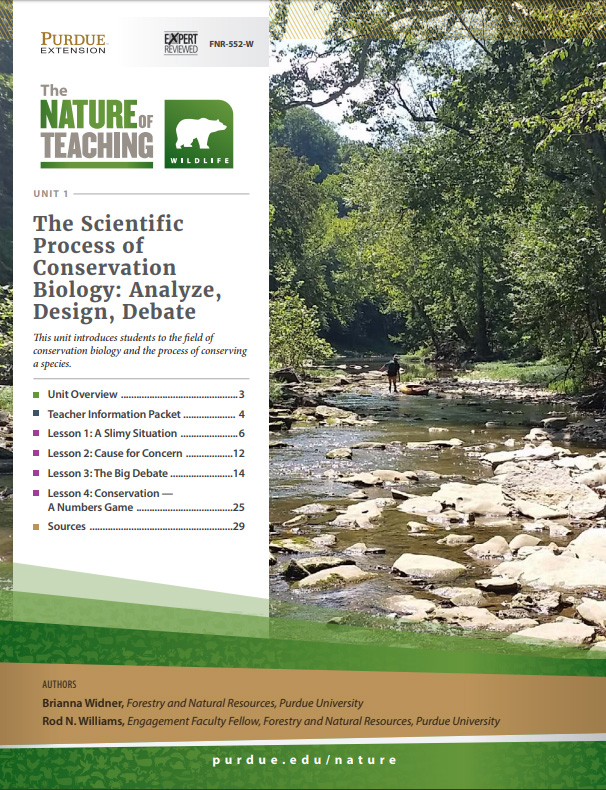 Conservation biology is considered by some to be a “crisis discipline.” Decisions within the field must often be made quickly, sometimes without enough time to gather all of the data one would ideally have, and they can decide the fate of a species. This Nature of Teaching unit titled “the Scientific Process of Conservation Biology: Analyze, Design, Debate,” introduces students to the field of conservation biology and the process of conserving a species. It includes 4 lessons and 4 case studies as well as a teacher information section and list of sources. Students will learn how to: analyze literature, graphs, and figures to discern factors threatening a species; identify different careers involved in conservation biology; learn how to edit, revise an original management plan to better comprehend the iterative process of science; and much more.
To view this free complete unit see: The Scientific Process of Conservation Biology: Analyze, Design, Debate, The Education Store, Purdue Extension.
Resources:
Health & Wellness Lesson Plans, Nature of Teaching
Wildlife Lesson Plans, Nature of Teaching
Food Waste Lesson Plans, Nature of Teaching
Briana Widner, student
Purdue University Department of Forestry and Natural Resources
Rod N Williams, Engagement Faculty Fellow & Associate Professor of Wildlife Science
Purdue University Department of Forestry and Natural Resources

Recent Posts
- ID That Tree: Nannyberry Viburnum
Posted: July 22, 2026 in Forestry, Plants, Wildlife, Woodlands - ID That Tree: Eastern Swamp Privet
Posted: in Forestry, Plants, Wildlife, Woodlands - Jarred Brooke Receives Early Career Award for Prescribed Fire Work
Posted: July 20, 2026 in Forestry, Forests and Street Trees, Natural Resource Planning, Safety - Bovine Tuberculosis in Wild White-tailed Deer: Background and Frequently Asked Questions
Posted: in Disease, Natural Resource Planning, Wildlife - ID That Tree: Carolina Buckthorn
Posted: July 15, 2026 in Forestry, Wildlife, Woodlands - Bat Roost Reporting Tool
Posted: July 8, 2026 in Alert, Community Development, Invasive Animal Species, Wildlife - Pruning Highlight; Espalier Pruning: Training Trees into Living Patterns
Posted: in Forestry, Forests and Street Trees, Gardening - Thank You, Turkey Trackers! Your Brood Counts Make a Difference – MyDNR
Posted: in Alert, Community Development, Wildlife - Identifying Evergreens
Posted: June 24, 2026 in Forestry, Wildlife, Woodlands - Celebrate Pollinator Week With Flowers of June Tour
Posted: June 15, 2026 in Forestry, Gardening, How To, Wildlife
Archives
Categories
- Alert
- Aquaculture/Fish
- Aquatic/Aquaculture Resources
- Ask the Expert
- Christmas Trees
- Community Development
- Disease
- Drought
- Forestry
- Forests and Street Trees
- Gardening
- Got Nature for Kids
- Great Lakes
- How To
- Invasive Animal Species
- Invasive Insects
- Invasive Plant Species
- Land Use
- Natural Resource Planning
- Nature of Teaching
- Plants
- Podcasts
- Ponds
- Publication
- Safety
- Spiders
- Timber Marketing
- Urban Forestry
- Webinar
- Wildlife
- Wood Products/Manufacturing
- Woodland Management Moment
- Woodlands