 Purdue University - Extension - Forestry and Natural Resources
Got Nature? Blog
Have you been hearing more annoying buzzing around your ears than normal? Maybe you’ve got an itch you just can’t seem to scratch. There’s a good explanation for that.
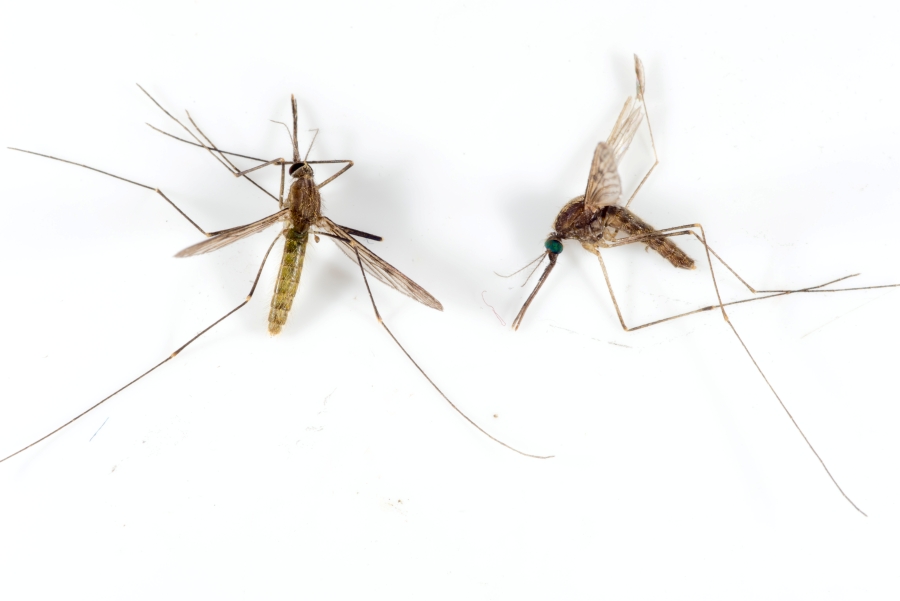
Photo provided by Purdue Extension – Entomology
Indiana saw record amounts of rainfall in August, resulting in flooding across the state. These rain events and flooding, along with a warm start to September, have created the perfect storm of conditions for a large boom in mosquito populations. Although flooding itself may temporarily wash away some mosquito larvae, the standing water left behind as floodwaters recede can provide abundant new breeding habitat. Floodwater is one of several important mosquito breeding environments in Indiana, along with woodland pools, slow-moving streams, ditches, marshes and the edges of lakes.
Indiana is home to more than 50 species of mosquitoes, and different species use different types of water for reproduction. Some mosquitoes are associated with floodwater and other natural habitats, while others prefer smaller, humanmade containers. Following a period of heavy rain, water can collect in old tires, clogged gutters, rain barrels, birdbaths, catch basins, tree cavities and other objects around homes. It’s important to empty these water sources to reduce mosquito populations around the home.
The mosquito life cycle also helps explain why populations can appear to increase rapidly after a major rain event. Female mosquitoes can lay as many as 400 eggs after having a blood meal. Depending on the species and environmental conditions, eggs can hatch in less than three days. The larvae, commonly called “wrigglers,” take roughly 7-10 days to develop into pupae. After an additional 2-3 days, the next round of adult mosquitoes emerges. The water remaining after all of the August storms will produce many new generations of mosquitoes in a relatively short period of time. You may have already noticed an influx in these pesky insects!
The increase in mosquitoes is not just an outdoor annoyance. Several mosquito-borne viruses are concerns for Hoosiers, including West Nile virus, St. Louis encephalitis, La Crosse fever, Eastern equine encephalitis and Western equine encephalitis. Wild birds can serve as reservoirs for some of these viruses. Mosquitoes feeding on infected birds may subsequently transmit viruses when they feed on other animals or people. The Indiana Board of Health monitors for vector borne diseases, and has identified mosquito pools that are positive for West Nile Virus across the state.
For Indiana residents dealing with the aftermath of heavy August rainfall, reducing standing water around homes is an important first step. Removing or disposing of objects that collect water, regularly changing water in birdbaths and unused wading pools, keeping rain gutters unclogged, draining stagnant pools and puddles, and covering stored water such as rain barrels and cisterns are all great preventative measures around your home. Eliminating these breeding sites interrupts the mosquito life cycle before adults emerge.
Homeowners can also reduce exposure to adult mosquitoes. Wearing long-sleeved shirts and long pants, particularly during periods of high mosquito activity, can greatly reduce the chance of mosquito bites. Mosquitoes are often most active around dawn and dusk, so limiting outdoor exposure during those periods or staying in screened areas can reduce the chance of being bitten. EPA-registered mosquito repellents can provide additional protection.
As Indiana moves beyond August, mosquito numbers may remain elevated wherever standing water persists. Removing that water, improving drainage and protecting against bites can help Hoosiers reduce mosquito populations and limit their potential impact on people and animals.
Resources:
Indiana Department of Health
Mosquitoes, Purdue Extension Entomology
Mosquitoes In and Around the Home, The Education Store, Purdue Extension’s resource center
Community-Wide Mosquito Management, Purdue Extension – Entomology
Mosquitoes, Ticks and Other Arthropods, CDC Yellow Book, U.S. Centers for Disease Control and Prevention
Mosquitoes and ticks – little pests carry big risks – Got Nature? Blog, Purdue Extension – Forestry and Natural Resources (FNR)
Mosquitoes carrying Zika virus can be controlled and avoided – Got Nature? Blog, Purdue Extension – FNR
Field Season Upon Us! Be Prepared – Got Nature? Blog, Purdue Extension – FNR
Excess Rain and Pond Integrity – Got Nature? Blog, Purdue Extension – FNR
Health & Wellness Lessons, The Nature of Teaching
Subscribe – Purdue Extension-FNR YouTube Channel
Tabatha (Tabby) Flinn, Senior Regional Educator
Agriculture and Natural Resources, Purdue Extension

Recent Posts
- Disease May Cause Wilting and Eventual Death of Certain Trees and Shrubs, Purdue Landscape Report
Posted: October 5, 2026 in Disease, Forestry, Plants - October Is Firewood Month: Protect Indiana’s Forests by Making Smart Choices
Posted: October 1, 2026 in Forestry, Forests and Street Trees, How To, Invasive Insects, Urban Forestry - Minecraft Meets the Hellbender
Posted: September 22, 2026 in Aquaculture/Fish, Aquatic/Aquaculture Resources, Wildlife - Is It Too Early to Think About Christmas Tree Pests?
Posted: in Christmas Trees, Invasive Insects, Safety - What You Plant Matters to Wildlife
Posted: September 16, 2026 in Plants, Urban Forestry, Wildlife - Woodland Flowers of Late Summer
Posted: September 14, 2026 in Forestry, Gardening, Wildlife, Woodlands - Heavy August Rains Bring More Mosquitoes to Indiana
Posted: September 9, 2026 in How To, Invasive Insects, Safety, Wildlife - Question: Why Did the Shagbark Hickories Survive the Tornado?
Posted: August 27, 2026 in Forests and Street Trees, How To, Urban Forestry - New Indiana Woodland Steward Newsletter
Posted: August 12, 2026 in Forestry, Urban Forestry, Wildlife, Woodlands - Indiana Fall Hunting Licenses on Sale and New Mobile App Available
Posted: in Forestry, How To, Wildlife
Archives
Categories
- Alert
- Aquaculture/Fish
- Aquatic/Aquaculture Resources
- Ask the Expert
- Christmas Trees
- Community Development
- Disease
- Drought
- Forestry
- Forests and Street Trees
- Gardening
- Got Nature for Kids
- Great Lakes
- How To
- Invasive Animal Species
- Invasive Insects
- Invasive Plant Species
- Land Use
- Natural Resource Planning
- Nature of Teaching
- Plants
- Podcasts
- Ponds
- Publication
- Safety
- Spiders
- Timber Marketing
- Urban Forestry
- Webinar
- Wildlife
- Wood Products/Manufacturing
- Woodland Management Moment
- Woodlands