 Purdue University - Extension - Forestry and Natural Resources
Got Nature? Blog
In the past few years, prescribed fire has caught on in Indiana. Government agencies and land trusts have increasingly used it as a tool to create wildlife habitat, manage for rare and endangered species, and promote ecosystem health. On these properties, fire has been reintroduced to landscapes it shaped for thousands of years.
However, while fire is being used to improve our public lands, 96% of Indiana is privately owned. If fire is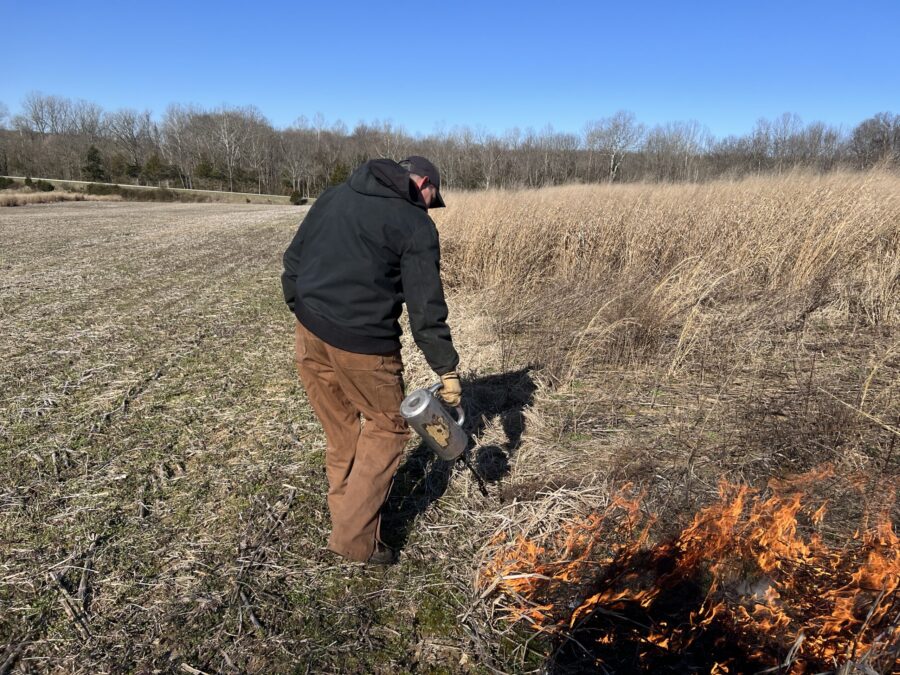 truly going to spread, private landowners need to start burning as well. One means to that end is the formation of Prescribed Burn Associations.
Prescribed Burn Associations (PBAs for short) are, at their most basic level, groups of people who burn together. By burning as a group, members of the PBA can share expertise, equipment, and labor to get more fire on the landscape. They can also pursue training and funding opportunities that may not be readily available to individuals. In Missouri, the formation of 18 PBAs has led to prescribed fire on more than 11,000 acres across the state in the past 10 years. The model for success is already out there.
Indiana is just getting into the PBA game. One PBA based in Daviess County already exists, and interest meetings for two more in Brown and Harrison are on the calendar for fall of 2026. More meetings are in the works across other parts of Indiana.
So, how does one get involved with a PBA? If you happen to be in one of the counties mentioned above, it’s as simple as contacting the leader or attending a meeting. Fire experience is not a requirement, only enthusiasm and a willingness to learn. Members don’t have to be landowners either – many PBAs include professionals, students, and folks who are simply interested in learning new land management skills.
If there isn’t a PBA in your area, consider getting one started. Find a few other people who want to be involved, hold an interest meeting to share information and sign folks up, then elect a board. From there, the board guides the organization and helps create its rules, and the larger membership decides on a coverage area and name. Then, all that’s left to do is inventory available equipment and expertise, line up some burns, and start getting good fire on the ground.
Still not sure how to start? That’s where we can help. If you are interested in starting or joining a PBA, you can fill out this PBA Interest Form, and we will reach out to help you get started.
With the formation of PBAs across the state, fire can be more broadly used as a management tool, benefiting the natural world and humans alike. For more information on PBAs, including formation tips and upcoming meetings, visit the Prescribed Burn Associations website.
Resources:
Indiana Prescribed Fire Council (INPFC)
Effective Firebreaks for Safe Use of Prescribed Fire, Got Nature? Blog, Purdue Extension – Forestry and Natural Resources (FNR)
Prescribed fire: 6 things to consider before you ignite, Got Nature? Blog, Purdue Extension – FNR
Getting Certified as an Indiana Certified Prescribed Burn Manager, Got Nature? Blog, Purdue Extension – FNR
FNR Ask The Expert: Prescribed Fire, Purdue Extension – FNR YouTube Channel
Hardwood Ecosystem Experiment: Prescribed Fire, Purdue Extension – FNR YouTube Channel
Wild Habitat Hint: Late Growing Season Prescribed Fire, Purdue Extension – FNR YouTube Channel
Wild Habitat Hint: Prescribed Fire Techniques – Backing Fire, Purdue Extension – FNR YouTube Channel
Wild Habitat Hint: Prescribed Fire Techniques – Flanking Fire, Purdue Extension – FNR YouTube Channel
Wild Habitat Hint: Prescribed Fire Techniques – Strip Head Fire, Purdue Extension – FNR YouTube Channel
Wild Habitat Hint: Prescribed Fire Techniques – Point Source Fire, Purdue Extension – FNR YouTube Channel
Wild Habitat Hint: Prescribed Fire Techniques – Ring Fire, Purdue Extension – FNR YouTube Channel
Danielle Paige Howard, Extension Prescribed Fire Specialist
Purdue University Department of Forestry and Natural Resources

Recent Posts
- Disease May Cause Wilting and Eventual Death of Certain Trees and Shrubs, Purdue Landscape Report
Posted: October 5, 2026 in Disease, Forestry, Plants - October Is Firewood Month: Protect Indiana’s Forests by Making Smart Choices
Posted: October 1, 2026 in Forestry, Forests and Street Trees, How To, Invasive Insects, Urban Forestry - Minecraft Meets the Hellbender
Posted: September 22, 2026 in Aquaculture/Fish, Aquatic/Aquaculture Resources, Wildlife - Is It Too Early to Think About Christmas Tree Pests?
Posted: in Christmas Trees, Invasive Insects, Safety - What You Plant Matters to Wildlife
Posted: September 16, 2026 in Plants, Urban Forestry, Wildlife - Woodland Flowers of Late Summer
Posted: September 14, 2026 in Forestry, Gardening, Wildlife, Woodlands - Heavy August Rains Bring More Mosquitoes to Indiana
Posted: September 9, 2026 in How To, Invasive Insects, Safety, Wildlife - Question: Why Did the Shagbark Hickories Survive the Tornado?
Posted: August 27, 2026 in Forests and Street Trees, How To, Urban Forestry - New Indiana Woodland Steward Newsletter
Posted: August 12, 2026 in Forestry, Urban Forestry, Wildlife, Woodlands - Indiana Fall Hunting Licenses on Sale and New Mobile App Available
Posted: in Forestry, How To, Wildlife
Archives
Categories
- Alert
- Aquaculture/Fish
- Aquatic/Aquaculture Resources
- Ask the Expert
- Christmas Trees
- Community Development
- Disease
- Drought
- Forestry
- Forests and Street Trees
- Gardening
- Got Nature for Kids
- Great Lakes
- How To
- Invasive Animal Species
- Invasive Insects
- Invasive Plant Species
- Land Use
- Natural Resource Planning
- Nature of Teaching
- Plants
- Podcasts
- Ponds
- Publication
- Safety
- Spiders
- Timber Marketing
- Urban Forestry
- Webinar
- Wildlife
- Wood Products/Manufacturing
- Woodland Management Moment
- Woodlands