 Purdue University - Extension - Forestry and Natural Resources
Got Nature? Blog
With rainfall well below average, watering your trees is more important than ever. Indiana typically receives around 3.14 inches of rain in September, but as of 2025, only 1.31 inches have fallen—making this month even drier than last year. These conditions can lead to dry, wilted leaves and stress for trees across the state, especially during prolonged heat. To see how drought is affecting your area, visit the U.S. Drought Monitor for Indiana-specific maps.
In this video, Lindsey Purcell, Executive Director of the Indiana Arborist Association, explains why consistent watering is critical and shares practical tips to help your trees stay healthy through dry spells.
Extreme heat can have a major impact on tree health and survival. Water is the most limiting ecological resource for a tree, and without adequate moisture, decline and death are imminent. It reduces carbohydrate production, significantly lowering energy reserves and production of defense chemicals in the tree. Check out this publication titled Drought? Don’t Forget the Trees! to learn what to look for for any weakening issues including pests that like the dry conditions.
If you have any questions regarding wildlife, trees, forest management, wood products, natural resource planning or other natural resource topics, feel free to contact us by using our Ask an Expert web page.
More Extreme Heat Resources:
Climate and Drought Maps, Purdue Indiana State Climate Office
Summer Tree Care, Purdue Landscape Report
Drought? Don’t Forget the Trees!, The Education Store, Purdue Extension resource center
Extreme Heat Including Fact Sheets, Purdue Extension – IN-PREPared
Extreme Heat – Resources, Extension Disaster Education Network (EDEN)
Drought Information, Indiana Department of Natural Resources
Planting Your Tree Part 1: Choosing Your Tree, Purdue Extension YouTube Channel
Tree Selection for the “Un-natural” Environment, The Education Store
Tree Pruning Essentials Video, Purdue Extension YouTube Channel
Tree Defect Identification, The Education Store
Tree Wound and Healing, Got Nature? Blog, Purdue Extension – Forestry and Natural Resources
Surface Root Syndrome, The Education Store
Submit Sample, Purdue Plant & Pest Diagnostic Lab
Find an Arborist, Indiana Arborist Association
Ben McCallister, Urban Forestry Specialist
Purdue Forestry & Natural Resources
Welcome to ID That Tree! In this episode, Purdue Extension Forester Lenny Farlee introduces us to a relatively common Indiana shrub called Witch-Hazel. Discover the characteristics of the environment this shrub is found in, the features of the shrub itself and the interesting history behind it! As a nature lover, student or someone who’s simply just curious about local plants, this video is a great way to get a quick run-down on important information and identification.
If you have any questions regarding wildlife, trees, forest management, wood products, natural resource planning or other natural resource topics, feel free to contact us by using our Ask an Expert web page.
Resources:
ID That Tree – Video Playlist, Purdue Extension – Forestry and Natural Resources (FNR) YouTube Channel
Purdue Arboretum Explorer
Conservation Tree Planting: Steps to Success, Purdue Extension – FNR YouTube Channel
A Woodland Management Moment, Playlist, Purdue Extension – FNR YouTube Channel
Woodland Stewardship for Landowners, Playlist, Purdue Extension – FNR YouTube Channel
Indiana Department of Natural Resources: Invasive Species
Indiana Invasive Species Council
Cooperative Invasive Species Management Area (CISMA)
Report Invasive, Purdue Extension
Fifty Common Trees of Indiana, Purdue Extension – FNR
Habitat University, Episode 12 – Exploring the challenges of Invasive Species, Habitat University-Natural Resource University
Shrubs and Woody Vines of Indiana and the Midwest, Purdue University Press
Native Trees of the Midwest, Purdue University Press
Professional Forester, Indiana Forestry Woodland Owners Association
District Forester, Indiana Department of Natural Resources, 10+ acres
Find an Arborist, International Society of Arboriculture
Forest Improvement Handbook, The Education Store
Lenny Farlee, Extension Forester
Hardwood Tree Improvement and Regeneration Center
Purdue Department of Forestry & Natural Resources
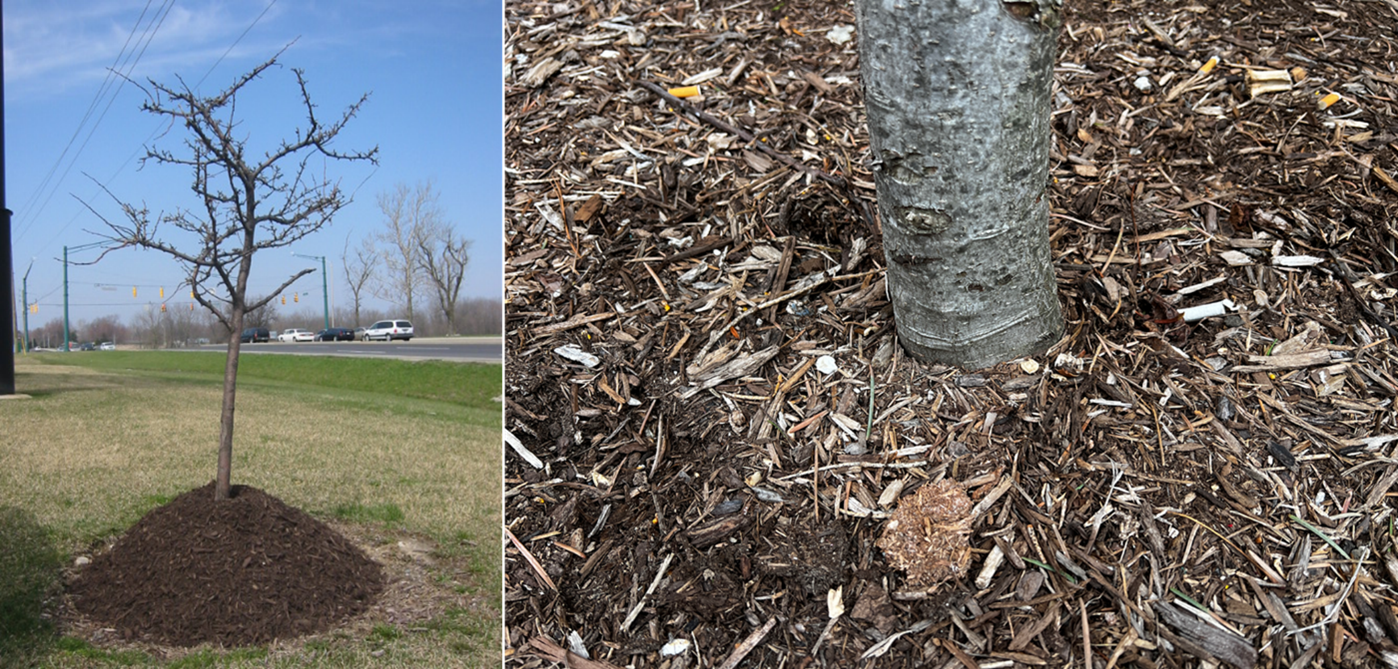
Figure 1: Examples of volcano mulching (PLR)
Purdue Landscape Report: Tree care, in many cases, can be expensive if you require the assistance of an arborist for pruning or removals. Extreme weather events, characterized by extensive rain and wind, can cause damage to the canopy or, in worst-case scenarios, lead to tree failure. In cases of failures, weather is often the final push to already existing issues. One cause that can lead to decay, decline, and failure if applied incorrectly can also extend the life of your tree with proper application.
Mulch is the double-edged sword that can promote healthy growth by maintaining soil moisture and temperature through extreme heat, cold, and drought, enrich the soil in the critical root zone, maintain a safety area from mechanical damage from lawn care tools, and add a nice aesthetic.
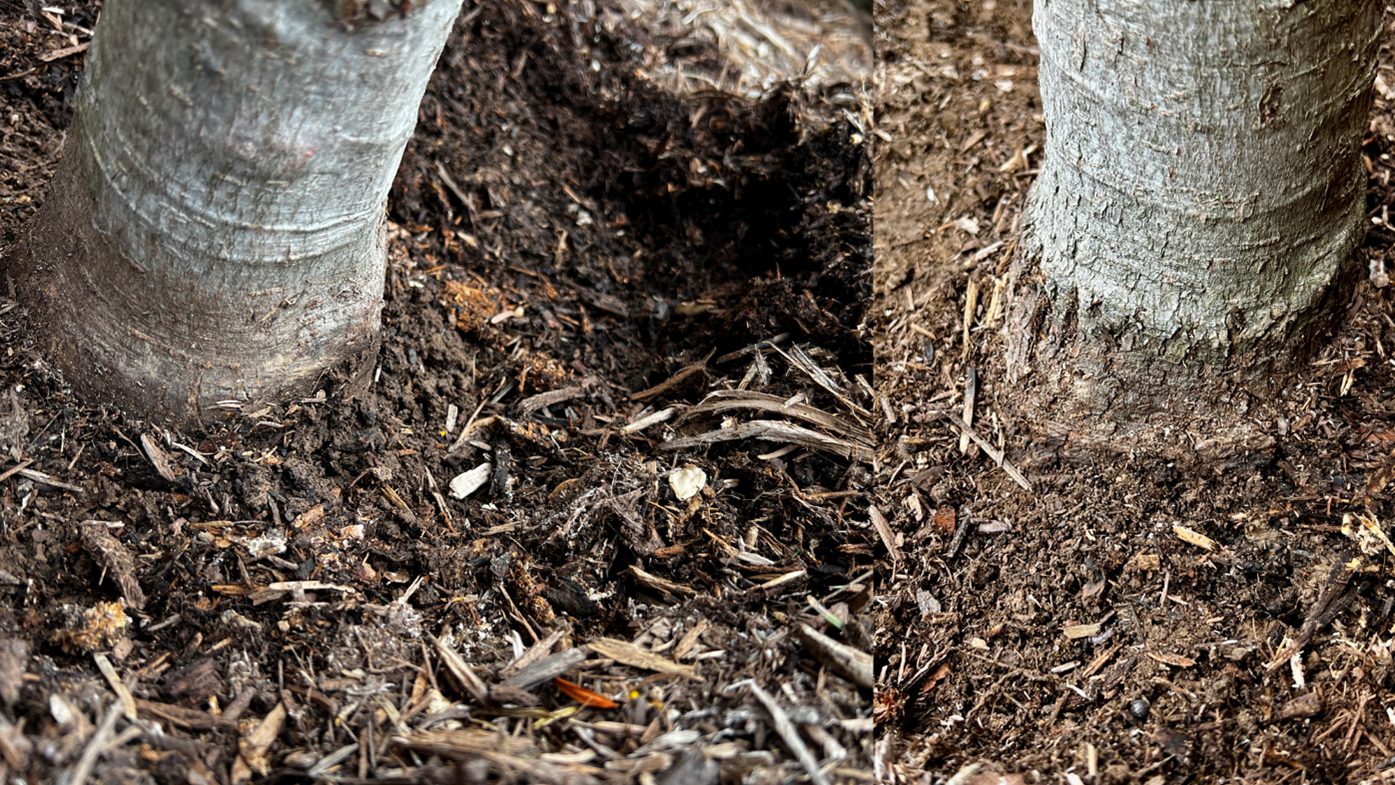
Figure 2: Digging out and exposing the root flare (PLR)
But it can also cause decay through excess moisture to the root flare, damage from pests like mice and insects that can live in mulch, expose the tree to pathogens, and promote unnecessary root growth and/or stem girdling roots that cut off nutrient supply between the root system and the rest of the tree.
The application is the same if it’s the first time mulching a tree or a re-application. Add enough mulch so there is a 2–3-inch layer sloping away from the tree with at least a 3–5-foot radius around the stem (older, larger trees can benefit from larger mulch rings). No volcano mulching, make sure you also have around a 1-2-inch gap between the stem and the start of the mulch ring.
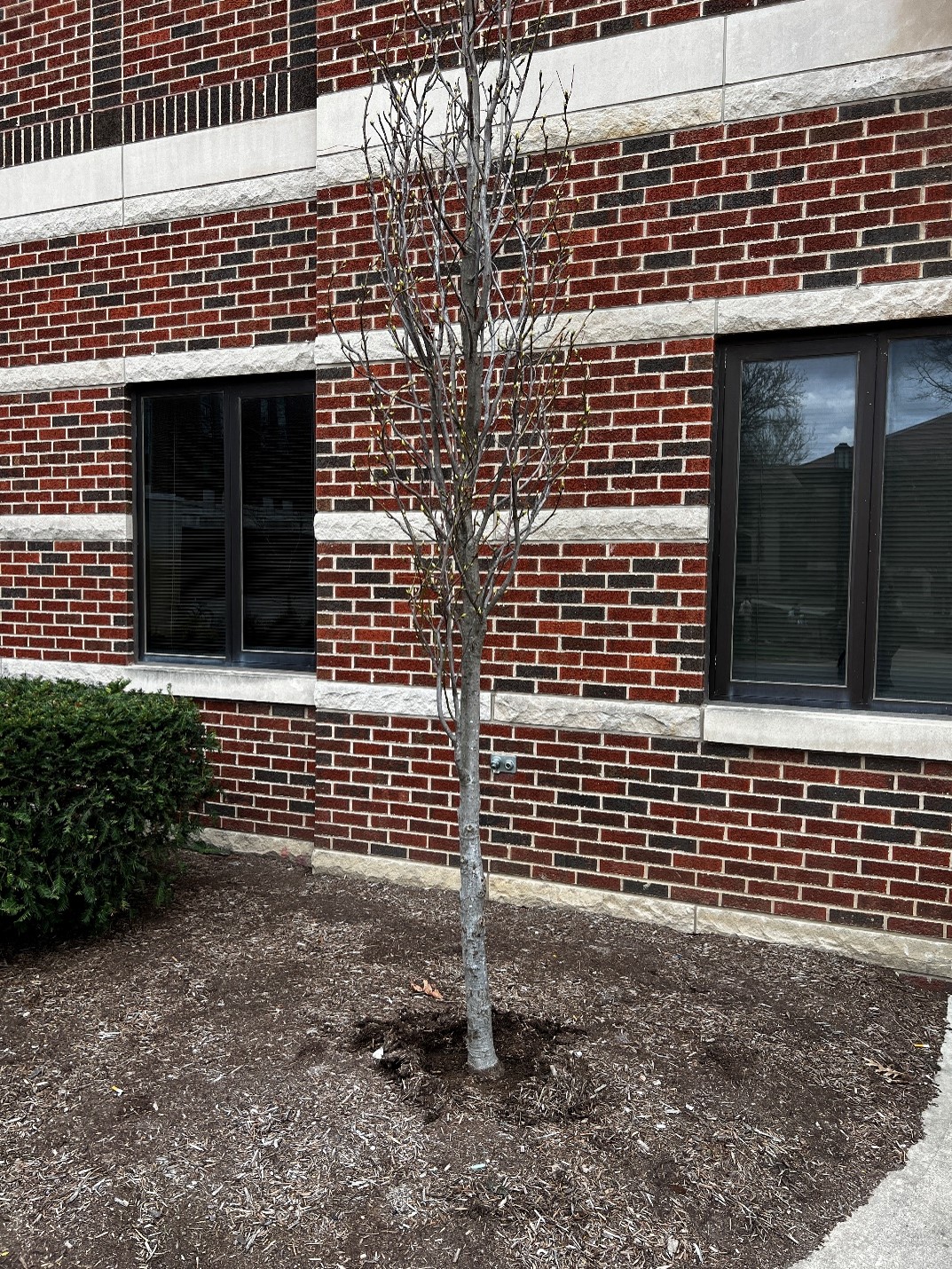
Figure 3: Creating a 1–2-inch space between the root flare and the mulch.
If you are reapplying mulch, first rake the old mulch to even the layer and mix some into the soil if possible. If your tree has already been mulched and has been volcano mulched, simply dig out the excess, exposing the root flare and creating that 1-2-inch gap between the stem and the mulch.
This simple act is relatively inexpensive, does not require a lot of time, and will help keep your tree healthy, extending its life. If you notice any other issues with your trees, hiring an ISA Certified arborist is the next step in managing your trees’ health. To find an arborist near you and verify credentials, use the link at Find an Arborist, Trees are Good, International Society of Arboriculture (ISA).
View the original article on the Purdue Landscape Report website: Simple Steps to Care for Your Tree: Mulching.
Subscribe and receive the newsletter: Purdue Landscape Report Newsletter.
Resources:
Re-mulch Your Trees, Purdue Landscape Report
Find an Arborist video, Trees are Good-International Society of Arboriculture (ISA)
Trees and Storms: Understanding Damage, Risk and Recovery – Got Nature? Blog, Purdue Extension – FNR
Moist soil and rotten roots makes it easy for trees to come crashing down – Fox 59 News
Expert: Some storm damage can be easily prevented – Fox 59
Why Is My Tree Dying? – Got Nature? Blog, Purdue Extension – Forestry and Natural Resources
Tree Risk Management – Got Nature? Blog, Purdue Extension – FNR
Tree Pruning Essentials, Publication & Video, The Education Store
Mechanical Damage to Trees: Mowing and Maintenance Equipment – The Education Store
Trees and Electric Lines – The Education Store
Tree Defect Identification, The Education Store
Planting Your Tree, video, Purdue Extension
Tree Installation, The Education Store
Tree Wound and Healing, Got Nature? Blog, Purdue Extension – Forestry and Natural Resources
Subscribe – Purdue Extension-FNR YouTube Channel
Ben McCallister, Urban Forestry Specialist
Purdue Forestry & Natural Resources
Welcome to ID That Tree! In this episode, Purdue Extension Forester Lenny Farlee introduces Coralberry, a small native Indiana shrub also known as Buckbrush. Learn how it got its name, what makes its leaves unique and where it typically grows. Whether you’re a nature lover, student or just curious about local plant life, this quick and informative video is a great way to expand your knowledge of Indiana’s native shrubs.
If you have any questions regarding wildlife, trees, forest management, wood products, natural resource planning or other natural resource topics, feel free to contact us by using our Ask an Expert web page.
Resources:
ID That Tree – Video Playlist, Purdue Extension – Forestry and Natural Resources (FNR) YouTube Channel
Purdue Arboretum Explorer
Conservation Tree Planting: Steps to Success, Purdue Extension – FNR YouTube Channel
A Woodland Management Moment, Playlist, Purdue Extension – FNR YouTube Channel
Woodland Stewardship for Landowners, Playlist, Purdue Extension – FNR YouTube Channel
Indiana Department of Natural Resources: Invasive Species
Indiana Invasive Species Council
Cooperative Invasive Species Management Area (CISMA)
Report Invasive, Purdue Extension
Fifty Common Trees of Indiana, Purdue Extension – FNR
Habitat University, Episode 12 – Exploring the challenges of Invasive Species, Habitat University-Natural Resource University
Shrubs and Woody Vines of Indiana and the Midwest, The Education Store
Native Trees of the Midwest, The Education Store
Professional Forester, Indiana Forestry Woodland Owners Association
District Forester, Indiana Department of Natural Resources, 10+ acres
Find an Arborist, International Society of Arboriculture
Forest Improvement Handbook, The Education Store
Lenny Farlee, Extension Forester
Hardwood Tree Improvement and Regeneration Center
Purdue Department of Forestry & Natural Resources
Purdue Landscape Report: Recently, there has been an uptick in questions related to one of Indiana’s most notorious invasive pests: the emerald ash borer. Homeowners, businesses, even professionals have asked if ash trees are still present in Indiana, and if the insect is still a threat to our ecosystem. Emerald ash borer wreaked significant havoc among Indiana’s hardwoods, and a person could be forgiven for believing that there are no ash trees at all in our state, but this is simply not true. Ash still survives in Indiana and can be found both as ornamental plantings and in untended woodlots; unfortunately, emerald ash borer is also still present and just as deadly to them as ever. The question of protecting ash versus removal them is complex, but entomologists and tree specialists have learned from this insect’s invasion.
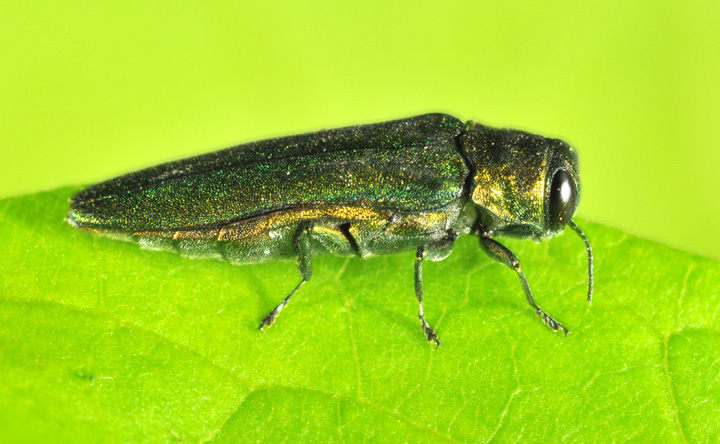
Figure 1. Side view of EAB, John Obermeyer
The emerald ash borer (Agrilus planipennis), a wood-boring insect native to Asia, is responsible for decimating ash (Fraxinus spp.) throughout the United States and elsewhere. In Indiana, this insect’s presence was confirmed in 2004, though it had probably been in the state for some time before then. Since its arrival, Hoosiers have been forced to watch as ash trees have rapidly declined and died due to the insect’s feeding and life cycle. The insect lays its eggs in crevices in the bark of an ash that is 8 to 10 years old, and after hatching, the new larvae begin to bore through the tree’s cambium tissue. The tree relies on its cambium tissue to transport water and nutrients and supply cells for new growth. Often, the only signs of the insect’s presence are a reduction in canopy coverage and D-shaped exit holes in the bark, indicating adult emergence. As time goes on, however, the tree will continue to lose canopy, experience limb death, and often have large chunks of bark detach. Unprotected trees will typically die within 2 to 5 years of infestation. Dead and dying ash trees represent a serious hazard to health and property as infestation will leave them extremely brittle. Brittle ash will often fall during weather events or even collapse over time as limbs fall off.
While emerald ash borer did significant damage to ash tree populations in Indiana, they did not destroy the population entirely. While virtually all untreated trees will eventually become infested, saplings with a trunk diameter of ½ to 1 inch will remain untouched, allowing annual replacement of trees to continue. Since the initial invasion killed so many trees, the borer’s populations have been proportionally reduced as well due to a lack of a food source. This combination of factors has created a cycle of growth and infestation that allows both populations to survive, but at significantly lower levels as compared to the period of the initial infestation. Unfortunately, this also means that emerald ash borer is now a permanent fixture in the hardwood ecosystem in Indiana.

Figure 2. This photo illustration shows three ash trees in Bloomington, Indiana, with different levels of canopy lost to the emerald ash borer. (Purdue Tree Doctor app illustration/Cliff Sadof)
While many may believe ash trees are a total loss, there are still options to protect ash tree and even rescue ash that have already been infested. The first step in this process is to determine the extent of damage in a given tree. As the cambium tissue is consume by ash borer larvae, the tree will experience a steady loss of canopy and limb death. The proportion of lost canopy makes a great indicator for treatment viability. For example, a tree that has only lost 10% of its canopy will normally respond well to treatment. As more canopy is lost, recovery is more challenging, until the tree has lost %30 of canopy coverage. After that point, there is very little chance that a rescue treatment will be successful, and removal will most likely be necessary. It is also important to remember that limb death may occur; these limbs will not recover and will need to be removed to avoid any potential hazards.
There are several insecticides with varying ranges of efficacy that can be used to manage emerald ash borer. These include imidacloprid, dinotefuran, azadirachtin, and emamectin benzoate. Several studies have been conducted to find the best combination of chemical and application type, such as the difference between using a soil drench compared to a trunk injection. While all of the above chemicals can be effective against the insect, the combination of emamectin benzoate applied through a trunk injection offers the best, longest lasting protection from infestation. This combination has a durable effect lasting for two years under dense infestations. However, the reduction in emerald ash borer populations have spread the distribution of the insect thinner, and longer intervals between treatments are possible. A ten-year study conducted by Purdue University demonstrated that treating trees once every three years provided sufficient protection from the beetles, while also showing that 4 to 5 years after last treatment coincided with an increase in damage to the trees. This same study also found that by six years post-treatment, the trees would decline to the point of making removal a necessity. This research concluded that increasing time between intervals after three years increased the risk of catastrophic damage due to emerald ash borer activity, thus the recommendation for three-year intervals.
Ultimately, many will see this as a financial issue: the cost of treatment over time against the cost of removal to avoid potential damages. The above study estimated the cost of treating a single tree with an emamectin benzoate injection at $300 per treatment. Since treatment only needs to happen once every three years, the cost per year per tree would be $100, approximately. Tree removal was estimated between $1800 and $3600, depending on tree location and other factors. Also consider replacement costs if you wanted to continue to grow ash in that area, and how long the tree would need to grow to match the size of the tree you just replaced. Additionally, add in any treatment costs to make sure it survives infestation. When looked at from this angle, maintaining regular treatment on rescuable trees would appear to be the most cost-effective route for managing ash. Any treatment plan should be discussed with a professional, such as a certified arborist.
Read the original article posted in the Purdue Landscape Report April 2025 Newsletter: Revisiting Ash Tree Protection.
Subscribe and receive the newsletter: Purdue Landscape Report Newsletter.
Resources:
New Hope for Fighting Ash Borer, Got Nature? Purdue Extension-FNR
Invasive Pest Species: Tools for Staging and Managing EAB in the Urban Forest, Got Nature?
Emerald Ash Borer, Purdue Extension-Entomology
Emerald Ash Borer Tools & Resources – Purdue Extension Entomology
Planting Your Tree Part 1: Choosing Your Tree, Purdue Extension YouTube Channel
Tree Planting Part 2: Planting a Tree, Purdue Extension – Forestry and Natural Resources YouTube Channel
Indiana Invasive Plant List, Indiana Invasive Species Council, Purdue Entomology
Landscape Report Shares Importance of Soil Testing, Purdue FNR Extension
Find an Arborist website, Trees are Good, International Society of Arboriculture (ISA)
Tree Risk Management – Got Nature? Blog, Purdue Extension – FNR
ID That Tree – Video Playlist, Purdue Extension – Forestry and Natural Resources (FNR) YouTube Channel
Purdue Arboretum Explorer
Conservation Tree Planting: Steps to Success, Purdue Extension – FNR YouTube Channel
A Woodland Management Moment, Playlist, Purdue Extension – FNR YouTube Channel
Woodland Stewardship for Landowners, Playlist, Purdue Extension – FNR YouTube Channel
Indiana Department of Natural Resources: Invasive Species
Indiana Invasive Species Council
Cooperative Invasive Species Management Area (CISMA)
Report Invasive, Purdue Extension
Native Trees of the Midwest, Purdue University Press
Professional Forester, Indiana Forestry Woodland Owners Association
Forest Improvement Handbook, The Education Store
Bob Bruner, Exotic Forest Pest Educator
Purdue Entomology
Purdue Landscape Report: Sawflies are frequent pests in the landscape that attack a wide variety of plants, from ornamental flowers to large trees. You might start to see them damaging plants around this time of year as the first generations hatch and begin to feed on foliage. They are often mistaken for caterpillars, which are the larval stages of butterflies and moths (Order Lepidoptera). However, sawflies are actually wasp-like insects (Order Hymenoptera).
Let’s review how to tell them apart. Products that are labeled for caterpillars do not always work on sawflies, so proper identification is important.
- The most reliable characteristic are the prolegs. Sawflies have 6+ pairs of prolegs, or false legs, while caterpillars have < 6 pairs of prolegs. (Fig. 1)
- When disturbed, sawflies will lift their posterior into an “S” shape. Caterpillars don’t display this behavior. (Fig. 2)


Integrated management recommendations
Early in the year, before hatching starts, look for sawfly oviposition on your plants. This will vary depending on the species of sawfly. For example, the European Pine sawfly eggs look like yellow-orange spots evenly spaced on the needles (Fig. 3). The Bristly Roseslug sawfly uses her ovipositor to cut a slit into the leaf petiole where she inserts eggs. The gooseberry sawfly lays eggs on a leaf vein (Fig. 4).


If the eggs are readily visible, manual removal will help reduce the populations. This is best accomplished in early spring before the eggs hatch. Use a tool to smash the eggs, or prune of the affected plant material.
You may not notice any problem on the plant until you start to see holes appearing in the foliage. Monitor regularly in the spring for holes and “window pane” damage (Fig. 5). This is the time of year when sawflies are hatching, so don’t wait any longer to check your plants. Sawfly management is best accomplished when the larvae are still small. Prune or shake off the larvae from the plant, or spray with a biorational material so as not to disturb natural enemies and cause a secondary pest outbreak later in the summer.

For more information on sawfly biology, check out this five-minute video: Slaying Sawflies with Purdue Plant Doctor.
Specific management recommendations can be found on the Purdue Plant Doctor website. Type “sawfly” into the search and click on the species you would like to read more about!
Read the original article on Purdue Landscape Report: Sawflies: the caterpillar pests that are not caterpillars.
Ask the Expert: Pests in Your Woods, Purdue Extension – Forestry & Natural Resources (FNR) YouTube Channel
Report Spotted Lanternfly, Purdue Landscape Report
Invasive Species Playlist, Purdue Extension – FNR YouTube Channel
Indiana Department of Natural Resources: Invasive Species
Indiana Invasive Species Council
Cooperative Invasive Species Management Area (CISMA)
Report Invasive, Purdue Extension
What are invasive species and why should I care?, Got Nature? Blog, Purdue Extension – FNR
Purdue Plant Doctor, Purdue Extension
An Introduction to Trees of Indiana, The Education Store, Purdue Extension’s resource center
Fifty Common Trees of Indiana, Forestry & Natural Resources
ID That Tree, Playlist, Purdue Extension – FNR YouTube Channel
A Woodland Management Moment, Playlist, Purdue Extension – FNR YouTube Channel
Woodland Stewardship for Landowners, Playlist, Purdue Extension – FNR YouTube Channel
Native Trees of the Midwest, Purdue University Press
Alicia Kelley, Cooperative Agricultural Pest Survey (CAPS) Coordinator
Purdue Extension – Entomology
The Purdue Hardwood Tree Improvement and Regeneration Center has signed a commercial partnership agreement with Tree Pro to distribute select hardwood seedlings from its breeding program beginning in March 2025.
The partnership, which will mark the HTIRC’s first commercial release of seedlings in its 25-year history, will see West Lafayette, Ind., based Tree Pro distribute bare root seedlings of six species across its timber select, conservation and wildlife lines. Timber select varieties will include black walnut, black cherry, northern red oak, white oak and pure and hybrid butternut. Conservation species include pure butternut and American chestnut. The wildlife line will feature select precocious white oak.
The HTIRC collection is available for purchase now on the Tree Pro website. Delivery of the seedlings is set for March 2025.
For over five decades, Purdue University and the HTIRC have assembled, tested and selected populations of Indiana’s most valuable hardwood tree species (black cherry, black walnut, northern red oak and white oak) for deployment across the Midwest’s Central Hardwood Forest region. Populations of all four species have been selected for stem straightness and growth rate and are under continuous improvement as breeders remove underperforming clones and seedlings from seed production areas.
Today, as a product of the HTIRC’s efforts, numerous progeny tests, grafted clone banks and orchards exist at Purdue properties across Indiana and are now producing commercial quantities of seed for distribution. A commercial partnership with Tree Pro now gives the HTIRC an outlet to distribute its hardwood trees to landowners throughout the Central Hardwood Forest Region.
“Tree Pro’s established reputation with conservation groups, private landowners and foresters makes them an ideal distributor of the HTIRC’s select material,” said Matt Ginzel, director of the HTIRC. “We want to make it clear that this partnership will not take away from our existing relationship to provide seeds and seedlings to the Indiana Department of Natural Resources. This simply gives us another avenue to get our material into the hands of the public and to achieve our goal of increasing the value and resilience of woodlands by enriching the diversity of seedlings available for reforestation efforts.”
Tree Pro has been in business for 37 years and is known for its tree protection products (Miracle Tube) and lines of fruit and nut trees oriented to hunters and wildlife enthusiasts.
“When we were approached about the opportunity to distribute genetically diverse select hardwood seedlings from the HTIRC, we were instantly excited,” said Tommy Mills, co-owner of Tree Pro. “It brings our start as a company with black walnuts full circle.”
In addition to making selections on four major hardwood species, the HTIRC has been working to preserve and develop disease-resistant populations of two endangered native fine hardwood species – butternut and American chestnut.
After more than 20 years of work, the HTIRC now possesses the most diverse collection of butternut in the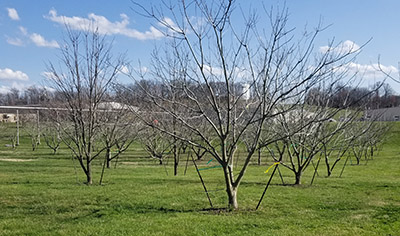 United States, and has made significant advances in breeding butternuts resistant to the deadly butternut canker fungus. The HTIRC’s canker-resistant butternut program utilizes both pure butternut and hybrids between the butternut (Juglans cinerea) and the Japanese walnut (Juglans ailantifolia), with a program goal of decreasing the proportion of Japanese walnut genetics in the population while increasing overall canker resistance. A collection of pure, disease susceptible butternuts also is maintained for research purposes, and provides valuable seed for organizations and individuals that prefer pure butternut over hybrid butternut.
The American chestnut, once the backbone of timber production for all uses in the eastern United States and a prolific producer of nuts for animals and humans alike, is now functionally extinct due to the accidental introduction of the chestnut blight fungus in 1904. In collaboration with the American Chestnut Foundation and other entities, the HTIRC has assembled an American chestnut collection that represents pure American chestnuts from Indiana and neighboring states. It stands as one of the few grafted American chestnut collections in the country. While currently unavailable for public release, the HTIRC’s ongoing efforts to breed a blight-resistant American chestnut encompasses the use of both interspecific hybrid breeding and biotechnology to restore a long-lost forest species.
“The mother trees for HTIRC’s Timber Select lines were all selected for straight stems with few defects like low forks that can negatively impact standing timber value, while the Timber Select butternuts were selected for their resistance to butternut canker disease,” said Caleb Kell, operational tree breeder for the HTIRC. “Landowners have a good chance of getting similar characteristics out of their seedlings if they are planted on suitable soils with deer protection, which is one of Tree Pro’s specialties.”
Here is a quick list of what is available for purchase:
- HTIRC Timber Select Black Walnut
- HTIRC Timber Select Black Cherry
- HTIRC Timber Select Northern Red Oak
- HTIRC Timber Select White Oak
- HTIRC Timber Select Pure and Hybrid Butternut
- HTIRC Conservation Pure Butternut
- HTIRC Conservation American Chestnut
- HTIRC Wildlife Select Precocious White Oak
View full article with descriptions of seedlings available along with additional photos, Purdue Forestry and Natural Resources News & Stories: HTIRC Partners with Tree Pro to Distribute Hardwood Seedlings.
Other resources:
Forestry & Natural Resources
Tropical HTIRC
An Introduction to Trees of Indiana, The Education Store, Purdue Extension resource center
Native Trees of the Midwest, Purdue University Press
Shrubs and Woody Vines of Indiana and the Midwest, Purdue University Press
ID That Tree, Playlist, Subscribe to Purdue Extension – Forestry and Natural Resources YouTube Channel
A Woodland Management Moment, Playlist, Purdue Extension – FNR YouTube Channel
Investing in Indiana Woodlands, The Education Store
Forest Improvement Handbook, The Education Store
Finding help from a professional forester, Indiana Forestry & Woodland Owners Association
District Forester, Indiana DNR Division of Forestry, for over 10 acres of woodlands
Directory of Professional Foresters, Indiana Forestry & Woodland Owners Association (IFWOA)
Wendy Mayer, FNR Communications Coordinator
Purdue University Department of Forestry and Natural Resources
Welcome to ID That Tree! In this edition, Purdue Extension Forester Lenny Farlee highlights a native bramble species—black raspberry. A member of the Rubus family, black raspberry is commonly found throughout Indiana, making it useful to recognize its key features. Tune in to learn how to identify this plant by its unique leaf pattern (and how it’s different from autumn olive), understand its role in wildlife habitats and explore its many uses and benefits!
If you have any questions regarding wildlife, trees, forest management, wood products, natural resource planning or other natural resource topics, feel free to contact us by using our Ask an Expert web page.
Resources:
ID That Tree – Video Playlist, Purdue Extension – Forestry and Natural Resources (FNR) YouTube Channel
Purdue Arboretum Explorer
Conservation Tree Planting: Steps to Success, Purdue Extension – FNR YouTube Channel
A Woodland Management Moment, Playlist, Purdue Extension – FNR YouTube Channel
Woodland Stewardship for Landowners, Playlist, Purdue Extension – FNR YouTube Channel
Indiana Department of Natural Resources: Invasive Species
Indiana Invasive Species Council
Cooperative Invasive Species Management Area (CISMA)
Report Invasive, Purdue Extension
Fifty Common Trees of Indiana, Purdue Extension – FNR
Habitat University, Episode 12 – Exploring the challenges of Invasive Species, Habitat University-Natural Resource University
Shrubs and Woody Vines of Indiana and the Midwest, The Education Store
Native Trees of the Midwest, The Education Store
Professional Forester, Indiana Forestry Woodland Owners Association
Forest Improvement Handbook, The Education Store
Find an Arborist, International Society of Arboriculture
Lenny Farlee, Extension Forester
Hardwood Tree Improvement and Regeneration Center
Purdue Department of Forestry & Natural Resources
Hoosier Ag Today: White-tailed deer are very important to Indiana woodlands. But in many areas of the state, deer populations have grown far beyond what the land can support.
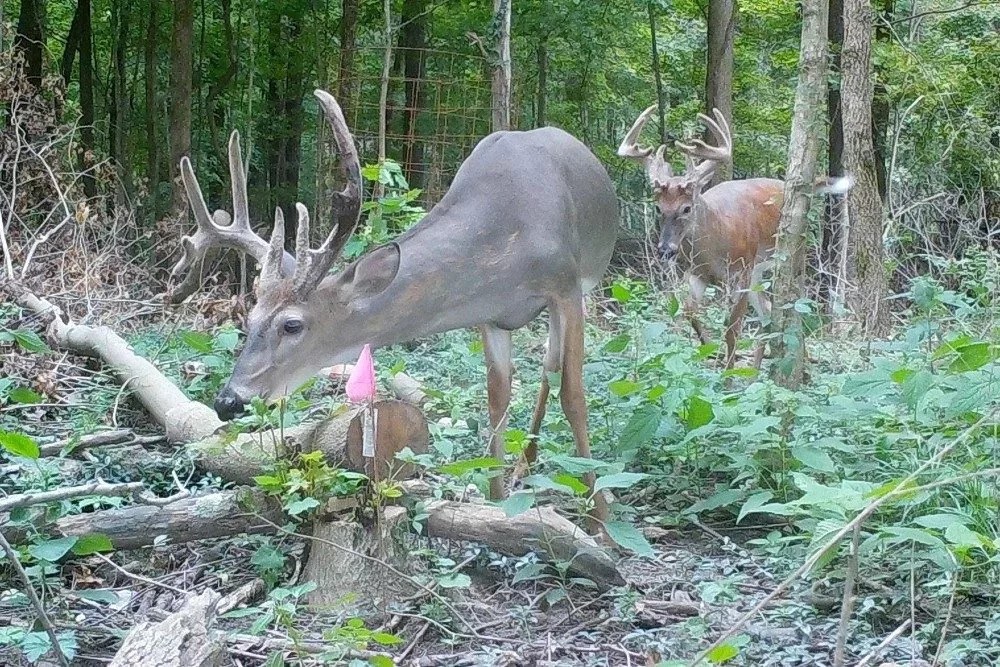
Trail cameras monitor deer impact on woodlands. Integrated Deer Management Project, Purdue University photo.
“Through their browsing and what they eat, they can actually reduce plant diversity and limit the growth of some of our tree seedlings, such as Oak, which are both economically and ecologically important,” says Jarred Brooke, Purdue Extension Wildlife Specialist.
“They can actually cause issues with increases in the invasive species that they don’t eat, like Japanese stilt grass or garlic mustard,” he says.
For woodland owners across Indiana who might not be sure if deer are even a problem on their property, how can they better understand and measure deer impacts?
“I think the first step is being aware and being tuned in to the problems that deer can cause,” he says. “Fortunately, with the help of The Nature Conservancy here in Indiana, we at Purdue Extension created a series of publications and videos called the Deer Impact Toolbox, which are designed to help landowners really understand, monitor, and address the impacts that deer have in their woodlands. These resources are a great starting point for any landowner that is interested in learning more about deer impacts.”
He adds that the best way to manage those impacts from deer are hunting, habitat management, and plant protection.
“Through the reduction of the number of deer by harvesting does on your property, that can be an effective way to reduce their impact,” he says. “Also if you can improve the habitat for deer on your property, either through forest improvement or through a timber harvest, you can actually create more food on the landscape, which reduces overall dear impact.
“The last big way is through protecting the plants that you’re trying to keep deer from browsing. That can be fencing, tree plantations, putting tree tubes or tree shelters on young trees, or fencing sensitive areas from deer browsing,” he says.
Read the Deer Toolbox Publications: Deer Impact Toolbox.
View the original article and listen to the Hoosier Ag Today’s radio News in the Hoosier Ag Today April 2025: Managing the Impact of White-tailed Deer on Indiana Woodlands.
Resources:
Purdue Extension Pond and Wildlife Management
Ask an Expert: Wildlife Food Plots, video, Purdue Extension – FNR YouTube Channel
How to Build a Plastic Mesh Deer Exclusion Fence, The Education Store
A Woodland Management Moment – Deer Fencing, Purdue Extension – FNR YouTube Video
Managing Your Woods for White-Tailed Deer, The Education Store
Bovine Tuberculosis in Wild White-tailed Deer, The Education Store
Handling Harvested Game: Episode 1, Field Dressing, video, Purdue Extension – FNR YouTube Channel
Deer Harvest Data Collection, Got Nature? Blog, Purdue Extension – FNR
How to Score Your White-tailed Deer, video, Purdue Extension
White-Tailed Deer Post Harvest Collection, video, Purdue Forestry and Natural Resources
Age Determination in White-tailed Deer, video, Purdue Extension
Handling Harvested Deer Ask an Expert? video, Purdue Extension – FNR YouTube Channel
Subscribe to Purdue Extension-Forestry & Natural Resources YouTube Channel, Wildlife Playlist
Jarred Brooke, Wildlife Extension Specialist
Purdue Department of Forestry and Natural Resources
The Hardwood Tree Improvement & Regeneration Center (HTIRC) continues to share top forest research as scientists, experts and partners further the mission of tree improvement, management, and protection of hardwood forests. The most recent HTIRC Annual Report is now available and includes research, personnel and outreach news:
- NSF Center for Advanced Forestry System Updates, the only forestry-based National Science Foundation (NSF) Industry/University Cooperative Research Center (I/UCRC)
- Funded Research Grants which includes Backpack System for High Resolution Forest Inventory, Testing Efficacy of Enrichment Plantings for Stand Regeneration in Hardwood Forests, Better Black Walnut by Breeding Without Breeding and much more.
- Creating a Directory, Depository and Database for Historical Genetic and Tree Improvement Trials
- HTIRC Partners with Tree Pro to Distribute Hardwood Seedlings
- Institute of Digital Forestry
- 2024 Tree Improvement Report
If you would like to subscribe and receive the e-newsletter visit HTIRC e-Newsletter.
The mission of the HTIRC is to advance the science and application of tree improvement, management, and protection of hardwood forests, with emphasis in the Central Hardwood Forest Region (CHFR). They seek to develop research and technology-transfer programs that provide knowledge focused on the establishment and maintenance of sustainable, genetically diverse native forests and the development of highly productive woodlands that provide a wide array of products and services.
Other resources:
Forestry & Natural Resources
Tropical HTIRC
An Introduction to Trees of Indiana, The Education Store, Purdue Extension resource center
Native Trees of the Midwest, The Education Store
Shrubs and Woody Vines of Indiana and the Midwest, The Education Store
ID That Tree, Playlist, Subscribe to Purdue Extension – Forestry and Natural Resources YouTube Channel
A Woodland Management Moment, Playlist, Purdue Extension – FNR YouTube Channel
Investing in Indiana Woodlands, The Education Store
Forest Improvement Handbook, The Education Store
Finding help from a professional forester, Indiana Forestry & Woodland Owners Association
District Forester, Indiana DNR Division of Forestry, for over 10 acres of woodlands
Directory of Professional Foresters, Indiana Forestry & Woodland Owners Association (IFWOA)
Matthew Ginzel, Professor and Director of HTIRC
Purdue Entomology
Purdue University Department of Forestry and Natural Resources
Hardwood Tree Improvement and Regeneration Center (HTIRC)

Recent Posts
- Popular Landscape Shrub is Invasive
Posted: October 15, 2026 in Alert, Forestry, Forests and Street Trees, Invasive Plant Species, Plants, Woodlands - Purdue Extension’s Regional Teams Are Here: Connecting Communities with Expertise and Opportunity
Posted: October 14, 2026 in Community Development, Forestry, Forests and Street Trees, Gardening, How To, Timber Marketing, Urban Forestry, Wildlife, Woodlands - Why Do Our Trees Go From Green Leaves to Different Colors?
Posted: in Forestry, Forests and Street Trees, Urban Forestry, Woodlands - Distinguishing Dogwoods
Posted: October 13, 2026 in Forestry, Urban Forestry, Wildlife, Woodlands - Burning for Benefits: Why Fire Belongs in Indiana
Posted: October 12, 2026 in Forestry, Safety, Woodlands - Woodland Flowers of Late Summer
Posted: September 14, 2026 in Forestry, Gardening, Wildlife, Woodlands - New Indiana Woodland Steward Newsletter
Posted: August 12, 2026 in Forestry, Urban Forestry, Wildlife, Woodlands - ID That Tree: Nannyberry Viburnum
Posted: July 22, 2026 in Forestry, Plants, Wildlife, Woodlands - ID That Tree: Eastern Swamp Privet
Posted: in Forestry, Plants, Wildlife, Woodlands - ID That Tree: Carolina Buckthorn
Posted: July 15, 2026 in Forestry, Wildlife, Woodlands
Archives
Categories
- Alert
- Aquaculture/Fish
- Aquatic/Aquaculture Resources
- Ask the Expert
- Christmas Trees
- Community Development
- Disease
- Drought
- Forestry
- Forests and Street Trees
- Gardening
- Got Nature for Kids
- Great Lakes
- How To
- Invasive Animal Species
- Invasive Insects
- Invasive Plant Species
- Land Use
- Natural Resource Planning
- Nature of Teaching
- Plants
- Podcasts
- Ponds
- Publication
- Safety
- Spiders
- Timber Marketing
- Urban Forestry
- Webinar
- Wildlife
- Wood Products/Manufacturing
- Woodland Management Moment
- Woodlands