 Purdue University - Extension - Forestry and Natural Resources
Got Nature? Blog
Ecologically, Indiana is truly the Crossroads of America. From towering sand dunes and expansive prairies in the north, to rolling forests and verdant swamps in the south, this state is an intersection of ecosystems, with a rich diversity of native flora and fauna. And throughout the state’s history, this array of natural areas regularly experienced fire.
Human-Caused Fire in Indiana
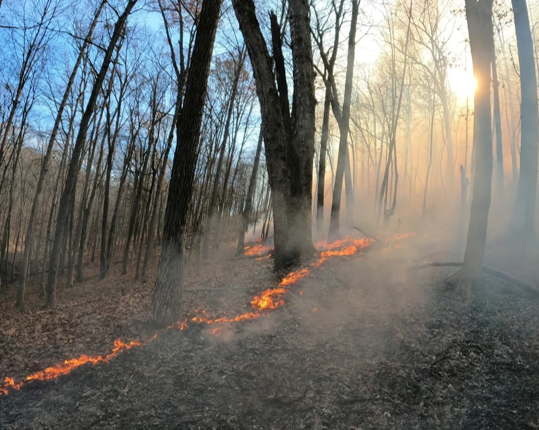
Intentional fire was part of Indiana’s natural world for millennia as native people used it to steward the land. The land itself tells the story through burn scars and charcoal buried deep in sediment, and the tale is echoed by fire’s cultural importance. In the Myaamia lunar calendar, the transition from summer to fall is known as šaašaakayolia kiilhswa, Grass Burning Moon, followed by kiiyolia kiilhswa, Smokey Burning Moon. It is clear Indiana’s natural places are no strangers to fire.
How Human-Caused Fire Shaped Indiana
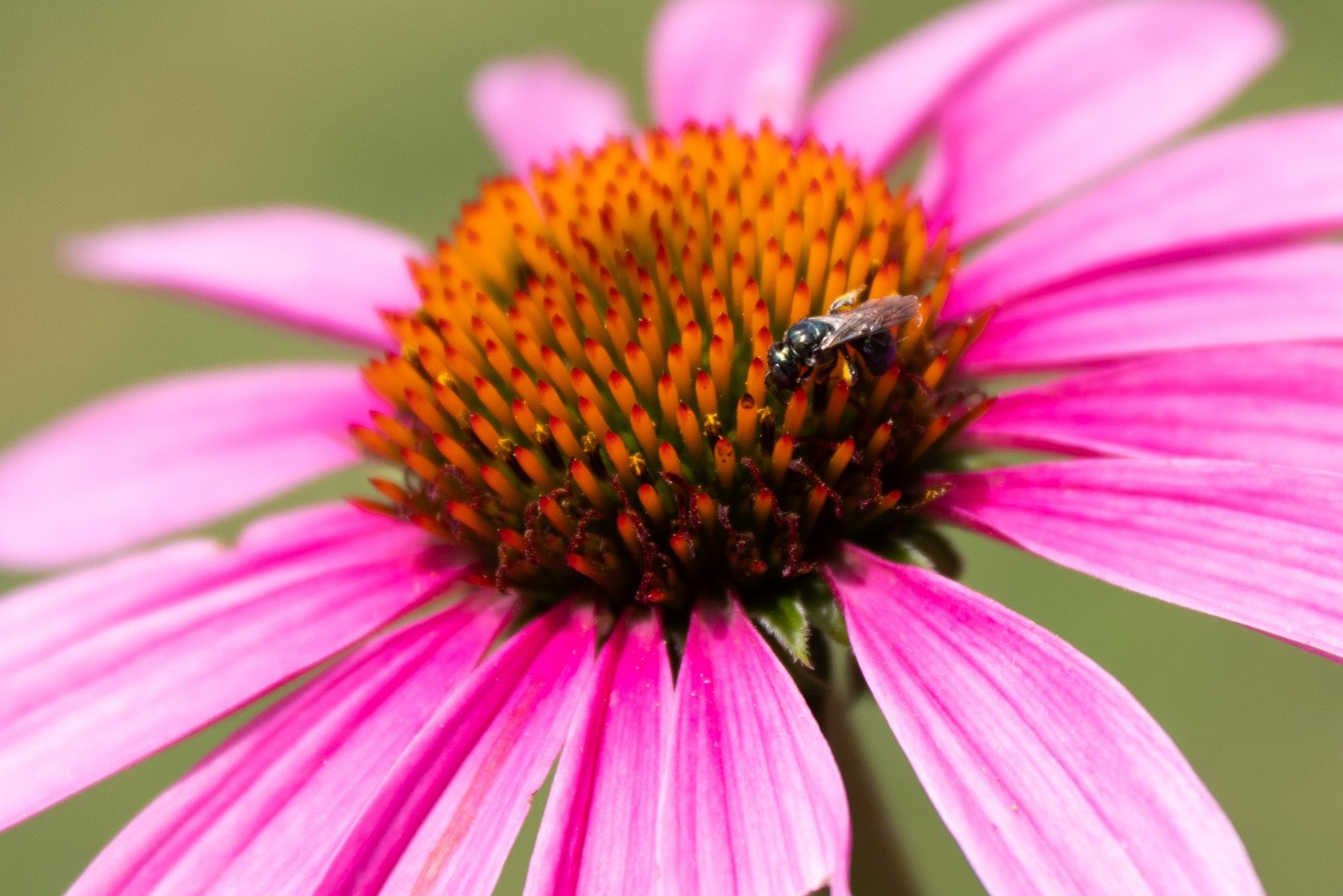
Over millennia of human stewardship, fire became an integral part of life for Indiana’s plants and animals, as evidenced by the strong and varied relationships they still have with it. Oaks with thick, protective bark and flammable leaves dominate the woodlands, while Jack pines thrive in the dunes, their cones opening to release their seed after experiencing intense heat. On the prairies and savannas, smoke exposure enhances germination in wildflowers like purple coneflower and savanna blazingstar. Bison and elk, attracted to the nutritious new grass that followed a burn, once roamed the grasslands and forests. These are only a few examples of the ways Indiana’s natural world was (and is) intertwined with fire.
Without fire, many ecosystems that define Indiana’s wild places wouldn’t exist at all. After all, what is a prairie without little bluestem, or an oak woodland without oaks?
Burning for Benefits: The Past and Today
Fire and the changes it caused provided many benefits for Native American stewards. Plants the fires encouraged were used for food and medicine, and hunting opportunities abounded as game animals sought out burned areas. Open landscapes made defense and movement easier. Native Americans needed a healthy, biodiverse natural world to thrive, and intentional fire was an important means of achieving that goal.
Today, healthy ecosystems are still key to the well-being of humans and wildlife alike, providing us with clean water, air, food, and more. And while fire suppression took hold for decades in the 20th century, land managers are beginning to bring this vital force back to Indiana. When fire is reintroduced thoughtfully to the landscape, it can provide many of the benefits it did for thousands of years, allowing Indiana’s natural places and its people to thrive.
In this series, Burning for Benefits, we will dig into the specific ways fire benefits everything from birds to blooms to human health. By looking at each individual impact, we build a picture of how fire belonged in Indiana and can belong here again.
Interested in learning more about fire in Indiana, joining a Prescribed Burn Association, or burning on your land? Check out the Indiana Prescribed Fire Council website or reach out to Danielle Howard, Extension Prescribed Fire Specialist, at dphoward@purdue.edu.
Resources:
Indiana Prescribed Fire Council (INPFC)
Prescribed Burn Association
Lighting a Spark: Prescribed Burn Associations, Got Nature? Blog, Purdue Extension – Forestry and Natural Resources (FNR)
Effective Firebreaks for Safe Use of Prescribed Fire, Got Nature? Blog, Purdue Extension – FNR
Prescribed fire: 6 things to consider before you ignite, Got Nature? Blog, Purdue Extension – FNR
Getting Certified as an Indiana Certified Prescribed Burn Manager, Got Nature? Blog, Purdue Extension – FNR
FNR Ask The Expert: Prescribed Fire, Purdue Extension – FNR YouTube Channel
Hardwood Ecosystem Experiment: Prescribed Fire, Purdue Extension – FNR YouTube Channel
Wild Habitat Hint: Late Growing Season Prescribed Fire, Purdue Extension – FNR YouTube Channel
Wild Habitat Hint: Prescribed Fire Techniques – Backing Fire, Purdue Extension – FNR YouTube Channel
Wild Habitat Hint: Prescribed Fire Techniques – Flanking Fire, Purdue Extension – FNR YouTube Channel
Wild Habitat Hint: Prescribed Fire Techniques – Strip Head Fire, Purdue Extension – FNR YouTube Channel
Wild Habitat Hint: Prescribed Fire Techniques – Point Source Fire, Purdue Extension – FNR YouTube Channel
Wild Habitat Hint: Prescribed Fire Techniques – Ring Fire, Purdue Extension – FNR YouTube Channel
Explore the Rich World of Oaks, Purdue Extension – FNR
Subscribe – Purdue Extension – FNR YouTube Channel
Danielle Howard, Extension Prescribed Fire Specialist
Department of Forestry and Natural Resources

Recent Posts
- Burning for Benefits: Why Fire Belongs in Indiana
Posted: October 12, 2026 in Forestry, Safety, Woodlands - Publication Helps Midwest Fish Producers “Catch a Following” with Consumers
Posted: in Aquaculture/Fish, Aquatic/Aquaculture Resources, Wildlife - Disease May Cause Wilting and Eventual Death of Certain Trees and Shrubs, Purdue Landscape Report
Posted: October 5, 2026 in Disease, Forestry, Plants - October Is Firewood Month: Protect Indiana’s Forests by Making Smart Choices
Posted: October 1, 2026 in Forestry, Forests and Street Trees, How To, Invasive Insects, Urban Forestry - Minecraft Meets the Hellbender
Posted: September 22, 2026 in Aquaculture/Fish, Aquatic/Aquaculture Resources, Wildlife - Is It Too Early to Think About Christmas Tree Pests?
Posted: in Christmas Trees, Invasive Insects, Safety - What You Plant Matters to Wildlife
Posted: September 16, 2026 in Plants, Urban Forestry, Wildlife - Woodland Flowers of Late Summer
Posted: September 14, 2026 in Forestry, Gardening, Wildlife, Woodlands - Heavy August Rains Bring More Mosquitoes to Indiana
Posted: September 9, 2026 in How To, Invasive Insects, Safety, Wildlife - Question: Why Did the Shagbark Hickories Survive the Tornado?
Posted: August 27, 2026 in Forests and Street Trees, How To, Urban Forestry
Archives
Categories
- Alert
- Aquaculture/Fish
- Aquatic/Aquaculture Resources
- Ask the Expert
- Christmas Trees
- Community Development
- Disease
- Drought
- Forestry
- Forests and Street Trees
- Gardening
- Got Nature for Kids
- Great Lakes
- How To
- Invasive Animal Species
- Invasive Insects
- Invasive Plant Species
- Land Use
- Natural Resource Planning
- Nature of Teaching
- Plants
- Podcasts
- Ponds
- Publication
- Safety
- Spiders
- Timber Marketing
- Urban Forestry
- Webinar
- Wildlife
- Wood Products/Manufacturing
- Woodland Management Moment
- Woodlands