 Purdue University - Extension - Forestry and Natural Resources
Got Nature? Blog
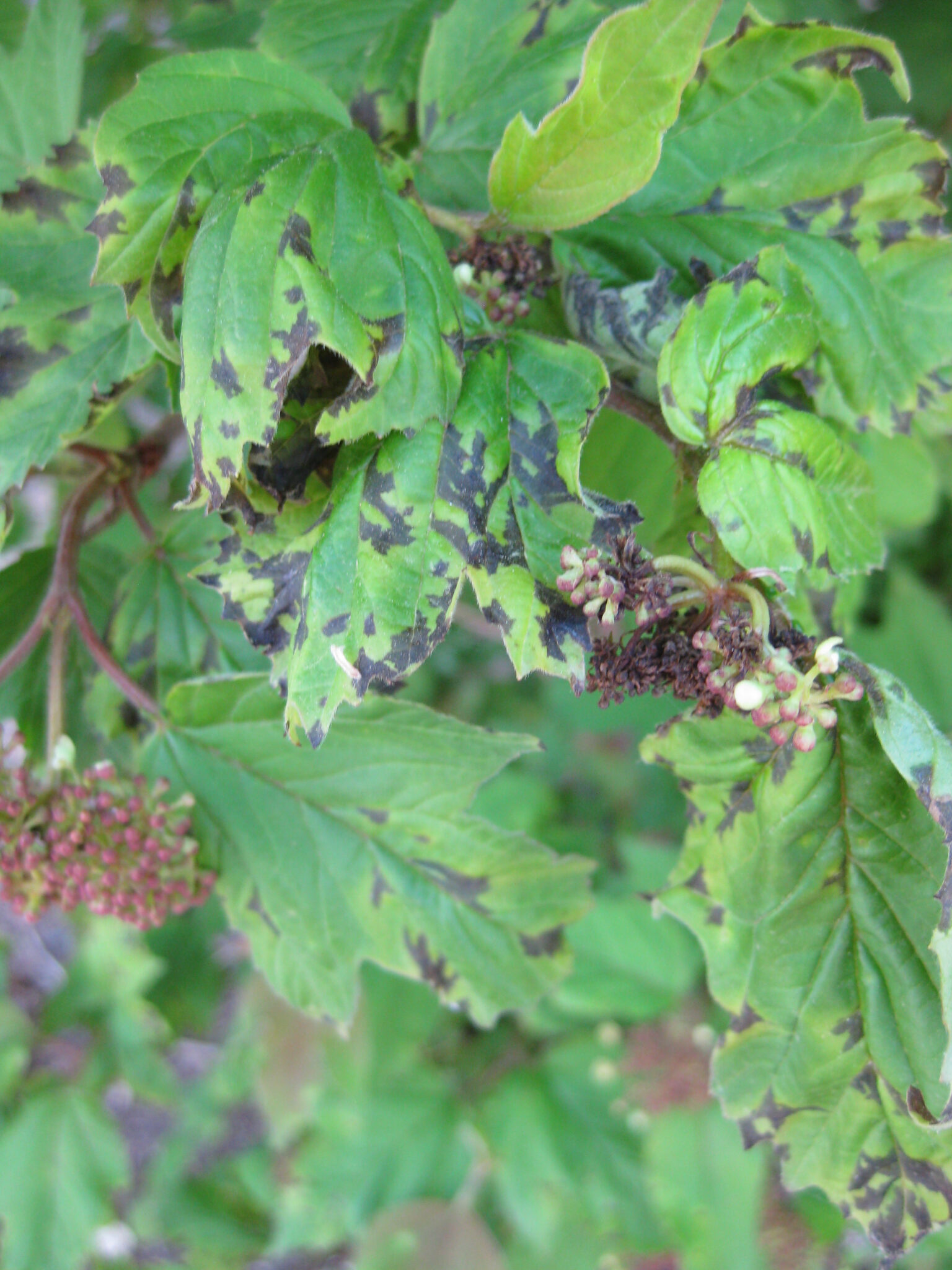
Bacterial leaf spots are often angular with chlorotic halos, as seen on this high bush-cranberry. Photo by Janna Beckerman.
Purdue Landscape Report: Pseudomonas syringae pv. syringae is an opportunistic bacterial pathogen that attacks a diversity of woody ornamental plants. The bacteria cause flower blights, cankers, shoot blights, and diebacks.
Symptoms
Symptoms often begin as expanding leaf spots. On lilac and viburnum, small spots expand to irregularly shaped brown lesions with yellow halos (Fig. 1). For most other hosts (cherry, pear, basswood, dogwood, hydrangea, high bush-cranberry, mountain-ash), infected leaves turn reddish brown or black and usually remain on the branch after they die (Fig. 2). As the bacteria spread into woody tissue, dark, sunken sections of the stem (cankers) expand, working their way back toward the trunk from infected leaves and flowers. Leaves attached to a cankered branch will wilt while the tip of the affected branch curls and droops like a shepherd’s crook (Fig. 3). Cloudy droplets of sticky fluid (ooze) may accumulate on leaf tips, leaf surfaces, stems, and even infected fruit.
Image of infected flowers result in blossom blast.
Figure 2. Infected flowers result in blossom blast. The continued growth of the bacteria can result in cankering and blight. Photo by George Sundin.
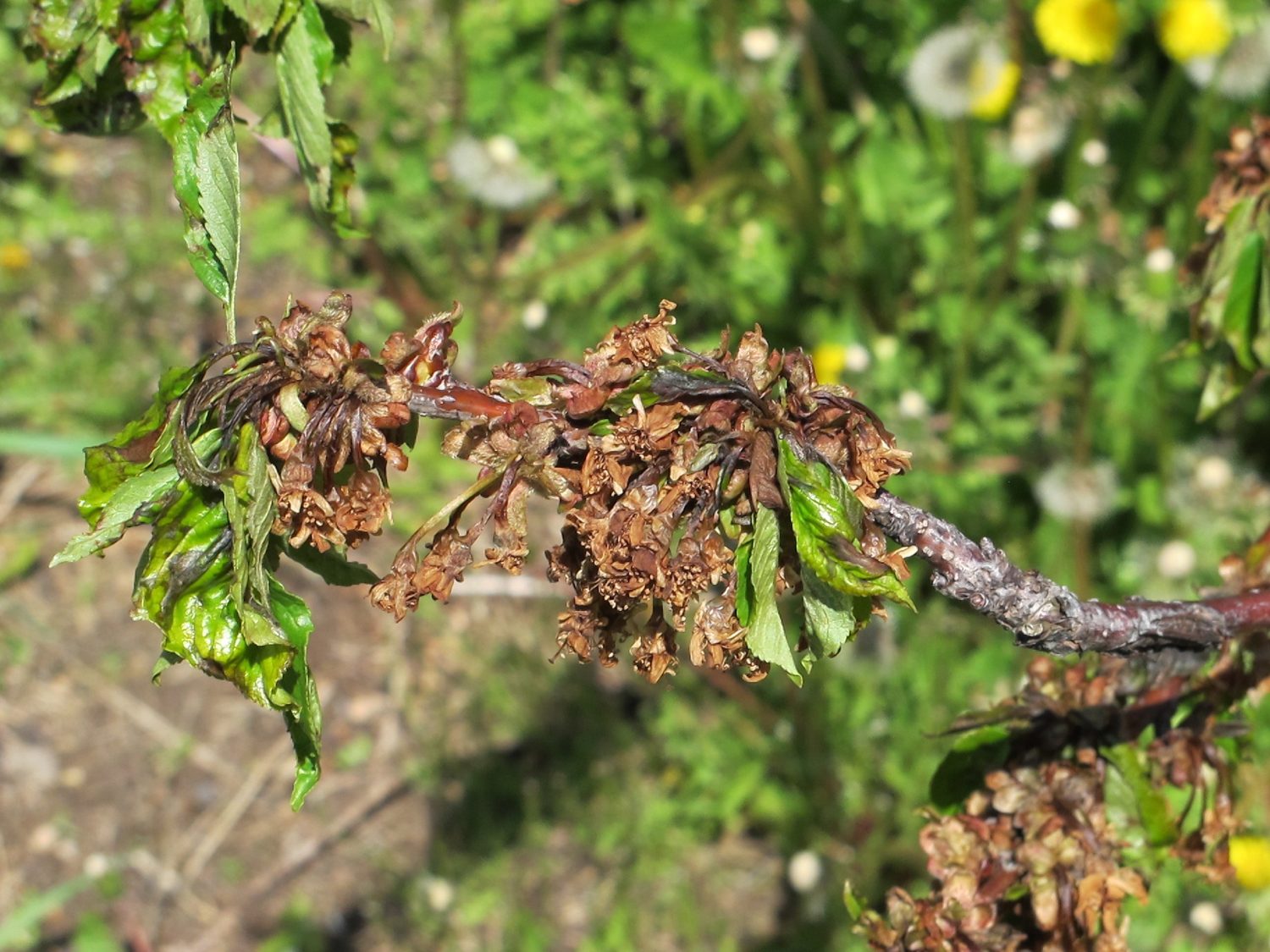
Figure 2. Infected flowers result in blossom blast. The continued growth of the bacteria can result in cankering and blight. Photo by George Sundin.
Life Cycle
The bacteria overwinter and persist in cankers, along with asymptomatic bud and twig tissue. In presence of water and warming temperatures, bacteria multiply and may ooze from infected tissue. Wind-driven rain, insect, or mechanical pruning spread Pseudomonas. Bacteria enter the plant through flowers or injury.
Management
All bacterial pathogens, including Pseudomonas, invade flowers or wounded tissue. To prevent or minimize the risk of infection:
- Use disease-free plants and budwood.
- Prune in the late winter/early spring.
- When pruning, do not mix pruning to shape woody ornamentals with pruning to manage disease.
- When pruning to remove infected shoots, be sure to disinfect shears between plants.
- Minimize overhead irrigation when possible to minimize splashing and pathogen spread.
- Avoid over-fertilization practices that drive excess succulent growth.
Figure 3. Bacterial blight is a common scourge to common lilac. Using resistant varieties is the best way to protect against the disease. Photo by Janna Beckerman.
- Avoid late season fertilization practices that prevent plants from achieving timely dormancy and promote freeze damage and/or winter injury (Fig. 4).
- Choose zone appropriate plants to avoid freeze damage and/or winter injury.
- Choose disease resistant plants, when available. The following lilac varieties were found to be resistant over a four-year trial: Donald Wyman, Royalty, Superba, Miss Kim, Edmund Boisier, Victor Lemoine, Dwarf Korean, Mme. Antoine Buchner Isabella, Sensation, Anna Amhof, Krasavitska Moskvy, Michael Buchner, and Alphonse Lavallée.

Foliar sprays of some copper-based bactericides (e.g., Camelot, Kocide, and Nu-Cop) were found to reduce disease incidence in trials on lilac (Vey and Palmer, 2018). Avoid using copper under cool, humid conditions to reduce the risk of phytotoxicity and damaging plants. Copper resistant populations of Pseudomonas syringae have been reported in other crops (vegetables, stone fruit). Products containing acibenzolar have provided inconsistent control in multiple trials but is labeled for use. Use of quaternary-ammonium disinfestants (KleenGrow) have been found to reduce bacterial populations and disease incidence and should be considered as part of any rotation with copper products. Due to the diversity of copper products, be sure to test for phytotoxicity issues prior to large scale treatment of crops.
To view this article and other Purdue Landscape Report articles, please visit Purdue Landscape Report.
Subscribe and receive the newsletter: Purdue Landscape Report Newsletter.
Resources:
The Purdue Landscape Report
Purdue Landscape Report Facebook Page
Find an Arborist website, Trees are Good, International Society of Arboriculture (ISA)
Phytophthora Diseases in Ornamentals, The Education Store, Purdue Extension’s resource center
Root Rot in Landscape Plants, The Education Store
Symptoms and Signs for Plant Problem Diagnosis, The Education Store
Tree Defect Identification, The Education Store
Tree Pruning Essentials, Publication & Video, The Education Store
Shrubs and Woody Vines of Indiana and the Midwest, Purdue University Press
Tree Risk Management, The Education Store
Equipment Damage to Trees, Got Nature? Blog
Tree wounds and healing, Got Nature? Blog
ID That Tree, Purdue Extension-Forestry & Natural Resources (FNR) YouTube playlist
Southwest Damage, Scalding, or Frost Cracking – Landscape Report
Subscribe to Purdue Extension-FNR YouTube Channel
Janna Beckerman, Professor of Plant Pathology
Purdue Department of Botany
 MyDNR: Annually, more than 14,000 deer-vehicle collisions are reported in Indiana. If you live where deer are found, especially in suburban areas or where field and forest meet, it is important to know ways to reduce the likelihood of a collision and what to do if you are involved in one. While you can’t eliminate the possibility of running into a deer on the road, you can minimize the risk of severe damage to you or your vehicle.
Deer movements are not random, and the likelihood of seeing deer near roads varies by time of day and month. Deer are most active when many people are commuting to and from work, resulting in increased collisions. While your chance of hitting a deer varies, in general, deer-vehicle collisions are most likely to occur during these conditions:
- At dawn and dusk when deer are most active.
- From September through December, particularly October and November during deer mating season as bucks cross roads more frequently and are less cautious when crossing.
For more information view the Indiana DNR printable PDF (.144mb) Deer-Vehicle Collisions and You.
Resources:
Watch out for deer on the roads, Got Nature? Post, Purdue Extension – Forestry and Natural Resources (FNR)
A Woodland Management Moment – Deer Fencing, Purdue Extension – FNR YouTube Video
Woodland Stewardship for Landowners: Managing Deer Damage to Young Trees, Purdue Extension – FNR YouTube Video
Ask an Expert: Wildlife Food Plots, Purdue Extension – FNR YouTube Video
How to Build a Plastic Mesh Deer Exclusion Fence, The Education Store, Purdue Extension resource center
Deer Harvest Data Collection, Got Nature? Blog, Purdue Extension – FNR
Handling Harvested Game: Episode 4, Cutting, Grinding & Packaging, Purdue Extension – FNR YouTube Video
Indiana Department of Natural Resources
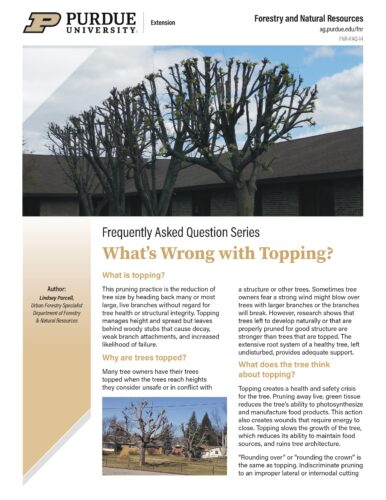 As trees grow and reach heights which many consider to be unsafe, tree owners would often top their trees by reducing the tree size. This is by heading back most of the large, live branches from the tree. However, topping trees proves to be more damaging than beneficial.
Topping trees can cause decay, weak branch attachments, and an increased likelihood of failure. If we do not top our trees and leave them to develop naturally, the structural strength of the trees is stronger than those that are not topped. The extensive root system, when left undisturbed, provides adequate support for the trees.
This publication titled What’s Wrong with Topping goes in-depth on the implications of topping and provides better alternatives to topping.
To view other urban forestry publications and video resources, check out Purdue Extension’s The Education Store website.
Resources:
Planting Your Tree Part 1: Choosing Your Tree, Purdue Extension YouTube Channel
Tree Planting Part 2: Planting a Tree, Purdue Extension YouTube Channel
Tree Selection for the “Un-natural” Environment, The Education Store, Purdue Extension resource center
Tree Installation: Process and Practices, The Education Store
Tree Pruning Essentials Video, Purdue Extension YouTube Channel
Lindsey Purcell, Urban Forestry Specialist
Purdue Department of Forestry and Natural Resources
 Purdue Forestry and Natural Resources News & Stories: Vultures have a role to play as nature’s garbagemen, cleaning up animal carcasses, but what happens when a species goes from scavenging to harassing and even preying on livestock?
Pat Zollner, professor of wildlife science, along with PhD student Marian Wahl and their partners with the USDA Wildlife Services program are investigating black vultures in Indiana in order to better understand vulture ecology as well as to develop methods to mitigate future harm to Indiana livestock.
“Black vultures are relatively new to Indiana, they have been gradually moving in from the south, and right now there are a lot of unknowns that we need to figure out in order to make sound management decisions,” Wahl said. “Some of the pressing questions that we have are how many black vultures do we have here in Indiana, where are the birds located, how and where is conflict occurring, and how effective are different approaches to managing black vulture problems.
The aim of the research is two-fold. First, they are looking to see what causes some black vultures to become aggressive predators of livestock, instead of simply scavengers. Second, they are looking to learn signs that can determine whether an animal has been killed by vultures or simply scavenged, an important piece of evidence for livestock producers filing claims to the U.S. Department of Agriculture’s indemnity program hoping to recover compensation for their losses.
In order to achieve its goals, the research team is requesting the assistance of livestock producers through an online survey and also with the donation of calves believed to have been killed by black vultures. The qualtrics online survey is available now and will take only 15-20 minutes to complete. The survey is anonymous and data collected with be presented only in summary form and not via individual responses.
Resources
Qualtrics Online Survey
Contact Purdue FNR With Any Livestock Loss Due to Vultures
Black Vulture Research, March Edition of Beef Monthly
Black Vulture Ecology and Human-Wildlife Conflicts
Livestock, Education Store, Purdue Extension resource center
Pat Zollner, Professor of Wildlife Science
Purdue Forestry and Natural Resources
Marion Wahl, Graduate Research Assistant
Purdue Forestry and Natural Resources
Browsing by deer on planted and naturally regenerated hardwood seedlings is one of the greatest obstacles to seedling establishment in many parts of the central hardwood region. In this Woodland Stewardship For Landowners, Purdue Wildlife Extension Specialist Brian MacGowan talks about different types of deer damage and how landowners could mitigate the damage.
If you have any questions regarding wildlife, trees, forest management, wood products, natural resource planning or other natural resource topics, feel free to contact us by using our Ask an Expert web page.
Resources
Woodland Stewardship For Landowners, Playlist, Purdue Extension – Forestry and Natural Resources YouTube Channel
Woodland Management Moment, Purdue Extension – FNR Playlist
A Woodland Management Moment – Deer Fencing, Purdue Extension – FNR Video
Wildlife Habitat Hint: Exclusion Cage, Purdue Extension – FNR Video
How to Build a Plastic Mesh Deer Exclusion Fence, The Education Store, Purdue Extension resource center
Forest Improvement Handbook, The Education Store
Finding help from a professional forester, Indiana Forestry & Woodland Owners Association
Brian MacGowan, Wildlife Extension Specialist & Extension Coordinator
Purdue Department of Forestry and Natural Resources
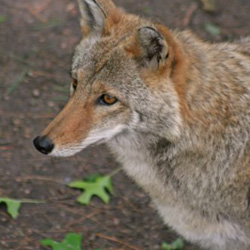 MyDNR Newsletter, Indiana Department of Forestry and Natural Resources (IDNR): Indiana residents are more likely to see coyotes during wintertime, but sightings are no cause for alarm. Coyotes become more active during winter as young coyotes leave their families to find a new home and coyotes begin breeding. Coyotes may look larger than they are due to their thick winter coats, but the average coyote only weighs 20-30 pounds.
General characteristics
- The coyote closely resembles a German shepherd dog in height and shape but it carries its tail below the level of its back instead of curved upward and is generally half the weight of a German shepherd.
- Coyotes have a long slender snout and large, pointed ears.
- The upper body is a grizzled gray or buff, with a reddish brown or gray muzzle and legs. The belly is white, cream-colored or reddish yellow.
- The coyote has a bushy tail, which it carries below the level of its back.
- Coyotes average 25 pounds (ranging from 20 to 50 pounds), and they measure 40 to 50 inches long from nose to tail tip.
- Coyotes are elusive and normally avoid humans.
- They can be active day or night, but are typically most active at dawn and dusk.
- The coyote communicates by barking, yipping and howling.
Distribution and abundance
Coyotes are present in all sections of the state. There are records of coyotes in Indiana as early as 1816, though they likely inhabited Indiana well before that time. Bounties were in place in Indiana on coyotes from at least 1849 through the late 1960s. Despite this persecution by early European settlers, coyotes persisted in Indiana. Historically, coyote populations were limited in range to the prairie regions of the state, and expansion may have partially been limited because wolves suppress coyote populations, and both red and gray wolves were once abundant in Indiana. However, with the eradication of wolves and conversion of habitat to farmland, coyotes have been able to expand and adapt to new habitats. Statewide coyote abundance has slowly increased as coyotes continued to expand into previously unoccupied habitat. Today, coyotes occupy all of Indiana, no matter the habitat type or amount of development.
Detour Coyote
If you see a coyote and want it to go away, try to make it uncomfortable:
- Yell.
- Wave your arms.
- Spray it with a hose.
- Throw tennis balls or small stones at it, but don’t throw anything that could be food, like apples.
- Carry a jar of coins to shake or a small air horn to make noise.
For more information, please visit Indiana Department of Forestry and Natural Resources (IDNR).
To subscribe for the monthly newsletter view: MyDNR Email Newsletter.
Resources
Coyotes, IN DNR
Coyotes (PDF), Wildlife Conflicts, Department of Entomology, Purdue University
Should I Be Worried About Coyotes in My Yard?, Purdue Extension – Forestry & Natural Resources (FNR) Got Nature? Blog
Coexisting With Coyotes, Wild Bulletin, Indiana Department of Natural Resources, Division of Fish and Wildlife
Ask the Expert: Coexisting with Coyotes , Purdue Extension – FNR Got Nature? Blog
Urban Coyotes – Should You Be Concerned?, Purdue Extension – FNR Got Nature? Blog
Pets Disappearing? The Cause May Be Coyotes, Purdue Extension – FNR Got Nature? Blog
Question: Which is the correct species of coyotes I have on my land here in Indiana, coyote or coywolf?, Purdue Extension – FNR Got Nature? Blog
Indiana Department of Forestry and Natural Resources
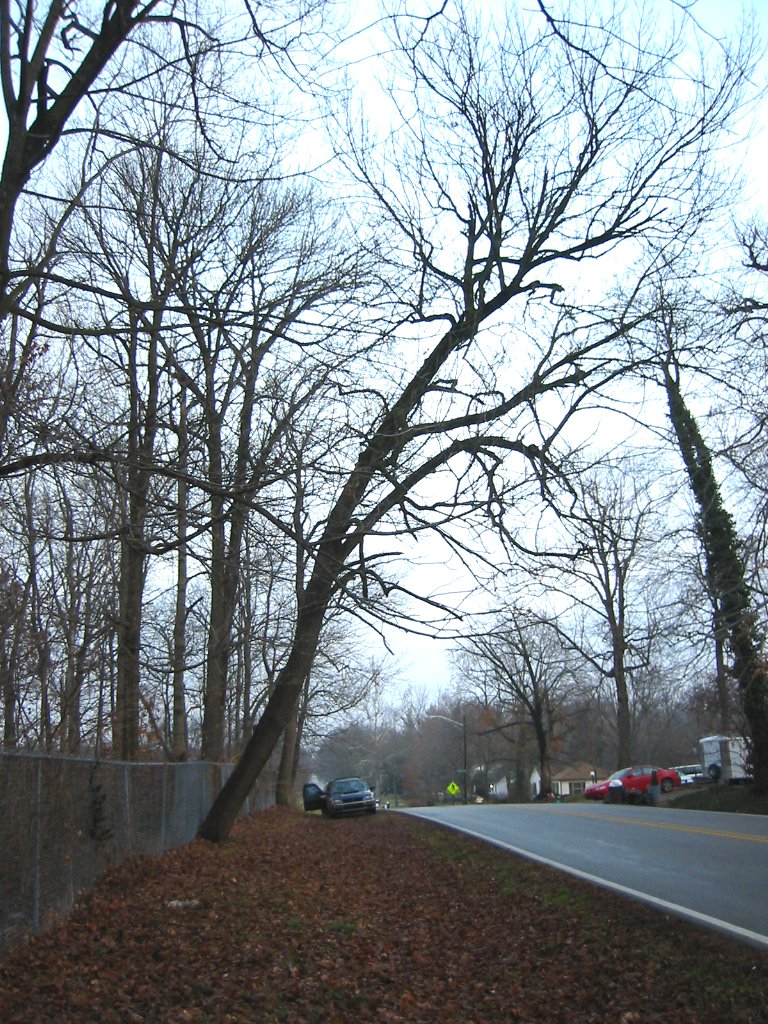
Leaning trees can be a risk to neighboring property owners.
Purdue Landscape Report: I hear this complaint or issue more frequently, “what can I do about the neighbor’s tree?” or “my neighbor just butchered my tree!”. Often, we see issues with a neighboring tree that may threaten safety or appears to be an elevated risk. For example, from the view of your window, you see your neighbor’s tree dropping dead branches all over your driveway. Or, you can’t see a favorable view at all because of that tree or unruly hedge. Or you are certain that the neighbor’s tree will eventually fall onto your garage.
Before you take any action, establish ownership of the tree, and find out if you have rights to work on the offending vegetation. Otherwise, it can land you into a contentious legal situation.
Some questions to consider include:
When tree limbs or even the trunk of the tree crosses property line, are you within your rights to prune or remove it?
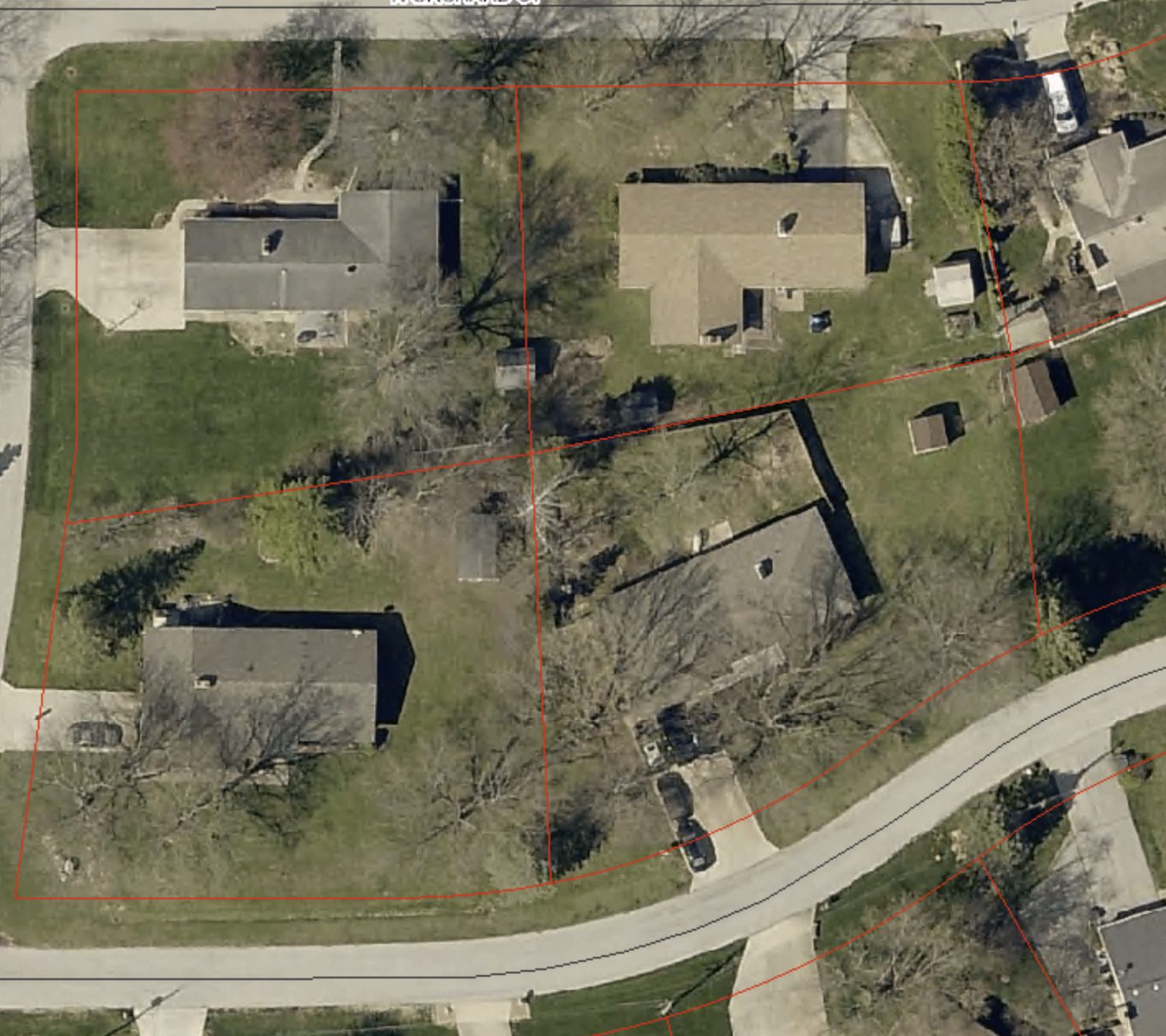
Check with local government websites for property maps which can help identify boundaries.
Boundary laws vary with every state. Often the boundary lines are uncertain or assumed based on local information. However, in contentious situations that may result in major modifications to a tree, it is advised to get a survey to establish exactly who owns the tree.
Rights are determined by who owns the tree. Check with your town, city, county and state municipalities for regulations about trees and property lines. The rights and responsibility for care and maintenance of trees are assigned to its owner, and ownership is determined by the location of the tree’s trunk. If the trunk is located entirely on the neighbor’s land even if its limbs or branches overhang onto your land, the neighbor is the tree’s owner. The neighbor has the sole right to preserve the tree or cut it down. This is true regardless of the neighbor’s motivation or the impact the tree removal would have on your land.
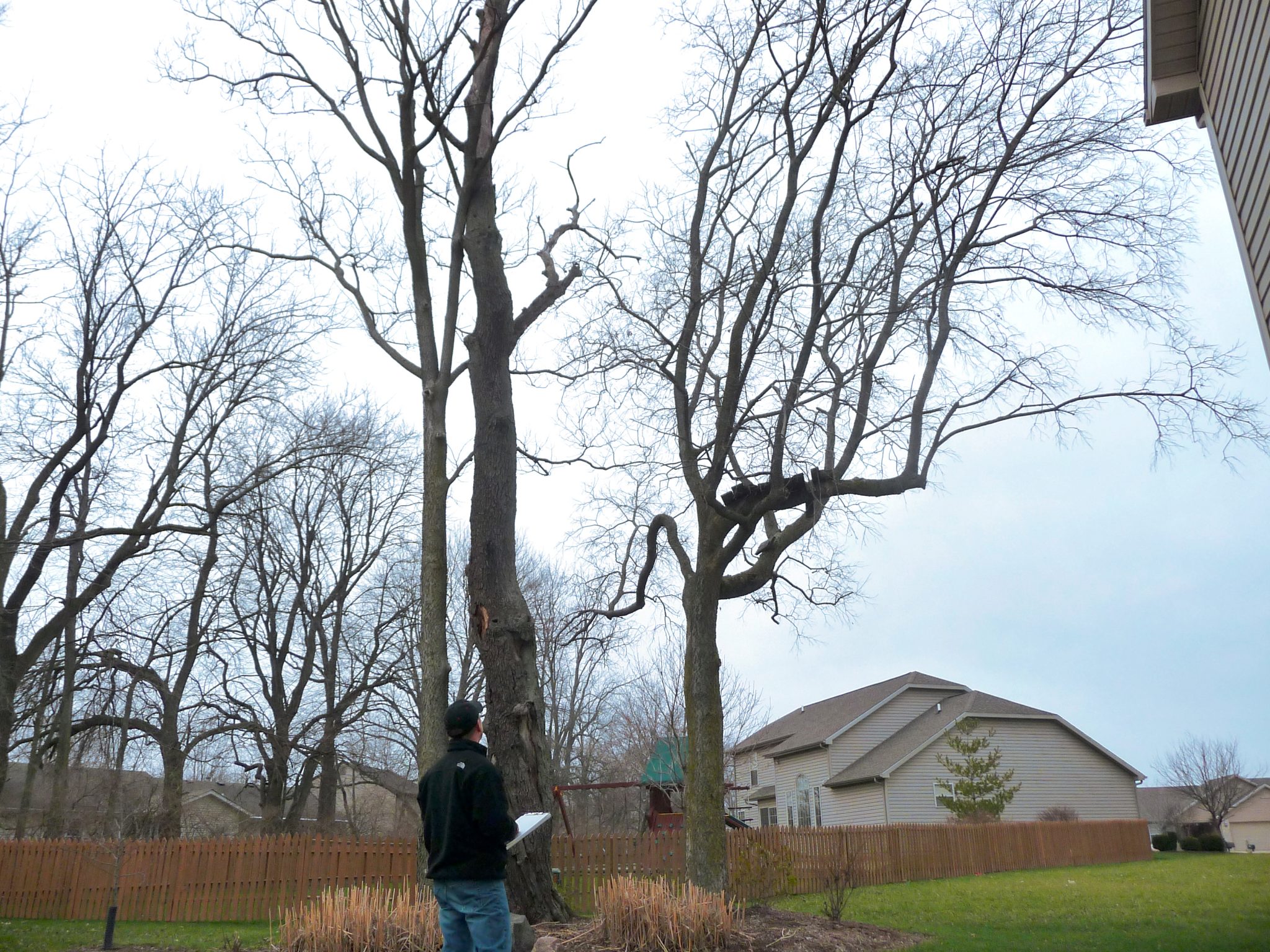
An ISA certified arborist can provide mitigation options that are best for the tree and helpful for the tree owner.
It is always best practice and considerate to first ask your neighbor if you can arrange to have it removed or pruned. They might actually appreciate it.
When tree work is required to remove or prune the tree and neighbor conflict exists, have a qualified tree care provider determine the work specifications on exactly how the tree issue should be mitigated. It is usually a bit more complex than simply stating, “cut limbs back to property line.” The work order must reference the ANSI A300 tree pruning standards to assure the procedures being proposed take into consideration the tree’s future health. Ensure that your tree care provider has a copy of their current liability insurance policy on hand. Check their references as well, not all tree care companies are guaranteed to provide the best results for you or your tree.
The best advice is to hire a tree care professional with the experience, expertise, and equipment to assess and safely prune, remove or otherwise care for your or your neighbors’ trees. Search for a tree care provider in your area. Also, consider hiring an ISA Certified Arborist which can be found here.
According to most attorneys, open-minded communications with the neighbor can result in an acceptable resolution for any situation. This will help to avoid contentious, expensive, time consuming, and unpredictable lawsuits.
Resources
Find An Arborist, Trees are Good
Tree Pruning Essentials, video and publication, The Education Store, Purdue Extension Forestry and Natural Resources
Construction and Trees: Guidelines for Protection, The Education Store
Question: Can tree roots cause damage to a home’s foundation?, Got Nature? Blog, Purdue Extension – Forestry and Natural
Lindsey Purcell, Urban Forestry Specialist
Purdue University, Department of Forestry and Natural Resources
 The Nature of Teaching, a Purdue Extension signature program, was honored as the third place finisher in the central region for the Environmental Education Award presented by the National Extension Association of Family and Consumer Science (NEAFCS).
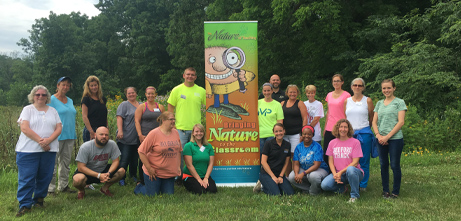 The Nature of Teaching team includes:
- Deb Arseneau, HHS Educator, Newton County
- Jarred Brooke, extension wildlife specialist
- Jay Christiansen, health and human sciences extension educator for Vigo County
- Robert Cordes, Maine Department of Inland Fisheries and Wildlife (MDIFW) wildlife special projects coordinator
- Molly Hoag, health and human sciences extension educator for Wells County
- Molly Hunt, health and human sciences extension educator for Delaware County
- Rebecca Koetz, urban ag/home horticulture extension educator for Lake County
- Tami Mosier, 4-H youth development extension educator
- Kelsie Muller, health and human sciences extension educator for Benton County
- Dr. Rod Williams, professor of wildlife science
- Brad Zitske, Maine Department of Inland Fisheries and Wildlife (MDIFW) assistant regional wildlife biologist
Nature of Teaching
Nature of Teaching YouTube Channel
Transporting Food Waste, The Education Store, Purdue Extension resource center
Resourceful Animal Relationships, The Education Store
Benefits of Connecting with Nature, The Education Store
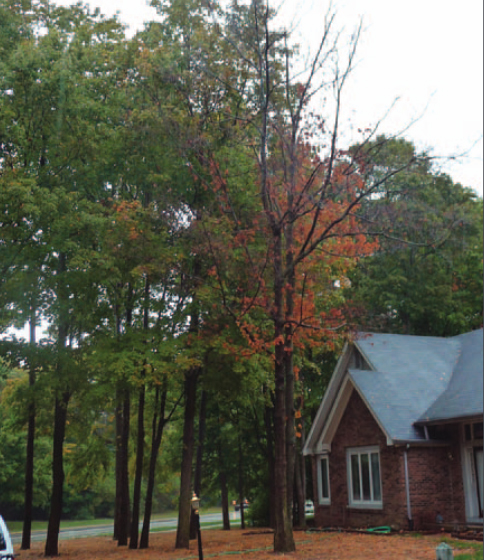 Question: Can tree roots cause damage to a home’s foundation? I have a 3’ in diameter pin oak tree that is within 10 feet of my house. A certified arborist took a look at it and said that he would like to use an Air Knife to expose the roots near the foundation (a walkout basement) to determine if the roots are causing damage and/or need to be pruned, or whether the tree needs to be removed since it is situated too close to the house. Before I spend $500 for them to use the Air Knife, I wondered if you thought it would be worthwhile or not necessary.
Answer: Tree roots can damage a house foundation, with an invitation to do so. Tree roots are very opportunistic and will only grow and penetrate where it is easiest to grow such as friable soils and mulch. Typically, when roots encounter solid, impervious surfaces such as pipes, sidewalks, curbs and foundations, they are redirected laterally or up and over. However, if there is a breach or a crack nearby, they can and will exploit those voids in search of moisture. Such as sewer pipes aren’t damaged by the roots, they are just very capable of finding those leaks and moving into the moist and often nutrient-rich pipe.
Roots normally grow horizontally and not very far beneath the soil surface. Sometimes when roots encounter the looser backfill soil near the foundation, they can abruptly start growing down. You may be able to locate these roots, if they exist, by excavating a foot or two down within a few feet of the foundation. If you find a suspect root, cut it off. Unfortunately, in some cases excavation down to the base of the foundation may be necessary. This may have to be done anyway to repair and stabilize it. Cutting the roots should prevent future problems, especially if a root barrier is installed to prevent re-growth.
Resources
Surface Root Syndrome, The Education Store, Purdue Extension resource center
The Nature of Teaching: Trees of the Midwest, The Education Store
Tree Appraisal and the Value of Trees, The Education Store
Construction and Trees: Guidelines for Protection, The Education Store
Lindsey Purcell, Urban Forestry Specialist
Purdue University, Department of Forestry and Natural Resources
In this “A Moment in the Wild” episode, Nick Burgmeier, Purdue Extension wildlife specialist, talks about the black racer, one of three large black snakes found in Indiana, including the myth that this species chases people who encounter it.
If you have any questions regarding wildlife, trees and forest management, wood products, or other natural resource topics, feel free to contact us by using our Ask an Expert web page.
Resources
A Moment in the Wild, Playlist, Purdue Extension – Forestry and Natural Resources
Snakes of Indiana, The Education Store, Purdue Extension resource center
Indiana Amphibian and Reptile ID Package (4 softcover books), The Education Store
When Juvenile Snakes Come Calling, Purdue Extension
Nick Burgmeier, Research Biologist and Wildlife Extension Specialist
Purdue Department of Forestry and Natural Resources

Recent Posts
- IN-PREPared: Essential Resources for Indiana’s Severe Weather Season
Posted: March 11, 2026 in How To, Safety - Combine & Field Fires, IN-PREPared
Posted: September 25, 2025 in Safety, Urban Forestry, Woodlands - Researchers Study Deer-Vehicle Collision Reduction Method
Posted: July 31, 2024 in Safety, Wildlife - MyDNR – First positive case of chronic wasting disease in Indiana
Posted: April 29, 2024 in Alert, Disease, How To, Safety, Wildlife - Cicadas in Spring! – Purdue Landscape Report
Posted: April 9, 2024 in Forestry, Plants, Safety, Wildlife - New Deer Impact Toolbox
Posted: April 7, 2024 in Forestry, Land Use, Plants, Publication, Safety, Wildlife, Woodlands - Help Research Chronic Wasting Disease – Wild Bulletin
Posted: April 3, 2024 in Disease, Forestry, How To, Safety, Wildlife, Woodlands - How to Interact with Young Wildlife This Spring, MyDNR
Posted: March 28, 2024 in Forestry, How To, Safety, Wildlife, Woodlands - Barn Owls in Goose Pond Fish & Wildlife Area Nest Box, MyDNR
Posted: March 4, 2024 in Forestry, Land Use, Safety, Wildlife, Woodlands - Learn About Lead: Avoiding Lead Ingestion in Wild Game, Wild Bulletin
Posted: December 8, 2023 in Alert, Disease, How To, Safety, Wildlife
Archives
Categories
- Alert
- Aquaculture/Fish
- Aquatic/Aquaculture Resources
- Ask the Expert
- Christmas Trees
- Community Development
- Disease
- Drought
- Forestry
- Forests and Street Trees
- Gardening
- Got Nature for Kids
- Great Lakes
- How To
- Invasive Animal Species
- Invasive Insects
- Invasive Plant Species
- Land Use
- Natural Resource Planning
- Nature of Teaching
- Plants
- Podcasts
- Ponds
- Publication
- Safety
- Spiders
- Timber Marketing
- Uncategorized
- Urban Forestry
- Webinar
- Wildlife
- Wood Products/Manufacturing
- Woodland Management Moment
- Woodlands