 Purdue University - Extension - Forestry and Natural Resources
Got Nature? Blog

Photo from Indiana Department of Natural Resources, Division of Fish and Wildlife Instagram
Wild Bulletin, Indiana Department of Natural Resources (DNR) Fish and Wildlife: DNR’s nongame aquatic biologists are in the middle of a multi-year effort to restore snuffbox mussel populations in the Tippecanoe River. The snuffbox mussel reproduces in the wild by releasing glochidia (microscopic mussel larvae) that attach to the gills of a specific fish species, the logperch. The glochidia eventually grow into baby mussels, fall off the logperch, and mature while living in the bottom of a river.
To assist snuffbox populations in the Tippecanoe River, the nongame aquatics team is mimicking this life cycle. After collecting logperch, they infect the fish with glochidia from Salamonie River snuffbox mussels and hold them in underwater enclosures until baby snuffbox mussels fall off and mature to a taggable size. The snuffbox mussels produced are then used to bolster Tippecanoe River populations.
This project and many others like it are made possible because of donations to the Nongame Wildlife Fund. Having diverse, healthy wildlife populations improves the quality of life for all—and you can help. Donate to the Nongame Wildlife Fund to make a difference on conservation initiatives for the state’s most vulnerable species.
Resources:
A Field Guide to Fish Invaders of the Great Lake Regions, Illinois-Indiana Sea Grant (IISG)
Protect Your Waters, U.S. Fish and Wildlife Service & U.S. Coast Guard
Profitability of Hybrid Striped Bass Cage Aquaculture in the Midwest, The Education Store, Purdue Extension resource center
A Guide to Marketing for Small-Scale Aquaculture Producers, The Education Store
Aquaculture Industry in Indiana Growing, Purdue Today
Sustainable Aquaculture: What does it mean to you?, The Education Store
Pond and Wildlife Management website, Purdue Extension
Fish Cleaning with Purdue Extension County Extension Director, Got Nature? Blog, Purdue Extension – Forestry and Natural Resources
Aquaponics: What to consider before starting your business, YouTube, Purdue Ag Economics
Aquatics & Fisheries, Playlist, YouTube, Purdue Extension – Forestry and Natural Resources
Indiana Department of Natural Resources – Division of Fish & Wildlife

Photo by Indiana Department of Natural Resources, Division of Fish and Wildlife
Wild Bulletin, Indiana Department of Natural Resources (DNR) Fish and Wildlife: Have you seen wildlife showing odd behaviors or signs of disease? DNR encourages you to report them using our online Sick or Dead Wildlife report system. DNR is especially interested in recurring deaths of wildlife in the same location over a period of time, deer showing signs that may indicate chronic wasting disease or epizootic hemorrhagic disease, or incidents involving threatened or endangered species.
Indiana DNR’s Sick or Dead Wildlife Reporting System collects information about wildlife that appear sick or appear to have died without an apparent cause (e.g. do not use this form for predation or roadkill). Reports of incidents involving common species and single animals are useful to help us understand baseline levels of sickness and death in wildlife populations.
Your reports help us track wildlife health over time and detect potential disease outbreaks in the state. Visit the Sick or Dead Wildlife Reporting webpage to learn more.
Resources
Hardwood Ecosystem Experiment – Wildlife Responses to Timber Harvesting, video, Purdue Extension resource center
Forest Improvement Handbook, The Education Store
Invasive plants: impact on environment and people, The Education Store
Managing Your Woods for White-Tailed Deer, The Education Store
Breeding Birds and Forest Management: the Hardwood Ecosystem Experiment and the Central Hardwoods Region, The Education Store
Managing Woodlands for Birds Video, Purdue Extension-Forestry and Natural Resources YouTube Channel
Subscribe: Deer, Forest Management, Invasive Species and many other videos, Purdue Extension-Forestry and Natural Resources YouTube Channel
Indiana Department of Natural Resources – Division of Fish & Wildlife
Wild Bulletin, Indiana Department of Natural Resources (DNR) Fish and Wildlife: Each year, the Indiana DNR invites the public to provide feedback on the management of white-tailed deer via the Deer Management Survey. The electronic survey gathers opinions of deer management at both the county and state level, covering deer population management, trends in deer populations and other relevant topics such as chronic wasting disease (CWD), land access and equipment types permitted for hunting.
 Anyone can sign up to receive the survey, if you have previously filled out the survey, you will automatically receive the survey in future years. Find more information at DNR: Deer Management Survey webpage.
Resources:
Purdue Extension Pond and Wildlife Management
Introduction to White-tailed Deer Impacts on Indiana Woodlands
Understanding White-tailed Deer and Their Impact on Indiana Woodlands, The Education Store
Monitoring White-tailed Deer and Their Impact on Indiana Woodlands, The Education Store
Managing White-tailed Deer Impacts on Indiana Woodlands, The Education Store
Ask an Expert: Wildlife Food Plots, video, Purdue Extension – FNR YouTube Channel
How to Build a Plastic Mesh Deer Exclusion Fence, The Education Store
Managing Your Woods for White-Tailed Deer, The Education Store
Bovine Tuberculosis in Wild White-tailed Deer, The Education Store
Handling Harvested Game: Episode 1, Field Dressing, video, Purdue Extension – FNR YouTube Channel
Deer Harvest Data Collection, Got Nature? Blog, Purdue Extension – FNR
How to Score Your White-tailed Deer, video, The Education Store, Purdue Extension Resource Center
White-Tailed Deer Post Harvest Collection, video, The Education Store
Age Determination in White-tailed Deer, video, The Education Store
Handling Harvested Deer Ask an Expert? video, Purdue Extension – FNR YouTube Channel
Subscribe to Purdue Extension-Forestry & Natural Resources YouTube Channel, Wildlife Playlist
Indiana Department of Natural Resources – Division of Fish & Wildlife
Wild Bulletin, Indiana Department of Natural Resources (DNR) Fish and Wildlife: Snow blanketing the ground creates a canvas for spotting wildlife tracks. Here are some tips for exploring snow-covered trails or your own backyard to reveal a whole world of activity you might otherwise miss.
Tips and Tricks:

Photo by: Indiana Department of Natural Resources
- Look near water sources, tree lines, or feeding spots where animals are more likely to gather.
- Find an Indiana wildlife track identification book or website to help you identify the animal you are tracking. Some animal tracks are more common to spot in Indiana, and here are some examples:
- Deer: Heart-shaped hooves, often in pairs.
- Rabbits: A hopping pattern with large back feet and small front feet.
- Foxes and Coyotes: Oval-shaped paw prints with claw marks visible.
- Bring tools like a small ruler or notebook. This will help you record measurements for identification. Snapping a photo is also helpful for identifying the track later on!
- Follow the tracks. Tracks often lead to other signs, like nests, scat, or feeding areas. Stay quiet and watch—you might even spot the animal itself!
Are you ready to track wildlife and connect with the creatures around you? Bundle up, head out, and see what stories the snow has to tell!
For more information, visit the DNR Rare and Endangered Mammals page.
Resources:
ID That Tree, Playlist, Purdue Extension – Forestry and Natural Resources (FNR) YouTube Channel
Invasive Species Playlist, Playlist, Purdue Extension – FNR YouTube Channel (Asian Bush Honeysuckle, Burning Bush, Callery Pear, Multiflora rose)
Report Invasive, Purdue Extension
Forestry for the Birds Virtual Tour and Pocket Guide, Got Nature? Blog, Purdue Extension – FNR
Injured Wildlife and What to Do, Got Nature? Blog, Purdue Extension – FNR
Frost Seeding to Establish Wildlife Food Plots and Native Grass and Forb Plantings – The Education Store, Purdue Extension’s resource center
Wildlife Habitat Hint: Tips for Evaluating a First Year Native Grass and Forb Plantings, Purdue Extension – FNR YouTube Channel
Drone Seeding Native Grasses and Forbs: Project Overview & Drone Setup, Purdue Extension – FNR YouTube channel
Forest Improvement Handbook, The Education Store
Forest Management for Reptiles and Amphibians: A Technical Guide for the Midwest, The Education Store
Ask the Expert: Hardwood Ecosystem Experiment – Birds and Salamander Research, Purdue Extension – FNR
A Template for Your Wildlife Habitat Management Plan, The Education Store
Managing Your Woods for White-Tailed Deer, The Education Store
Woodland Stewardship for Landowners, Playlist, Purdue Extension – FNR YouTube channel
Nature of Teaching Unit 1: Animal Diversity and Tracking, The Education Store
Subscribe Purdue Extension – Forestry and Natural Resources YouTube Channel, Playlists include wildlife, Nature of Teaching, Moments in the Wild and much more.
Indiana Department of Natural Resources – Division of Fish & Wildlife
Wild Bulletin, Indiana Department of Natural Resources (DNR) Fish and Wildlife: Interested in processing your own deer? Head over to our new webpage to view instructional videos from our partners at the International Hunter Education Association (IHEA) and National Deer Association (NDA). They’ll guide you through each step, including grinding and preserving the meat. Plus, you can download our printable PDF that includes step-by-step instructions for skinning and processing your own deer.
To learn more, view the Deer Processing page on the official Indiana DNR website. This is where you can find the instructional PDF along with training videos and other resources!
Subscribe to the Indiana Department of Natural Resources YouTube Channel.
Resources:
Ask an Expert, Playlist, Purdue Extension – FNR YouTube Channel
Handling Harvested Game: Episode 1, Field Dressing, video, Purdue Extension – FNR YouTube Channel
Handling Harvested Game: Episode 2, Hanging & Skinning, video, Purdue Extension – FNR YouTube Channel
Handling Harvested Game: Episode 3, Deboning, video, Purdue Extension – FNR YouTube Channel
Handling Harvested Game: Episode 4, Cutting, Grinding & Packaging, video, Purdue Extension – FNR YouTube Channel
Introduction to White-tailed Deer Impacts on Indiana Woodlands, Got Nature? Blog & The Education Store
Purdue Extension Pond and Wildlife Management
Understanding White-tailed Deer and Their Impact on Indiana Woodlands, The Education Store
Monitoring White-tailed Deer and Their Impact on Indiana Woodlands, The Education Store
Managing White-tailed Deer Impacts on Indiana Woodlands, The Education Store
How to Build a Plastic Mesh Deer Exclusion Fence, The Education Store
Managing Your Woods for White-Tailed Deer, The Education Store
Deer Harvest Data Collection, Got Nature? Blog, Purdue Extension – FNR
Handling Harvested Deer Ask an Expert? video, Purdue Extension – FNR YouTube Channel
Subscribe to Purdue Extension-Forestry & Natural Resources YouTube Channel, Wildlife Playlist
A Woodland Management Moment – Deer Fencing, Purdue Extension – FNR YouTube Video
Indiana Department of Natural Resources – Division of Fish & Wildlife
 Wild Bulletin, Indiana Department of Natural Resources (DNR) Fish and Wildlife: Instead of raking and bagging leaves this fall, consider allowing them to stay and naturally decay. Fallen leaves, plant stems, flower heads, twigs, and logs provide crucial winter habitat for Indiana’s wildlife.
The warmth and cover of leaves provide shelter for Eastern box turtles, salamanders and frogs, as well as insulation for butterflies and moths. Leaf piles can even benefit landscaping, as they can suppress weeds, retain moisture, and add nutrients to the soil as they decay. Leaves don’t have to be left exactly where they fall—you can rake them into flower beds and around tree bases.
For more information about creating habitat for wildlife in your backyard, visit the DNR website and the Wildlife Habitat Fact Sheet.
Resources:
Frost Seeding to Establish Wildlife Food Plots and Native Grass and Forb Plantings – The Education Store, Purdue Extension’s resource center
Wildlife Habitat Hint: Tips for Evaluating a First Year Native Grass and Forb Plantings, Purdue Extension – FNR YouTube Channel
Drone Seeding Native Grasses and Forbs: Project Overview & Drone Setup, Purdue Extension – FNR YouTube channel
Forest Improvement Handbook, The Education Store
Ordering Seedlings from the State Forest Nursery System, Got Nature? – Purdue Extension-Forestry & Natural Resources (FNR)
Designing Hardwood Tree Plantings for Wildlife – The Education Store
ID That Tree – YouTube Playlist
Forest Management for Reptiles and Amphibians: A Technical Guide for the Midwest, The Education Store
Ask the Expert: Hardwood Ecosystem Experiment – Birds and Salamander Research, Purdue Extension – FNR
A Template for Your Wildlife Habitat Management Plan, The Education Store
Managing Your Woods for White-Tailed Deer, The Education Store
Woodland Stewardship for Landowners, Playlist, Purdue Extension – FNR YouTube channel
Nature of Teaching Unit 1: Animal Diversity and Tracking, The Education Store
Subscribe Purdue Extension – Forestry and Natural Resources YouTube Channel, Playlists include wildlife, Nature of Teaching, Moments in the Wild and much more.
Indiana Department of Natural Resources – Division of Fish & Wildlife
Wild Bulletin, Indiana Department of Natural Resources (DNR) Fish and Wildlife: The hunt may be over soon, but the fun isn’t. Now is the time to create memories with your bird. You can preserve many parts of your turkey, such as the fan, spurs, and beards, to remind you of the experience. Plus, the meat of the wild turkey is excellent and healthy.
Watch the videos on how to process your turkey on the Indiana DNR – Turkey Hunting YouTube playlist.
Subscribe to the Indiana Department of Natural Resources YouTube Channel.
Resources:
Truths and Myths about Wild Turkey, The Education Store, Purdue Extension resource center
Wildlife, Playlist, Purdue Extension – Forestry and Natural Resources (FNR) YouTube Channel
Managing Your Property for Fish & Wildlife, Ask an Expert. FNR YouTube Channel
Forest Improvement Handbook, The Education Store
Help With Wild Turkey Populations, Video, Purdue Extension – Forestry and Natural Resources YouTube Channel
Turkey Brood Reporting, Indiana Department of Natural Resources (IN DNR)
Wild Turkey, Indiana Department of Natural Resources (IN DNR)
Wild Turkey Hunting Biology and Management, Indian Department of Natural Resources (IN DNR)
Subscribe to Purdue Extension-Forestry & Natural Resources YouTube Channel, Wildlife Playlist
Indiana Department of Natural Resources – Division of Fish & Wildlife
Wild Bulletin, Indiana Department of Natural Resources (DNR) Fish and Wildlife: March is the beginning of peak nesting season for Indiana’s state-endangered trumpeter swan. During the nesting season, it is possible to see trumpeter swans in the northern third of the state, especially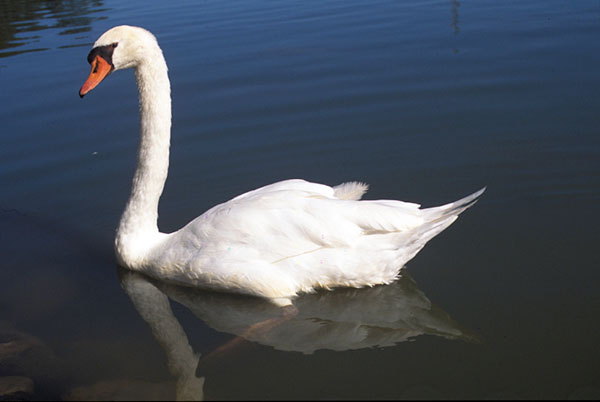 Lake, Laporte, Kosciusko, LaGrange, Noble, Steuben, and St. Joseph counties, where they have ample habitat. Hunted to near extinction in the 1900s, the species has made great strides in population numbers, largely due to the passage of the Migratory Bird Treaty Act. Large, open bodies of shallow water with abundant aquatic plants are the preferred habitat of trumpeter swans, and there is potential to see the number of trumpeters increase in northern Indiana; however, the species’ recovery in Indiana isn’t out of the water yet.
Loss of habitat is the No. 1 reason for species decline across the globe, with the presence of invasive species being the second largest reason. Invasive mute swans throughout Indiana pose a threat to trumpeter swans. Mute swans are an aggressive bird that can negatively impact trumpeter swans through direct killing of adults and their young, outcompeting them for available nesting spaces, and destroying the vegetation on our bodies of water. Managing mute swans has been shown to be an effective method for increasing trumpeter swans in other states.
Use these helpful tips to distinguish between the native trumpeter swan and the invasive mute swan:
- Trumpeter swans have black bills and legs. Mute swans have orange bills with black knobs.
- Trumpeter swans hold their necks straight when swimming in water and flying. Mute swans hold their necks in an “S” shape.
- Trumpeter swan numbers increase in winter in southwest Indiana and in the spring can be more common in the northern third of Indiana. Mute swans can occur statewide but are more common in the north.
Learn more about our endangered wildlife or find more information on mute swan management on our website.
To learn more about mute swans and their impact, please visit Indiana Department of Natural Resources: Mute Swans.
Resources:
Managing Woodlands for Birds Video, Purdue Extension-Forestry and Natural Resources (FNR) YouTube Channel
Breeding Birds and Forest Management: the Hardwood Ecosystem Experiment and the Central Hardwoods Region, The Education Store
The Birders’ Dozen, Profile: Baltimore Oriole, Indiana Woodland Steward
Ask An Expert, Playlist, Purdue Extension – FNR YouTube channel
It’s For the Birds, Indiana Yard and Garden-Purdue Consumer Horticulture
Birds and Residential Window Strikes: Tips for Prevention, The Education Store, Purdue Extension resource center
No Room at the Inn: Suburban Backyards and Migratory Birds, Education Store, Purdue Extension resource center
Hardwood Ecosystem Experiment – Wildlife Responses to Timber Harvesting, The Education Store
Subscribe, Purdue Extension – FNR YouTube Channel
Hunting and Trapping Guide, Indiana Department of Natural Resources
Indiana Department of Natural Resources
Wild Bulletin, Indiana Department of Natural Resources (DNR) Fish and Wildlife: Our latest Fishing Guide features women anglers, responsible fishing practices, a delicious French-style walleye recipe, and the regulations you need for having a successful day fishing in Indiana’s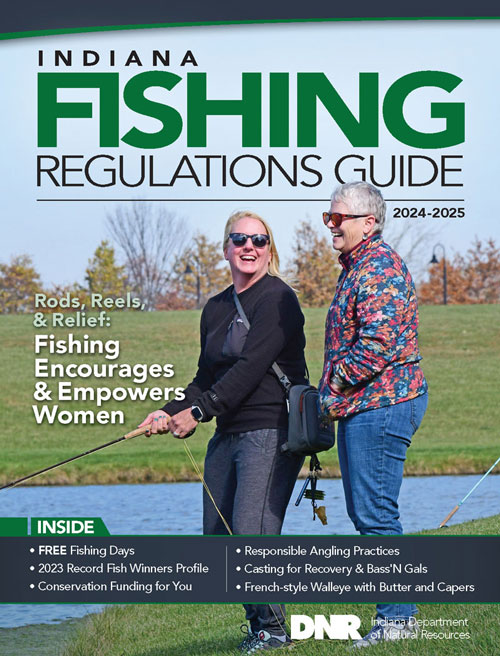 waters.
You can find the free guide online or pick up a hard copy at your local license retailer.
This guide provides a summary of Indiana fishing regulations. These regulations apply only to fish that originate from or are taken from Indiana’s public waters. Fish from public waters that migrate into or from private waters are still covered by these regulations. These regulations do not apply to fish in private waters that did not originate from public waters.
This guide is not intended to be a complete digest of regulations. If you need complete versions of Indiana rules and regulations for fishing, they can be found in Indiana Code or in Indiana Administrative Code Title 312.
To view this new guide, please visit Indiana Department of Natural Resources: Fishing Guide & Regulations.
Resources:
Hybrid Striped Bass Farmed Fish Fact Sheet, The Education Store
Largemouth Bass Farmed Fish Fact Sheet, The Education Store
Seafood Basics: A Toolkit for Understanding Seafood, Nutrition, Safety and Preparation, and Sourcing, The Education Store
Walleye Farmed Fish Fact Sheet, The Education Store
Rainbow Trout Farmed Fish Fact Sheet, The Education Store
A Guide to Small-Scale Fish Processing Using Local Kitchen Facilities, The Education Store
Aquaculture Family Coloring Book Development, The Education Store
Eat Midwest Fish, Illinois-Indiana Sea Grant online resource hub
Subscribe to Purdue Extension-Forestry & Natural Resources YouTube Channel, Wildlife Playlist
Indiana Department of Natural Resources

Illustrations from the CWD Web App, courtesy of Purdue University.
Wild Bulletin, Indiana Department of Natural Resources (DNR) Fish and Wildlife: Researchers at Purdue University are studying the willingness of hunters and nonhunters to help reduce the spread of chronic wasting disease (CWD) in white-tailed deer. CWD is a fatal neurological disease affecting deer and is caused by an infective protein (prion) that damages the animal’s nervous system. CWD is contagious to deer and can spread through deer-to-deer contact or through contaminated environments. To date, CWD has not been detected in Indiana. No cases of CWD have been recorded in humans.
Researchers at Purdue University are seeking volunteers to participate in this research study. Information collected may help inform Indiana DNR’s response to CWD. Participants will answer online survey questions and use a web app that shows how CWD may spread. The activity and survey questions take about 30 minutes to complete. The study is open to everyone 18 years or older. All that is required to participate is a computer or tablet. Follow this link to Purdue’s website to participate in the study.
Chronic wasting disease (CWD) is a fatal neurological disease affecting white-tailed deer, mule deer, elk, and moose. It is a member of a group of diseases called transmissible spongiform encephalopathies (TSEs), or prion diseases. For more information about this disease visit Indiana Department of Natural Resources – Chronic Wasting Disease (CWD).
For questions about this study, please email the research team at cwdwebapp@purdue.edu and place in the subject line: “Web App Use and Intention to Reduce Chronic Wasting Disease Spread; Principal Investigator – Dr. Patrick Zollner; IRB Number – IRB-2023-1039″.
To get started, please visit the CWD Web App.
Resources:
Dr. Pat Zollner, Professor of Quantitative Ecology, Purdue Forestry and Natural Resources
Bovine Tuberculosis in Wild White-tailed Deer, The Education Store, Purdue Extension resource center
Designing Hardwood Tree Plantings for Wildlife , The Education Store
Wildlife Habitat Hint: Trail Camera Tips and Tricks, Got Nature? Blog
Hunting Guide for 2023-2024, Indiana Department of Natural Resources
How to Score Your White-tailed Deer, video, The Education Store
White-Tailed Deer Post Harvest Collection, video, The Education Store
Age Determination in White-tailed Deer, video, The Education Store
How to Build a Plastic Mesh Deer Exclusion Fence, The Education Store
Forest Management for Reptiles and Amphibians: A Technical Guide for the Midwest, The Education Store
Ask the Expert: Hardwood Ecosystem Experiment – Birds and Salamander Research, Purdue Extension – FNR
A Template for Your Wildlife Habitat Management Plan, The Education Store
Managing Your Woods for White-Tailed Deer, The Education Store
Indiana Department of Natural Resources

Recent Posts
- It’s Timberdoodle Time!
Posted: April 3, 2026 in Got Nature for Kids, How To, Wildlife - Keep An Eye Out for Hammerhead Worms, Purdue Landscape Report
Posted: April 2, 2026 in Invasive Animal Species, Wildlife, Woodlands - When is the Peak Migration For Hummingbirds and How Can You Attract Them?
Posted: in How To, Wildlife - ID That Tree Featured in National Woodland Owners Association Newsletter
Posted: April 1, 2026 in Urban Forestry, Wildlife, Woodlands - New 2026 Indiana Woodland Steward Newsletter
Posted: March 30, 2026 in Urban Forestry, Wildlife, Woodlands - A Woodland Management Moment: Why Aspect Matters
Posted: in Urban Forestry, Woodland Management Moment, Woodlands - 2026 Winter Bat Survey In Progress, MyDNR
Posted: March 27, 2026 in How To, Wildlife - Fast-Growing Trees for the Landscape, Purdue Landscape Report
Posted: March 26, 2026 in Forestry, Urban Forestry, Woodlands - Urban Tree Spotlight: Planting Deciduous Shade Trees, Purdue Landscape Report
Posted: March 25, 2026 in Forests and Street Trees, Urban Forestry, Woodlands - Beetle that attacks Tree-of-Heaven found in Indiana, Purdue Landscape Report
Posted: March 20, 2026 in Invasive Insects, Wildlife, Woodlands
Archives
Categories
- Alert
- Aquaculture/Fish
- Aquatic/Aquaculture Resources
- Ask the Expert
- Christmas Trees
- Community Development
- Disease
- Drought
- Forestry
- Forests and Street Trees
- Gardening
- Got Nature for Kids
- Great Lakes
- How To
- Invasive Animal Species
- Invasive Insects
- Invasive Plant Species
- Land Use
- Natural Resource Planning
- Nature of Teaching
- Plants
- Podcasts
- Ponds
- Publication
- Safety
- Spiders
- Timber Marketing
- Uncategorized
- Urban Forestry
- Webinar
- Wildlife
- Wood Products/Manufacturing
- Woodland Management Moment
- Woodlands