 Purdue University - Extension - Forestry and Natural Resources
Got Nature? Blog
In this episode of ID That Tree, Recep Yildiz a FNR graduate student shares his expertise on how to ID black alder. Black alder, which is also known as common alder or European alder, is found in most of Europe and extends into North Africa and Asia. It is easily identified by its gummy twigs and leaves. Learn more about the black alder tree and how it was introduced to Indiana with now current warning signs of being an invasive species.
If you have any questions regarding wildlife, trees, forest management, wood products, natural resource planning or other natural resource topics, feel free to contact us by using our Ask an Expert web page.
Resources:
ID That Tree, Playlist, Purdue Extension – Forestry and Natural Resources YouTube Channel (Invasive White Mulberry, Siberian Elm, Tree of Heaven)
Invasive Species Playlist, Playlist, Purdue Extension – FNR YouTube Channel (Asian Bush Honeysuckle, Burning Bush, Callery Pear, Multiflora rose)
A Woodland Management Moment, Playlist, Purdue Extension – FNR YouTube Channel (Against Invasives, Garlic Mustard, Autumn Olive)
Woodland Stewardship for Landowners, Playlist, Purdue Extension – FNR YouTube Channel (Common Buckthorn, Japanese Barberry)
Report Invasive Species, Purdue Invasive Species
The GLEDN Phone App – Great Lakes Early Detection Network
EDDMaps – Early Detection and Distribution Mapping System
How long do seeds of the invasive tree, Ailanthus altissima remain viable? (Invasive Tree of Heaven), USDA Forest Service
Indiana Department of Natural Resources: Invasive Species
Indiana Invasive Species Council
Cooperative Invasive Species Management Area (CISMA)
Aquatic Invasive Species, Illinois-Indiana Sea Grant (IISG)
Episode 11 – Exploring the challenges of Invasive Species, Habitat University-Natural Resource University
What are invasive species and why should I care?, Got Nature? Blog, Purdue Extension – FNR
Spotted Lanternfly Feeds on Over 70 Plus Plant Species, Got Nature? Blog, Purdue Extension – FNR
Shrubs and Woody Vines of Indiana and the Midwest, The Education Store, Purdue Extension Resource Center
Native Trees of the Midwest, The Education Store
Investing in Indiana Woodlands, The Education Store
Forest Improvement Handbook, The Education Store
Recep Yildiz, FNR graduate student
Purdue Department of Forestry & Natural Resources
In this episode of ID That Tree, Recep Yildiz a FNR graduate student shares his expertise on how to ID Persian walnut or sometimes called common walnut or English walnut. It is not native to Indiana but is widely cultivated and grown for nuts. This species is deciduous and native to Europe, the Himalayas and China. Learn more about Persian walnut and along with clear photos of the bark and leaves.
If you have any questions regarding wildlife, trees, forest management, wood products, natural resource planning or other natural resource topics, feel free to contact us by using our Ask an Expert web page.
Resources:
ID That Tree, Playlist, Purdue Extension – Forestry and Natural Resources YouTube Channel (Invasive White Mulberry, Siberian Elm, Tree of Heaven)
Invasive Species Playlist, Playlist, Purdue Extension – FNR YouTube Channel (Asian Bush Honeysuckle, Burning Bush, Callery Pear, Multiflora rose)
A Woodland Management Moment, Playlist, Purdue Extension – FNR YouTube Channel (Against Invasives, Garlic Mustard, Autumn Olive)
Woodland Stewardship for Landowners, Playlist, Purdue Extension – FNR YouTube Channel (Common Buckthorn, Japanese Barberry)
Report Invasive Species, Purdue Invasive Species
The GLEDN Phone App – Great Lakes Early Detection Network
EDDMaps – Early Detection and Distribution Mapping System
How long do seeds of the invasive tree, Ailanthus altissima remain viable? (Invasive Tree of Heaven), USDA Forest Service
Indiana Department of Natural Resources: Invasive Species
Indiana Invasive Species Council
Cooperative Invasive Species Management Area (CISMA)
Aquatic Invasive Species, Illinois-Indiana Sea Grant (IISG)
Episode 11 – Exploring the challenges of Invasive Species, Habitat University-Natural Resource University
What are invasive species and why should I care?, Got Nature? Blog, Purdue Extension – FNR
Spotted Lanternfly Feeds on Over 70 Plus Plant Species, Got Nature? Blog, Purdue Extension – FNR
Shrubs and Woody Vines of Indiana and the Midwest, The Education Store, Purdue Extension Resource Center
Native Trees of the Midwest, The Education Store
Investing in Indiana Woodlands, The Education Store
Forest Improvement Handbook, The Education Store
Recep Yildiz, FNR graduate student
Purdue Department of Forestry & Natural Resources
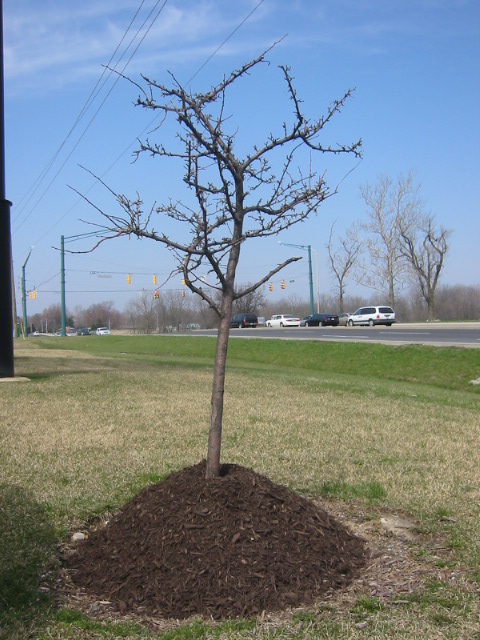
Figure 1: Volcano mulching around the base of the tree. Photo credit Lindsey Purcell.
Purdue Landscape Report: It’s that wonderful time of year again where temps are rising, life is coming back into the landscape, and people are thinking about how to improve the urban canopy around them. Well, maybe not that specifically, but we have the urge to plant trees. Whether it’s for Earth Day or Arbor Day or you just enjoy the act of planting, one of the hot topics is getting trees into the ground. That’s not what I’m here to talk about today, though.
As much as I love assisting communities with their greening efforts, getting the right tree in the right place, planting is not the only way to help grow the canopy around you. One of the topics that can be neglected is maintaining trees from previous plantings. Often, trees get placed in the ground, they are mulched, watered, and staked, then left on their own to make it in the world. New trees can take about 2-5 years to become established in their new homes and they could require assistance from us for much longer to thrive. Luckily, there is a simple activity to do assist trees, young and old.
Just like when they were placed in the ground, trees still benefit from mulch. Reapplying mulch benefits trees in multiple ways. It’s a natural way to prevent weeds and grass competing in the root zone and adds a protective buffer against mechanical damage from mowers and weed eaters. It will also help to maintain moisture levels in the soil as we transition into the hotter summer months. When applying new mulch, don’t worry about removing the old layer. It’s working its way into the soil around the tree adding organic matter, improving the quality of the soil.
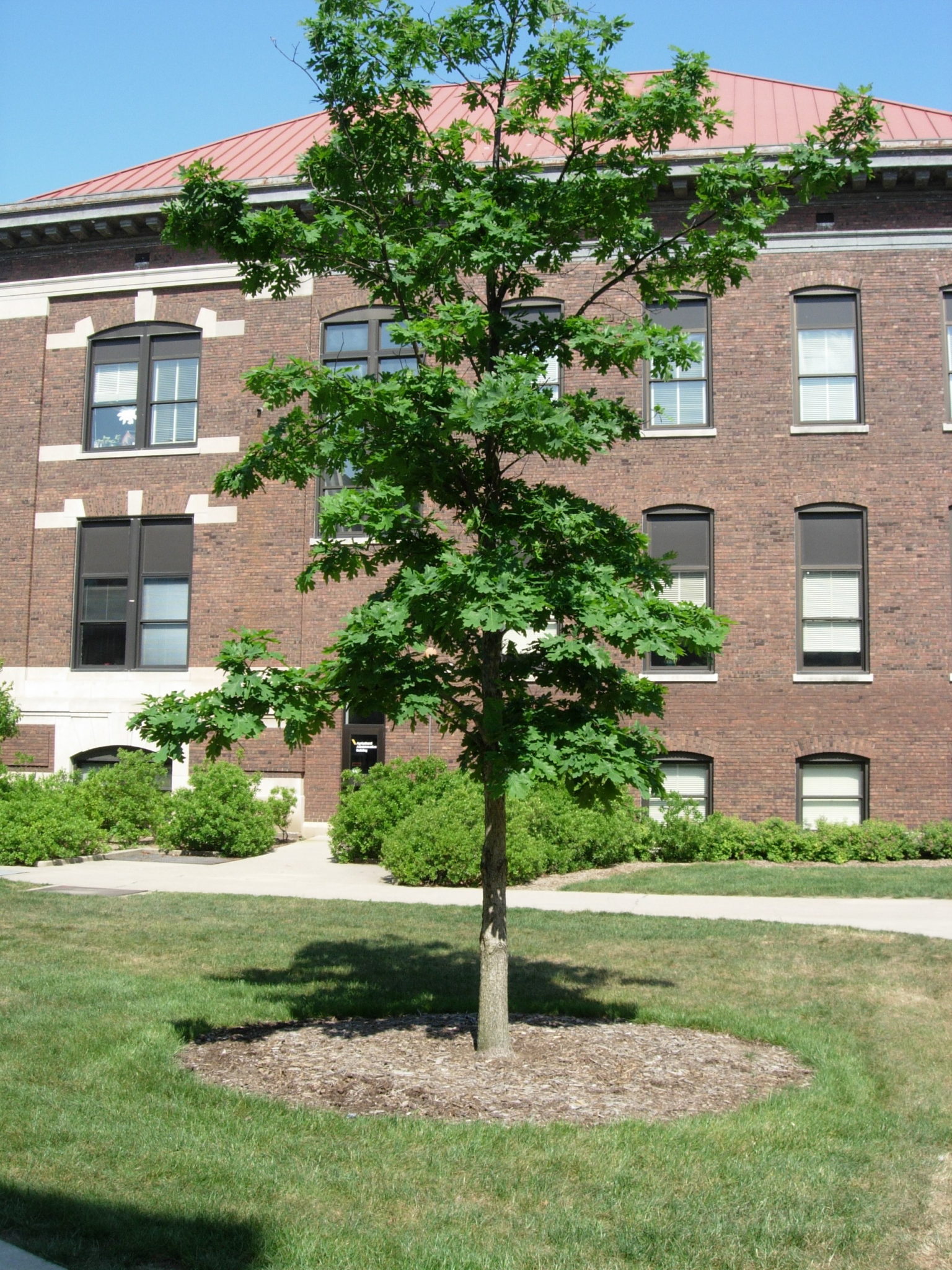
Figure 2: Correct application of mulch. Photo Credit John Bonkowski.
Add enough mulch so there is a 2–3-inch layer sloping away from the tree with at least a 3–5-foot radius around the stem (older, larger trees can benefit from larger mulch rings). No volcano mulching (Figure 1), make sure you also have around a 1-2-inch gap between the stem and the start of the mulch ring (Figure 2) to prevent unwanted root growth above ground and rot from excess moisture on the stem. Continuing this practice every year can help maintain soil moisture levels, while enriching the soil around your tree, maintaining a safety zone, and adding a nice aesthetic.
To view this article and other Purdue Landscape Report articles, please visit Purdue Landscape Report.
Subscribe and receive the newsletter: Purdue Landscape Report Newsletter.
Resources:
The Purdue Landscape Report
Purdue Landscape Report Facebook Page
Find an Arborist website, Trees are Good, International Society of Arboriculture (ISA)
Tree Installation: Process and Practices, The Education Store
Planting Forest Trees and Shrubs in Indiana, The Education Store
Planting Your Tree Part 1: Choosing Your Tree, Video, Purdue Extension – Forestry and Natural Resources YouTube Channel
Tree Defect Identification, The Education Store, Purdue Extension resource center
Tree wounds and healing, Got Nature? Blog
Tree Pruning Essentials, Publication & Video, The Education Store
Shrubs and Woody Vines of Indiana and the Midwest, The Education Store
Tree Risk Management – Got Nature? Blog, Purdue Extension – FNR
Why Is My Tree Dying? – Got Nature? Blog, Purdue Extension – Forestry and Natural Resources
ID That Tree, Purdue Extension-Forestry & Natural Resources (FNR) YouTube playlist
Subscribe to Purdue Extension-FNR YouTube Channel
Ben McCallister, Urban Forestry Specialist
Purdue Forestry and Natural Resources
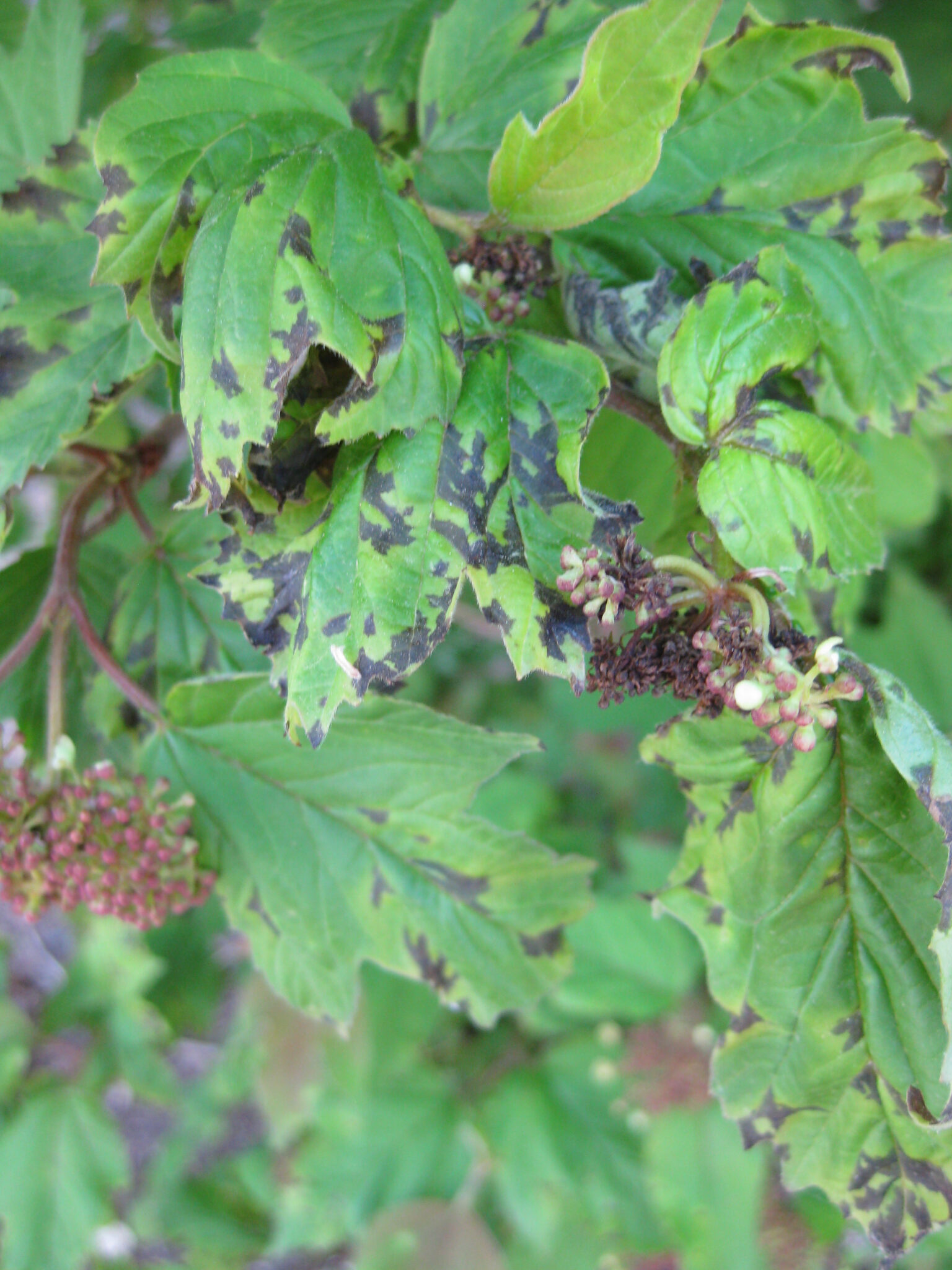
Bacterial leaf spots are often angular with chlorotic halos, as seen on this high bush-cranberry. Photo by Janna Beckerman.
Purdue Landscape Report: Pseudomonas syringae pv. syringae is an opportunistic bacterial pathogen that attacks a diversity of woody ornamental plants. The bacteria cause flower blights, cankers, shoot blights, and diebacks.
Symptoms
Symptoms often begin as expanding leaf spots. On lilac and viburnum, small spots expand to irregularly shaped brown lesions with yellow halos (Fig. 1). For most other hosts (cherry, pear, basswood, dogwood, hydrangea, high bush-cranberry, mountain-ash), infected leaves turn reddish brown or black and usually remain on the branch after they die (Fig. 2). As the bacteria spread into woody tissue, dark, sunken sections of the stem (cankers) expand, working their way back toward the trunk from infected leaves and flowers. Leaves attached to a cankered branch will wilt while the tip of the affected branch curls and droops like a shepherd’s crook (Fig. 3). Cloudy droplets of sticky fluid (ooze) may accumulate on leaf tips, leaf surfaces, stems, and even infected fruit.
Image of infected flowers result in blossom blast.
Figure 2. Infected flowers result in blossom blast. The continued growth of the bacteria can result in cankering and blight. Photo by George Sundin.
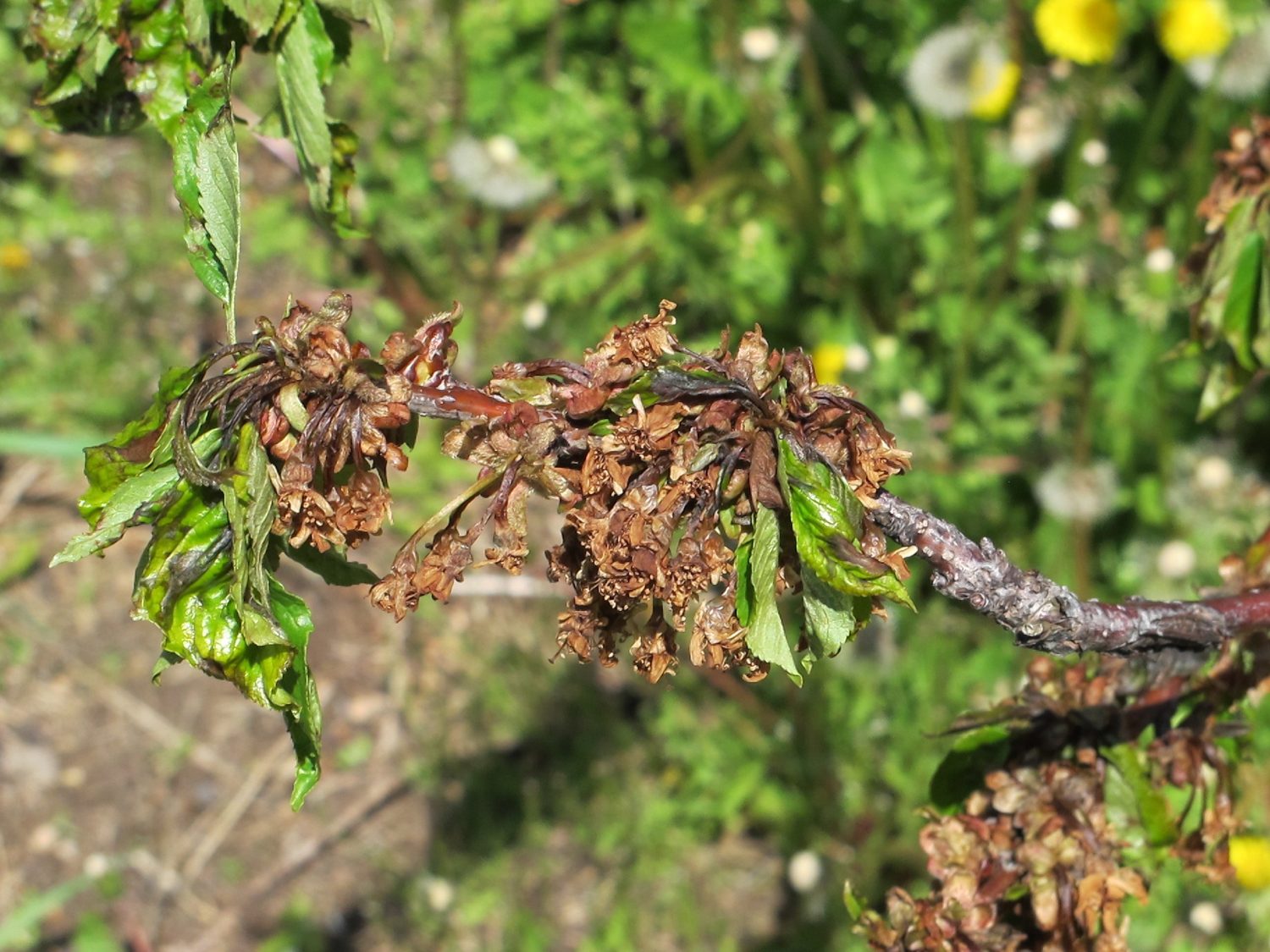
Figure 2. Infected flowers result in blossom blast. The continued growth of the bacteria can result in cankering and blight. Photo by George Sundin.
Life Cycle
The bacteria overwinter and persist in cankers, along with asymptomatic bud and twig tissue. In presence of water and warming temperatures, bacteria multiply and may ooze from infected tissue. Wind-driven rain, insect, or mechanical pruning spread Pseudomonas. Bacteria enter the plant through flowers or injury.
Management
All bacterial pathogens, including Pseudomonas, invade flowers or wounded tissue. To prevent or minimize the risk of infection:
- Use disease-free plants and budwood.
- Prune in the late winter/early spring.
- When pruning, do not mix pruning to shape woody ornamentals with pruning to manage disease.
- When pruning to remove infected shoots, be sure to disinfect shears between plants.
- Minimize overhead irrigation when possible to minimize splashing and pathogen spread.
- Avoid over-fertilization practices that drive excess succulent growth.
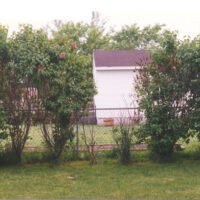
Figure 3. Bacterial blight is a common scourge to common lilac. Using resistant varieties is the best way to protect against the disease. Photo by Janna Beckerman.
- Avoid late season fertilization practices that prevent plants from achieving timely dormancy and promote freeze damage and/or winter injury (Fig. 4).
- Choose zone appropriate plants to avoid freeze damage and/or winter injury.
- Choose disease resistant plants, when available. The following lilac varieties were found to be resistant over a four-year trial: Donald Wyman, Royalty, Superba, Miss Kim, Edmund Boisier, Victor Lemoine, Dwarf Korean, Mme. Antoine Buchner Isabella, Sensation, Anna Amhof, Krasavitska Moskvy, Michael Buchner, and Alphonse Lavallée.

Foliar sprays of some copper-based bactericides (e.g., Camelot, Kocide, and Nu-Cop) were found to reduce disease incidence in trials on lilac (Vey and Palmer, 2018). Avoid using copper under cool, humid conditions to reduce the risk of phytotoxicity and damaging plants. Copper resistant populations of Pseudomonas syringae have been reported in other crops (vegetables, stone fruit). Products containing acibenzolar have provided inconsistent control in multiple trials but is labeled for use. Use of quaternary-ammonium disinfestants (KleenGrow) have been found to reduce bacterial populations and disease incidence and should be considered as part of any rotation with copper products. Due to the diversity of copper products, be sure to test for phytotoxicity issues prior to large scale treatment of crops.
To view this article and other Purdue Landscape Report articles, please visit Purdue Landscape Report.
Subscribe and receive the newsletter: Purdue Landscape Report Newsletter.
Resources:
The Purdue Landscape Report
Purdue Landscape Report Facebook Page
Find an Arborist website, Trees are Good, International Society of Arboriculture (ISA)
Phytophthora Diseases in Ornamentals, The Education Store, Purdue Extension’s resource center
Root Rot in Landscape Plants, The Education Store
Symptoms and Signs for Plant Problem Diagnosis, The Education Store
Tree Defect Identification, The Education Store
Tree Pruning Essentials, Publication & Video, The Education Store
Shrubs and Woody Vines of Indiana and the Midwest, Purdue University Press
Tree Risk Management – Got Nature? Blog, Purdue Extension – FNR
Equipment Damage to Trees, Got Nature? Blog
Tree wounds and healing, Got Nature? Blog
ID That Tree, Purdue Extension-Forestry & Natural Resources (FNR) YouTube playlist
Southwest Damage, Scalding, or Frost Cracking – Landscape Report
Subscribe to Purdue Extension-FNR YouTube Channel
Janna Beckerman, Professor of Plant Pathology
Purdue Department of Botany
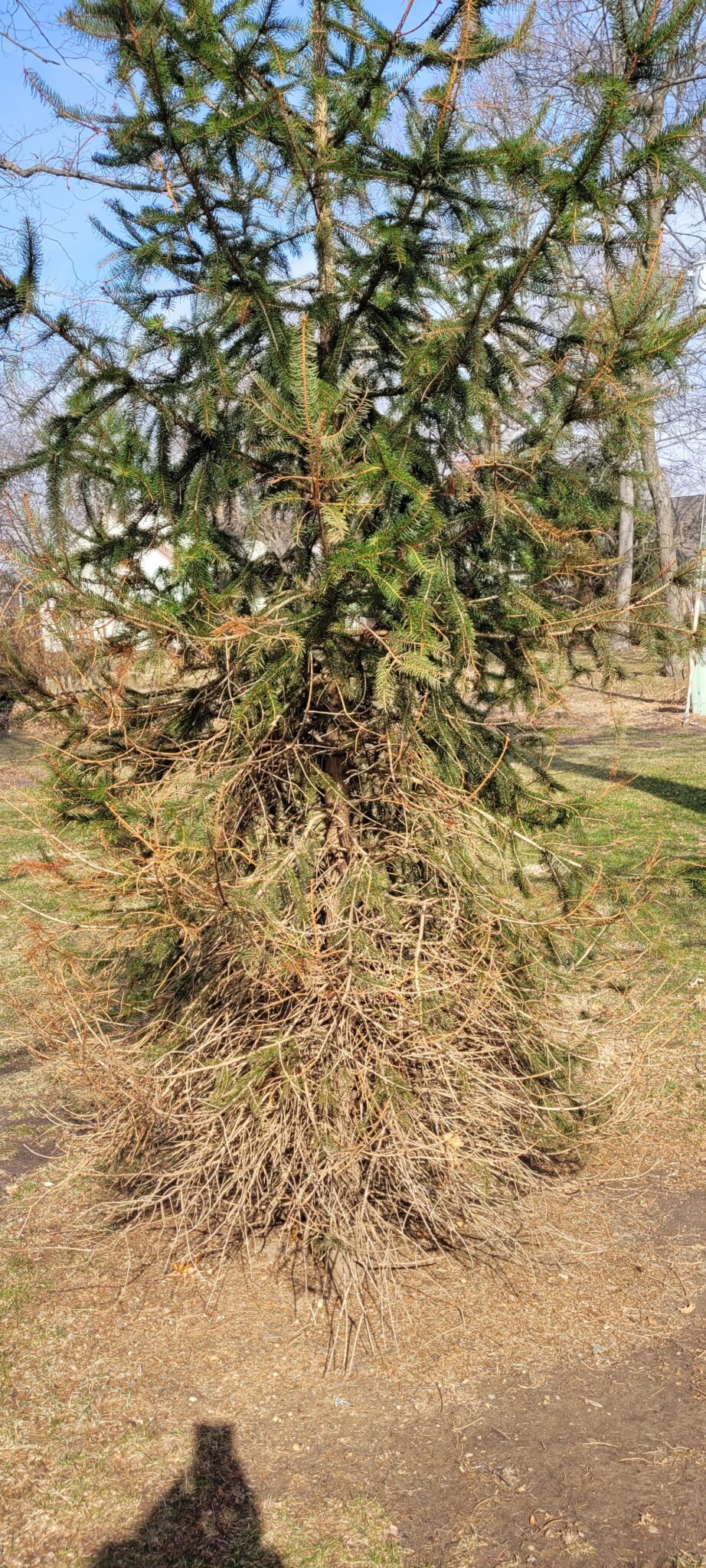
Figure 1: A spruce tree showing significant needle loss and dieback lower in the canopy.
Purdue Landscape Report: There have been a number of samples we have received at the PPDL in recent weeks that bear similar problems worth noting. It is still relatively early for significant in-season disease development due to how cold it has been, although we have certainly had enough rainfall to encourage fungal growth. We have received multiple samples of spruce and boxwood which will be covered.
Since the start of the year, we have been received spruce samples showing needle thinning, browning, and loss in the lower canopy (Fig 1, 2, 3). If I said these are Colorado Blue Spruce, we could call it Rhizosphaera and maybe call it a day, however, these samples are primarily from other species of spruce. An important thing to remember when it comes to evergreen conifers is that it takes time for symptoms to develop, whether due to disease or to abiotic factors. The majority of these branches lacked any discoloration within, suggesting that there was no infection and that the limbs were still living.
Last year, we had drought conditions during the summer throughout large parts of the state leading into the fall with below average precipitation (Fig 4). Since evergreen plants hold onto their foliage through the winter, desiccation can occur since they are still losing water to the air, especially when it is dry and windy. If these plants are not getting enough water going into winter, there is greater risk of winter injury or burn and needles may turn brown, especially near branch tips (exposed areas).
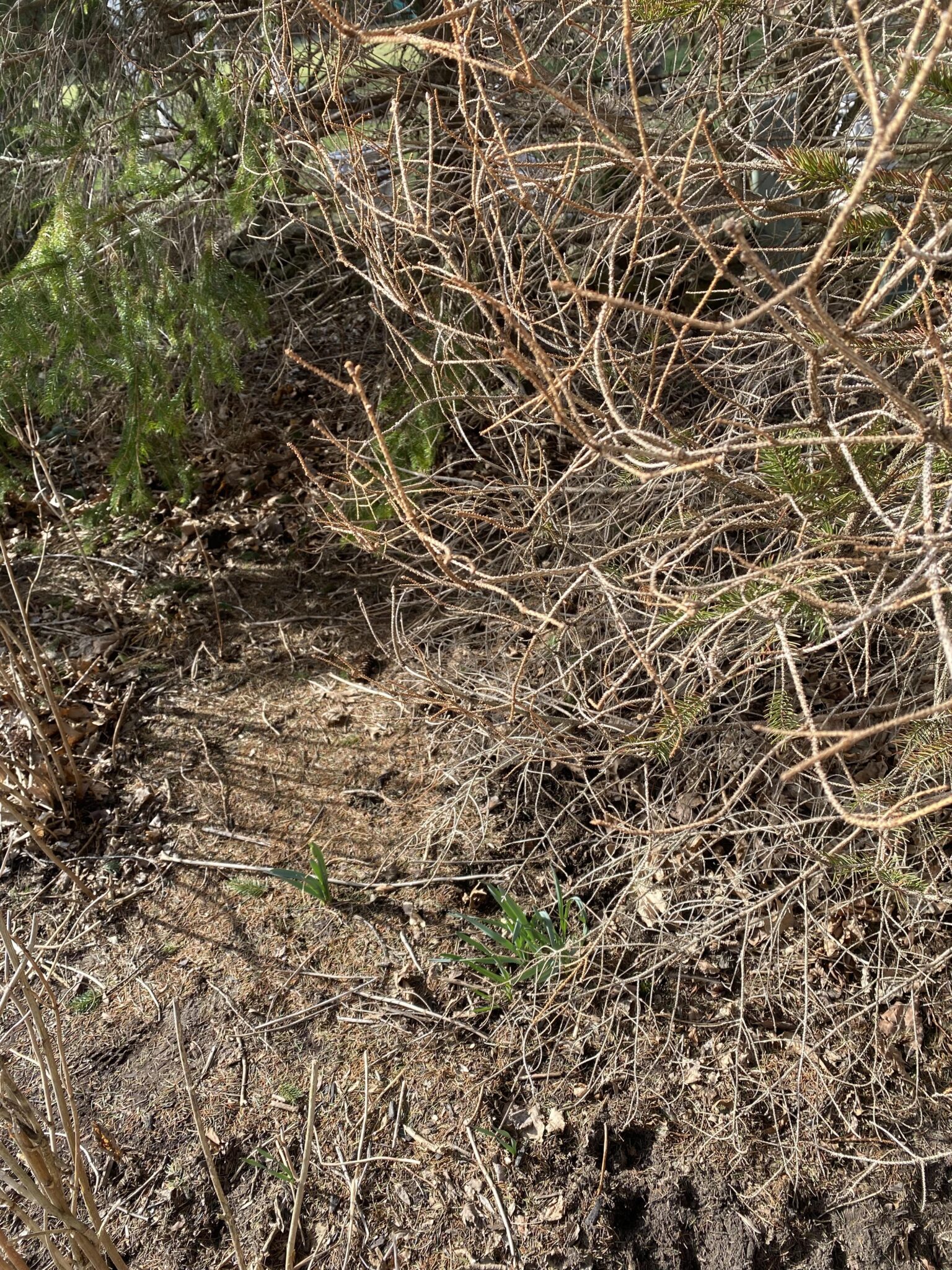
Figure 2: Needle loss at or near branch tips.
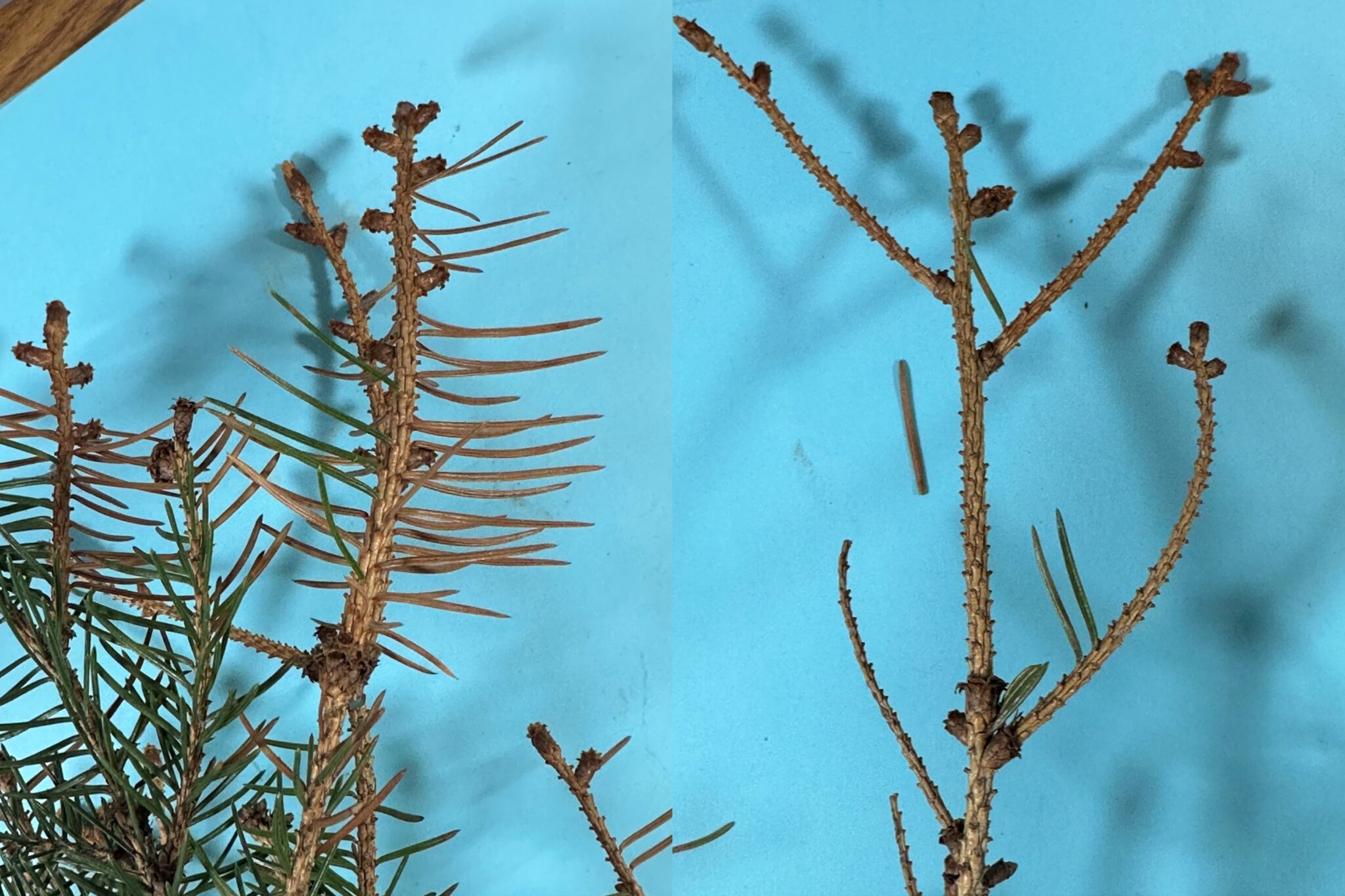
Figure 3: Close up of needle browning and loss near spruce branch tips.
Irrigation during periods of hot and dry weather will mitigate drought stress, but irrigation may still be necessary in the fall to avoid needle desiccation. What about when trees of the same age, on the same property are showing different levels of severity or one tree is perfectly fine while the next is toast?
I think it is important to remember each tree is an individual. We may see similar patterns in the landscape across the same tree species when stress is caused by environmental effects, but if the overall health of that tree when it was first planted, the amount of love and care, and the site conditions (soil, light, general water levels) are different, then the trees may have vastly different reactions to stress. Determining this 5 years after planting can be difficult for someone just walking into the situation, or when dealing with 30ft tall trees, but it is something we have to keep in mind.
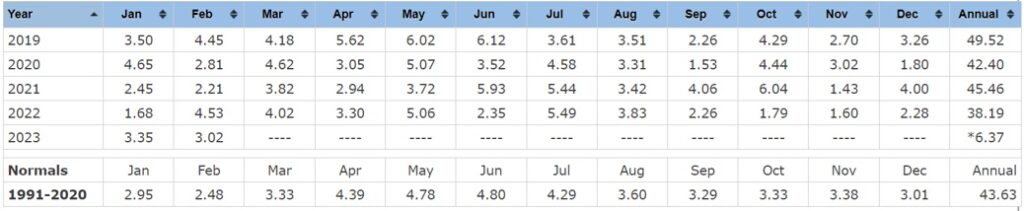
Figure 4: Indiana Precipitation data, in inches of rainfall, from 2019 to present.
For more images and full article view: Early Season Samples: Spruce Needle Loss and Boxwood Leaf Spots
Subscribe and receive the newsletter: Purdue Landscape Report Newsletter.
Resources:
The Purdue Landscape Report
Purdue Landscape Report Facebook Page
Find an Arborist website, Trees are Good, International Society of Arboriculture (ISA)
Equipment Damage to Trees, Got Nature? Blog
Tree wounds and healing, Got Nature? Blog
Tree Defect Identification, The Education Store, Purdue Extension resource center
Tree Pruning Essentials, Publication & Video, The Education Store
Shrubs and Woody Vines of Indiana and the Midwest, The Education Store
Tree Risk Management – Got Nature? Blog, Purdue Extension – FNR
Why Is My Tree Dying? – Got Nature? Blog, Purdue Extension – Forestry and Natural Resources
ID That Tree, Purdue Extension-Forestry & Natural Resources (FNR) YouTube playlist
Subscribe to Purdue Extension-FNR YouTube Channel
John Bonkowski, Plant Disease Diagnostician
Departments of Botany & Plant Pathology
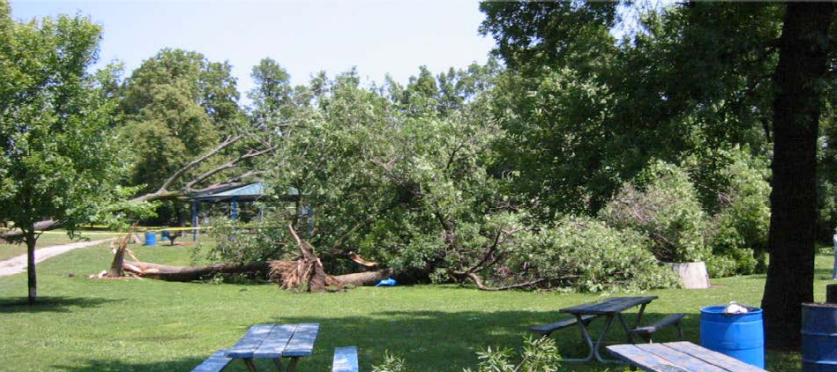 Safety first! Stay clear and look for dangerous hanging limbs, broken branches and other failures before beginning cleanup or inspections. Keep others clear of the areas beneath and around damaged trees. Be alert for power lines that could be involved with damaged trees. All utility lines should be considered energized and dangerous.
Lindsey Purcell, Chapter Administrator & Master Arborist with Indiana Arborist Association, shares, “in my experience, during storm cleanup, many tree owners are faced with the decision of what to do with their trees relative to restoration or removal”. There are several types of tree damage that occur from violent weather. Each has its own specific assessment considerations. All parts of the tree should be inspected during a post-storm assessment. This requires the expertise of trained, professional arborists to assist with the decision making regarding the best course of action. Unfortunately, there are those who take advantage of the situation and overcharge or provide poor advice when it comes to the best decision on their trees. Don’t make any hasty decisions and be sure you are hiring an International Society of Arboriculture (ISA) Certified Arborist, ask for references and proof of insurance in the process. To find an arborist near you, verify credentials and to find more information on trees view video: Find an Arborist, Trees are Good, ISA.
View publication Trees and Storms located in The Education Store, Purdue Extension’s resource center, for more information.
Resources:
Find an Arborist video, Trees are Good-International Society of Arboriculture (ISA)
Caring for storm-damaged trees/How to Acidify Soil in the Yard – In the Grow, Purdue Extension
Trees and Storms: Understanding Damage, Risk and Recovery – Got Nature? Blog, Purdue Extension – FNR
Moist soil and rotten roots makes it easy for trees to come crashing down – Fox 59 News
Why Is My Tree Dying? – Got Nature? Blog, Purdue Extension – Forestry and Natural Resources
Tree Risk Management – Got Nature? Blog, Purdue Extension – FNR
Mechanical Damage to Trees: Mowing and Maintenance Equipment – The Education Store
Trees and Electric Lines – The Education Store
Indiana Prepared (IN-PREPared), Purdue Extension
Lindsey Purcell, Chapter Administrator & Master Arborist
Indiana Arborist Association
Tree-of-heaven is native to Asia but has been widely planted in North America and now spreads naturally as a serious invasive tree threat.
In this episode of ID That Tree, Purdue Extension forester Lenny Farlee identifies the invasive tree of heaven, also known as stinking sumac, due to the foul odor that permeates from nearly all parts of the tree. The alternately held compound leaves have teeth at the base of the leaflets on stout stems, while the bark is a medium gray with white wormy marks. This tree spreads through the seeds of its female trees and from suckers off its root system, and it is also the preferred host of an invasive insect, spotted lanternfly, now found in Indiana. Learning to recognize invasive pests a good first step to limiting their spread.
If you have any questions regarding wildlife, trees, forest management, wood products, natural resource planning or other natural resource topics, feel free to contact us by using our Ask an Expert web page.
Resources:
ID That Tree, Playlist, Purdue Extension – Forestry and Natural Resources YouTube Channel (Invasive White Mulberry, Siberian Elm, Tree of Heaven)
Invasive Species Playlist, Playlist, Purdue Extension – FNR YouTube Channel (Asian Bush Honeysuckle, Burning Bush, Callery Pear, Multiflora rose)
A Woodland Management Moment, Playlist, Purdue Extension – FNR YouTube Channel (Against Invasives, Garlic Mustard, Autumn Olive)
Woodland Stewardship for Landowners, Playlist, Purdue Extension – FNR YouTube Channel (Common Buckthorn, Japanese Barberry)
Report Invasive Species, Purdue Invasive Species
The GLEDN Phone App – Great Lakes Early Detection Network
EDDMaps – Early Detection and Distribution Mapping System (Report Invasives)
How long do seeds of the invasive tree, Ailanthus altissima remain viable? (Invasive Tree of Heaven), USDA Forest Service
Indiana Department of Natural Resources: Invasive Species
Indiana Invasive Species Council
Cooperative Invasive Species Management Area (CISMA)
Aquatic Invasive Species, Illinois-Indiana Sea Grant (IISG)
Episode 11 – Exploring the challenges of Invasive Species, Habitat University-Natural Resource University
What are invasive species and why should I care?, Got Nature? Blog, Purdue Extension – FNR
Spotted Lanternfly Feeds on Over 70 Plus Plant Species, Got Nature? Blog, Purdue Extension – FNR
Shrubs and Woody Vines of Indiana and the Midwest, The Education Store, Purdue Extension Resource Center
Native Trees of the Midwest, The Education Store
Investing in Indiana Woodlands, The Education Store
Forest Improvement Handbook, The Education Store
Lenny Farlee, Extension Forester
Hardwood Tree Improvement and Regeneration Center
Purdue Department of Forestry & Natural Resources
Among the steel and concrete that make up the urban environment, trees provide welcome relief from heat and potentially unfavorable sights and smells. Trees provide value from ecosystem services, which can refer to any of the benefits humans obtain from nature. Trees in the built environment provide many benefits, such as storing carbon, reducing air temperature and air conditioning costs, filtering air and water pollutants, intercepting rainwater to reduce flooding, and increasing aesthetic value.
The Preparing Indiana’s Urban Forest for Climate Change is an overview of choosing species of trees that will thrive in urban settings has always required careful consideration, but climate change is making that task even more important. In this paper, Purdue and other researchers provide tools to help urban foresters, arborists and planners adapt so that the ecosystem services that trees provide can be maintained.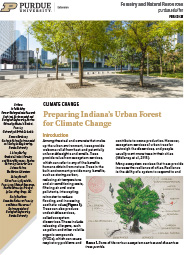
To receive the free download for the Preparing Indiana’s Urban Forest for Climate Change please visit The Education Store.
Resources:
Urban Forestry, Playlist, Purdue Extension – Forestry and Natural Resources (FNR) YouTube Channel
Community Development, Purdue Extension
How to Find an Arborist Near You!, Purdue Extension – FNR Got Nature? Blog
Storms Can Cause Damage and Tree Cleanup, What You Need to Know, Purdue Extension – FNR Got Nature? Blog
Purdue Landscape Report, Purdue Science-Based Midwest Landscaping
Forest Improvement Handbook, The Education Store, Purdue Extension’s resource center
Investing in Indiana Woodlands, The Education Store
Woodland Wildlife Management, The Education Store
ID That Tree, Playlist, Purdue Extension – Forestry & Natural Resources (FNR) YouTube Channel
Julie McAulay, Undergraduate Research Assistant in Environmental and Ecological Engineering
Purdue Department of Forestry and Natural Resources
Lenny Farlee, Sustaining Hardwood Extension Specialist
Purdue University Department of Forestry and Natural Resources
Brady Hardiman, Associate Professor for Environmental and Ecological Engineering
Purdue University Department of Forestry and Natural Resources
The new USDA-Natural Resources Conservation Service (NRCS) website is designed for farmers, ranchers and forest landowners who use NRCS conservation programs, and our partners who help us deliver the conservation mission.
You will find information that includes:
- Conservation Basics: find soil health, soil science, water, air, plants, animals, land, energy, climate, wildlife habitat and invasive species and pests
- Getting Assistance: find your local service center
- Programs & Initiatives
- Resources
- News & Events
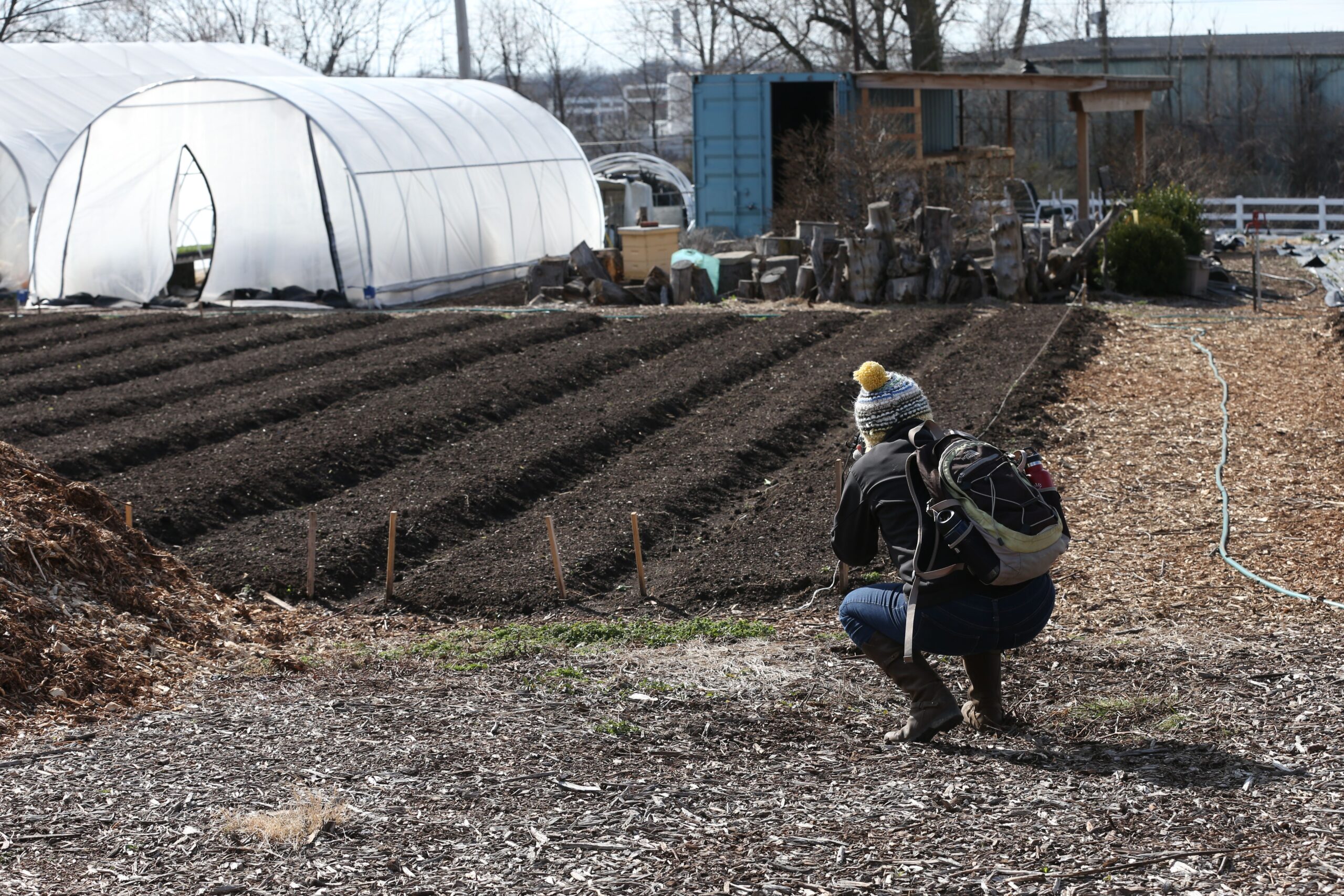
For more than 80 years, NRCS has helped people make investments in their operations and local communities to keep working lands working, boost rural economies, increase the competitiveness of American agriculture, and improve the quality of our air, water, soil, and habitat.
As the USDA’s primary private lands conservation agency, NRCS generates, manages, shares data, technology and standards that enable partners and policymakers to make decisions informed by objective, reliable science.
Resources:
Consumer Horticulture: Collecting Soil Samples for Testing, The Education Store , Purdue Extension resource center
Soil Sampling Guidelines, The Education Store
Soil Testing for Lawns, The Education Store
Certified Soil Testing Laboratories, Purdue Extension – Master Gardener Program
Lawn to Lake Midwest, Illinois-Indiana Sea Grant Program
Forest Improvement Handbook, The Education Store
Frost Seeding Native Grasses and Forbs with a Drone (UAV), Purdue Extension-Forestry & Natural Resources (FNR)
Hardwood Ecosystem Experiment – Wildlife Responses to Timber Harvesting, The Education Store
Invasive Plants: Impact on Environment and People, The Education Store
Urban Forestry, Playlist, Purdue Extension – FNR YouTube Channel
USDA-Natural Resources Conservation Service (NRCS)
The classic and trusted book “Fifty Common Trees of Indiana” by T.E. Shaw was published in 1956 as a user-friendly guide to local species. Nearly 70 years later, the publication has been updated through a joint effort by the Purdue Department of Forestry and Natural Resources, Indiana 4-H, and the Indiana Department of Natural Resources, and reintroduced as “An Introduction to Trees of Indiana.”
The full publication is available for download for $7 in the Purdue Extension Education Store. The field guide helps identify common Indiana woodlot trees.
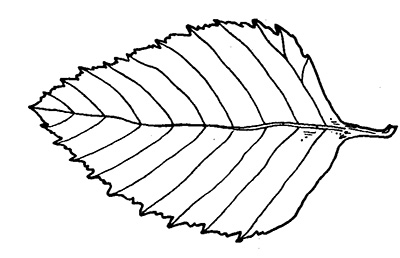
book, paired with an ID That Tree video from Purdue Extension forester Lenny Farlee to help visualize each species as it stands in the woods. Threats to species health as well as also insight into the wood provided by the species, will be provided through additional resources as well as the Hardwoods of the Central Midwest exhibit of the Purdue Arboretum, if available.
Each week, the Intro to Trees of Indiana web series will offer a sneak peek at one species from the
This week, we introduce River Birch or Betula nigra, which is also known as red birch.
As its name implies, it is found frequently in wet situations. It is often found need waterways and in moist soil areas across the state.
Full article also can be viewed with Purdue Forestry and Natural Resources News: Intro to Trees of Indiana: River Birch
Other Resources:
Birch – Hardwood Lumber and Veneer Series
Fifty Common Trees of Indiana
An Introduction to Trees of Indiana
Native Trees of the Midwest-The Education Store, Purdue Extension’s resource center
Shrubs and Woody Vines of Indiana and the Midwest– The Education Store
ID That Tree– YouTube playlist
Woodland Management Moment-YouTube playlist
Investing in Indiana Woodlands– The Education Store
Forest Improvement Handbook– The Education Store
Wendy Mayer, FNR Communications Coordinator
Purdue University Department of Forestry and Natural Resources
Lenny Farlee, Sustaining Hardwood Extension Specialist
Purdue University Department of Forestry and Natural Resources

Recent Posts
- Disease May Cause Wilting and Eventual Death of Certain Trees and Shrubs, Purdue Landscape Report
Posted: October 5, 2026 in Disease, Forestry, Plants - October Is Firewood Month: Protect Indiana’s Forests by Making Smart Choices
Posted: October 1, 2026 in Forestry, Forests and Street Trees, How To, Invasive Insects, Urban Forestry - Minecraft Meets the Hellbender
Posted: September 22, 2026 in Aquaculture/Fish, Aquatic/Aquaculture Resources, Wildlife - Is It Too Early to Think About Christmas Tree Pests?
Posted: in Christmas Trees, Invasive Insects, Safety - What You Plant Matters to Wildlife
Posted: September 16, 2026 in Plants, Urban Forestry, Wildlife - Woodland Flowers of Late Summer
Posted: September 14, 2026 in Forestry, Gardening, Wildlife, Woodlands - Heavy August Rains Bring More Mosquitoes to Indiana
Posted: September 9, 2026 in How To, Invasive Insects, Safety, Wildlife - Question: Why Did the Shagbark Hickories Survive the Tornado?
Posted: August 27, 2026 in Forests and Street Trees, How To, Urban Forestry - New Indiana Woodland Steward Newsletter
Posted: August 12, 2026 in Forestry, Urban Forestry, Wildlife, Woodlands - Indiana Fall Hunting Licenses on Sale and New Mobile App Available
Posted: in Forestry, How To, Wildlife
Archives
Categories
- Alert
- Aquaculture/Fish
- Aquatic/Aquaculture Resources
- Ask the Expert
- Christmas Trees
- Community Development
- Disease
- Drought
- Forestry
- Forests and Street Trees
- Gardening
- Got Nature for Kids
- Great Lakes
- How To
- Invasive Animal Species
- Invasive Insects
- Invasive Plant Species
- Land Use
- Natural Resource Planning
- Nature of Teaching
- Plants
- Podcasts
- Ponds
- Publication
- Safety
- Spiders
- Timber Marketing
- Urban Forestry
- Webinar
- Wildlife
- Wood Products/Manufacturing
- Woodland Management Moment
- Woodlands