 Purdue University - Extension - Forestry and Natural Resources
Got Nature? Blog
The classic and trusted book “Fifty Common Trees of Indiana” by T.E. Shaw was published in 1956 as a user-friendly guide to local species. Nearly 70 years later, the publication has been updated through a joint effort by the Purdue Department of Forestry and Natural Resources, Indiana 4-H, and the Indiana Department of Natural Resources, and reintroduced as “An Introduction to Trees of Indiana.”
The full publication is available for download for $7 in the Purdue Extension Education Store. The field guide helps identify common Indiana woodlot trees.
Each week, the Intro to Trees of Indiana web series will offer a sneak peek at one species from the book, paired with an ID That Tree video from Purdue Extension forester Lenny Farlee to help visualize each species as it stands in the woods. Threats to species health as well as also insight into the wood provided by the species, will be provided through additional resources as well as the Hardwoods of the Central Midwest exhibit of the Purdue Arboretum, if available. 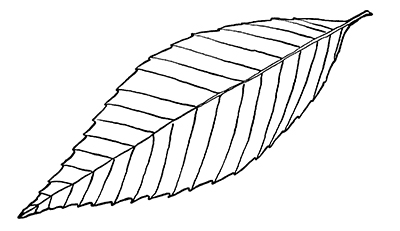
This week, we introduce the beech, or Fagus grandifolia.
The Beech is easily identified by its smooth gray bark and its simple leaves, which feature straight-line veins from the midrib to the small teeth on the margin. Beeches produce a 3/4-inch long fruit covered in spines, which typically holds two triangular-shaped nuts.
American beech is a shade tolerant species found in the understory often on moist but well-drained soils, that also reaches up into the forest canopy at around 70 to 80 feet tall. Beech is found throughout the Great Lakes region as well as the central and southeastern United States.
Beech is used to make items varying from wooden clothes pins to brush banks, handles and woodenware. Due to its strength and ease of turning, it is also used for chair production. Flooring, railroad ties, pallets and container veneer are other uses for this species.
For full article and photos view Purdue Forestry and Natural Resources: Trees of Indiana: Beech.
 View the Purdue Online Tour: Hardwoods of the Central Midwest and find out beech species workability, strength, if it can be steam bent, drying details and much more.
Resources:
Beech – Hardwood Lumber and Veneer Series
Fifty Common Trees of Indiana
An Introduction to Trees of Indiana
Native Trees of the Midwest, The Education Store, Purdue Extension’s resource center
Shrubs and Woody Vines of Indiana and the Midwest, The Education Store, Purdue Extension’s resource center
ID That Tree, YouTube playlist
Woodland Management Moment, YouTube playlist
Investing in Indiana Woodlands, The Education Store, Purdue Extension’s resource center
Forest Improvement Handbook, The Education Store, Purdue Extension’s resource center
Wendy Mayer, FNR Communications Coordinator
Purdue University Department of Forestry and Natural Resources
Lenny Farlee, Sustaining Hardwood Extension Specialist
Purdue University Department of Forestry and Natural Resources
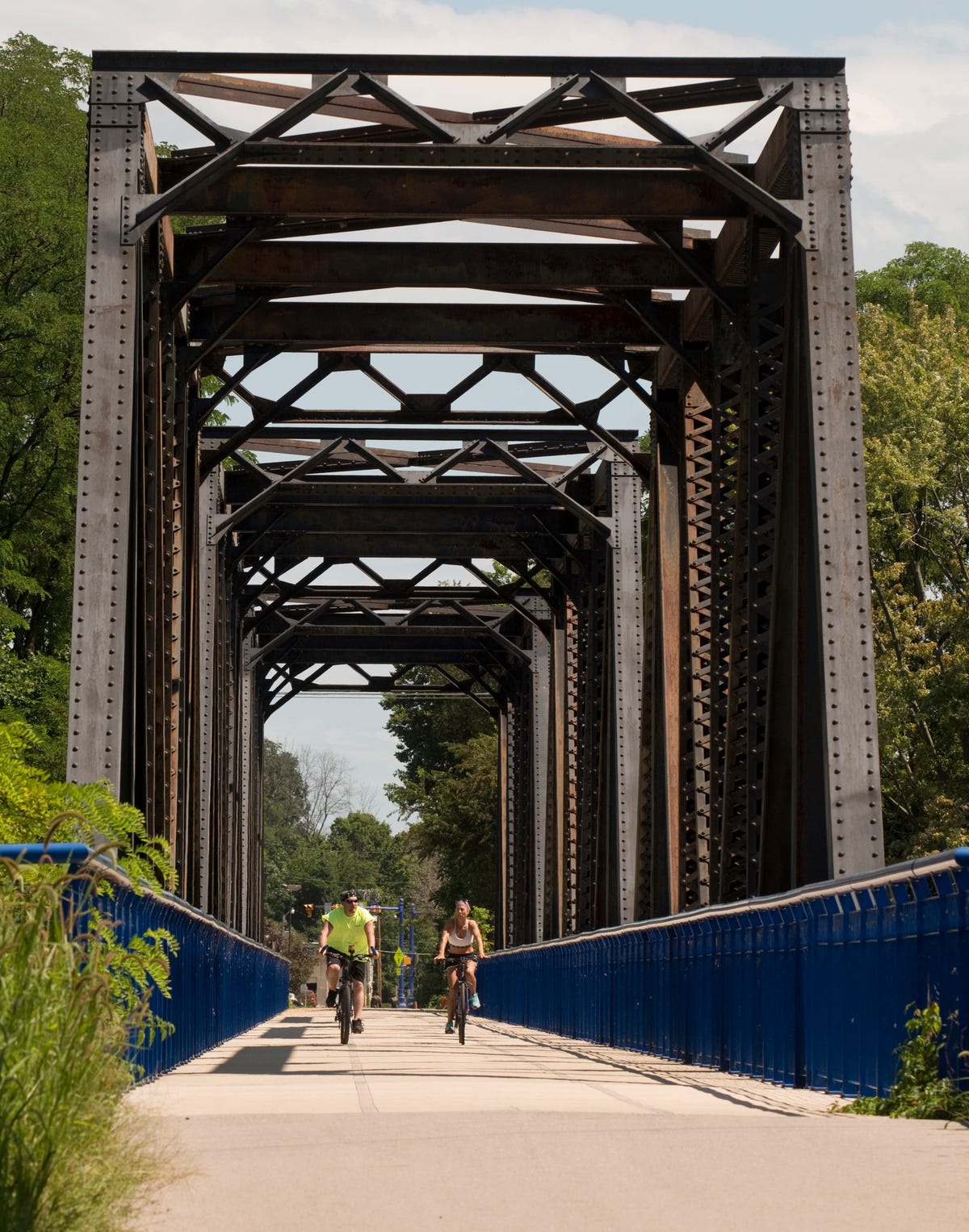 MyDNR Newsletter, Indiana Department of Forestry and Natural Resources: Gov. Eric J. Holcomb and DNR Director Dan Bortner recently announced 38 communities and non-profit organizations will receive a combined $65 million for 77 miles of new trail development.
“Trails connect communities together in such a personal way and are perfect pathways to good mental and physical well-being,” Gov. Holcomb said.
A $150 million grant program, Next Level Trails is the largest infusion of trails funding in state history. In rounds one and two, a total of $55 million was awarded to 35 communities. To date, $120 million has been awarded to build 190 miles of trails throughout Indiana. Ninety-four percent of Hoosiers live within five miles of a trail.
The grants awarded in the third round include 17 regional projects and 21 local projects. The list of awards, project descriptions, and a map are posted at on.IN.gov/NLT-round-3.
To read other news articles visit Indiana Department of forestry and Natural Resources website.
Resources:
Enhancing The Value of Public Spaces, Purdue Extension Forestry and Natural Resources
Enhancing The Value of Public Spaces: Creating Healthy Communities, The Education Store, Purdue Extension’s resource center
Fun Trail Event Days, Indiana Department of Natural Resources
Healthy and Wellness Videos, The Nature of Teaching YouTube Channel
Benefits of Connecting with Nature, The Education Store
Indiana Department of Natural Resources
 The classic and trusted book “Fifty Common Trees of Indiana” by T.E. Shaw was published in 1956 as a user-friendly guide to local species. Nearly 70 years later, the publication has been updated through a joint effort by the Purdue Department of Forestry and Natural Resources, Indiana 4-H, and the Indiana Department of Natural Resources, and reintroduced as “An Introduction to Trees of Indiana.”
The full publication is available for download for $7 in the Purdue Extension Education Store. The field guide helps identify common Indiana woodlot trees.
Each week, the Intro to Trees of Indiana web series will offer a sneak peek at one species from the book, paired with an ID That Tree video from Purdue Extension forester Lenny Farlee to help visualize each species as it stands in the woods. Threats to species health as well as also insight into the wood provided by the species, will be provided through additional resources as well as the Hardwoods of the Central Midwest exhibit of the Purdue Arboretum, if available.
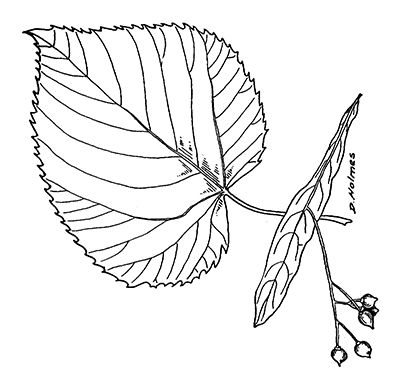
This week, we introduce the basswood or Tilia Americana.
The American basswood, which is also called linden, is commonly identified by its simple heart-shaped leaves with finely toothed margins, flat bark with long running lines up and down the trees, and possibly a ring of sprouts originating from the base of the tree. The clusters of small, nutlike seeds (⅓-inch in diameter)
are attached by a stem to a leaflike wing. 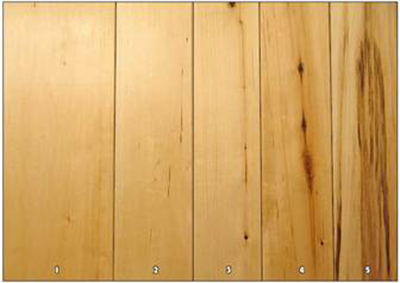
This species is often found on moist sites, deep, loamy soils, with its range stretching from the Great Plains east and from southern Canada through northern Arkansas, Kentucky and the mountains of North Carolina and Tennessee.
With heights reaching 70 to 80 feet tall, basswood can offer good shade. It also offers good flowering for bees. This species has a light colored, fine-grained wood varying from a white color to a very light brown or flesh color.
Due to its weight and stability, basswood has historically been used to make Venetian blinds and key stock in pianos. It also is a preferred species for carving, including items like hunting decoys, etc.
Full article also can be viewed with Purdue Forestry and Natural Resources News: Trees of Indiana: American Basswood.
Other Resources
Basswood – Hardwood Lumber and Veneer Series
Hardwoods of Central Indiana: American Basswood
Fifty Common Trees of Indiana
An Introduction to Trees of Indiana
Native Trees of the Midwest
Shrubs and Woody Vines of Indiana and the Midwest
ID That Tree YouTube playlist
Woodland Management Moment YouTube playlist
Investing in Indiana Woodlands
Forest Improvement Handbook
Wendy Mayer, FNR Communications Coordinator
Purdue University Department of Forestry and Natural Resources
Lenny Farlee, Sustaining Hardwood Extension Specialist
Purdue University Department of Forestry and Natural Resources
The classic and trusted book “Fifty Common Trees of Indiana” by T.E. Shaw was published in 1956 as a user-friendly guide to local species. Nearly 70 years later, the publication has been updated through a joint effort by the Purdue Department of Forestry and Natural Resources, Indiana 4-H, and the Indiana Department of Natural Resources, and reintroduced as “An Introduction to Trees of Indiana.”
The full publication is available for download for $7 in the Purdue Extension Education Store. The field guide helps identify common Indiana woodlot trees.
 Each week, the Intro to Trees of Indiana web series will offer a sneak peek at one species from the book, paired with an ID That Tree video from Purdue Extension forester Lenny Farlee to help visualize each species as it stands in the woods. Threats to species health as well as also insight into the wood provided by the species, will be provided through additional resources as well as the Hardwoods of the Central Midwest exhibit of the Purdue Arboretum, if available.
This week, we introduce the quaking aspen or populus tremuloides.
The quaking aspen, also known as the trembling aspen, is adaptable to a variety of soils, ranging from moist loamy sands and clay, but it is shade intolerant. It is often found on the edge of woodlands or where the site has been disturbed, giving it access to full sunlight.
This species is identifiable by its whitish to grayish bark with dark spots where the branches come out of the trunk. It has small rounded leaves with very small teeth along the margin. Like most aspens, it has long flat leaf steams that are known to flutter in the wind.
Quaking aspen is found int he northern part of the state of Indiana. This species is found from Nefoundland through Alaska in the West, and as far south as Arizona. In the Midwest, it ranges south to northeastern Iowa, northern Illinois and Pennsylvania. It is also found in some scattered areas in the Appalachian Mountains. It is the most widely distributed tree in the United States.
According to the Hardwood Lumber and Veneer Series, aspen is one of our lightest woods with a 12 percent moisture content and a weight of 26 to 27 pounds per cubic foot. It was at one time relegated to the pulp and paper industry as a weed tree, however it is now a favored species for the manufacturer of panel boards.
Full article also can be viewed with Purdue Forestry and Natural Resources News: Trees of Indiana: Quaking Aspen.
Other Resources
Aspen – Hardwood Lumber and Veneer Series
Why Fall Color Is Sometimes a Dud – Purdue Landscape Report
Fifty Common Trees of Indiana
An Introduction to Trees of Indiana
Native Trees of the Midwest, The Education Store, Purdue Extension’s resource center
Shrubs and Woody Vines of Indiana and the Midwest, The Education Store
ID That Tree YouTube playlist
Woodland Management Moment YouTube playlist
Investing in Indiana Woodlands, The Education Store
Forest Improvement Handbook , The Education Store
Wendy Mayer, FNR Communications Coordinator
Purdue University Department of Forestry and Natural Resources
Lenny Farlee, Sustaining Hardwood Extension Specialist
Purdue University Department of Forestry and Natural Resources
The classic and trusted book “Fifty Common Trees of Indiana” by T.E. Shaw was published in 1956 as a user-friendly guide to local species. Nearly 70 years later, the publication has been updated through a joint effort by the Purdue Department of Forestry and Natural Resources, Indiana 4-H, and the Indiana Department of Natural Resources, and reintroduced as “An Introduction to Trees of Indiana.”
The full publication is available for download for $7 in the Purdue Extension Education Store. The field guide helps identify common Indiana woodlot trees.
Each week, the Intro to Trees of Indiana web series will offer a sneak peek at one species from the book, paired with an ID That Tree video from Purdue Extension forester Lenny Farlee to help visualize each species as it stands in the woods. Threats to species health as well as also insight into the wood provided by the species, will be provided through additional resources as well as the Hardwoods of the Central Midwest exhibit of the Purdue Arboretum, if available.
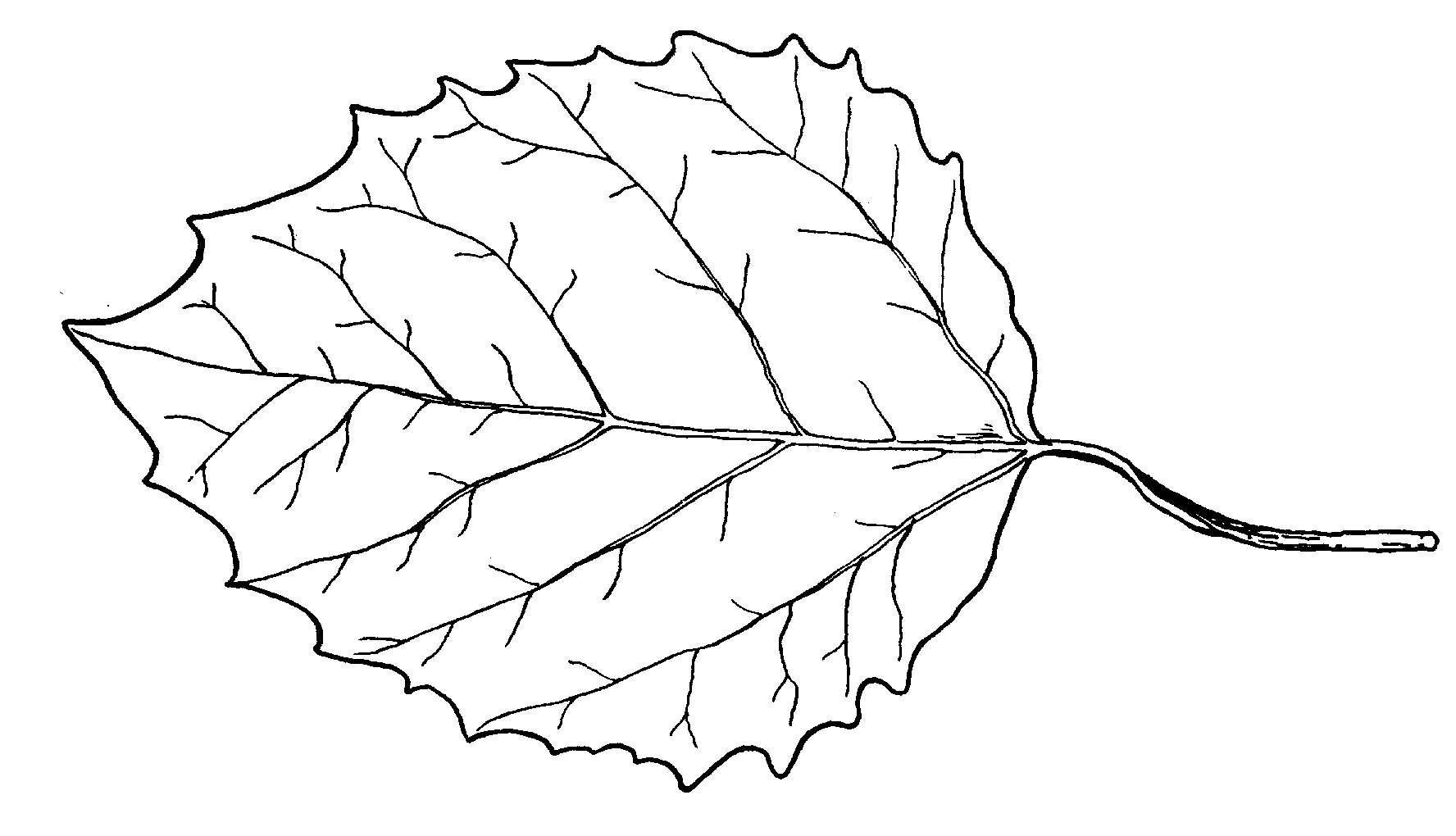
This week, we introduce the large tooth aspen or populus grandidentata.
The large tooth aspen, also known as the big tooth aspen, needs full sunlight and thrives in areas where the soil has been disturbed and provides a good seed bed for its wind-blown seeds.
This species is identifiable by its triangular to round simple leaves with prominent, coarse, hooked teeth on the leaf margins. The long, flat leaf stems which flutter in the wind also are a good characteristic for identification along with its smooth olive green bark.
Large tooth aspen is found throughout the state of Indiana, while its close relative, the quaking aspen is found mostly in the northern portions of the state. This species is found from Nova Scotia west through southern Canada reaching to northeastern North Dakota. Its range also reaches southeast to the Ohio River and along the mountains to Tennessee and then to coastal New Jersey.
According to the Hardwood Lumber and Veneer Series, aspen is one of our lightest woods with a 12 percent moisture content and a weight of 26 to 27 pounds per cubic foot. It was at one time relegated to the pulp and paper industry as a weed tree, however it is now a favored species for the manufacturer of panel boards.
Find this and other Forestry and Natural Resources (FNR) news articles: Purdue FNR News & Stories.
Other Resources:
Aspen – Hardwood Lumber and Veneer Series, The Education Store, Purdue Extension’s resource center
Why Fall Color Is Sometimes a Dud, Purdue Landscape Report
Fifty Common Trees of Indiana
An Introduction to Trees of Indiana
Native Trees of the Midwest, The Education Store
Shrubs and Woody Vines of Indiana and the Midwest
ID That Tree, Purdue Extension-Forestry and Natural Resources (FNR) YouTube playlist
Woodland Management Moment , Purdue Extension-FNR YouTube playlist
Investing in Indiana Woodlands, The Education Store
Forest Improvement Handbook, The Education Store
Wendy Mayer, FNR Communications Coordinator
Purdue University Department of Forestry and Natural Resources
Lenny Farlee, Sustaining Hardwood Extension Specialist
Purdue University Department of Forestry and Natural Resources
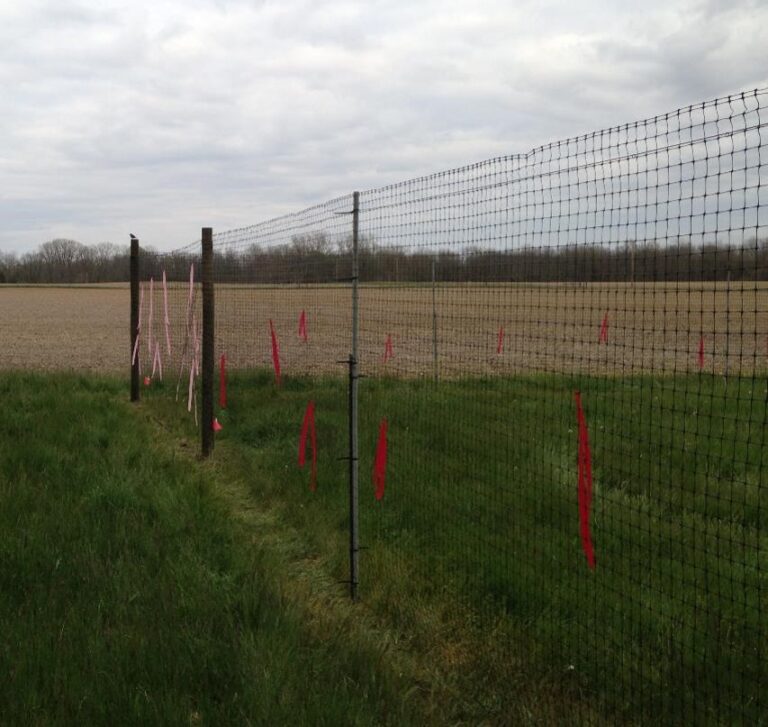 Hardwood Tree Improvement & Regeneration Center (HTIRC) Newsletter: USDA conservation programs provide technical and financial incentives for landowners to install and maintain conservation practices, including tree plantations. They are an important tool to help encourage landowners to make an investment in long-term activities like planting hardwood trees. Research across the eastern US, including work done by the HTIRC, demonstrates that deer browse can be one of the most significant barriers to establishment of a successful tree plantings. Deer may increase mortality, but more often they are preventing planted or naturally regenerating trees from growing in height due to repeated browsing. This damage can also deform trees, resulting in poor stem form and lower potential log quality. Plantations where deer selectively browse desirable species may lose important species like oaks due to overtopping by less favored, and therefore less browsed, species that become free to grow. Reducing the damage done by deer browse is an important, and in many locations the most critical step in successful tree planting establishment in many areas across the eastern US.
One of the primary purposes for these conservation tree plantings is developing forest wildlife habitat, but to successfully establish that habitat may require excluding deer for a few years, until the trees are tall enough to continue growing past the deer browse damage. Fortunately, many state Natural Resource Conservation Service offices are recognizing the impact that deer browse is having on establishing successful conservation tree plantings. To address this barrier to successfully establishing tree plantings and natural regeneration, new scenarios are being added to the Tree and Shrub Establishment practice:
-
- The “Planted Area with Protection” scenario provides cost assistance for tree and shrub planting and placement of a temporary perimeter fence to exclude deer until trees have grown above the height of deer browsing.
- The “Regeneration Area with Protection” scenario provides cost assistance for placement of a temporary fence to protect natural regeneration of tree and shrub species.
- Increased cost assistance payments may be available to help offset some of the additional cost a deer exclusion fence adds to a planting project. States may have differing cost assistance rates and practice requirements. These and other additions to the NRCS tree planting practices provide landowners and natural resource managers effective tools to establish tree plantings that can produce high quality hardwood trees in the future. Check with your local foresters and NRCS offices to see if this practice is available in your area and details on payment rates and requirements. If the practice is not available, work with your local resource management contacts to request addition of this practice for your area in the future.
The HTIRC has supported this fencing practice through research and demonstration plantings that have showcased the benefits deer exclusion fencing can provide for timely establishment and timber quality development in hardwood plantings.
Resources:
Woodland Stewardship For Landowners, Playlist, Purdue Extension – Forestry and Natural Resources YouTube Channel
Woodland Management Moment, Purdue Extension – FNR Playlist
A Woodland Management Moment – Deer Fencing, Purdue Extension – FNR Video
Wildlife Habitat Hint: Exclusion Cage, Purdue Extension – FNR Video
How to Build a Plastic Mesh Deer Exclusion Fence, The Education Store, Purdue Extension resource center
Ask An Expert: Handling Harvested Deer, Purdue Extension – FNR YouTube Channel
Forest Improvement Handbook, The Education Store
Finding help from a professional forester, Indiana Forestry & Woodland Owners Association
Lenny Farlee, Sustaining Hardwood Extension Specialist
Hardwood Tree Improvement & Regeneration Center (HTIRC)
Purdue University Department of Forestry and Natural Resources
Purdue Landscape Report: Pruning is an important maintenance practice on trees that is discussed a great deal. An essential part of making the pruning cut properly is the ability to identify the parts of a branch. Identification of the branch bark ridge and branch collar are vital to severing the branch in a place that facilitates fast and effective wound closure, reducing decay in the location of the cut.
Branches on trees arise from lateral buds present in leaf axils. Initially, lateral shoots (branches) grow in length and diameter at approximately the same rate as the parent stem. As branches become shaded naturally by crown expansion, photosynthesis is reduced in that location and growth slows to a lesser rate than the parent or main stem. A swollen area or collar develops at the junction of branch and stem because of their differential growth rates and by the intermingling of vascular tissues from both the branch and the stem or trunk.
This swollen area is commonly referred to as a branch collar and often present in many branches on the underside of the branch. This specialized location on the branch is composed of trunk (parent stem) wood. The branch collar contains a protective chemical zone that inhibits the movement of decay organisms from dead or dying branches into healthy tissues of the parent stem. As branches begin to die from shading, pests or storm damage, for examples, they usually are walled off (compartmentalized) by tissues in the branch collar which prevents movement of decay organisms into the parent stem.
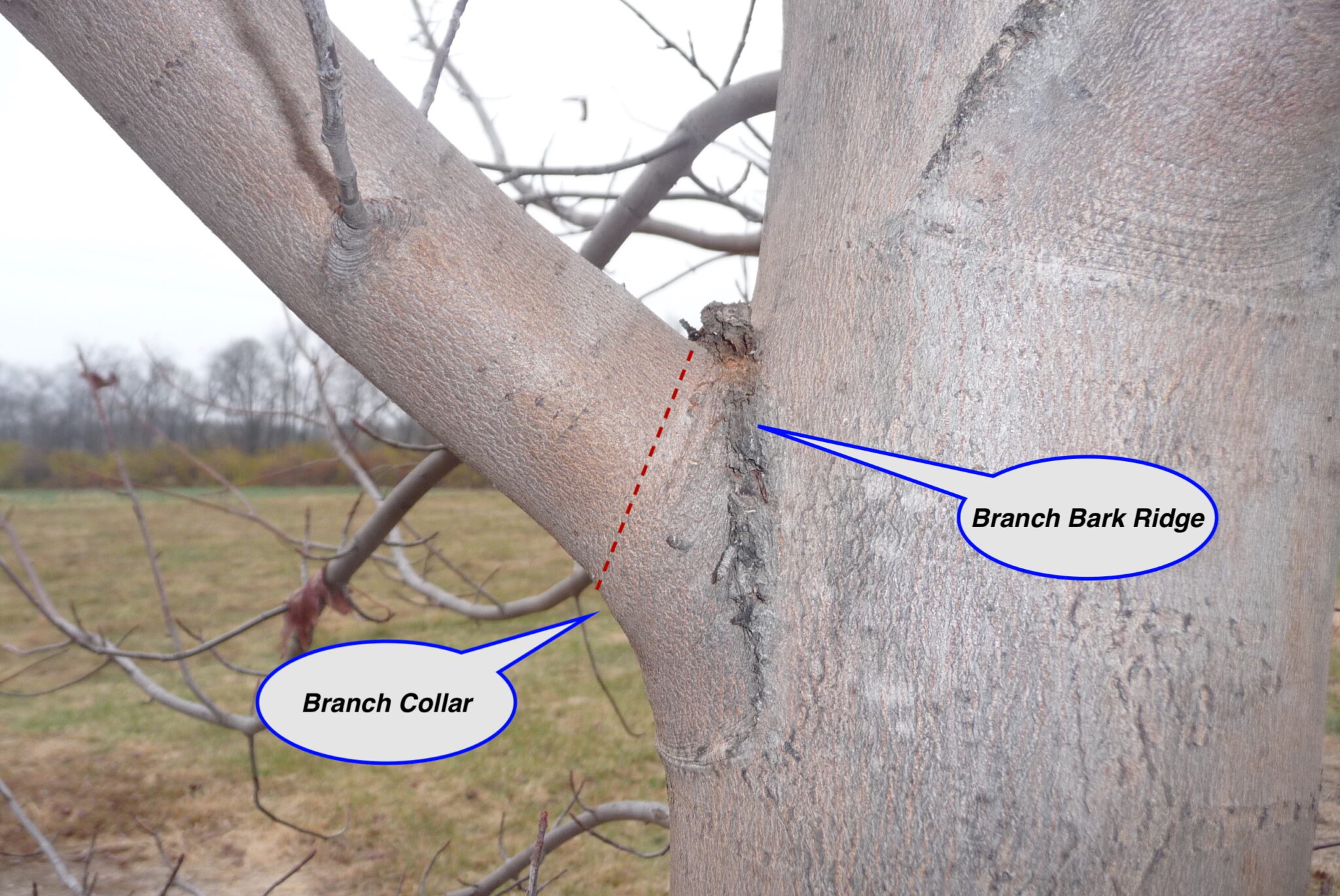
Identify the branch collar and branch bark ridge to perform a good cut, which is just outside the line.
Another important branch component to identify in tree branches is the branch bark ridge. This part of the attachment is composed of rough, usually darkened, raised bark formed at the union where the branch meets the parent stem. The ridge extends from the top of the branch down both sides of the branch union. Together with the branch collar, the portion of the ridge pushed up in the union provides our target for the pruning cut. The BBR is present on every branch union and is an important identifying feature for determining tool placement.
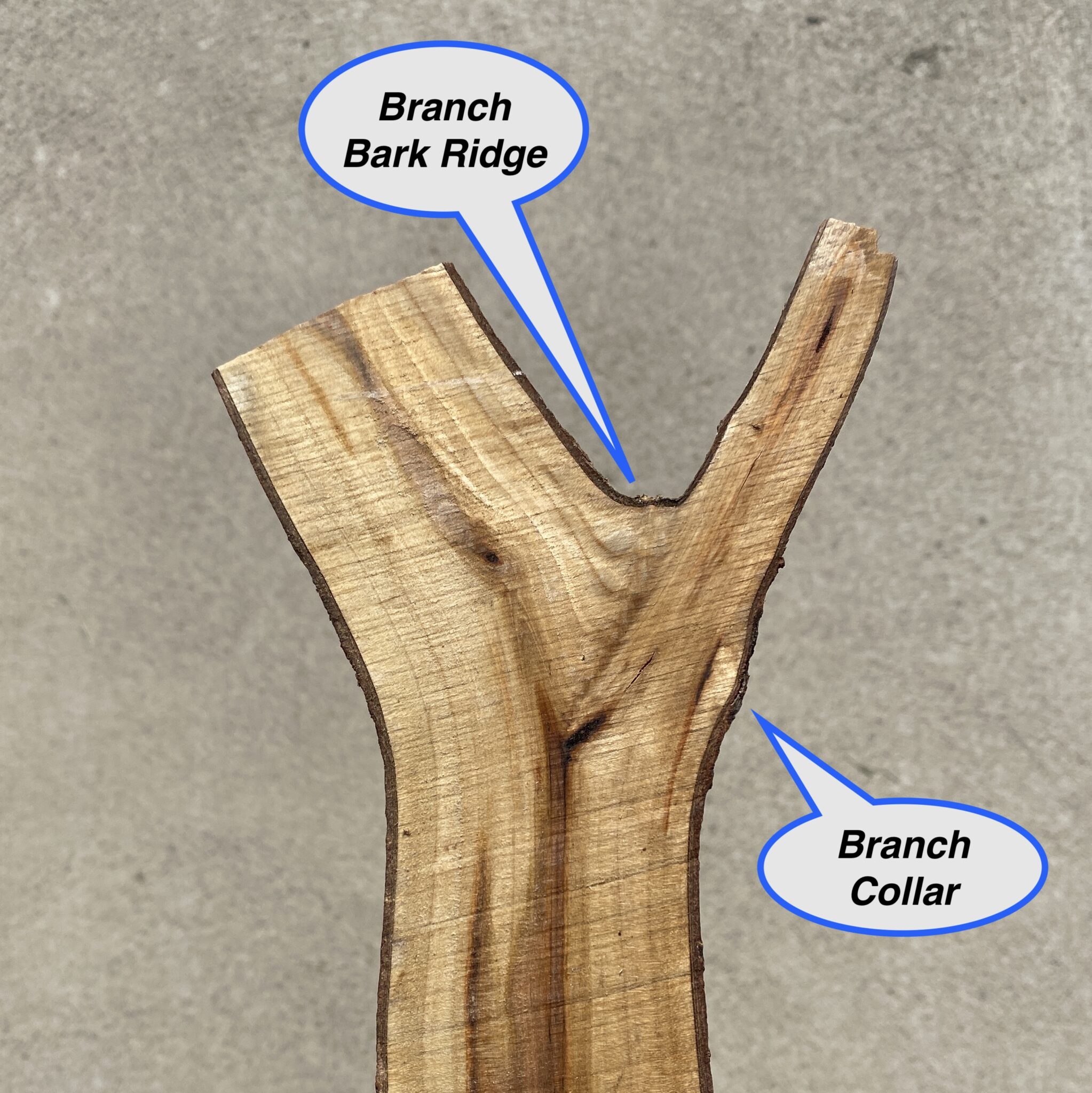
An internal view of the branch collar and branch bark ridge revealing the intermingled stem and branch wood fiber.
The combination of the branch collar, branch bark ridge, and the overlap between the branch and stem are the branch components that form what is called the branch protection zone. This zone contains specialized chemical compounds that help resist the spread of disease in the tree and facilitate wound-sealing. Always avoid damaging the area within the branch collar and branch bark ridge to help the tree recover from the pruning cut as quickly as possible.
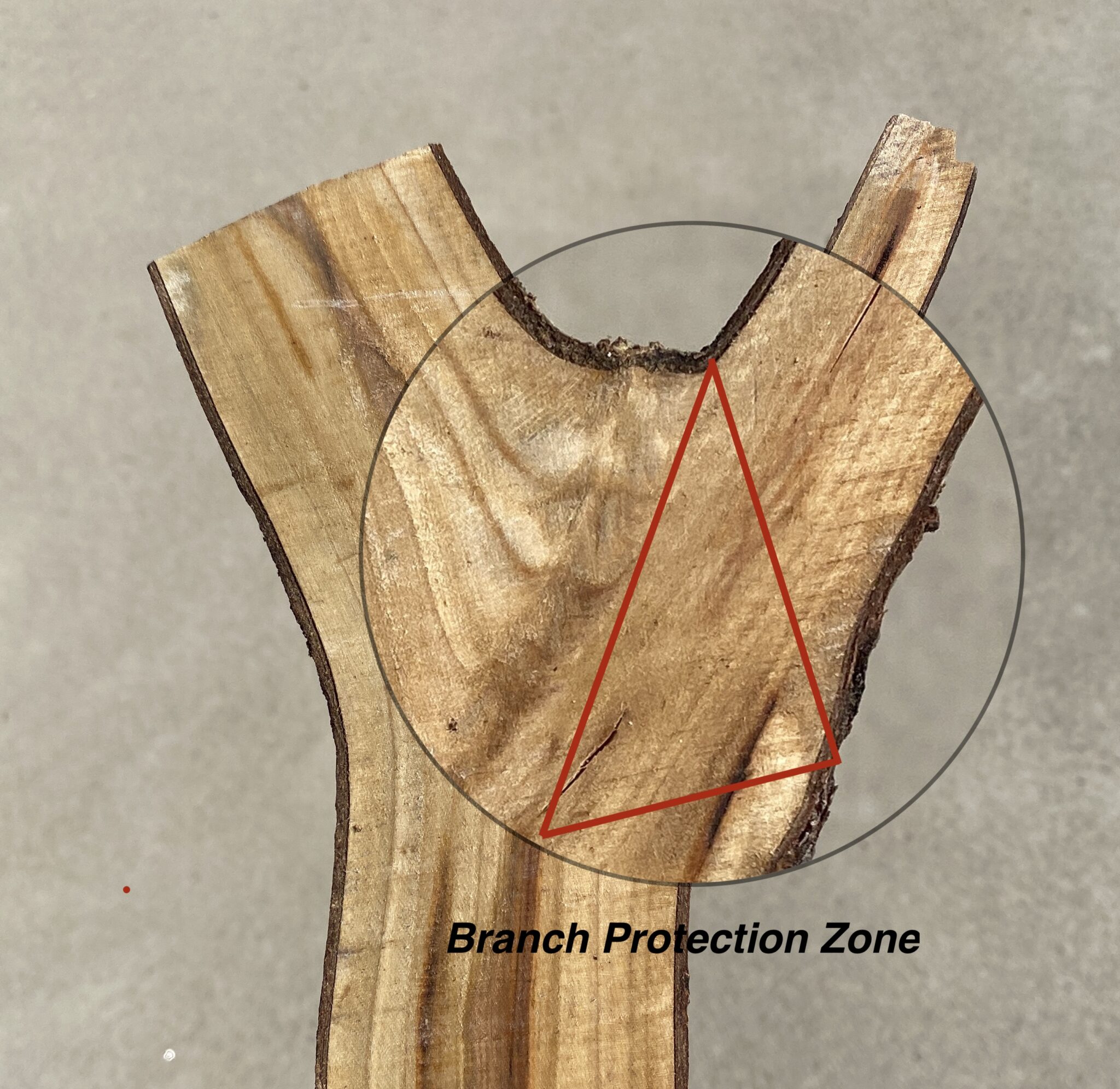
The Branch Protection Zone is an area that contains specialized chemicals to assist with the healing process after pruning.
For the best advice on tree maintenance and care, seek out a tree care professional with the experience and expertise to care for your trees. Search for a tree care provider in your area. Also, consider hiring an ISA Certified Arborist which can be found here.
Resources:
Planting Your Tree Part 1: Choosing Your Tree, Purdue Extension YouTube Channel
Tree Planting Part 2: Planting a Tree, Purdue Extension YouTube Channel
Tree Selection for the “Un-natural” Environment, The Education Store, Purdue Extension resource center
Tree Installation: Process and Practices, The Education Store
Tree Pruning Essentials Video, Purdue Extension YouTube Channel
Purdue Landscape Report
Lindsey Purcell, Urban Forestry Specialist
Purdue Department of Forestry and Natural Resources
Purdue Landscape Report: While fungi are responsible for many of our foliar disease problems, different fungal pathogens present as problems throughout the country, depending upon the host plant grown and the environmental conditions. This is a brief overview of several common types of fungal leaf diseases that occur in Indiana and throughout North America (and Europe). Recognizing the symptoms and signs is an important first step to diagnose a disease problem, followed by how to manage these diseases by combining cultural and chemical controls.
Common fungal leaf diseases of deciduous trees and shrubs
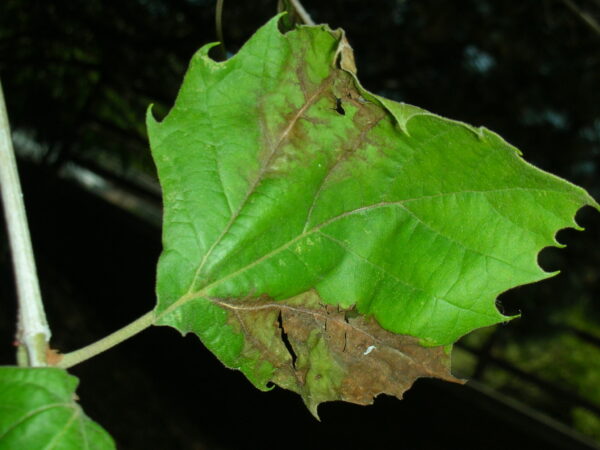
Figure 1. Anthracnose is a yearly problem on sycamore in the Midwest. Photo by Janna Beckerman.
Anthracnose. Anthracnose diseases probably are the best-known foliar fungal diseases of deciduous trees. They affect many ornamental trees including major shade-tree genera such as sycamore (Platanus spp.), oak (Quercus spp.), maple (Acer spp.), elm (Ulmus spp.) and ash (Fraxinus spp.) (Fig. 1). Anthracnose actually is a general term describing symptoms such as dead irregular areas that form along and between the main vein of the leaf. The leaves may also become curled and distorted and twigs may die back. The fungus overwinters in infected twigs and the petioles of fallen leaves, and the spores disseminate in the spring by wind and splashing rain. The disease, while unsightly, rarely results in the tree’s death. Sycamores and other trees often withstand many years of partial defoliation. However, one anthracnose disease is more serious. Dogwood anthracnose (Discula destructiva) is a devastating problem on the Eastern seaboard, but has not been a significant issue here in Indiana.
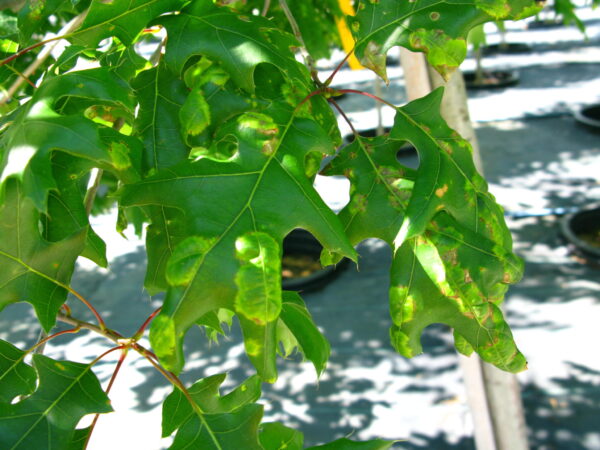
Figure 2. Leaf blister on oak. Photo by Janna Beckerman
Leaf blisters result in the blistering, curling and puckering of leaf tissue. Oak leaf blister (Taphrina caerulescens) is a common blister disease of oaks (Fig. 2)., particularly the red oak subgenus, which includes Northern red oak (Q. rubra) and pin oak (Q. palustris) among others. The symptoms begin as a slight yellowing of the infected leaf followed by round, raised blisters. These turn brown, and the infected leaves fall prematurely. This fungus overwinters as spores on the buds.
Leaf spot is a general symptom caused by a multitude of pathogens and infect all deciduous trees and shrubs, and include dead spots with a defined boundary between living and dead tissue. The dead tissue often separates from the surrounding living tissue creating a “shot-hole” appearance on the infected leaves. Common hosts include dogwood, maples, hydrangea, rose, holly, and Indian-hawthorn.
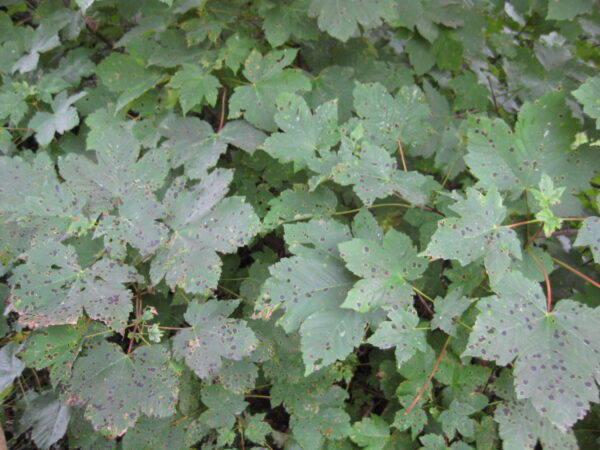
Figure 3. Tar spot is increasing in incidence and severity in Indiana. Photo by Janna Beckerman.
Tar spot (Rhytisma spp.) is a leaf disease with initial symptoms similar to leaf spot. The disease is most common on red (Acer rubrum) and silver maple (A. saccharinum) (Fig.3), but it can occur on a wide range of maple species from sugar (A. saccharum) and Norway (A. platanoides) to bigleaf maple (A. macrophyllum). The symptoms begin in the spring as small greenish-yellow spots on the upper leaf surface that, by mid-summer, progress to black tar-like spots about 0.5 inch in size. The disease is not fatal to the tree, but the appearance of the tar spots alarms some tree owners. A major outbreak in New York about 10 years ago left many maples completely defoliated by mid-August.
Resources:
Diplodia Tip Blight of Two-Needle Pines, The Education Store, Purdue Extension resource center
Boxwood Blight, The Education Store
Disease of Landscape Plants: Cedar Apple and Related Rusts on Landscape Plants, The Education Store
Planting Your Tree Part 1: Choosing Your Tree, Purdue Extension – Forestry & Natural Resources (FNR) YouTube Channel
Tree Planting Part 2: Planting a Tree, Purdue Extension – FNR YouTube Channel
Find a Certified Arborist, Trees are Good-International Society of Arboriculture (ISA)
Video: Step by Step to Find an Arborist, Trees are Good-International Society of Arboriculture (ISA)
Professional Forester, Indiana Forestry Woodland Owners Association
District Forester, Indiana Department of Natural Resources, 10+ acres
Trees and Storms – The Education Store
Why Is My Tree Dying? – The Education Store
Tree Risk Management – The Education Store
Tree Pruning Essentials, Publication & Video, The Education Store
Tree Wound and Healing, Got Nature? Blog, Purdue Extension – FNR
What are Invasives Species and Why Should I Care?, Got Nature? Blog, Purdue Extension – FNR
Subscribe – Purdue Extension-FNR YouTube Channel
Janna Beckerman, Professor of Plant Pathology
Purdue Department of Botany and Plant Pathology
Spiky round fruiting structures which hold the seeds as well as star-shaped leaves are signature characteristics of the sweetgum, a tree native to southern Indiana and utilized ornamentally throughout the state. Learn more about the sweetgum from Purdue Extension forester Lenny Farlee on this edition of ID That Tree.
If you have any questions regarding wildlife, trees, forest management, wood products, natural resource planning or other natural resource topics, feel free to contact us by using our Ask an Expert web page.
Resources
Sweetgum, The Education Store, Purdue Extension resource center
Sweetgum, FNR-Hardwood, The Purdue Arboretum Explorer
Sweetgum, Native Trees of Indiana Riverwalk, Purdue Fort Wayne
ID That Tree, Playlist
A Woodland Management Moment, Playlist, Purdue Extension-FNR YouTube Channel
Investing in Indiana Woodlands, The Education Store
Forest Improvement Handbook, The Education Store
Lenny Farlee, Sustaining Hardwood Extension Specialist
Purdue University Department of Forestry and Natural Resource
In this second of five prescribed fire ignition technique videos, Purdue Extension wildlife specialist Jarred Brooke describes a flanking fire.
If you have any questions regarding wildlife, trees, forest management, wood products, natural resource planning or other natural resource topics, feel free to contact us by using our Ask an Expert web page.
Resources
Wildlife Habitat Hint, Playlist, Purdue Extension – Forestry and Natural Resouces YouTube channel
Wildlife Habitat Hint: Late Growing Season Prescribed Fire, Video
Renovating Native Warm-Season Grass Stands for Wildlife: A Land Manager’s Guide, The Education Store, Purdue Extension resource center
Prescribed fire: 6 things to consider before you ignite, Got Nature? Blog, Purdue Extension – 4Forestry and Natural Resources
Jarred Brooke, Wildlife Extension Specialist
Purdue Department of Forestry and Natural Resources

Recent Posts
- It’s Timberdoodle Time!
Posted: April 3, 2026 in Got Nature for Kids, How To, Wildlife - Keep An Eye Out for Hammerhead Worms, Purdue Landscape Report
Posted: April 2, 2026 in Invasive Animal Species, Wildlife, Woodlands - When is the Peak Migration For Hummingbirds and How Can You Attract Them?
Posted: in How To, Wildlife - ID That Tree Featured in National Woodland Owners Association Newsletter
Posted: April 1, 2026 in Urban Forestry, Wildlife, Woodlands - New 2026 Indiana Woodland Steward Newsletter
Posted: March 30, 2026 in Urban Forestry, Wildlife, Woodlands - A Woodland Management Moment: Why Aspect Matters
Posted: in Urban Forestry, Woodland Management Moment, Woodlands - 2026 Winter Bat Survey In Progress, MyDNR
Posted: March 27, 2026 in How To, Wildlife - Fast-Growing Trees for the Landscape, Purdue Landscape Report
Posted: March 26, 2026 in Forestry, Urban Forestry, Woodlands - Urban Tree Spotlight: Planting Deciduous Shade Trees, Purdue Landscape Report
Posted: March 25, 2026 in Forests and Street Trees, Urban Forestry, Woodlands - Beetle that attacks Tree-of-Heaven found in Indiana, Purdue Landscape Report
Posted: March 20, 2026 in Invasive Insects, Wildlife, Woodlands
Archives
Categories
- Alert
- Aquaculture/Fish
- Aquatic/Aquaculture Resources
- Ask the Expert
- Christmas Trees
- Community Development
- Disease
- Drought
- Forestry
- Forests and Street Trees
- Gardening
- Got Nature for Kids
- Great Lakes
- How To
- Invasive Animal Species
- Invasive Insects
- Invasive Plant Species
- Land Use
- Natural Resource Planning
- Nature of Teaching
- Plants
- Podcasts
- Ponds
- Publication
- Safety
- Spiders
- Timber Marketing
- Uncategorized
- Urban Forestry
- Webinar
- Wildlife
- Wood Products/Manufacturing
- Woodland Management Moment
- Woodlands