 Purdue University - Extension - Forestry and Natural Resources
Got Nature? Blog
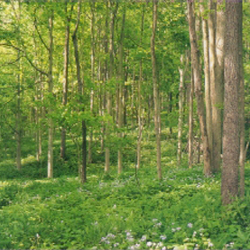 The USDA Natural Resources Conservation Service, shares news article announcing the December 6, 2024 deadline for the Southern Indiana Sentinel Landscape Regional Conservation Partnership Program (RCPP).
Funding Available to Landowners Through the Southern Indiana Sentinel Landscape Regional Conservation Partnership Program
October 8. 2024
Damarys Mortenson, State Conservationist for USDA’s Natural Resources Conservation Service (NRCS) in Indiana announced today the deadline to apply for funding through the Southern Indiana Sentinel Landscape Regional Conservation Partnership Program (RCPP) is Dec. 6.
RCPP is a partner-led program, with NRCS directing technical and financial assistance to priorities identified by partners. Led by the Conservation Law Center, and the Southern Indiana Sentinel Landscape Partnership (SISL), this RCPP is part of a larger initiative to address pressing environmental concerns in the region.
“SISL is a great example of public, private and non-profit organizations working together to solve local concerns,” said Mortenson. “The partners are building on years of successful collaborations focused on natural resource protection, making a greater environmental impact within the focus area.”
Beginning about 20 miles south of Indianapolis, SISL comprises a unique patchwork of land uses. It is anchored by four critical Department of Defense installations and ranges and also contains state parks, state forests, state fish and wildlife areas, state-dedicated nature preserves, the Hoosier National Forest, and National Wildlife Refuges.
These natural and working lands provide an opportunity for partners and stakeholders to sustainably manage forests, build soil health and resiliency on agricultural lands, improve ecosystem health and maintain areas compatible with the military mission. SISL’s overarching goals are to preserve and protect military missions, support sustainable farming and forestry, restore and sustain ecosystems, ensure thriving human communities, and improve climate resiliency. Combined, these efforts have the potential to mitigate the effects of existing encroachment threats or avoid them altogether.
“Protecting Indiana’s oak-hickory ecosystems is essential not just for preserving our natural heritage, but also for safeguarding biodiversity, water quality, soil health and wildlife habitats,” said Mortenson. “The Southern Indiana Sentinel Landscape plays a major role in helping to maintain ecological balance, support countless species and provide clean air and water for southern Indiana communities.”
For full article view: Funding Available to Landowners Through the Southern Indiana Sentinel Landscape Regional Conservation Partnership Program.
For more information regarding the Southern Indiana Sentinel Landscape view The Sentinel Landscapes Partnership website, Southern Indiana Sentinel Landscape.
The Sentinel Landscapes Partnership is a coalition of federal agencies, state and local governments, and non-governmental organizations that work with willing landowners and land managers to advance sustainable land use practices around military installations and ranges. Founded in 2013, the partnership aligns the objectives of the U.S. Department of Agriculture, Department of Defense, Department of the Interior, and Federal Emergency Management Agency to strengthen military readiness, conserve natural resources, bolster agricultural and forestry economies, increase public access to outdoor recreation, and enhance resilience to climate change.
Landowner and Wildlife Habitat Assistance, Indiana Department of Natural Resources, Division of Fish and Wildlife
Timber Harvesting and Logging Practices for Private Woodlands, The Education Store
Investing in Indiana Woodlands, The Education Store
Marketing Timber, The Education Store
Woodland Wildlife Management, The Education Store
A Landowner’s Guide to Sustainable Forestry: Part 3: Keeping Your Forest Healthy and Productive, The Education Store
Indiana Department of Natural Resources Division of Forestry
The Nature of Teaching: Trees of the Midwest, The Education Store
Indiana Woodland Steward, Institute promoting the wise use of Indiana’s forest resources
Indiana Forestry Educational Foundation, Indiana Forestry & Woodland Owners Association
Forest Improvement Handbook, The Education Store
Invasive plants: impact on environment and people, The Education Store
Managing Your Woods for White-Tailed Deer, The Education Store
New Deer Impact Toolbox, Got Nature? Blog, Purdue Extension, Forestry and Natural Resources
Subscribe: Deer, Forest Management, ID That Tree, Woodland Management Moment, Invasive Species and many other topic video playlists Purdue Extension-Forestry and Natural Resources YouTube Channel
USDA Natural Resources Conservation Service
Diana Evans, Extension & Web Communications Specialist
Purdue University Department of Forestry and Natural Resources
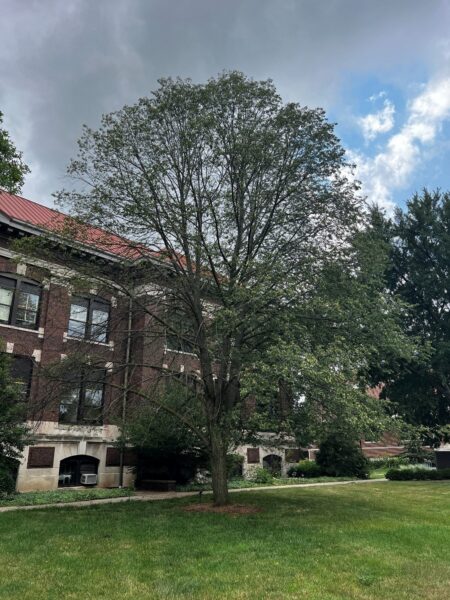
Figure 1: Drought stress can cause decline and, in some cases, death in trees.
Purdue Landscape Report: With recent rain storms across the state, watering may not be at the forefront of everyone’s minds. But as we head deeper into summer it is food to remember most of Indiana is in a state of abnormal dryness to moderate drought, continuing similar conditions from previous years. With that in mind, we should be thinking about the health of our trees (Fig. 1).
Understanding what drought is and its effects on trees can help to bolster care plans. Drought is an extended time with little to no precipitation and can slow growth, reducing photosynthesis, and depleting energy reserves trees need to survive dormancy in winter. Drought conditions can stress trees, making them susceptible to pests and diseases, reducing their ability to produce defensive chemicals, and in severe situations resulting in death (Fig. 2).
One simple task to protect your trees is watering. This is especially important in young and newly transplanted trees. A good industry guideline is the 5-plus-5 rule.
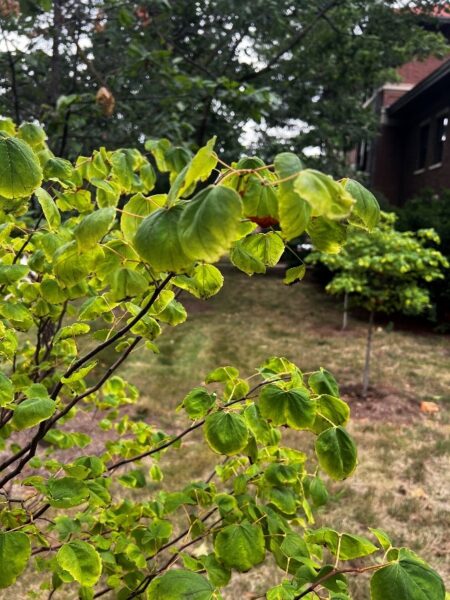
Figure 2a: Wilting in leaves and dieback in parts of the tree can indicate drought stress.
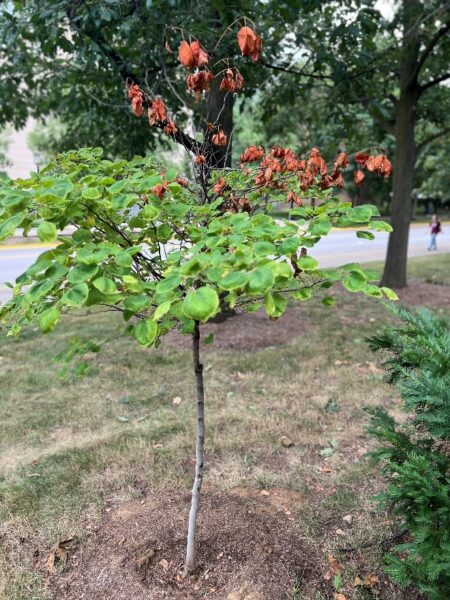
Figure 2b: Wilting in leaves and dieback in parts of the tree can indicate drought stress.
Apply 5 gallons of water plus 5 gallons for every diameter inch of the trunk. For example, a 4-inch tree would require about 25 gallons of water as needed. A good tactic to reduce water runoff from the hose is to take a large bucket and drill enough small holes to create a slow drip watering system. Also check moisture levels in your soil to see if conditions are dry, moist, or saturated.
Another way to maintain soil moisture is to mulch around the tree. Mulch rings should be at least 3 feet in diameter and 2-3 inches deep with a 2–3-inch space between the base of the trunk and the inner mulch ring. Mulching up to the trunk is called volcano mulching and causes issues like stem girdling root production and decay. Mulching reduces evaporation from the soil and helps maintain moderate soil temperatures. It also reduces competition with surrounding lawn and landscaping plants while protecting the trunk from mechanical damage caused by mowing and lawn care practices.
These little steps can go a long way to protect your trees, extending their life spans and your enjoyment with a healthy canopy. For a more detailed look at drought and trees, please have a look at the Purdue extension store here.
Original article posted: Summer Tree Care: Watering Your Trees.
Subscribe and receive the newsletter: Purdue Landscape Report Newsletter.
Resources:
Planting Your Tree Part 1: Choosing Your Tree, Purdue Extension YouTube Channel
Tree Planting Part 2: Planting a Tree, Purdue Extension YouTube Channel
Tree Installation: Process and Practices, The Education Store
Tree Pruning Essentials, The Education Store
Tree Pruning Essentials Video, Purdue Extension YouTube Channel
Drought Information, Indiana Department of Natural Resources
Drought? Don’t forget the trees!, The Education Store
Tree Defect Identification, The Education Store
Tree Wound and Healing, Got Nature? Blog, Purdue Extension – Forestry and Natural Resources
Surface Root Syndrome, The Education Store
Find an Arborist video, Trees are Good-International Society of Arboriculture (ISA)
Trees and Storms – The Education Store, Purdue Education’s resource center
Indiana Invasive Species Council
ID That Tree, Playlist, Purdue Extension – FNR YouTube Channel (Invasive White Mulberry, Siberian Elm, Tree of Heaven)
Fifty Common Trees of Indiana
An Introduction to Trees of Indiana
Native Trees of the Midwest, The Education Store
Subscribe – Purdue Extension-FNR YouTube Channel
Ben McCallister, Urban Forestry Specialist
Purdue Forestry & Natural Resources
Familiar with surprise lilies? Indiana has a native surprise onion!
Many yards where I grew up in southern Indiana were graced with surprise lilies. These plants grew long narrow leaves in the spring, which faded and died by early summer. After a pause with no evidence of the plant, long stems with pink lily-like flowers emerged, with no leaves to be seen.

Ramps foliage is often found in clusters or patches in early spring. These leaves will die before summer.
While these plants are not a native species, we do have a native with similar habits that is a distant relative of the surprise lily. That plant is ramps, also known as wild leek and a variety of other local names. There are two species of ramps recognized now – the more common broad-leaved ramps, Allium tricoccum, and the narrow-leaved ramps, Allium burdickii. Ramps are related to onions and garlic and have odor and taste reminiscent of those plants. Ramps foliage emerges early in the spring and was one of the earliest green edibles available to First Nations people and early European settlers.
Many communities developed festivals or celebrations centered on the emergence of ramps as a sign of spring and some fresh greens to eat. The bright green leaves emerge before the tree leaves and fade before summer, but by the first half of June expect to see thin stems with a rounded cluster of small white flowers emerge – our surprise onion! It may take a ramps plant seven to ten years from seed to produce a flower, so this is a slow-growing and long-lived forest perennial. The flowers are pollinated by insects and produce round black seeds that may stay on the stalk through winter.
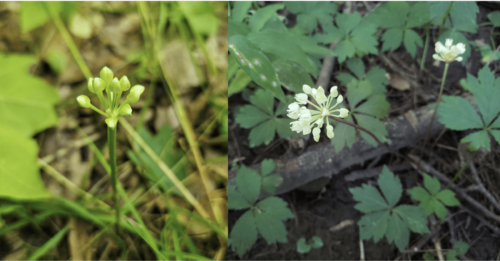
Newly emerged flower stem and buds and the blooming flowers of ramps.
Look for ramps in well-shaded forest areas with moist soils. They have a scattered distribution across Indiana, so you won’t find them in every woodland. The leaves and bulbs are edible, but absolute certainty of ID is essential as there are some toxic plants that look similar. Check ID references and spend some time with experienced foragers before eating any wild plants. The onion/garlic odor of ramps is a good indicator for positive ID.
Since this is a slow growing plant with a limited distribution, over-collection is a threat. A responsible harvesting technique is to harvest one leaf from mature plants, leaving the other leaves and the bulb. If you harvest the whole plant, take less than 5 percent of the plants in a patch, allowing seeding and bulb division to repopulate the area. Seed or bulbs can also be used to plant new patches. So keep you eyes open for our local surprise flowers this June – ramps!
Resources:
ID That Tree, Playlist, Purdue Extension – Forestry and Natural Resources (FNR) YouTube Channel
A Woodland Management Moment, Playlist, Purdue Extension – FNR YouTube Channel (Against Invasives, Garlic Mustard, Autumn Olive)
Woodland Stewardship for Landowners, Playlist, Purdue Extension – FNR YouTube Channel (Common Buckthorn, Japanese Barberry)
Indiana Department of Natural Resources: Invasive Species
Indiana Invasive Species Council
Cooperative Invasive Species Management Area (CISMA)
Episode 11 – Exploring the challenges of Invasive Species, Habitat University-Natural Resource University
What are invasive species and why should I care?, Got Nature? Blog, Purdue Extension – FNR
Shrubs and Woody Vines of Indiana and the Midwest, The Education Store, Purdue Extension Resource Center
Planting Your Tree Part 1: Choosing Your Tree, video, The Education Store
Find an Arborist website, Trees are Good, International Society of Arboriculture (ISA
Lenny Farlee, Extension Forester
Hardwood Tree Improvement and Regeneration Center
Purdue Department of Forestry & Natural Resources
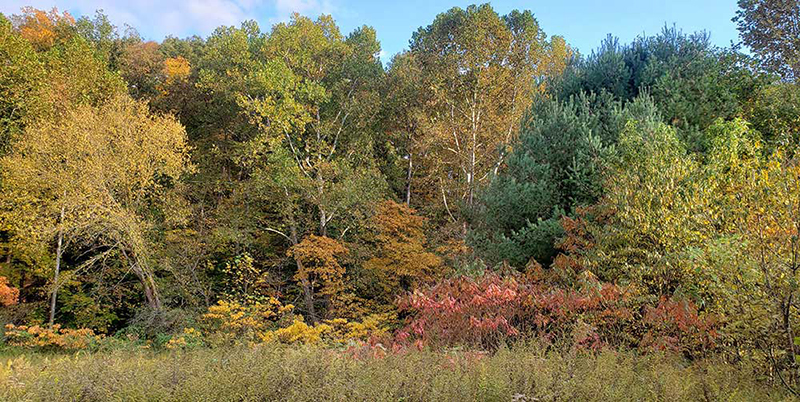 The Indiana Natural Resources Conservation Service (NRCS) is offering an opportunity for landowners to apply for cost assistance with conservation practices like tree planting, forest stand improvement, invasive species control, wildlife habitat improvement and many others.
U.S. Department of Agriculture, Natural Resources Conservation Service News Release, Indianapolis, IN, October 11, 2023 – Farm Bill program application dates have been set for Indiana’s agricultural producers who want to improve natural resources and address concerns on their land. Curtis Knueven, USDA-Natural Resources Conservation Service (NRCS) Acting State Conservationist, announced that December 8 will be the application deadline for the Environmental Quality Incentives Program (EQIP) and Conservation Stewardship Program (CSP) in Indiana. This year’s funding levels are a historic high for Indiana NRCS, bringing $42 million in EQIP and $22 million in CSP for Indiana landowners.
EQIP is a voluntary conservation program available for agricultural producers. Through EQIP, NRCS provides financial and technical assistance to install conservation practices that reduce soil erosion and sedimentation, improve soil health, improve water and air quality and create wildlife habitat. Also included in this sign up are several state and national initiatives. A full list of initiatives can be found by visiting www.nrcs.usda.gov/programs-initiatives/eqip-environmental-quality-incentives/indiana/environmental-quality-incentives.
“EQIP helps agricultural producers in a manner that promotes agricultural production and environmental quality as compatible goals,” said Knueven. “Farmers can receive assistance to implement structural and management conservation practices that optimize environmental benefits on their working agricultural land while helping to increase their yields.”
CSP is an important Farm Bill conservation program that helps producers who are already practicing good stewardship to take their natural resource management to the next level. The program helps to improve both their agricultural production and provide valuable conservation benefits such as cleaner and more abundant water, as well as healthier soils and better wildlife habitat.
“Whether you are looking to improve grazing conditions, increase crop resiliency, or develop wildlife habitat, we can custom design a CSP plan to help you meet those goals,” Knueven said. “We can help you identify natural resource problems in your operation and provide technical and financial assistance to solve those problems or attain higher stewardship levels in an environmentally beneficial and cost-effective manner.”
While applications are accepted year-round, interested producers should work with their local NRCS staff and apply by December 8 to be considered for the current funding period. Applications received after December 8 will automatically be considered during the next funding cycle.
For more information about Farm Bill programs and other technical and financial assistance available through Indiana NRCS conservation programs, visit www.nrcs.usda.gov/indiana or contact your district conservationist www.farmers.gov/working-with-us/service-center-locator.
Resources:
Woodland Stewardship for Landowners: EQUP, video, Purdue Extension-Forestry and Natural Resources (FNR) YouTube Channel
Woodland Stewardship for Landowners: Single Tree and Patch-Cut Harvesting, Purdue Extension – FNR Video
Woodland Stewardship for Landowners YouTube Playlist, Purdue Extension – FNR
Woodland Management Moment: Invasive Species Control Process, Purdue Extension – FNR Video
Woodland Management Moment YouTube Playlist, Purdue Extension – FNR
Invasive Species YouTube Playlist, Purdue Extension – FNR
What are invasive species and why should I care?, Got Nature? Blog, Purdue Extension – Forestry and Natural Resources
Report Invasive Species, Purdue Invasive Species
The GLEDN Phone App – Great Lakes Early Detection Network
EDDMaps – Early Detection and Distribution Mapping System
Hardwood Ecosystem Experiment: Uneven-aged Management, Purdue Extension – FNR Video
Hardwood Ecosystem Experiment: Even-aged Management, Purdue Extension – FNR Video
Finding help from a professional forester, Indiana Forestry & Woodland Owners Association
Forest Improvement Handbook, The Education Store, Purdue Extension resource center
Natural Resources Conservation Service
U.S. Department of Agriculture
Lenny Farlee, Extension Forester
Hardwood Tree Improvement & Regeneration Center (HTIRC)
Purdue University Department of Forestry and Natural Resources
Question: I have 2,700 young white oak and hickory trees that were planted in 2017 that now have black locust creeping in. Should I try to remove them by cutting them down and treating the stumps? What is the best treatment to control the brush?
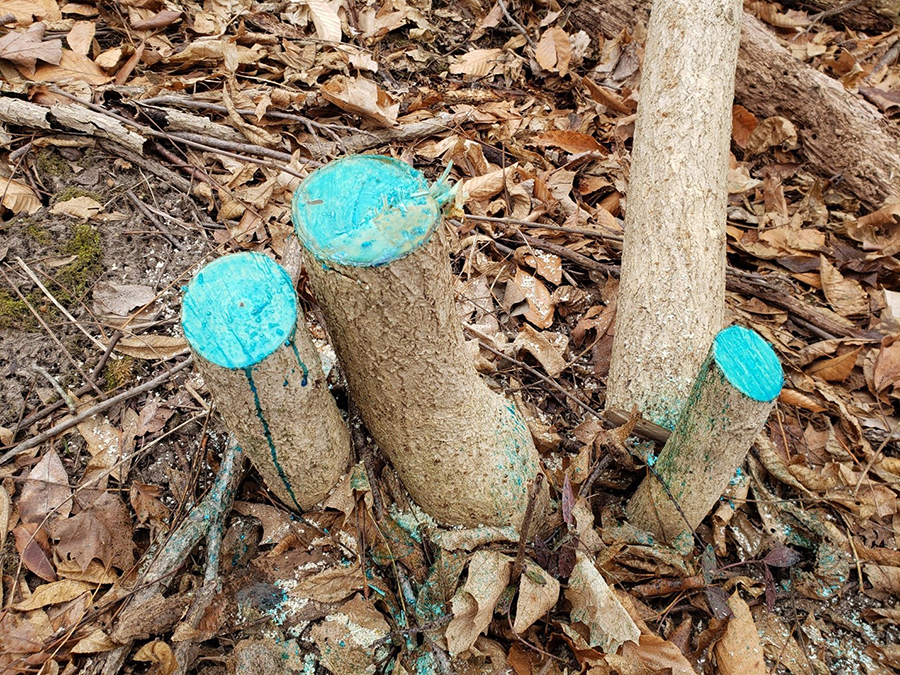
Cut stumps treated with herbicide including a dye to show application. Photo by Lenny Farlee.
Answer: Whether eliminating black locust competing with oaks in a tree planting, or controlling invasive woody shrubs like autumn-olive or Asian bush honeysuckles, cutting the stems near ground-line and treating the stumps with an appropriate herbicide provides a one-two punch to the target plant. Severing the stems from the roots cuts off the flow of photosynthesis-produced food to the roots, and may prevent production and ripening of seed, if done early enough in the growing season. The stump left behind provides a small target area for herbicide application, limiting the damage to nearby native plants that can result from foliar herbicide overspray and drift. The herbicide application should kill the roots and limit re-sprouting. While it requires two sequential operations, cutting and spraying, it may be one of the most efficient methods to control many smaller-diameter woody plants due to the high rate of control achieved when done correctly and limited damage to surrounding desirable vegetation.
So how do you do the “cut-stump” treatment correctly? Several factors need to be considered, but some common elements to effective and efficient treatments include a cutting tool you can operate safely, effective herbicide type and application, and correct timing for the site and situation. Tools can be powered by fuel or electric motors or by your muscles. Be sure you know how to operate them safely and wear appropriate safety gear. I prefer brush saws for near-ground cutting as it limits bending over and is safer to operate than a chainsaw, but they will struggle with some larger diameter or denser stems a chainsaw could cut easily. Handsaws, loppers, pruners, or blade-tools like machetes and brush-hooks are hand-tool options, but larger stems will require more time and effort to cut or will be too large for some hand-tools to handle. Herbicides should be applied immediately after you have cut off the stems. A good choice for many applications is herbicide containing the active ingredient Glyphosate. Glyphosate concentrate herbicides containing 42% or more active ingredient are widely available at many garden and farm stores. Read the label before using the herbicide to confirm the active ingredients, concentration, and requirements for safe and effective applications, including the appropriate safety gear during dispensing and application. Apply the concentrate straight or mixed with up to 50% water to the cut surface immediately after the cut is made. For stems over 3 to 4 inches in diameter, you can apply a band of spray around the perimeter of the stump so the bark, cambium and some sapwood is treated. If you wait to apply the spray to cut surfaces a dozen minutes to hours after the cut is made, two things will happen that can impact the effectiveness of the spray. The surface of the stump will seal as it dries, preventing the entry of the water/herbicide mixture into the plant. You may also have difficulty tracking down the cut stumps if the area is weedy and brushy.
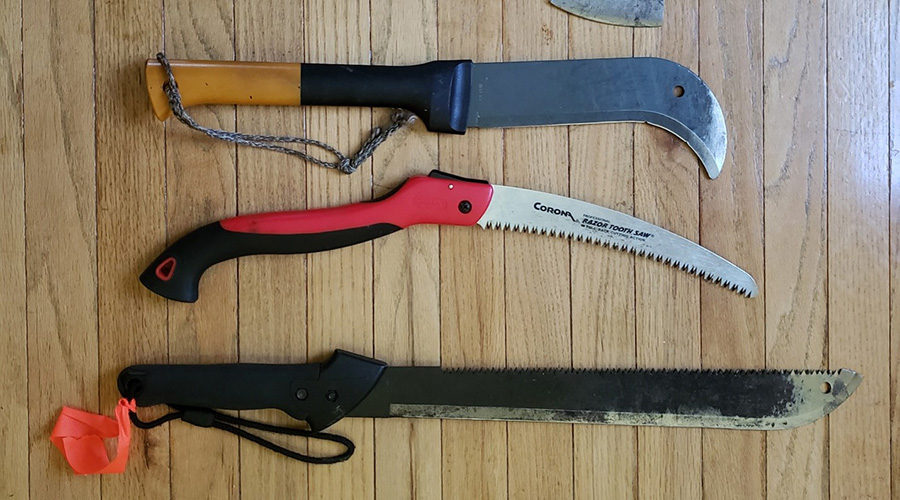
Hand-cutting tools suited for small diameter woody plants. Photo by Lenny Farlee.
Some cautions about timing and locations of this application method. Many plants are pumping lots of sap up from the roots in spring. That sap can flush herbicides out of the application area and result in herbicide failure and re-sprouting from the root system. If the stem is frozen, usually 25 degrees F or colder, herbicide may also not penetrate and evaporate off the frozen stump. Also avoid applications when rain could wash off the herbicide within two or three hours of application.
Several other herbicides are available for this treatment including Triclopyr and 2-4-D/Picloram herbicides. Be sure to read the labels and understand the safety requirements and application instructions before using.
For additional information see the Purdue Extension-FNR webinar Invasive Plants Threaten our Forests Part 2: Control and Management.
More resources:
District Forester, Indiana DNR Division of Forestry, for over 10 acres of woodlands
Directory of Professional Foresters, Indiana Forestry & Woodland Owners Association (IFWOA)
Indiana Woodland Steward E-newsletters, Eleven Member Organization
A Woodland Management Moment, Playlist, Purdue Extension – Forestry and Natural Resources (FNR) Youtube Channel
Conservation Tree Planting: Steps to Success, Purdue Extension – FNR Youtube Channel
Forest Improvement Handbook, The Education Store
Invasive Species, Playlist, Purdue Extension – FNR Youtube Channel
Woodland Stewardship for Landowners, Playlist, Purdue Extension – FNR Youtube Channel
Invasive Plant Species Identification, Video, Purdue Extension – FNR Youtube Channel
Report Invasive Species, Purdue Invasive Species
The GLEDN Phone App – Great Lakes Early Detection Network
EDDMaps – Early Detection and Distribution Mapping System
Indiana Department of Natural Resources: Invasive Species
Indiana Invasive Species Council
Cooperative Invasive Species Management Area (CISMA)
Invasive plants: impact on environment and people, The Education Store, Purdue Extension’s resource center
A Landowner’s Guide to Sustainable Forestry: Part 7: Managing for a Diversity of Value-Added Forest Products, The Education Store
Investing in Indiana Woodlands, The Education Store
Woodland Invaders, Got Nature? Blog, Purdue Extension – FNR
The Education Store, Purdue Extension’s resource center (place keywords in search bar, for ex: invasive, forest, timber)
Lenny Farlee, Extension Forester
Purdue University Department of Forestry and Natural Resources
Purdue Landscape Report: The emerald ash borer (EAB), Agrilus planipennis, is still one of the most damaging insect pests ever to invade North American forests. Unlike most native boring insects, this beetle can attack and kill relatively healthy ash trees. In Indiana cities we found this insect capable of killing most of the unprotected ash trees within 6 to 10 years. Nearly 20 years after its first detection in Indiana (2004), trees still need to be protected to keep them alive. The benefits of these living ash trees easily justify the cost of monitoring them. We provide answers to common questions people have about the need for continued treatment.
- I have had a tree care specialist treat my ash trees for the last 10 years. What will happen to these trees if I stop this service? If your trees are still healthy, they were probably treated with injections of emamectin benzoate. Initially we recommended treating trees once every 2 years. This was especially helpful during the initial invasion when each newly infested tree was producing hundreds of beetles per year. Now that most of the untreated ash trees are dead in Indiana, there are fewer emerald ash borers to attack the surviving ash trees. Research clearly shows that treating trees once every 3 years is enough to keep ash trees alive. Increasing the time between treatments beyond 3 years will increase the risk of losing your trees.
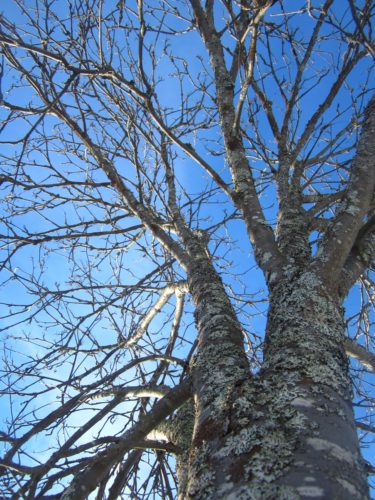
We recently completed a 10-year study in Indianapolis, where large ash trees were treated at 3-year intervals (2013 and 2016), Although they were well-protected through 2019, we saw a slight increase in damage 4 and 5 years after the last injection (2020 and 2021). By the 6th year trees after the last treatment (2022), trees declined to the point that they were a safety hazard. Overall, spring treatments were more effective than fall treatments.
- Is it worthwhile to continue treating my trees? The simple answer is YES, especially if you think about the costs of the alternatives over time. Consider the following choices:
- Homeowner tree removal vs treatment. Suppose you had ash tree that was whose trunk diameter was 30 inches. If you were to have that tree and its stump removed, the cost could easily be $1800. If an ash tree is near your house or other valuable structure special precautions need to be taken to keep limbs from causing damage. These protective measures add greatly to the labor costs and could easily double the removal costs ($3600). In contrast, to keep that tree alive, you would have to inject that tree once every three years at a cost of $300 (assuming the fee is $10/ diameter inch). In other words, the $1800 -3600 you pay to remove the trees would provide 18-36 years of enjoying your tree!
- Homeowner tree replacement vs treatment. Trees grow slowly. Most add a bit less than a half an inch per year of diameter to the trunk. So, if you add $500 on top of the removal costs to plant a new tree ($2300- $4100), the same money would provide 23 to 42 years of tree enjoyment. Moreover, the tree you planted would only be half the size of the original ash tree in 30 years.
For the full article please visit Purdue Landscape Report: Should ash trees still be protected from emerald ash borer?
Resources:
New Hope for Fighting Ash Borer, Got Nature? Purdue Extension-FNR
Invasive Pest Species: Tools for Staging and Managing EAB in the Urban Forest, Got Nature?
Emerald Ash Borer, Purdue Extension-Entomology
Emerald Ash Borer Tools & Resources – Purdue Extension Entomology
Planting Your Tree Part 1: Choosing Your Tree, Purdue Extension YouTube Channel
Tree Planting Part 2: Planting a Tree, Purdue Extension – Forestry and Natural Resources YouTube Channel
Indiana Invasive Plant List, Indiana Invasive Species Council, Purdue Entomology
Landscape Report Shares Importance of Soil Testing, Purdue FNR Extension
Find an Arborist website, Trees are Good, International Society of Arboriculture (ISA)
Tree Risk Management – The Education Store, Purdue Extension’s resource center
Bob Bruner, Exotic Forest Pest Educator
Purdue Entomology
Cliff Sadof, Professor, Ornamental, Pest Management
Purdue Entomology Extension Coordinator
MyDNR, Indiana’s Outdoor Newsletter: The Indiana Natural Resources Foundation, in partnership with the Division of Forestry, is planning another busy year for the Indiana Tree Project. In 2022, more than 11,000 trees were added to Indiana’s public lands through Indiana Tree Project plantings, and this year is expected to be another successful year.
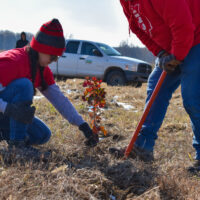
Through a partnership with the Division of Forestry, we are helping Indiana’s forests grow, one tree at a time, with the Indiana Tree Project. Healthy forests in Indiana promote wildlife habitats, clean air and an abundance of outdoor recreation opportunities. It is estimated that 85 percent of Indiana was once forested. Today, only 19 percent of the state is forested. The Indiana Tree Project is much more than just planting trees. Through this project we are adding new acreage to Indiana’s State Forests and we’re trying to add 1,000 acres of new forested land.
When you support the Indiana Tree Project, we provide you with an official tree certificate to demonstrate your support for the smart management of Hoosier forests. It includes the coordinates for the acre on which your tree is, or will be, planted.
Newsletter can be found online: MyDNR Email Newsletter
For more information please visit Help Grow Indiana’s Forests – MyDNR
Resources:
Forest Improvement Handbook, The Education Store, Purdue Extension’s resource center
Harvesting our forests, the wildlife debate, Purdue Extension – Forestry and Natural Resources (FNR) Got Nature? Blog
Wildlife Responses to Timber Harvesting, The Education Store
Breeding Birds and Forest Management: the Hardwood Ecosystem Experiment and the Central Hardwoods Region, The Education Store
Forest Management for Reptiles and Amphibians: A Technical Guide for the Midwest, The Education Store
Hardwood Ecosystem Experiment – Forest Birds , Purdue Extension – FNR YouTube Channel
Managing Woodlands for Birds , Purdue Extension – FNR YouTube Channel
Sustaining Our Oak-Hickory Forests , Purdue Extension – FNR YouTube Channel
Ask the Expert: Hardwood Ecosystem Experiment – Birds and Salamander Research, Purdue Extension – FNR
Subscribe to Purdue Extension-FNR YouTube Channel
Indiana Department of Natural Resources, Department of Fish & Wildlife
In this webinar hosted by Indiana Forestry & Woodland Owners Association, author Doug Tallamy discusses his book “The Nature of Oaks” and how Oaks sustain a complex and fascinating web of wildlife. Doug has also written Bringing Nature Home: How Native Plants Sustain Wildlife in Our Gardens which was awarded the silver metal in 2008 by the Garden Writers Association, Living Landscape, and Nature’s Best Hope. Tallamy has also founded Homegrown National Parks, a grassroots call-to-action to regenerate biodiversity and ecosystem function by planting native plants and creating new ecological networks.
Join IFWOA for their upcoming webinar that will be recorded and placed on their YouTube Channel:
- April 12, 2023 – Magnificent Trees of Indiana
Check out their Indiana Forestry & Woodland Association YouTube Channel for videos including: What is IFWOA?; A New Carbon Program for Hardwood Landowners Webinar, 202 Charles Deam Forest Stewardship Award and much more.
The Indiana Forestry & Woodland Owners Association (IFWOA) was founded in 1977 and is a non-profit organization dedicated to conservation and sustainable management of woodlands in Indiana. IFWOA advocates for scientific best practices for management to achieve objectives of clean water, wildlife habitat, soil protection, native species diversity, timber production, recreation, carbon sequestration and many others.
IFWOA is an affiliate of the National Woodland Owners Association. IFWOA is a partner, collaborator or is represented on leading National and State organizations. These memberships or collaborations are selected to advance Indiana Woodland owner’s interests. IFWOA monitors and influences legislation and economic trends impacting Indiana woodlands and landowners for our members. Membership in IFWOA provides a valuable network linkage to information and resources at the leading edge of science, industry and politics impacting Indiana woodlands.
Resources:
Find an Indiana Professional Forester, Indiana Forestry & Woodland Owners Association (IFWOA)
Purdue Arboretum Explorer
Native Trees of the Midwest, The Education Store
Shrubs and Woody Vines of Indiana and the Midwest, The Education Store
Investing in Indiana Woodlands, The Education Store
Forest Improvement Handbook, The Education Store
ID That Tree, Purdue Extension-Forestry & Natural Resources (FNR) YouTube playlist
Woodland Management Moment , Purdue Extension-FNR YouTube playlist
Diana Evans, Extension and Web Communication Specialist
Purdue University Department of Forestry and Natural Resources
Liz Jackson, Engagement Lead
Indiana Forestry & Woodland Association
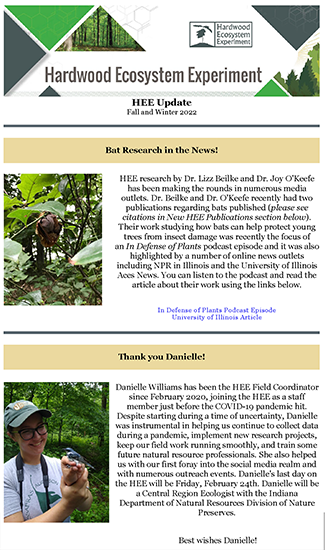 The Fall/Winter 2022 HEE Update newsletter is now available online. Research highlights and student news include:
- Bat Research in the News
- Thank You Danielle
- We Are Hiring
- A Second HEE Departure
- Welcome New Graduate Students
- HEE Publications
“The HEE Update” is distributed to anyone interested in receiving updates on the Hardwood Ecosystem Experiment (HEE). The newsletter includes updates of field work, media attention, committee meetings, extension events, job announcements, publications, and presentations. Anyone can receive this newsletter. If you would like to be added to the newsletter list email Dr. Mike Saunders, associate professor of silviculture, Purdue Forestry and Natural Resources, at msaunder@purdue.edu.
What is HEE?
The focus of forest science is increasingly shifting to the management of forests as complex systems rather than as simple agricultural landscapes—with a much greater appreciation for the interactive ecosystem processes. In addition, now for many forest landowners, the ecological value of their land is at least as important as the economic return. It is, therefore, vital to understand how forest management affects not only timber production, but also the overall function of forested ecosystems.
The Hardwood Ecosystem Experiment (HEE) is a long-term, large-scale experimental study of forest management and its impacts. The project was initiated in 2006 with partners including: Ball State University, Drake University, Indiana State University, Purdue Entomology, Indiana Department of Natural Resources (IN DNR), and the Indiana Chapter of the Ruffed Grouse Society.
For information about study sites, harvesting treatments, sampling design, and more, see our Project Overview and Design page and US Forest Service General Technical Report NRS-P-108, The Hardwood Ecosystem Experiment: A Framework For Studying Responses to Forest Management.
Resources
Hardwood Ecosystem Experiment, Website
Hardwood Ecosystem Experiment (HEE), YouTube Playlist, Purdue Extension–Forestry and Natural Resources (FNR)
Prescribed Fire, Hardwood Ecosystem Experiment (HEE) YouTube Video
Ask an Expert: Hardwood Ecosystem Experiment (HEE) Birds and Salamander Research, Video, Purdue Extension-FNR YouTube Channel
Hardwood Ecosystem Experiment – Wildlife Responses to Timber Harvesting, The Education Store, Purdue Extension’s resource center
The Hardwood Ecosystem Experiment: Indiana Forestry and Wildlife, The Education Store
You may have many reasons why you want to plant trees on your land and this webinar Conservation Tree Planting will help you as you define your objectives and plan your planting. This webinar explains the difference between conservation tree planting and ornamental or landscape tree planting. The research based techniques and resources shared will help guide you as you work toward meeting your goals.
Lenny Farlee, Purdue extension forester, discusses topics including:
- reforestation
- tree species
- growth rates
- ordering seedlings
- weed control/herbicides
- equipment
- erosion control
- windbreaks
- soil health
- post-planting care/thinning
- fencing options
- wildlife habitat management
We Want to Hear From You:
After you have viewed the webinar please fill out the Qualtrics Survey and let us know if the video was helpful.
Resources:
Resources and Assistance Available for Planting Hardwood Seedlings, The Education Store, Purdue Extension’s resource center
Creating a Wildlife Habitat Management Plan for Landowners, The Education Store
Planting Forest Trees and Shrubs in Indiana, The Education Store
Forest Improvement Handbook, The Education Store
How to Build a Plastic Mesh Deer Exclusion Fence, The Education Store
Woodland Stewardship for Landowners Purdue Extension – Forestry & Natural Resources (FNR) Extension YouTube Playlist
Woodland Management Moment, Purdue Extension – FNR YouTube Playlist
Lenny Farlee, Sustaining Hardwood Extension Specialist
Purdue University Department of Forestry and Natural Resources

Recent Posts
- It’s Timberdoodle Time!
Posted: April 3, 2026 in Got Nature for Kids, How To, Wildlife - Keep An Eye Out for Hammerhead Worms, Purdue Landscape Report
Posted: April 2, 2026 in Invasive Animal Species, Wildlife, Woodlands - When is the Peak Migration For Hummingbirds and How Can You Attract Them?
Posted: in How To, Wildlife - ID That Tree Featured in National Woodland Owners Association Newsletter
Posted: April 1, 2026 in Urban Forestry, Wildlife, Woodlands - New 2026 Indiana Woodland Steward Newsletter
Posted: March 30, 2026 in Urban Forestry, Wildlife, Woodlands - A Woodland Management Moment: Why Aspect Matters
Posted: in Urban Forestry, Woodland Management Moment, Woodlands - 2026 Winter Bat Survey In Progress, MyDNR
Posted: March 27, 2026 in How To, Wildlife - Fast-Growing Trees for the Landscape, Purdue Landscape Report
Posted: March 26, 2026 in Forestry, Urban Forestry, Woodlands - Urban Tree Spotlight: Planting Deciduous Shade Trees, Purdue Landscape Report
Posted: March 25, 2026 in Forests and Street Trees, Urban Forestry, Woodlands - Beetle that attacks Tree-of-Heaven found in Indiana, Purdue Landscape Report
Posted: March 20, 2026 in Invasive Insects, Wildlife, Woodlands
Archives
Categories
- Alert
- Aquaculture/Fish
- Aquatic/Aquaculture Resources
- Ask the Expert
- Christmas Trees
- Community Development
- Disease
- Drought
- Forestry
- Forests and Street Trees
- Gardening
- Got Nature for Kids
- Great Lakes
- How To
- Invasive Animal Species
- Invasive Insects
- Invasive Plant Species
- Land Use
- Natural Resource Planning
- Nature of Teaching
- Plants
- Podcasts
- Ponds
- Publication
- Safety
- Spiders
- Timber Marketing
- Uncategorized
- Urban Forestry
- Webinar
- Wildlife
- Wood Products/Manufacturing
- Woodland Management Moment
- Woodlands