 Purdue University - Extension - Forestry and Natural Resources
Got Nature? Blog
Check out the new publication entitled Benefits of Connecting with Nature now available in The Education Store!
Times are constantly changing with the growth and integration of technology within society. As we become more and more reliant on technology for information and entertainment, we seem to be detached from many vital aspects of our world. People, especially children, are losing their touch with the outdoors. Recent reports show that children ages 6–11 spend an average of 28 hours per week watching television. The average amount of time children spent using mobile devices tripled between 2011–2013.
Natural environments have positive impacts on people’s mental health and well-being. Studies consistently show that natural settings link to much stronger developmental benefits for children.
This unit will help teachers explore student’s relationship between nature and mental health. It contains four 30-40 minutes activities: Emotion Vocabulary Exploration, Guided Imagery, Creative Writing and Exploring Nature with your Senses.
Resources:
The Nature of Teaching – Purdue Extension
Appreciating Reptiles and Amphibians in Nature –The Education Store
Frogs and Toads of Indiana – The Education Store
Molly Hunt, Extension Educator, Delaware County
Purdue University Extension Health and Human Sciences
Katie Zuber, Extension Educator, Lawrence, Jackson, Monroe and Brown County
Purdue University Extension Health and Human Sciences
Lindsey Pedigo, Extension Educator, Howard County
Purdue University Extension Health and Human Sciences
Rod N Williams, Associate Head of Extension & Associate Professor of Wildlife Science
Purdue University Department of Forestry and Natural Resources

The end of the school year represents not only the beginning of summer but also the start of field season. Time spent out in the field can be fun, informative, and an opportunity to gather important data. Field data can also be difficult to gather as outdoor conditions are often unpredictable. Anyone expecting to do work out in the field must be prepared for anything. In addition to the likelihood of heat stress and the threat of diseases carried by insect assailants (i.e. ticks, mosquitoes), those in the field must prepare for events that come naturally with doing research outside of a controlled environment.
Packing an emergency bag before venturing into the field is one way to ensure that negative ramifications of any accidents are kept to a minimum or eliminated completely. Standard emergency supplies should accompany field researchers on every trip. The nature of the outing should also be considered since additional, more specialized, equipment may be needed in some areas. Typical emergency equipment needed for each foray into the wild includes:
- Charged cell phone with an extra battery and a charger (stored in plastic bag with some petty cash)
- Fully stocked first aid kit (large size with an array of bandages and wound wrapping materials) with specialized field supplies (fish hook removers, seasickness tablets, flare gun, mosquito net, etc.) and general forest supplies (sunscreen, poison ivy/oak/sumac cream, insect repellent)
- Vehicle emergency kit (with vehicle operator’s manual and emergency blankets)
- Non-perishable, easy to open food stuffs (i.e. peanut butter, beef jerky, granola bars)
- Water (minimum of 1 gal / person / day of the trip plus an additional 3 days) and water purification tablets or filter devices
- Plastic Ziploc bags for personal hygiene products (toilet paper, sanitizing wipes, feminine products), extra clothes including a brimmed hat, and electronic devices
- Local guidebook and ability to identify hazardous plant and native wildlife species in the traversed field region
- Flashlight (with extra batteries)
- Two-way radio (if necessary to work alone in an isolated or dangerous area and check in regularly) and handheld weather station
- Personal protective equipment (safety glasses/goggles, gloves, hard hat, sturdy boots, etc.)
- Identification (photocopy of driver’s license, medical prescriptions and coverage information, and emergency contact information) for everyone in the field
- Maps, compass, and GPS unit
Following this list is the first start to a safe and successful field season! Best of luck!
Resources:
Nature of Teaching-Health and Wellness, Purdue Extension
Benefits of Connecting with Nature, The Education Store
Orphaned Wildlife, Got Nature?, Purdue Extension-FNR
Shaneka Lawson, USDA Forest Service/HTIRC Research Plant Physiologist/Adjunct Assistant Professor
Purdue University Department of Forestry and Natural Resources
Lenny Farlee, Sustaining Hardwood Extension Specialist
Purdue Department of Forestry and Natural Resources
In Tennessee, magnolia and the highly invasive ornamental pear trees are in full bloom. In New Jersey, crocuses and buttercups are vibrant spectacles of color. Here in Indiana, flowering dogwood, pawpaw, and red oak have responded to an early spring with a burst of blooms as well. This vibrant display is the result of a mild winter. Unfortunately, there is a downside. A sudden cold freeze after this swathe of warm weather could severely damage blossoms, buds, and significantly reduce yields in fruit and nut trees.
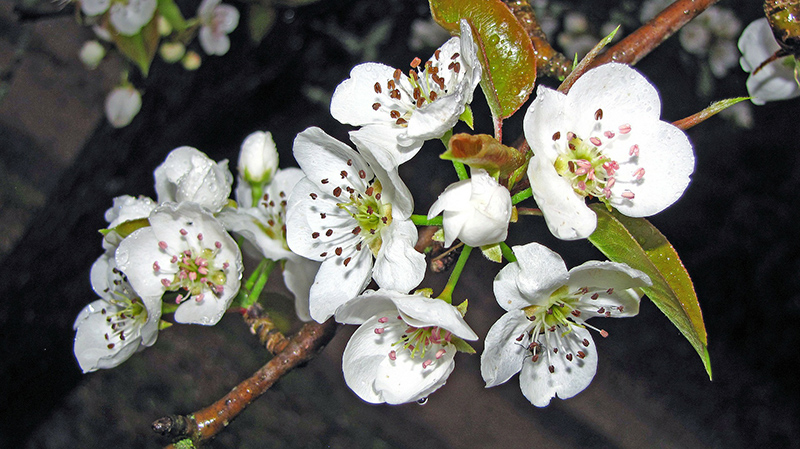
Blooms on pear tree.
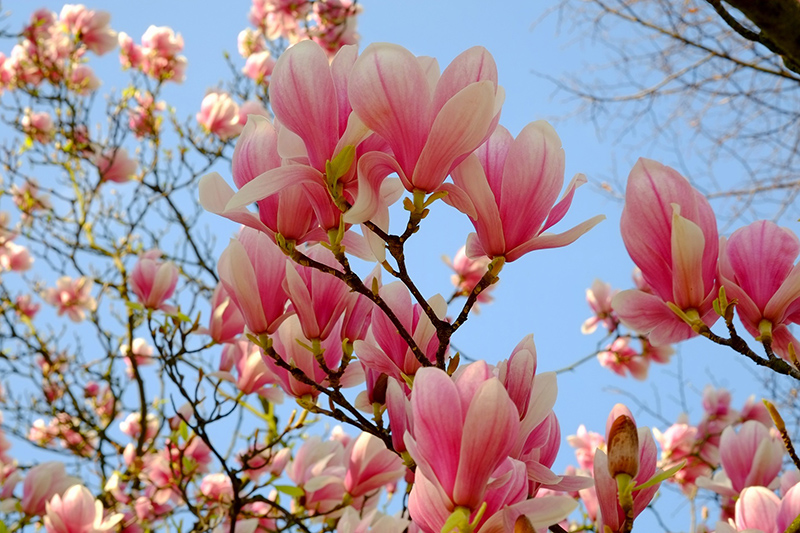
Blooms on magnolia tree.
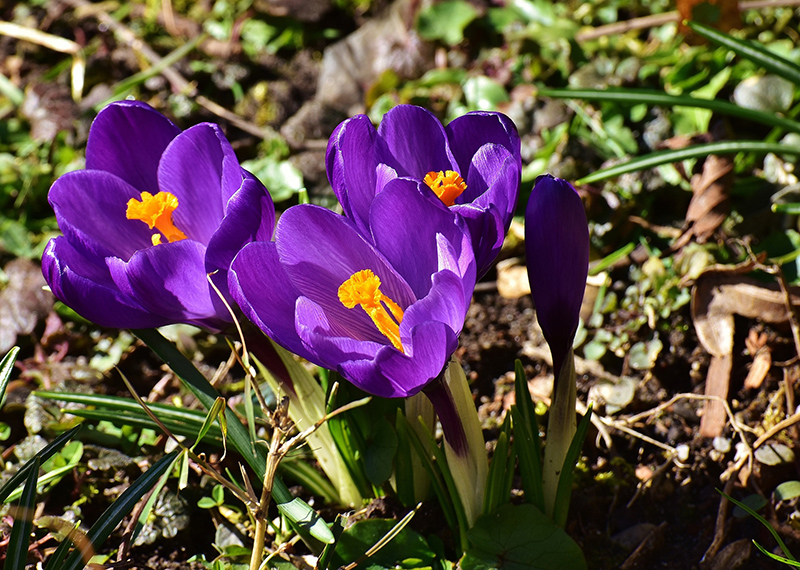
Crocus blooms.

Buttercup blooms.
Growth of a tree or flower is the result of the weather and the perpetuation of its natural growth cycle. To store sufficient resources for the following year, trees use the winter season as an opportunity to shuttle nutrients to their roots. With cold temperatures keeping pests at bay, fewer nutrient resources are needed for defense and maintenance. These nutrients will be shuttled to the branches the following spring to support the growth of buds and blossoms. Interruption in the storage process caused by early spring conditions interferes with nutrient supplies and kickstarts the growing cycle again.
Nutrients once slated for root storage are now being sent to the branches to begin fruit and bud production despite having fewer resources in storage than usual. A freeze that occurs after leaves and buds begin to appear will damage the new growth and likely delay flowering and fruiting until much later in the year when surfeit energy is available to support a second growth effort. While trees are usually able to leaf out a second time, there are often more issues with low yield and early leaf drop.
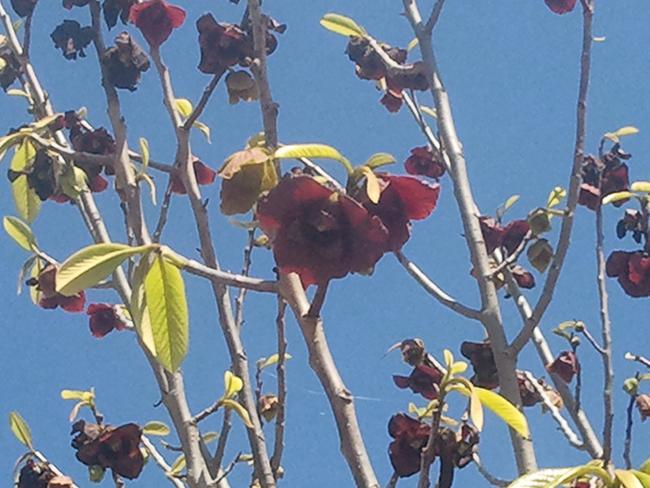
Pawpaw
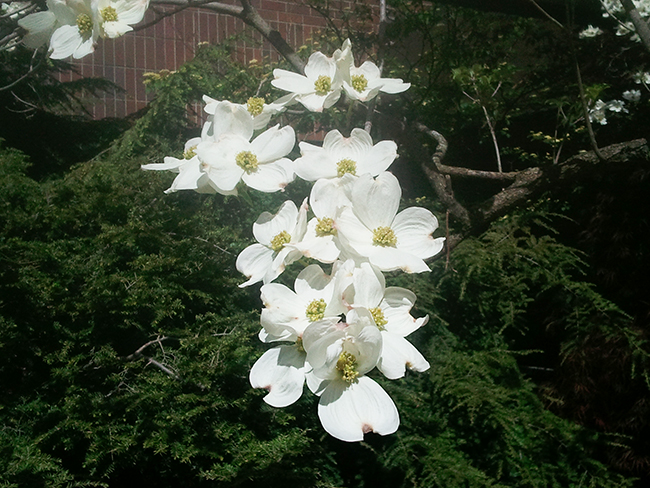
Dogwood
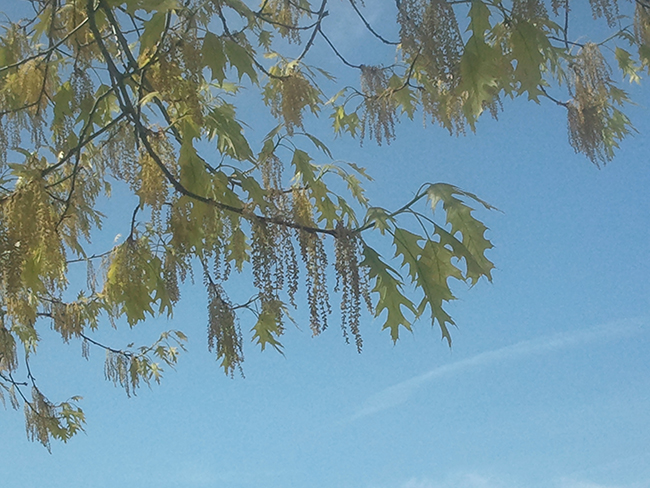
Red oak
Also, insect pests, usually subdued by cold winter temperatures are likely to be out much earlier than usual and with greater numbers. This increase in insect presence does not necessarily bode well for plant pollinator populations. If, for example, a tree flowers earlier than honeybee populations are available, then it is possible that those trees will go unpollinated. Also, if other pollinators are also unavailable, there will be no fruits the following year on that tree.
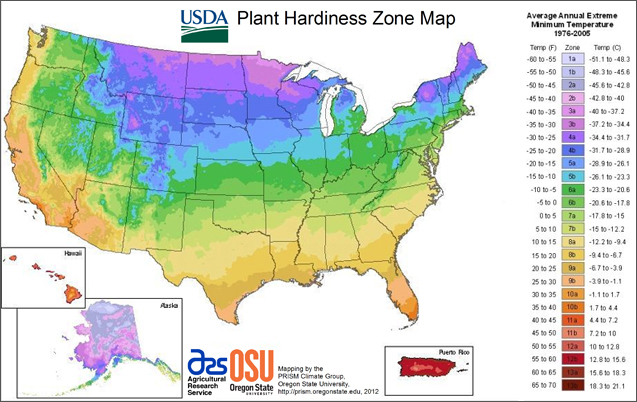
USDA Plant Hardiness Zone Map. Agricultural Research Service, U.S. Department of Agriculture, planthardiness.ars.usda.gov.
Ultimately, the state of our seed, fruit, and nut production depends on two major events; pollination and lack of a cold freeze. If we see a sudden cold snap that damages the trees and eliminates pollinators, then next spring will be a time of sorrow rather than an exciting start to the growing season. The dramatic shifts in weather temperatures over the last decade have led the Department of Agriculture to reevaluate and reassess plant hardiness zones. For the first time in thirty years, an updated map with new zones has now been created, USDA Plant Hardiness Zone Map.
Resources:
Purdue Plant Doctor App, Purdue Extension
Purdue Plant and Pest Diagnostic Laboratory, Purdue Agriculture
Planting & Transplanting Landscape Trees and Shrubs, The Education Store, Purdue Extension resource center
Tree Planting Part 1: Choosing a Tree – video, The Education Store
Tree Installation: Process and Practices, The Education Store
Shaneka Lawson, USDA Forest Service/HTIRC Research Plant Physiologist/Adjunct Assistant Professor
Purdue University Department of Forestry and Natural Resources
Lenny Farlee, Sustaining Hardwood Extension Specialist
Purdue Department of Forestry and Natural Resources
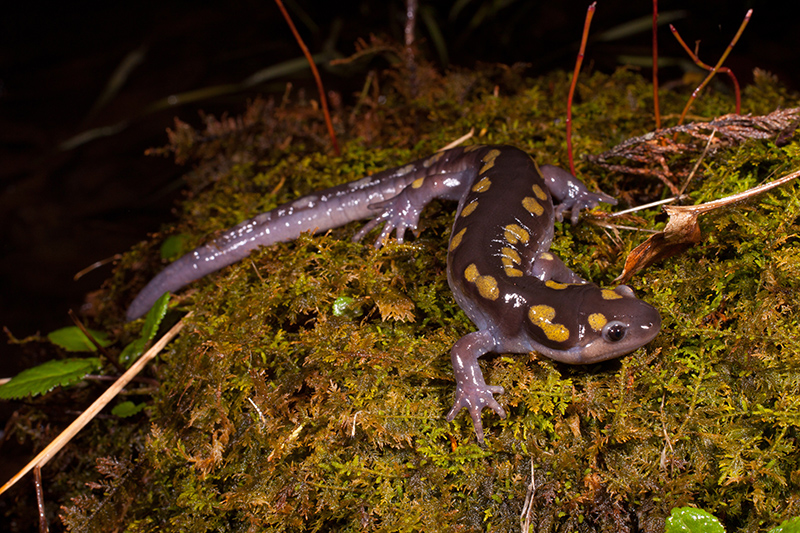
The Spotted Salamander (Ambystoma maculatum) is a common species of mole salamander. Photo credit: T. Travis Brown.
I have been asked some variation of this question multiple times over the past several years. Sometimes the “hellbender” is found in a barn, on a basement floor, crawling across a driveway, or occasionally in a pond. The common denominator is always that someone has found a salamander, and they are concerned it is an Eastern Hellbender that needs help.
I appreciate this concern. I am glad to see that people have become more aware of the existence of the Eastern Hellbender and that it is something worth helping. The Eastern Hellbender is an endangered species in Indiana, and we always welcome reports from concerned citizens. However, the Eastern Hellbender is a very rare species in Indiana and is uncommon throughout most of its range in the eastern United States. The species has been declining in Indiana over the past several decades and is now known only from the Blue River in Washington, Harrison, and Crawford Counties. For this reason alone, it is unlikely that anyone would find a Hellbender on their property.
However, another equally important reason that it is unlikely a Hellbender involves the species biology. The Eastern Hellbender is fully aquatic and lives exclusively in rivers and streams. Unlike most amphibians, its primary means of respiration is by absorbing oxygen directly from the water through its skin. One adaptation Hellbenders have evolved to help with oxygen absorption is the development of wavy skin-folds along the sides of their bodies. These skin-folds provide greater surface area for oxygen absorption. Hellbenders have lungs, but they do not function well enough to allow them to survive extended periods of time on land. Hellbenders have been found on land immediately next to rivers and streams, but this is rare and is generally considered an anomaly.
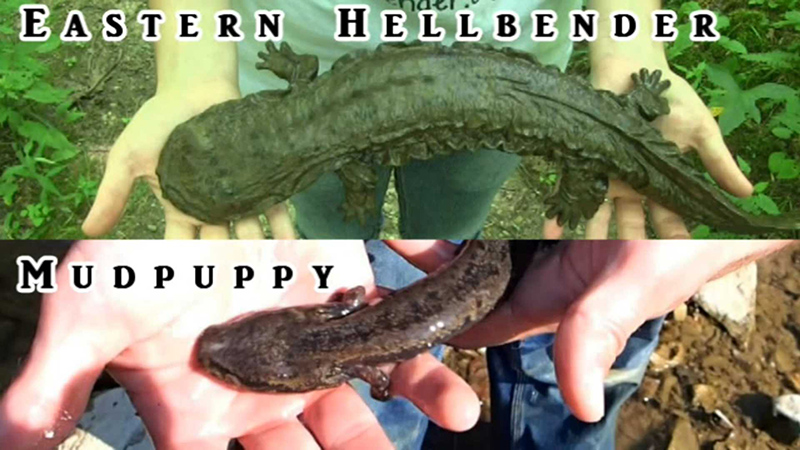
Top: Hellbender, Bottom: Common Mudpuppy.
While this rules out finding them on land away from rivers and streams, what about ponds and lakes? Hellbenders typically prefer clean, cool, swift flowing rivers and streams with a high oxygen content. These conditions are not typically found in ponds and lakes, and would make it unlikely that hellbenders would willingly reside in them. Moreover, these water bodies are usually landlocked with no close access from rivers and streams, and since hellbenders do not like to travel overland, they will likely never encounter a pond or lake.
There are two unlikely possibilities that might result in a Hellbender being found in a pond or lake. The first would be if someone captured a hellbender and moved it there. The second would be a pond or lake owner that lives in the floodplain of a river containing Hellbenders. Hellbenders do occasionally get dislodged by flooding and washed downstream. A large flood has the potential, however unlikely, to wash a Hellbender into a nearby pond. I am unaware of this ever happening, but it is a possibility.
So if you haven’t found a Hellbender, what have you found? If you found your salamander on land, it is very likely one of a group of salamanders known as mole salamanders. Mole salamanders are common throughout most of Indiana. They typically breed in ponds in the spring and then hide under logs or bury themselves underground. They are commonly found during spring breeding migrations and are frequently seen in large numbers. They often times find themselves wandering onto our properties and getting stuck in window wells or hiding themselves under rocks, firewood, or in our barns.
If you found your salamander in the water then it could be either the aforementioned mole salamander or a Common Mudpuppy. Mudpuppies are commonly confused with hellbenders and do live in ponds, wetlands, and creeks. Like the Hellbender, they are fully aquatic and don’t go on land except in very rare circumstances. Mudpuppies have large, fluffy gills behind their heads, which Hellbenders do not have. Mudpuppies also lack the skins folds along the sides of their bodies.
While most people will go their entire lives without ever seeing a Hellbender, if you live in the right areas it is a possibility. If you think you have seen a Hellbender, then please take a photo and let us know by visiting our Hellbender Reporting Webpage below. We are always happy to help.
Resources:
Hellbender ID – video, The Education Store, Purdue Extension resource center
HelptheHellbender.org, Purdue Extension
Help the Hellbender: North America’s Giant Salamander, The Education Store
Salamanders of Indiana, The Education Store
Appreciating Reptiles and Amphibians, The Education Store
Nick Burgmeier, Research Biologist and Extension Wildlife Specialist
Purdue Department of Forestry and Natural Resources
 If you or someone you know loves to learn about wildlife, especially reptiles and amphibians, then you will be interested in our new special offer package. We are offering our complete collection of reptile and amphibian field guides (4 softcover books) for 10% of the price of each individual book. These books cover all of the reptiles and amphibians that are found in the state of Indiana. They include detailed physical descriptions, distribution maps, and interesting information about the ecology of each species. All of the included books have been peer-reviewed by experts in the field of herpetology.
The Indiana Amphibian and Reptile ID Package can be purchased from the Purdue Education Store for $36.00.
Additional Resources, The Education Store, Purdue Extension:
Frogs and Toads of Indiana
Salamanders of Indiana
Snakes and Lizards of Indiana
Turtles of Indiana
More Resources Available:
Help the Hellbender, Purdue Extension
The Nature of Teaching, Lesson Plans K-12, Purdue Extension
Nick Burgmeier, Research Biologist and Extension Wildlife Specialist
Purdue Department of Forestry and Natural Resources
Nearly all creatures exhibit differing behavior during the day and night. Songbirds sing and fly about during the day and roost at night. Owls forage for food primarily at night and rest during the day. Many of us have noticed how flowers seem to droop at night and appear to be sleeping before resuming a more erect posture at sunrise. Is it possible that despite the carbon reinforced bark trees do the same thing? New research says “Yes!”
It’s true! Trees droop their branches at night and lean over. This drooping is not the full bow often associated with a Broadway play in New York. Research scientists in Austria, Finland, and Hungary have used laser scanners to observe and record this “sleeping” behavior in silver birch (Betula pendula) thus it is natural to assume other tree species behave similarly.
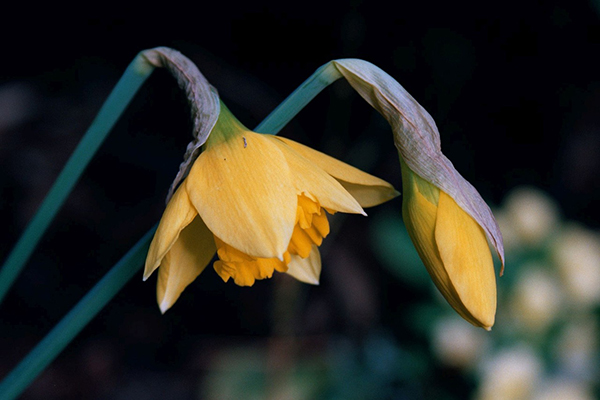
NIGHT

DAY
This leaning phenomenon has been calculated to only be 10 cm (~4 in in trees that were roughly 5 meters tall (16 ft 4 in). Repeated measurements have assured that these changes in overall tree height are genuine and repeatable.
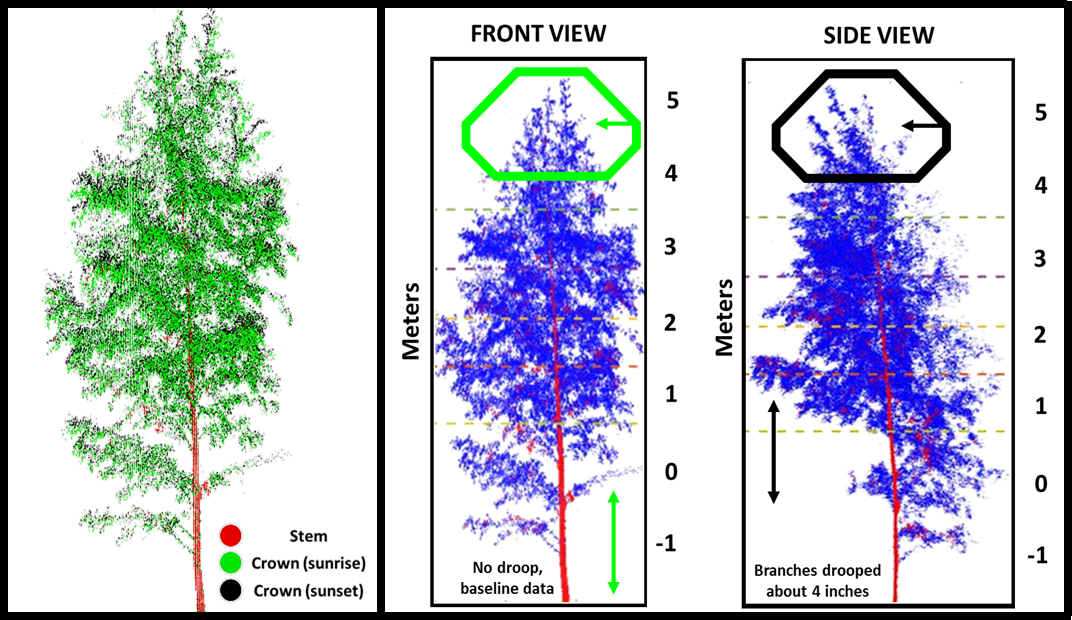
Point clouds measured from the Finnish birch at the time of sunset (black) and sunrise (green). Stem and branch points have been separated based on their spectral properties. Photo credit: Eetu Puttonen, Finnish Geospatial Research Institute (FGI) in the National Land Survey of Finland.
Scientists ruled out wind, elevation, and other weather effects by conducting the experiment in both Finland and Austria.
It was thought that water balance may have been responsible for this movement but has been ruled out as the lasers use infrared light that is reflected and not absorbed by the plant for photosynthesis. This allows the entire tree to be mapped quickly and with high resolution.
Future work is to be directed at increasing the scope of the experiment to measure larger areas (orchards, plantations) and adding in day and night water use measurements to better understand tree influences on regional climates. This work shows that, at the end of the day, even trees need a nap.
Literature Cited:
Puttonen E, Briese C, Mandlburger G, Wieser M, Pfennigbauer M, Zlinszky A, Pfeifer N. 2016. Quantification of overnight movement of birch (Betula pendula) branches and foliage with short interval terrestrial laser scanning. Frontiers in Plant Science doi: 10.3389/fpls.2016.00222.
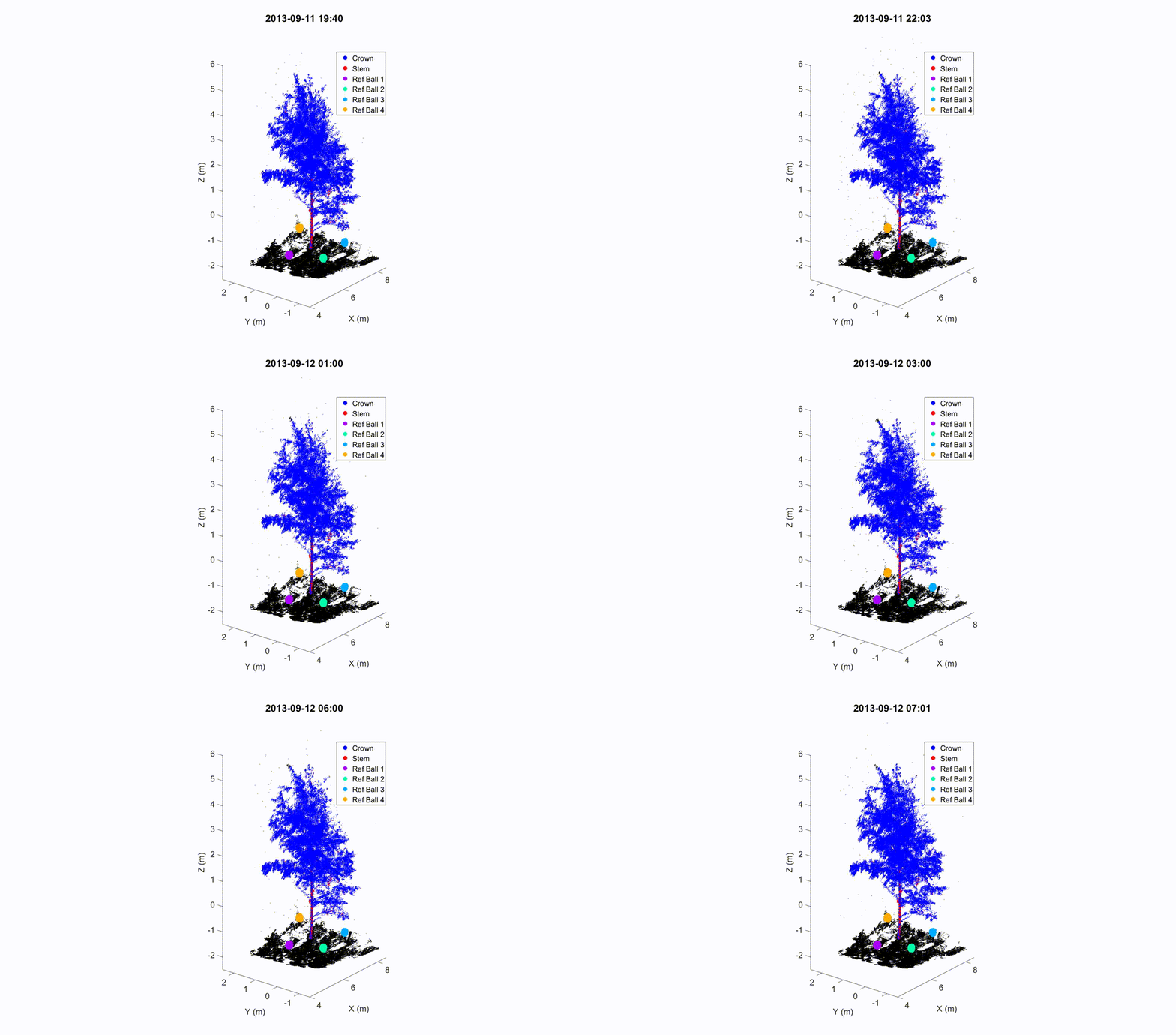
Animation of the point cloud change in Finnish test over time. The scanned birch is in the middle. Each frame corresponds to a single terrestrial laser scan. Animation credit: Eetu Puttonen, Finnish Geospatial Research Institute (FGI) in the National Land Survey of Finland.
Additional resources:
How do trees go to sleep, Technische Universität Wien
Scientists have found trees ‘sleep’ at night too, GeoBeats News, YouTube
Shaneka Lawson, USDA Forest Service/HTIRC Research Plant Physiologist/Adjunct Assistant Professor
Purdue University Department of Forestry and Natural Resources
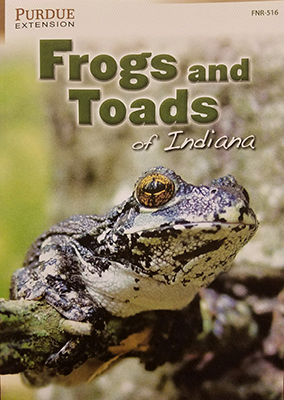 Frogs and Toads of Indiana is the latest and final addition to Purdue Extension’s line of field guides focused on the reptiles and amphibians of Indiana. Readers of this guide will not only learn how to ID the Anuran species of Indiana but will also learn about their distribution throughout the state along with their habits and behaviors. The guide is richly illustrated, filled with interesting facts, and has been peer-reviewed by expert herpetologists.
As many herpetologists and recreational herpers can attest, seeing what you are hearing is not always possible. With this in mind, we developed a website The Frogs and Toads of Indiana for users that wish to learn the calls of Indiana Anuran species.
The Frogs and Toads of Indiana, FNR-516, can be purchased from the The Education Store for $10.00.
Resources, The Education Store-Purdue Extension resource center:
Salamanders of Indiana
Snakes and Lizards of Indiana
Snakes of the Central and Northeastern United States
Turtles of Indiana
Additional resources:
The Nature of Teaching, Lesson Plans K-12, Purdue Extension
Nick Burgmeier, Research Biologist and Extension Wildlife Specialist
Purdue Department of Forestry and Natural Resources
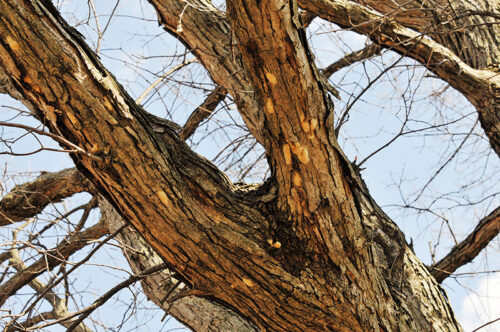
Figure 1: Spongy moth caterpillar, credit to John Obermeyer.
In the late 1860s, French scientist Étienne Trouvelot brought over a seemingly harmless insect from Europe called the gypsy moth to conduct breeding experiments with American moths. When they escaped his backyard and entered into an ecosystem without their native predators, their population exploded. 150 years later, these moths are still a destructive forest pest in Indiana and other states. Every year an effort is made to attempt to curb their population. This year, the Indiana Department of Natural Resources will continue the fight to save our forests from these invasive insects.
Phase one consists of a crop dusting of bacterial chemical spray over the gypsy moth caterpillars’ food sources. This spray is harmless to humans and native wildlife, but is lethal to the caterpillars. Later in the summer, a pheromone will be dispersed over the moths, disrupting the mating process and causing fatal exhaustion.
This huge undertaking isn’t estimated to stop the gypsy moth – in fact, state entomologists don’t see an end in sight. We can only continue to manage this forest pest and aim for reducing populations to a level where local predators can manage them on their own. Indiana citizens can help combat this pest by understanding the gypsy moth problem and learning about its management.
For more information and when the aerial treatments will be conducted in your county visit the Indiana Department of Natural Resources, 2017 Indiana Gypsy Moth Treatment Program. For Tippecanoe view Purdue News.
Resources:
Gypsy Moth (Spongy Moth) website, Purdue Extension-Entomology
Spongy Moth – Indiana Department of Natural Resources
The Gypsy Moth in Indiana – The Education Store, Purdue Extension resource center
Indiana Department of Natural Resources
It’s Arbor Day again, and it’s time to celebrate the importance of trees. The fact that trees are essential to both humans and wildlife is well-established. However, most people think of trees in the context of oxygen production, wood products, and habitat for wildlife such as squirrels and birds. I’d like to focus on one of the less well-known services that trees provide, keeping water clean. This service not only benefits people but also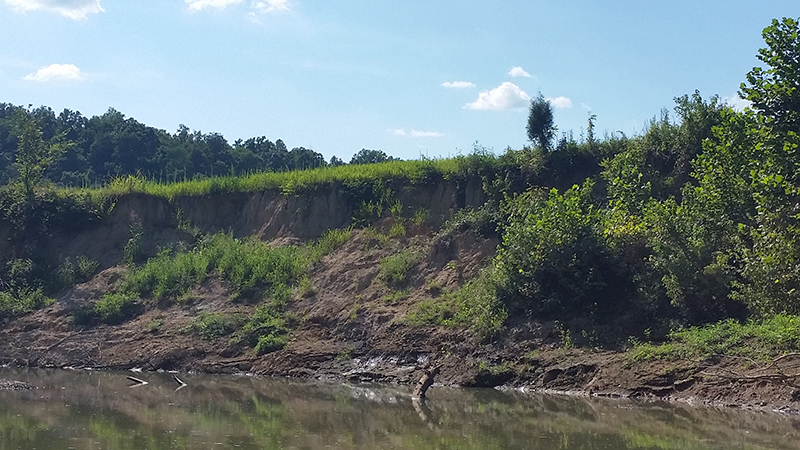 aquatic wildlife like the Hellbender salamander.
The Hellbender salamander is North America’s largest salamander. It is fully aquatic, living its entire life in rivers and streams throughout the midwest and southeast. Hellbenders require cool, clean rivers and streams with rocky substrates to thrive and reproduce. Unfortunately, over the past few decades the species has declined or disappeared from many of these areas. There are several causes that scientists suspect, but the loss of trees due to increases in agriculture and urban/suburban areas is at the top of the list.
Trees do a number of things to keep our water clean. The forest canopy intercepts rainfall and slows the rate at which water enters the ground. This helps reduce flooding. Trees provide shade to rivers and streams thus keeping them cool and allowing for higher levels of dissolved oxygen. Trees also filter nutrients and chemicals from runoff, preventing them from entering streams. One of the most important functions that trees provide is stabilizing our riverbanks and hillsides and preventing sediment from entering the stream and changing our rocky river bottoms to mud bottoms. These functions are especially important in our modern landscape, where agriculture and hard surfaces dominate many areas.
All of these functions help to create a clean environment for Hellbenders and other aquatic wildlife to live. Without trees, it is likely that our rivers and streams would be too dirty for many species to survive. If you are looking for a way to help the Hellbender, then please consider planting a tree this Arbor Day. Several Arbor Day celebrations for 2017 will be held on Saturday, April 29th. Check out activities around your area: Purdue Extension County Offices, Indiana Department of Natural Resources or Tippecanoe Soil & Water Conservation District.
For more ways you can help, please visit Help the Hellbender.org.
Resources:
Rainscaping, Purdue Extension
How Anglers and Paddlers Can Help the Hellbender, The Education Store-Purdue Extension resource center
Hellbender ID, The Education Store
Improving Water Quality by Protecting Sinkholes on Your Property, The Education Store
Improving Water Quality at Your Livestock Operation video, The Education Store
Healthy Water, Happy Home – Lesson Plan, The Education Store
Tree Planting Part 1: Choosing a Tree video, The Education Store
Tree Planting Part 2: Planting Your Tree video, The Education Store
Tree Installation: Process and Practices, The Education Store
Nick Burgmeier, Research Biologist and Extension Wildlife Specialist
Purdue Department of Forestry and Natural Resources

Vaporeon, www.flickr.com
In August of 2016, we posted an article about how the online game Minecraft teaches forest regeneration and helps users understand the pros and cons of various tree species. This year, we bring you information about Pokémon GO a game designed for your smartphone. While the premise of the game is to find cute creatures to befriend and train for battle, this game ultimately teaches additional lessons about nature and conservation.
After being released July 6, 2016, popularity for Pokémon GO exploded around the globe. With more than 500 million downloads in the first two months, this mobile phone game has brought cartoon Pokémon from television to more children and adults than ever before. Virtual Pokémon on your mobile screen appear to be a part of your real-world environment. As you catch, train, and battle your Pokémon, lessons about natural history and conservation are being taught and absorbed without you being aware of it.
Playing Pokémon GO is akin to bird watching as these creatures exist as “real” animals found outdoors that can be caught and collected. In their efforts to catch rare species, more people are venturing outdoors and visiting parks and conservation areas. With the new interest in visiting the outdoors, interactions with ‘real’ animals in nature have also increased. The Twitter hashtag #Pokeblitz is a repository for photos of wildlife species observed during play.

Growlithe beside the street, www.flickr.com.
Players learn basic concepts such as habitat preferences. For example, ‘Grass Pokémon’ are most often found in parks, forests, or conservation areas while water-types can be found nearest to water sources. In addition, lessons regarding native regions are also taught as some species can only be found in certain continental regions. The Pokémon ‘Tauros’, a bull with multiple tails, is native to the Americas, ‘Mr Mime’, humanoid fairy, to Western Europe, ‘Farfetch’d’, an aggressive duck-like creature, to Asia, and the marsupial-like ‘Kangaskhan’ to Australasia. The take-away lesson most players learn is that exploration of new areas and continents will yield new species.
Newly published research from scientists at Oxford, Cambridge, UNEP World Conservation Monitoring Centre, and the University College London (UCL) explored whether the game posed more problems for conservation efforts as gamers focused more on the virtual
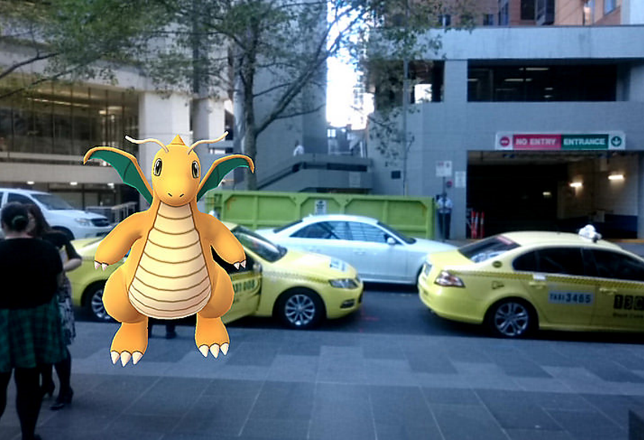
Dragonite in Melbourne, Australia, www.flickr.com.
than real animals or solutions to getting more people to explore the outdoors. They list pros and cons and their suggestions below:
The pros:
- More people are venturing outside and learning about nature
- There is a renewed interest in habitat conservation
- All you need is a smartphone
The cons:
- The brightly-colored and engaging Pokémon are not a true representation of actual wildlife
- Battling Pokémon in the game could encourage exploitation of ‘real’ animals.
Suggestions:
- Make the Pokémon more realistic (biology and ecology)
- Add real species to the Pokémon GO universe to raise awareness of these species
- Place Pokémon in more remote areas to draw people out of the cities
- Add a mechanism to catalogue real species to build upon #Pokeblitz
- Use Pokémon GO lessons to develop augmented reality (AR) games about real species and conservation efforts where users look for and catalog species for educational purposes.
If there were any doubts about the game’s popularity, hundreds upon hundreds of people converged in Central Park one night last summer in a contest to find the rare Pokémon ˈVaporeonˈ said to be inhabiting the park. A last thought from scientists was that true conservation efforts could wane as finding virtual species outweighs protecting endangered ˈrealˈ species. However, engagement efforts with the public regarding conservation can take notes from the responsive Pokémon as many current efforts are full of scientific terms and tend to be off-putting to a general audience. The popularity of Pokémon GO has implied that the public can be reached but we need other ways of relaying information that encourage additional learning.
Literature Cited:
Dorward LJ, Mittermeier JC, Sandbrook C, Spooner F. 2016. Pokémon Go: Benefits, Costs, and Lessons for the Conservation Movement. Conservation Letters doi: 10.1111/conl.12326.
Resources:
Can online gamin help improve your knowledge of forest trees?, Purdue Extension-FNR Got Nature?
Shaneka Lawson, USDA Forest Service/HTIRC Research Plant Physiologist/Adjunct Assistant Professor
Purdue University Department of Forestry and Natural Resources

Recent Posts
- 2026 Winter Bat Survey In Progress, MyDNR
Posted: March 27, 2026 in Wildlife - Fast-Growing Trees for the Landscape, Purdue Landscape Report
Posted: March 26, 2026 in Forestry, Urban Forestry, Woodlands - Urban Tree Spotlight: Planting Deciduous Shade Trees, Purdue Landscape Report
Posted: March 25, 2026 in Forests and Street Trees, Urban Forestry, Woodlands - Beetle that attacks Tree-of-Heaven found in Indiana, Purdue Landscape Report
Posted: March 20, 2026 in Invasive Insects, Wildlife, Woodlands - ID That Tree: Dwarf Chinkapin Oak
Posted: in Forestry, Urban Forestry, Wildlife, Woodlands - IN-PREPared: Essential Resources for Indiana’s Severe Weather Season
Posted: March 11, 2026 in How To, Safety - DNR Hiring for Indiana Conservation Officer Positions, MyDNR
Posted: March 9, 2026 in Urban Forestry, Wildlife, Woodlands - ID That Tree: Shumard Oak
Posted: in Plants, Urban Forestry, Wildlife, Woodlands - A Woodland Management Moment: Windbreak Around Walnut Plantings
Posted: March 3, 2026 in Forestry, Urban Forestry, Woodland Management Moment - Getting Certified as an Indiana Certified Prescribed Burn Manager
Posted: March 2, 2026 in How To, Urban Forestry, Woodlands
Archives
Categories
- Alert
- Aquaculture/Fish
- Aquatic/Aquaculture Resources
- Ask the Expert
- Christmas Trees
- Community Development
- Disease
- Drought
- Forestry
- Forests and Street Trees
- Gardening
- Got Nature for Kids
- Great Lakes
- How To
- Invasive Animal Species
- Invasive Insects
- Invasive Plant Species
- Land Use
- Natural Resource Planning
- Nature of Teaching
- Plants
- Podcasts
- Ponds
- Publication
- Safety
- Spiders
- Timber Marketing
- Uncategorized
- Urban Forestry
- Webinar
- Wildlife
- Wood Products/Manufacturing
- Woodland Management Moment
- Woodlands