 Purdue University - Extension - Forestry and Natural Resources
Got Nature? Blog
Question: My husband and I are 64 and have been in woods all our lives. We came across a tree we couldn’t identify and are wondering if you are familiar with it. It kind of looks like a birch with giraffe like markings. We are wondering if it is diseased since it is so unusual. Please see photos.

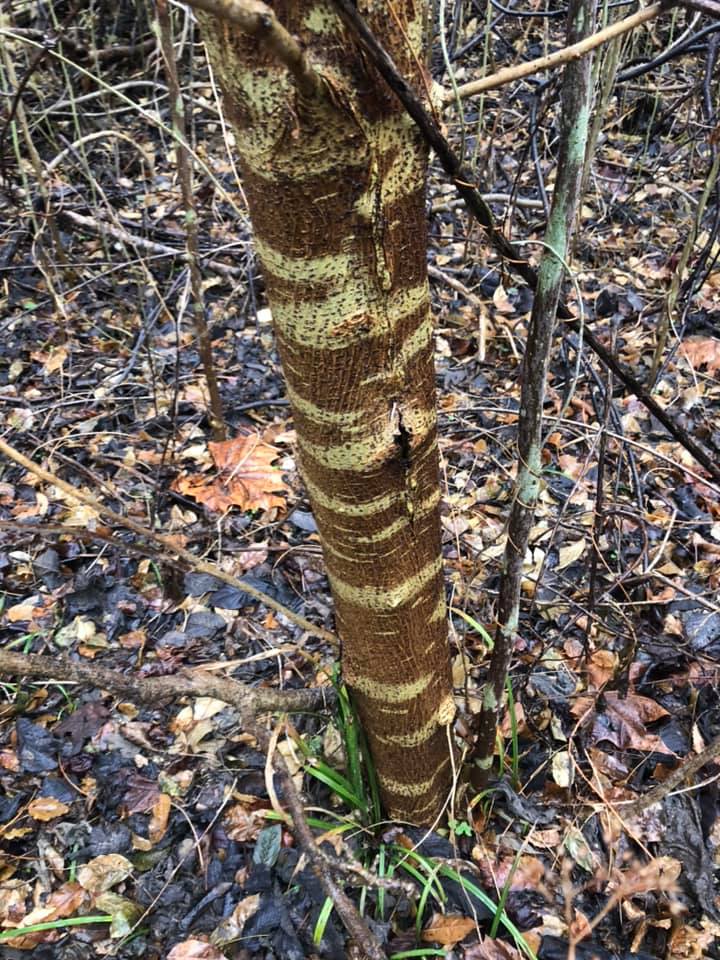
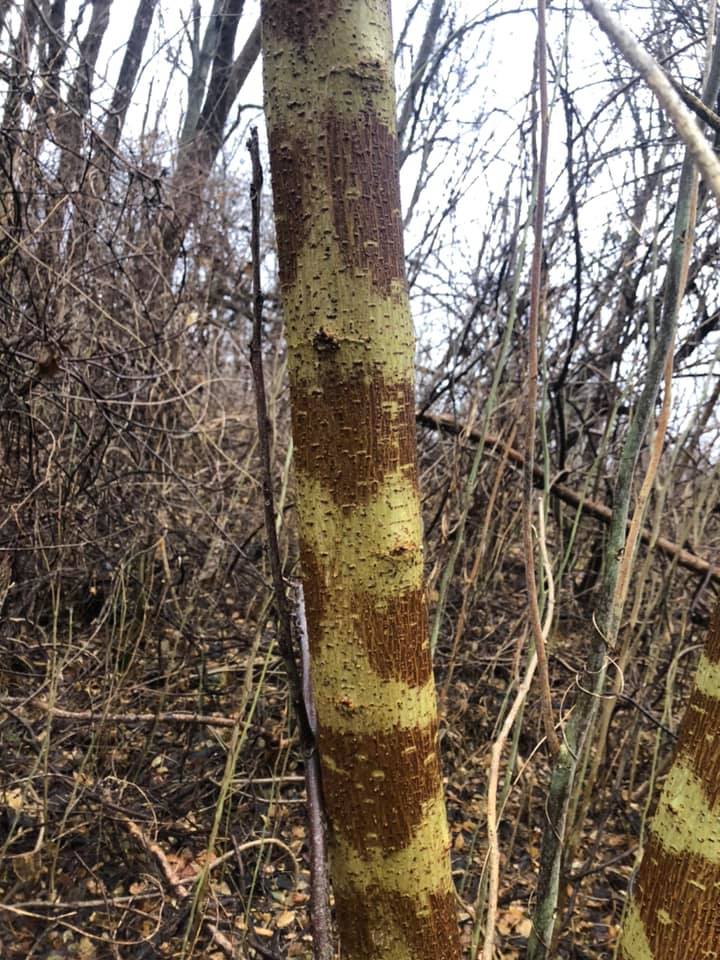
Answer:
Thank you for your Ask an Expert inquiry regarding the identification of this tree and asking if it is invasive. After sharing this with other master arborists we have identified this tree:
Paper Mulberry
Broussonetia papyrifera (L.) L’Her. ex Vent
Mulberry family (Moraceae)
Origin: Japan and Taiwan
Background: Paper mulberry was introduced for use as a fast-growing shade tree. Native Pacific cultures use it to make bark cloth.
Distribution and Habitat: Found from Illinois to Massachusetts, south to Florida and west to Texas, paper mulberry invades open habitats such as forest and field edges. Internationally, it is identified as an invasive weed in over a dozen countries.
Ecological Threat: Once established it grows vigorously, displacing native plants through competition and shading. If left unmanaged, paper mulberry can dominate a site. Its shallow root system makes it susceptible to blowing over during high winds, posing a hazard to people and causing slope erosion and further degradation of an area.
We have several resources to help you as you identify trees and invasives:
Purdue Plant and Pest Diagnostic Laboratory, send in a sample or photos to help identify or diagnose trees and plants (cost $11+), Purdue Extension-Botany and Plant Pathology
Tree Doctor, download app that can be used to help identify and learn more regarding tree diseases Purdue Extension-The Education Store
Certified Arborist, Find an Arborist, International Society of Arboriculture
Invasive Forest Pests in IN, Purdue Extension-Entomology
Indiana Invasive Species Council
Ask an Expert, Purdue Extension-Forestry & Natural Resources
More Resources:
Red and White Mulberry in Indiana, The Education Store, Purdue Extension Depot
Invasive plants: impact on environment and people, The Education Store
Woodland Stewardship for Landowners: EQIP, YouTube, Purdue Extension
Invasive Species, Playlist, Purdue Extension – Forestry and Natural Resources YouTube Channel
Woodland Stewardship for Landowners, Playlist
FNR Ask An Expert: Invasive Plant Species, Video
ID That Tree, Playlist
What are invasive species and why should I care?, Got Nature? Blog, Purdue Extension – Forestry and Natural Resources
Report Invasive Species, Purdue Invasive Species
The GLEDN Phone App – Great Lakes Early Detection Network
EDDMaps – Early Detection and Distribution Mapping System
Indiana Department of Natural Resources: Invasive Species
Indiana Invasive Species Council
Cooperative Invasive Species Management Area (CISMA)
Lindsey Purcell, Chapter Executive Director
Indiana Arborist Association
Get ready to receive your weekly dose of natural resources information via a new podcast network called Natural Resources University. Purdue Forestry and Natural Resources’ Jarred Brooke hosts the new podcasts Habitat University.
 Brooke, a Purdue Extension wildlife specialist, is the co-host of Habitat University along with Adam Janke, an extension wildlife specialist at Iowa State University. The pair will discuss the science behind wildlife habitat management and how landowners and managers can use different habitat management practices to improve their land for wildlife. Brooke and Janke will be joined on the podcast by other wildlife specialists, wildlife biologists, researchers and landowners. The first episode of Habitat University is here: Habitat University. You can also follow Habitat University on twitter at www.twitter.com/Habitat_U.
In total, Natural Resources University will include four science-based podcasts, covering different aspects of natural resource management. You can subscribe to the entire network, which will bring you a different podcast each week, or you can subscribe to an individual podcast, which will release one episode a month. Subscribe here: Natural Resources University
A full introduction to the Natural Resources University network team and to each podcast are available in this overarching episode: Episode 01 – Introduction to NRU.
The podcasts are categorized in four topics:
Deer University: Topics discussed include deer biology, ecology, and management to help landowners and hunters apply science to practical management objectives. Subscribe to Deer University: Deer University
Pond University: Conversations with aquatic scientists, landowners, and pond professionals will cover topics like pond habitat, fish stocking, vegetation control and pond construction. Listen to Pond University: Pond University
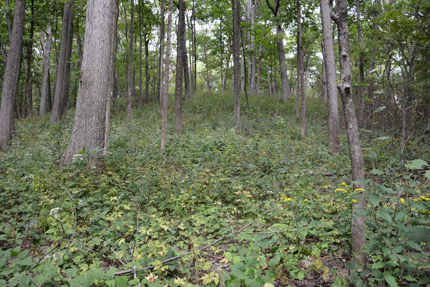 Fire University: Science-based podcast covering the latest research in fire ecology and how it relates to management of wildlife and plant communities. Subscribe to Fire University: Fire University
Habitat University: Discusses the science behind wildlife habitat management and how landowners and managers can use different habitat management practices to improve their land for wildlife. Subscribe to Habitat University: Habitat University.
The Natural Resources University podcast network, which is funded by the Renewable Resources Extension Act, is a partnership between the extension services at several land-grant universities, including Mississippi State University Extension Service, University of Florida Extension, Iowa State University Extension and Outreach and Purdue Extension.
Resources
Pond and Wildlife Management Website
Managing Your Woods for White-Tailed Deer, The Education Store, Purdue Extension resource center
A Pond Management Plan Template, The Education Store
Renovating native warm-season grass stands for wildlife: A Land Manager’s Guide, The Education Store
Megan Gunn, Recruitment and Outreach Specialist
Purdue Department of Forestry and Natural Resources
Jarred Brooke, Wildlife Extension Specialist
Purdue Department of Forestry and Natural Resources
Purdue Extension forester Lenny Farlee brings you another edition of ID That Tree. Sweet orange fruit, simple leaves and alligator-like bark are just a few recognizable characteristics of this native Indiana tree, the persimmon. Enjoy video and learn more.
If you have any questions regarding wildlife, trees, forest management, wood products, natural resource planning or other natural resource topics, feel free to contact us by using our Ask an Expert web page.
Resources
Persimmons, The Education Store, Purdue Extension resource center
The Fruit Of The Gods From An Indiana Tree?, Got Nature? Blog, Purdue Extension – Forestry and Natural Resources
Persimmon, Native Trees of Indiana River Walk, Purdue Fort Wayne
ID That Tree, Playlist
A Woodland Management Moment, Playlist
Investing in Indiana Woodlands, The Education Store
Forest Improvement Handbook, The Education Store
Lenny Farlee, Sustaining Hardwood Extension Specialist
Purdue University Department of Forestry and Natural Resource
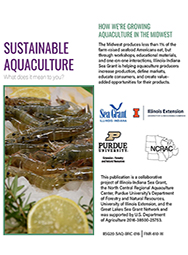 Aquaculture is a rapidly growing industry in the United States. This publication describes what sustainable aquaculture is, a sampling of aquaculture species are produced in the Midwest, health benefits associated with eating fish as part of a balanced diet, and dietary recommendations. Don’t miss trying the recipe shared in this publication: Parmesan Crusted Perch.
Resources
Walleye Farmed Fish Fact Sheet: A Guide for Seafood Consumers, The Education Store, Purdue Extension resource center
Best Practices Guide for Charter Fishing and COVID-19, The Education Store
Pond Management: Managing Fish Populations, The Education Store
Pond and Wildlife Management website, Purdue Extension
Natural Resources University Podcasts, Collaboration with Mississippi, Florida, Iowa and Indiana Extension Services
Indiana Pond Fish, Species Identification Card Set, The Education Store
Fish Cleaning with Purdue Extension County Extension Director, Got Nature? Blog, Purdue Extension – Forestry and Natural Resources
Aquatics & Fisheries, Playlist, Purdue Extension – Forestry and Natural Resources
Amy Shambach, Aquaculture Marketing Outreach Associate
Purdue Department of Forestry and Natural Resources/Illinois Indiana Sea Grant Program
 This Nature of Teaching lesson plan teaches students how the transportation of food and food waste affects the environment. Students will expand their vocabulary, broaden their geography, and have fun working on their math skills as they calculate food miles. A list of materials needed and activity instructions for interactive, hands-on activities are included, along with Next Generation Science Standards and/or Core Standards met by these lesson plans.
The Nature of Teaching includes formal standards-based curricula and informal activity-based curricula all centered around getting youth outside. The three program areas of the formal curricula include: Wildlife, Health and Wellness, and Food Waste. Each program area provides standards-based lesson plans free as a downloadable PDF. Lesson plans are classroom ready for grades K-12.
Resources
Nature of Teaching, website and Youtube Channel
The Nature of Teaching: Food Waste Solutions, The Education Store, Purdue Extension resource center
The Nature of Teaching: Food Waste and the Environment, The Education Store
Food Waste and Natural Resources Lesson Plans, The Education Store
Introduction to Nature of Teaching Sneak Peek Videos, Got Nature? Blog, Purdue Extension – Forestry and Natural Resources
Rod Williams, Professor of Wildlife Science
Purdue Department of Forestry and Natural Resources
 Well-maintained trees provide many benefits including increased property values, improved air quality and curb appeal. Trees are living organisms making them vulnerable to pests and environmental extremes resulting in health issues which result in defects. This publication will help guide you on where and how to identify tree defects and a better understanding of when to contact an arborist for assistance.
Resources
Tree wounds and healing, Got Nature? Blog, Purdue Extension – Forestry and Natural Resources
How to Identify Tree Defects and What to Do About It?, Got Nature? Blog
Iron Chlorosis of Trees and Shrubs, The Education Store, Purdue Extension resource center
Surface Root Syndrome, The Education store
Tree Appraisal and the Value of Trees, The Education Store
Lindsey Purcell, Urban Forestry Specialist
Purdue University, Department of Forestry and Natural Resources
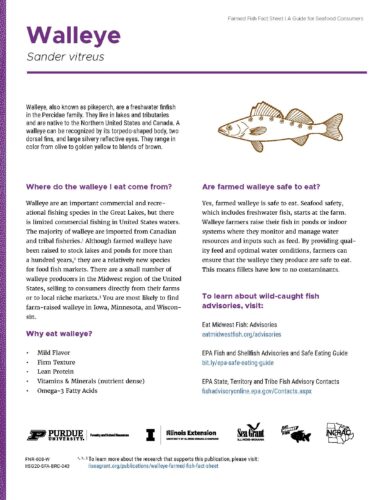 Seafood is a protein category that has many commercially and recreationally available options. Selecting seafood is more like shopping for fruits and vegetables than animal proteins. This publication is the first in a series of fact sheets that describe fish and shellfish produced in the Midwest region of the United States, where commercially available fish comes from, food safety, culinary characteristics, and cooking tips.
View other seafood publications and video resources as you place keywords in the search field located on The Education Store website.
Resources
Sustainable Aquaculture: What does it mean to you?, The Education Store, Purdue Extension resource center
Best Practices Guide for Charter Fishing and COVID-19, The Education Store
Pond Management: Managing Fish Populations, The Education Store
Indiana Pond Fish, Species Identification Card Set, The Education Store
Fish Cleaning with Purdue Extension County Extension Director, Got Nature? Blog, Purdue Extension – Forestry and Natural Resources
Amy Shambach, Aquaculture Marketing Outreach Associate
Purdue Department of Forestry and Natural Resources/Illinois Indiana Sea Grant Program
In this second of five prescribed fire ignition technique videos, Purdue Extension wildlife specialist Jarred Brooke describes a flanking fire.
If you have any questions regarding wildlife, trees, forest management, wood products, natural resource planning or other natural resource topics, feel free to contact us by using our Ask an Expert web page.
Resources
Wildlife Habitat Hint, Playlist, Purdue Extension – Forestry and Natural Resouces YouTube channel
Wildlife Habitat Hint: Late Growing Season Prescribed Fire, Video
Renovating Native Warm-Season Grass Stands for Wildlife: A Land Manager’s Guide, The Education Store, Purdue Extension resource center
Prescribed fire: 6 things to consider before you ignite, Got Nature? Blog, Purdue Extension – 4Forestry and Natural Resources
Jarred Brooke, Wildlife Extension Specialist
Purdue Department of Forestry and Natural Resources
In this video, we explain the second treatment technique utilized on the Hardwood Ecosystem Experiment, even-aged management. This technique aims to create areas where all of the trees are the same age. Watch to learn how this is accomplished.
The 100 year study, Hardwood Ecosystem Experiment (HEE), brings pertinent forest management data to many in Indiana. HEE Extension publications continue to share topics including: Wildlife Responses to Timber Harvesting, Sustaining our Oak-Hickory Forests, Forest Birds and more.
To learn more about this 100 year forest management plan and see its impacts, check out the Hardwood Ecosystem Experiment (HEE) website.
Resources
Hardwood Ecosystem Experiment (HEE), Playlist, Purdue Extension – Forestry and Natural Resources
Hardwood Ecosystem Experiment: Uneven-aged Management, Video
A Woodland Management Moment, Playlist
Woodland Stewardship for Landowners, Playlist
The Hardwood Ecosystem Experiment: Indiana Forestry and Wildlife, The Education Store, Purdue Extension resource center
Resources and Assistance Available for Planting Hardwood Seedlings, The Education Store
Charlotte Owings, Hardwood Ecosystem Experiment Project Coordinator
Purdue University, Department of Forestry and Natural Resources
In this third of five prescribed fire ignition technique videos, Purdue Extension wildlife specialist Jarred Brooke describes a strip head fire and how this technique differs from other options.
If you have any questions regarding trees, forests, wildlife, wood products or other natural resource topics, feel free to contact us by using our Ask an Expert web page.
Resources
Wildlife Habitat Hint, Playlist, Purdue Extension – Forestry and Natural Resouces YouTube channel
Wildlife Habitat Hint: Late Growing Season Prescribed Fire, Video
Renovating Native Warm-Season Grass Stands for Wildlife: A Land Manager’s Guide, The Education Store, Purdue Extension resource center
Prescribed fire: 6 things to consider before you ignite, Got Nature? Blog, Purdue Extension – 4Forestry and Natural Resources
Jarred Brooke, Wildlife Extension Specialist
Purdue Department of Forestry and Natural Resources

Recent Posts
- Beetle that attacks Tree-of-Heaven found in Indiana, Purdue Landscape Report
Posted: March 20, 2026 in Invasive Insects, Wildlife, Woodlands - ID That Tree: Dwarf Chinkapin Oak
Posted: in Forestry, Urban Forestry, Wildlife, Woodlands - IN-PREPared: Essential Resources for Indiana’s Severe Weather Season
Posted: March 11, 2026 in How To, Safety - DNR Hiring for Indiana Conservation Officer Positions, MyDNR
Posted: March 9, 2026 in Urban Forestry, Wildlife, Woodlands - ID That Tree: Shumard Oak
Posted: in Plants, Urban Forestry, Wildlife, Woodlands - A Woodland Management Moment: Windbreak Around Walnut Plantings
Posted: March 3, 2026 in Forestry, Urban Forestry, Woodland Management Moment - Getting Certified as an Indiana Certified Prescribed Burn Manager
Posted: March 2, 2026 in How To, Urban Forestry, Woodlands - Uniting Indiana Residents Against Invasive Species
Posted: February 27, 2026 in Community Development, Invasive Insects, Wildlife - Have You Seen a Soaring Eagle Lately? Morning Ag Clips
Posted: February 25, 2026 in Urban Forestry, Wildlife - Register for Natural Resources Teacher Institute’s Class of 2026
Posted: February 19, 2026 in Forestry, Wildlife, Woodlands
Archives
Categories
- Alert
- Aquaculture/Fish
- Aquatic/Aquaculture Resources
- Ask the Expert
- Christmas Trees
- Community Development
- Disease
- Drought
- Forestry
- Forests and Street Trees
- Gardening
- Got Nature for Kids
- Great Lakes
- How To
- Invasive Animal Species
- Invasive Insects
- Invasive Plant Species
- Land Use
- Natural Resource Planning
- Nature of Teaching
- Plants
- Podcasts
- Ponds
- Publication
- Safety
- Spiders
- Timber Marketing
- Uncategorized
- Urban Forestry
- Webinar
- Wildlife
- Wood Products/Manufacturing
- Woodland Management Moment
- Woodlands