 Purdue University - Extension - Forestry and Natural Resources
Got Nature? Blog
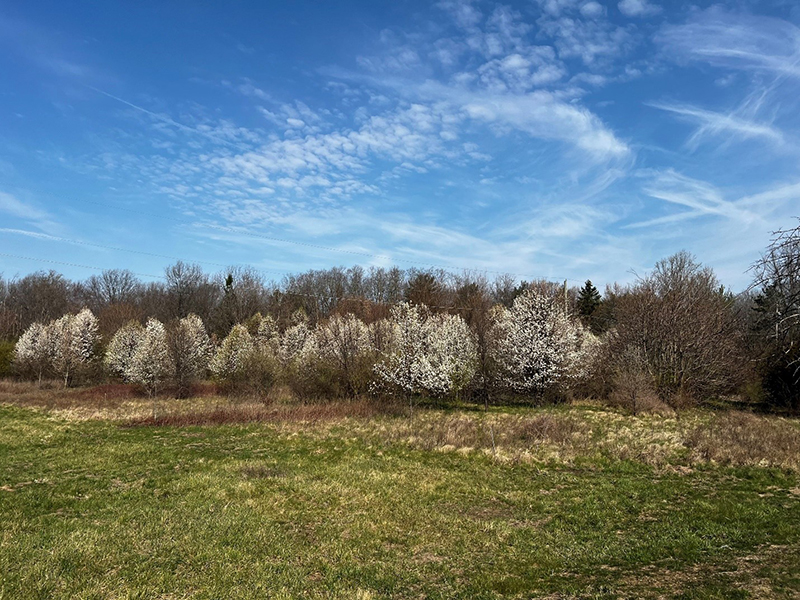 Purdue Landscape Report: Most people these days have, at the very least, heard of Callery and Bradford pear trees and know something about the invasiveness of this ornamental street tree. But I still get questions about what it is and why it’s so bad. So, I’d like to offer a little history of this infamous tree. Where did it come from, why is it so popular, why is it such an awful tree to plant, and some suggestions for better species to plant in its place.
Pyrus calleryana, the Callery pear (Fig. 1), was originally introduced from Asia to the United States in 1908. This was done in an attempt to breed pear trees that were resistant to fire blight, a bacterial disease that can spread rapidly causing leaves and branches to blacken as if burnt by fire, eventually resulting in death. Along with its resistance, the Callery pear was tested as a rootstock for the edible European pear (Pyrus communis) and its vigor in growth.
Callery Pear grows to a height of 30 to 50 feet with a spread up to 30 feet wide. Thick leaves grow alternately, are dark green, grow with sharp spurs along branches, and turn reddish-purple in the fall. They are one of the first trees to bloom and begin to grow in the spring and one of the last to drop their leaves in the fall. They produce a beautiful show of white flowers in the spring that have an unfortunate odor and an abundance of small fruits in the fall that are spread by birds and other wildlife. In fact, invasive European Starlings are one of the primary species that feed on and spread the fruits and seeds. Stems are smooth with light-colored lenticels while more mature stems are light to medium grey with fissures along the bark. Branching is usually upright in structure leading to poor branch unions that are weak and prone to failure. They grow quickly and tolerate a wide variety of planting locations and conditions, which led to the widespread use as both street and ornamental trees in urban plantings.
The Bradford pear tree is a variety of Callery pear cultivated in the early 1950s as a sterile tree without sharp spurs. Unfortunately, it cross-pollinated with other varieties leading to the rapid spread and out-competing of native species that we see in fields, along roadsides, and in forests today (Figs. 2 & 3). As awareness of the environmental issues of Callery pear spreads, local and state governments are working on removing them from the landscape. It is often joked that pruning these trees is extremely simple, involving a single cut at the base of the tree.
Due to the extensive use of these trees over the past 7 decades though, removals can lead to a large loss of existing canopy, especially with mature trees. This loss is worth negating the ecological damage they cause and with patience can be replaced with more appropriate species. Suggestions include serviceberry (Amelanchier laevis), flowering dogwood (Cornus florida), redbud (Cercis canadensis), and crabapple (Malus sylvestris).
For more information on invasive pear trees or on how to remove them see the links below.
To view this full article and other Purdue Landscape Report articles, please visit: Invasive Bradford/Callery Pear: Why it is so detrimental and what to plant instead.
Subscribe and receive the newsletter: Purdue Landscape Report.
Resources:
ID That Tree: Invasive Callery Pear, Purdue Extension – Forestry and Natural Resources (FNR) YouTube Channel
The Rise and Fall of the Ornamental Callery Pear Tree, Arboretum of Harvard University
Find an Arborist video, Trees are Good-International Society of Arboriculture (ISA)
ID That Tree, Playlist, Purdue Extension – FNR YouTube Channel (Invasive White Mulberry, Siberian Elm, Tree of Heaven)
Invasive Species Playlist, Playlist, Purdue Extension – FNR YouTube Channel (Asian Bush Honeysuckle, Burning Bush, Callery Pear, Multiflora rose)
A Woodland Management Moment, Playlist, Purdue Extension – FNR YouTube Channel (Against Invasives, Garlic Mustard, Autumn Olive)
Woodland Stewardship for Landowners, Playlist, Purdue Extension – FNR YouTube Channel (Common Buckthorn, Japanese Barberry)
Report Invasive Species, Purdue Invasive Species
The GLEDN Phone App – Great Lakes Early Detection Network
EDDMaps – Early Detection and Distribution Mapping System (Report Invasives)
How long do seeds of the invasive tree, Ailanthus altissima remain viable? (Invasive Tree of Heaven), USDA Forest Service
Indiana Department of Natural Resources: Invasive Species
Indiana Invasive Species Council
Cooperative Invasive Species Management Area (CISMA)
Aquatic Invasive Species, Illinois-Indiana Sea Grant (IISG)
Episode 11 – Exploring the challenges of Invasive Species, Habitat University-Natural Resource University
What are invasive species and why should I care?, Got Nature? Blog, Purdue Extension – FNR
Trees and Storms – The Education Store, Purdue Education’s resource center
Planting Your Tree, video, The Education Store
Tree Installation, The Education Store
Subscribe – Purdue Extension-FNR YouTube Channel
Ben McCallister, Urban Forestry Specialist
Purdue Forestry & Natural Resources
 With storm season just around the corner, one topic of concern on many minds is damage to and from trees. Depending on the intensity of the storms and the condition of the trees, damage from high winds, heavy rainfall, and lightning can be quite severe. Cracked or broken branches, stem failure, and root failure are some of the main concerns, but also the risk and liability of damage to people and property.
If your tree is damaged, there are some steps to deal with the situation. First and foremost, consider the safety of yourself and others around you. Inspect the tree from a distance first looking for the following:
- Heaving of the ground indicating potential root failure
- Damage to limbs and/or the trunk of the tree
- Hanging branches can fall to the ground resulting in injury or death
- Be aware of utility and power lines. Trees can become charged by coming in contact with live wires. All utility lines should be considered energized and dangerous.
If you find your trees damaged from a storm hiring an International Society of Arboriculture (ISA) Certified Arborist to perform a risk assessment will help guide your decision of how to manage your tree. To find an arborist near you and verify credentials use the link at Find an Arborist, Trees are Good, International Society of Arboriculture (ISA). For more information, you can also view the publication, Trees and Storms, located in The Education Store, Purdue Extension’s resource center.
Resources:
Find an Arborist video, Trees are Good-International Society of Arboriculture (ISA)
Trees and Storms – The Education Store, Purdue Education’s resource center
Caring for storm-damaged trees/How to Acidify Soil in the Yard – In the Grow, Purdue Extension
Moist soil and rotten roots makes it easy for trees to come crashing down – Fox 59 News
Expert: Some storm damage can be easily prevented – Fox 59
Why Is My Tree Dying? – The Education Store
Tree Risk Management – The Education Store
Mechanical Damage to Trees: Mowing and Maintenance Equipment – The Education Store
Trees and Electric Lines – The Education Store
Tree Defect Identification, The Education Store
Planting Your Tree, video, The Education Store
Tree Installation, The Education Store
Tree Wound and Healing, Got Nature? Blog, Purdue Extension – Forestry and Natural Resources
Subscribe – Purdue Extension-FNR YouTube Channel
Ben McCallister, Urban Forestry Specialist
Purdue Forestry & Natural Resources
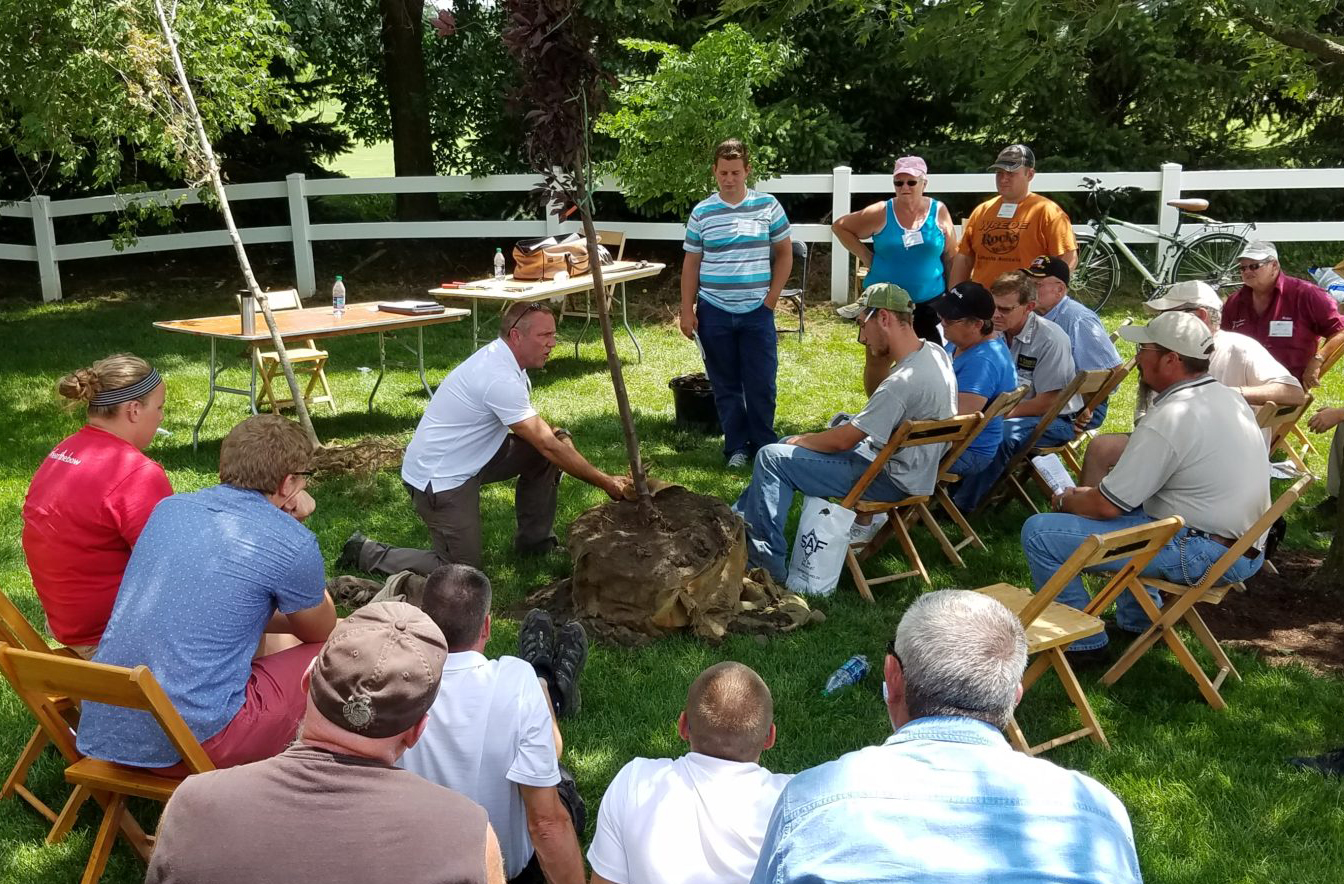 Spring is almost here and we get to wave goodbye to winter. Temperatures are rising, the winds are blowing, and trees are waking up—one of the hot topics every spring is planting. If you missed the chance to get a tree or two (or many more) in the ground this past autumn, then now is the time to start thinking about it again. Look at your planting spaces to see what kind of tree would do well. Think about the tree going in the ground now vs 10 years from now, 30 years, or even 50 years. Will a full-size oak fit in your space or will a smaller redbud work better? Do you have poorly drained soil where a willow or bald cypress will enjoy the excess water or well-drained soil that an American beech or black gum might fare better? Think about what you might want growing in your portion of the ecosystem. Are you looking for spring flowers, shade in the summer, color in the fall, or even different bark types and branch architecture for the winter? Also, once you’ve made your decision and got your new tree make sure you plant it properly to ensure a long happy life and lots of enjoyment.
Don’t forget about the trees you already have in the ground, too. One simple act that you can do to help them out is to re-mulch your current trees. Mulching helps to regulate soil moisture and temperature for the roots of your trees. Grab a rake and work last year’s mulch into the ground a little, then apply enough new mulch to have about a 2–3-inch layer around your tree. Depending on the size of your tree you might need to have a larger mulch ring, but aim for at least a 3-foot diameter, and DO NOT mulch up to the trunk. This is volcano mulching and creates an area of decay in the trunk that can lead to failure. Leave a 2-3-inch ring between the trunk and the mulch.
For more spring tree tips check out the Purdue Extension – Forestry and Natural Resources (FNR) “YouTube Shorts” video, Ben McCallister Offers Spring Tree Tips
If you have any questions about these topics, please check out the links provided on tree selection, planting, and mulching.
Resources:
The Purdue Landscape Report
Tree Installation, The Education Store
Choosing a Tree video, The Education Store
Planting Your Tree video, The Education Store
Mechanical Damage to Trees, The Education Store
Re-Mulch Your Trees, Purdue Landscape Report
Planting Your Tree Part 1: Choosing Your Tree, Purdue Extension YouTube Channel
Summer Tree Care, Purdue Landscape Report
Tree Defect Identification, The Education Store
Tree Wound and Healing, Got Nature? Blog, Purdue Extension – Forestry and Natural Resources
Surface Root Syndrome, The Education Store
Shrubs and Woody Vines of Indiana and the Midwest, The Education Store
Ask an Expert: Tree Selection and Planting, Purdue Extension-Forestry & Natural Resources (FNR) YouTube playlist
ID That Tree, Purdue Extension-FNR YouTube playlist
Subscribe – Purdue Extension-FNR YouTube Channel
Ben McCallister, Urban Forestry Specialist
Purdue Forestry & Natural Resources
Indiana Arborist Association
P.O. Box 946
Cicero, IN 46034
Press Release February 14, 2024
The Indiana Arborist Association (IAA) has received funding from Indiana Department of Natural Resource’s Community and Urban Forestry program to launch the first ever workforce development program dedicated to training certified arborists from underserved and disadvantaged communities in Northwest Indiana (NWI). This grant is funded through the U.S. Department of Agriculture (USDA) Forest Service Urban & Community Forestry program.
The IAA strives to enhance the quality of life for Indiana residents by encouraging the planting, maintenance and preservation of trees and promoting the advantages of working with qualified professional arborists who use current industry standards. Ashley Mulis, who will serve as program manager for the initiative is excited for this opportunity. “The need for qualified arborists in NWI has consistently surpassed the number of available practitioners. The IAA is thrilled to be able to launch such an important program in an area of the state that has historically suffered from both lack of tree canopy and certified arborists.” The State of Indiana along with many states across the U.S. struggle to fill jobs in the green industry with skilled labor. To effectively manage the urban forest, communities need skilled practitioners in arboriculture who understand the biology, management needs, and critical ecosystem services trees provide.
The Arborist Apprenticeship program will be a collaborative effort with several partners in NWI including Purdue University Northwest (PNW), Purdue Extension, and the Center for Workforce Innovation who will assist in the education and training of arborists who will go on to care for trees in disadvantaged communities of NWI. PNW Chancellor Kenneth Holford had this to say of the program partnership with IAA: “Purdue University Northwest is pleased to be a partner in this innovative workforce development program aimed at filling a growing and increasingly important gap in local talent to enhance the urban forests and ecosystems throughout Northwest Indiana. This program is consistent with PNW’s goal of building a strong, skilled, and sustained workforce for the region.”
Northwest Indiana has been the focus of a large multi-year tree planting effort led by CommuniTree. CommuniTree is NWI’s flagship urban and community forestry program that brings non-profits, communities, government agencies, universities, and businesses together to deliver a shared goal of creating a more diverse, healthy, and equitable urban forest across the region. As of 2024, CommuniTree partners including the Northwestern Indiana Regional Planning Commission (NIRPC), the Student Conservation Association (SCA), the US Forest Service (USFS), the NWI Urban Waters Federal Partnership (NWI UWFP) and others, have planted over 10,000 trees across the region. These trees require professional management provided by trained certified arborists. “CommuniTree, an outgrowth of the NWI UWFP, has created an unparalleled opportunity for workforce development initiatives to continue to grow, sustain and diversify urban forests in the region by drawing on the strengths that regional partnerships bring to the table. The NWI UWFP fully supports the IAA in their endeavor to provide professionally trained and certified Arborists for NWI.” Victoria Wittig, Ph.D., the Northwest Indiana Urban Waters Federal Partnership Ambassador. “The Center of Workforce Innovations applauds IAA on their work to bring this transformational program to NWI. Disadvantaged communities often bear the brunt of climate change impacts and environmental degradation. Training individuals from these communities in climate adaptation and mitigation strategies can lead to healthier local environments. The CommuniTree program, in conjunction with this Arborist Apprenticeship program specifically aims to not only reverse these environmental impacts but also equip residents of those same communities with the skills and knowledge necessary to thrive in the emerging green economy through a proven work-and-learn model.” Shaun Sahlhoff, Director of Planning and Fundraising at the Center of Workforce Innovations.
To learn more about the Indiana Arborist Association visit www.indiana-arborist.org or email info@indiana-arborist.org.
Media Contact:
Ashley Mulis, Business Manager
Indiana Arborist Association
Email: ashley@indiana-arborist.org
Phone: (219) 295-0048
Lindsey Purcell, Executive Director
Indiana Arborist Association
Email: lindsey@indiana-arborist.org
Phone: (219) 295-0048
Other Resources:
Urban Forestry, Playlist, Purdue Extension – Forestry and Natural Resources (FNR) YouTube Channel
How to Find an Arborist Near You!, Purdue Extension – FNR Got Nature? Blog
What is Urban Forestry? Do You Know?, Purdue Extension – FNR Got Nature? Blog
Urban Forestry Minor, Purdue Forestry & Natural Resources (FNR)
Storms Can Cause Damage and Tree Cleanup, What You Need to Know, Purdue Extension – FNR Got Nature? Blog
Purdue Landscape Report, Purdue Science-Based Midwest Landscaping
Forest Improvement Handbook, The Education Store, Purdue Extension’s resource center
Investing in Indiana Woodlands, The Education Store
Woodland Wildlife Management, The Education Store
ID That Tree, Playlist, Purdue Extension – Forestry & Natural Resources (FNR) YouTube Channel
 Governor Eric Holcomb has proclaimed February 25th to March 2nd as 2024 Invasive Species Awareness Week in Indiana.
This serves as an important reminder for Hoosiers to be aware and report potentially devastating invasives.
This proclamation states “invasive aquatic, riparian and terrestrial species influence the productivity, value and management of land and water resources in Indiana and the cost to prevent, monitor and control invasive species costs Indiana millions annually and after habitat destruction, invasive species are a great threat to biodiversity and threaten the survival of native plants and animals and interfere with ecosystem functions by changing processes like fire, nutrient flow and flooding”.
It continues with “invasive species impede industry, threaten agriculture, endanger human health and are becoming increasingly harder to control as a result of rapid global commercialization and human travel; and invasive species are as significant threat to almost half of the native species currently listed as federally endangered.”
As Invasive Species Awareness Week starts Sunday, February 25th, the Indiana Department of Natural Resources (IN DNR), Purdue Extension-Forestry and Natural Resources and the Indiana Invasive Species Council will answer any questions you may have.
For Questions:
Ask an Expert, Purdue Extension-Forestry and Natural Resources
Invasive Species – Indiana Department of Natural Resources (IDNR)
Indiana Invasive Species Council – Includes: IDNR, Purdue Department of Entomology and Professional Partners
Cooperative Invasive Species Management Area (CISMA)
Report and Learn More About Invasive Species –
Great Lakes Early Detection Network App (GLEDN) – The Center for Invasive Species & Ecosystem Health
EDDMaps – Early Detection and Distribution Mapping System
Purdue University Report Invasive Species, College of Agriculture
Check Out Our Invasive Species Videos –
Subscribe: Purdue Extension-Forestry and Natural Resources (FNR) YouTube Channel
Invasive Species YouTube Video Playlist includes:
- Asian Bush Honeysuckle
- Burning Bush
- Callery Pear
- Multiflora Rose
- Invasive Plants Threaten Our Forests Part 1: Invasive Plant Species Identification
- Invasive Plants Threaten Our Forests Part 2: Control and Management
More Purdue Extension-FNR YouTube Video Series –
Woodland Management Moment:
Woodland Stewardship for Landowners:
ID That Tree:
More Resources –
FNR Extension Publications, The Education Store:
- Invasive Plant Species: Tree of Heaven
- Invasive Plant Species: Oriental Bittersweet
- Invasive Plant Species: Wintercreeper
- Japanese Chaff Flower
- Kudzu in Indiana
- Mile-a-minute Vine
Purdue Landscape Report:
FNR Extension Got Nature? Blog:
Don’t Miss These Resources:
Episode 11 – Exploring the challenges of Invasive Species, Habitat University-Natural Resource University
What Are Invasive Species and Why Should I Care?, Purdue Extension-FNR Got Nature? Blog
Emerald Ash Borer Information Network, Purdue University and Partners
Aquatic Invasive Species, Illinois-Indiana Sea Grant (IISG)
Invasive plants: impact on environment and people, The Education Store, Purdue Extension’s resource center
Purdue Extension-Forestry and Natural Resources
In 2023, our FNR Extension website featured stories on topics ranging from wildlife identification, concerns in forestry, urban forestry issues and aquaculture how-to guides. Here are the top stories our FNR Extension readers were interested in last year from archival favorites to new publications on our Got Nature! blog.
FROM THE ARCHIVES – ARTICLES ORIGINALLY POSTED PRIOR TO 2023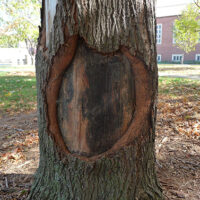
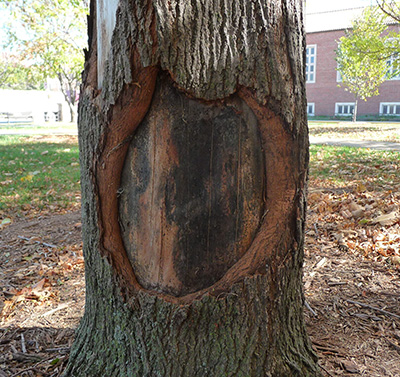
1 – Tree Wounds and Healing — Trees are incredible survivors in spite of the challenges from pests of all kinds, including us! They are vulnerable to injuries such as mechanical wounds from lawn equipment, vehicles and ice. Pruning results in an intentional wound which is of importance to consider. Tree owners and managers need to prune trees to maintain aesthetic characteristics, remove infected limbs, reduce risk, or improve structural stability. Proper pruning practice and understanding tree wounds can minimize the impact of creating wounds on trees.
2 – Question: Can Tree Roots Cause Damage to a Home’s Foundation? — A reader asked this question regarding a pin oak tree that is within 10 feet of their house after receiving A certified arborist took a look at it and said that he would like to use an Air Knife to expose the roots near the foundation (a walkout basement) to determine if the roots are causing damage and/or need to be pruned, or whether the tree needs to be removed since it is situated too close to the house.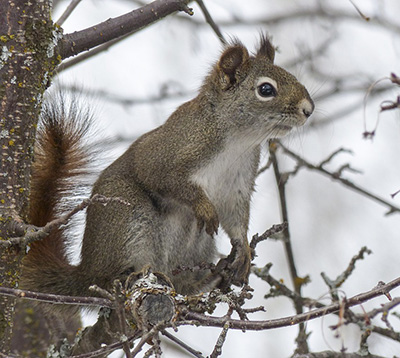
3 – Question: I Saw A Squirrel with No Fur on Its Neck, Both Backside and Underneath. What Is This? — People can be taken aback by the sight of squirrels missing hair. Sightings of partially furred squirrels is not unusual with warmer temperatures experienced through the winter. Like many wildlife issues, the cause of hair loss in squirrels is not easy to answer and often results in more questions than answers. In most situations, hair loss does not impact populations of squirrels.
4 – Be on the Watch for EHD in Deer — In August 2019, residents were warned to be on the watch for Epizootic Hemorrhagic Diseases (EHD) in deer after a white-tailed deer in Clarke County, Indiana tested positive for Epizootic Hemorrhagic Disease (EHD), and potential EHD cases had been reported in 26 other Indiana counties. Here are a few things you should know about how EHD, how to spot it, and how to report it.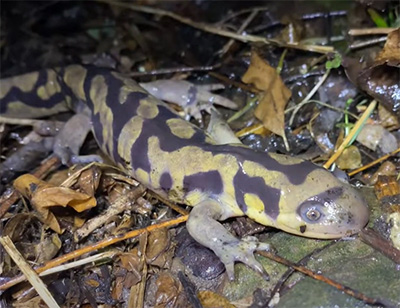
5 – Question: Are Carpenter Ants Harmful to My Tree? — Carpenter ants are very common inside trees, especially on larger, mature trees that are hollow with cavities. They nest in rotted, decayed wood, although some nests may extend into sound heartwood in the center of the tree. Carpenter ant presence is an indication of rotting wood, and infested trees should be checked to determine whether the rot has weakened the tree enough that it has become a risk of failure.
6 – Question: Why Are There So Many Acorns This Year? — If you have ever noticed acorns so numerous that you could not take a step without crushing several, you may be asking the question, “why are there so many acorns?” Some answers to this question can be found in the physiology and ecology of trees and their relationship to wildlife.
7 – It Is A Salamander. No, It Is a Lizard. Are They Different? — Salamanders are often mistaken for lizards, but the two groups are very different. Learn the differences between lizards and salamanders, how to identify each and more.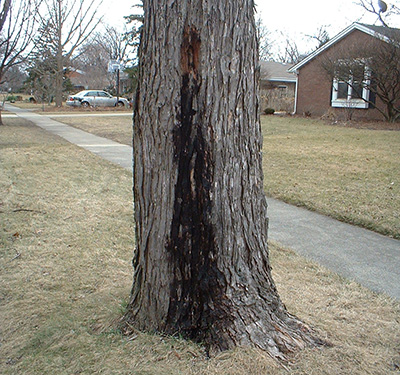
8 – Question: Blue Spruce is Dying, What Can I Do? — A reader sent in a question asking about a 40-year old spruce which is dying in the middle. There was a concern about Rhizosphaera needle cast as well as questions about fungus control sprays or alternative fungicide treatments.
9 – Slime Flux of Trees — Slime flux (also known as wet wood) is a dark, foul-smelling and unsightly seepage of sap from tree trunks. The disease is not usually a serious problem but the appearance can be alarming. Learn about the symptoms of slime flux, diagnosis and prevention measure.
10 – What Do Trees Do In the Winter? — Do they freeze up like unprotected water pipes? Or burst when it gets below freezing? Yes, the below-ground parts of a tree are kept insulated by mulch, soil and a layer of snow, and that is important to survival, but the exposed parts of a tree are not protected.
To see the full article, please visit FNR News & Stories.
Resources
Tree Pruning: What Do Trees Think?, The Education Store
Mechanical Damage to Trees: Mowing and Maintenance Equipment, The Education Store
Surface Root Syndrome, The Education Store, Purdue Extension resource center
The Nature of Teaching: Trees of the Midwest, The Education Store
Diseases in Hardwood Tree Plantings , The Education Store, Purdue Extension’s resource center
Iron Chlorosis of Trees and Shrubs, The Education Store
Purdue Landscape Report, Website
Winterize Your Trees, The Education Store, Purdue Extension resource center
Tree Defect Identification, The Education Store
Forest/Timber, Playlist, Purdue Extension – Forestry and Natural Resources YouTube channel
Urban Forestry, Purdue Extension – FNR playlist
Wendy Mayer, FNR Communications Coordinator
Purdue University Department of Forestry and Natural Resources

Three foresters with exemplary careers, including two Purdue Forestry and Natural Resources alumni, were recognized with the John F. Datena Distinguished Forester Award at the recent Indiana Forestry & Woodland Owners Association annual conference.
Jack Nelson of Lizton, Lenny Farlee of Lafayette and Bob Koenig (posthumously) from Greencastle were recognized for their leadership in forestry and support for Indiana woodland owners.
The Datena Award, named after former state forester John F. Datena to honor his commitment to Indiana forestry, recognizes professional foresters who have been highly influential in promoting the forestry profession in a manner that rises above their peers. Honorees have spent their careers making significant and sustained contributions to the betterment of forestry and are recognized by their peers to be leaders.
Jack Nelson retired after 34 years working for the Indiana Department of Natural Resources Division of Forestry and followed that long career with a private consulting forestry business. He has been practicing forestry for 53 years. In his role with the DNR he assisted private landowners and administered the Indiana Timber Buyers Licensing and Indiana Classified Forest programs. He owned a Christmas tree farm for 30 years and is active in many conservation organizations.
After a 20-year career with the IDNR Division of Forestry, Lenny Farlee pivoted to an Extension Forester role at Purdue University, where he provides science-based information on sustainable forest management to woodland owners and natural resource professionals across the Central Hardwoods region. Lenny is especially known for the “Forest Management for the Private Woodland Owner” short course he annually teaches and his series of 120+ videos on tree identification.
“This award has special significance to me as my fellow awardees this year were both pivotal supervisors and mentors in my early career,” Farlee said. “It also represents a very humbling acknowledgement of contributions over a career to the profession and practice of forestry in Indiana, something that has been my joy and pleasure to participate in with so many others. I recognize that significant accomplishments are always done in conjunction with others, and I am grateful for the support and assistance I have received from the Indiana forestry community over these many years.”
Farlee earned his bachelor’s degree in Forestry and Natural Resources from Purdue in 1985 and his master’s degree in 1991. He then worked as a nursery forester with the Indiana Division of Forestry at Vallonia State Tree Nursery from 1988 to 1991 and as a district forester from 1991 to 2006. In January 2007, Farlee joined Purdue FNR as an extension forester for the Hardwood Tree Improvement and Regeneration Center.
Farlee received the Friend of Conservation Award from the Tippecanoe County Soil and Water Conservation District in 2015 and was named as a recipient of the Indiana Hardwood Lumbermen’s Association’s President’s Award in 2015 and 2017. He also was part of the multidisciplinary group that received the PUCESA Team Award in 2021 for its outreach work on the cicada emergence.
To see the full article, please visit the FNR News and Stories page.
Resources:
Forest Management for the Private Woodland Owner Course – Got Nature? Blog, Purdue Extension – Forestry and Natural Resources
Virtual Forest Management for the Private Woodland Owner Course, Purdue Extension-FNR Events
Forestry Management for the Private Woodland Owner Course – Jackson County, Purdue Extension-FNR Events
Cost Assistance for Landowners Planning Conservation Practices, Purdue Extension-FNR Got Nature? Blog
Woodland Stewardship for Landowners: EQUP, video, Purdue Extension-Forestry and Natural Resources (FNR) YouTube Channel
Woodland Stewardship for Landowners YouTube Playlist, Purdue Extension – FNR
Woodland Management Moment: Invasive Species Control Process, Purdue Extension – FNR Video
Woodland Management Moment YouTube Playlist, Purdue Extension – FNR
Invasive Species YouTube Playlist, Purdue Extension – FNR
What are invasive species and why should I care?, Got Nature? Blog, Purdue Extension – Forestry and Natural Resources
Report Invasive Species, Purdue Invasive Species
The GLEDN Phone App – Great Lakes Early Detection Network
EDDMaps – Early Detection and Distribution Mapping System
Hardwood Ecosystem Experiment: Uneven-aged Management, Purdue Extension – FNR Video
Finding help from a professional forester, Indiana Forestry & Woodland Owners Association
Forest Improvement Handbook, The Education Store, Purdue Extension resource center
Lenny Farlee, Extension Forester
Hardwood Tree Improvement & Regeneration Center (HTIRC)
Purdue University Department of Forestry and Natural Resources
MyDNR, Indiana’s Outdoor Newsletter: When you purchase this limited edition shirt, you are helping reforest Indiana. For each shirt sold, the Natural Resources Foundation will partner with the Indiana Department of Natural Resources – Division of Forestry and plant one tree in an Indiana State Forest to celebrate Arbor Day and Earth Day.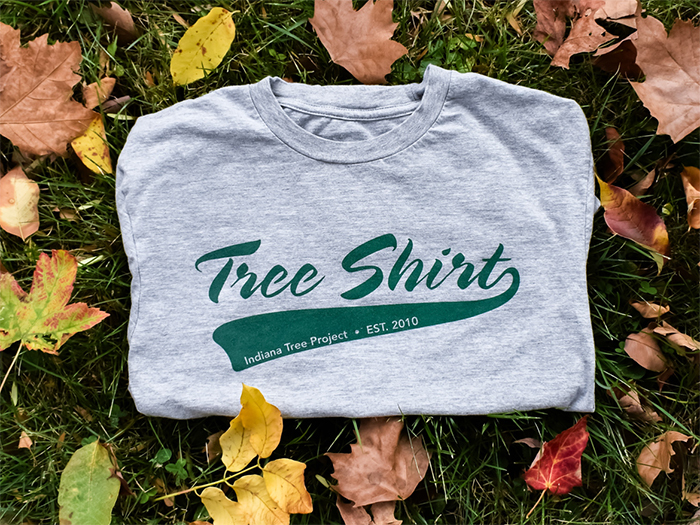
Along with each shirt, you’ll receive an official tree certificate with a unique tree ID and the coordinates for the acre where the tree will be planted. If you are interested in participating in the next public tree planting, please e-mail Cheryl Hampton at champton@dnr.in.gov to receive updates.
The types of trees planted are native Indiana hardwoods and typically upland and bottomland oaks, walnut, black cherry and other species that are in need of restoration.
To buy a shirt and learn more please visit the store page.
For more information on the Indiana Tree Project please visit the Indiana Natural Resources Foundation.
Sign up to receive the MyDNR Newsletter by email: MyDNR Email Newsletter
Resources:
Investing in Indiana Woodlands, The Education Store
Forest Improvement Handbook, The Education Store
ID That Tree, Purdue Extension-Forestry & Natural Resources (FNR) YouTube playlist
Woodland Management Moment , Purdue Extension-FNR YouTube playlist
Find an Arborist, International Society of Arboriculture
Planting Your Tree Part 1: Choosing Your Tree, Purdue Extension YouTube Channel
Native Trees of the Midwest, Purdue University Press
Shrubs and Woody Vines of Indiana and the Midwest, Purdue University Press
Finding help from a professional forester, Indiana Forestry & Woodland Owners Association
District Foresters for 10 plus acres, Indiana Department of Natural Resources
Indiana Department of Natural Resources
Purdue Landscape Report: Temperatures are finally dropping and leaves are changing color. Autumn is progressing well in my opinion. Before you know it winter will be here, and some people will be wondering is there anything to be done to better protect the trees around you? The answer is yes, and I applaud you for your initiative to continue caring for your trees. To give your trees the best chance to survive the winter and better thrive next year there is an assortment of activities available ranging from diy projects up to calling in an ISA certified arborist to help you out.
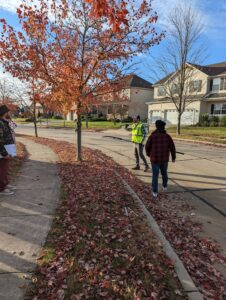
Figure 1. Maintenance of trees in the fall include many tasks before dormancy occurs.
Mulching:
One simple task to better prepare your trees for winter is to add a new layer of mulch, which benefits your trees in multiple ways. Adding a 2-3 inch thick layer of mulch will better maintain moisture levels and buffer extreme temperature changes in the soil and will add some organic matter too. Mulching to the drip line will benefit the tree the most, but in the case of larger trees it’s not always feasible. Try for at least a 3-foot radius from the trunk and make sure to leave a 2 inch or so gap between the trunk and the mulch. Remember, no volcano mulching.
Fertilizing:
That mulch you just added will add some organic material to your soil as it slowly breaks down, but an autumn fertilization can benefit your trees too. Unlike trees in the forest that have a natural supply of nutrients from fallen leaves and twigs, trees around our homes are usually deprived as we rake and clean up our yards. Adding a slow-release fertilizer in the fall helps provide a nutrient boost over the winter, can promote root growth, and better prepare your tree for Spring.
Watering:
Water is still an essential part of your tree care plan, but as temperatures drop and trees begin to head into dormancy they don’t need as much water as is required in the hit summer months. If you have irrigation systems in your yard start to drop the frequency of watering. You can water up until the first freeze, but make sure soils are just a little damp and not soaked. Evergreens in particular will benefit from slow deep watering 1-2 times a week until the soil freezes. Winter winds and temperatures can desiccate the needles without an adequate supply of water.
Pruning:
Now is a good time to prune out any dead, damaged, or diseased limbs in your trees. If you have access to hand saws and pole saws or pruners, you can remove smaller branches or those closer to the ground. Make sure you are making proper pruning cuts though, and if there are large limbs, those at heights, or you are just unsure of how to make a good cut enlist the help of a professional arborist.
Trunk damage:
Sunscald or southwest damage occurs on young and/or thin barked trees in the winter. Wounds can occur between the south to southwest facing part of the trunk on sunny days in the winter as temperatures rise and suddenly drop. Over time these wounds can become quite large. Trees can also incur damage from deer during the rut. Bucks will scrape trees with their antlers, scraping off the bark and damaging the cambium. Both of these injuries can be reduced one younger trees by installing tree guards in the fall. Tree guards are plastic barriers you place around the main stem of the tree. I recommend using white corrugated drainage pipe that can be found at most home centers. You can make a cut lengthwise along the pipe for easy installation and make sure it has a large enough diameter to leave a space between it and the tree. Just remember to remove it come Spring.
Inspections:
Visual inspections can be done year-round, but this time of the year it might be easier to see changes in your tree as leaves are falling and the canopy becomes more visible. From the ground up to the canopy, some of the things you’re looking for include fungal growth around the base of the tree, any sort of damage on the main stem or branches, premature leaf drop or color change, and branches that are dead, cracked, diseased, or seem weak. Any concerns you find are also great information to share with an ISA Certified arborist which can be found using the Trees Are Good website.
To view this full article and other Purdue Landscape Report articles, please visit Purdue Landscape Report.
Subscribe and receive the newsletter: Purdue Landscape Report Newsletter.
Resources:
Re-mulch Your Trees, Purdue Landscape Report
Pruning, Purdue Landscape Report
Southwest Damage/Sunscald, Purdue Landscape Report
Planning the Tree Planting Operation, The Education Store, Purdue Extension’s resource center
Tree Risk Management, The Education Store
Tree Planting Part 2: Planting Your Tree, The Education Store
Planting Your Tree Part 1: Choosing Your Tree, Purdue Extension – Forestry and Natural Resources (FNR) YouTube Channel
Summer Tree Care, Purdue Landscape Report
Tree Defect Identification, The Education Store
Tree Wound and Healing, Got Nature? Blog, Purdue Extension – FNR
Surface Root Syndrome, The Education Store
Shrubs and Woody Vines of Indiana and the Midwest, The Education Store
Ask an Expert: Tree Selection and Planting, Purdue Extension-FNR YouTube playlist
ID That Tree, Purdue Extension-FNR YouTube playlist
Subscribe – Purdue Extension-FNR YouTube Channel
Ben McCallister, Urban Forestry Specialist
Purdue Forestry & Natural Resources
MyDNR, Indiana’s Outdoor Newsletter: We need the public’s help to update The Big Tree Registry, a list of the largest known specimen of each native tree species in Indiana.
“Indiana’s currently tallest recorded tree is a 152-foot-tall bitternut hickory, and our widest tree circumference is a silver maple at more than 361 inches,” said Jacob Roos, DNR urban forestry director. “We need help getting out across the state to find our new record-setting trees.”
That means it’s time to review the recently updated champions list and start looking for new candidates to nominate for the list, which is maintained by DNR’s Division of Forestry.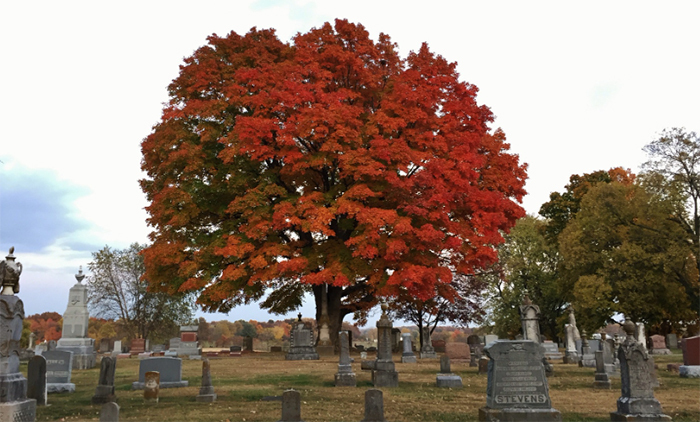 Three measurements are required:• trunk circumference, in inches, at 4 1/2 feet above the ground;• total height, in feet;• and average crown spread, in feet.The total size of each tree nominated is calculated by adding the circumference and height to a quarter of the average crown spread.The individual tree of each Indiana native tree species with the highest total points will be that species’ Big Tree champion. All nominations are reviewed, but only those with the highest scores will be verified.
To see full post please visit IN DNR, It’s Time to Start Looking for Big Trees.
To learn more please visit The Big Tree Registry, IN DNR-Division of Forestry.
Sign up to receive the MyDNR Newsletter by email: MyDNR Email Newsletter
Resources:
Investing in Indiana Woodlands, The Education Store
Forest Improvement Handbook, The Education Store
ID That Tree, Purdue Extension-Forestry & Natural Resources (FNR) YouTube playlist
Woodland Management Moment , Purdue Extension-FNR YouTube playlist
Find an Arborist, International Society of Arboriculture
Planting Your Tree Part 1: Choosing Your Tree, Purdue Extension YouTube Channel
Native Trees of the Midwest, The Education Store
Shrubs and Woody Vines of Indiana and the Midwest, The Education Store
Finding help from a professional forester, Indiana Forestry & Woodland Owners Association
District Foresters for 10 plus acres, Indiana Department of Natural Resources
Indiana Department of Natural Resources

Recent Posts
- ID That Tree: Dwarf Chinkapin Oak
Posted: March 20, 2026 in Forestry, Urban Forestry, Wildlife, Woodlands - DNR Hiring for Indiana Conservation Officer Positions, MyDNR
Posted: March 9, 2026 in Urban Forestry, Wildlife, Woodlands - ID That Tree: Shumard Oak
Posted: in Plants, Urban Forestry, Wildlife, Woodlands - A Woodland Management Moment: Windbreak Around Walnut Plantings
Posted: March 3, 2026 in Forestry, Urban Forestry, Woodland Management Moment - Getting Certified as an Indiana Certified Prescribed Burn Manager
Posted: March 2, 2026 in How To, Urban Forestry, Woodlands - Have You Seen a Soaring Eagle Lately? Morning Ag Clips
Posted: February 25, 2026 in Urban Forestry, Wildlife - ID That Tree: Fragrant Sumac
Posted: February 4, 2026 in Plants, Urban Forestry, Wildlife - Tree Silvics and Succession Webinar: A Biological Basis for Management
Posted: January 30, 2026 in Forests and Street Trees, Urban Forestry, Woodlands - Southwest Damage, Scalding or Frost Cracking
Posted: in Forestry, Urban Forestry - A Woodland Management Moment: Wide Spacing for Nut Production
Posted: January 29, 2026 in Urban Forestry, Woodland Management Moment, Woodlands
Archives
Categories
- Alert
- Aquaculture/Fish
- Aquatic/Aquaculture Resources
- Ask the Expert
- Christmas Trees
- Community Development
- Disease
- Drought
- Forestry
- Forests and Street Trees
- Gardening
- Got Nature for Kids
- Great Lakes
- How To
- Invasive Animal Species
- Invasive Insects
- Invasive Plant Species
- Land Use
- Natural Resource Planning
- Nature of Teaching
- Plants
- Podcasts
- Ponds
- Publication
- Safety
- Spiders
- Timber Marketing
- Uncategorized
- Urban Forestry
- Webinar
- Wildlife
- Wood Products/Manufacturing
- Woodland Management Moment
- Woodlands