 Purdue University - Extension - Forestry and Natural Resources
Got Nature? Blog
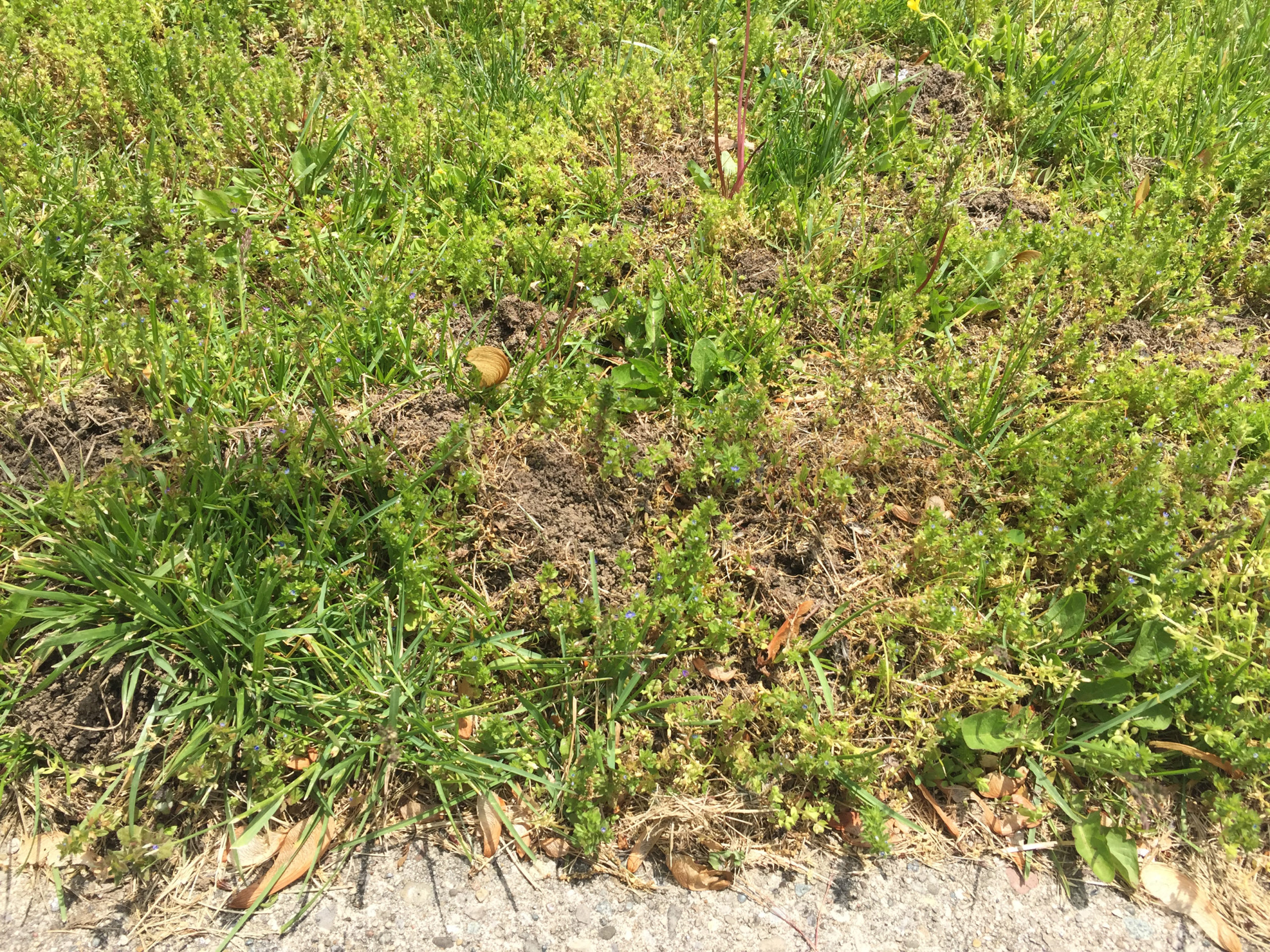
Recently during an online program (video) I received a question about the risk of using toxicants for controlling moles in lawns. Specifically, the question was if animals (pets or wild animals) ate the moles that consumed the bromethalin “worms” or “grubs” would that harm them. I decided to do some digging (no pun intended) for more information so people can make informed decisions regarding their use.
What is bromethalin?
From the Purdue University Animal Disease and Diagnostic Laboratory:
“Bromethalin was developed and released in 1985 to combat a world-wide problem of rodent resistance to warfarin-like anticoagulant rodenticides. Bromethalin is not an anticoagulant but is a highly potent rodenticide that provides a lethal dose to rodents in a single feeding. Death occurs within 24 to 36 hours after ingestion. It is a pale, odorless, crystalline solid compound in the diphenylamine family. Its mechanism of action is to uncouple oxidative phosphorylation in the mitochondria of the central nervous system. This leads to a decreased production of ATP. Low levels of ATP inhibit the activity of the Na/K ATPase and lead to a subsequent buildup of cerebral spinal fluid and vacuolization of myelin. The increased CSF results in high intracranial pressure, causing damage to nerve axons, inhibiting neural transmission and leading to paralysis, convulsions and death. Signs of a sub-lethal dose include hind limb ataxia, depression, extensor rigidity, opisthotonus, lateral recumbency and vomiting. High doses may bring about severe muscle fasciculations, hind limb hyperreflexia, seizures, hyperthermia, depression and death.”
From the Merk Veterinary Manual:
“Bromethalin, a nonanticoagulant, single-dose rodenticide, is a neurotoxin available as bars (blocks), pellets, seed, and worm. Mole baits are sold as worm containing 0.025% bromethalin, whereas rat and mouse baits contain 0.01% bromethalin. Bromethalin and its main metabolite desmobromethalin are strong uncouplers of oxidative phosphorylation. This results in intra-myelin fluid accumulation, leading to long nerve demyelination and intra-myelin cerebral edema. The net result is cerebral and spinal edema and increased CSF pressure, leading to neurologic dysfunction. In toxicity trials, the oral toxic dose of bromethalin when used as part of bait appears to be much lower than the dose administered as a technical grade agent. For example, in dogs, an average lethal dose of technical grade bromethalin is reported to be 4.7 mg/kg but 2.38 mg/kg in bait. Young dogs (<1 yr old) appear more sensitive; death has been reported at dosages of ~1 mg/kg in bait. Dogs are more commonly involved. Cats are 2–3 times more sensitive than dogs.”

What is the risk with mole baits?
The level of risk of any pesticide depends on a combination of toxicity and exposure. Anytime you are considering using a toxicant or other pesticide, first read the label in its entirety. Labels will contain information on how to apply a product safely, under what circumstances, and any precautions you should take. However, labels also contain other information that can users determine if they should use a product. This information is key in preventing pesticide exposure to people and the environment. In fact the label is a legal document. The pesticide user is bound by law to follow all label directions. Label directions for mole baits instruct users to keep pets out of treated areas and not to use the product above ground. Bait must be applied directly into moles’ tunnel systems. Following these directions will greatly reduce, or even eliminate, the exposure risk to pets. What might be the consequences if your dog or a neighbor’s dog mistakenly entered your yard and went digging around in a treated area?
To determine this we can calculate how much bait a dog would have to consume to reach the average lethal dose. The more technical term is the LD50 dose which is the individual dose that kills 50 percent of a population of test animals. A single worm mole bait weighs approximately 5g since a package of 20 worms has a weight of 100g. With 0.025% active ingredient, each worm would contain 1.25 mg of bromethalin. Thus, an 11lb (5kg) dog would need to consume 18 to 19 worms to reach the average lethal dose using the 4.7 mg/kg level for technical grade bromethalin, or 9 to 10 worms for the 2.38 mg/kg level in bait. Recall, these rates were listed in the Merk Veterinary Manual. The amount of bait consumption would be more for larger dogs. The average lethal dose is just that – an average. Some dogs would die with lower dosages and some with higher dosages within a specified timeframe.
It would be extremely unlikely that a dog could find, dig up, and consume the number of worms to reach or even approach the average lethal dose. Consider the following:
- How many worm baits will you use? According to label directions, worm baits are placed underground every 5 to 10 feet in active subsurface runways. Worms may be placed in the deeper underground runways. Limiting their use to only active runways reduces the amount of product applied. The label directions outline the procedure for identifying active runways.
- Applying the product according to label instructions (in underground active mole tunnels) helps minimize the risk of accidental ingestion. However there are additional strategies to prevent accidental ingestion of the bait, including: applying the product in areas inaccessible to pets or installing barriers, covering the application sites with pavers, and supervising the pet’s use of the yard (especially important for dogs that like to dig). Allow at least two weeks (or longer under dry conditions) for breakdown of any uneaten worms.
- Toxic baits placed in runways breakdown over time. That is, a treated area is not treated forever. This is a direct quote from one manufacturer, “Uneaten worms typically remain intact up to 14 days in mole runs. The amount of time it takes for the Mole Killer worm to degrade depends on soil type and the weather. Frequent and heavy rain or high temperatures may accelerate worm degradation. The active ingredient takes longer to degrade.”
- Toxic baits may be combined with other methods. For example, you may choose to limit use of toxic baits only in areas where the soil type or tunnel structure make trapping difficult.
In the end, it is up to the individual user on whether or not they choose to use toxic baits to get rid of moles in their yard. If you do choose to use them, read the label in its entirety. In the case of mole toxicants, the label clearly states that pets should not be allowed in treated areas. If you are not confident this is possible, then alternative control options are likely a better option for you.
Resources
Pesticides and personal safety (pdf), Purdue Pesticide Program
Pesticides and wildlife (pdf), Purdue Pesticide Program
Moles, The Education Store, Purdue Extension resource center
Adjuvants and the Power of the Spray Droplet: Improving the Performance of Pesticide Applications, The Education Store
Purdue Extension – FNR: Ask An Expert, Video, Purdue Extension – Forestry and Natural Resources YouTube channel
Brian MacGowan, Wildlife Extension Specialist
Purdue University, Department of Forestry and Natural Resources
Purdue urban forester Lindsey Purcell talks about a common planting problem for trees or shrubs that can possibly kill your tree: planting too deep. In the video below he helps you identify the issue and how to remedy it. Follow Purdue Extension – Forestry and Natural Resources Youtube channel for more useful tree planting tips.
Resources
Tree Pruning Essentials, FNR-541-WV, Video, Purdue Extension Youtube Channel
Mechanical Damage to Trees: Mowing and Maintenance Equipment, The Education Store
Tree Installation Process and Practices, The Education Store
Tree Planting Part 1: Choosing a Tree, The Education Store
Tree Planting Part 2: Planting Your Tree, The Education Store
Surface Root Syndrome, The Education Store
Tree Appraisal and the Value of Trees, The Education Store
Question: What are these pretty green flower shaped growth spots? Will they damage the tree?, Got Nature? Post, Purdue FNR Extension
Lindsey Purcell, Urban Forestry Specialist
Purdue University, Department of Forestry and Natural Resources
Purdue Forestry & Natural Resources extension specialists gathered for a Facebook LIVE event held May 5th to answer questions on a wide range of topics from woodland management to wildlife habitat, ponds to invasive species and more.
Topics ranged from what to do about moles, voles and Canada geese causing damage in your yard, to how to pick the right tree for your landscape and how to measure the worth of your trees. The presentation also included segments on what to do about algae in your pond to how to know if you need to restock it as well as what to do about invasive plant species and how to protect your trees from deer damage.
Get advice from extension specialists Jarred Brooke, Lenny Farlee, Brian MacGowan, Lindsey Purcell, Rod Williams and Mitch Zischke in the video below.
If you have any further questions feel free to send your questions by submitting our Ask An Expert form.
Resources mentioned:
Purdue Extension – The Education Store
Purdue Report Invasive Species Website
Midwest Invasive Species Network Database
TreesAreGood.org
Find a Forester in Indiana
Improve My Property for Wildlife, Purdue Extension
Online Mole Program, Event May 14th, Purdue FNR Extension
Have you seen a hairless squirrel, Got Nature? Blog, Purdue FNR Extension
Stocking Fish, The Education Store, Purdue Extension Resource Center
Tree Selection for the “Un-natural” Environment, The Education Store
Selecting a Nuisance Control Operator, The Education Store
Forest Products Price Report (pdf), Indiana Department of Natural Resources (IDNR)
Indiana DNR Nuisance Goose Control Options (pdf), Indiana Department of Natural Resources (IDNR)
Turtles of Indiana, The Education Store
Salamanders of Indiana, The Education Store
Frogs and Toads of Indiana, The Education Store
Snakes and Lizards of Indiana, The Education Store
Aquatic Plant Management, The Education Store
Native Grasses, The Education Store
Preventing Deer Browsing on Trees/Shrubs, Video, Purdue Extension Youtube Channel
Brian MacGowan, Wildlife Extension Specialist
Purdue University, Department of Forestry and Natural Resources
Our recent cold mornings resulted in late freeze damage to many trees and shrubs. This damage to newly emerging shoots and leaves follows a few hours of temperatures below the freezing mark. Damage is usually characterized by wilting browning of new growth, particularly leaves and needles. It may take a few days, or until temperatures begin warming again, for damage to become evident.
The photos below reveal some late freeze damage in southern Indiana, shared by a concerned tree owner. It is often dramatic and can cause concern for homeowners and landscapers. Fortunately, the damage is largely aesthetic, and plants will quickly resume growth.
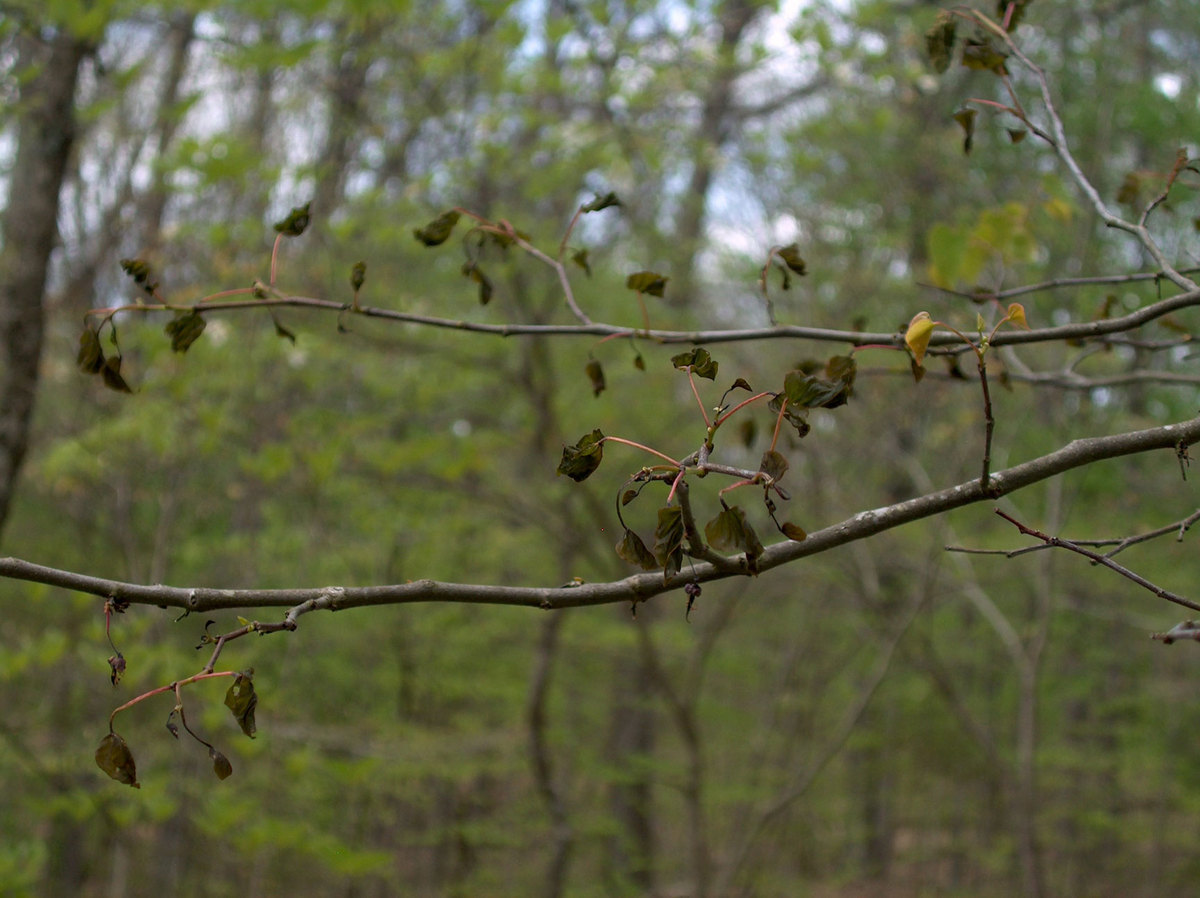
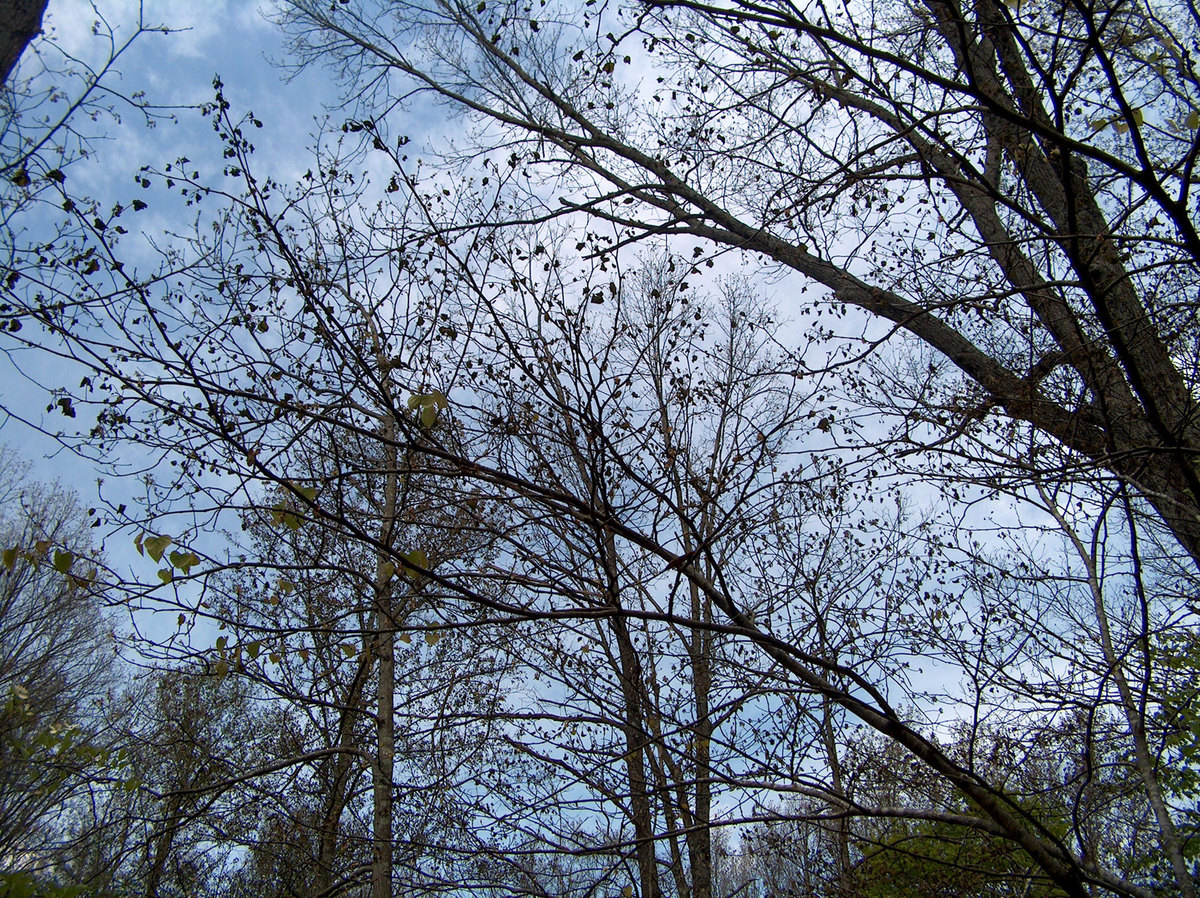
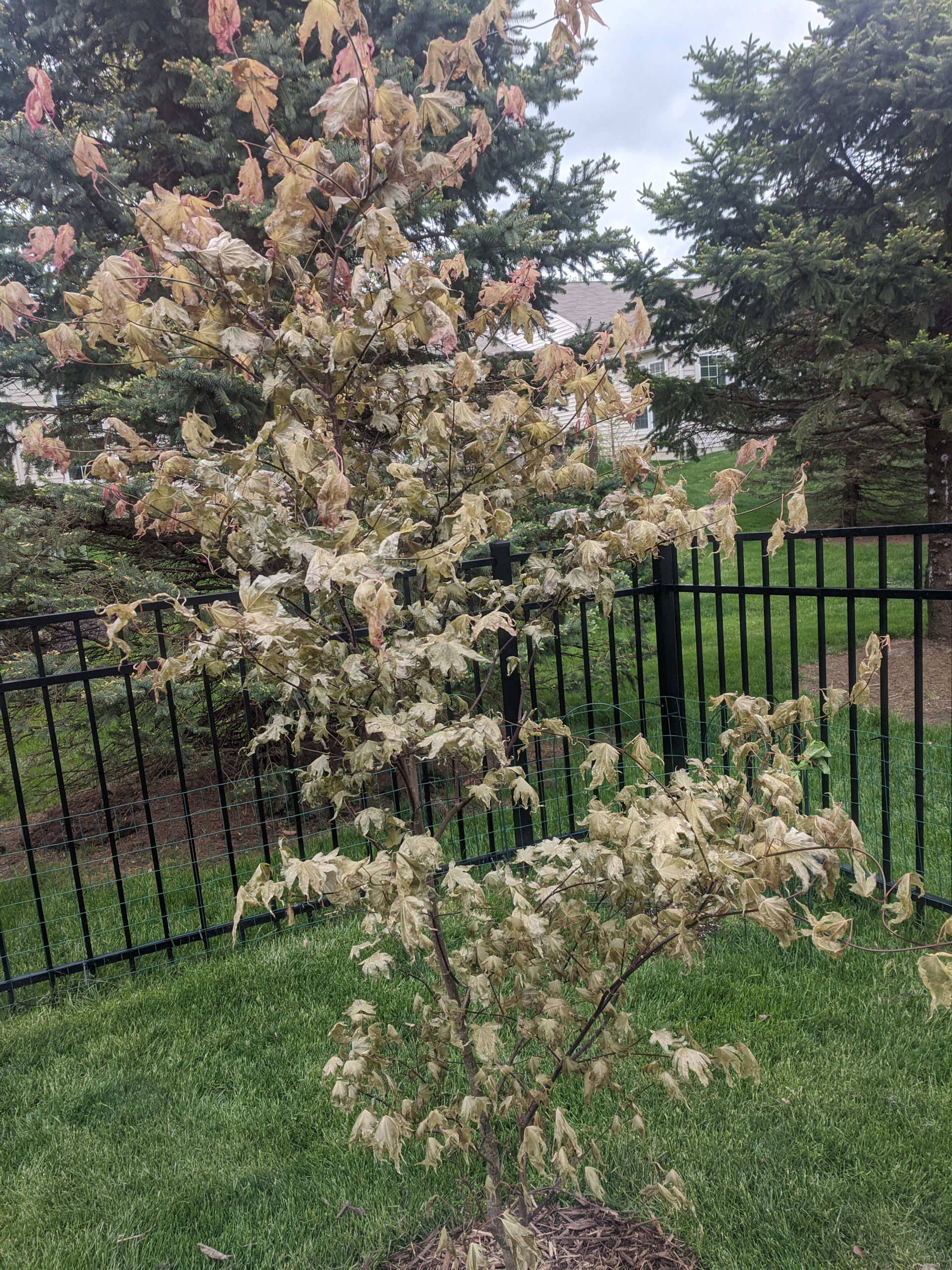
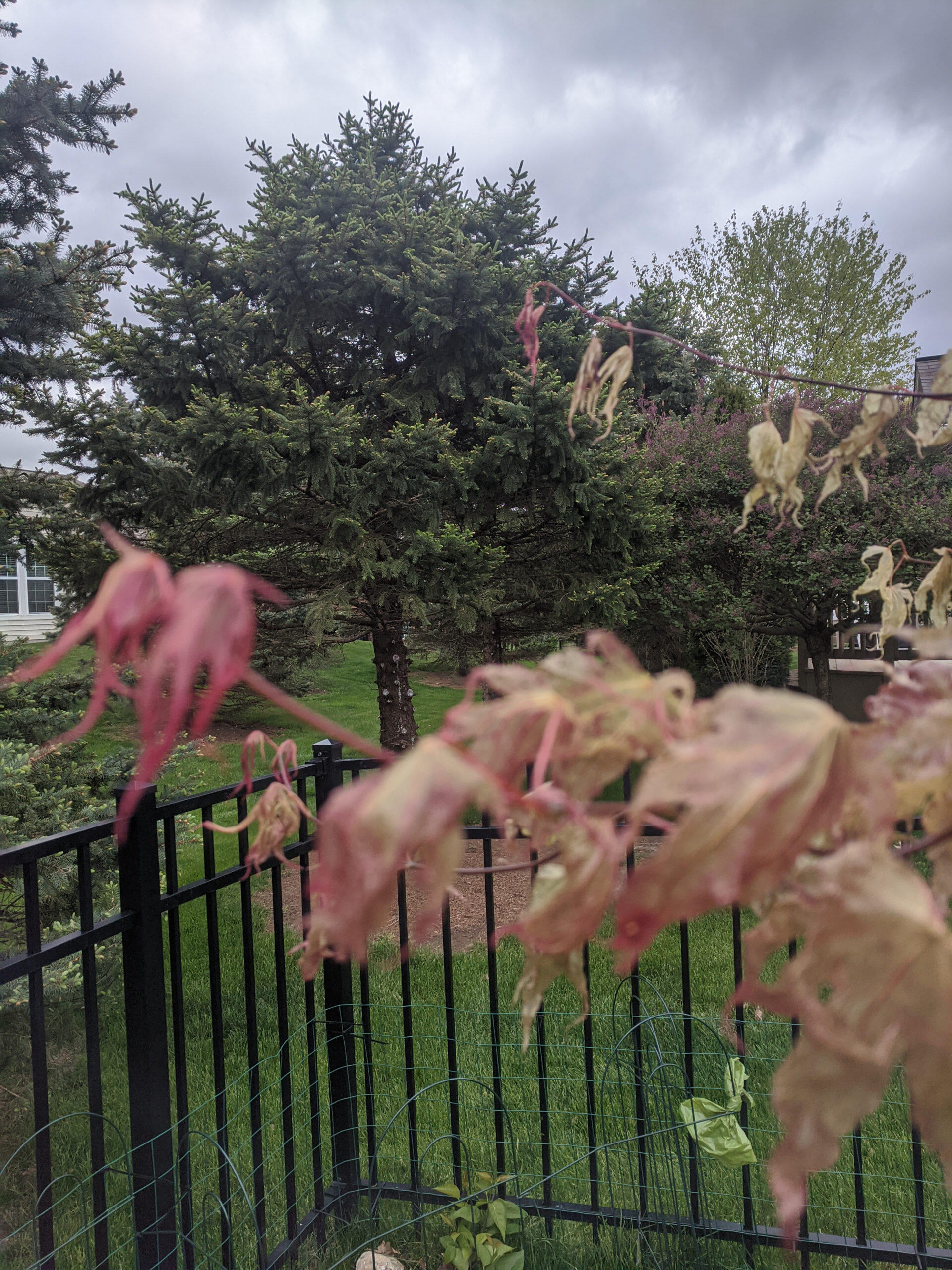
What can you expect? Typically, the damaged or dead leaves will fall and new leaves will emerge, although somewhat slowly. A reduction in growth and leaf size can be anticipated as well. Just remain calm and wait for the tree to recover. If the tree was vigorous going into winter and had a good store of carbohydrates, it can withstand an environmental hit such as these cold extremes.
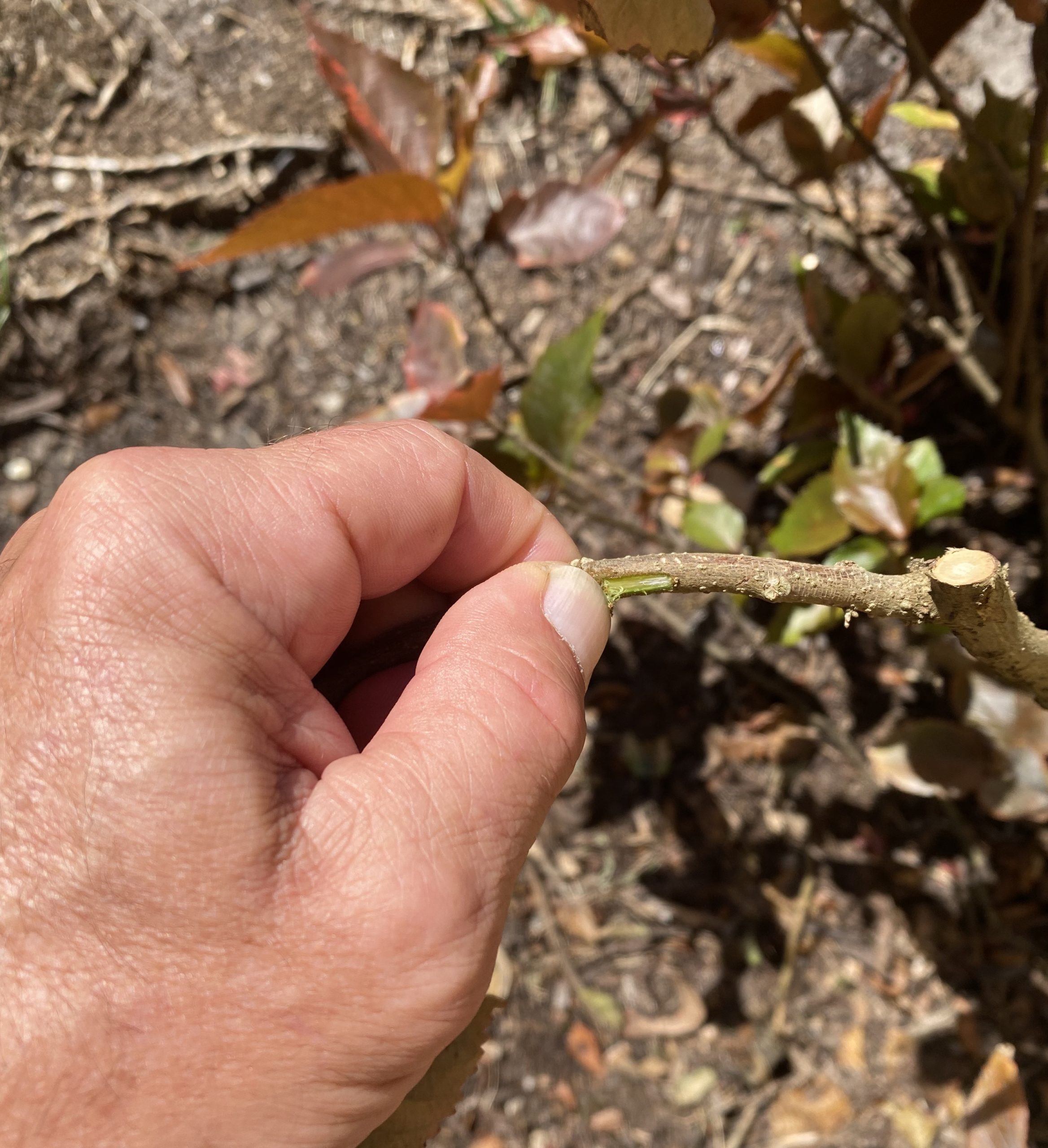 If branches or stems don’t show any evidence of bud or leaf emergence, lightly scratch the bark with your thumbnail. If the green cambial layer is revealed, the tree is likely just slowly emerging from dormancy. If there is no green tissue evident, it is likely dead. Prune out the dead branches to a living later branch and assess the plant.
Resources
Question: What are these pretty green flower shaped growth spots? Will they damage the tree?, Got Nature? Post, Purdue FNR Extension
Iron Chlorosis of Trees and Shrubs, The Education Store, Purdue Extension resource center
Tree Diseases: Oak Wilt in Indiana, The Education Store
Tree Diseases: White Pine Decline in Indiana, The Education Store
Mechanical Damage to Trees: Mowing and Maintenance Equipment, The Education Store
Surface Root Syndrome, The Education Store
Tree Appraisal and the Value of Trees, The Education Store
Lindsey Purcell, Urban Forestry Specialist
Purdue University, Department of Forestry and Natural Resources
For such a small creature, moles can cause big headaches. Their tunneling behavior can cause extensive damage to turf areas if left unchecked. While the damage is easy to identify, solving it can be tricky.
Purdue wildlife specialist, Brian MacGowan, shared tips and control techniques including trapping, repellents, toxicants, and cultural methods as well as answer your questions on the topic on Facebook LIVE, Thursday, May 14th.
You can view this topic along with question and answer time on the Purdue FNR Facebook page: https://www.facebook.com/PurdueFNR/videos/3372718849422210/.
If you have any further questions feel free to place your question in the comment section on our Purdue FNR Facebook page on the video link above or you can send your question by submitting an Ask An Expert form.
Resources
Moles, The Education Store, Purdue Extension resource center
Adjuvants and the Power of the Spray Droplet: Improving the Performance of Pesticide Applications, The Education Store
Preventing Wildlife Damage – Do You Need a Permit?, The Education Store
Attract Hummingbirds to Your Yard, Video, Purdue Extension Youtube Channel
How to Stop Woodland Animals from Digging in Your Flower Pots, Video, Purdue Extension Youtube Channel
Brian MacGowan, Wildlife Extension Specialist
Purdue Forestry and Natural Resources
Question:
Are these pretty green flower shaped growth spots lichens? It just appeared on my tree this year. With this type of fungus should I be worried that it could damage the tree?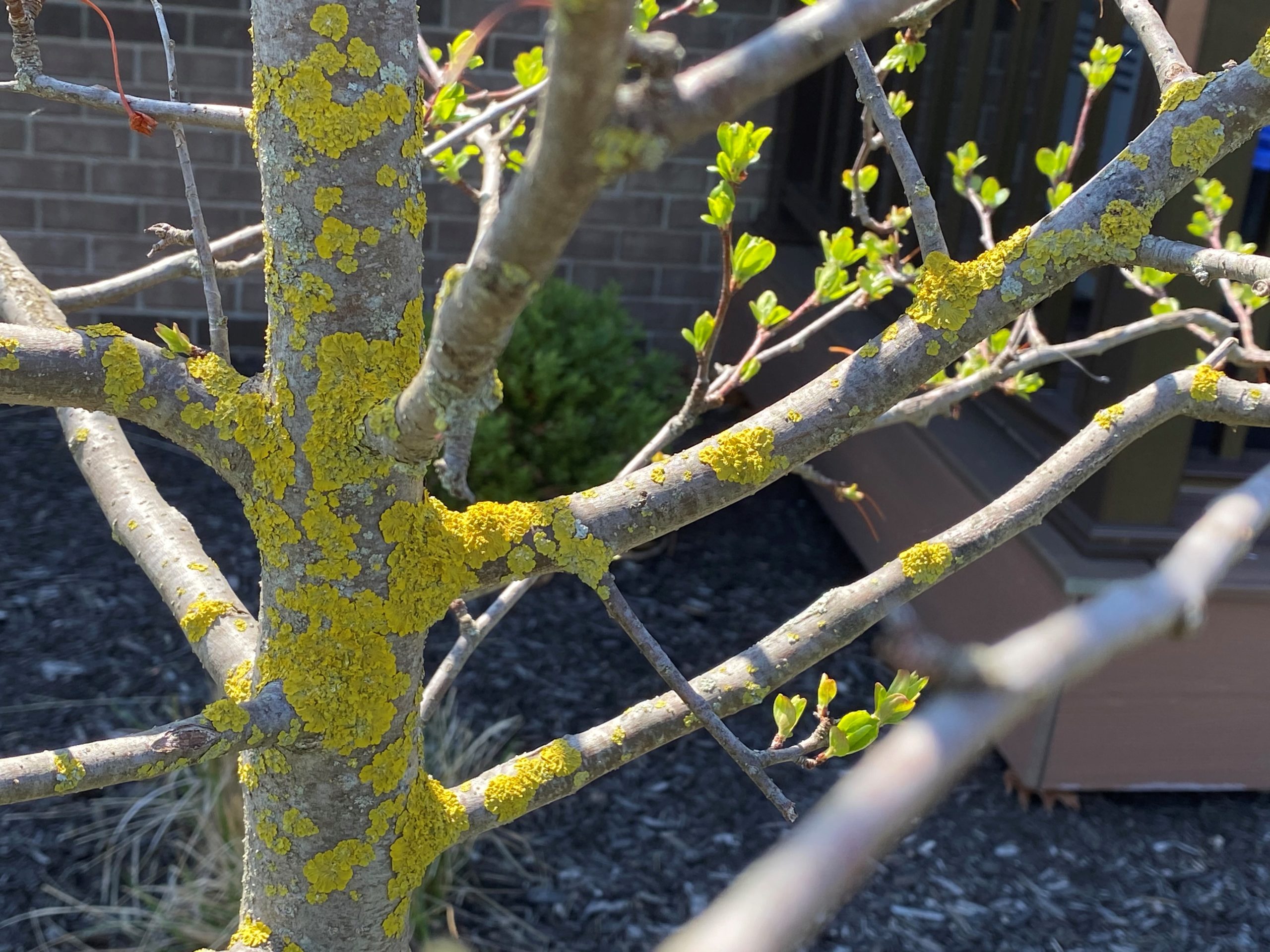
Answer:
Lichen is common on trees and not bad either. Those grayish-green patches, come in all sizes and shapes and sometimes covering much of the tree, are not feeding on your woody plants. Lichens grow on the surface of the tree, and do not penetrate any tissue. Instead, they make use of the trunk or branches for support. They can be aesthetically pleasing for many. Lichens play a very significant role as a bio-indicator. They only grow where the air quality is good and have a favorable growing environment. They help filter the air as well… so, don’t worry, be happy!
Resources:
Lichens, Purdue Botany & Plant Pathology
Purdue Plant & Pest Diagnostic Lab, Purdue Botany & Plant Pathology
Diseases of Landscape Plants: Leaf Diseases, The Education Store, Purdue Extension resource center
Surface Root Syndrome, The Education Store
Tree Installation: Process and Practices, The Education Store
Purdue Landscape Report, Purdue University
Lindsey Purcell, Urban Forestry Specialist
Purdue University, Department of Forestry and Natural Resources
Hummingbirds are a popular attraction in any backyard. The ruby-throated hummingbird is the only species of hummingbird that nests in the Hoosier state. These colorful visitors are migratory and arrive from their wintering grounds around mid-April. So now is the time to place the hummingbird feeders.
Watch this short video to see how easy it is to make and fill your hummingbird feeder along with resources showing when and where they migrate.
Resources
Attracting Hummingbirds to Your Yard (pdf), The Education Store-Purdue Extension
Preventing Wildlife Damage – Do You Need a Permit?, The Education Store, Purdue Extension resource center
Managing Woodlands for Birds, The Education Store
Selecting a Nuisance Wildlife Control Professional, The Education Store
How to Construct a Scent Station, The Education Store
Question: How do I properly relocate raccoons from my attic?, Got Nature? Blog, Purdue Extension FNR
Birds and Residential Window Strikes: Tips for Prevention, The Education Store
Nuisance Wildlife, Indiana Department of Natural Resources
Brian MacGowan, Wildlife Extension Specialist
Purdue Forestry and Natural Resources
While our FNR Purdue Extension specialists can’t be with you in person at workshops, meetings or in the field right now, they are still here to assist you. Don’t hesitate to reach out.
Purdue Extension – Forestry and Natural Resources, purdue.edu/fnr/extension
Ask An Expert
Wendy Mayer, Communications Coordinator
Purdue University Department of Forestry and Natural Resources
Diana Evans, Extension & Web Communications Specialist
Purdue University Department of Forestry and Natural Resources
Purdue Landscape Report: Yes, we need trees and here’s why…
Trees have presented as more than just a pretty face as research has indicated that trees are even more valuable for their function as much as their form. Currently, more than 50 percent of the world’s population now lives in towns and cities. In the Hoosier state, the last census indicated that 72% of our population lives in an urban area and this statistic is increasing annually.
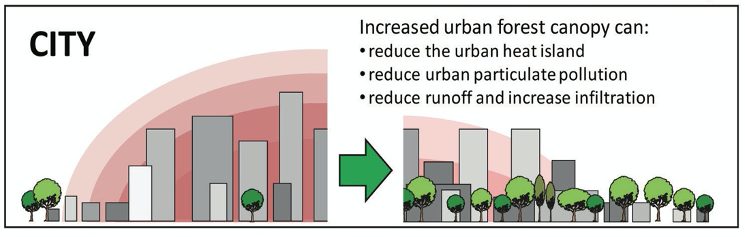
Properly planted trees improve living conditions in downtown and suburban areas. Sources
For the most part, the rapid expansion of cities takes place with little consideration to land use planning strategy. The resulting human pressure has highly damaging effects on our urban trees and green spaces. The environmental impacts of climate change are intensified by urbanization such as increased pollution, increased temperatures, and larger demands on infrastructure such as stormwater systems.
Urban trees can help to mitigate some of the negative impacts and social consequences of urban sprawl and make cities more resilient to these changes. These important functions are called ecosystem services. This is the way urban foresters measure the benefits that trees provide other than just their beauty. Ecosystems services are the many benefits that trees and plants provide to the community. They improve our quality of life by providing food, cleaner air and water, regulating temperatures, supporting pollination and providing recreational, health and spiritual benefits.
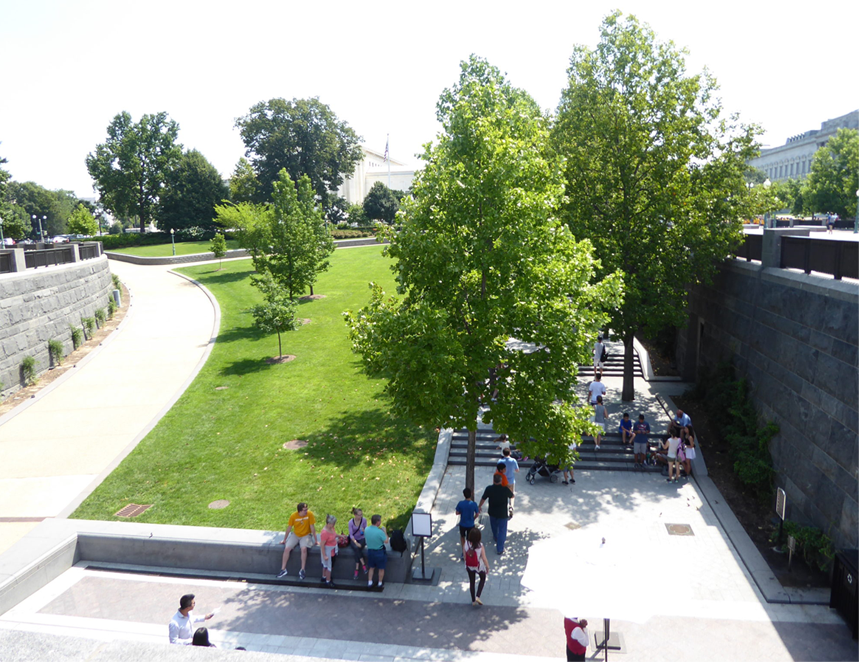
People will stay longer and enjoy urban economy more with tree-lined streets. Sources
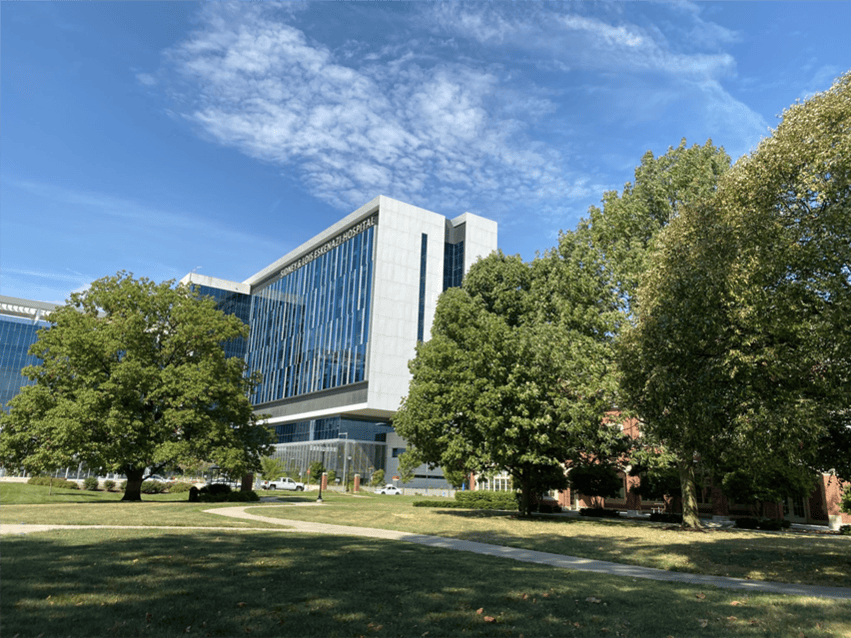
Trees are proven to reduce length of hospital stays and improve birth outcomes. Sources
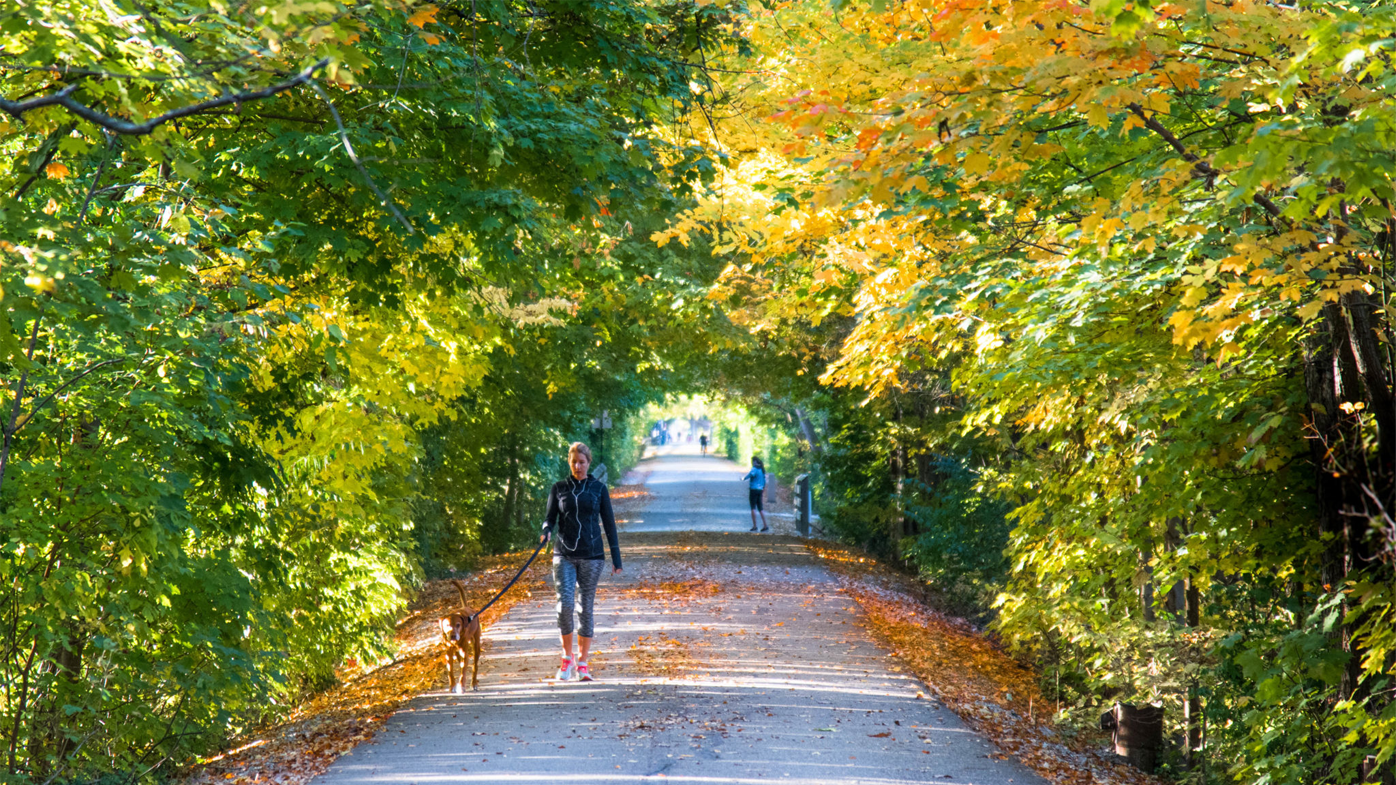
Recreational areas are critical to community well-being. Sources
Here are some easy ways in which urban trees and woodlots contribute to making cities more environmentally sustainable and livable:
- Trees can contribute to the increase of local food and nutrition security, providing food such as fruits and nuts for wildlife and human consumption.
- Trees play an important role in increasing urban biodiversity, providing plants and animals with a proper habitat, food and protection.
- A mature tree can absorb up to 350 lbs. of CO2 per year. As a result, trees play an important role in climate change mitigation. In cities with high levels of pollution, trees can improve air quality making cities healthier places to live in.
- Strategic placement of trees in cities can help to cool the air between 30-40o F, thus reducing the urban “heat island” effect, helping reduce extreme heat conditions in summer weather.
- Large trees are great biological filters for urban pollutants and particulate pollution. They absorb pollutant gases (such as carbon monoxide, nitrogen oxides, ozone and Sulphur oxides) and filter fine particulates such as dust, dirt, or smoke out of the air by trapping them on leaves and bark.
- Research shows that living in close proximity of urban green spaces and having access to them, can improve physical and mental health, for example by decreasing high blood pressure and stress. Also, research indicates greatly improved neo-natal health as well. This, in turn, contributes to the well-being of urban communities.
- Mature trees regulate water flow and play a key role in preventing floods and reducing the risk of sewer overflow. Stormwater management is a crucial city infrastructure issue and trees help. A mature tree, for instance, can intercept more than 5,000 gallons of water per year and without trees, every rain would contribute floods.
- Trees also help to reduce carbon emissions by helping to conserve energy. For example, the correct placement of trees around buildings can reduce the need for air conditioning by 30 percent and reduce winter heating bills by 20-50 percent.
- Planning urban landscapes with trees can increase property value, by up to 15 percent, and attract tourism and business.
These are just a few examples of the functional benefits that trees provide to our everyday life. A community or neighborhood with well-planned and well-managed green infrastructure becomes more resilient, sustainable and equitable in terms of livelihood improvement, climate change mitigation and adaptation, disaster risk reduction and ecosystems conservation. Throughout their lifetime, trees can thus provide a benefit package worth two to three times more than the investment made in planting and caring for them. Trees aren’t the answer, but they are part of the equation. Planting trees is important, but their maintenance is as equally important.
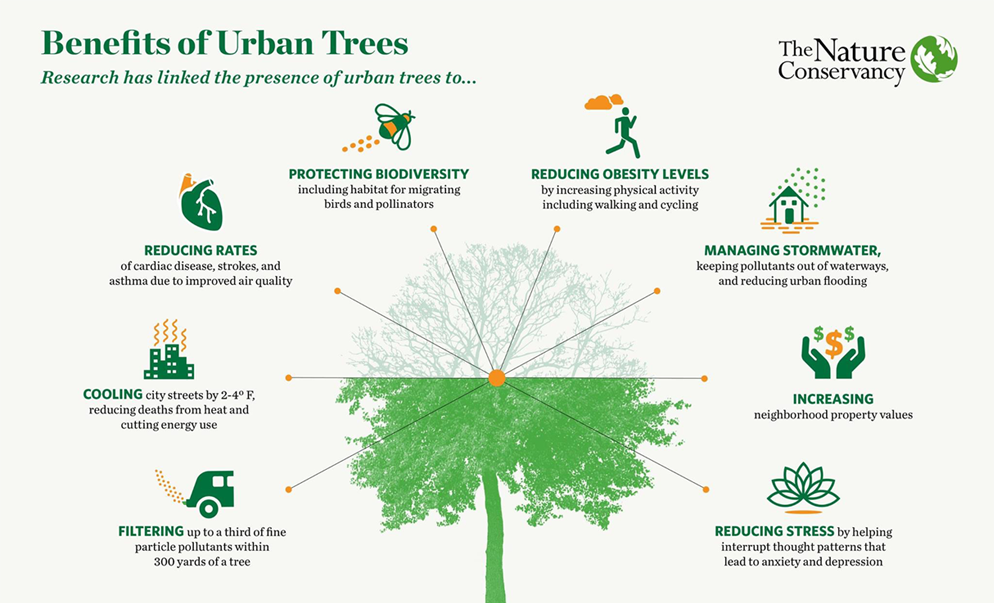
Trees make life better. Sources
For more information on urban tree care, visit the Purdue Education Store for tree care tips and suggestions.
Resources
Tree Appraisal and the Value of Trees, The Education Store, Purdue Extension’s resource center
Tree Pruning Essentials, Publication & Video, The Education Store
Tree Installation: Process and Practices, The Education Store
Tree Selection for the “Un-natural” Environment, The Education Store
The Nature of Teaching: Trees of the Midwest, The Education Store
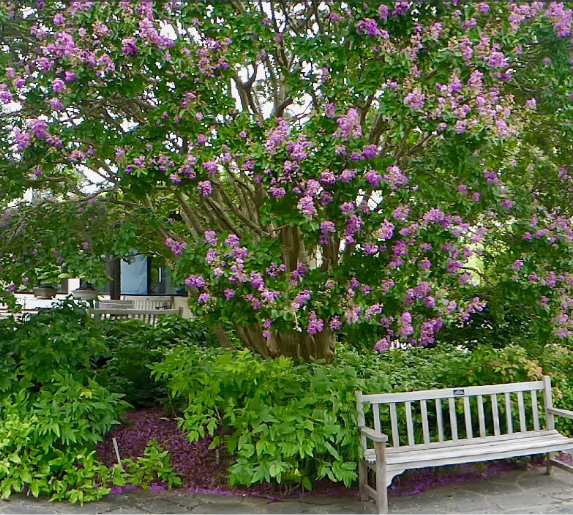 Trees provide many benefits and value to property owners in functional, aesthetic, social, environmental, and even economic ways. Functional benefits include mitigating climate change by storing carbon, removing pollution from the atmosphere, managing stormwater runoff, and improving air quality. Trees provide oxygen and many other benefits – such as shade, which can impact home cooling costs.
The collective value of trees makes a difference in people’s health and quality of life in cities and towns everywhere. This updated Purdue Extension publication Tree Appraisal and the Value of Trees describes methods used to appraise trees and landscapes that can determine their value and worth, reasons why a tree should be appraised, the factors that go into tree appraisal, what appraisal ratings mean, and sample scenarios.
Resources
The Nature of Teaching: Trees of the Midwest, The Education Store, Purdue Education Resource Center
Corrective Pruning for Deciduous Trees, The Education Store
Resources and Assistance Available for Planting Hardwood Seedlings, The Education Store
Tree Support Systems, The Education Store
Purdue University, Department of Forestry and Natural Resources

Recent Posts
- October Is Firewood Month: Protect Indiana’s Forests by Making Smart Choices
Posted: October 1, 2026 in Forestry, Forests and Street Trees, How To, Invasive Insects, Urban Forestry - What You Plant Matters to Wildlife
Posted: September 16, 2026 in Plants, Urban Forestry, Wildlife - Question: Why Did the Shagbark Hickories Survive the Tornado?
Posted: August 27, 2026 in Forests and Street Trees, How To, Urban Forestry - New Indiana Woodland Steward Newsletter
Posted: August 12, 2026 in Forestry, Urban Forestry, Wildlife, Woodlands - Trees and Storms: Understanding Damage, Risk and Recovery
Posted: in How To, Urban Forestry - Pruning Highlight-Pollarding Trees: A Traditional Pruning Practice with Modern Uses
Posted: June 11, 2026 in Forestry, Forests and Street Trees, Urban Forestry, Wildlife, Woodlands - Flat-Faced Longhorn Beetle Found in Hardwood Logs – IDNR Division of Entomology
Posted: June 8, 2026 in Alert, Forestry, Forests and Street Trees, Invasive Insects, Urban Forestry, Wildlife, Woodlands - Connecting Research to Practice: Natural Resources & Land Use Spring Training
Posted: June 5, 2026 in Forestry, Forests and Street Trees, How To, Invasive Animal Species, Invasive Plant Species, Land Use, Natural Resource Planning, Urban Forestry, Wildlife, Woodlands - Indiana Monarch and Pollinator Conservation
Posted: June 1, 2026 in Forestry, Forests and Street Trees, Gardening, How To, Natural Resource Planning, Plants, Urban Forestry, Wildlife - Spotted Lanternfly Feeds on Over 70 Plus Plant Species
Posted: May 20, 2026 in Alert, Forestry, Forests and Street Trees, Gardening, Invasive Insects, Urban Forestry, Wildlife
Archives
Categories
- Alert
- Aquaculture/Fish
- Aquatic/Aquaculture Resources
- Ask the Expert
- Christmas Trees
- Community Development
- Disease
- Drought
- Forestry
- Forests and Street Trees
- Gardening
- Got Nature for Kids
- Great Lakes
- How To
- Invasive Animal Species
- Invasive Insects
- Invasive Plant Species
- Land Use
- Natural Resource Planning
- Nature of Teaching
- Plants
- Podcasts
- Ponds
- Publication
- Safety
- Spiders
- Timber Marketing
- Urban Forestry
- Webinar
- Wildlife
- Wood Products/Manufacturing
- Woodland Management Moment
- Woodlands