 Purdue University - Extension - Forestry and Natural Resources
Got Nature? Blog
Purdue Landscape Report: When considering trees, shrubs, and forbs or grasses to plant for landscaping, a little research in advance can lead to dual benefits for both the appearance of your planting area and a wildlife-friendly landscape. Our native wildlife species are tuned into using our native plant species, so selecting plants that are naturally found in your area is a first positive step for plantings that benefit native animals. This can happen at a lot of levels. Oaks are a good example of this multi-level benefit. We might naturally think of the acorns that oak trees produce as the major wildlife food benefit, and it is extremely important for a host of mammal and bird species including jays, turkey, squirrels and deer. It is less obvious, but no less important, that oaks support hundreds of insects that feed on their leaves and acorns, and those insects support many species of birds and other animals that feed on them. Indiana has over 17 species of oak trees native to the state, so there is an oak tree suited to almost any site or situation.
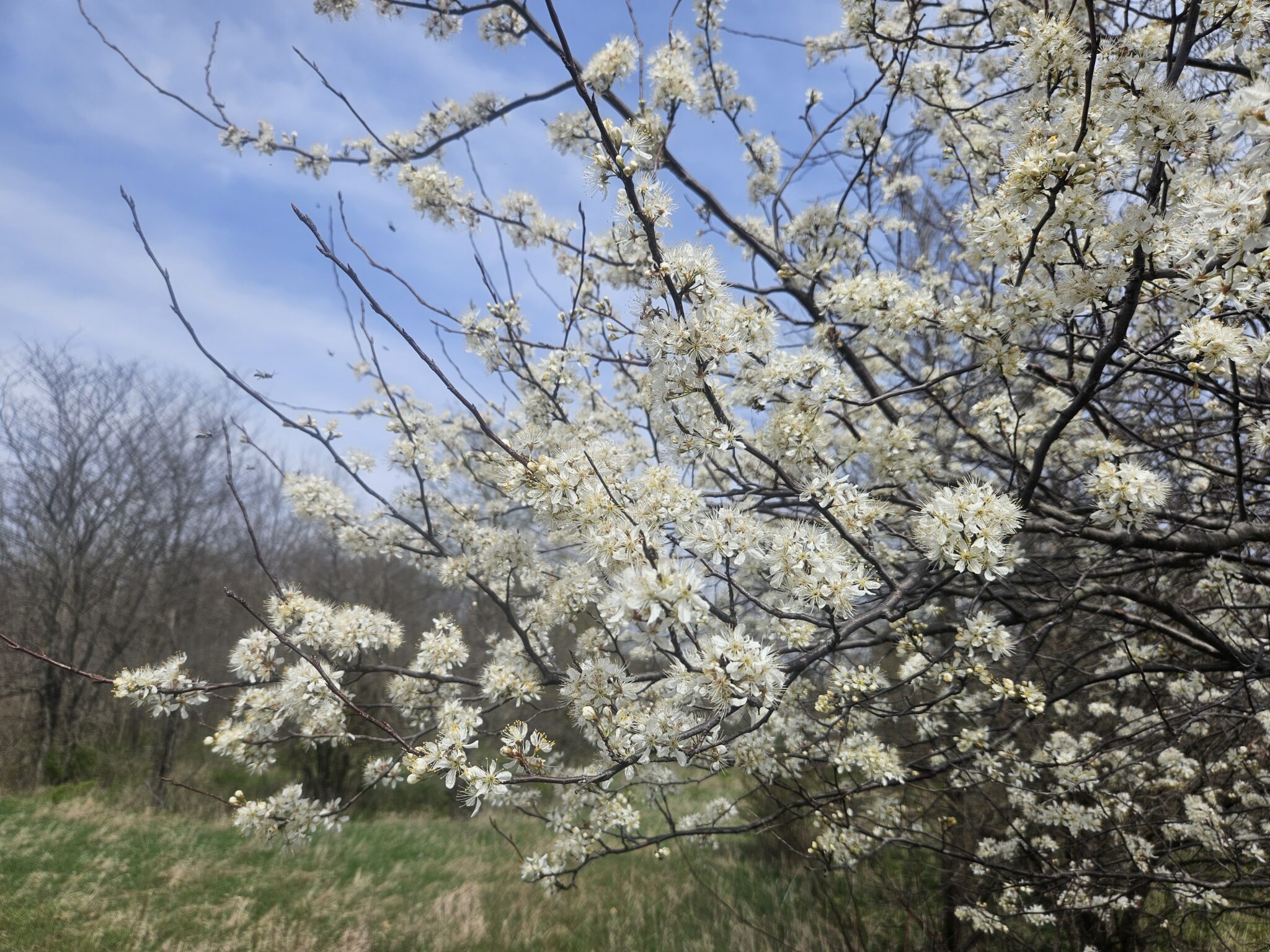
American plum Prunus americana
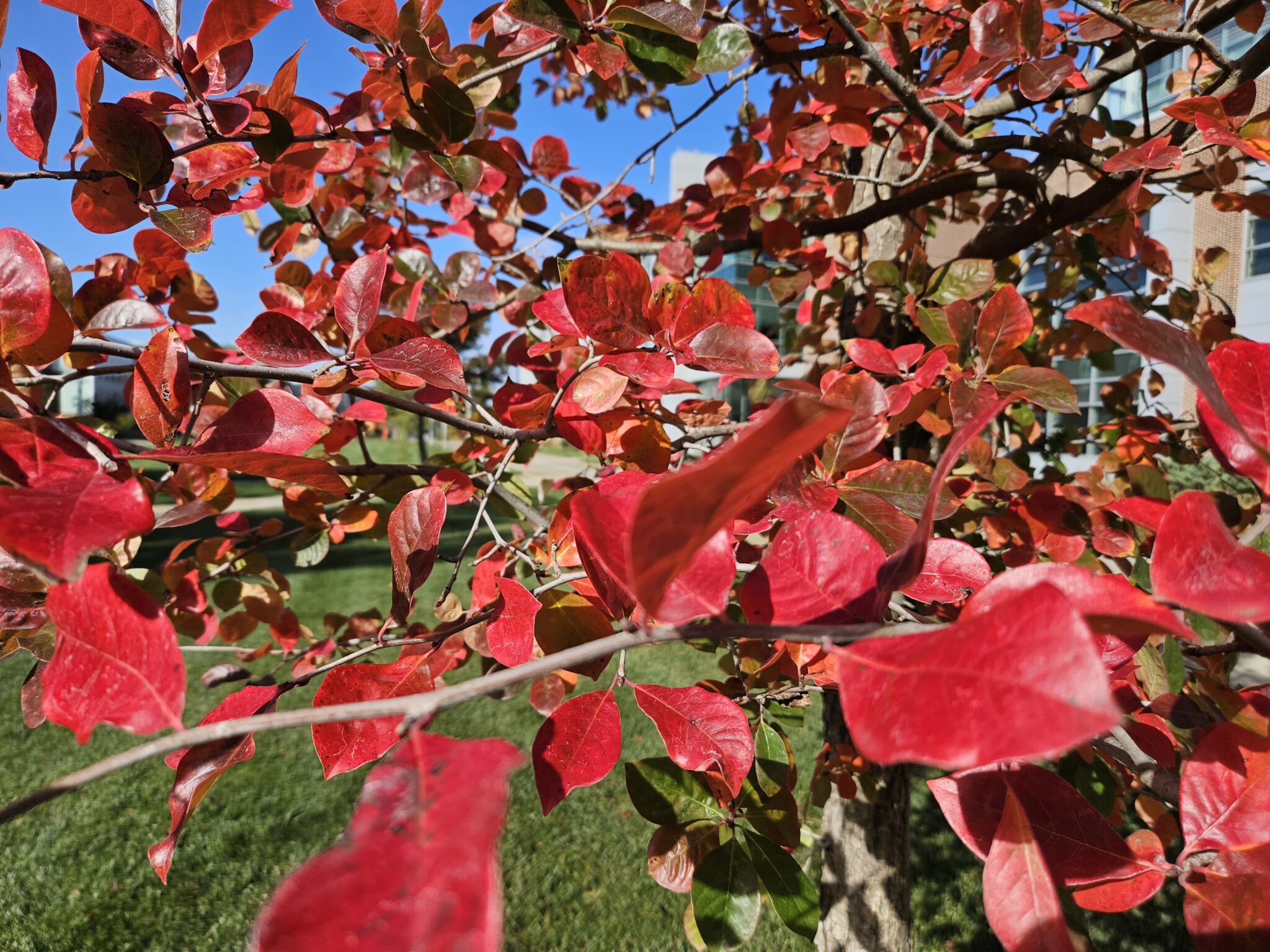
Blackgum Nyssa sylvatica
In addition to oaks, many other native trees like cherries, persimmon, black gum, sassafras, red mulberry, beech and others provide food and habitat benefits. Trees that form cavities can provide nesting and den sites for several birds and animals. Providing a diversity of species and sizes of trees can favor a greater diversity of wildlife visiting your landscape. Smaller trees like sumac, paw-paw, flowering dogwood, crabapples and hawthorns add landscape interest and wildlife food value as well.
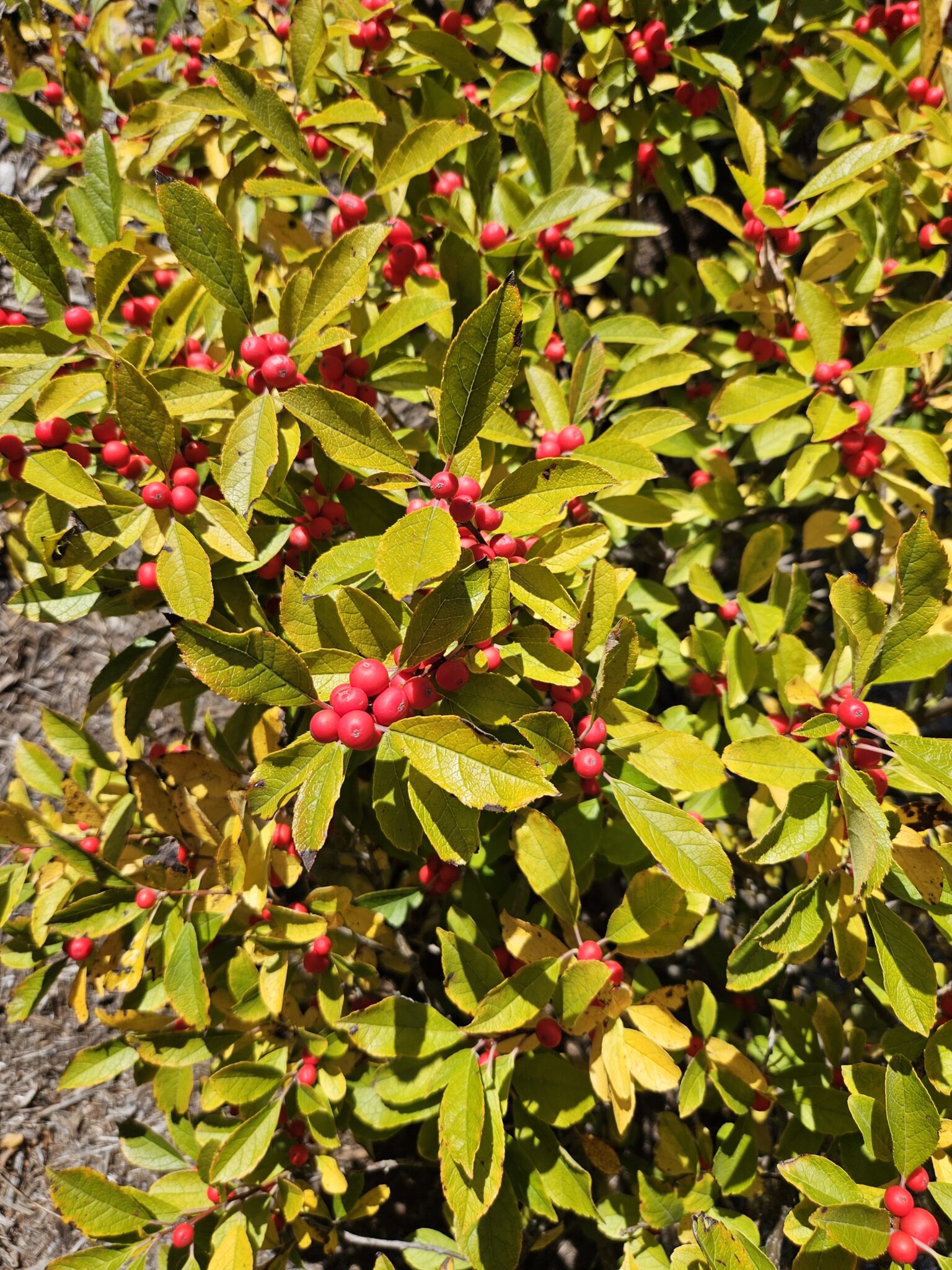
Winterberry Ilex verticillata

Umbrella magnolia Magnolia tripetala
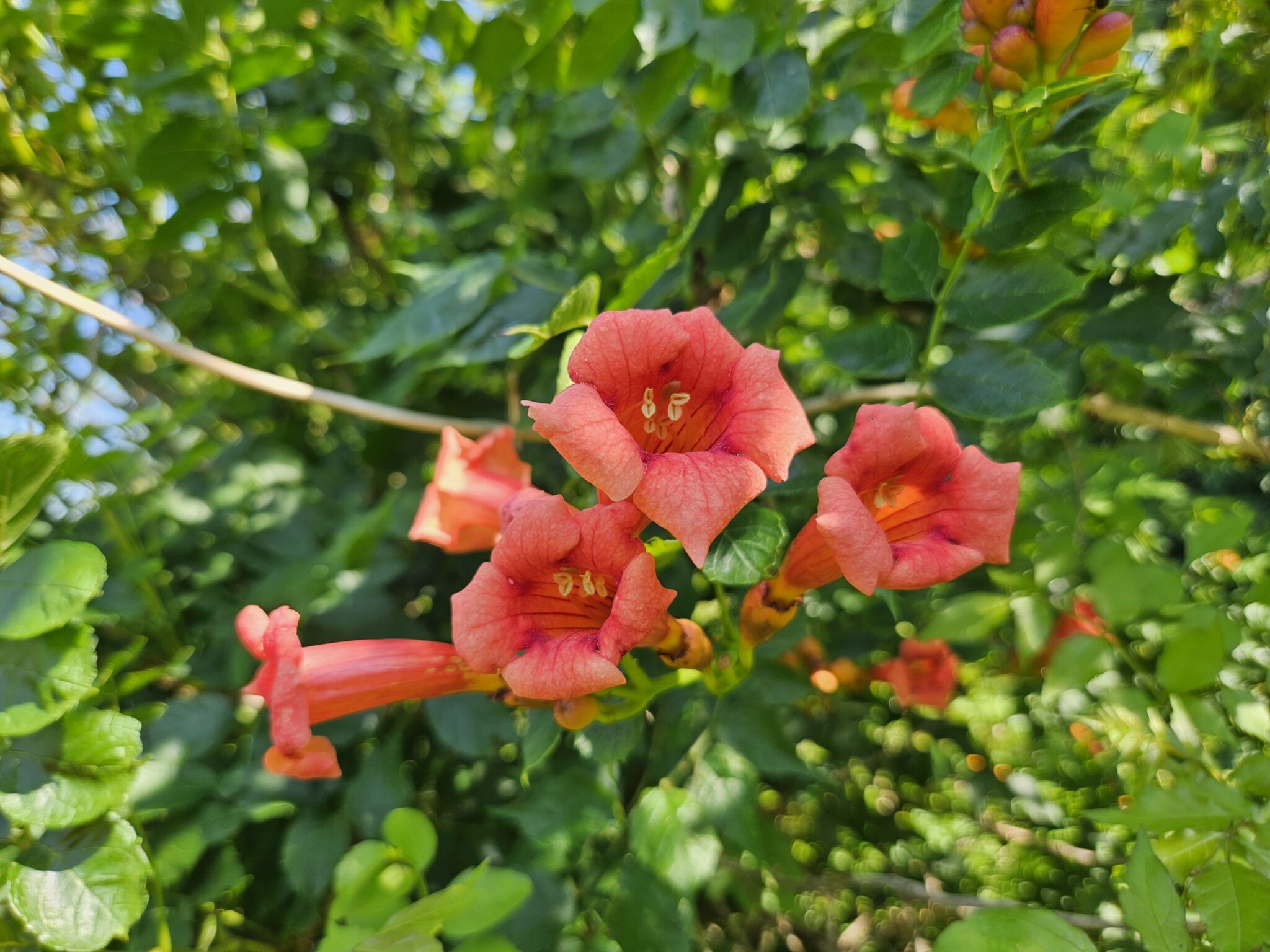
Trumpet creeper Campsis radicans
Shrubs, forbs and grasses provide additional opportunities to add attractive and interesting appearance as well as wildlife habitat benefits through food and shelter. Shrubs like the native dogwoods, viburnums, plums, and hazelnuts can be beneficial to several types of wildlife through food, cover and nesting locations. Some species like plums and hazelnuts can provide people food as well.
The use of native plants has the added benefit of reducing the risk of introducing non-native and potentially damaging invasive species to the environment.
You can access native plant materials in a variety of ways. I am noticing more retail nurseries stocking and advertising native plant selections, so you may have some good choices close-by. The number of nurseries specializing in native plants designed for wildlife and restoration plantings is growing as well. A directory of seed and planting stock sources can be found at seed and planting stock sources.
The Indiana Native Plant Society has an abundance of resources related to native plants in landscaping.
Your local Soil and Water Conservation District may also have native plant sales that provide access to native plants.
Resources:
ID That Tree, Playlist, Purdue Extension – Forestry and Natural Resources (FNR) Youtube Channel
A Woodland Management Moment, Playlist, Purdue Extension – FNR Youtube Channel
Woodland Stewardship for Landowners, Playlist, Purdue Extension – FNR YouTube Channel
Shrubs and Woody Vines of Indiana and the Midwest, Purdue University Press
Wildflowers and Ferns of Indiana Forests: A Field Guide, Google Books
Native Trees of the Midwest, Purdue University Press
Investing in Indiana Woodlands, The Education Store, Purdue Extension resource center
Forest Improvement Handbook, The Education Store
Fifty Common Trees of Indiana, Purdue Extension – FNR
Planting Your Tree Part 1: Choosing Your Tree, Purdue Extension YouTube Channel
Conservation Tree Planting: Steps to Success, Purdue Extension YouTube Channel
Professional Forester, Indiana Forestry Woodland Owners Association (IFWOA)
Purdue Arboretum Explorer
District Forester, Indiana Department of Natural Resources, 10+ acres
Find an Arborist, International Society of Arboriculture
Subscribe – Purdue Extension-FNR YouTube Channel
Lenny Farlee, Extension Forester
Hardwood Tree Improvement and Regeneration Center
Purdue University Department of Forestry and Natural Resources

Recent Posts
- Disease May Cause Wilting and Eventual Death of Certain Trees and Shrubs, Purdue Landscape Report
Posted: October 5, 2026 in Disease, Forestry, Plants - October Is Firewood Month: Protect Indiana’s Forests by Making Smart Choices
Posted: October 1, 2026 in Forestry, Forests and Street Trees, How To, Invasive Insects, Urban Forestry - Minecraft Meets the Hellbender
Posted: September 22, 2026 in Aquaculture/Fish, Aquatic/Aquaculture Resources, Wildlife - Is It Too Early to Think About Christmas Tree Pests?
Posted: in Christmas Trees, Invasive Insects, Safety - What You Plant Matters to Wildlife
Posted: September 16, 2026 in Plants, Urban Forestry, Wildlife - Woodland Flowers of Late Summer
Posted: September 14, 2026 in Forestry, Gardening, Wildlife, Woodlands - Heavy August Rains Bring More Mosquitoes to Indiana
Posted: September 9, 2026 in How To, Invasive Insects, Safety, Wildlife - Question: Why Did the Shagbark Hickories Survive the Tornado?
Posted: August 27, 2026 in Forests and Street Trees, How To, Urban Forestry - New Indiana Woodland Steward Newsletter
Posted: August 12, 2026 in Forestry, Urban Forestry, Wildlife, Woodlands - Indiana Fall Hunting Licenses on Sale and New Mobile App Available
Posted: in Forestry, How To, Wildlife
Archives
Categories
- Alert
- Aquaculture/Fish
- Aquatic/Aquaculture Resources
- Ask the Expert
- Christmas Trees
- Community Development
- Disease
- Drought
- Forestry
- Forests and Street Trees
- Gardening
- Got Nature for Kids
- Great Lakes
- How To
- Invasive Animal Species
- Invasive Insects
- Invasive Plant Species
- Land Use
- Natural Resource Planning
- Nature of Teaching
- Plants
- Podcasts
- Ponds
- Publication
- Safety
- Spiders
- Timber Marketing
- Urban Forestry
- Webinar
- Wildlife
- Wood Products/Manufacturing
- Woodland Management Moment
- Woodlands