 Purdue University - Extension - Forestry and Natural Resources
Got Nature? Blog
Tree owners who have broken limbs in their trees or are just taking advantage of early pruning opportunities may notice large amounts of “water” that seem to be pouring out of the branch. This is actually “sap” seeping out of the damaged area, and it would have been going into the limb or branch that was removed. However, since the limb is no longer there, the sap has nowhere to go but out of the freshly cut limb or wound.
Spring weather signals to trees to come out of dormancy, and all trees start pumping water, minerals and carbohydrates upwards into the tree to allow growth of buds, leaves and shoots and will continue throughout the growing season. Certain tree species, such as maple, birch, dogwood and elms, have an exceptionally heavy sap flow in the early spring. When pruned or wounded, these trees will “bleed” quite noticeably. Under normal circumstances, it is best to delay pruning these trees until later in the growing season when the flow of sap is slower.
There is no need for alarm if this sap flow occurs and the overall health of the tree is not going to be affected. The “bleeding” may be objectionable from a cosmetic standpoint, especially if the sap is dripping directly onto people, cars or other targets beneath the wounded area. As the affected area on the tree develops callus material and naturally seals off the wound, it will slow the flow to a stop.
It is not recommended to use any type of wound dressing or covering as this will impede the ability of the tree to seal off the damaged area. Be patient and allow natural healing of the wound to occur. Always use good pruning practices and minimize the size of cut branches to reduce wound size on the tree.
Refer to the following Purdue Extension publication, Trees Need a Proper Start: Prune Them Right, for more information.
Other resources can be found at The Education Store: Pruning Ornamental Trees and Shrubs.
Lindsey Purcell, Urban Forestry Specialist
Department of Forestry and Natural Resources, Purdue University
A recent article in ScienceDaily titled “Excessive Deer Populations Hurt Native Plant Biodiversity” shares how an overpopulation of deer is hurting native plant growth. Landowners seek best management practices as these challenges arise.
For the article from the University of Miami, view: “Excessive deer populations hurt native plant biodiversity.” ScienceDaily, 20 March 2014.
Resources
Preventing Wildlife Damage, Purdue EVERYTHING Wildlife
How to Build a Plastic Mesh Deer Exclusion Fence, Purdue Extension Publication
Since the Polar Vortex subsided, there has been quite a bit of buzz about the Emerald Ash Borer (EAB), an exotic beetle that is killing ash trees across Indiana and the U.S., being killed by the multi-day sub-zero temperatures we experienced here in Indiana and elsewhere. Some recent research (the full paper can be accessed USDA Forest Service, Cold Hardiness of Emerald Ash Borer, Agrilus Planipennis: A New Perspective) predicts that when EAB larvae reach 0°F, 5% will die; at -10°F, 34% will die; at -20°F, 79% will die; and at -30°F, 98% will die. Based on some -15°F temperatures here at the Purdue West Lafayette campus, we might expect around 50% of the EAB will die, but some additional points need to be considered.

An adult emerald ash borer feeds off a leaf. (Purdue University Department of Entomology photo/John Obermeyer)
EAB larvae are located overwinter under the bark in infested ash trees, so the bark may offer some insulation. Snow is also an excellent insulator, so the lower trunk of ash trees in deep snow or drifts may not get as cold as ambient air temperatures. Some trees in town or near structures may remain warmer due to heat radiating or escaping from buildings. The message is, unfortunately, that the cold weather we experienced was probably not enough to solve our EAB problems.
It is good news that some of the population was probably killed by the cold weather, leaving fewer larvae to damage ash trees next spring. This will be a temporary setback for the borer, since one of the biological strengths of insects is their capacity to reproduce and grow populations quickly. Further north in places like Minnesota, the news for the ash trees may be better where temperatures below -30°F may have killed most of the larvae, providing some additional time to prepare for the EAB onslaught. Here in Indiana, we need to continue to monitor, prepare and act to limit the damage EAB will do.
Some basic steps include:
- Don’t move firewood – Firewood can harbor EAB and several other serious tree pests and spread them to new areas.
- Learn to identify ash trees, EAB and the symptoms of EAB damage.
- Learn about EAB control techniques.
- Learn how to decide if your ash tree should be treated with insecticide to protect it from EAB or removed and possibly replaced with another tree species.
- Work with your neighbors to monitor and manage the ash trees in your area.
Purdue Extension offers science-based recommendations to help you manage the EAB threat at Emerald Ash Borer in Indiana.
Resources:
New Hope for Fighting Ash Borer, Got Nature? Purdue Extension-FNR
Invasive Pest Species: Tools for Staging and Managing EAB in the Urban Forest, Got Nature?
Emerald Ash Borer Tools & Resources – Purdue Extension Entomology
Planting Your Tree Part 1: Choosing Your Tree, Purdue Extension YouTube Channel
Tree Planting Part 2: Planting a Tree, Purdue Extension – Forestry and Natural Resources YouTube Channel
Indiana Invasive Plant List, Indiana Invasive Species Council, Purdue Entomology
Landscape Report Shares Importance of Soil Testing, Purdue FNR Extension
Find an Arborist website, Trees are Good, International Society of Arboriculture (ISA)
Tree Risk Management – The Education Store, Purdue Extension’s resource center
Lenny Farlee, Extension Forester
Hardwood Tree Improvement and Regeneration Center (HTIRC)
Forestry and Natural Resources, Purdue University
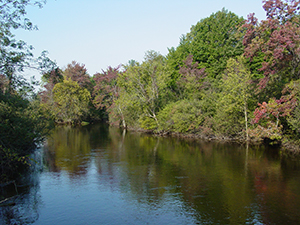 While we are awaiting the color change and dropping of leaves in October, it is also a good time to think about planting trees next spring. Indiana landowners have access to low-cost and high-quality seedlings through the state forest nurseries operated by the Indiana Department of Natural Resources Division of Forestry. The state nurseries began taking orders for seedlings available for planting next spring on October 1, and orders will be accepted until next spring or when all stock is sold. Ordering early is encouraged as demand for seedlings can be high.
Seedlings of many different deciduous and evergreen tree and shrub species useful for forest and wildlife management, windbreak establishment and erosion control are available for purchase. Seedlings are mostly one to three years old and are sold as bare-root stock packaged in moist sphagnum moss and wrapped into bales using special packaging paper. Landowners can order individual tree species in multiples of 100 or several multi-species packages aimed at different purposes like wildlife habitat or native tree nut production. The state nursery seedlings are sold for conservation planting purposes and are not to be resold or used for Christmas tree or landscape plantings. Private nurseries in Indiana and neighboring states can supply seedlings for these purposes. You can access the state nursery tree sales at Tree Seedlings Ordering Instructions.
Planting site research and preparation this fall to prepare for planting next spring will increase your chances for a successful planting. Learn what soils are present on your planting site by using the online tool, the Web Soil Survey. This soil mapping and information tool helps you discover what soils are located on your land, prepare soil maps and explore the capacity of your soils for growing trees, shrubs and crops as well as their suitability for a variety of activities including ponds and construction. The Web Soil Survey tool is provided by the USDA Natural Resources Conservation Service.
Controlling competing grasses, weeds and brush where you plan to plant seedlings can increase survival and growth. Perennial plants can be controlled in the summer or fall to prepare the site for spring planting. Herbicides, tillage or other mechanical or cultural treatments can be used to control these competing plants and give your planted seedlings the best chance for success. Deer can also pose a danger to your seedlings by their browsing and antler-rubbing. Fencing, shelters or repellants may be needed to protect the seedlings until they are large enough to resist browsing or antler damage.
Resources
Hardwood Seedling Production/Propagation (click Publications, then Research Publications), Hardwood Tree Improvement and Regeneration Center
Planting Forest Trees and Shrubs in Indiana, The Education Store
Tree Seedling Nurseries, Indiana Department of Natural Resources
Lenny D. Farlee, Extension Forester
Hardwood Tree Improvement and Regeneration Center
Forestry and Natural Resources, Purdue University
 As teachers prepare their lessons for the fall, The Nature of Teaching is a great website to visit for science-based resources. Teachers can find free lesson plans, printable, posters, a photo library, information on upcoming workshops and more. You will find on the website tabs titled “Formal Curriculum” and “Informal Curriculum.” The Nature of Teaching also offers professional development workshops for teachers focused on science, the environment, and getting students connected with nature.
These organized lesson plans meet several K-5 Science and Math Academic Standards along with three 9-12 Natural Resource Management Academic Standards.
Wildlife curriculum include:
- Animal Diversity and Tracking
- Discovering the Watershed: Effects on Water Quality
- Common Indiana Mammals: Natural History and Identification
- Invasive Plants: Impact on Environment and People
- Hellbenders Rock! Natural History and Conservation of the Eastern Hellbender
Food Waste curriculum include:
- Food Waste and Natural Resources
- What a Waste of Food!
- Food Waste and The Environment
- Food Waste Solutions
- Transporting Food Waste
Health & Wellness curriculum include:
- Unit 1 Benefits of Connecting with Nature
- Unit 2 Gardening Station
- Unit 3 Tree Talk Station
Other resources:
- Help the Hellbender, Purdue Extension
- Indiana Department of Natural Resources (INDNR): For Kids
- 4-H, Purdue Extension
- National FFA Organization
- Indiana FFA
- Flying Wild, Association of Fish & Wildlife Agencies
- Project Learning Tree, Indiana Department of Natural Resources
- Project Wet
- Project Wild
- Indiana Wildlife Habitat Evaluation Program (WHEP)
Contact The Nature of Teaching team if you have any questions regarding workshops, certifications and curriculum.
The Nature of Teaching, Purdue Extension
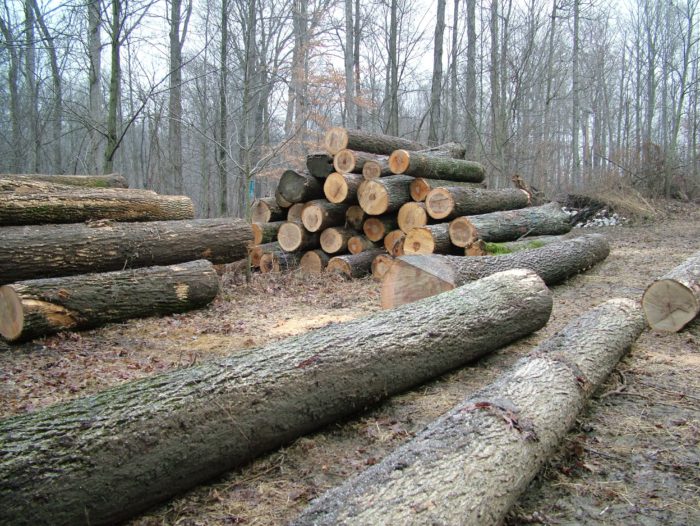 Indiana Conservation Officers and the DNR Division of Forestry are providing useful tips to landowners that can assist in protecting their valuable timber resources. To protect forestry resources, landowners should follow these steps:
- Hire a consultant forester to represent you and to mark and advertise your timber sale.
- Always get several bids from different timber buyers.
- Ask questions and get references from the timber buyer.
- Mark the trees to be cut with a paint mark on the stem and at ground level.
- Know and understand the fine details of the contract.
- Never make an oral agreement.
- Know how much you will be paid and the method of payment.
- Be a good neighbor and work out any property line disputes prior to harvesting.
The DNR offers a free information packet titled “callb4ucut” to those who may be considering harvesting their timber. See www.callb4ucut.com for further information.
For workshops on timber harvesting, check out the FNR Calendar and IN DNR Calendar.
For a list of consulting foresters, see The Indiana Forestry and Woodland Owners Association‘s (IFWOA) Directory of Professional Foresters.
Resources:
The Education Store, Purdue Extension (place in search field: “timber”)
Find an Indiana Professional Forester, Indiana Forestry & Woodland Owners Association (IFWOA)
Purdue Arboretum Explorer
Native Trees of the Midwest, Purdue University Press
Shrubs and Woody Vines of Indiana and the Midwest, Purdue University Press
Investing in Indiana Woodlands, The Education Store
Forest Improvement Handbook, The Education Store
ID That Tree, Purdue Extension-Forestry & Natural Resources (FNR) YouTube playlist
Woodland Management Moment , Purdue Extension-FNR YouTube playlist
 As the snow finally melts, we are approaching the prime time for planting bare-root trees and shrubs in Indiana. Planting bare-root seedlings is a proven, cost-efficient method to establish trees and shrubs on your property for a variety of purposes, as long as some basic steps are followed.
Prior to planting, prepare your site by eliminating competing vegetation where the seedlings will be planted. This can be done with tillage or herbicides. Areas with heavy sod or perennial weed growth are very difficult sites for small seedlings to survive and thrive. Clear all the competing vegetation in the planting area or create circles or bands two to three feet wide where the seedlings can grow. Be sure your site is suited to the species you want to plant. Soil survey and tree planting information from the USDA Natural Resources Conservation Service is available for every county in the state, either at NRCS offices or on the Web Soil Survey website: http://websoilsurvey.sc.egov.usda.gov.
When you receive your seedlings, keep them cool and moist until you can plant them. Plant them as soon as possible since the best place to store a seedling is in the soil! If you can’t plant them within a few days of their arrival, you can dig a trench and “heel in” the seedlings by planting them very close together and covering the roots with soil and/or moist mulch. This is still a short-term storage solution. You want to have your trees planted in their final locations before buds start to open.
When planting, keep seedlings stored in the shade, and roots should be kept moist until placed in the ground. A five gallon bucket with wet peat or sphagnum moss will work just fine for transporting seedlings to their planting locations. You can use several tools for planting, including shovels and commercial tree planting bars. The critical factors are planting the seedling at the correct depth and getting the root system in the ground such that it has good contact with the soil and is ready to grow. Seedlings should be planted with the root collar at or slightly below ground line. The root collar is where the stem changes to the root and is recognized by a color and texture change on the seedling stem. Be sure the soil is firmed around the seedling to close any air pockets that can dry out roots. Get your planting done as early in the spring as you can to take advantage of spring rains and a longer growing season for the seedling.
There are many more considerations for planning and implementing a successful tree planting that you can review in extension publications. See resources below for publications and videos.
To view the large photo used in this posting, visit How To Plant Seedlings.
Resources:
Planting Forest Trees and Shrubs in Indiana, The Education Store, Purdue Extension’s resource center
Native Trees of the Midwest, Purdue University Press
Shrubs and Woody Vines of Indiana and the Midwest, Purdue University Press
Investing in Indiana Woodlands, The Education Store
Forest Improvement Handbook, The Education Store
ID That Tree, Purdue Extension-Forestry & Natural Resources (FNR) YouTube playlist
Woodland Stewardship for Landowners Purdue Extension – FNR Extension YouTube Playlist
Woodland Management Moment, Purdue Extension-FNR YouTube playlist
Conservation Tree Planting: Steps to Success, Purdue Extension – FNR Got Nature? Blog
Lenny Farlee, Extension Forester
Hardwood Tree Improvement and Regeneration Center
Forestry and Natural Resources, Purdue University
As an Extension Wildlife Specialist, this is one of the most common questions I receive. The answer to this seemingly simple question can actually be quite complicated. It depends in part on what wildlife species you desire and what objectives you have for wildlife and other land uses for your property. There is no one plant that will do it. Food habit studies show that deer, turkey and many other wildlife species can consume hundreds of plant species throughout the year. With that in mind, focusing on one or two “miracle” plants would not yield great results (also remember that the presence of wildlife on your property depends on the surrounding properties).
If you have a particular species of wildlife you are interested in, you can compare their habitat 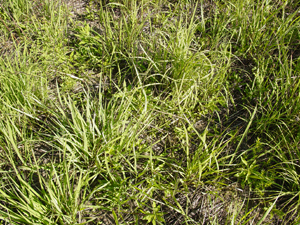 to what you have available to determine what is missing or limiting. You may also use a more general approach, looking at what major plant types are limiting such as hard mast trees, soft mast trees, shrubs, vines, annual forbs and perennial forbs. You will also want to evaluate water, cavities, downed woody debris or snags.
For questions about what to plant, it is easier to answer specific situations. Recently, a blog reader wrote that they just dredged their pond and spread it on a large open pasture about 50 yards from the pond. The reader wanted to know what to plant to attract quail and pheasant while also benefiting deer and turkey populations. Being in Monroe County, quail is more likely, so I will focus on that.
In the fall and winter, quail feed heavily on plant seeds, especially ragweed, pigweed, foxtail and agricultural crop residue. Spring and summer foods include tender green vegetation and soft fruits. Invertebrates are consumed when available and are essential for the development of chicks.
Cover is equally important in deciding what to plant. A mixture of herbaceous (grass, wildflowers) cover with bare ground interspersed with some woody shrubs or open woodland edges will generally benefit quail. With these in mind and using what the “typical” Indiana landscape looks like, the owner may want to consider the following:
Native Warm Season Grass mix – This provides quality brood and nesting cover. Rates are listed in pounds (lbs.) PLS (Pure Live Seed) per acre. A typical mix for quail recommended by the USDA Natural Resources Conservation Service is listed below. The general idea behind this and other mixes for quail is the bunch grass provides overhead cover above and bare ground and space below. This allows free access to seeds on the ground from the wildflowers along with invertebrates on the ground and vegetation. Quail are small and can’t scratch their way to seeds like turkey and other larger birds.
|
Species
|
Rate (PLS)
|
|
Grasses
|
|
|
Big Bluestem
|
0.25 lbs.
|
|
Sideoats grama
|
2.00 lbs.
|
|
Canada Wildrye
|
1.25 lbs.
|
|
Little Bluestem
|
0.50 lbs.
|
|
Wildflowers
|
|
|
Partridge Pea
|
4 oz.
|
|
Illinois Bundleflower
|
1 oz.
|
|
Purple Prairie Clover
|
3 oz.
|
|
Purple Coneflower
|
2 oz.
|
|
Black-eyed Susan
|
1 oz.
|
|
Wild Bergamot
|
1 oz.
|
|
Showy Tick Trefoil
|
1 oz.
|
|
Butterfly Milkweed
|
2 oz.
|
|
Lead Plant
|
2 oz.
|
|
Round-headed Lespedeza
|
2 oz.
|
Plant a mixture of shrubs – Shrubs provide good resting cover and winter cover for quail. Bare root seedlings planted in the spring should be planted 6 ft. x 6 ft. spacing in clumps “about the size of a large pickup truck.” Species that provide good structure for quail include gray or silky dogwood. American plum and serviceberry will also benefit wild turkey and white-tailed deer.
IMPORTANT: Plant species and mixes recommended above may not be suitable for the site moisture or soil conditions. Improper site preparation and methods will lead to planting failures. Contact your county extension office for proper methods and species that are appropriate for your area. It is always best to have a resource professional visit your site to provide you specific advice that considers your current habitat condition and the equipment and resources available to you, along with what you want to accomplish. In addition to your county extension office, you may want to contact your DNR district wildlife biologist. Finally, planting is only a start. Providing habitat for wildlife, and especially for early successional species such as bobwhite quail, requires continually habitat management that may include invasive species control, prescribed burning, disking or more.
Resources:
Natural Resources Conservation Service Indiana
Pheasant Forever
Quail Forever
Pure Live Seed: Calculations and Considerations for Wildlife Food Plots, Purdue Extension – Forestry and Natural Resources (FNR)
Seed Fillers and Carriers for Planting Native Warm-season Grasses and Forbs, Purdue Extension – FNR
Calibrating a No-Till Drill for Conservation Plantings and Wildlife Food Plots, The Education Store, Purdue Extension resource center
Subscribe: Purdue Extension – Forestry and Natural Resources YouTube Channel
Habitat Help LIVE Q&A – Native Grasses and Forbs for Wildlife, Purdue Extension-FNR Got Nature? Blog/Video
Frost Seeding Native Grasses and Forbs with a Drone (UAV): Lessons Learned, Purdue Extension-FNR Got Nature? Blog/Videos
Creating a Wildlife Habitat Management Plan for Landowners, Purdue Extension-FNR Got Nature? Blog
A Template for Your Wildlife Habitat Management Plan, The Education Store, Purdue Extension resource center
Managing Your Woods for White-Tailed Deer, The Education Store
Dr. Brian MacGowan, Wildlife Extension Specialist
Department of Forestry & Natural Resources, Purdue University
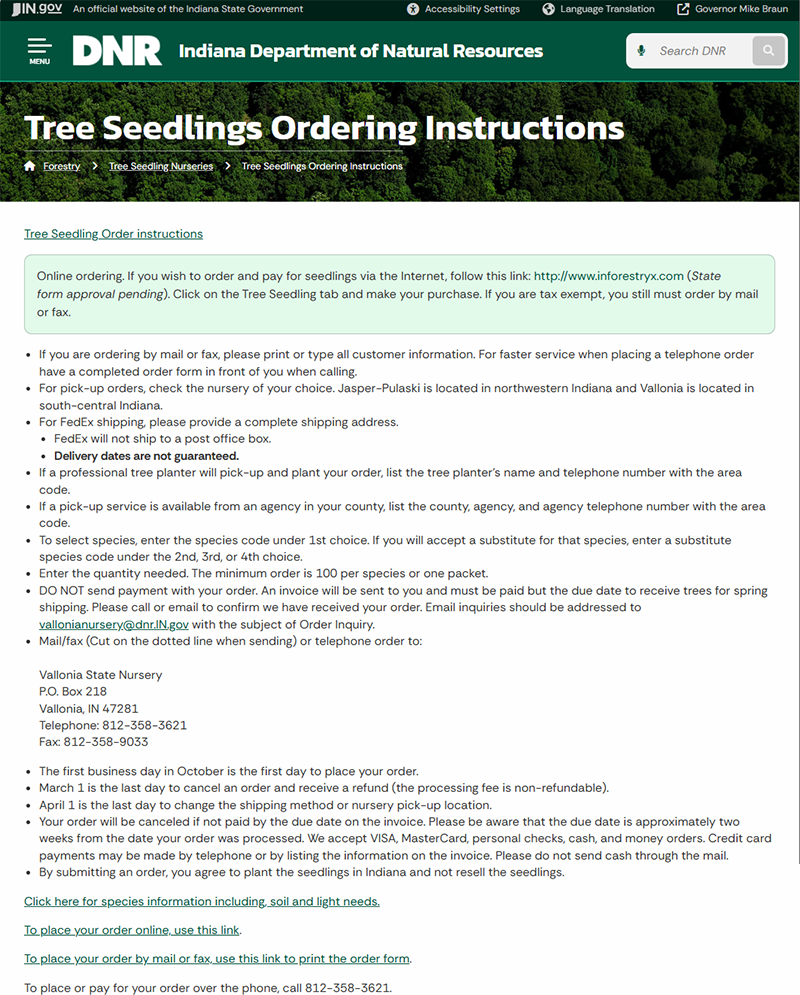 Landowners in Indiana are fortunate to have access to inexpensive, high quality tree and shrub seedlings from the Indiana DNR Division of Forestry nurseries. These seedlings are one- and two-year-old bare-root plants intended for conservation plantings: windbreaks, wildlife habitat, reforestation, erosion control and other conservation uses. The seedlings are not to be planted for landscaping or Christmas trees or resold as rooted stock. Seedlings are available in multiples of 100 or in packets containing a mixture of species for different planting purposes like native nuts, timber or wildlife. You can access instructions for ordering and the order form with available tree species at Tree Seedlings Ordering Instructions, Indiana Department of Natural resources.
Demand for these seedlings is often high, so the nursery fills orders using a lottery drawing system. Orders submitted to the nursery by the third Friday in October are randomly drawn and filled until the nursery runs out of stock or all orders are filled. Orders received after this date are filled first-come, first served with any remaining seedlings. The order form provides spaces for second, third and fourth choices when ordering seedlings, and I recommend you use those to increase your chances of receiving all the seedlings you need. As an example, you might want to plant white oak, but you could list chinkapin oak, bur oak and swamp chestnut oak as alternates in case the white oak sells out. If you have questions about species characteristics, the nurseries provide information at a link on the previously mentioned webpage. Purdue also offers seedling planting advice in the following publication: Planting Forest Trees and Shrubs in Indiana.
Once your order is processed, you will be billed for the seedlings. Once paid, your seedlings are reserved for spring pickup at the nursery, or you can have the seedlings shipped to you for an additional charge. Some counties offer a local pickup service, so you may want to check with your county Extension Office or Soil and Water Conservation District to see if that is available in your area.
So if you would like to buy seedlings from the state forest nurseries, be sure to submit your order before October 19 and include alternative choices on your order form for the best chance of receiving what you need to complete your planting plans.
Resources
Purdue Forestry and Natural Resources Publication List
The Education Store, Purdue Extension (place in search field: “timber”)
Find an Indiana Professional Forester, Indiana Forestry & Woodland Owners Association (IFWOA)
Purdue Arboretum Explorer
Native Trees of the Midwest, The Education Store
Shrubs and Woody Vines of Indiana and the Midwest, The Education Store
Investing in Indiana Woodlands, The Education Store
Forest Improvement Handbook, The Education Store
ID That Tree, Purdue Extension-Forestry & Natural Resources (FNR) YouTube playlist
Woodland Management Moment , Purdue Extension-FNR YouTube playlist
 There are 36 species of snakes and lizards in Indiana and about 8,000 species worldwide. Lizards are the most taxonomically diverse and speciose group of reptiles with approximately 5,000 species. Serpentes represents the second most diverse and successful group of reptiles with approximately 3,000 species. Assistant Professor Rod Williams and Extension Wildlife Specialist Brian MacGowan of Purdue Forestry and Natural Resources have authored a book that provides information on the identification, ecology and behavior of snakes and lizards. This colorful resource with maps and photos expands upon their food habits, reproduction and conservation.
For more information about Indiana snakes and lizards, view The Education Store’s Snakes and Lizards of Indiana.
Resources:
Turtles of Indiana, The Education Store
Appreciating Reptiles and Amphibians in Nature, The Education Store
Forestry Management for Reptiles and Amphibians: A Technical Guide for the Midwest, The Education Store
The Nature of Teaching, Unit 3: Reptiles, Amphibians, and the Scientific Method, The Education Store
Snakes of Indiana, The Education Store
IDNR list of Endangered, Threatened & Rare Species
Indiana Herp Atlas
Partners in Amphibian and Reptile Conservation (PARC)
A Moment in the Wild: Black Racer, Video, Purdue Extension – Forestry and Natural Resources YouTube channel
A Moment in the Wild: Eastern Kingsnake, Purdue Extension – FNR Video
A Moment in the Wild: Eastern Hognose, Purdue Extension – FNR Video
Ask An Expert: Turtles and Snakes, Purdue Extension – FNR Video
Ask An Expert, Purdue Extension – FNR Playlist
Brian MacGowan, Wildlife Extension Specialist
Department of Forestry and Natural Resources, Purdue University

Recent Posts
- Purdue Extension: Empowering Indiana Through Innovation, Education and Community Impact
Posted: January 28, 2026 in Community Development, How To, Invasive Insects, Invasive Plant Species, Natural Resource Planning, Woodlands - Forest Landowners: Share Your Experience with Regeneration and Restoration
Posted: January 27, 2026 in Forestry, How To, Timber Marketing, Woodlands - It’s Not Too Late to Order Trees for Spring Planting
Posted: January 13, 2026 in Forestry, How To, Plants - Now Is The Time To Control Non-Native Bush Honeysuckle
Posted: October 30, 2025 in Forestry, How To, Invasive Plant Species, Woodlands - October Is Firewood Month: Protect Indiana’s Forests by Making Smart Choices
Posted: October 13, 2025 in Forestry, Forests and Street Trees, How To, Invasive Insects, Urban Forestry - ID That Tree: Smooth Sumac
Posted: October 2, 2025 in Forestry, How To, Wildlife - ID That Tree: Wild Grape Vine
Posted: August 12, 2025 in Forestry, How To, Urban Forestry, Wildlife - Publication – Sericea Lespedeza Control
Posted: July 7, 2025 in Forestry, How To, Invasive Plant Species, Wildlife - How to ID Asian Jumping Worms, Purdue Landscape Report
Posted: July 2, 2025 in How To, Invasive Insects, Wildlife - Alert – Water Your Trees, Watch Video
Posted: June 20, 2025 in Alert, Drought, Forests and Street Trees, How To, Urban Forestry, Wildlife, Woodlands
Archives
Categories
- Alert
- Aquaculture/Fish
- Aquatic/Aquaculture Resources
- Ask the Expert
- Christmas Trees
- Community Development
- Disease
- Drought
- Forestry
- Forests and Street Trees
- Gardening
- Got Nature for Kids
- Great Lakes
- How To
- Invasive Animal Species
- Invasive Insects
- Invasive Plant Species
- Land Use
- Natural Resource Planning
- Nature of Teaching
- Plants
- Podcasts
- Ponds
- Publication
- Safety
- Spiders
- Timber Marketing
- Uncategorized
- Urban Forestry
- Webinar
- Wildlife
- Wood Products/Manufacturing
- Woodland Management Moment
- Woodlands