 Purdue University - Extension - Forestry and Natural Resources
Got Nature? Blog
 Wild Bulletin, Indiana Department of Natural Resources (DNR) Fish and Wildlife: Instead of raking and bagging leaves this fall, consider allowing them to stay and naturally decay. Fallen leaves, plant stems, flower heads, twigs, and logs provide crucial winter habitat for Indiana’s wildlife.
The warmth and cover of leaves provide shelter for Eastern box turtles, salamanders and frogs, as well as insulation for butterflies and moths. Leaf piles can even benefit landscaping, as they can suppress weeds, retain moisture, and add nutrients to the soil as they decay. Leaves don’t have to be left exactly where they fall—you can rake them into flower beds and around tree bases.
For more information about creating habitat for wildlife in your backyard, visit the DNR website and the Wildlife Habitat Fact Sheet.
Resources:
Frost Seeding to Establish Wildlife Food Plots and Native Grass and Forb Plantings – The Education Store, Purdue Extension’s resource center
Wildlife Habitat Hint: Tips for Evaluating a First Year Native Grass and Forb Plantings, Purdue Extension – FNR YouTube Channel
Drone Seeding Native Grasses and Forbs: Project Overview & Drone Setup, Purdue Extension – FNR YouTube channel
Forest Improvement Handbook, The Education Store
Ordering Seedlings from the State Forest Nursery System, Got Nature? – Purdue Extension-Forestry & Natural Resources (FNR)
Designing Hardwood Tree Plantings for Wildlife – The Education Store
ID That Tree – YouTube Playlist
Forest Management for Reptiles and Amphibians: A Technical Guide for the Midwest, The Education Store
Ask the Expert: Hardwood Ecosystem Experiment – Birds and Salamander Research, Purdue Extension – FNR
A Template for Your Wildlife Habitat Management Plan, The Education Store
Managing Your Woods for White-Tailed Deer, The Education Store
Woodland Stewardship for Landowners, Playlist, Purdue Extension – FNR YouTube channel
Nature of Teaching Unit 1: Animal Diversity and Tracking, The Education Store
Subscribe Purdue Extension – Forestry and Natural Resources YouTube Channel, Playlists include wildlife, Nature of Teaching, Moments in the Wild and much more.
Indiana Department of Natural Resources – Division of Fish & Wildlife

Sandhill cranes at Jasper-Pulaski Fish & Wildlife Area. Photo by Indiana DNR.
Wild Bulletin, Division of Fish & Wildlife, IN DNR: Each fall, thousands of sandhill cranes visit the marsh at Jasper-Pulaski Fish & Wildlife Area (FWA) as they migrate, and their visits make for a prime wildlife viewing opportunity from its observation deck. To spot the flocks of cranes, visit at sunrise or sunset until mid-December. The observation deck has a few stationary viewing scopes, but bringing your own spotting scope or binoculars may enhance your viewing experience.
If you can’t make it to the area, you can follow along with our sandhill crane counts, which we update weekly during the migratory season.
Jasper-Pulaski Fish & Wildlife Area provides quality outdoor recreational opportunities while maintaining 8,179 acres of wetland, upland, and woodland game habitat. It provides an ideal stopover for migratory birds. More than 15,000 sandhill cranes stop during fall migration.
Best time to view:
- Sunrise: Gigantic flocks rise and fly from their roosting marshes to feed in surrounding private land (agricultural fields). On their way to feed some birds stop in the open grassland areas of the refuge.
- Sunset: Beginning about one hour before sunset, flocks of cranes kite into the refuge near the observation area from all directions. They gab and socialize again before returning to roosting marshes at dusk.
While this is the cranes’ usual routine, it is important to remember they are wild animals and are not always predictable.
Best location to view
The crane spectacle is best seen from the observation platform at the Sandhill Crane Observation Area (view map). During the day, cranes can be spotted feeding and dancing in nearby harvested farm fields. Roosting marshes in the Waterfowl Resting Area are closed to the public so that migrating birds can rest without human disturbance.
Viewing tips
While cranes may gather close to the observation platform, they are usually several hundred yards away. A few stationary viewing scopes are available but bringing your own spotting scope or binoculars is recommended. If you are photographing cranes, your most powerful zoom lens will be handy, as trying to get too close to these birds will easily spook them.
Learn more about the fall sandhill crane migration at Jasper-Pulaski FWA.
Sign up to receive the Wild Bulletin E-Newsletter.
Resources:
International Crane Foundation
Birds and Residential Window Strikes: Tips for Prevention, The Education Store, Purdue Extension resource center
Breeding Birds and Forest Management: the Hardwood Ecosystem Experiment and the Central Hardwoods Region, The Education Store
Managing Woodlands for Birds Video, Purdue Extension-Forestry and Natural Resources (FNR) YouTube Channel
Ask An Expert, Playlist, Purdue Extension – FNR YouTube channel
No Room at the Inn: Suburban Backyards and Migratory Birds, Education Store, Purdue Extension resource center
Subscribe, Purdue Extension – FNR YouTube Channel
Indiana Department of Natural Resources
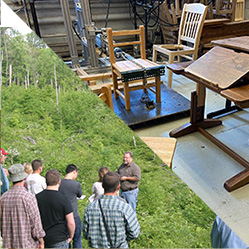 Purdue Extension’s annual report showcases the accomplishments, outcomes and activities that highlight the impact of Purdue Extension across Indiana. Extension specialists and educators provide educational programs and research-based knowledge to help families, individuals, and communities prosper and thrive.
The Purdue Extension – Forestry and Natural Resources specialists featured:
Private Woodland Owners Make Decisions and Take Actions to Improve Acreage Value – project specialist include Lenny Farlee, Ron Rathfon, Don Carlson, and Jarred Brooke, along with county extension educators Dave Osborne, and Phil Woolery. Indiana has 20% forest lands, most privately owned. Forests are important habitats for wildlife and provide environmental and social benefits. Purdue Extension offers Forest Management for the Private Woodland Owner, in-person and virtually. The in-person program has eight 2.75-hour evening sessions and two Saturday three-hour field day tours. Purdue Extension and local forestry and natural resource professionals provide presentations and direct activities. Participants receive a tree measuring stick and a flash drive containing more than 100 publications and resources.
Participant forest management knowledge improved after the program. More than 90% found it useful for making decisions, and 80% plan to take actions in the next year. A participant said, “This course provided exactly the information I needed to understand the DNR forester’s report on my classified forest and to act on it. It will also help form a land management plan of my own (beyond what the forester provided), find programs to help manage and expand the forest, and earn a little money from the property in future years.”
Furniture Production Addresses Workforce Development and Rebuilds Lives in Indiana – project specialist include Dr. Eva Haviarova and Dr. Henry Quesada. Most U.S. school furniture is made overseas and from nonrenewable materials (steel, plastic, and composite). Increasingly, the product sustainability, the circular economy, and the benefits of natural materials are being shown to be important in learning environments.
To create a new market for low-value hardwoods, urban woods, and plantation resources by designing and producing innovative products, including wooden school furniture, Purdue’s Wood Research Lab has tested all strength and environmental attributes. At the same time, Purdue Extension is focusing on workforce development for Indiana’s wood products industry. An approach is to provide potential employment and entrepreneurial opportunities to residents with troubled pasts, underprivileged workers, and those needing a second chance in life by partnering with Purposeful Design, the Forest Service, Indiana Hardwood Lumbermen’s Association, Urban Forest Products and other industry players to train workers in furniture production and qualify for future work.
To view full report visit: Purdue Extension Showcase.
To learn more about Purdue Extension visit: About Us.
For all Purdue Extension – Forestry and Natural Resources publications, videos, webinars and initiatives view: Purdue Extension – Forestry and Natural Resources.
Resources:
A Woodland Management Moment, Playlist, Purdue Extension – Forestry and Natural Resources Youtube Channel
Invasive Species, Playlist
Woodland Stewardship for Landowners, Playlist
Invasive Plant Species Identification, Video
Invasive plants: impact on environment and people, The Education Store, Purdue Extension resource center
Investing in Indiana Woodlands, The Education Store
Woodland Invaders, Got Nature? Blog
District Forester, Indiana DNR Division of Forestry, for over 10 acres of woodlands
Directory of Professional Foresters, Indiana Forestry & Woodland Owners Association (IFWOA)
Indiana Woodland Steward E-newsletters, Eleven Member Organization
Conservation Tree Planting: Steps to Success, Purdue Extension – FNR Youtube Channel
Forest Improvement Handbook, The Education Store
Joint Design Manual for Furniture Frames Constructed of Plywood and Oriented Strand Board, The Education Store
The Shrinking and Swelling of Wood and Its Effect on Furniture, The Education Store
Performance Test Method for Intensive Use Chairs – FNEW 83-269: A Description of the Test Method with Drawings, The Education Store
How Baby Bear’s Chair Was Made, The Education Store
Diana Evans, Extension & Web Communications Specialist
Purdue University Department of Forestry and Natural Resources
Indiana Department of Natural Resources has all of your hunting resources for a fun season. The Wild Bulletin, Division of Fish and Wildlife, newsletter and the MyDNR – Enjoy the Outdoors newsletter brings you all the resources you need in one email. Check out the recent information shared in the newsletters below:
Wild Bulletin
IN DNR Newsletter: If you’ve been hunting for a license instead of deer, look no further: Buy your license now via our online license system. Get your firearms and muzzleloader licenses before the seasons begin.
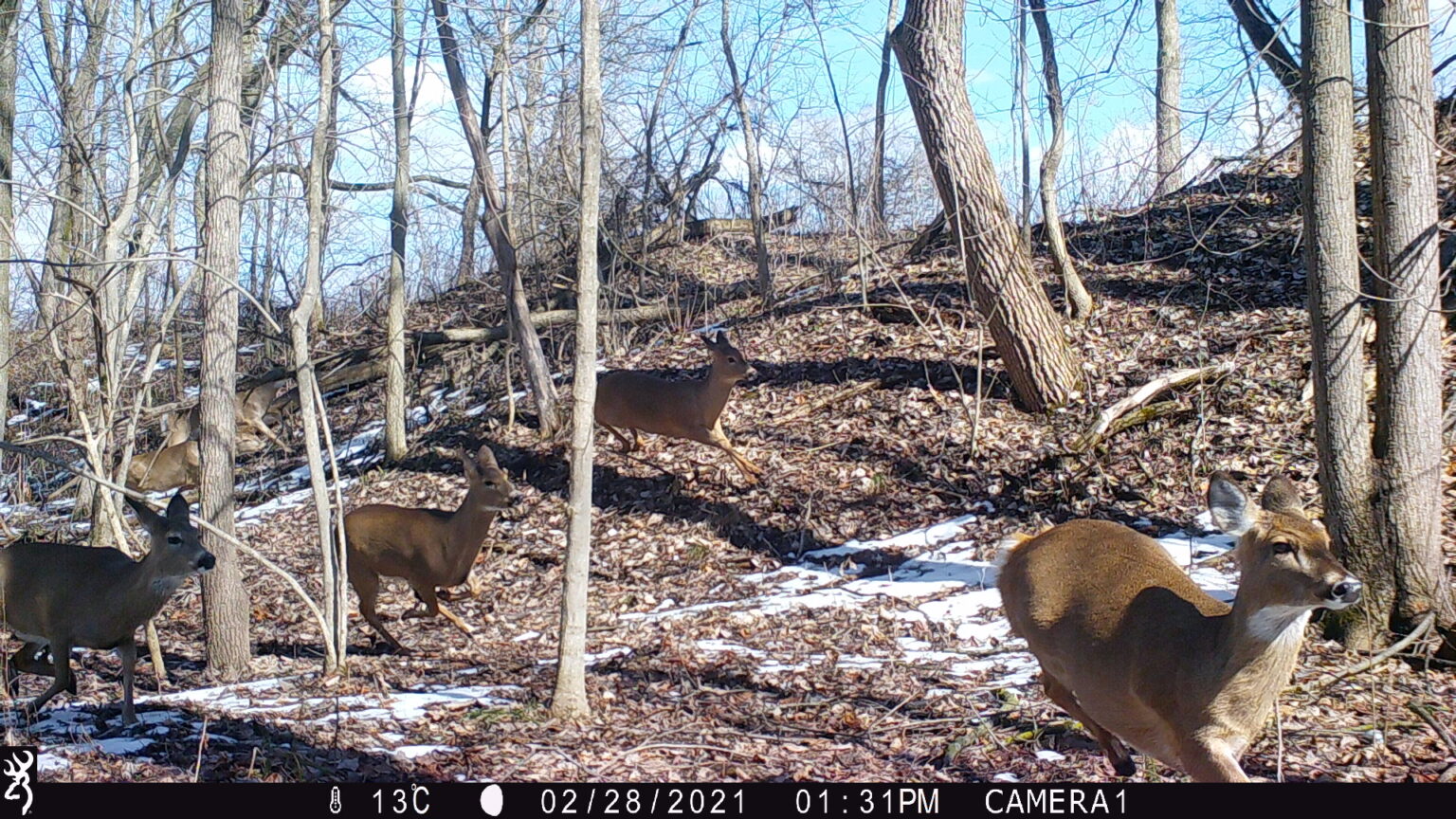
Are you prepared for deer hunting? Make sure to bring and wear your blaze orange item of clothing, your firearm or bow, and a print or digital copy of your hunting license.
If you haven’t bought your deer license yet, consider buying DNR’s Deer License Bundle for the season. The Deer License Bundle includes privileges to harvest a total of two antlerless deer plus one antlered deer. It can be used in the special youth, archery, firearms, muzzleloader, and special antlerless deer seasons.
For younger hunters, 2024’s final free youth hunting days are Nov. 30 & Dec. 1. For more information on the online license system, visit Indiana Fish & Wildlife Online License System.
My DNR
Indiana’s Outdoor News: Hunting for answers or a new license? Search no more. For questions about equipment, regulations, or which license you need, use the Deer Hotline by calling 812-334-3795 or emailing indeerhotline@dnr.IN.gov.
For questions related to the CheckIN Game system, your online license system account, license-purchasing errors, or deer control permits, email inhuntfish@dnr.IN.gov or call 317-232-4082.
Remember to buy your deer license early. Find a list of license retailers online and be sure to check your license for accuracy before you leave the store. If you plan to purchase your license online, log into your Access Indiana account before the season begins—don’t risk delays.
To find out more view the Indiana Department of Natural Resources Hunting Deer in Indiana.
Resources:
Ask an Expert: Wildlife Food Plots, video, Purdue Extension – Forestry and Natural Resources (FNR) YouTube Channel
Handling Harvested Game: Episode 1, Field Dressing, video, Purdue Extension – FNR YouTube Channel
Handling Harvested Game: Episode 2, Hanging & Skinning, video, Purdue Extension – FNR YouTube Channel
Handling Harvested Game: Episode 3, Deboning, video, Purdue Extension – FNR YouTube Channel
Handling Harvested Game: Episode 4, Cutting, Grinding & Packaging, video, Purdue Extension – FNR YouTube Channel
Deer Harvest Data Collection, Got Nature? Blog, Purdue Extension – FNR
How to Score Your White-tailed Deer, video, Purdue Extension
White-Tailed Deer Post Harvest Collection, video, The Education Store
Age Determination in White-tailed Deer, video, Purdue Extension
Handling Harvested Deer Ask an Expert? video, Purdue Extension – FNR YouTube Channel
How to Build a Plastic Mesh Deer Exclusion Fence, The Education Store
Bovine Tuberculosis in Wild White-tailed Deer, The Education Store
Woodland Stewardship for Landowners: Managing Deer Damage to Young Trees, video, Purdue Extension – FNR YouTube Channel
Integrated Deer Management Project, Purdue FNR
New Deer Impact Toolbox, Purdue Extension-Forestry and Natural Resources (FNR)
Division of Fish and Wildlife, Indiana Department of Natural Resources
In this edition of ID That Tree, Purdue Extension forester Lenny Farlee takes us through the different characteristics of Hoptree, a relatively common shrub here in Indiana. This is a unique native plant with three-part leaves and hop-like seed pods. Also called Wafer Ash due to its distinctive wafer-shaped seeds, this shrub can often be confused with Poison Ivy or Bladdernut, so be sure to pay attention to key differences in the video. Features include trifoliate leaves and the temperate areas in which it grows.
If you have any questions regarding wildlife, trees, forest management, wood products, natural resource planning or other natural resource topics, feel free to contact us by using our Ask an Expert web page.
Resources:
ID That Tree: Firs and Spruces, Video Playlist, Purdue Extension – Forestry and Natural Resources (FNR) YouTube Channel
ID That Tree – Jack Pine, Scotch Pine, Red Pine, Virginia Pine, Eastern White Pine, Video Playlist, Purdue Extension – Forestry and Natural Resources (FNR) YouTube Channel
Beat Back Borers Attacking Pines and Other Cone Bearing Trees, Purdue Landscape Report
Tree Diseases: White Pine Decline in Indiana, The Education Store, Purdue Extension Resource Center
Purdue Arboretum Explorer
Conservation Tree Planting: Steps to Success, Purdue Extension – FNR YouTube Channel
A Woodland Management Moment, Playlist, Purdue Extension – FNR YouTube Channel
Woodland Stewardship for Landowners, Playlist, Purdue Extension – FNR YouTube Channel
Indiana Department of Natural Resources: Invasive Species
Indiana Invasive Species Council
Cooperative Invasive Species Management Area (CISMA)
Report Invasive, Purdue Extension
Episode 11 – Exploring the challenges of Invasive Species, Habitat University-Natural Resource University
Shrubs and Woody Vines of Indiana and the Midwest, The Education Store
Native Trees of the Midwest, The Education Store
Professional Forester, Indiana Forestry Woodland Owners Association
Forest Improvement Handbook, The Education Store
Find an Arborist, International Society of Arboriculture
Lenny Farlee, Extension Forester
Hardwood Tree Improvement and Regeneration Center
Purdue Department of Forestry & Natural Resources
Purdue Landscape Report: In the last newsletter, an article on triclopyr brought up much discussion on the Roundup brands now containing multiple active ingredients other than glyphosate. Professionals in the industry may encounter a client with herbicide damage symptoms that mimic growth-regulator injury instead of typical glyphosate damage symptoms. While the client may have used Roundup, they didn’t necessarily use glyphosate. Going forward, it’s important to keep in mind that Roundup no longer means glyphosate in the consumer market.
Roundup has been one of the most used herbicides for many different weed control applications. Roundup, with the active ingredient glyphosate, was first registered with the EPA in 1974. When Roundup went off patent in 2000, glyphosate started being sold under many different names. According to the National Pesticide Information Center there are currently over 750 products containing glyphosate. Formulations may differ with salt carriers, adjuvants, concentrations, and mixed with other herbicides.
Recently, Bayer announced glyphosate would be phased out of consumer Roundup products. In its place, consumer Roundup products include other active ingredients. This can lead to confusion in the consumer market. It’s important to note that professional-use Roundup (turf and ornamental, agronomic crops, etc.) still contains glyphosate.
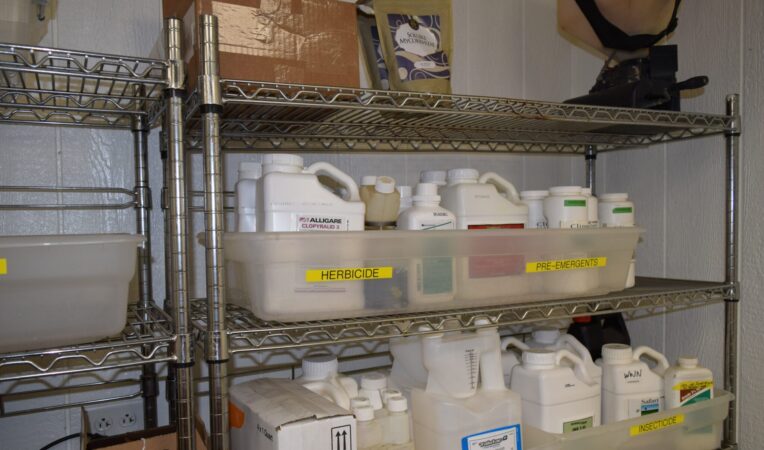
Figure 1. Consumer versions of Roundup are no longer glyphosate. Pay close attention to the active ingredients on labels to prevent unwanted plant injury.
Within the consumer Roundup product line, there are many different formulations designed for specific purposes, which include Roundup Weed and Grass Killer, Roundup for Lawns, Roundup for Lawns: Crabgrass Destroyer, Roundup Dual Action Weed and Grass Killer, Roundup Poison Ivy and Tough Brush Killer, among others. Each of these products contains distinct active ingredients that target different types of weeds.
Roundup Weed and Grass Killer: Glyphosate as the Active Ingredient
The original Roundup herbicide contains glyphosate as its primary active ingredient. Glyphosate is a systemic, non-selective herbicide, meaning it is absorbed by the plant and translocated throughout the vascular system, ultimately leading to the plant’s death. Glyphosate works by inhibiting the enzyme 5-enolpyruvylshikimate-3-phosphate synthase (EPSPS), which is a key component of the shikimic acid pathway—a pathway critical for the synthesis of aromatic amino acids in plants.
Active Ingredient:
- Glyphosate: The ‘traditional’ version of Roundup that controls many different weeds. Can take 10-14 days to kill weeds.
- Pelargonic Acid: A contact herbicide that quickly breaks down cell walls. This is added to provide a quick burndown of the weed.
Roundup Dual Action Weed and Grass Killer Plus 4 Month Preventer: Multiple modes of action
Round Dual Action is a formulation that includes four very different herbicides that is intended for use in areas with limited vegetation (i.e. sidewalks, driveways, mulched beds). In addition to postemergence herbicides, this product includes two preemergence active ingredients.
Active Ingredients:
- Triclopyr: Systemic herbicide that mimics auxins. Very effective herbicide for woody plants, which is used frequently in invasive species treatments.
- Fluazifop: Grass-specific herbicide (graminicide) that controls several annual and perennial grasses.
- Diquat: Contact herbicide that exhibit symptoms rapidly. Good for annual weeds.
- Imazapic: Pre- and Postemergence control of several grasses and broadleaf weeds.
Roundup for Lawns: A Combination of Selective Herbicides
Roundup for Lawns is a specialized formulation designed for residential use, particularly for controlling broadleaf weeds in lawns. Unlike traditional Roundup, which contains glyphosate, Roundup for Lawns contains a combination of selective herbicides, including MCPA, quinclorac, dicamba, and sulfentrazone. These ingredients are chosen for their ability to target broadleaf weeds and grassy weeds without harming most turfgrass species. This product is similar to the traditional ‘three-way’ herbicides that are commonly used in turf.
Active Ingredients:
- MCPA: MCPA is a selective herbicide that mimics the action of natural plant hormones known as auxins. When absorbed by broadleaf weeds, it causes uncontrolled growth, leading to the plant’s death.
- Quinclorac: Quinclorac is effective against grassy weeds, primarily used for crabgrass control in turf. It can be similar to auxin herbicides, causing epinasty, curling, and a change of color.
- Dicamba: Similar to MCPA, dicamba disrupts the growth of broadleaf weeds by mimicking natural plant hormones.
- Sulfentrazone: Pre- and postemergence activity in turf. Very effective on nutsedge.
Roundup for Lawns: Crabgrass Destroyer
Roundup for Lawns: Crabgrass Destroyer is a product designed to control grassy weeds and several broadleaf weeds in cool-season turf. In addition to crabgrass, other grassy weeds and some broadleaves can be controlled.
Active Ingredients:
- Topramezone: Very effective herbicide for several annual and perennial grassy weeds and some common broadleaf weeds.
Roundup Poison Ivy and Tough Brush Killer: Triclopyr for Tough Woody Plants
Roundup Brush Killer is formulated to tackle tough, woody plants, such as brush, brambles, and small trees. The active ingredient in this product is triclopyr, a selective herbicide that targets broadleaf plants with less damage to grasses. This product can be effective on invasive woody plants.

Figure 2. Glyphosate damage to sycamore.
Active Ingredients:
- Triclopyr: Systemic herbicide that mimics auxins. Very effective herbicide for woody plants, which is used frequently in invasive species treatments.
- Glyphosate: The ‘traditional’ version of Roundup that controls many different weeds. Can take 10-14 days to kill weeds.
Conclusion
All of the consumer Roundup products contain unique active ingredients tailored to specific weed control needs. There can be understandable confusion around these products due to the historical uses of glyphosate. The Green Industry needs to be aware of the confusion around these products to better inform their clients. Understanding the active ingredients and mechanisms of action of these herbicides is crucial for their effective and safe use in various settings.
View the original article here: When Roundup Isn’t Roundup: Clearing up the confusion between products
Subscribe and receive the newsletter: Purdue Landscape Report Newsletter.
Resources:
Beyond Roundup: Alternatives to consider adding to your weed management plan, Purdue Landscape Report
Diagnosing Herbicide Injury on Garden and Landscape Plants, The Education Store, Purdue Extension’s resource center
Herbicide Injury, Purdue Plant Doctor
Find an Arborist video, Trees are Good-International Society of Arboriculture (ISA)
ID That Tree, Playlist, Purdue Extension – FNR YouTube Channel
Invasive Species Playlist, Playlist, Purdue Extension – FNR YouTube Channel
A Woodland Management Moment, Playlist, Purdue Extension – FNR YouTube Channel (Against Invasives, Garlic Mustard, Autumn Olive)
Woodland Stewardship for Landowners, Playlist, Purdue Extension – FNR YouTube Channel (Common Buckthorn, Japanese Barberry)
Report Invasive Species, Purdue Invasive Species
The GLEDN Phone App – Great Lakes Early Detection Network
EDDMaps – Early Detection and Distribution Mapping System
Episode 11 – Exploring the challenges of Invasive Species, Habitat University-Natural Resource University
What Are Invasive Species and Why Should I Care?, Purdue Extension-FNR Got Nature? Blog
Emerald Ash Borer Information Network, Purdue University and Partners
Aquatic Invasive Species, Illinois-Indiana Sea Grant (IISG)
Invasive plants: impact on environment and people, The Education Store
Subscribe Purdue Extension-Forestry and Natural Resources YouTube Channel
Kyle Daniel, Commercial Landscape and Nursery Crops Extension Specialist
Purdue Horticulture & Landscape Architecture
Wild Bulletin, IN DNR, Division of Fish & Wildlife: Epizootic hemorrhagic disease (EHD) is a naturally occurring viral disease commonly seen in the Indiana deer herd. Each year, typically in late summer, Indiana DNR receives reports of deer displaying signs of EHD throughout the state.
This year, DNR confirmed a significant EHD outbreak that began in the northern region of the Hoosier State. In some years, EHD can affect a larger-than-normal portion of the deer and becomes widespread across a county. In those instances, DNR lowers the County Bonus Antlerless Quotas (CBAQs) in the impacted counties to offset the effect of the counties’ EHD outbreak on the deer herd in that region.
EHD is transmitted by biting midges, also known as sand gnats or “no-see-ums.” Deer infected with EHD may display unusual behaviors such as lethargy, excessive salivation, or disorientation. EHD also causes fever in deer, which can cause deer to seek water. As a result, many deer that die from EHD are found in or near open water sources like ponds and rivers. Anyone who finds a deer showing signs of EHD or dead in water is asked to report it at on.IN.gov/sickwildlife.
County bonus antlerless quotas reduced in three counties for 2024-25
 Due to the number of reported deer mortalities and extent of EHD in the region, DNR has lowered the County Bonus Antlerless Quotas (CBAQs) in Wabash, Porter, and Allen counties from two bonus antlerless deer to one to help offset the effects of EHD on the deer herd in that region. During the winter, DNR biologists will fully evaluate the effects of EHD and will propose changes to bag limits as required. Hunters can stay informed about CBAQ changes at on.IN.gov/EHD-quotas.
To find out more view the Indiana Department of Natural Resources EHD Antlerless Bonus Quota Reductions.
Resources:
Be on the Watch for Epizootic Hemorrhagic Disease (EHD) in Deer, Got Nature? Blog, Purdue Extension – FNR
Report a Sick or Dead Deer, Indiana Department of Natural Resources (IN-DNR)
EHD Virus in Deer: How to Detect and Report video, Quality Deer Management Association
Epizootic Hemorrhagic Disease (pdf), Cornell University
How to Score Your White-Tailed Deer video, Purdue Extension – FNR YouTube Playlist
Deer Harvest Data Collection, Purdue FNR Got Nature? blog
Woodland Stewardship for Landowners: Managing Deer Damage to Young Trees, Purdue Extension-FNR YouTube Channel
Introduction to White-tailed Deer Impacts on Indiana Woodlands, Deer Impact Toolbox, Got Nature? Blog & The Education Store
Purdue Extension Pond and Wildlife Management
Managing White-tailed Deer Impacts on Indiana Woodlands, The Education Store
How to Build a Plastic Mesh Deer Exclusion Fence, The Education Store
Managing Your Woods for White-Tailed Deer, The Education Store
Deer Harvest Data Collection, Got Nature? Blog, Purdue Extension – FNR
Handling Harvested Deer Ask an Expert? video, Purdue Extension – FNR YouTube Channel
Subscribe to Purdue Extension-Forestry & Natural Resources YouTube Channel, Wildlife Playlist
A Woodland Management Moment – Deer Fencing, Purdue Extension – FNR YouTube Video
Division of Fish and Wildlife, Indiana Department of Natural Resources
 The USDA Natural Resources Conservation Service, shares news article announcing the December 6, 2024 deadline for the Southern Indiana Sentinel Landscape Regional Conservation Partnership Program (RCPP).
Funding Available to Landowners Through the Southern Indiana Sentinel Landscape Regional Conservation Partnership Program
October 8. 2024
Damarys Mortenson, State Conservationist for USDA’s Natural Resources Conservation Service (NRCS) in Indiana announced today the deadline to apply for funding through the Southern Indiana Sentinel Landscape Regional Conservation Partnership Program (RCPP) is Dec. 6.
RCPP is a partner-led program, with NRCS directing technical and financial assistance to priorities identified by partners. Led by the Conservation Law Center, and the Southern Indiana Sentinel Landscape Partnership (SISL), this RCPP is part of a larger initiative to address pressing environmental concerns in the region.
“SISL is a great example of public, private and non-profit organizations working together to solve local concerns,” said Mortenson. “The partners are building on years of successful collaborations focused on natural resource protection, making a greater environmental impact within the focus area.”
Beginning about 20 miles south of Indianapolis, SISL comprises a unique patchwork of land uses. It is anchored by four critical Department of Defense installations and ranges and also contains state parks, state forests, state fish and wildlife areas, state-dedicated nature preserves, the Hoosier National Forest, and National Wildlife Refuges.
These natural and working lands provide an opportunity for partners and stakeholders to sustainably manage forests, build soil health and resiliency on agricultural lands, improve ecosystem health and maintain areas compatible with the military mission. SISL’s overarching goals are to preserve and protect military missions, support sustainable farming and forestry, restore and sustain ecosystems, ensure thriving human communities, and improve climate resiliency. Combined, these efforts have the potential to mitigate the effects of existing encroachment threats or avoid them altogether.
“Protecting Indiana’s oak-hickory ecosystems is essential not just for preserving our natural heritage, but also for safeguarding biodiversity, water quality, soil health and wildlife habitats,” said Mortenson. “The Southern Indiana Sentinel Landscape plays a major role in helping to maintain ecological balance, support countless species and provide clean air and water for southern Indiana communities.”
For full article view: Funding Available to Landowners Through the Southern Indiana Sentinel Landscape Regional Conservation Partnership Program.
For more information regarding the Southern Indiana Sentinel Landscape view The Sentinel Landscapes Partnership website, Southern Indiana Sentinel Landscape.
The Sentinel Landscapes Partnership is a coalition of federal agencies, state and local governments, and non-governmental organizations that work with willing landowners and land managers to advance sustainable land use practices around military installations and ranges. Founded in 2013, the partnership aligns the objectives of the U.S. Department of Agriculture, Department of Defense, Department of the Interior, and Federal Emergency Management Agency to strengthen military readiness, conserve natural resources, bolster agricultural and forestry economies, increase public access to outdoor recreation, and enhance resilience to climate change.
Landowner and Wildlife Habitat Assistance, Indiana Department of Natural Resources, Division of Fish and Wildlife
Timber Harvesting and Logging Practices for Private Woodlands, The Education Store
Investing in Indiana Woodlands, The Education Store
Marketing Timber, The Education Store
Woodland Wildlife Management, The Education Store
A Landowner’s Guide to Sustainable Forestry: Part 3: Keeping Your Forest Healthy and Productive, The Education Store
Indiana Department of Natural Resources Division of Forestry
The Nature of Teaching: Trees of the Midwest, The Education Store
Indiana Woodland Steward, Institute promoting the wise use of Indiana’s forest resources
Indiana Forestry Educational Foundation, Indiana Forestry & Woodland Owners Association
Forest Improvement Handbook, The Education Store
Invasive plants: impact on environment and people, The Education Store
Managing Your Woods for White-Tailed Deer, The Education Store
New Deer Impact Toolbox, Got Nature? Blog, Purdue Extension, Forestry and Natural Resources
Subscribe: Deer, Forest Management, ID That Tree, Woodland Management Moment, Invasive Species and many other topic video playlists Purdue Extension-Forestry and Natural Resources YouTube Channel
USDA Natural Resources Conservation Service
Diana Evans, Extension & Web Communications Specialist
Purdue University Department of Forestry and Natural Resources
Purdue Landscape Report: The elm zigzag sawfly (EZS), Aproceros leucopoda, is a non-native insect recently detected in several midwestern states. Originally from eastern Asia, this insect is rarely considered a problem in its native range, having several natural enemies and environmental factors able to keep it in check.
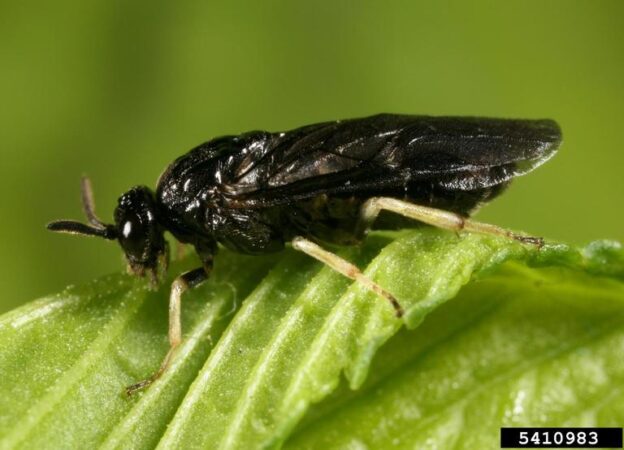
Figure 1. Elm zigzag sawfly adult, Gyorgy Csoka, Hungary Forest Research Institute, Bugwood.org
However, when in new landscapes, aspects of this insect’s life cycle enhance its ability to spread across new habitats and do significant damage to its host plant, the elm tree. EZS was first detected outside of its native range in Europe in 2003. Then, in 2020, it was found in North America for the first time in Quebec. It has since been detected in several states in the US, spreading first through the Northeast before entering the Midwest. It has not yet been detected in Indiana, but has been in the surrounding area.
Elm zigzag sawfly is a member of the insect order Hymenoptera, which includes bees, ants, and wasps. More specifically, sawflies belong to a suborder known as Symphyta, whose members are noted for a broad-waisted appearance and a saw-shaped ovipositor. Sawflies are a fairly common group of insects, though observers will often overlook them or confuse them for other insects. Adult EZS are generally small, darkly-colored insects that are easy to write off as ‘just another black bug’ you see around the garden or yard (Fig. 1).
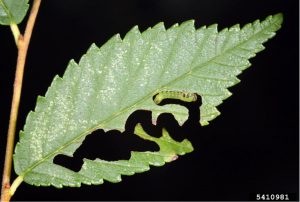
Figure 2. Elm zigzag sawfly larva feeding, Gyorgy Csoka, Hungary Forest Research Institute, Bugwood.org
They resemble wasps, but possess a broad waist with no narrowing of space between the thorax and abdomen, and they lack a stinger. EZS larvae closely resemble caterpillars in both form and feeding habits, with pale green coloration, a black stripe that runs down the length of the body, and dark T-shaped markings on the legs (Fig. 2). The larvae, like moth and butterfly caterpillars, will also possess six pairs of fleshy prolegs that are lost upon reaching maturity. While the larvae bear chewing mouthparts to consume the leaf material of many kinds of plants, the adults are nectar and pollen-feeding. It should be noted that EZS larvae chew zigzag patterns into elm leaves, thus the common name of the insect. Like bees and wasps, sawflies also possess wings, but are typically lazy fliers, choosing to fly only during warm, sunnier periods of the day.
View the rest of the article here: A New Threat to Elms in North America
Subscribe and receive the newsletter: Purdue Landscape Report Newsletter.
Resources:
Intro to Trees of Indiana: American Elm, Got Nature? Blog, Purdue Extension – FNR
Intro to Trees of Indiana: Slippery Elm, Got Nature? Blog, Purdue Extension – FNR
ID That Tree, Playlist, Red Elm, Siberian Elm, Winged Elm, Purdue Extension – Forestry and Natural Resources (FNR) YouTube Channel
ID That Tree, Playlist, Purdue Extension – FNR YouTube Channel
Invasive Species Playlist, Playlist, Purdue Extension – FNR YouTube Channel
A Woodland Management Moment, Playlist, Purdue Extension – FNR YouTube Channel
Woodland Stewardship for Landowners, Playlist, Purdue Extension – FNR YouTube Channel
Indiana Department of Natural Resources: Invasive Species
Indiana Invasive Species Council
Cooperative Invasive Species Management Area (CISMA)
Report Invasive, Purdue Extension
Episode 11 – Exploring the challenges of Invasive Species, Habitat University-Natural Resource University
What are invasive species and why should I care?, Got Nature? Blog, Purdue Extension – FNR
Native Trees of the Midwest, The Education Store, Purdue Extension’s resource center
Investing in Indiana Woodlands, The Education Store
Forest Improvement Handbook, The Education Store
Bob Bruner, Exotic Forest Pest Educator
Purdue Entomology
Purdue Agriculture News: As autumn settles in, we eagerly await the transformation of leaves into vibrant hues of red, orange and yellow. However, this year might tell a different story due to prolonged periods of hot weather. Ben McCallister, urban forestry specialist in Purdue University’s Department of Forestry and Natural Resources, sheds light on what to expect this fall.
The Impact of Weather on Fall Foliage Timing
“Right now, we’re seeing a mix of fall coming in and shifting temperatures, which is causing trees to respond. This back-and-forth hot weather is creating some color changes related to drought and stress. This can be expressed as brown color where leaves are starting to wilt and look a little crunchy from exposure to heat and drought stress,” McCallister explains.
While the typical color change occurs from mid-September to early November, it’s not unusual for leaves to remain green at this point in the season. McCallister suggests that while the hot weather “most likely won’t affect anything visually, it could influence fall foliage over time as climate change progresses.”
He anticipates a more pronounced display of fall colors extending through October, with some species showing their colors into November. Ultimately, the vibrancy and timing of these changes will depend on daily temperature fluctuations and the amount of sunlight trees receive.
The environment also plays a significant role in how trees respond. For instance, urban areas with more concrete and buildings create a “urban heat island” effect, which can delay color changes compared to more rural settings.
The science of fall foliage is both fascinating and complex. McCallister explains that different tree species respond to autumn at varying times, with chlorophyll being a key player in this process.
“Changes in chlorophyll production leads to the color changes in leaves. Chlorophyll allows leaves to take up sunlight and convert it into energy, creating carbohydrates in the form of sugars – really anything that gives energy to the tree to help it grow, sustain itself and compartmentalize,” McCallister notes.
As temperatures cool and the sunlight diminishes, chlorophyll production declines, allowing the green hues of leaves to fade. This decline reveals carotenoids and anthocyanins – two chemicals essential to fall foliage. Carotenoids contribute to the yellow and orange shades, while anthocyanins produce reds and purples. As chlorophyll wanes, these vibrant colors emerge.
“It’s a very cool process,” McCallister adds. “Each color absorbs different spectrums of light, altering energy uptake and preparing trees for leaf drop and dormancy. As leaves in deciduous trees transition, trees store energy in their roots and wood so they can brave the winter.”
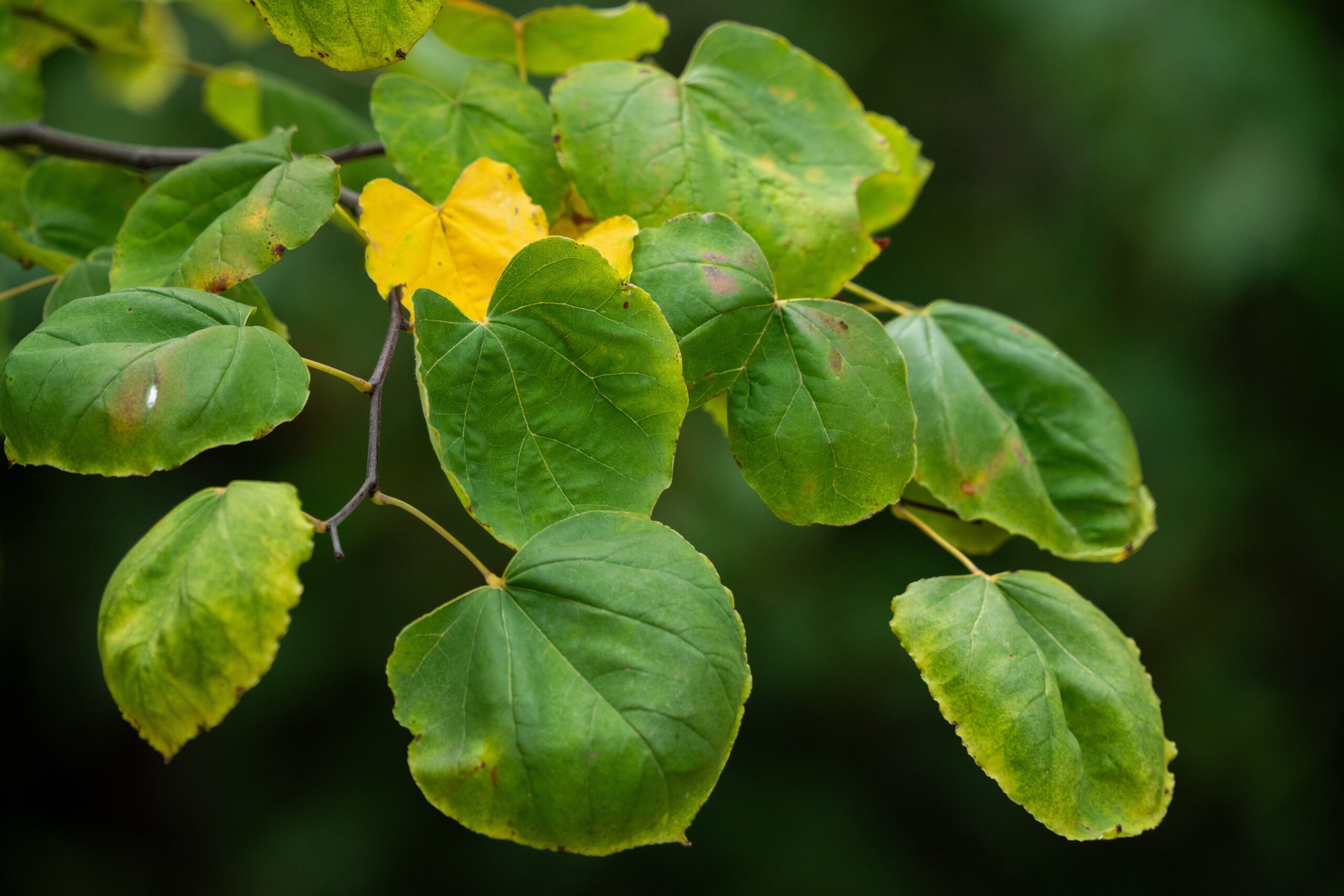
When it comes to enjoying fall foliage, McCallister emphasizes that Indiana offers many great viewing locations not far from Purdue’s campus.
Locally, Martell Forest, which is open to the public, is a great spot to check out the fall foliage and immerse yourself in the woods,” says McCallister.
Leaf drop is likely to occur anytime from mid-October into December, although this process may take longer than usual due to the milder winters we’ve been experiencing. Similar to color changing, the timing of leaf drop varies by tree species and their growth patterns, as well as the overall weather conditions.
“For instance, ginkgo trees turn this brilliant yellow and have a cool reaction to leaf drop. Typically, all their leaves fall within a day or so, creating a carpet of yellow. In contrast, trees like maples and oaks, which have a mix of yellow, orange and red leaves, tend to hold onto their foliage a bit longer,” McCallister recalls.
It’s also important to note that while coniferous trees, like pines, spruces and furs, retain their needles year-round, some conifers like bald-cypress trees drop theirs. This sometimes causes confusion for homeowners who mistake these deciduous conifers for dying trees.
To provide the best care for your trees during these changing weather patterns, McCallister advises familiarizing yourself with different tree species. Resources like Google and dichotomous keys in forestry books can help with species identification and lead to tips for care. Regularly checking your trees’ health is essential year-round. Specialists in your local county Extension offices and ISA Certified Arborists can be valuable resources for proper tree management.
To view the original article along with other news and stories posted on the Purdue Agriculture website see: Is fall foliage a sign of seasonal change or response to heat waves?
Resources:
Find an Arborist video, Trees are Good-International Society of Arboriculture (ISA)
ID That Tree, Playlist, Purdue Extension – FNR YouTube Channel
Invasive Species Playlist, Playlist, Purdue Extension – FNR YouTube Channel
A Woodland Management Moment, Playlist, Purdue Extension – FNR YouTube Channel (Against Invasives, Garlic Mustard, Autumn Olive)
Report Invasive Species, Purdue Invasive Species
Invasive Plants of the Eastern U.S.: An Introduction to the Problematic Non-Native Species, The Education Store, Purdue Extension’s resource center
Why Fall Color is Sometimes a Dud, Purdue Landscape Report
\U.S. Forest Service Fall Colors, Forest Service, U.S. Department of Agriculture
ID That Tree Fall Color: Sugar Maple, Purdue Extension – Forestry and Natural Resources YouTube Channel, ID That Tree Playlist
What Are Invasive Species and Why Should I Care?, Purdue Extension-FNR Got Nature? Blog
Emerald Ash Borer Information Network, Purdue University and Partners
Invasive plants: impact on environment and people, The Education Store, Purdue Extension’s resource center
Subscribe Purdue Extension-Forestry and Natural Resources YouTube Channel
Devyn Raver, Media Relations and Content Development Specialist
Purdue Forestry & Natural Resources
Ben McCallister, Urban Forestry Specialist
Purdue Forestry & Natural Resources

Recent Posts
- ID That Tree: Dwarf Chinkapin Oak
Posted: March 20, 2026 in Forestry, Urban Forestry, Wildlife, Woodlands - A Woodland Management Moment: Windbreak Around Walnut Plantings
Posted: March 3, 2026 in Forestry, Urban Forestry, Woodland Management Moment - Register for Natural Resources Teacher Institute’s Class of 2026
Posted: February 19, 2026 in Forestry, Wildlife, Woodlands - Southwest Damage, Scalding or Frost Cracking
Posted: January 30, 2026 in Forestry, Urban Forestry - Forest Landowners: Share Your Experience with Regeneration and Restoration
Posted: January 27, 2026 in Forestry, How To, Timber Marketing, Woodlands - Woodsy Owl Edition for Educational Learning, USDA – U.S. Forest Service
Posted: January 21, 2026 in Forestry, Forests and Street Trees, Got Nature for Kids, Urban Forestry, Wildlife - It’s Not Too Late to Order Trees for Spring Planting
Posted: January 13, 2026 in Forestry, How To, Plants - Opt-in to the Deer Management Survey, MyDNR
Posted: January 12, 2026 in Forestry, Wildlife - FNR Extension Offering Forest Management for the Private Woodland Owner Course in Spring 2026
Posted: January 5, 2026 in Forestry, Urban Forestry, Wildlife, Woodlands - A Woodland Management Moment: Black Walnut in Pine Plantation
Posted: December 19, 2025 in Forestry, Forests and Street Trees, Urban Forestry, Woodlands
Archives
Categories
- Alert
- Aquaculture/Fish
- Aquatic/Aquaculture Resources
- Ask the Expert
- Christmas Trees
- Community Development
- Disease
- Drought
- Forestry
- Forests and Street Trees
- Gardening
- Got Nature for Kids
- Great Lakes
- How To
- Invasive Animal Species
- Invasive Insects
- Invasive Plant Species
- Land Use
- Natural Resource Planning
- Nature of Teaching
- Plants
- Podcasts
- Ponds
- Publication
- Safety
- Spiders
- Timber Marketing
- Uncategorized
- Urban Forestry
- Webinar
- Wildlife
- Wood Products/Manufacturing
- Woodland Management Moment
- Woodlands