 Purdue University - Extension - Forestry and Natural Resources
Got Nature? Blog
Question: I have noticed that a lot of very mature (> 80 ft) sycamore trees look ill. They don’t seem to have as many 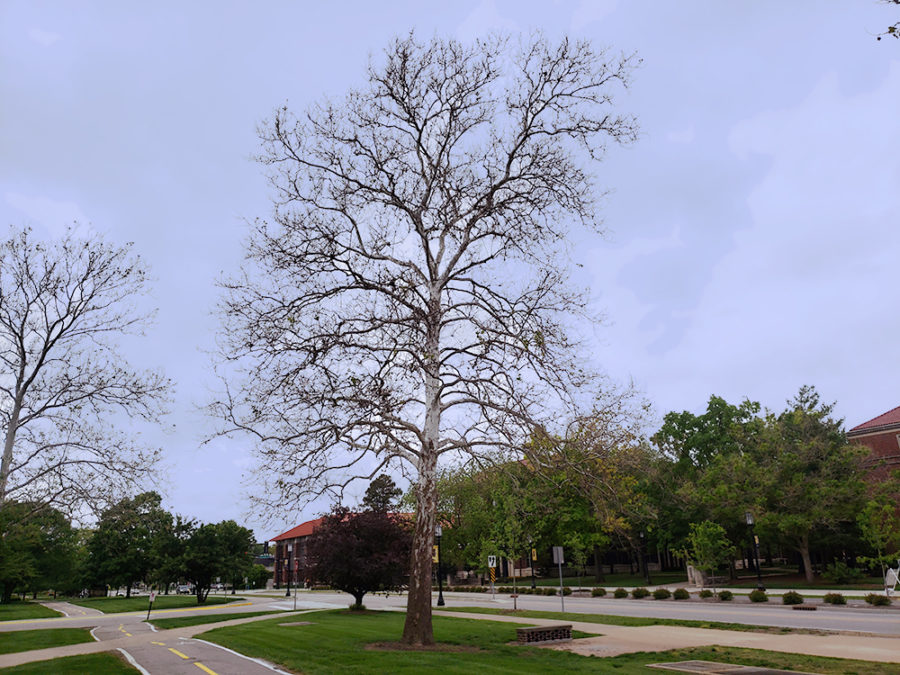 leaves, or as large as they usually get and some have already turned brown and died. There are at least 2 in my 5 acres of woods and have noticed the same with other sycamores while driving from Mooresville to Indianapolis. Is there a certain blight/canker/pest that is damaging sycamores this year?
Answer: I have also noticed that many sycamores appear relatively bare and may have brown or wilted leaves on the stems and littering the ground around the trees. The culprit is sycamore anthracnose, a fungal disease that causes damage and death of leaves as well as stem cankers. Sycamore anthracnose symptoms can be severe when we have cool, moist spring weather at the time of bud-break and leaf emergence , but healthy trees generally recover and put on new leaf area once the environmental conditions that favor the disease change to the warmer, drier conditions of late spring and summer.
Normally, the best management practices for sycamore anthracnose are patience and maintaining good tree health. The disease cycle is dependent on cool, moist spring weather, so it will run its course by late spring or summer when the average temperatures rise. Trees that are repeatedly defoliated could be reduced in vigor and be more susceptible to other problems, so steps to promote good tree health can be used as a preventative measure.
Resources:
Fertilizing Woody Plants – The Education Store, Purdue Extension Resource Center
Diseases of Landscape Plants (leaf diseases) – The Education Store
Sycamore – The Education Store
Hardwood Lumber and Veneer Series – The Education Store
Anthracnose of Shade Trees – Purdue Plant and Pest Diagnostic Laboratory
Purdue Plant Doctor App- Purdue Extension
Lenny Farlee, Sustaining Hardwood Extension Specialist
Purdue University Department of Forestry and Natural Resources
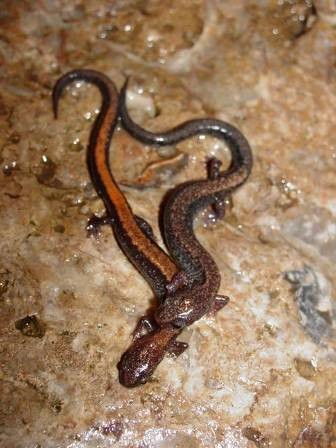 The Purdue Extension-Nature of Teaching has recently released a new publication through The Education Store. The Nature of Teaching provides free Indiana Academic Standard-based lesson plans for students in grades second through sixth to guide them on how to help maintain a healthy environment.
Understanding adaptations for aquatic amphibians can help humans learn more about healthy ecosystems. Through this educational unit, students will be able to explain how amphibian adaptations benefit survival, describe the importance of Eastern Hellbender adaptations, and identify impacts that humans have on aquatic amphibians.
These packed lesson plans are great resources for school teachers, parents, 4-H leaders and other natural resource educators. View the Adaptations for Aquatic Amphibians for the latest installment in the Nature of Teaching resources. See below for other related publications, lesson plans and games.
Resources
Frogs and Toads of Indiana, The Education Store, Purdue Extension
Salamanders of Indiana, The Education Store
Snakes and Lizards of Indiana, The Education Store
Turtles of Indiana, The Education Store
Help the Hellbender, Purdue Extension
Hellbender Decline, Purdue Extension-FNR Youtube
The Nature of Teaching, Lesson Plans K-12, Purdue Extension
Nick Burgmeier, Extension Wildlife Specialist & Research Biologist
Purdue University Department of Forestry and Natural Resources
The Invasive Terrestrial Plant Rule was signed by Governor Holcomb and published on March 18, 2019. the rule goes into effect 30 days after publishing, so it will be effective in April.
The Rule States that a person must not: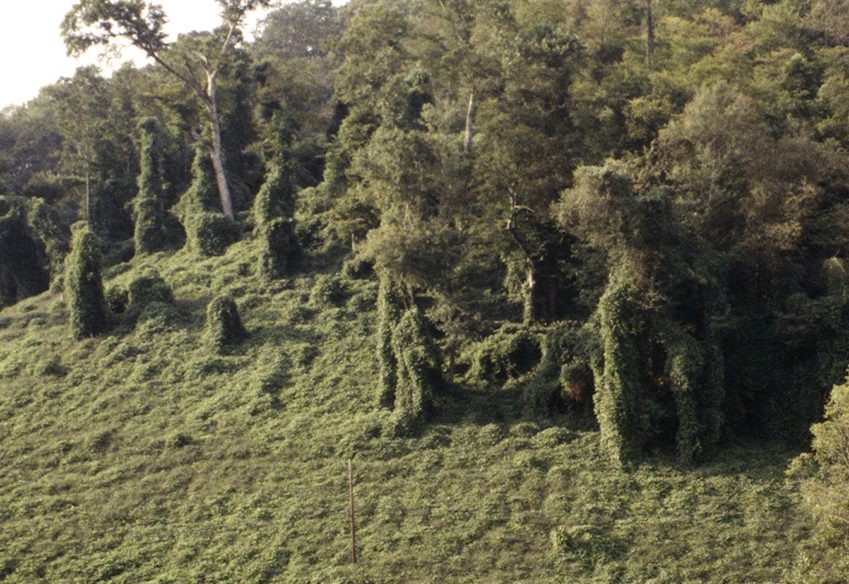
- sell, offer or grow for sale, gift, barter, exchange, or distribute a species;
- transport or transfer a species;
- introduce a species
with respect to the 44 invasive plant species (see full list in the Landscape Report).
Note: Selling, offering, distributing and transporting doesn’t go into effect until April of 2020, so nurseries will have some time to sell down their stock. This is an important component of the rule to minimize economic loss to nurseries that grow and/or sell the few commercially available species that are on the list. Currently there is no mandate to eradicate existing plantings in nurseries, landscapes, or forested areas
To learn more about what an invasive species is, what damage they do, what Indiana is doing, and more please read the Landscape Report, Terrestrial Invasive Species Rule Signed by Indiana Governor.
Resources
Mile-a-Minute Invasive Vine Found Indiana, Got Nature? Blog
Invasive plants: impact on environment and people, Purdue Extension The Education Store
Invasive Plant Species in Hardwood Tree Plantations, The Education Store
Invasive Plant Species: Callery Pear, Purdue Extension The Education Store
Invasive Plant Species: Wintercreeper, Purdue Extension The Education Store
Invasive Plant Species Oriental Bittersweet, Purdue Extension The Education Store
Report Invasive Species, Purdue Invasive Species
The GLEDN Phone App – Great Lakes Early Detection Network
EDDMaps – Early Detection and Distribution Mapping System (Report Invasives)
Cooperative Invasive Species Management Area (CISMA)
Indiana Department of Natural Resources: Invasive Species
Indiana Invasive Species Council
Indiana Department of Natural Resources (IDNR)
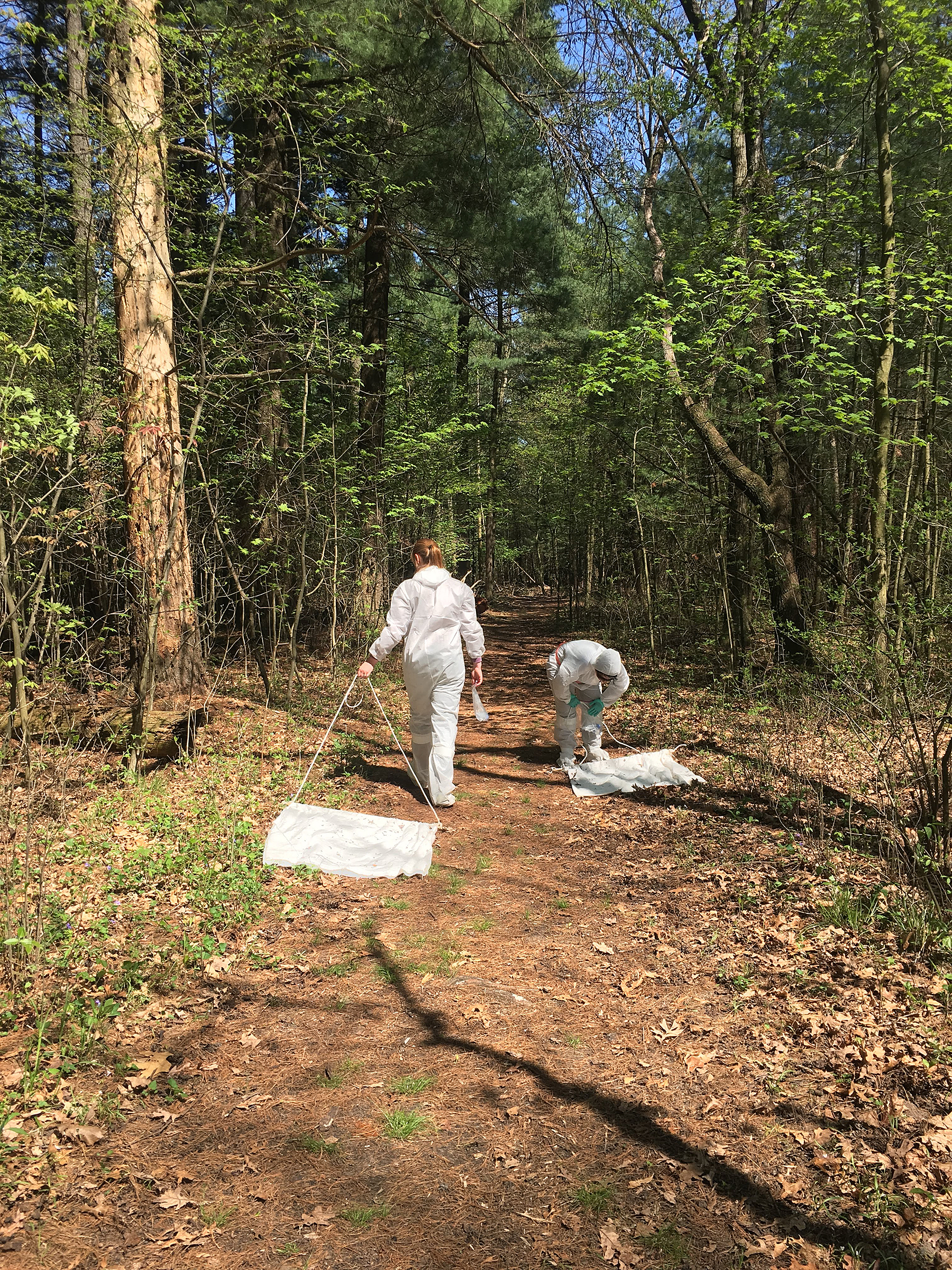
Scientists from Purdue’s Tick INsiders program, Lauren Hagen (left) and Maria Muriga (right), drag and check tick cloths at Tippecanoe River State Park in 2018. The program is looking for high school students and citizen scientists interested in helping with tick collections this year. (Tick INsiders photo)
Purdue University’s Tick INsiders program is looking for Indiana high school students and other Indiana residents willing to roll down their sleeves to get involved in a citizen science project.
Cate Hill, a Purdue professor of entomology, leads this effort to analyze the bacteria and viruses in Indiana’s ticks to build an understanding of what they are carrying and how that might impact human health. To do that, she needs volunteers to collect ticks from all over the state.
This year the Tick INsiders program will provide training for up to 50 students. Citizen scientists are also now welcome to collect and send ticks to Hill’s lab.
“It’s really important work. The Centers for Disease Control and Prevention reports that human cases of tick-borne diseases doubled from 2004 to 2016. If we’re going to get a handle on that and develop strategies for reducing tick bites and treating patients, we need to know where our ticks are and what our ticks are carrying around inside them,” Hill said. “That means we need a lot of ticks, and we need help collecting them.”
Three species of ticks – the blacklegged or deer tick, the lone star tick and the American dog tick – are found in Indiana. These ticks can transmit multiple pathogens, nine of which are known to cause human illnesses, though not all have been identified in Indiana. The Indiana State Department of Health reports more than 100 cases of Lyme disease each year and dozens of cases of Ehrlichiosis, anaplasmosis and Rocky Mountain spotted fever.
Research suggests that ticks can carry a cocktail of microbes – bacteria and viruses – that can sicken bite victims and may work in concert to affect the severity of an illness and human immune response.
“Not all tick bites are the same. We don’t know what is passed from a tick to a human each time someone is bitten, which means that health care professionals may need to consider multiple tick-borne pathogens in a person who has been bitten by a tick,” Hill said. “This program improves our knowledge so that we can improve our outcomes.”
Indiana residents interested in participating can collect ticks and send them to Hill’s lab for analysis. Videos on safe and proper collection techniques, as well as how to send ticks will be at Tick INsiders.
For full article, see Purdue Agriculture News.
Resources
Ticks 101: A Quick Start Guide to Indiana Tick Vectors, The Education Store – Extension Resource
The Biology and Medical Importance of Ticks in Indiana, The Education Store
Mosquitoes, Purdue Extension Entomology
One Small Bite: One Large Problem, Got Nature?, Purdue Extension-Forestry and Natural Resources
Mosquitoes and ticks – little pests carry big risks, Got Nature?
Catherine A Hill, Professor of Entomology/Vector Biology
Purdue University Department of Entomology

Empty cage trap with door open. Image taken by Doug Beckers and courtesy of flickr.com.
Having raccoon, groundhog, or other bothersome wildlife problems? Thinking about setting traps to catch these animals? There is much to consider when using traps. Take a look at the latest publication for best results.
Wildlife specialists Brian MacGowan and Rick Shadel have collaborated to bring you this new publication: Considerations for Trapping Nuisance Wildlife with Box Traps.
Homeowners commonly set traps to capture and remove wildlife from their home or yard. Setting a box trap improperly can decrease their effectiveness and even lead to safety risks to both people and wildlife. The purpose of this publication is to 1) outline the legal and ethical factors homeowners should consider before setting a trap, 2) review the basic procedure for effectively trapping wildlife, and 3) help you to determine the fate of the captured animal.
If you have a serious, dangerous, or a nuisance wildlife issue, you may want to consider hiring a professional. Consider reading this publication before deciding whether or not you need to hire a professional: Selecting a Nuisance Wildlife Control Professional.
Resources
Preventing Wildlife Damage – Do You Need a Permit? – The Education Store, Purdue Extension resource center
Selecting a Nuisance Wildlife Control Professional, The Education Store
How to Construct a Scent Station, The Education Store
Question: How do I properly relocate raccoons from my attic?, Got Nature? Blog, Purdue Extension FNR
Nuisance Wildlife – Indiana Department of Natural Resources
Brian MacGowan, Wildlife Extensions Specialist
Purdue Forestry and Natural Resources
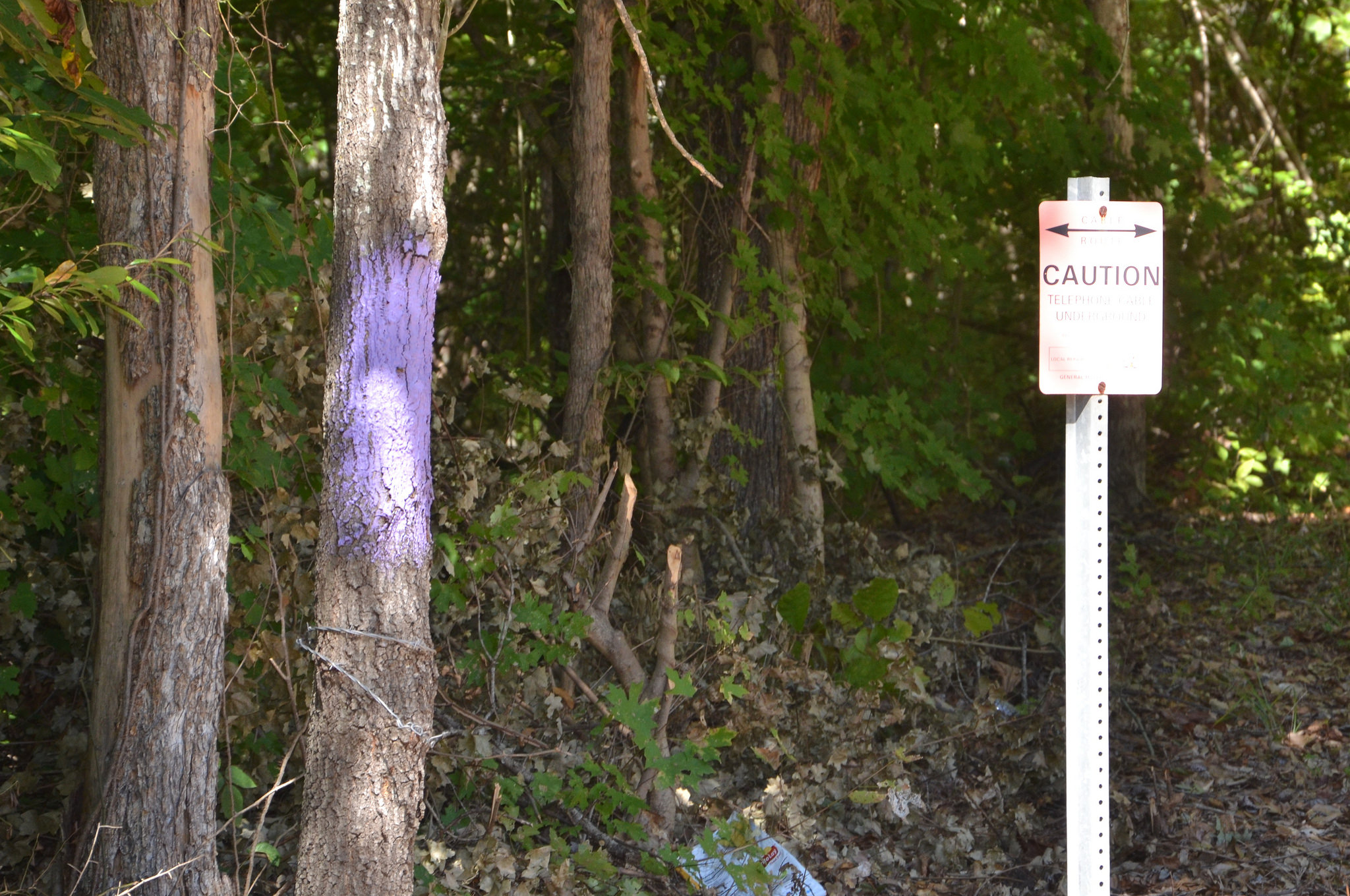
Purple paint on this tree marks “No Trespassing”. Image courtesy of creativecommons.org (Photo by: Robert Burns, Texas A&M AgriLife Communications.)
A new Indiana law went into effect on July 1st, that may help you mark your property boundaries more efficiently to prevent trespassing. The “purple paint law” is found in Indiana Code IC 35-43-2-2 and stipulates that appropriately applied purple paint can be used to mark your property with the same legal effect as using a No Trespassing sign. Landowners attempting to protect their property from trespassing have often been frustrated by the need to post signs and replace signs torn down, vandalized, or rendered unreadable by the elements. Marking boundaries with purple paint should provide a more efficient and inexpensive option, as well as eliminating placing nails in your trees.
Below are the guidelines for applying the paint marks to indicate a No Trespassing area.
- Each purple mark must be readily visible to any person approaching the property and must be placed on:
- a tree:
- as a vertical line of at least eight (8) inches in length and with the bottom of the mark at least three (3) feet and not more than five (5) feet from the ground; and
- not more than one hundred (100) feet from the nearest other marked tree; or
- a post:
- with the mark covering at least the top two (2) inches of the post, and with the bottom or the mark at least (3) feet and not more than five (5) feet six (6) inches from the ground; and
- not more than thirty-six (36) feet from the nearest other marked post; and
- a tree:
- Before a purple mark that would be visible from both sides of a fence shared by different property owners or lessees may be applied, all of the owners or lessees of the properties must agree to post the properties with purple marks under subsection (c)(4).
You can view the code at: Indiana General Assembly.
Consider using a high quality boundary marking paint to extend the lifespan of your paint applications.
Resources:
Indiana General Assembly, Private Property and Trespassing Code of Indiana
Private Property Rights: Rights, Responsibilities & Limitations, The Education Store, Purdue Extension’s resource center
Lenny D Farlee, Extension Forester
Purdue University Department of Forestry and Natural Resources
If you care about wild animals, let them be wild. Most young wild animals you encounter are not orphaned. What may seem like an abandoned animal is normal behavior for most wildlife, to avoid predators. Picking up a wild animal you think is orphaned or abandoned is unnecessary and can be harmful to the animal or you.
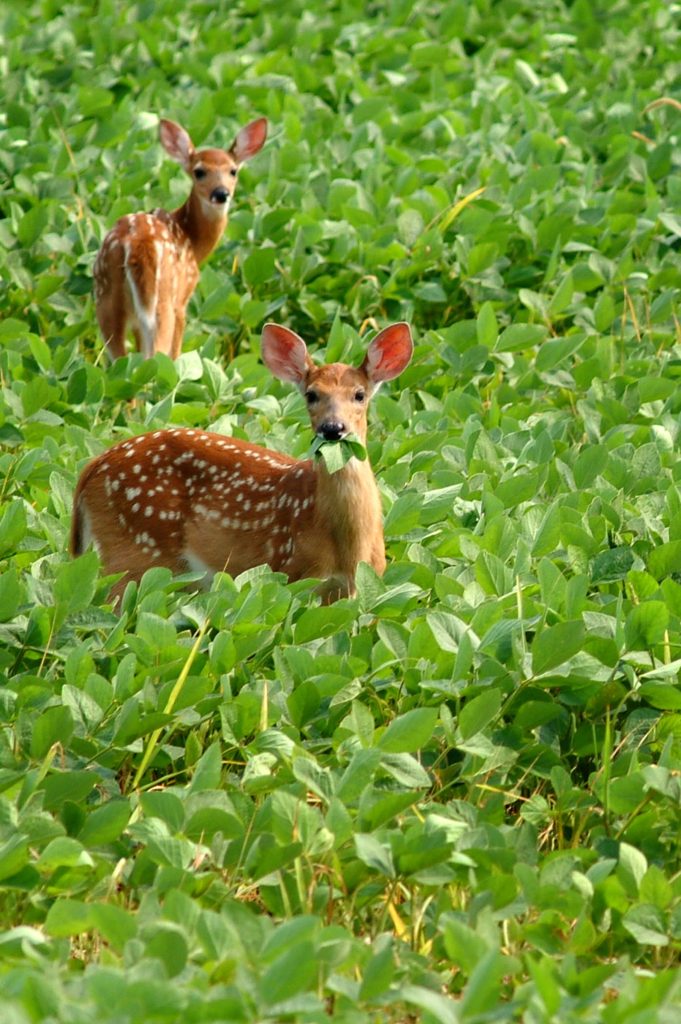 If you find a wild animal that is truly abandoned, sick or injured, here is what you can do:
- Leave it alone, in its natural environment. Don’t turn wildlife into pets.
- Call a licensed wild animal rehabilitator who is trained in caring for wild animals.
- If the animal is sick or severely injured, call a licensed veterinarian.
Resources:
Mammals of Indiana, J.O. Whitker and R.E. Mumford
Common Indiana Mammals, The Nature of Teaching, The Education Store-Purdue Extension’s resource center
Orphaned and Injured Animals, Indiana Department of Natural Resources (IDNR)
MyDNR Indiana’s Outdoor News, Indiana Department of Natural Resources
Jennifer Koch, and other researchers with the U.S. Forest Service, has spent the last several years studying what are known as lingering ash – trees that have fared much better against the emerald ash borer. The invasive beetle, which came to North America from Asia about 20 years ago, has killed millions of ash trees around the Midwest.

An adult emerald ash borer feeds off a leaf. (Purdue University Department of Entomology photo/John Obermeyer)
But for reasons that researchers are learning more about, some trees have survived.
Koch says they’ve identified at least two reasons why. Lingering ash seem to attract fewer hungry adult ash borers, which means they’re less likely to become homes to eggs. And when eggs do hatch on lingering ash trees, they tend to be smaller and have a higher mortality rate.
Those are extremely valuable characteristic for modern ash trees, so Koch is making sure they get passed on through cloning. Not genetic modification, but rather clonal duplicates of lingering ash literally cut from part of the parent tree.
Maybe most importantly, Koch says the cloned trees appear to be even more resistant to the ash borer. With their cloned trees healthy and growing, researchers are waiting on the next generation of seeds to see if they’re even more resistant than their cloned parents.
Koch says they plan to add more lingering ash seedlings into their on-site orchard this year. Ash trees planted from seed typically take seven to 10 years to begin giving off seeds of their own, so it could be another decade before Koch knows just how successful their ash tree breeding program can be.
See full article: Attack Of The Clones: Ohio Researchers Find New Hope For Fighting Ash Borer, WOSU Public Media
Resources:
Question: What options do we have to treat our ash trees against the Emerald Ash Borer?, Got Nature?, Purdue Extension-FNR
Invasive Pest Species: Tools for Staging and Managing EAB in the Urban Forest, Got Nature?, Purdue Extension-FNR
Emerald Ash Borer, Purdue Extension-Entomology
Emerald Ash Borer Tools & Resources – Purdue Extension Entomology
WOSU Radio, Columbus, Ohio
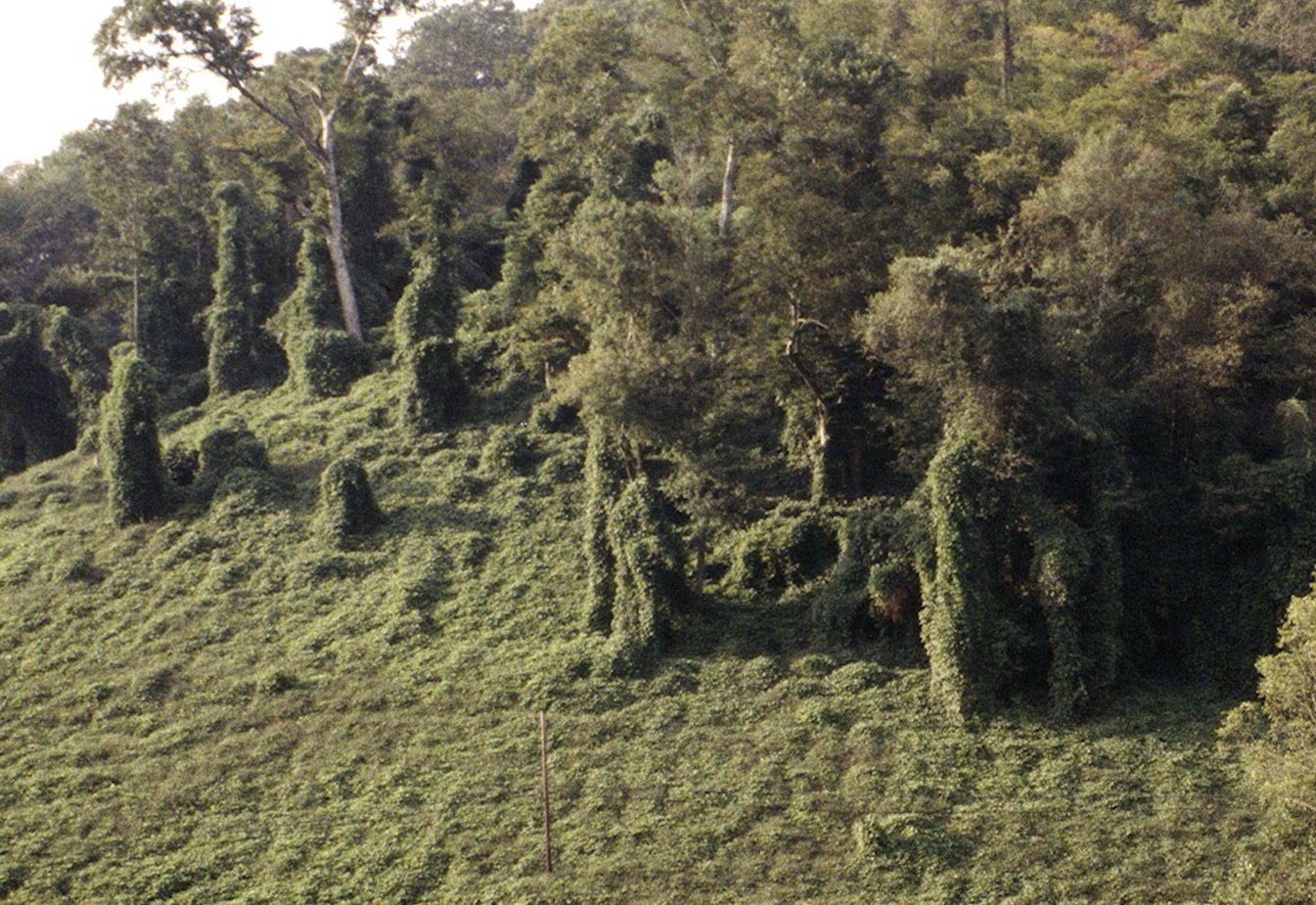
(Figure 1) Mile-a-minute vine grows more than 25 feet in height in one growing season, overtopping shrubs, small trees and growing up forest edges. Image by: USDA APHIS PPQ Archive, USDA APHIS PPQ, Bugwood.org
Preventing the establishment of new invasive species is priority number one and the best expenditure of limited resources in an invasive species management program. Next in priority is early detection of and rapid response (EDRR) to the first report of a new invasion. Stopping invasive species from entering or, next best, at their initial point of introduction saves the incalculable costs later-on associated with rapidly spreading, all-consuming invasive species populations. The verification of a report of mile-a-minute vine (Persicaria perfoliata) on a property in Monroe County, Indiana on May 14, 2018 sets a historical precedence demonstrating a growing capability of detecting and reporting new invaders. The population was very small at this spot and had apparently been sprayed by a homeowner with herbicide, not necessarily to kill the mile-a-minute, but likely to kill the companion multiflora rose.
Our hope is that this is the only instance of mile-a-minute vine in Indiana. There is a significant probability that it is not! In the coming months, a more thorough survey of this property and surrounding area will be conducted to look for more of the vine. But now Indiana stands on high alert as natural resource professionals keep a look out for more of this highly-invasive pest. However, there are too few professionals with eyes on the landscape. The more eyes trained to identify the very distinct characteristics of mile-a-minute, the higher the chance of us catching it before it explodes across the landscape, wreaking havoc and mayhem in our forests and fields, wildlife habitat and mushroom hunting and birding grounds.

(Figure 2) The leaves are simple, alternate, light green and a nearly perfect triangle shape. Image by: Leslie J. Mehrhoff, University of Connecticut, Bugwood.org
All landowners, land stewards, and nature lovers are needed to be additional eyes looking for this insidious threat this summer and in coming years. Please take a moment to learn its identifying characteristics. If you think you have found it, please report it on EDDMapS (Early Detection & Distribution Mapping System) or from your smart phone on the GLEDN (Great Lakes Early Detection Network) app. If you are unsure if you are correctly identifying it, please contact a forester or other natural resource professional for confirmation or just report it in EDDMapS or the GLEDN app, along with photos, and a professional in your area will verify its identification before it actually gets posted.
Mile-a-minute identification:
Mile-a-minute vine is a member of the buckwheat family, Polygonaceae. Although its common name exaggerates its growth potential, this annual vine can grow as much as 6 inches a day and can reach heights of more than 25 feet within the growing season. It forms very dense, tangled mats, growing over shrubs, small trees and up the sides of forest edges (Fig. 1). The leaves are simple, alternate, light green and a nearly perfect triangle shape (Fig. 2). The delicately narrow, green to red-tinted stems, and the petiole (leaf stem) and midrib on the underside of the leaves are armed with small, stiff, recurved barbs (Fig. 3). Small, cup- or saucer-shaped leaf structures, called ocreae, encircle the stem at each node (Fig. 4). Clusters of small white, rather inconspicuous, flowers emerge from the ocreae. Flowers develop into clusters of deep, iridescent blue berry-like fruits, approximately 5 mm in diameter, each fruit containing a single black or reddish-black hard seed, called an achene. Seeds are dispersed by birds and mammals, including chipmunks, squirrels and deer, which eat the fruit. Floodwaters facilitate long distance dispersal of seed.
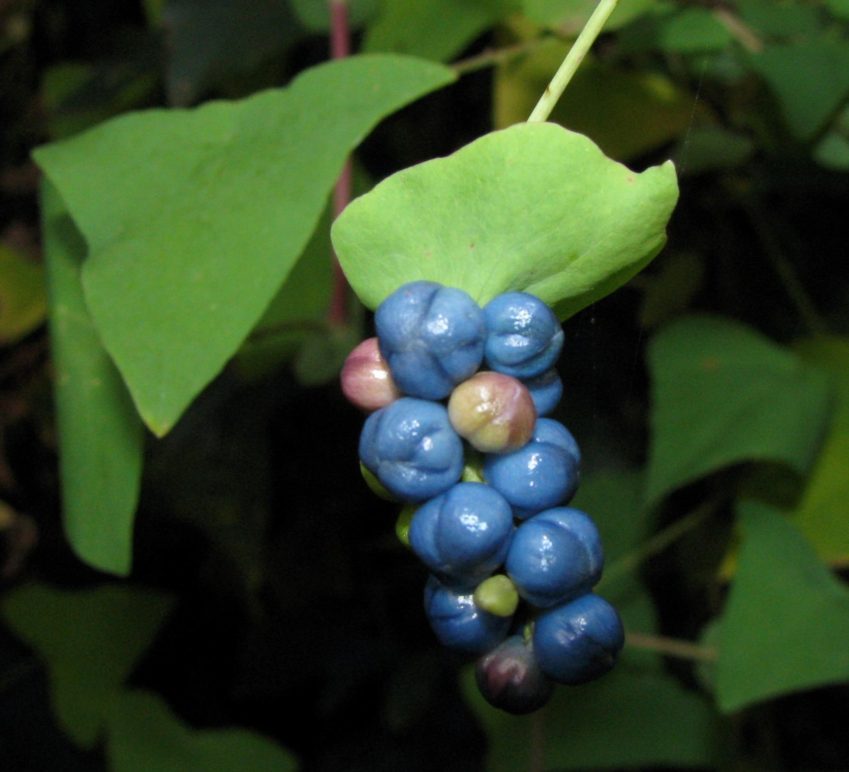
(Figure 4) Small, cup- or saucer-shaped leaf structures, called ocreae, encircle the stem at each node. Flowers emerge from the ocreae and develop into clusters of deep, iridescent blueberry like fruits. Image by: Leslie J. Mehrhoff, University of Connecticut, Bugwood.org
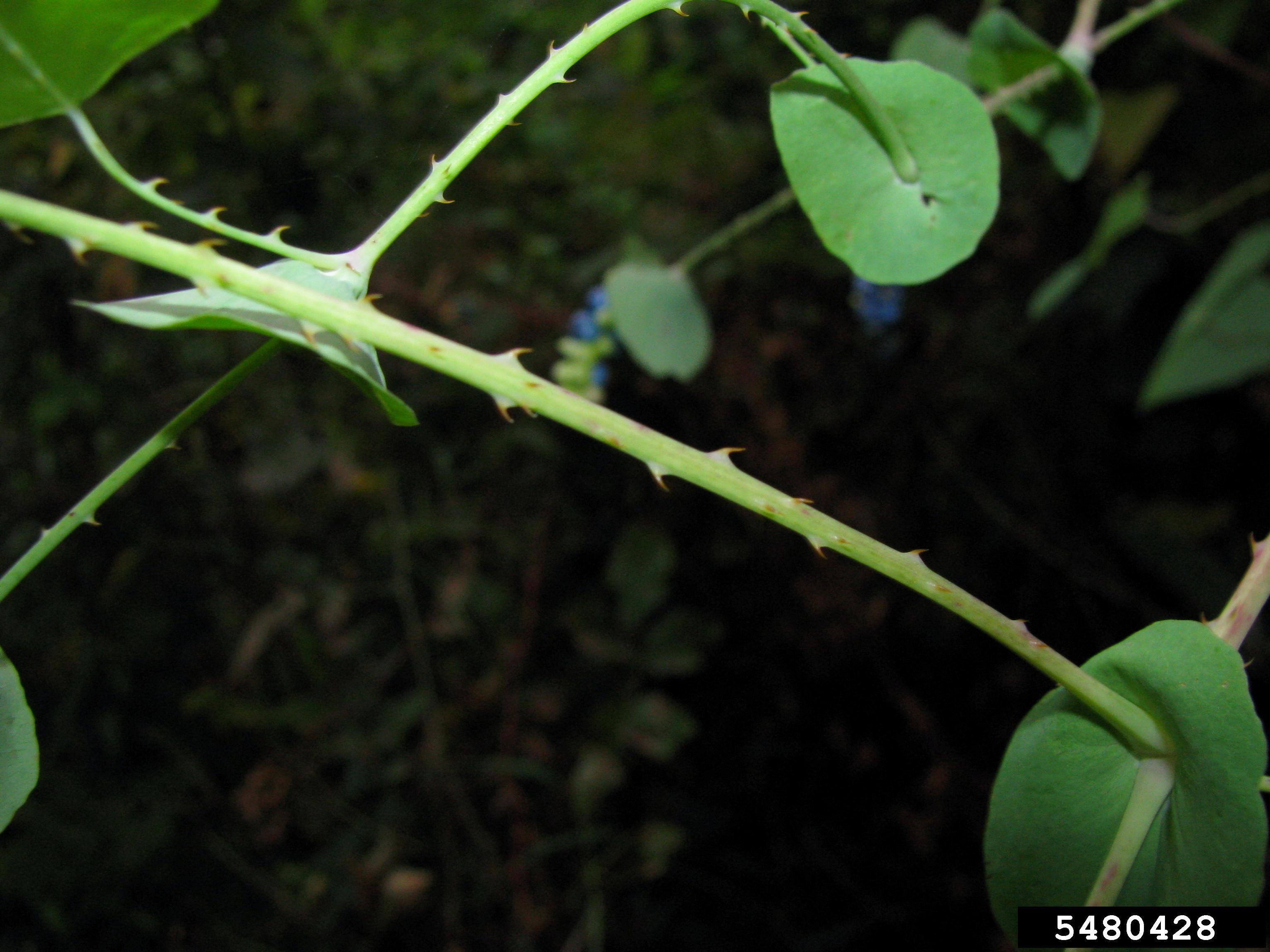
(Figure 3) The delicately narrow, green to red-tinted stems, and the petiole (leaf stem) and midrib on the underside of the leaves are armed with small, stiff, recurved barbs. Image by: Leslie J. Mehrhoff, University of Connecticut, Bugwood.org
Resources:
Mile-a-Minute Vine, FNR-481-W, The Education Store, Purdue Extension’s resource center
Mile-a-minute vine: What you need to know about the plant that can grow 6 inches a day, Indianapolis Star
Invasive Species – Indiana Department of Natural Resources (IDNR)
Ask an Expert – Purdue Extension-Forestry and Natural Resources
Indiana Invasive Species Council – Includes: IDNR, Purdue Department of Entomology and Professional Partners
EDDMaps – Early Detection and Distribution Mapping System
Report Invasives, College of Agriculture
Great Lakes Early Detection Network App (GLEDN) – The Center for Invasive Species & Ecosystem Health
Ron Rathfon, Regional Extension Forester SIPAC
Purdue Department of Forestry and Natural Resources
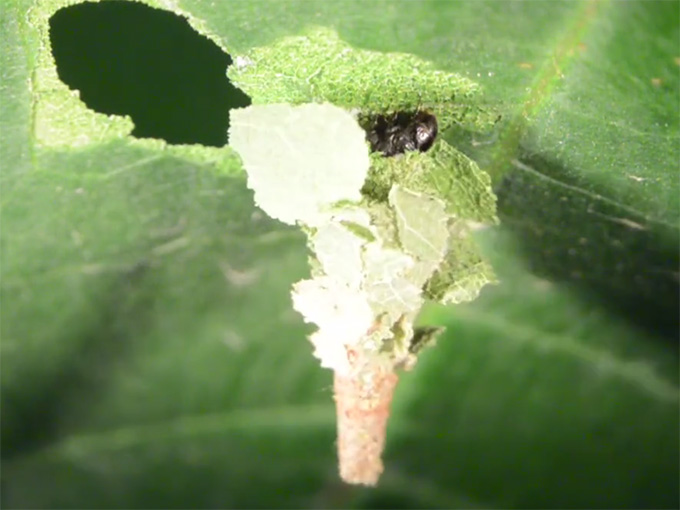 The evergreen bagworm, as its name implies, is well known for its ability to defoliate evergreen trees and shrubs like spruce, arborvitae, fir, junipers and pine. When given a chance, it will also feed on deciduous trees like maples, honeylocust, and crabapples. In late May and early June bagworms hatch from eggs that overwinter in the bag of their mother. When young bagworms begin feeding on broadleaved plants the caterpillars are too small to feed all the way through, so they leave circular patterns of skeletonization. Bagworms can be easily controlled with a spray application of spinosad (Conserve, or Fertilome borer and bagworm killer), or Bacillus thuringiensis (Dipel). More control options are available on the Purdue Tree Doctor App, purdueplantdoctor.com.
View this video located on the Purdue Plant Doctor App Suite Facebook page to watch a young bagworm caterpillar poke its head out of its silken bag to feed on a maple leaf. The young caterpillar scrapes the leaf surface to feed, and cuts bits of green tissue and glues it on its back. At the end of the video it sticks out its legs and flips the entire bag over to hide from the lights.
Resources:
Purdue Plant Doctor App Suite, Purdue Extension-Entomology
Landscape & Ornamentals: Bagworms, The Education Store
Upcoming Workshops, Purdue Extension-Forestry & Natural Resources
Ask An Expert, Purdue Extension-Forestry & Natural Resources
FNR contacts:
Lindsey Purcell, Urban Forestry Specialist
Purdue University, Department of Forestry and Natural Resources
Lenny D Farlee, Sustaining Hardwood Extension Specialist
Purdue University Department of Forestry and Natural Resources
Author:
Cliff Sadof, Professor
Purdue University Department of Entomology

Recent Posts
- Alert – Water Your Trees, Watch Video
Posted: June 20, 2025 in Alert, Drought, Forests and Street Trees, How To, Urban Forestry, Wildlife, Woodlands - IN DNR Deer Updates – Epizootic Hemorrhagic Disease Detected in Several Areas in Indiana
Posted: October 16, 2024 in Alert, Disease, Forestry, How To, Wildlife, Woodlands - 2024 Turkey Brood Count Wants your Observations – MyDNR
Posted: June 28, 2024 in Alert, Community Development, Wildlife - Spongy Moth in Spring Time – Purdue Landscape Report
Posted: June 3, 2024 in Alert, Forestry, Forests and Street Trees, How To, Invasive Insects, Urban Forestry - MyDNR – First positive case of chronic wasting disease in Indiana
Posted: April 29, 2024 in Alert, Disease, How To, Safety, Wildlife - Report Spotted Lanternfly – Purdue Landscape Report
Posted: April 10, 2024 in Alert, Forestry, Invasive Insects, Plants, Wildlife, Woodlands - Declining Pines of the White Variety – Purdue Landscape Report
Posted: in Alert, Disease, Forestry, Plants, Wildlife, Woodlands - Are you seeing nests of our state endangered swan? – Wild Bulletin
Posted: April 9, 2024 in Alert, Forestry, How To, Wildlife - 2024-25 Fishing Guide now available – Wild Bulletin
Posted: April 4, 2024 in Alert, Aquaculture/Fish, Aquatic/Aquaculture Resources, How To, Ponds, Wildlife - Look Out for Invasive Carp in Your Bait Bucket – Wild Bulletin
Posted: March 31, 2024 in Alert, Aquaculture/Fish, Aquatic/Aquaculture Resources, Invasive Animal Species, Wildlife
Archives
Categories
- Alert
- Aquaculture/Fish
- Aquatic/Aquaculture Resources
- Ask the Expert
- Christmas Trees
- Community Development
- Disease
- Drought
- Forestry
- Forests and Street Trees
- Gardening
- Got Nature for Kids
- Great Lakes
- How To
- Invasive Animal Species
- Invasive Insects
- Invasive Plant Species
- Land Use
- Natural Resource Planning
- Nature of Teaching
- Plants
- Podcasts
- Ponds
- Publication
- Safety
- Spiders
- Timber Marketing
- Uncategorized
- Urban Forestry
- Webinar
- Wildlife
- Wood Products/Manufacturing
- Woodland Management Moment
- Woodlands