 Purdue University - Extension - Forestry and Natural Resources
Got Nature? Blog
This native tree comes with its own defense system in very large thorns on the stems and trunk. Meet the honey locust. Purdue Extension forester Lenny Farlee explains that large, long yellow seed pods that resemble bean pods, the option of single or doubly compound leaves on the same tree and smooth gray bark also help identify this species.
If you have any questions regarding wildlife, trees, forest management, wood products, natural resource planning or other natural resource topics, feel free to contact us by using our Ask an Expert web page.
Resources:
ID That Tree, Playlist, Purdue Extension – Forestry and Natural Resources Youtube Channel
A Woodland Management Moment, Playlist, Purdue Extension – FNR Youtube Channel
Shrubs and Woody Vines of Indiana and the Midwest, The Education Store, Purdue Extension Resource Center
Native Trees of the Midwest, The Education Store
Investing in Indiana Woodlands, The Education Store
Forest Improvement Handbook, The Education Store
Lenny Farlee, Sustaining Hardwood Extension Specialist
Purdue University Department of Forestry and Natural Resources
On this edition of ID That Tree, Purdue Extension forester Lenny Farlee introduces you to one of our common bottomland trees, the Eastern Cottonwood. This tree stands out for its triangular or delta shaped leaves, often with prominent teeth along the edges, which extend from long flattened leaf stems. This native tree is named for its early season fruit, which is a little tuft of white hairs that holds a small seed that is produced in large quantities and often blown far from the parent tree.
If you have any questions regarding wildlife, trees, forest management, wood products, natural resource planning or other natural resource topics, feel free to contact us by using our Ask an Expert web page.
Resources:
ID That Tree, Playlist, Purdue Extension – Forestry and Natural Resources Youtube Channel
A Woodland Management Moment, Playlist, Purdue Extension – FNR Youtube Channel
Shrubs and Woody Vines of Indiana and the Midwest, The Education Store, Purdue Extension Resource Center
Native Trees of the Midwest, The Education Store
Investing in Indiana Woodlands, The Education Store
Forest Improvement Handbook, The Education Store
Lenny Farlee, Sustaining Hardwood Extension Specialist
Purdue University Department of Forestry and Natural Resources
Like the rest of the red/black oak group, the Northern Red Oak has multi-lobed leaves with bristle tips. This native tree, however, has a group of buds at the terminal end of the stem that are smooth, shiny and reddish brown to brown in color. A strong identifier for this species is the bark, which looks like ski tracks or long running ridges that run up and down the sides of the tree. The acorns feature tight shallow caps with tight scales that resemble a beret.
For more on the red oak group, watch this video.
If you have any questions regarding wildlife, trees, forest management, wood products, natural resource planning, or other natural resource topics, feel free to contact us by using our Ask an Expert web page.
Resources:
ID That Tree, Playlist, Purdue Extension – Forestry and Natural Resources Youtube Channel
A Woodland Management Moment, Playlist, Purdue Extension – FNR Youtube Channel
Shrubs and Woody Vines of Indiana and the Midwest, Purdue University Press
Native Trees of the Midwest, Purdue University Press
Investing in Indiana Woodlands, The Education Store
Forest Improvement Handbook, The Education Store
Lenny Farlee, Sustaining Hardwood Extension Specialist
Purdue University Department of Forestry and Natural Resources
Purdue Landscape Report: Finally, spring has sprung and summer is on its way. The hot days and warm nights are welcome for us, but summer isn’t always so kind to our trees, especially in our urban forests and landscapes. Trees are dynamic living organisms that respond to external stimuli in very strategic ways and each season presents its own challenges and summer is no different.
During the summer, growth slows as some resources become limited and typically, this is water. As the summer season progresses, the likelihood of less rain means potential drought conditions. The primary responses of a tree to heat and drought are a reduction in photosynthesis and carbon assimilation rates. This translates to a reduction in energy production and food reserves. This reduction can increase vulnerability to health issues and reduced defense mechanisms against pests.
There are some key steps to summer tree care which can help trees through potentially challenging conditions in the summer.
- Watch the water; be sure to supplement trees with additional watering when there isn’t adequate rainfall that measures at least an inch per week. Mature trees need supplemental watering just as the younger, newly established trees. Be sure to know the symptoms of dry conditions and how much to water with more information here.
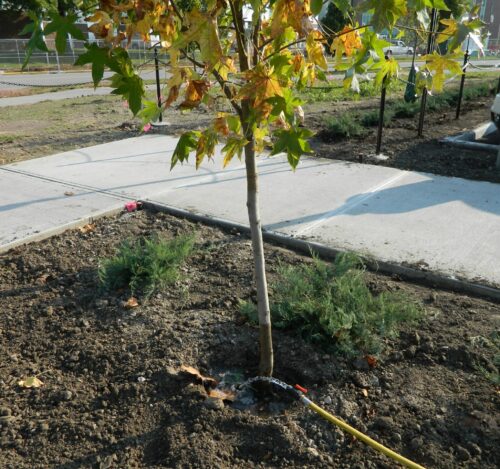
Drought symptoms should be monitored weekly to prevent decline and dieback during the dry months.
- Refresh your mulch; adding mulch to tree rings or even better, expanding them is a great way to reduce water requirements and competition for water and other resources. As trees grow, so do the roots under the tree and expanding mulching rings outward to the dripline of the crown is a great way to keep trees healthier. Also, this helps with those surface root issues as well.
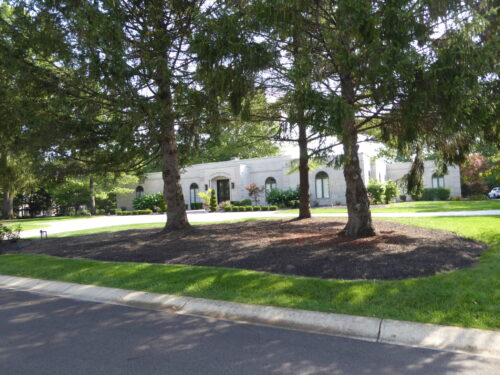
Expanding mulch rings is a great way to improve tree root health and reduce surface root issues.
- Don’t get bugged too much; summer brings out the best in pests too! Many mite and scale species love the heat and can cause major damage and even death to your trees. Look for signs and symptoms of scale infestations and mite damage on your trees and shrubs now. More information on scales can be found here. Additional details on mite damage can be found here.
- A nip and tuck are fine; summer is actually a good time to prune as needed to meet objectives such as reducing risk, improving branch structure, and removing conflicts or improving aesthetics. Be sure to only remove what is necessary and reduce the amount of live, green tissue removal. Remember, this is what produces food for the tree. Additional tree pruning techniques are discussed in this publication.
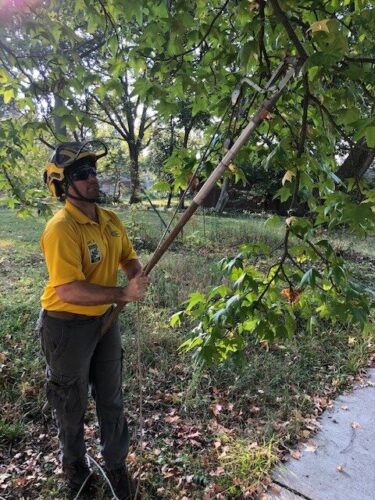
Proper pruning during the summer is a good way to improve aesthetics and stability during stormy weather.
- Call in a professional; it is always a good idea to consult an ISA Certified Arborist for answers to tree questions. A reputable arborist trained in best practices and current research can provide the best solutions to keeping trees healthy and reduce potential risk for damage during those summer storms. Finding a qualified arborist can be a challenge itself. Refer to this website to find an ISA arborist near you.
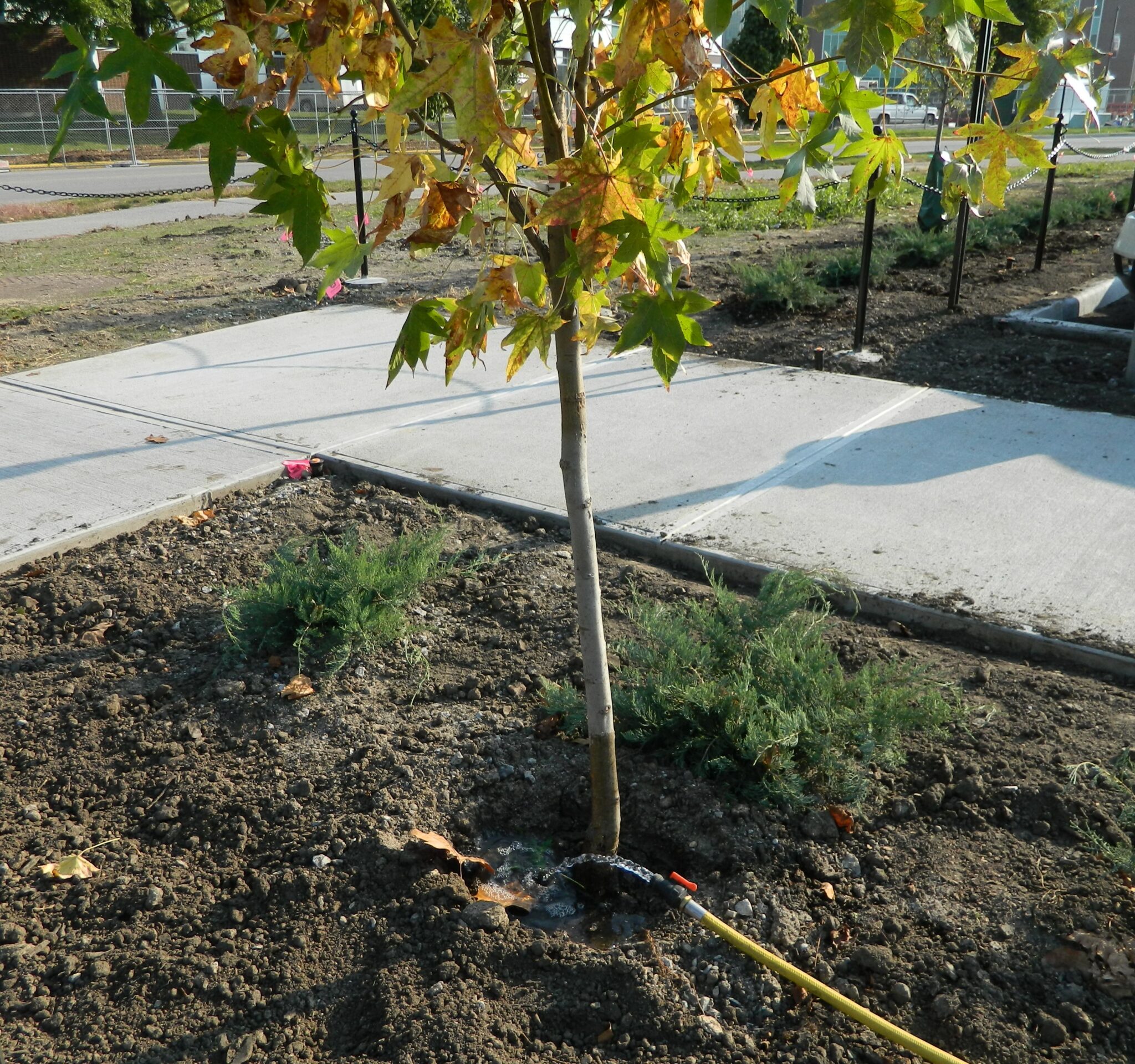
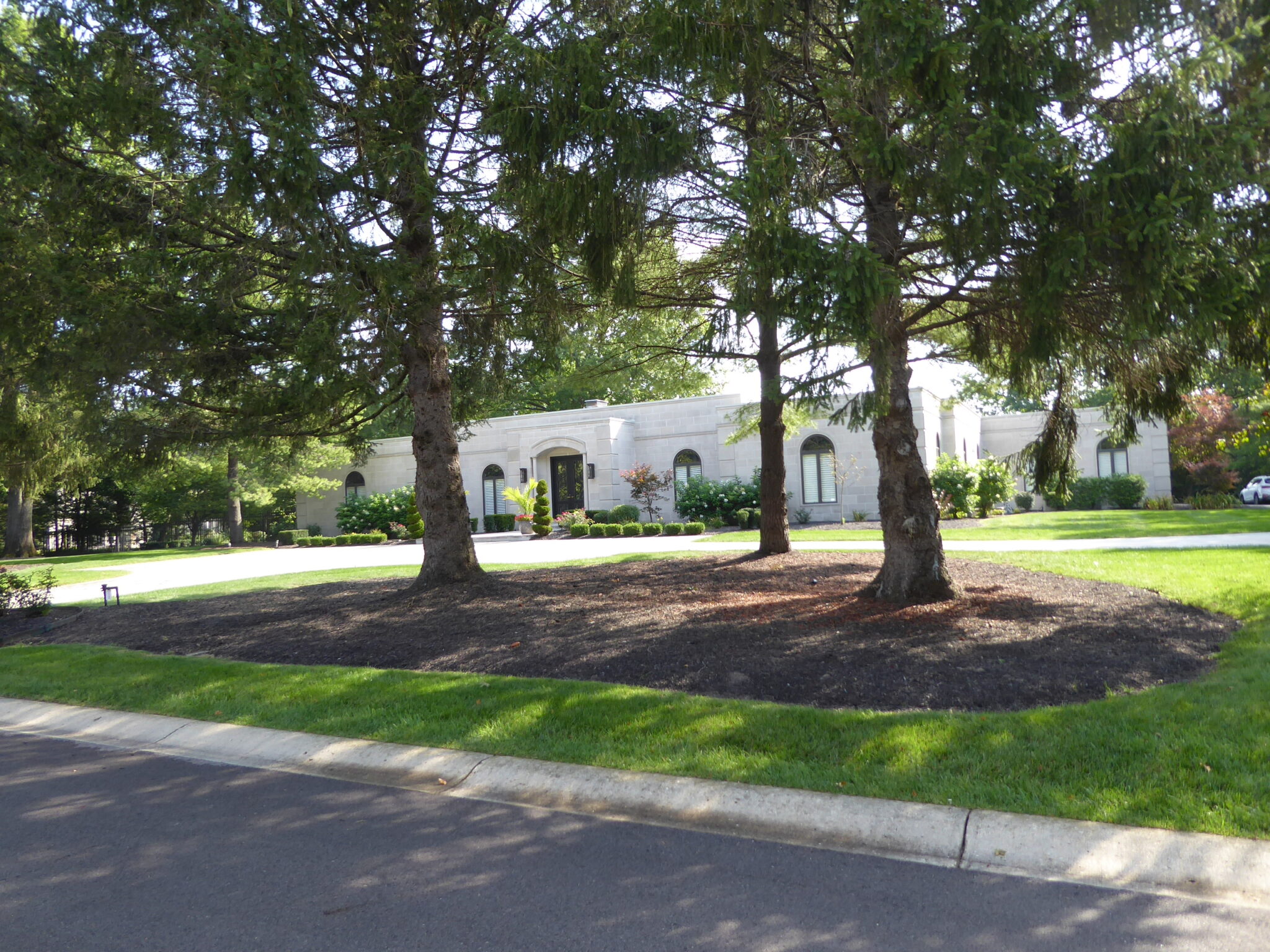
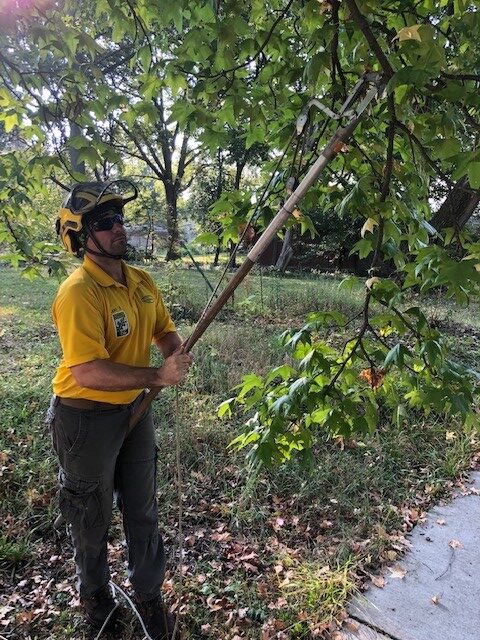
For additional information on urban tree care, check out all the publications at the Purdue Education Store.
Resources:
Planting Your Tree Part 1: Choosing Your Tree, Purdue Extension YouTube Channel
Tree Planting Part 2: Planting a Tree, Purdue Extension YouTube Channel
Tree Selection for the “Un-natural” Environment, The Education Store, Purdue Extension resource center
Tree Installation: Process and Practices, The Education Store
Tree Pruning Essentials Video, Purdue Extension YouTube Channel
Tree Defect Identification, The Education Store
Tree Wound and Healing, Got Nature? Blog, Purdue Extension – Forestry and Natural Resources
Surface Root Syndrome, The Education Store
Purdue Landscape Report
Lindsey Purcell, Urban Forestry Specialist
Purdue Department of Forestry and Natural Resources
Purdue Landscape Report: Pruning is an important maintenance practice on trees that is discussed a great deal. An essential part of making the pruning cut properly is the ability to identify the parts of a branch. Identification of the branch bark ridge and branch collar are vital to severing the branch in a place that facilitates fast and effective wound closure, reducing decay in the location of the cut.
Branches on trees arise from lateral buds present in leaf axils. Initially, lateral shoots (branches) grow in length and diameter at approximately the same rate as the parent stem. As branches become shaded naturally by crown expansion, photosynthesis is reduced in that location and growth slows to a lesser rate than the parent or main stem. A swollen area or collar develops at the junction of branch and stem because of their differential growth rates and by the intermingling of vascular tissues from both the branch and the stem or trunk.
This swollen area is commonly referred to as a branch collar and often present in many branches on the underside of the branch. This specialized location on the branch is composed of trunk (parent stem) wood. The branch collar contains a protective chemical zone that inhibits the movement of decay organisms from dead or dying branches into healthy tissues of the parent stem. As branches begin to die from shading, pests or storm damage, for examples, they usually are walled off (compartmentalized) by tissues in the branch collar which prevents movement of decay organisms into the parent stem.
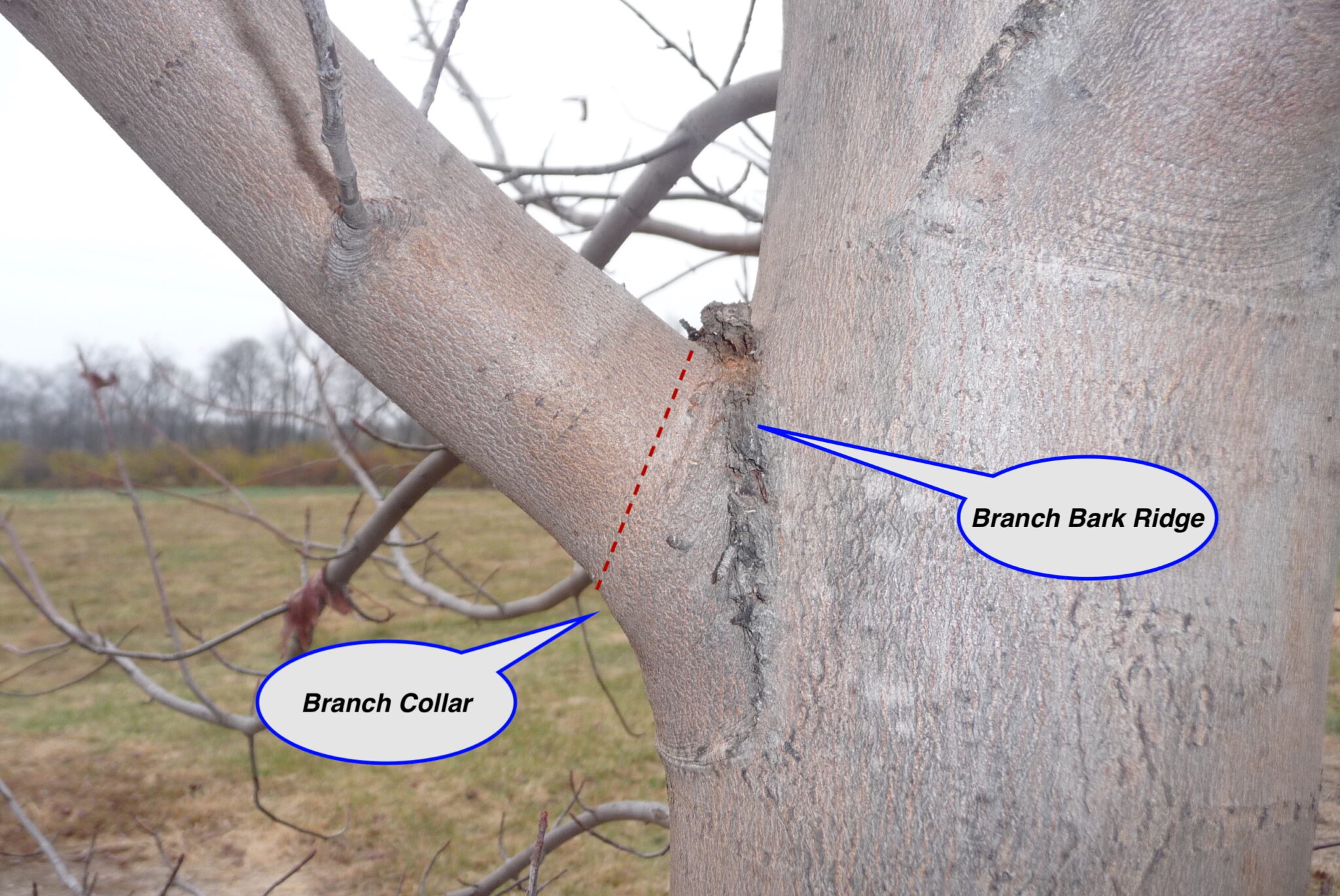
Identify the branch collar and branch bark ridge to perform a good cut, which is just outside the line.
Another important branch component to identify in tree branches is the branch bark ridge. This part of the attachment is composed of rough, usually darkened, raised bark formed at the union where the branch meets the parent stem. The ridge extends from the top of the branch down both sides of the branch union. Together with the branch collar, the portion of the ridge pushed up in the union provides our target for the pruning cut. The BBR is present on every branch union and is an important identifying feature for determining tool placement.
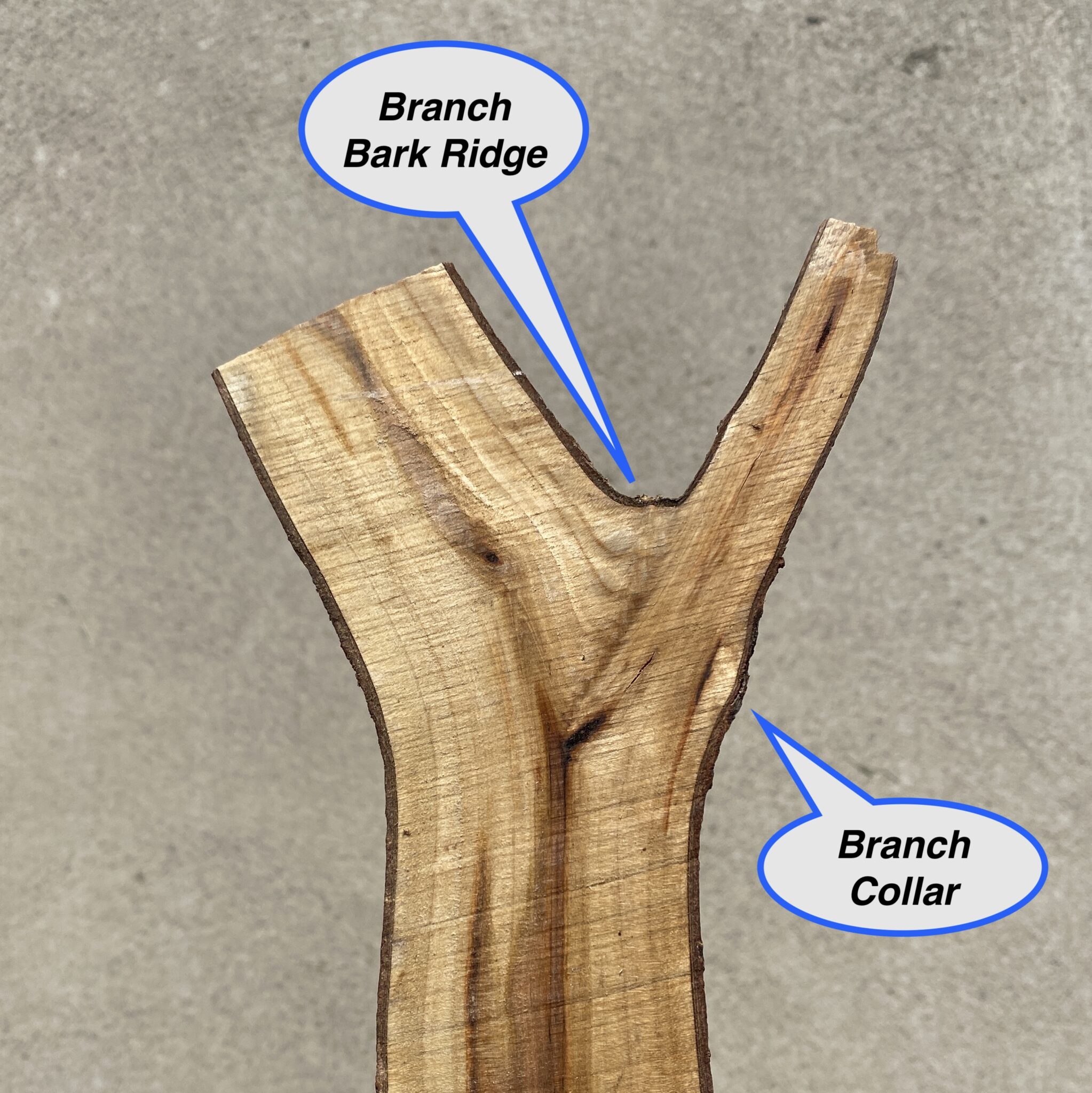
An internal view of the branch collar and branch bark ridge revealing the intermingled stem and branch wood fiber.
The combination of the branch collar, branch bark ridge, and the overlap between the branch and stem are the branch components that form what is called the branch protection zone. This zone contains specialized chemical compounds that help resist the spread of disease in the tree and facilitate wound-sealing. Always avoid damaging the area within the branch collar and branch bark ridge to help the tree recover from the pruning cut as quickly as possible.
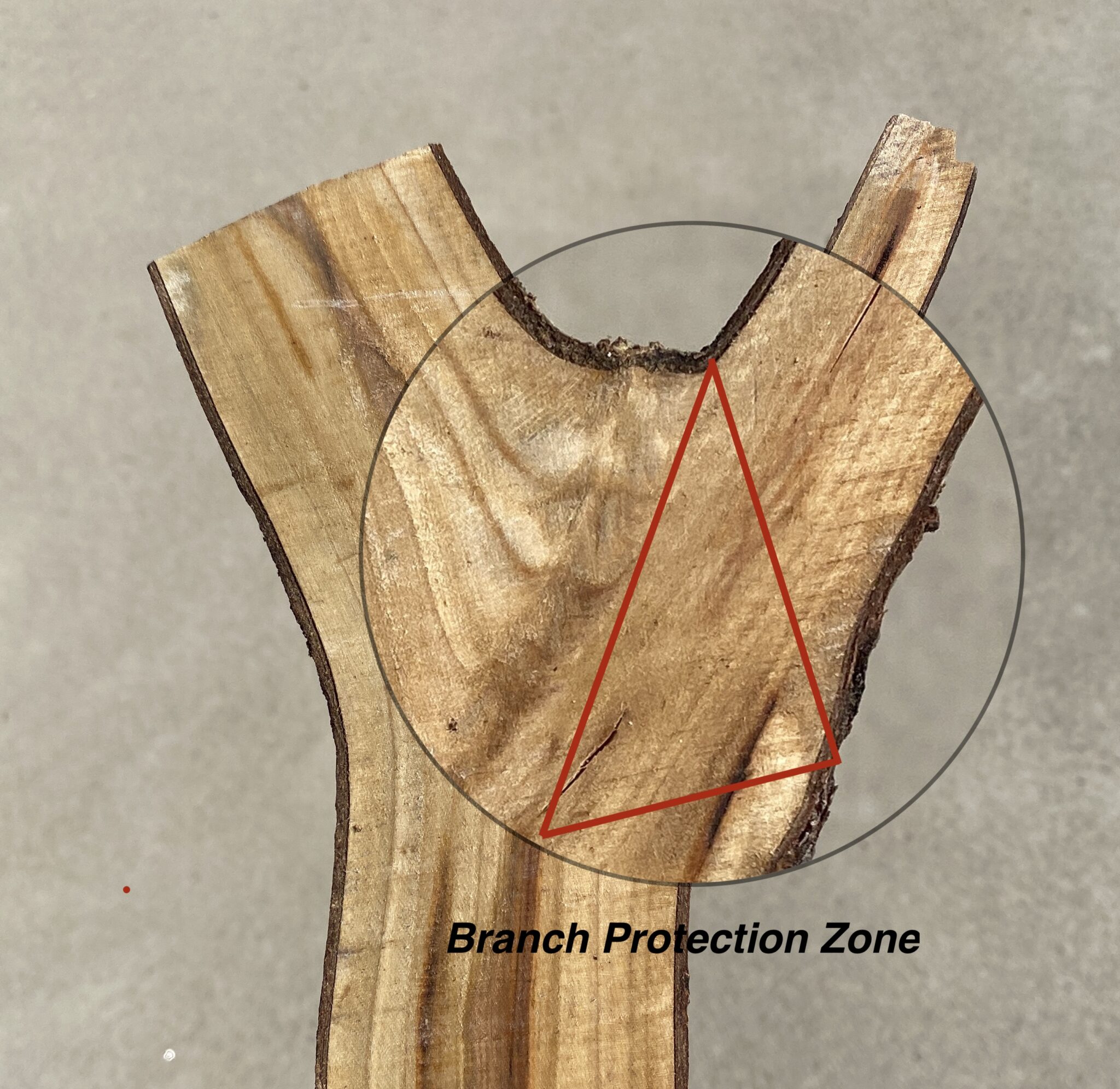
The Branch Protection Zone is an area that contains specialized chemicals to assist with the healing process after pruning.
For the best advice on tree maintenance and care, seek out a tree care professional with the experience and expertise to care for your trees. Search for a tree care provider in your area. Also, consider hiring an ISA Certified Arborist which can be found here.
Resources:
Planting Your Tree Part 1: Choosing Your Tree, Purdue Extension YouTube Channel
Tree Planting Part 2: Planting a Tree, Purdue Extension YouTube Channel
Tree Selection for the “Un-natural” Environment, The Education Store, Purdue Extension resource center
Tree Installation: Process and Practices, The Education Store
Tree Pruning Essentials Video, Purdue Extension YouTube Channel
Purdue Landscape Report
Lindsey Purcell, Urban Forestry Specialist
Purdue Department of Forestry and Natural Resources
Purdue Landscape Report: While fungi are responsible for many of our foliar disease problems, different fungal pathogens present as problems throughout the country, depending upon the host plant grown and the environmental conditions. This is a brief overview of several common types of fungal leaf diseases that occur in Indiana and throughout North America (and Europe). Recognizing the symptoms and signs is an important first step to diagnose a disease problem, followed by how to manage these diseases by combining cultural and chemical controls.
Common fungal leaf diseases of deciduous trees and shrubs
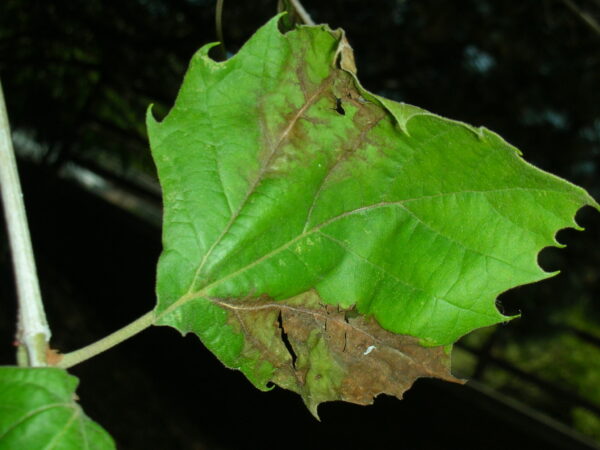
Figure 1. Anthracnose is a yearly problem on sycamore in the Midwest. Photo by Janna Beckerman.
Anthracnose. Anthracnose diseases probably are the best-known foliar fungal diseases of deciduous trees. They affect many ornamental trees including major shade-tree genera such as sycamore (Platanus spp.), oak (Quercus spp.), maple (Acer spp.), elm (Ulmus spp.) and ash (Fraxinus spp.) (Fig. 1). Anthracnose actually is a general term describing symptoms such as dead irregular areas that form along and between the main vein of the leaf. The leaves may also become curled and distorted and twigs may die back. The fungus overwinters in infected twigs and the petioles of fallen leaves, and the spores disseminate in the spring by wind and splashing rain. The disease, while unsightly, rarely results in the tree’s death. Sycamores and other trees often withstand many years of partial defoliation. However, one anthracnose disease is more serious. Dogwood anthracnose (Discula destructiva) is a devastating problem on the Eastern seaboard, but has not been a significant issue here in Indiana.
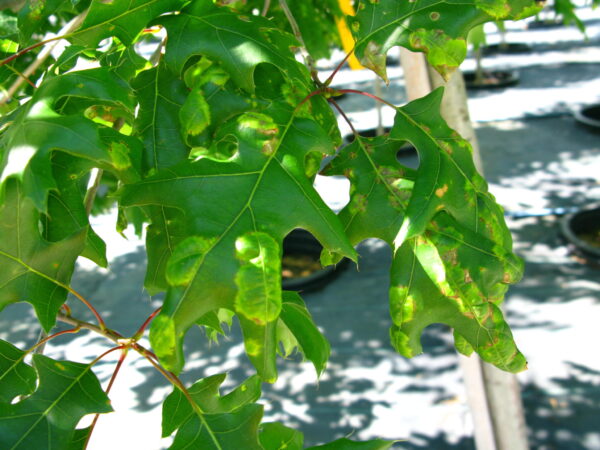
Figure 2. Leaf blister on oak. Photo by Janna Beckerman
Leaf blisters result in the blistering, curling and puckering of leaf tissue. Oak leaf blister (Taphrina caerulescens) is a common blister disease of oaks (Fig. 2)., particularly the red oak subgenus, which includes Northern red oak (Q. rubra) and pin oak (Q. palustris) among others. The symptoms begin as a slight yellowing of the infected leaf followed by round, raised blisters. These turn brown, and the infected leaves fall prematurely. This fungus overwinters as spores on the buds.
Leaf spot is a general symptom caused by a multitude of pathogens and infect all deciduous trees and shrubs, and include dead spots with a defined boundary between living and dead tissue. The dead tissue often separates from the surrounding living tissue creating a “shot-hole” appearance on the infected leaves. Common hosts include dogwood, maples, hydrangea, rose, holly, and Indian-hawthorn.
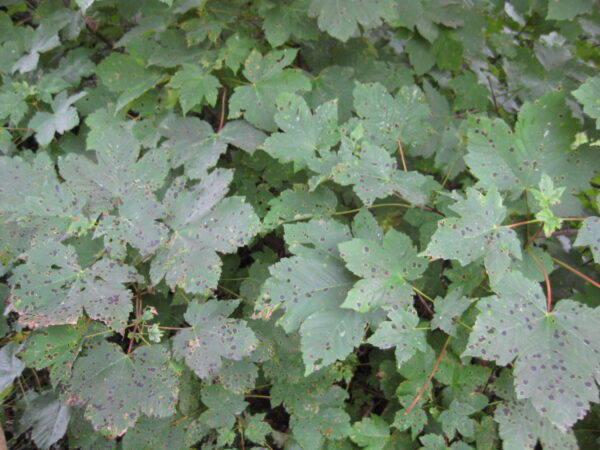
Figure 3. Tar spot is increasing in incidence and severity in Indiana. Photo by Janna Beckerman.
Tar spot (Rhytisma spp.) is a leaf disease with initial symptoms similar to leaf spot. The disease is most common on red (Acer rubrum) and silver maple (A. saccharinum) (Fig.3), but it can occur on a wide range of maple species from sugar (A. saccharum) and Norway (A. platanoides) to bigleaf maple (A. macrophyllum). The symptoms begin in the spring as small greenish-yellow spots on the upper leaf surface that, by mid-summer, progress to black tar-like spots about 0.5 inch in size. The disease is not fatal to the tree, but the appearance of the tar spots alarms some tree owners. A major outbreak in New York about 10 years ago left many maples completely defoliated by mid-August.
Resources:
Diplodia Tip Blight of Two-Needle Pines, The Education Store, Purdue Extension resource center
Boxwood Blight, The Education Store
Disease of Landscape Plants: Cedar Apple and Related Rusts on Landscape Plants, The Education Store
Planting Your Tree Part 1: Choosing Your Tree, Purdue Extension – Forestry & Natural Resources (FNR) YouTube Channel
Tree Planting Part 2: Planting a Tree, Purdue Extension – FNR YouTube Channel
Find a Certified Arborist, Trees are Good-International Society of Arboriculture (ISA)
Video: Step by Step to Find an Arborist, Trees are Good-International Society of Arboriculture (ISA)
Professional Forester, Indiana Forestry Woodland Owners Association
District Forester, Indiana Department of Natural Resources, 10+ acres
Trees and Storms: Understanding Damage, Risk and Recovery – Got Nature? Blog, Purdue Extension – FNR
Why Is My Tree Dying? – Got Nature? Blog, Purdue Extension – Forestry and Natural Resources
Tree Risk Management – Got Nature? Blog, Purdue Extension – FNR
Tree Pruning Essentials, Publication & Video, The Education Store
Tree Wound and Healing, Got Nature? Blog, Purdue Extension – FNR
What are Invasives Species and Why Should I Care?, Got Nature? Blog, Purdue Extension – FNR
Subscribe – Purdue Extension-FNR YouTube Channel
Janna Beckerman, Professor of Plant Pathology
Purdue Department of Botany and Plant Pathology
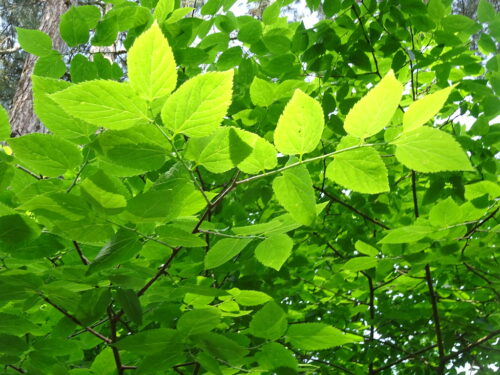 Question: My hackberry trees are dropping leaves for no apparent reason. The leaves look fine, no bugs or mold spots or discoloration of any kind. Do you have any idea what might be causing the leaf drop?
Answer: The loss of leaves on hackberries in spring is an occasional phenomenon in the Midwest. The exact cause has never been determined. In past years, no association was found between the leaf drop and insects or diseases. The most popular theory is that cold spring temperatures may have damaged the leaf buds or newly developing leaves, causing the leaf drop. Remember that blast of winter in April!? It’s likely the loss of leaves in spring is temporary. In past years, affected hackberries quickly developed new leaves and recovered completely. Just be patient and wait for the reflush of growth.
Leaves may be falling from your maple trees right now. This is a common spring issue caused by the maple petiole borer. Look closely at the fallen leaves for abnormally short petioles and examine the tree canopy for broken petioles that have remained attached. Although sugar maples are generally preferred, other maples may occasionally be infested. Fortunately, while the leaf drop may appear dramatic, the actual impact on the overall health of affected trees is minimal, so controls are not necessary. Also, a re-flush of leaves may be expected.
Resources:
Will My Tree Recover After Losing Their Leaves, Purdue Landscape Report
Planting Your Tree Part 1: Choosing Your Tree, Purdue Extension YouTube Channel
Planting Your Tree Part 2: Planting A Tree, Purdue Extension YouTube Channel
Tree Installation: Process and Practices, The Extension Store, Purdue Extension resource center
Ask an Expert: Tree Selection and Planting, Purdue FNR Extension YouTube Channel
Find a Certified Arborist, International Society of Arboriculture (ISA)-Trees Are Good
Lindsey Purcell, Urban Forestry Specialist
Purdue Department of Forestry and Natural Resources
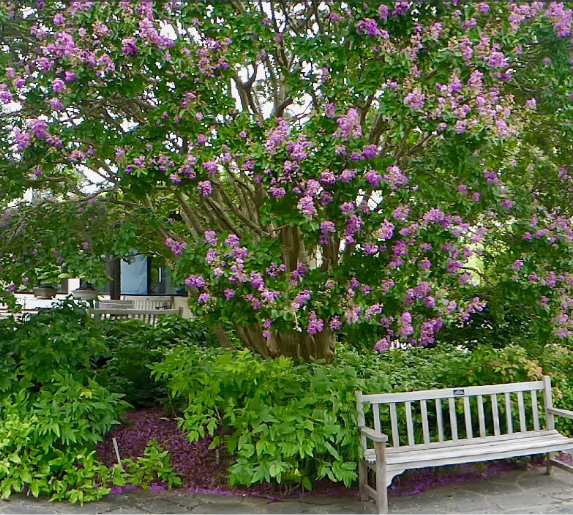 Question: We live near the Amazon Fulfillment Center in the Jeffersonville/Charlestown area. We have significant wind most days. We planted a dogwood tree in our front yard 2 years ago. It struggled through last spring and this year half is not going to make it. Is there a better, preferred tree for this area that we might choose to replace it? We prefer a short stature tree vs one that may reach 20 to 30 feet.
Answer: Dogwood trees can be a challenge to sustain in the landscape due to its environmental requirements. Cornus florida is a “woods edge” tree that like moist, well-drained soil. Most importantly, these trees require protection and at least partial shade to guard against the wind and sun. Recommended publication: Tree Selection, Tree Installation.
Resources
Tree Selection, The Education Store, Purdue Extension resource center
Ask an Expert: Tree Selection and Planting, Purdue Extension – FNR YouTube Channel
Tree Installation, The Education Store
Tree Pruning Essentials, Publication & Video The Education Store
Tree Selection, Tree Installation & Tree Pruning for Landscape, Webinars, Purdue Extension – Forestry and Natural Resources YouTube channel
Planting Problems: Trees Planted Too Deep, Purdue Extension – FNR YouTube Channel
ID That Tree, Purdue Extension – FNR Playlist
Lindsey Purcell, Urban Forestry Specialist
Purdue University, Department of Forestry and Natural Resources
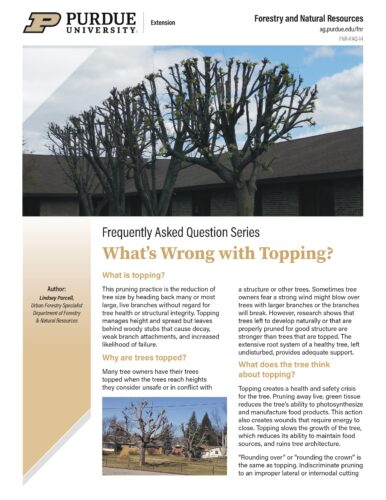 As trees grow and reach heights which many consider to be unsafe, tree owners would often top their trees by reducing the tree size. This is by heading back most of the large, live branches from the tree. However, topping trees proves to be more damaging than beneficial.
Topping trees can cause decay, weak branch attachments, and an increased likelihood of failure. If we do not top our trees and leave them to develop naturally, the structural strength of the trees is stronger than those that are not topped. The extensive root system, when left undisturbed, provides adequate support for the trees.
This publication titled What’s Wrong with Topping goes in-depth on the implications of topping and provides better alternatives to topping.
To view other urban forestry publications and video resources, check out Purdue Extension’s The Education Store website.
Resources:
Planting Your Tree Part 1: Choosing Your Tree, Purdue Extension YouTube Channel
Tree Planting Part 2: Planting a Tree, Purdue Extension YouTube Channel
Tree Selection for the “Un-natural” Environment, The Education Store, Purdue Extension resource center
Tree Installation: Process and Practices, The Education Store
Tree Pruning Essentials Video, Purdue Extension YouTube Channel
Lindsey Purcell, Urban Forestry Specialist
Purdue Department of Forestry and Natural Resources
Purdue Landscape Report: J. Sterling Morton had a strong enthusiasm for trees and advocated intensely for individuals and civic groups to plant them. Once he became secretary of the Nebraska Territory, he further spread his message of the value of trees and Morton first proposed a tree planting holiday to be called “Arbor Day” at a meeting of the State Board of Agriculture.
The celebration date was set for April 10, 1872. Prizes were offered to counties and individuals for the largest number of properly planted trees on that day. It was estimated that more than 1 million trees were planted in Nebraska on the first Arbor Day.
Many other states also passed legislation to observe Arbor Day each year. By 1920, more than 45 states and territories were celebrating Arbor Day. The tree planting tradition became prominent in schools across the nation in 1882, with students were learning about the importance of trees as well as receiving a tree to plant in their own yard. They continue to do so today in many states.
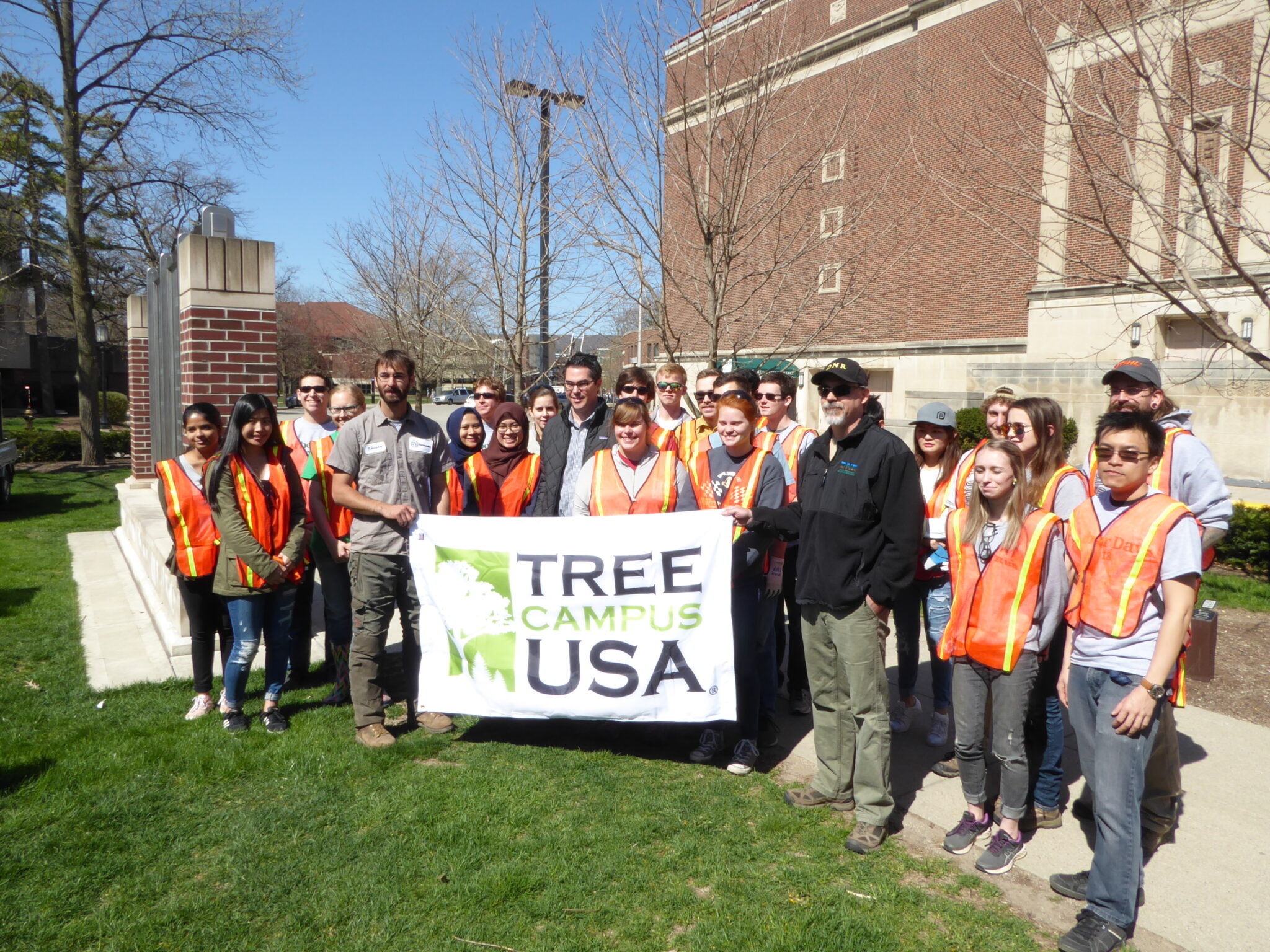
Celebrate arbor day by planting a tree!
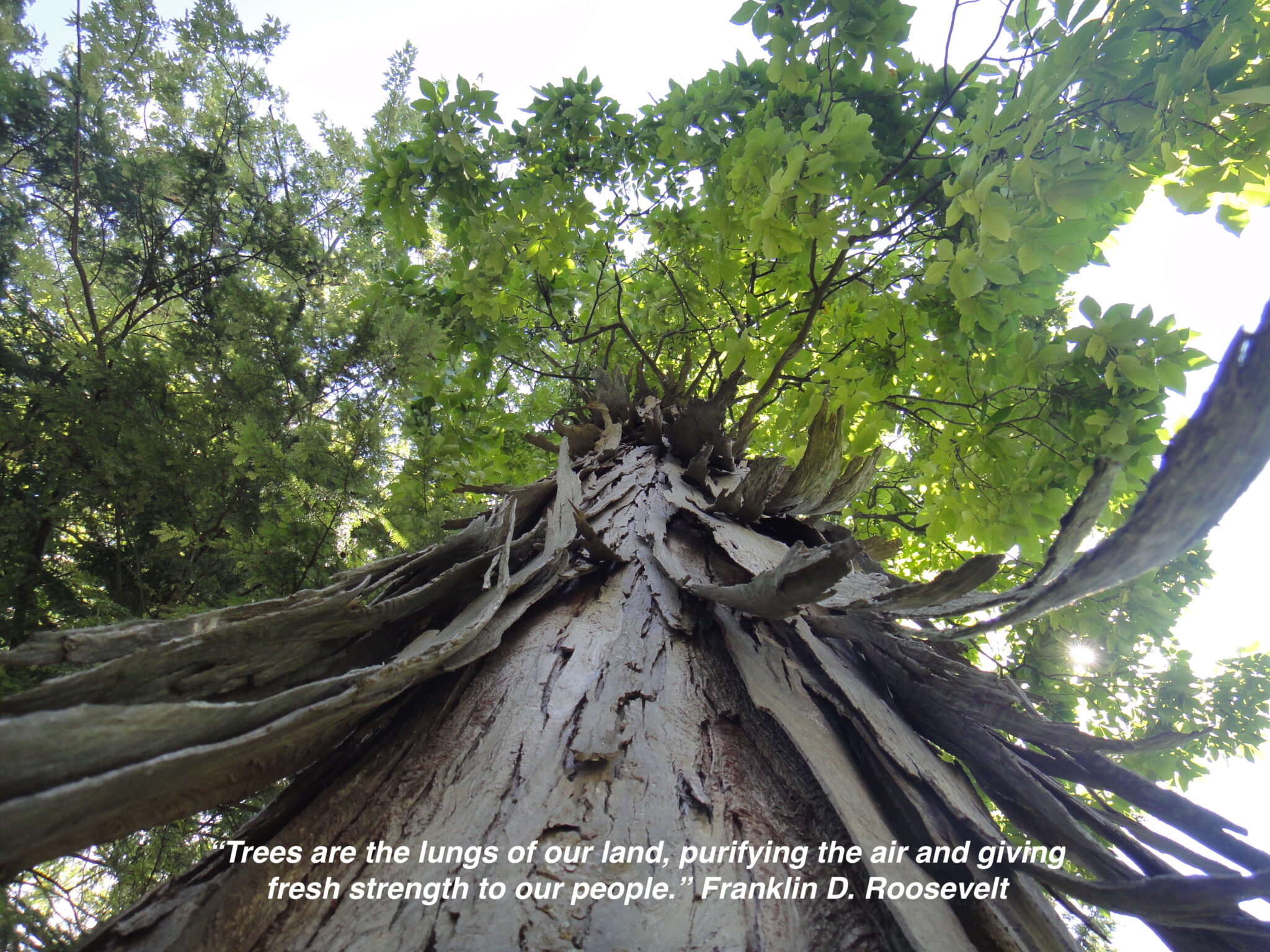
Trees make a difference in our lives, every day.
Currently, Arbor Day is celebrated in all 50 states. The most common date for the state observance is the last Friday in April — National Arbor Day — but a number of state Arbor Days are at other times to coincide with the best tree planting weather, from January and February in the south to May in the far north.
Find out when people in your state gather together to plant and celebrate trees.
So, just why do we celebrate trees? They are essential to our health and quality of life. Trees provide many benefits, called ecosystem services, that impact nearly every aspect of our daily life. Trees improve air and water quality, reduce heating and cooling costs, improve health outcomes, increase business, and so much more. Simply stated, we need trees.
How do we determine the value of those benefits trees provide where we live? Research and technology have made it much easier to quantify those ecosystem services. The value of your tree and the ecosystem services it provides can be found by visiting this web page. It’s fun and easy to find out just what your tree contributes to the urban forest.
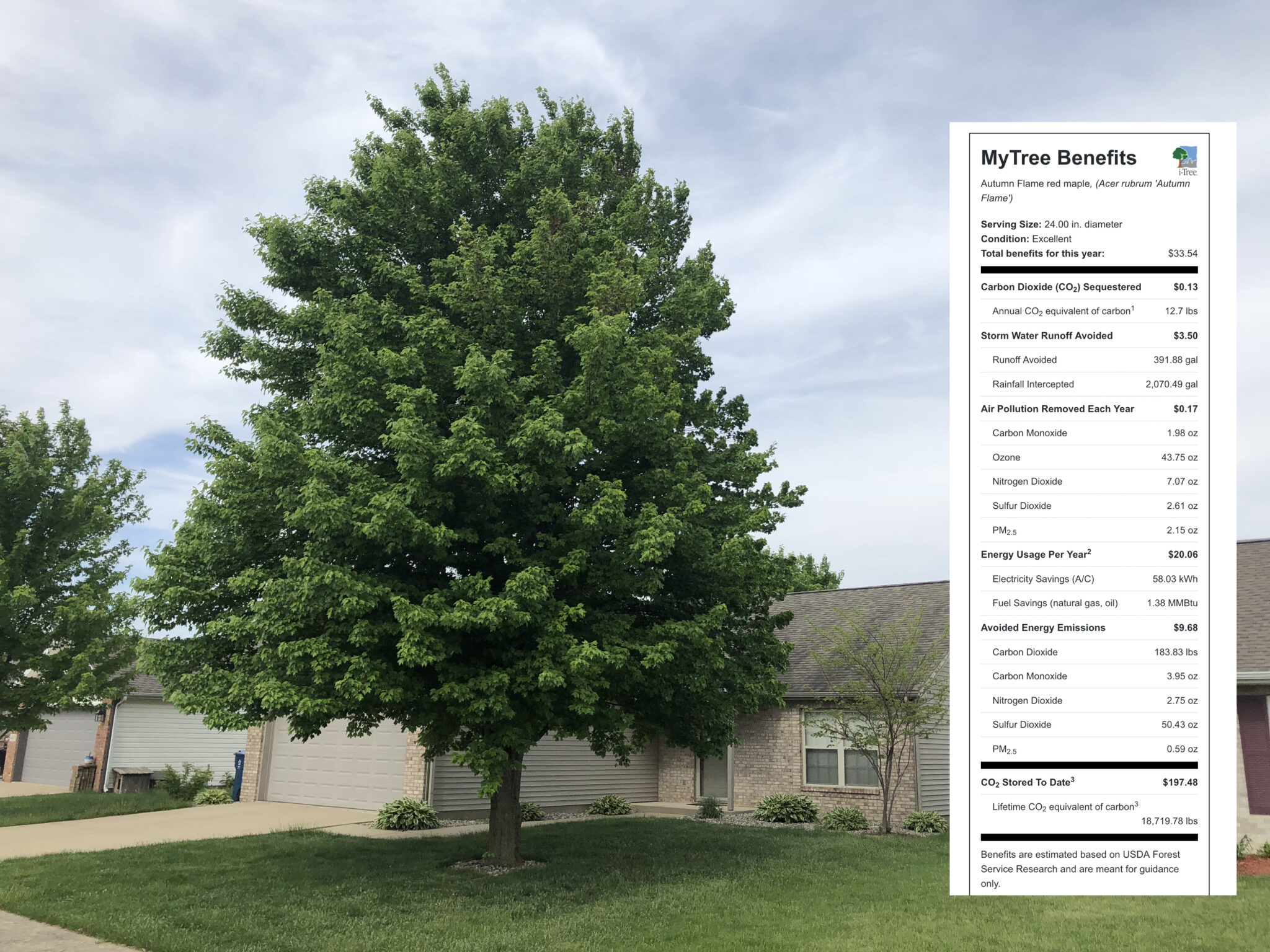
Find out what your tree is worth in benefits.

Trees provide ecosystem services including shade.
Join us in paying tribute to our trees which make up our urban forests by selecting and planting a tree where you live or taking part in a community tree planting. Learn how to choose and plant a tree properly to help improve the longevity and hopefully it will be providing those benefits in the future for your grandchildren and beyond. Trees can be a living legacy to great environmental stewardship. Plant trees not just for the future, but with a future. Some additional resources are available below:
For the best advice on tree planting and care, seek out a tree care professional with the experience and expertise to care for your trees. Search for a tree care provider in your area. Also, consider hiring an ISA Certified Arborist which can be found here.
Resources
Tree Appraisal and the Value of Trees, The Education Store, Purdue Extension resource center
Resources and Assistance Available for Planting Hardwood Seedlings, The Education Store
Tree Support Systems, The Education Store
Tree Planting Part 1: Choosing A Tree, Video, Purdue Extension YouTube channel
Tree Planting Part 2: Planting Your Tree, Purdue Extension Video
Planting Problems: Trees Planted Too Deep, Video, Purdue Extension – Forestry and Natural Resources
Tree Selection for Landscape, Purdue Extension – FNR Video
Tree Installation for the Landscape, Purdue Extension – FNR Video
Tree Pruning for the Landscape, Purdue Extension – FNR Video
Lindsey Purcell, Urban Forestry Specialist
Purdue University, Department of Forestry and Natural Resources

Recent Posts
- Disease May Cause Wilting and Eventual Death of Certain Trees and Shrubs, Purdue Landscape Report
Posted: October 5, 2026 in Disease, Forestry, Plants - October Is Firewood Month: Protect Indiana’s Forests by Making Smart Choices
Posted: October 1, 2026 in Forestry, Forests and Street Trees, How To, Invasive Insects, Urban Forestry - Minecraft Meets the Hellbender
Posted: September 22, 2026 in Aquaculture/Fish, Aquatic/Aquaculture Resources, Wildlife - Is It Too Early to Think About Christmas Tree Pests?
Posted: in Christmas Trees, Invasive Insects, Safety - What You Plant Matters to Wildlife
Posted: September 16, 2026 in Plants, Urban Forestry, Wildlife - Woodland Flowers of Late Summer
Posted: September 14, 2026 in Forestry, Gardening, Wildlife, Woodlands - Heavy August Rains Bring More Mosquitoes to Indiana
Posted: September 9, 2026 in How To, Invasive Insects, Safety, Wildlife - Question: Why Did the Shagbark Hickories Survive the Tornado?
Posted: August 27, 2026 in Forests and Street Trees, How To, Urban Forestry - New Indiana Woodland Steward Newsletter
Posted: August 12, 2026 in Forestry, Urban Forestry, Wildlife, Woodlands - Indiana Fall Hunting Licenses on Sale and New Mobile App Available
Posted: in Forestry, How To, Wildlife
Archives
Categories
- Alert
- Aquaculture/Fish
- Aquatic/Aquaculture Resources
- Ask the Expert
- Christmas Trees
- Community Development
- Disease
- Drought
- Forestry
- Forests and Street Trees
- Gardening
- Got Nature for Kids
- Great Lakes
- How To
- Invasive Animal Species
- Invasive Insects
- Invasive Plant Species
- Land Use
- Natural Resource Planning
- Nature of Teaching
- Plants
- Podcasts
- Ponds
- Publication
- Safety
- Spiders
- Timber Marketing
- Urban Forestry
- Webinar
- Wildlife
- Wood Products/Manufacturing
- Woodland Management Moment
- Woodlands