 Purdue University - Extension - Forestry and Natural Resources
Got Nature? Blog
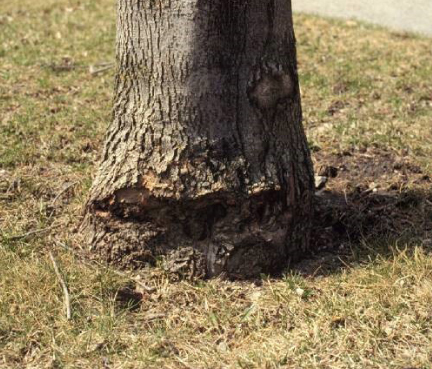
Photo from publication FNR-492-W
Question: I am actually a Master Gardner in Hamilton County and I need help with a tree bark damage question. We have a beautiful dogwood tree that is about 18’ tall and 6” in diameter. By accident my husband backed into the tree with his truck while unloading mulch – he did not see it! Now there is severe damage to the bark at the bumper height – about 3” wide and 14” long. All the way down the bark is gone.
What are the chances the tree will survive? What if anything should I do at this point?
My husband wanted to cover it with painter’s tape to protect it but I know that is not good for the tree. Please let me know your suggestions as I do hope to save the tree if possible.
Answer: Well, that is certainly an unfortunate accident for the tree! There may be a rescue treatment worth trying that research has shown promise in sealing the wound. The ability for the tree to seal and close off wounds is based on species, age and energy resources. Additionally, follow these instructions…
- Keep the tree healthy; mulch and supplemental watering during drought conditions.
- Trace the wound with a wood file and sharp knife, removing any loose bark to a clean wound.
- Take black plastic and attach it to the tree wound, just past the wound edge, using small, ¼” staples from a staple gun.
- Attach the plastic so that it forms a seal which will help to maintain a moist environment for parenchyma cells to do their work at compartmentalizing and creating wound wood on the perimeter of the damaged area.
- The plastic may need to be checked periodically to be sure it is attached well until removal.
- Leave the wound covered for about 12 months, then remove carefully.
This will not guarantee recovery, but research has indicated it does facilitate healing more quickly in many species. Continue to monitor for health and recovery.
Good luck!
Resources
Tree Wound and Healing, Got Nature? Blog, Purdue Extension – Forestry and Natural Resources
Equipment Damage to Trees, Got Nature? Blog
Tree Defect Identification, The Education Store, Purdue Extension resource center
Tree Pruning Essentials, Publication & Video, The Education Store
Tree Pruning: What Do Trees Think?, The Education Store
Mechanical Damage to Trees: Mowing and Maintenance Equipment, The Education Store
Tree Planting Part 1: Choosing a Tree, Video, Purdue Extension Channel
Tree Planting Part 2: Planting Your Tree, Purdue Extension Video
Lindsey Purcell, Chapter Executive Director
Indiana Arborist Association
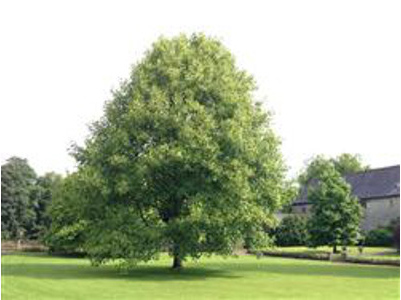
Question: We live in Tippecanoe county and need to transplant a tulip tree that is 2-3’ tall. Could you please tell me when the optimal time would be to transplant? I have read to transplant in the spring, but would like more specific information, so that it will have a good chance of surviving.
Answer: Early spring (before leaves emerge) and fall (after leaf drop) are the best times to transplant deciduous trees. Evergreens are most successfully transplanted in early spring and late summer (late August to mid-September).
Dig and move trees with the soil root mass adhering to portions of their root systems to minimize damage and improve chances of survival. The soil should be moist when the plant is dug. If the soil is dry, thoroughly water the area 3 to 4 days before digging. When digging trees, the radius of the root ball should be approximately 8 to 12 inches for each inch of trunk diameter at chest height. For example, a tree with a 1-inch-diameter trunk should have a soil ball that is 16 to 24 inches in diameter. Using a spade, dig a trench around the tree to a depth of 1½ to 2 feet. Then cut beneath the roots, rounding the bottom of the soil ball. Tip the soil ball to one side, place a piece of burlap or a small tarp in the trench on the opposite side, then carefully tip or roll the soil ball over onto the burlap. IMPORTANT! Manipulate the ball by the root/soil mass and NOT the tree trunk. Tightly secure the burlap or tarp around the soil ball to move it to its next home. Lift and carry the root ball rather than grasping the trunk. If transporting in a vehicle at speeds, be sure to cover the tender buds with a tarp to protect them from drying out.
If possible, replant the tree immediately. Dig a hole that is 2 times the width of the tree’s rootball. The depth of the hole should be 2 or 3 inches less than the height of the soil ball. Be sure the root flare is visible to get the exact depth. Carefully lower the tree into the hole, position it correctly, and begin to place soil back into the hole. Firm the soil around the tree’s rootball with your hands. Then complete the backfilling of the hole and water thoroughly.
Do not allow the soil ball to break during the digging, moving, and replanting process. Home gardeners should limit themselves to transplanting small trees. Trees with a trunk diameter greater than 2 inches should be left to nursery professionals.
Post-planting should include supplemental watering and no fertilization for the first year. Staking or guying may be necessary in vulnerable areas such as exposed or windy sites. Finish with mulch and monitor for pests and dry conditions.
Resources
Certified Arborist to come to your property: Find an Arborist, International Society of Arboriculture
Send in a sample/photos to help diagnose: Purdue Plant & Pest Diagnostic Lab, Botany & Plant Pathology
Contact Purdue Extension County Educator
Tree Installation: Process and Practices
Planting Forest Trees and Shrubs in Indiana
Instructional/training videos (planting tree tips, identifying trees, landscaping with trees and much more):
Purdue Extension – Forestry and Natural Resources YouTube Channel
Join Us LIVE and Ask an Expert: Virtual Live Workshops with Q&A
Invasive Pests:
Invasive Forest Pests in IN, Purdue Extension-Entomology
Indiana Invasive Species Council
Midwest Landscapes: Purdue Landscape Report, Purdue University
Workshops available for land and woodland owners: Purdue Extension-Forestry and Natural Resources Calendar
Lindsey Purcell, Urban Forestry Specialist
Purdue University, Department of Forestry and Natural Resources
Purdue Extension forester Lenny Farlee brings another new video to the ID That Tree series. Enjoy the gorgeous red fall color of the black gum on this special fall foliage edition of ID That Tree.
If you have any questions regarding wildlife, trees, forest management, wood products, natural resource planning or other natural resource topics, feel free to contact us by using our Ask an Expert web page.
Resources
Black Gum and Tupelo, The Education Store, Purdue Extension resource center
Fall Color Pigments, Video, Got Nature? Blog, Purdue Extension – Forestry and Natural Resources
Black Gum/Tupelo, Native Trees of Indiana River Walk, Purdue Fort Wayne
Black Gum & Tupelo, Purdue Arboretum Explorer
ID That Tree, Playlist
A Woodland Management Moment, Playlist
Investing in Indiana Woodlands, The Education Store
Tree Appraisal and the Value of Trees, The Education Store
Forest Improvement Handbook, The Education Store
Lenny Farlee, Sustaining Hardwood Extension Specialist
Purdue University Department of Forestry and Natural Resource
Purdue Extension forester Lenny Farlee says we can thank wildlife, especially birds, for the spread of wild black cherry trees. This tree-sized cherry tree has shiny, elongated leaves with finely toothed margins, and a very dark, flaky bark to go with tiny berries.
If you have any questions regarding trees, forests, wildlife, wood products or other natural resource topics, feel free to contact us by using our Ask an Expert web page.
Resources
Black Cherry, The Education Store, Purdue Extension resource center
Beware of Black Cherry Toxicity; It’s Weedy, Too, Indiana Yard and Garden – Purdue Consumer Horticulture
Black Cherry, Native Trees of Indiana River Walk, Purdue Fort Wayne
Investing in Indiana Woodlands, The Education Store
Tree Appraisal and the Value of Trees, The Education Store
Forest Improvement Handbook, The Education Store
ID That Tree, Playlist, Purdue Extension – Forestry and Natural Resources Youtube Channel
A Woodland Management Moment, Playlist
Lenny Farlee, Sustaining Hardwood Extension Specialist
Purdue University Department of Forestry and Natural Resource
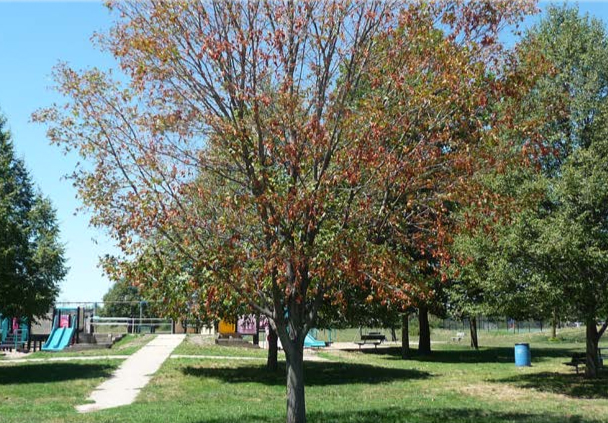 Many homeowners are finding their trees with dry and wilted leaves and no rain in sight. This publication describes how homeowners can deal with these drought-stressed trees, Drought? Don’t Forget the Trees!
Drought can have a major impact on tree health and survival. Water is the most limiting ecological resource for a tree, and without adequate moisture, decline and death are imminent. It reduces carbohydrate production, significantly lowering energy reserves and production of defense chemicals in the tree.
Trees in a weakened state from drought are more susceptible to pests, which can further weaken the tree, and even kill part or all of it. Although there is nothing we can do to prevent drought, it is important to know what can be done to reduce long-term effects of prolonged dry conditions.
Resources:
Water Your Trees, Video, Purdue Extension – Forestry and Natural Resources (FNR) YouTube Channel
Trees in Times of Drought, Video, Purdue Agriculture
INPREPared, Purdue Extension
Drought Information, Indiana Department of Natural Resources
Tree Planting Part 1: Choosing a Tree video, Purdue Extension-FNR YouTube Channel
Lindsey Purcell, Chapter Executive Director
Indiana Arborist Association
 Purdue Landscape Report: The Purdue Landscape Report Team will begin a new, free online series that will start every two weeks on Wednesdays at noon Eastern time zone. The topics and speakers will vary each session, so check out the newsletter every two weeks to find out what follows the next day. You’ll have three ways to attend each session, which you can find below. During each session you’ll be able to ask questions to the speakers on Zoom and Facebook Live. Hope you will join us!
To join the chat on Zoom:
https://purdueextension.zoom.us/j/98937266342
To join the chat via telephone:
US: +1 312 626 6799
To join the chat on Facebook:
https://www.facebook.com/PurdueLandscapeReport
Resources
Purdue Landscape Report
A Woodland Management Moment, Playlist, Purdue Extension – Forestry and Natural Resources Youtube Channel
Invasive Species, Playlist
Woodland Stewardship for Landowners, Playlist
Ask The Expert, Playlist
Surface Root Syndrome, The Education Store, Purdue Extension resource center
Tree Pruning Essentials, The Education Store
Kyle M Daniel, Nursery & Landscape Outreach Specialist
Purdue Horticulture and Landscape Architecture
Callery Pear
Question: We have a customer with an ornamental pear tree that is sprouting shoots throughout their entire front lawn. Do you have any recommendations regarding control, other than removing the tree?
Answer: Hello, and thanks for reaching out with your tree questions. It sounds like the seedlings from ornamental callery pear. For many years, the cultivar Bradford dominated the landscape and was not self-fruiting. But as newer, improved cultivars were introduced to landscapes, they were cross-fruitful with Bradford pears.
So now “volunteer” callery pear trees are seeding themselves in alarming numbers and from their roots as suckers even where they were not planted, helped along by birds. These seedling pears are extremely vigorous and quite precocious, coming into bloom and fruit at a very young age. The Indiana Invasive Species Council has listed this species as highly invasive in Indiana.
Remove seedling trees immediately or keep them mowed very low to prevent flowering and fruiting. Usually, the ordinary broadleaf weed sprays for turf will keep them down. If you have ornamental pear trees in your landscape, keep a close watch for fruit set. If your existing landscape specimens bore fruit this year, you can spray next spring with fruit inhibitor hormone (e.g., ethephon, Florel® fruit inhibitor) to reduce fruit set. Note that timing and thorough coverage is critical. The spray must be applied when plants are in the early stage of full bloom, before fruit sets. Typically, ornamental pear is in bloom for 10 to 14 days. It will be difficult to provide thorough coverage on larger specimens. Be sure to read and follow all label directions.
Below we have several resources that also expands upon the Callery Pear trees.
Resources
Invasive Plant Species: Callery Pear, Video, Purdue Extension
Now is the Time to Identify Callery Pear, Purdue Landscape Report
A “Perfect” Nightmare, Purdue Extension’s Indiana Yard and Garden
What are invasive species and why should I care?, Got Nature? Blog, Purdue FNR Extension
Invasive Species, Playlist, Purdue Extension – Forestry and Natural Resources Youtube Channel
Lindsey Purcell, Chapter Administrator & Master Arborist
Indiana Arborist Association
This webinar titled “Tree Selection for the Landscape” by FNR Urban Forestry Specialist Lindsey Purcell talks about the tree selection process including the benefits of trees, urban tree planting, purpose for planting, environmental considerations, proper placement and utility considerations, along with many shared resources.
Please visit the Tree Selection for the Landscape Survey after you watch the video so we can learn more about you and feel free to share your suggestions for future topics.
Resources
Tree Appraisal and the Value of Trees, The Education Store, Purdue Extension resource center
Tree Selection for the “Un-natural” Environment, The Education Store
Tree Pruning Essentials, Video & Document
Tree Pruning: What Do Trees Think?, The Education Store
Mechanical Damage to Trees: Mowing and Maintenance Equipment, The Education Store
Tree Installation Process and Practices, The Education Store
Tree Planting Part 1: Choosing a Tree, The Education Store
Tree Planting Part 2: Planting Your Tree, The Education Store
Planting Problems: Planting Too Deep, Video, Purdue Extension – Forestry and Natural Resources Youtube Channel
Lindsey Purcell, Urban Forestry Specialist
Purdue University, Department of Forestry and Natural Resources
Purdue urban forester Lindsey Purcell shares tips for tree pruning for the landscape, including knowing why you are pruning, how to prune and how to help the tree heal properly.
Please visit the Tree Pruning for the Landscape Survey after you watch the video so we can learn more about you and feel free to share your suggestions for future topics.
Resources
Tree Pruning Essentials, Video & Document
Tree Appraisal and the Value of Trees, The Education Store, Purdue Extension resource center
Tree Pruning: What Do Trees Think?, The Education Store
Mechanical Damage to Trees: Mowing and Maintenance Equipment, The Education Store
Tree Installation Process and Practices, The Education Store
Tree Planting Part 1: Choosing a Tree, The Education Store
Tree Planting Part 2: Planting Your Tree, The Education Store
Planting Problems: Planting Too Deep, Video, Purdue Extension – Forestry and Natural Resources Youtube Channel
Lindsey Purcell, Urban Forestry Specialist
Purdue University, Department of Forestry and Natural Resources
In this Tree Installation for The Landscape Webinar, urban forestry specialist Lindsey Purcell shares information regarding research finds and current best management practices for tree installation.
Please visit the Tree Installation for the Landscape Survey after you watch the video so we can learn more about you and feel free to share your suggestions for future topics.
Resources
Tree Installation Process and Practices, The Education Store, Purdue Extension resource center
Tree Support Systems, The Education Store
Tree Pruning Essentials, Video & Document
Tree Appraisal and the Value of Trees, The Education Store
Tree Pruning: What Do Trees Think?, The Education Store
Mechanical Damage to Trees: Mowing and Maintenance Equipment, The Education Store
Tree Planting Part 1: Choosing a Tree, The Education Store
Tree Planting Part 2: Planting Your Tree, The Education Store
Planting Problems: Planting Too Deep, Video, Purdue Extension – Forestry and Natural Resources Youtube Channel
Lindsey Purcell, Urban Forestry Specialist
Purdue University, Department of Forestry and Natural Resources

Recent Posts
- Disease May Cause Wilting and Eventual Death of Certain Trees and Shrubs, Purdue Landscape Report
Posted: October 5, 2026 in Disease, Forestry, Plants - October Is Firewood Month: Protect Indiana’s Forests by Making Smart Choices
Posted: October 1, 2026 in Forestry, Forests and Street Trees, How To, Invasive Insects, Urban Forestry - Minecraft Meets the Hellbender
Posted: September 22, 2026 in Aquaculture/Fish, Aquatic/Aquaculture Resources, Wildlife - Is It Too Early to Think About Christmas Tree Pests?
Posted: in Christmas Trees, Invasive Insects, Safety - What You Plant Matters to Wildlife
Posted: September 16, 2026 in Plants, Urban Forestry, Wildlife - Woodland Flowers of Late Summer
Posted: September 14, 2026 in Forestry, Gardening, Wildlife, Woodlands - Heavy August Rains Bring More Mosquitoes to Indiana
Posted: September 9, 2026 in How To, Invasive Insects, Safety, Wildlife - Question: Why Did the Shagbark Hickories Survive the Tornado?
Posted: August 27, 2026 in Forests and Street Trees, How To, Urban Forestry - New Indiana Woodland Steward Newsletter
Posted: August 12, 2026 in Forestry, Urban Forestry, Wildlife, Woodlands - Indiana Fall Hunting Licenses on Sale and New Mobile App Available
Posted: in Forestry, How To, Wildlife
Archives
Categories
- Alert
- Aquaculture/Fish
- Aquatic/Aquaculture Resources
- Ask the Expert
- Christmas Trees
- Community Development
- Disease
- Drought
- Forestry
- Forests and Street Trees
- Gardening
- Got Nature for Kids
- Great Lakes
- How To
- Invasive Animal Species
- Invasive Insects
- Invasive Plant Species
- Land Use
- Natural Resource Planning
- Nature of Teaching
- Plants
- Podcasts
- Ponds
- Publication
- Safety
- Spiders
- Timber Marketing
- Urban Forestry
- Webinar
- Wildlife
- Wood Products/Manufacturing
- Woodland Management Moment
- Woodlands