 Purdue University - Extension - Forestry and Natural Resources
Got Nature? Blog
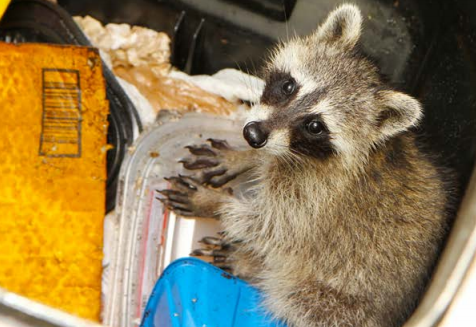 It’s likely you have had some type of run-in with wildlife—no matter where you live. Regardless of the situation, you have essentially three choices when you deal with a wildlife problem. You can ignore the problem and hope it goes away (not the best choice!), fix the problem yourself, or hire someone to fix the problem for you.
Even if you want to fix things yourself, you may find that the situation warrants professional assistance. Or, you may simply want to hire someone because you don’t have time to deal with the problem, you aren’t sure what is causing the problem, or you are unable or unwilling to do the job yourself. The question then becomes, “Who can help?”
Wildlife Extension Specialist Brian MacGowan‘s new publication “Selecting a Nuisance Wildlife Control Professional” provides information about nuisance wildlife control professionals, things to consider when deciding whether or not you need to hire a professional, and tips on how to find a professional who is right for you.
Resources:
Selecting a Nuisance Wildlife Control Professional – The Education Store, Purdue Extension Resource Center
Preventing Wildlife Damage – Do You Need a Permit? – The Education Store
The Basics of Managing Wildlife on Agricultural Lands – The Education Store
Nuisance Wildlife – Indiana Department of Natural Resources
Dealing with nuisance geese this spring – Got Nature?
Brian MacGowan, Wildlife Extension Specialist
Purdue University Department of Forestry and Natural Resources
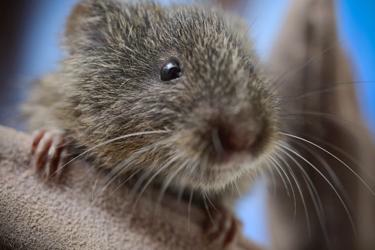 How do a fully sequenced genome, microbiomics, and intensive population genetics help save a critically endangered mammal?
Provided by Professor Janet Foley of UC Davis Veterinary Medicine.
There are only a few hundred Amargosa voles left in the world with an 85% chance of going extinct over the next 10 years if intensive management is not implemented. Voles are rodents related to mice and rats. They are notable for the variety of their breeding systems (some species are monogamous, others promiscuous), their extraordinarily high rate of evolution, their diversity (>60 species), and the fact that many species are indistinguishable to the naked eye. The hoc Amargosa vole team, consisting of federal, state and private organizations, aims to determine the status of and major threats to the Amargosa vole, fundamental aspects of its biology, and how recovery actions can target genetics, disease, habitat factors, demographic problems, and other threats to improve the chances that this species will persist. Here we describe how cutting edge DNA-based techniques can teach us what makes this little mammal so special, what makes it vulnerable, and what we can do to protect it.
Amargosa voles occupy a tiny range in the Mojave Desert where the Amargosa River interrupts its subterranean flows with occasional above-ground stretches and little marshes grow around springs and wells where the ancient carbonate aquifer bubbles to the surface. These marshes are remnants of formerly extensive wetlands that occurred during the Pleistocene 10,000 years ago: as the water receded, the harsh Mojave Desert expanded and now these increasingly isolated marsh oases support endemic species living there and only there, like the Shoshone pupfish and the Amargosa vole. These endemic species have probably evolved to take special advantage of the unique conditions they find in their desert refuges.
In many ecosystems, rodents serve a huge role in harvesting plants for food and serving as a primary diet source for a plethora of predators. In the Mojave, where Amargosa voles live, the only known food source for this subspecies of California vole is three-square bulrush, but remarkably, the nutritional value of this plant is almost negligible. UC Davis specialist in rodent nutrition, Jon Ramsey, remarks that no animal he is aware of can survive with such a meager diet and indeed, nutritional analysis of bulrush tissues reveals that it offers even less nutrition as a sole source diet than bamboo (the famously minimalist diet of the giant panda). In order to survive, the Amargosa vole must utilize a community of microbes it hosts in its gut to access every single nutrient bulrush has to offer, and this is where the story gets a bit more complicated. Although Amargosa voles are reared in a captive breeding facility for safekeeping at UC Davis, changes in their diet could significantly change their gut microbial community, and thus researchers are using next generation sequencing to describe the entire community of gut bacteria, including pathogens, bacteria that can ferment and help make bulrush a useable food, and other miscellaneous bacteria. This approach will help ensure voles can make a transition from colony food to that which they evolved to use in the wild marshes of the Mojave. Study of the vole-bulrush-microbial community can also shed light on how animals in harsh environments with very marginal nutrition can survive, and even how to help protect species during climate change which can alter water availability in the marsh, bulrush health, and vole survival.
Additionally, Conroy, Rosenblum, and Krohn at UC Berkeley are using modern molecular approaches to understand vole population structure, which is necessary to guide captive breeding, protect rapidly diminishing natural genetic diversity, and guide habitat work that could help voles with rare genotypes effectively reproduce and keep those special genes in the larger gene pool. The team at Berkeley is turning to a genome-wide approach called RadSeq to ferret out subtle genetic differences among individual voles. This approach can help the team ensure that new founders are brought to the colony at the right time, from the right place and that translocation of voles among marshes helps support what little genetic variation is left. Genomics tools can even shed light on where the Amargosa vole originated – are its closest relatives voles in southern California and Baja California or are they the voles that flourish in coast range meadows up into northern California?
A common shortcoming many teams working with population genetics have to face is that conventional genetic markers don’t necessarily tell us what the genes of the vole do. In order to find genes for disease resistance, their characteristic large body and distinct skull shape, their atypically docile behavior, their apparent high requirement for free water—or any heritable trait defining Amargosa voles and helping them survive—the group worked to produce a complete genetic map of the entire genome of an Amargosa vole individual at Purdue University. This genetic map, revealing thousands of genes of the vole as well as intergenic, possibly regulatory DNA, will serve as a starting place for genetic studies to better understand and support the recovery of this endangered species.
As endangered species recovery programs holistically integrate modern genetic techniques, captive breeding, habitat management, epidemiology, and ecology, there will be increasing need for tools such as these we are providing for Amargosa vole conservation. We hope these tools can help improve the odds of recovery for this one species and that sharing our findings will contribute to the recovery of other species as well.
To read more, check out the full article at UC Davis Veterinary Medicine’s website.
Janet Foley, Professor and Researcher of Medicine and Epidemiology
University of California, Davis
Purdue University Contact:
Dr. Andrew DeWoody, Professor of Genetics
Department of Forestry and Natural Resources
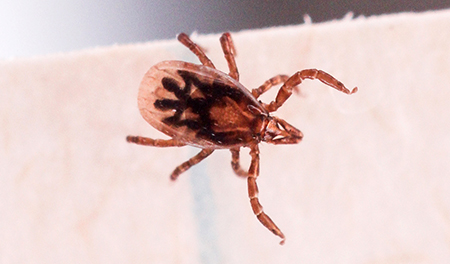
Photo Credit: Andrew Nuss
An international team of scientists led by Purdue University has sequenced the genome of the tick that transmits Lyme disease, the most common vector-borne illness in North America.
The decade-long project, involving 93 authors from 46 institutions, decodes the biology of an arachnid with sophisticated spit, barbed mouthparts and millions of years of successful parasitism. The genome of Ixodes scapularis, known as the deer tick or blacklegged tick, also sheds light on how ticks acquire and transmit pathogens and offers tick-specific targets for control.
“The genome provides a foundation for a whole new era in tick research,” said Catherine Hill, lead author of the paper, Purdue professor of medical entomology and Showalter Faculty Scholar. “Now that we’ve cracked the tick’s code, we can begin to design strategies to control ticks, to understand how they transmit disease and to interfere with that process.”
The full article is available at Purdue Agriculture News.
Resources:
Tick genome reveals inner workings of a versatile blood-guzzler – Purdue Agriculture News
Watch Out For Forest Hitchhikers – Ticks! – Got Nature?
Lyme Disease – The Education Store, Purdue Extension Resource Center
The Biology and Medical Importance of Ticks in Indiana – The Education Store
Ticks – Biology and Their Control – The Education Store
Ticks – Purdue Medical Entomology

Photo by Brian MacGowan
As the weather begins to warm up later this year, the sight of Canada geese returning is pleasant to some as a reminder of spring approaching. It can also be downright irritating to others who experience property damage and other conflicts as the geese concentrate on their property. There are several strategies for dealing with geese listed in further detail at the Indiana Department of Natural Resources (IDNR) website, ranging from mild to severe.
The first thing that is important to know regarding geese is that it is simply not a good idea to feed them. While this act is positive in intention, it is a bad thing for both people and geese. Feeding geese gives them an artificially abundant source of food, which can cause them to delay or skip their migration and instead congregate in areas where they will conflict with people. Furthermore, being fed can cause geese to lose their fear of people, giving them the confidence to stroll across roadways and runways. Finally, large amounts of geese competing over bread and other food of limited nutritional value greatly increases their chances of developing and spreading avian diseases. The U.S. Fish & Wildlife Service‘s free publication “Caution: Feeding Waterfowl May Be Harmful!” further explains the need to stop feeding geese.
INDNR offers a significant amount of other advice on other methods of handling goose problems. Habitat modification such as adding vegetative barriers or suspended grid systems can be a good long term solution by making your land less attractive to geese. If geese have already begun to settle in, nonlethal harassment techniques like air horns and sprayers can be used twice a day to scare geese away from your property. Nests can be legally removed as long as there are no eggs present. If the situation calls for more severe actions, a permit can be acquired to destroy nests with eggs, or another permit can be issued by a District Wildlife Biologist to capture and relocate the animals. In cases of excessive property damage, a District Wildlife Biologist can also issue an agricultural depredation permit to shoot geese outside of the normal hunting season.
There are many methods of handling nuisance Canada geese this spring, and not one solution for every problem. If there is a goose problem in your area, please view INDNR’s Nuisance Canada Goose Management page to learn more about what you can do and how to acquire permits if needed.
Resources:
Nuisance Canada Goose Management – Indiana Department of Natural Resources (IDNR)
Caution: Feeding Waterfowl May Be Harmful! – U.S. Fish & Wildlife Service
Selecting a Nuisance Wildlife Control Professional, Got Nature? blog, Purdue Extension-Forestry & Natural Resources
Aaron Doenges, videographer & assistant web designer
Purdue Forestry and Natural Resources
The National 4-H Wildlife Habitat Education Program (WHEP) is an environmental education program for youth ages 8-19 that teaches all about wildlife habitat and damage management through hands-on activities. This program is the largest of its kind in the nation and has been awarded the Conservation Education Award by The Wildlife Society, the only professional organization that certifies wildlife biologists around the world.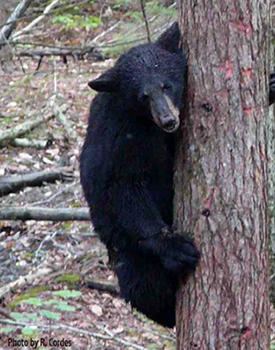
Each year, WHEP has a national contest for its senior level (ages 14-19) youth consisting of three individual events and one team event. The first event, the wildlife challenge, consists of 30 general knowledge questions and 20 animal identifications based on skins and/or skulls. With only 30 minutes allowed for this event, it can be a challenging task.
Competitors can look to the WHEP manual for help studying for the general knowledge questions. The new publication “Wildlife Habitat Evaluation Program: Wildlife Identification Guide” assists further by providing 142 flashcards covering all of the species found on the identification questions, complete with pictures of the animal’s skins and a list of characteristics. Practicing with these flashcards is an extremely effective way to learn the material and perform better in the event.
This year’s contest will be held this summer on July 24th. Study with the “Wildlife Habitat Evaluation Program: Wildlife Identification Guide” publication to get ready!
For more information on WHEP, please check out the Purdue Extension video “WHEP – Wildlife Habitat Education Program” to take a deeper look through the testimonials of students and staff members involved with the program.
Resources:
Wildlife Habitat Evaluation Program Video, What is WHEP?, Purdue Extension-Forestry & Natural Resources (FNR) YouTube Channel playlist
Wildlife Habitat Evaluation Program: Preparing for the Wildlife Challenge – The Education Store, Purdue Extension resource center
Developing a Wildlife Habitat Management Plan – Purdue Extension
Wildlife Habitat Education Program – Teaching and Learning Wildlife Management Practices – The Education Store
Jarred Brooke, Wildlife Extension Specialist
Department of Forestry and Natural Resources
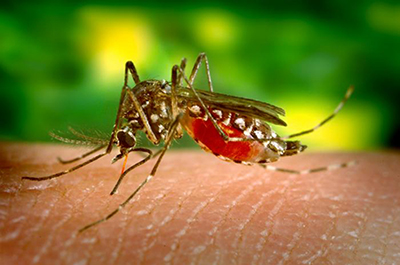
Photo by: James Gathany, Center for Disease Control and Prevention
You may have likely heard of the Zika virus at this point – a new infection on the rise that is drawing many parallels to the West Nile virus that caused 286 deaths in the United States in 2012. Like the West Nile, Zika was first discovered over sixty years ago and wasn’t considered to be a large concern until it reemerged unexpectedly years later. Both viruses are carried by mosquitos, and 80% of people infected display no symptoms and are at risk of unwittingly further spreading the infection. And most importantly, both viruses have no current treatment or vaccination and can be deadly.
When discussing the Zika virus, it is important to know that currently there have been no cases of infection in the continental U.S. While this means there is no need to immediately panic, transmission of diseases are often unpredictable as human population and global travel increase. Zika appeared in Brazil last May and has quickly spread to over 20 countries across Central and South America, causing the World Health Organization to declare the virus an international public health emergency, predicting that Zika could infect as many as 4 million people by the end of this year. With that ominous prediction looming over us, a good precaution to take is knowing how the mosquitos potentially carrying the virus can be controlled and avoided.
Simply avoiding mosquitos is an effective first step. Staying indoors during the daytime when mosquitos feed can help lessen exposure to mosquitos, as well as wearing long sleeves, pants, and U.S. Environmental Protection Agency-approved mosquito repellant when going outdoors.
Another preventative measure you can take is eliminating potential mosquito breeding sites from your area. Mosquitos breed in containers of standing water, and getting rid of them can reduce mosquito population in your area. Dog bowls, birdbaths, potted plants, and similar objects are all potential breeding grounds, and removing them means less places for mosquito eggs to hatch.
Again, the Zika virus isn’t currently an immediate concern for people in the United States, but this information is crucial to know as scientists learn more about how this virus is spread. At any rate, they’re also give good tips for avoiding annoying mosquito bites! To learn more, please check out the Purdue University Agriculture News article “Controlling and avoiding mosquitos helps minimize risk of Zika.”
Resources:
Controlling and avoiding mosquitos helps minimize risk of Zika – Purdue University Agriculture News
Zika virus and mosquito-borne disease experts – Purdue University News
Mosquitos – Purdue University Medical Entomology
Zika Virus – World Health Organization
Management of Ponds, Wetlands, and Other Water Reservoirs to Minimize Mosquitos – The Education Store, Purdue Extension Resource Center
Aaron Doenges, videographer & assistant web designer
Purdue Forestry and Natural Resources
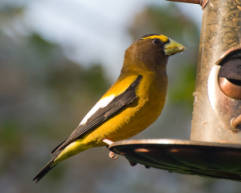
Evening Grosbeaks are common winter visitors to bird feeders. (Photo by U.S. Fish & Wildlife Service)
When the temperatures drop and the snow falls, we often turn our attention to what we can do to help the wildlife which calls our yards home. In most cases, professional wildlife biologists don’t recommend the feeding of wildlife. We instead focus on providing structural elements that provide food, water and cover to provide the necessary wildlife habitat. However, bird feeding, and particularly winter bird feeding, is an exception. It should not replace providing other elements of wildlife habitat in your backyard.
What can you do? Like most things, it comes down to how much time you have and what you want to spend. There are a couple good tips you can follow to get the best results for your investment.
Food type – bird seed mixes can contain “fillers” that is relatively inexpensive and can attract undesirable species of birds. Different bird species have different needs. If you can, offer a single type of bird food in a single feeder. Mixes are ok, but birds will sift through what they don’t want to find what they do want. If you have to pick one to start, offer black-oil sunflower. It is a high-quality food that is attractive to a variety of bird species. Suet is a favorite food of woodpeckers and nuthatches. Commercially available suet cakes also contain seeds and nuts that other birds will consume.
Feeder type – different bird species are adapted to feeding in different ways and locations (e.g., for example). Better designed feeders are sturdy, easy to clean, and easy to fill. Covered platform feeders keep seeds protected from moisture and is attractive for many species of birds (you can fill with black-oil sunflowers). Even though they are covered, the tray should have drainage holes. Tube feeders attract different species of birds such as finches. The small perches and access holes for feeding exclude larger birds such as grackles and blue jays. Open trays close to the ground are good for jays and doves. However, they offer no protection from moisture or squirrels.
Non-targets – squirrels are a common problem at feeders. Metal or plastic baffles or cones can exclude squirrels from many feeders that are mounted on poles or hung from a wire. Some feeders are enclosed in wire cages that prevent squirrels from reaching the seed but still allow access to smaller birds. Starlings are a common problem at suet feeders. However, their feet are relatively week. Suet feeders that only allow access from the bottom prevent starlings access but still allow access for woodpeckers and nuthatches.
Placement – feeders should be placed in areas where you can observe them. Placing them within a few feet of cover can provide “rest” areas for birds to wait their turn. However, low and shrubby ground cover can provide hiding places for domestic cats to ambush birds. Avoid placing feeders in these locations. In extreme cases, you may have to fence off feeding areas to exclude cats.
These are just a few tips to get you started. There are many good resources for feeding songbirds and attracting wildlife to your backyard.
Publications
– Henderson, C.L. 1995. Wild about birds: the DNR bird feeding guide. Minnesota Department of Natural Resources, St. Paul, MN.
– For the Birds, U.S. Fish and Wildlife Service
Resources
– Cornell Lab or Ornithology, Cornell University
– Audubon Society, Bird Feeding Tips
Brian MacGowan, Wildlife Extension Specialist
Purdue Forestry and Natural Resources
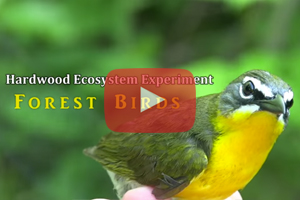
Managing Woodlands for Birds
Learn how forests are used by birds and how best practices in forest management can increase their numbers in these newly released videos on birds and their relationship with woodlands.
In the first video, “Managing Woodlands for Birds,” J. Barny Dunning, professor of wildlife ecology, discusses how forests are used by birds year round, important habitat features of woodlands that can benefit birds, and how woodland owners can enhance their property for birds. In the second video, “Hardwood Ecosystem Experiment – Forest Birds,” Professor Dunning and graduate student Patrick Ruhl cover how disturbance and forest management impact birds. Management recommendations for both videos were developed in part from the Hardwood Ecosystem Experiment, a long-term, large-scale experimental study of forest management and its impacts on plants and animals.
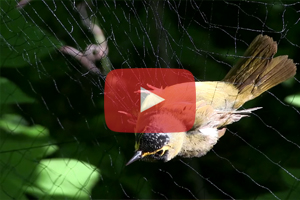
Hardwood Ecosystem Experiment – Forest Birds
Check out “Managing Woodlands for Birds” and “Hardwood Ecosystem Experiment – Forest Birds” to learn more about how birds use forests and how we can impact them in a positive way. To learn more about the Hardwood Ecosystem Experiment, please visit the HEE website.
Resources:
Managing Woodlands for Birds – YouTube, Purdue Extension Resource Center
Hardwood Ecosystem Experiment – Forest Birds – The Education Store
Breeding Birds and Forest Management: the Hardwood Ecosystem Experiment and the Central Hardwoods Region – The Education Store
The Hardwood Ecosystem Experiment: Indiana Forestry and Wildlife – The Education Store
J. Barny Dunning, Professor of Wildlife Ecology
Purdue University Department of Forestry and Natural Resources
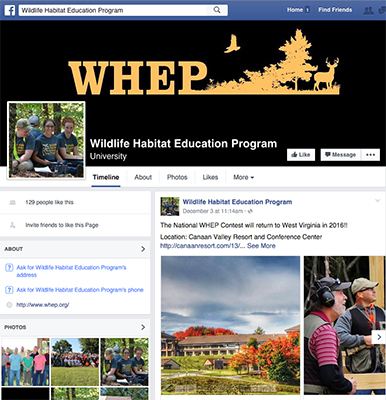 Wildlife Habitat Education Program (WHEP) is a national program of 4-H Youth Development and FFA in which youth learn wildlife identification, wildlife natural history and habitat management, along with testing their knowledge during regional, state, and national Career Development Events. WHEP began in Indiana in 1997 with one 4-H team of four students and has grown to a size of over 33 teams with almost 130 youth participating.
WHEP has recently created a new Facebook page that will announce national and state events, provide information about teaching aids and resources, and offer updates about the latest news in natural resources management throughout the country.
The new publication Wildlife Habitat Evaluation Program: Preparing for the Wildlife Challenge was recently released to help youth practice wildlife identification for the Wildlife Challenge during the WHEP Career Development Event. For more information about WHEP, check out the national website and be sure to like WHEP on Facebook!
Resources:
WHEP Facebook Page
WHEP National Website
Wildlife Habitat Evaluation Program: Preparing for the Wildlife Challenge – The Education Store, Purdue Extension’s resource center
Wildlife Habitat Education Program – Teaching and Learning Wildlife Management Practices – The Education Store
WHEP – Wildlife Habitat Evaluation Program video – Purdue Extension – Forestry and Natural Resources (FNR) YouTube Channel
Jarred Brooke, Wildlife Extension Specialist
Purdue University Department of Natural Resources
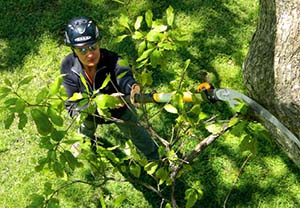 Urban Forestry Specialist Lindsey Purcell‘s helpful publication “Tree Pruning Essentials” is now available in a Spanish-language version, “Lo Esencial Para la Poda de Árboles.” This publication explores the techniques behind good pruning, from the planning process before planting to monitoring the tree’s response after the pruning cuts.
Trees continue to survive in spite of the many challenges they face in the urban environment. However, to grow from seedling to a mature tree in the urban forest, they need our help. They are the largest, oldest living organisms on the planet and can live long, healthy lives with some assistance. We often place trees in less-than-favorable growing locations that don’t allow natural development and maturity and often require pruning to develop a durable structure, improve clearance and maintain aesthetics.
Pruning has been called “one of the best, worst maintenance practices” performed on trees. The process creates wounds, which have a major impact on plant processes. Improper cutting on a tree causes severe damage or even death. To prune properly, it is important to understand both the proper techniques and how the tree responds to pruning.
Check out “Lo Esencial Para la Poda de Árboles” or “Tree Pruning Essentials” and make sure you are pruning your trees to maximize safety, aesthetics, and tree health!
Resources:
Lo Esencial Para la Poda de Árboles (Tree Pruning Essentials)– The Education Store, Purdue Extension Resource Center
Instalación de Árboles: Proceso y practicas (Tree Installation) – The Education Store, Purdue Extension Resource Center
Tree Pruning Essentials – The Education Store
Trees and Storms: Understanding Damage, Risk and Recovery – Got Nature? Blog, Purdue Extension – FNR
Tree Risk Management – Got Nature? Blog, Purdue Extension – FNR
Prune Your Trees – Indiana Department of Natural Resources
Lindsey Purcell, Urban Forestry Specialist
Purdue University Department of Forestry and Natural Resources

Recent Posts
- Heavy August Rains Bring More Mosquitoes to Indiana
Posted: September 9, 2026 in How To, Invasive Insects, Safety, Wildlife - Question: Why Did the Shagbark Hickories Survive the Tornado?
Posted: August 27, 2026 in Forests and Street Trees, How To, Urban Forestry - New Indiana Woodland Steward Newsletter
Posted: August 12, 2026 in Forestry, Urban Forestry, Wildlife, Woodlands - Indiana Fall Hunting Licenses on Sale and New Mobile App Available
Posted: in Forestry, How To, Wildlife - Trees and Storms: Understanding Damage, Risk and Recovery
Posted: in How To, Urban Forestry - Lighting a Spark: Prescribed Burn Associations
Posted: August 6, 2026 in Community Development, Forestry, Safety, Wildlife - ID That Tree: Nannyberry Viburnum
Posted: July 22, 2026 in Forestry, Plants, Wildlife, Woodlands - ID That Tree: Eastern Swamp Privet
Posted: in Forestry, Plants, Wildlife, Woodlands - Jarred Brooke Receives Early Career Award for Prescribed Fire Work
Posted: July 20, 2026 in Forestry, Forests and Street Trees, Natural Resource Planning, Safety - Bovine Tuberculosis in Wild White-tailed Deer: Background and Frequently Asked Questions
Posted: in Disease, Natural Resource Planning, Wildlife
Archives
Categories
- Alert
- Aquaculture/Fish
- Aquatic/Aquaculture Resources
- Ask the Expert
- Christmas Trees
- Community Development
- Disease
- Drought
- Forestry
- Forests and Street Trees
- Gardening
- Got Nature for Kids
- Great Lakes
- How To
- Invasive Animal Species
- Invasive Insects
- Invasive Plant Species
- Land Use
- Natural Resource Planning
- Nature of Teaching
- Plants
- Podcasts
- Ponds
- Publication
- Safety
- Spiders
- Timber Marketing
- Urban Forestry
- Webinar
- Wildlife
- Wood Products/Manufacturing
- Woodland Management Moment
- Woodlands