 Purdue University - Extension - Forestry and Natural Resources
Got Nature? Blog
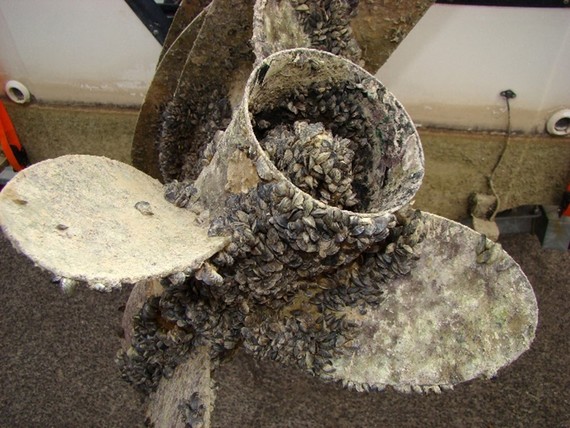 Wild Bulletin, Indiana Department of Natural Resources: As you prepare your boat or recreational equipment to get back on the water this spring, remember to look for aquatic hitchhikers. Zebra mussels, aquatic plants like Eurasian watermilfoil or starry stonewort, and many other invasive species continue to be a threat to Indiana’s waters by degrading fish habitat and negatively affecting recreational boating and fishing. The most common locations where plants, mussels, and animals hitch a ride include:
- Transom well near the drain plug
- Axle of the trailer
- Lower unit and propeller on the boat motor
- The rollers and bunks that guide the boat onto the trailer
- Anchor and lines
- Bait bucket and live well
Boat owners are asked to drain water from bait buckets, live wells, and boats before leaving the boat landing; leave drain plugs out while travelling on land; clean and dry anything that came in contact with water; and dispose of unwanted bait in the trash. Learn more about aquatic invasive species and how to prevent their movement.
Learn how to stop aquatic hitchhikers.
Find more information about aquatic invasive plants and aquatic invasive invertebrates. Subscribe and receive the Wild Bulletin, Indiana Department of Natural Resources.
Resources:
Invasive plants: Impact on Environment and People, Purdue Extension – Forestry and Natural Resources (FNR)
Report Invasive Species, Purdue Invasive Species
The GLEDN Phone App – Great Lakes Early Detection Network
EDDMaps – Early Detection and Distribution Mapping System
Indiana Department of Natural Resources: Invasive Species
Indiana Invasive Species Council
Cooperative Invasive Species Management Area (CISMA)
Aquatic Invasive Species in the Great Lakes: The Quagga Mussel, Purdue Extension – FNR
Lampreys, Indiana Division of Fish and Wildlife’s Animal Informational Series
Aquatic Invaders in the Marketplace, Illinois-Indiana Sea Grant (IISG)
Great Lakes Sea Grant Network (GLERL), NOAA – Great Lakes Environmental Research Laboratory
Purdue Researchers Get to the Bottom of Another Quagga Mussel Impact, Illinois-Indiana Sea Grant (IISG)
Protect Your Waters, U.S. Fish and Wildlife Service & U.S. Coast Guard
Nongame and Endangered Wildlife, Indiana Department of Natural Resources
Indiana Department of Natural Resources
In this episode of A Moment in the Wild, wildlife technician Zach Truelock introduces you to the southern two-lined salamander, a member of the lungless salamander family, which true to their name do nearly all of their respiration through their skin.
If you have any questions regarding wildlife, trees, forest management, wood products, natural resource planning, or other natural resource topics, feel free to contact us by using our Ask an Expert web page.
Resources
Question: Which salamander is this?, Got Nature? Blog, Purdue Extension – Forestry and Natural Resources
Salamanders of Indiana Book, The Education Store, Purdue Extension resource center
Amphibians: Frogs, Toads, and Salamanders, Purdue Nature of Teaching
The Nature of Teaching: Adaptations for Aquatic Amphibians, The Education Store, Purdue Extension resource center
Hellbender ID, Playlist, Purdue Extension – Forestry and Natural Resources YouTube Channel
A Moment in the Wild, Playlist, Purdue Extension – FNR YouTube Channel
Help the Hellbender, YouTube Playlist & Website
Zach Truelock, Hellbender Technician
Purdue University Department of Forestry and Natural Resources
Rod Williams, Assistant Provost for Engagement/Professor of Wildlife Science
Purdue University Department of Forestry and Natural Resources
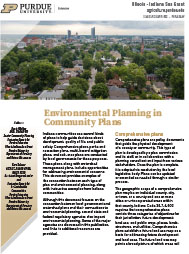
Indiana communities use several kinds of plans to help guide decisions about development, quality of life, and public safety. Comprehensive plans, parks and recreation plans, multi-hazard mitigation plans, and sub-area plans are conducted by local governments for these purposes. This Environmental Planning in Community Plan include opportunities for addressing environmental concerns. This document provides examples of the connection between each type of plan and environmental planning, along with instructive examples from Indiana communities.
Although this document focuses on the connection between local government and watershed plans and their connections to environmental planning, several state and federal regulatory agencies also impact environmental planning. Some of the major agencies are discussed in this publication, and links to additional resources are provided.
Communities create comprehensive plans to guide decisions about development, quality of life and public safety, parks and recreation plans, multi-hazard mitigation plans, and sub-area plans. Such plans include opportunities to address environmental concerns. Using instructive examples from Indiana communities, this publication examines the connection between those plans and environmental planning.
Resources:
Community Development, Purdue Extension
Enhancing the Value of Public Spaces Program Video, Purdue Extension
Community Planning, Purdue Extension Community Development
Implementation Examples of Smart Growth Strategies in Indiana, The Education Store, Purdue Extension’s resource center
Climate Change and Sustainable Development, The Education Store
Enhancing the Value of Public Spaces: Creating Healthy Communities, The Education Store
Subscribe to Purdue Extension – Forestry and Natural Resources YouTube Channel
Dan Walker, Community Planning Extension Specialist
Purdue Department of Forestry and Natural Resources
Kara Salazar, Assistant Program Leader and Extension Specialist for Sustainable Communities
Purdue Department of Forestry and Natural Resources
Dr. Rod Williams‘ hellbender research, the Purdue rearing lab and more than 12 years of the lab’s work are featured in a new documentary, Hellbender in the Blue, produced by Teardrop Pictures.
The film premiered on January 12 at the Kan-Kan Cinema and Brasserie in Indianapolis and is now available to purchase and stream through Vimeo on Demand. Hellbender in the Blue is also heading out on the festival tour, including the Indiana Humanities Waterways Film Tour.
The Indiana Humanities Waterways Film Tour is a nine-city tour featuring six short documentary films about Indiana’s waterways. The films feature stories told by individuals from across the state and highlight their diverse relationships with water. Screenings are free and open to the public, although advance registration is requested. Select events will also include a panel featuring the filmmakers prior to the screening.
- Thursday, March 31, 6 p.m. CT/7 ET; New Harmony Atheneum, 401 Arthur St., New Harmony, IN 47631
- Tuesday, April 5, 6 p.m. ET; Jefferson County Public Library, 420 W. Main St., Madison, IN 47250
- Thursday, April 7, 8 p.m. ET; Taggart Amphitheatre (outdoor screening), 1856 Burdsal Pkwy., Indianapolis, IN 46208
- Tuesday, April 19, 6 p.m. ET; Fowler Theatre, 111 E. 5th St., Fowler, IN 47944
- Wednesday, April 20, 6:30 p.m. ET; Strand Theatre, 221 S. Main St., Kendallville, IN 46755
- Friday, April 29, 7 p.m. CT/8 p.m. ET; Marshall J. Gardner Center for the Arts, 540 S. Lake St., Gary, IN 46403
- Wednesday, May 11, 6:30 p.m. ET; Harrison County Arts, 113 E. Beaver St., Corydon, IN 47112
- Tuesday, May 17, 6:30 p.m. ET; Studebaker 112, 635 S. Lafayette Blvd., South Bend, IN 46601
- Tuesday, June 22, 6:30 p.m. ET; Richmond Art Museum, 350 Hub Etchison Pkwy., Richmond, IN 47374
The soundtrack to Hellbender in the Blue is available on Spotify, care of Eric Salazar, also known as @theclarinetguy on Instagram.
Purdue Forestry and Natural Resources’ involvement in the Hellbender in the Blue project began in April 2020, when Katelyn Calhoun, a documentary film maker with Teardrop Pictures, contacted Williams and research biologist/extension wildlife specialist Nick Burgmeier, regarding her desire to make a film about hellbenders in Indiana, as well the efforts Purdue, The Nature Conservancy and others have undertaken to protect/restore their populations and the efforts to remove dams from their habitat. The eventual goal is to make a more wide-ranging documentary about hellbenders throughout their range.
“We hope the film helps reach a broader audience to expand awareness of the project and encourages people to support efforts to protect hellbenders and Indiana’s water resources,” Burgmeier said.
Resources:
A Moment in the Wild, Playlist, Purdue Extension – Forestry and Natural Resources YouTube Channel
Improving Water Quality by Protecting Sinkholes on Your Property, Video, Purdue Extension – FNR YouTube Channel
Question: Which salamander is this?, Got Nature? Blog, Purdue Extension – Forestry and Natural Resources
Is it a Hellbender or a Mudpuppy?, Got Nature? Blog
Amphibians: Frogs, Toads, and Salamanders, Purdue Nature of Teaching
Help the Hellbender, Playlist & Website
The Nature of Teaching: Adaptations for Aquatic Amphibians, The Education Store, Purdue Extension resource center
Hellbenders Rock!, The Education Store
Help the Hellbender, North America’s Giant Salamander, The Education Store
Wendy Mayer, FNR Communications Coordinator
Purdue University Department of Forestry and Natural Resources
Rod Williams, Assistant Provost for Engagement/Professor of Wildlife Science
Purdue University Department of Forestry and Natural Resources
Nick Burgmeier, Research Biologist and Wildlife Extension Specialist
Purdue Department of Forestry and Natural Resources
In this episode of A Moment in the Wild, wildlife technician Zach Truelock introduces you to the streamside salamander. This salamander lives in underground burrows and lays its eggs in small headwater streams in the winter/early spring. This species also has a twin species in Indiana, the small-mouthed salamander.
If you have any questions regarding wildlife, trees, forest management, wood products, natural resource planning, or other natural resource topics, feel free to contact us by using our Ask an Expert web page.
Resources
Question: Which salamander is this?, Got Nature? Blog, Purdue Extension – Forestry and Natural Resources
Salamanders of Indiana Book, The Education Store, Purdue Extension resource center
Amphibians: Frogs, Toads, and Salamanders, Purdue Nature of Teaching
The Nature of Teaching: Adaptations for Aquatic Amphibians, The Education Store, Purdue Extension resource center
Hellbender ID, Playlist, Purdue Extension – Forestry and Natural Resources YouTube Channel
A Moment in the Wild, Playlist, Purdue Extension – FNR YouTube Channel
Help the Hellbender, YouTube Playlist & Website
Zach Truelock, Hellbender Technician
Purdue University Department of Forestry and Natural Resources
Rod Williams, Assistant Provost for Engagement/Professor of Wildlife Science
Purdue University Department of Forestry and Natural Resources
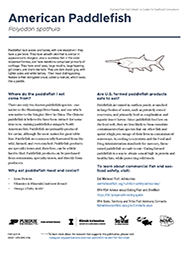
This publication American Paddlefish FNR-625-W is the fifth in a series of consumer guides that describe fish and shellfish farmed in the Midwest region of the United States. The fact sheet also includes culinary characteristics, cooking tips and a recipe for Zesty Grilled Paddlefish.
Paddlefish lack scales and bones, with one exception— the have a jawbone. They have smooth skin that is similar in appearance to sturgeon, also a scaleless fish in the order Acipenseriformes, and have skeletons comprised primarily of cartilage. They have small eyes, large mouths, large tapering gill covers, and shark-like tails. They are dark bluish gray, with lighter sides and white bellies. Their most distinguishing feature is their elongated snout, called a rostrum, which looks like a paddle.
There are only two known paddlefish species- one native to the Mississippi River basin, and one which was native to the Yangtze River in China. The Chinese paddlefish is believed to have been extinct2 for some time now, making paddlefish a uniquely North American fish. Paddlefish are primarily produced for caviar, although the meat makes for great table fare. Paddlefish are commercially harvested from the wild, farmed, and even ranched. Paddlefish products are specialty items and, therefore, can be a little hard to find. Paddlefish products can be purchased from restaurants, specialty stores, and directly from producers.
Resources:
Walleye Farmed Fish Fact Sheet, The Education Store
Pacific White Shrimp Farmed Fact Sheet, The Education Store
Yellow Perch Farmed Fish Fact Sheet, The Education Store
Tilapia Farmed Fish Fact Sheet, The Education Store
Rainbow Trout Farmed Fish Fact Sheet, The Education Store
Eat Midwest Fish, Illinois-Indiana Sea Grant online resource hub
Illinois-Indiana Sea Grant (IISG), Illinois-Indiana Sea Grant
Amy Shambach, Aquaculture Marketing Outreach Associate
Purdue Department of Forestry and Natural Resources/Illinois Indiana Sea Grant Program
The classic and trusted book “Fifty Common Trees of Indiana” by T.E. Shaw was published in 1956 as a user-friendly guide to local species. Nearly 70 years later, the publication has been updated through a joint effort by the Purdue Department of Forestry and Natural Resources, Indiana 4-H, and the Indiana Department of Natural Resources, and reintroduced as “An Introduction to Trees of Indiana.”
The full publication is available for download for $7 in the Purdue Extension Education Store. The field guide helps identify common Indiana woodlot trees.
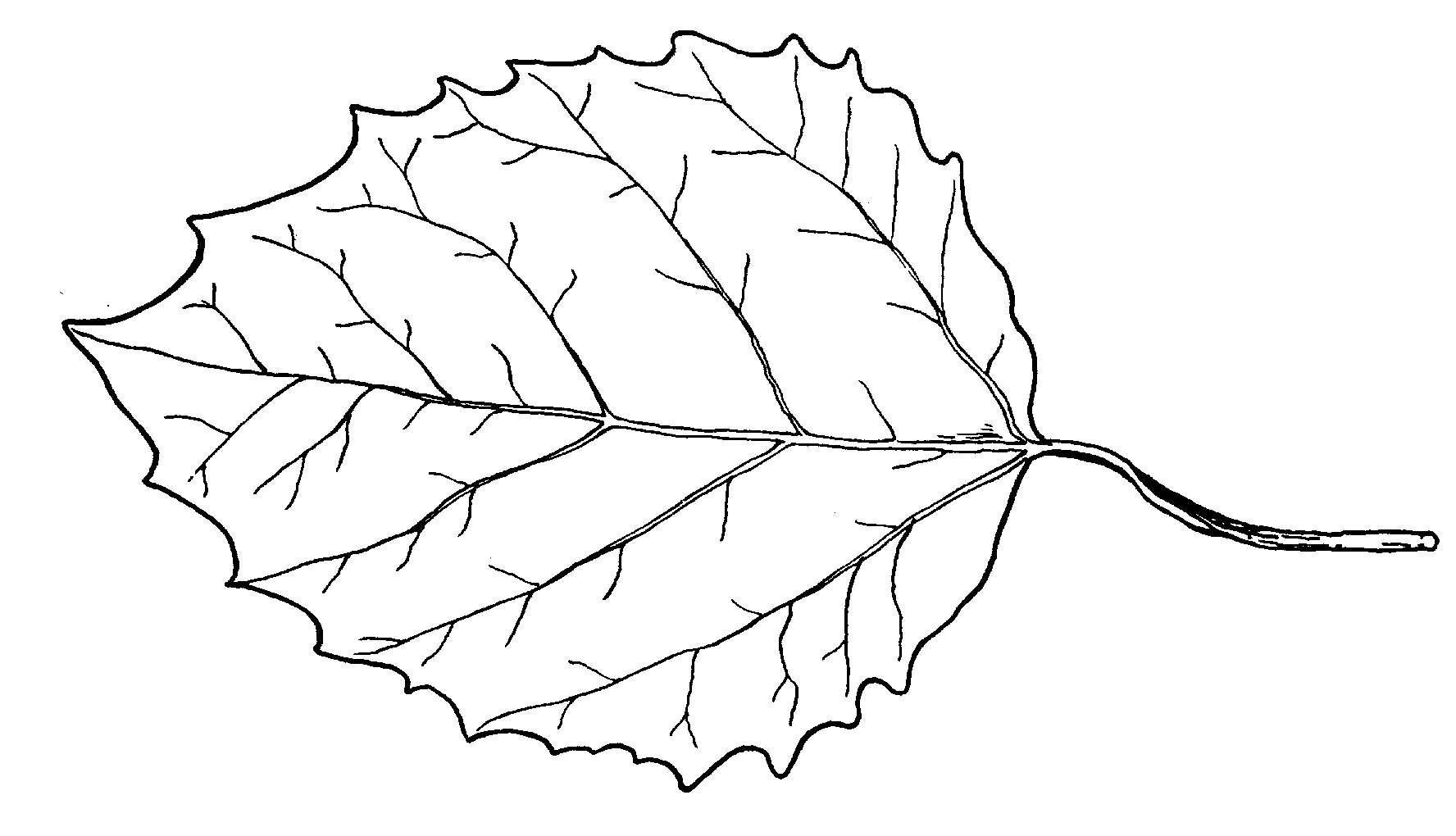 Each week, the Intro to Trees of Indiana web series will offer a sneak peek at one species from the book, paired with an ID That Tree video from Purdue Extension forester Lenny Farlee to help visualize each species as it stands in the woods. Threats to species health as well as also insight into the wood provided by the species, will be provided through additional resources as well as the Hardwoods of the Central Midwest exhibit of the Purdue Arboretum, if available.
This week, we introduce the quaking aspen or populus tremuloides.
The quaking aspen, also known as the trembling aspen, is adaptable to a variety of soils, ranging from moist loamy sands and clay, but it is shade intolerant. It is often found on the edge of woodlands or where the site has been disturbed, giving it access to full sunlight.
This species is identifiable by its whitish to grayish bark with dark spots where the branches come out of the trunk. It has small rounded leaves with very small teeth along the margin. Like most aspens, it has long flat leaf steams that are known to flutter in the wind.
Quaking aspen is found int he northern part of the state of Indiana. This species is found from Nefoundland through Alaska in the West, and as far south as Arizona. In the Midwest, it ranges south to northeastern Iowa, northern Illinois and Pennsylvania. It is also found in some scattered areas in the Appalachian Mountains. It is the most widely distributed tree in the United States.
According to the Hardwood Lumber and Veneer Series, aspen is one of our lightest woods with a 12 percent moisture content and a weight of 26 to 27 pounds per cubic foot. It was at one time relegated to the pulp and paper industry as a weed tree, however it is now a favored species for the manufacturer of panel boards.
Full article also can be viewed with Purdue Forestry and Natural Resources News: Trees of Indiana: Quaking Aspen.
Other Resources
Aspen – Hardwood Lumber and Veneer Series
Why Fall Color Is Sometimes a Dud – Purdue Landscape Report
Fifty Common Trees of Indiana
An Introduction to Trees of Indiana
Native Trees of the Midwest, The Education Store, Purdue Extension’s resource center
Shrubs and Woody Vines of Indiana and the Midwest, The Education Store
ID That Tree YouTube playlist
Woodland Management Moment YouTube playlist
Investing in Indiana Woodlands, The Education Store
Forest Improvement Handbook , The Education Store
Wendy Mayer, FNR Communications Coordinator
Purdue University Department of Forestry and Natural Resources
Lenny Farlee, Sustaining Hardwood Extension Specialist
Purdue University Department of Forestry and Natural Resources
In this episode of A Moment in the Wild, wildlife technician Zach Truelock introduces you to another member of the lungless salamander family, the cave salamander. This species, identifiable by its bright orange/red coloration covered in black spots, lives in caves as well as crevices along streams, rocky bluffs and springs.
If you have any questions regarding wildlife, trees, forest management, wood products, natural resource planning, or other natural resource topics, feel free to contact us by using our Ask an Expert web page.
Resources
Question: Which salamander is this?, Got Nature? Blog, Purdue Extension – Forestry and Natural Resources
Salamanders of Indiana Book, The Education Store, Purdue Extension resource center
Amphibians: Frogs, Toads, and Salamanders, Purdue Nature of Teaching
The Nature of Teaching: Adaptations for Aquatic Amphibians, The Education Store, Purdue Extension resource center
Hellbender ID, Playlist, Purdue Extension – Forestry and Natural Resources YouTube Channel
A Moment in the Wild, Playlist, Purdue Extension – FNR YouTube Channel
Help the Hellbender, YouTube Playlist & Website
Zach Truelock, Hellbender Technician
Purdue University Department of Forestry and Natural Resources
Rod Williams, Assistant Provost for Engagement/Professor of Wildlife Science
Purdue University Department of Forestry and Natural Resources
In this edition of A Moment in the Wild, meet one of our early spring breeding species of frogs, the wood frog. This species may vary in color from tan and browns to reds and pinks, but is identifiable by a black mask which runs through the eye to the upper jaw. Wood frogs also have the unique ability to freeze solid, even stopping their heart beat and blood flow during the winter months.
If you have any questions regarding wildlife, trees, forest management, wood products, natural resource planning, or other natural resource topics, feel free to contact us by using our Ask an Expert web page.
Resources
Sounds of Frogs & Toads, Purdue Extension – Forestry and Natural Resources (FNR)
Frogs & toads of Indiana, The Education Store, Purdue Extension resource center
Salamanders of Indiana Book, The Education Store
Amphibians: Frogs, Toads, and Salamanders, Purdue Nature of Teaching
The Nature of Teaching: Adaptations for Aquatic Amphibians, The Education Store
Hellbender ID, Playlist, Purdue Extension – FNR YouTube Channel
A Moment in the Wild, Playlist, Purdue Extension – FNR YouTube Channel
Zach Truelock, Hellbender Technician
Purdue University Department of Forestry and Natural Resources
Rod Williams, Assistant Provost for Engagement/Professor of Wildlife Science
Purdue University Department of Forestry and Natural Resources
In this HEE Prescribed Fire video, Charlotte Owings, project coordinator on the Hardwood Ecosystem Experiment (HEE) explains the forest management technique of prescribed fire and how it is being utilized on the HEE.
What is HEE?
The focus of forest science is increasingly shifting to the management of forests as complex systems rather than as simple agricultural landscapes—with a much greater appreciation for the interactive ecosystem processes. In addition, now for many forest landowners, the ecological value of their land is at least as important as the economic return. It is, therefore, vital to understand how forest management affects not only timber production, but also the overall function of forested ecosystems.
The Hardwood Ecosystem Experiment (HEE) is a long-term, large-scale experimental study of forest management and its impacts. The project was initiated in 2006 with partners including: Ball State University, Drake University, Indiana State University, Purdue Entomology, Indiana Department of Natural Resources (IN DNR), and the Indiana Chapter of the Ruffed Grouse Society.
For information about study sites, harvesting treatments, sampling design, and more, see our Project Overview and Design page and US Forest Service General Technical Report NRS-P-108, The Hardwood Ecosystem Experiment: A Framework For Studying Responses to Forest Management.
Resources
Hardwood Ecosystem Experiment, Website
Hardwood Ecosystem Experiment (HEE), YouTube Playlist, Purdue Extension–Forestry and Natural Resources (FNR)
Ask an Expert: Hardwood Ecosystem Experiment (HEE) Birds and Salamander Research, Video, Purdue Extension-FNR YouTube Channel
Hardwood Ecosystem Experiment – Wildlife Responses to Timber Harvesting, The Education Store, Purdue Extension’s resource center
The Hardwood Ecosystem Experiment: Indiana Forestry and Wildlife, The Education Store
Charlotte Owings, Hardwood Ecosystem Experiment Project Coordinator
Purdue University, Department of Forestry and Natural Resources

Recent Posts
- Heavy August Rains Bring More Mosquitoes to Indiana
Posted: September 9, 2026 in How To, Invasive Insects, Safety, Wildlife - Question: Why Did the Shagbark Hickories Survive the Tornado?
Posted: August 27, 2026 in Forests and Street Trees, How To, Urban Forestry - New Indiana Woodland Steward Newsletter
Posted: August 12, 2026 in Forestry, Urban Forestry, Wildlife, Woodlands - Indiana Fall Hunting Licenses on Sale and New Mobile App Available
Posted: in Forestry, How To, Wildlife - Trees and Storms: Understanding Damage, Risk and Recovery
Posted: in How To, Urban Forestry - Lighting a Spark: Prescribed Burn Associations
Posted: August 6, 2026 in Community Development, Forestry, Safety, Wildlife - ID That Tree: Nannyberry Viburnum
Posted: July 22, 2026 in Forestry, Plants, Wildlife, Woodlands - ID That Tree: Eastern Swamp Privet
Posted: in Forestry, Plants, Wildlife, Woodlands - Jarred Brooke Receives Early Career Award for Prescribed Fire Work
Posted: July 20, 2026 in Forestry, Forests and Street Trees, Natural Resource Planning, Safety - Bovine Tuberculosis in Wild White-tailed Deer: Background and Frequently Asked Questions
Posted: in Disease, Natural Resource Planning, Wildlife
Archives
Categories
- Alert
- Aquaculture/Fish
- Aquatic/Aquaculture Resources
- Ask the Expert
- Christmas Trees
- Community Development
- Disease
- Drought
- Forestry
- Forests and Street Trees
- Gardening
- Got Nature for Kids
- Great Lakes
- How To
- Invasive Animal Species
- Invasive Insects
- Invasive Plant Species
- Land Use
- Natural Resource Planning
- Nature of Teaching
- Plants
- Podcasts
- Ponds
- Publication
- Safety
- Spiders
- Timber Marketing
- Urban Forestry
- Webinar
- Wildlife
- Wood Products/Manufacturing
- Woodland Management Moment
- Woodlands