 Purdue University - Extension - Forestry and Natural Resources
Got Nature? Blog
Illinois-Indiana Sea Grant Newsroom: Many Great Lakes communities that have carried the burden of legacy pollution for decades have an opportunity for a new lease on life when local waterways are finally cleaned up. A new video series features five cities along waterways deemed Areas of Concern (AOCs) that are in various stages of the cleanup process and are experiencing revitalization.
Historically, the Great Lakes region was a center of industry—steel, leather and lumber, to name a few—that eventually shut down or moved elsewhere as economies and priorities changed. Left behind in these waters was a soup of contamination, leaving degraded waterways and depressed communities.
In the United States and Canada, dozens of sites were identified as AOCs in the Great Lakes Water Quality Agreement, and over the years, many have undergone remediation.
The U.S. EPA Great Lakes National Program Office (GLNPO) has provided leadership throughout the cleanup process, which involves dredging or capping contaminated sediment. Even before the cleanup and subsequent restoration, local agencies and organizations have a seat at the table to discuss processes and priorities.
Funding is often a partnership between the federal government, in the form of the Great Lakes Legacy Act (now through the Great Lakes Restoration Initiative), and state, regional and local stakeholders.
The videos feature five cities—Duluth, Minnesota; Muskegon, Michigan; Sheboygan, Wisconsin; Ashtabula, Ohio; and Buffalo, New York—that have had some or all of their contaminated sites cleaned up and ecosystems restored. Local government representatives, business owners and residents share the impact of this work on recreation, tourism, economic development, housing and quality of life in the area.
For full article and videos > > >
About IISG: These are trying times for the environment. Climate change and other concerns such as population growth, aquatic invasive species, contaminated waters, and loss of natural habitat, the southern Lake Michigan region faces many challenges. Illinois-Indiana Sea Grant (IISG), with its unique mandate to bring the latest science to those who can best use the information, serves a critical role in empowering people to solve problems in sustainable ways. The program is funded through National Oceanic and Atmospheric Administration (NOAA), the University of Illinois and Purdue University, but IISG also works in partnerships with key organizations, institutions, and agencies in the region to reach more audiences and multiply opportunities for success. IISG brings together scientists, educators, policy makers, community decision makers, outreach specialists, business leaders, and the general public to work towards a healthy environment and economy.
Resources
Center For Great Lakes Literacy (CGLL), Website
Ask An Expert: Hot and Cold, Video, Purdue Extension – Forestry and Natural Resources YouTube channel
Informing the Development of the Great Lakes Region Decision Support System, The Education Store, Purdue Extension’s resource center
Urban Best Management & Low Impact Development Practices, The Education Store
Improving Water Quality Around Your Farm, The Education Store
New website: Eat Midwest Fish, Got Nature? Blog, Purdue Extension – Forestry and Natural Resources (FNR)
Scientists bring the Great Lakes to students learning from home, Got Nature? Blog
Adaptations for Aquatic Amphibians Activity 2: Water Quality Sneak Peak, Purdue Nature of Teaching
Illinois-Indiana Sea Grant (IISG)
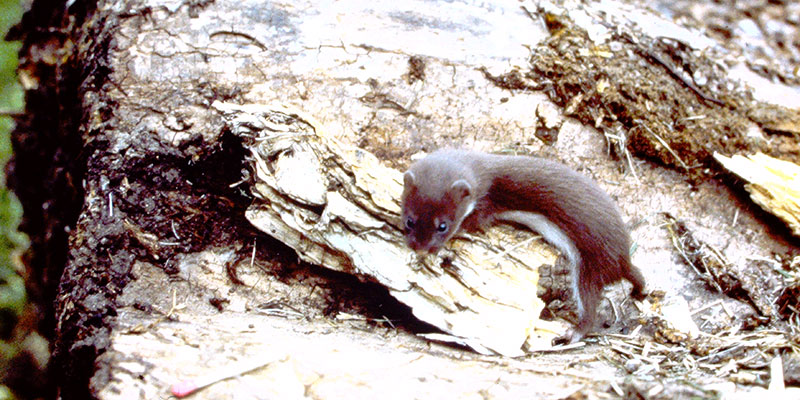
MyDNR, Indiana’s Outdoor Newsletter-Help the DNR by Reporting a Mammal: Did you get something unusual on a trail camera and want to share it to help wildlife in Indiana? DNR has launched a new Report a Mammal page. We are asking for the public’s help to submit sightings to the new online report form. Report a Mammal includes animals like armadillos, badgers, gray foxes, flying squirrels, star-nosed moles, ground squirrels, weasels, and more.
Indiana DNR offers a new, easier way to submit a report for the mammal, no password required. The report form also includes species at risk of declining and Species of Greatest Conservation Need, along with an area to submit a photo or brief video to help document the observation. Media of the animal observed would be most useful, though DNR biologists can examine evidence left by the mammal too (tracks, scat, or other signs). Completion of this form is voluntary. Data submitted may be shared within DNR and partners with the discretion of DNR staff. Personal information will be used to process your observation and may also be used for participation in surveys and other secondary purposes. DNR staff will only respond to reports if more information is needed.
To view what to report and for identification tips see: Full article > > >
Resources:
A Template for Your Wildlife Habitat Management Plan, The Education Store, Purdue Extension resource center
Wildlife Habitat Hint, Purdue Extension – Forestry & Natural Resources (FNR) YouTube Playlist
Orphaned Wildlife, Got Nature? blog
Orphaned & Injured Animals, Indiana Department of Natural Resources (IN DNR)
Purdue Extension – FNR: Ask An Expert, Video, Purdue Extension – FNR YouTube channel
Nature of Teaching, Website
A Woodland Management Moment, Playlist, Purdue Extension – Forestry and Natural Resources YouTube channel
Indiana Department of Natural Resources (IN DNR) – Fish and Wildlife
Documenting an occurrence of a new wildlife species for a region is usually good news. Unfortunately, with the number of non-native species that seemingly pop up, this is not always the case. Extension Specialists across the U.S. often receive inquiries about identifying pictures of wildlife. We were recently contacted by an individual to identify the “white frog” pictured below. It was clearly not a native species from Indiana but rather a Cuban treefrog.
The Cuban treefrog (Osteopilus septentrionalis) is native to Cuba, the Cayman Islands and the Bahamas. These treefrogs were accidentally brought to Florida in the 1920s, probably as hitchhikers in cargo containers on ships. Cuban treefrogs are considered invasive in Florida (and elsewhere outside their native range) because they are likely to harm our native ecosystems and cause a lot of problems for humans. They are voracious predators and have likely caused declines of native treefrogs in many suburban areas of peninsular Florida. They get into people’s homes and sometimes end up in toilets. And they are even known to invade electrical equipment and have caused power outages in Florida.
Cuban treefrogs are much larger than Indiana’s native treefrogs with adults typically reaching lengths of 2 to 3 inches and large females may grow to about 5 inches. Body color is highly variable, ranging from whitish to gray, green, or brown, and may be marked with irregular, dark stripes or blotches that fade when the frog changes color. Their skin is warty (some warts quite prominent) and have large “bug eyes.”. The armpits and groin may be washed with yellow.
Native gray treefrogs, which occur throughout Indiana, look a lot like Cuban treefrogs. However, gray treefrogs have granular skin and normally do not have individual warts that stand out from the rest of the bumpy skin on their back. Gray treefrogs also have a light-colored blotch directly below each eye.
How did the Cuban treefrog get to Indiana? That remains unclear, and this a very rare event for the Hoosier State. We only know of two other times Cuban treefrogs have shown up here. Both were discovered in ornamental plants shipped to Indiana from Florida. Cuban treefrogs spread by hitchhiking on ornamental plants, motorized vehicles, boats, etc. and it is also possible that this frog was someone’s pet that was either intentionally or accidently released. Cuban treefrogs are adapted to warm environments and it gets too cold in Indiana for this invasive frog to live here.
What can you do to help?
It is import to document the locations of Cuban treefrogs outside of Florida in the US and Canada. If you see a Cuban treefrog, or suspect you have seen one, outside of peninsular Florida please email Dr. Steve A. Johnson at tadpole@ufl.edu. Include your name, date you saw the frog, where you saw it (state, county, city, street address), and also attach a digital image so Dr. Johnson can positively identify the frog. It is also important to report Cuban treefrog sightings at EDDMapS, the online mapping system for invasive species in the US. Visit https://www.eddmaps.org/ and click the “Report Sightings” tab. Thank you for being a community scientist!
Cuban Treefrog Pictures (Non-native species)
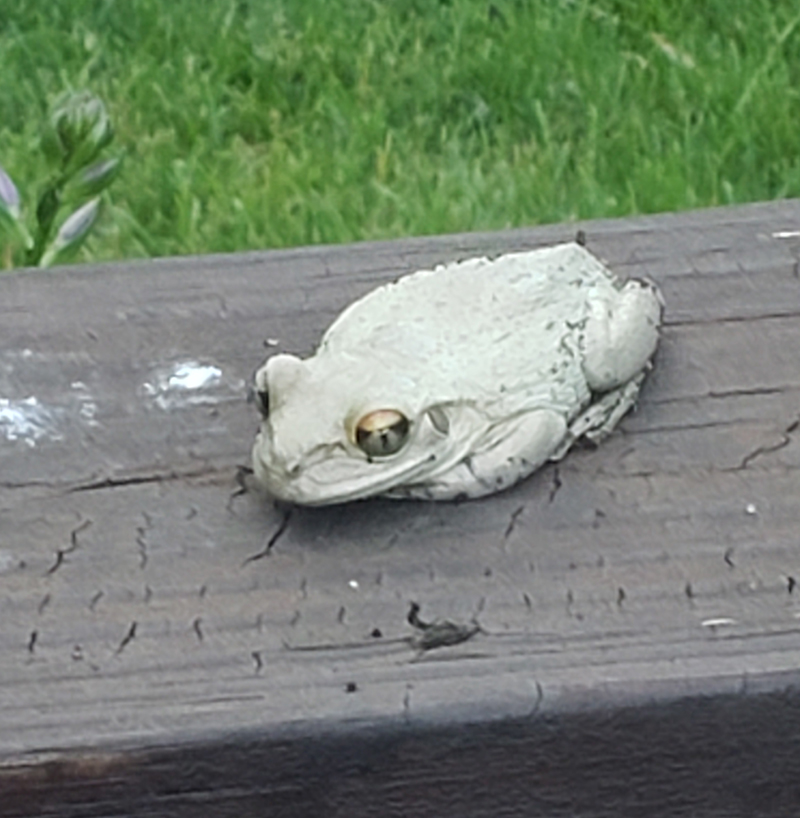
Photo credit: E. Ferguson
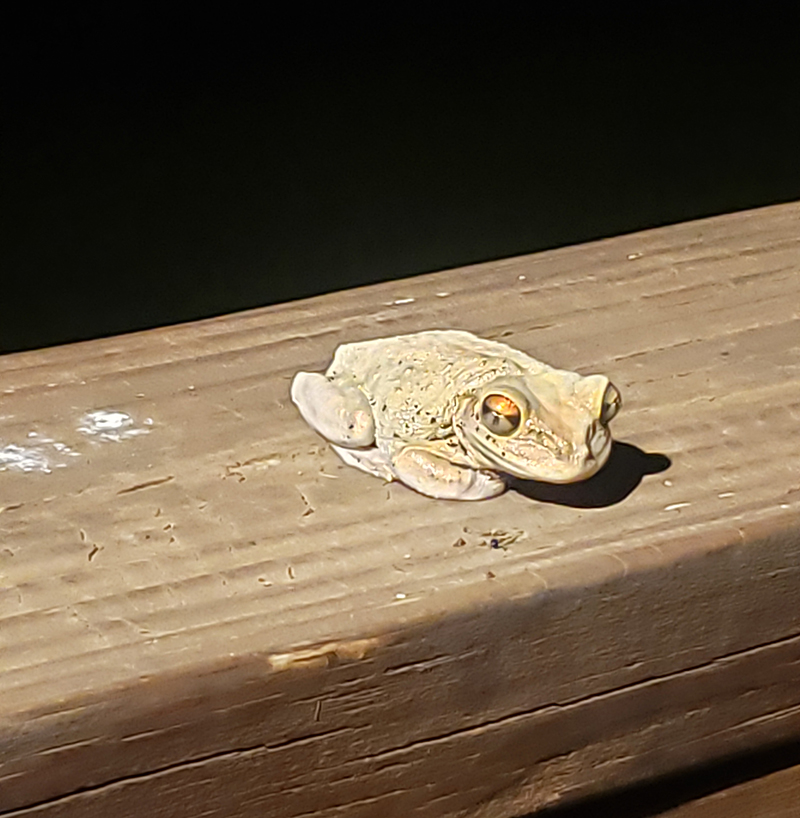
Photo credit: E. Ferguson
Gray Treefrog Pictures (native species)
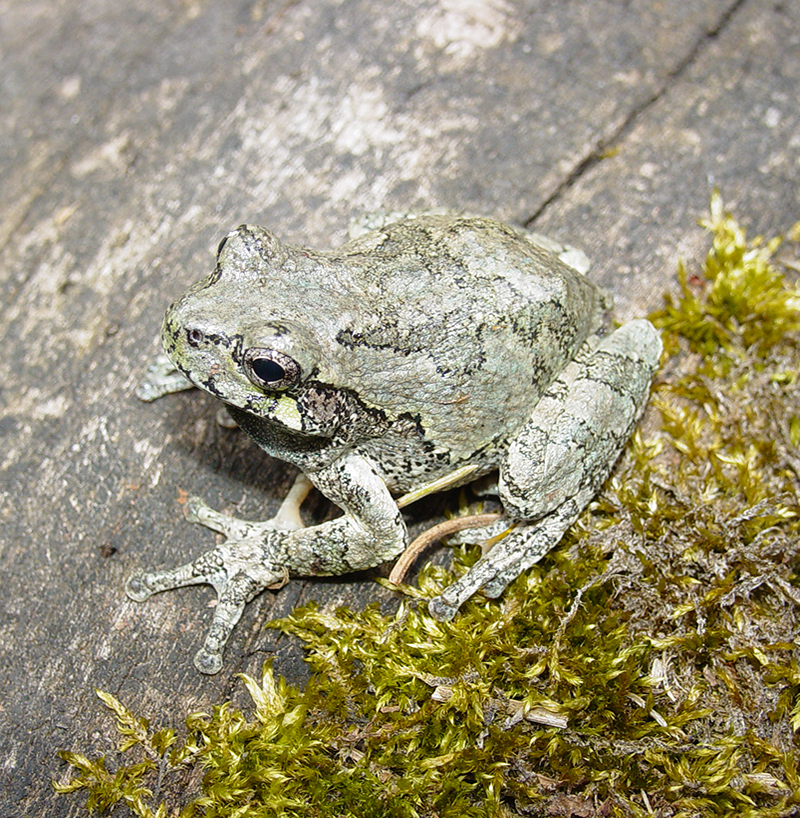
Photo credit: B. MacGowan
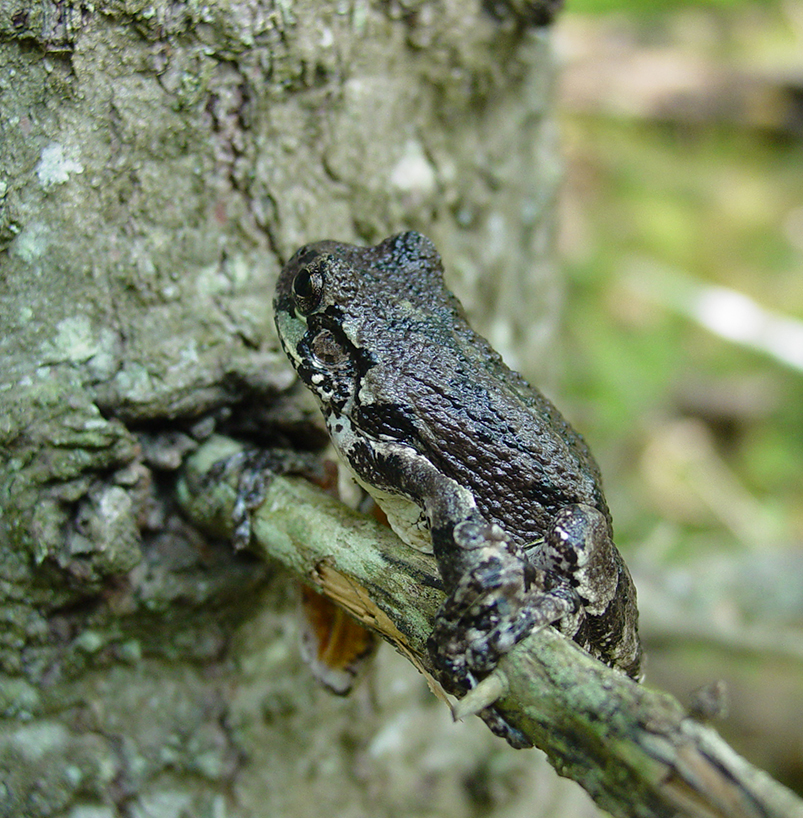
Photo credit: B. MacGowan
Resources
The Cuban Treefrog (Osteopilus septentrionalis), University of Florida- Institute of Food and Ag Sciences (IFAS) Extension
Invasive Cuban Treefrogs, Department of Wildlife Ecology & Conversation, University of Florida
Sounds of Frogs and Toads of Indiana, Purdue Extension – Forestry and Natural Resources
Ask An Expert: Anurans (Frogs and Toads), Got Nature? Blog, Purdue Extension – Forestry and Natural Resources
Frogs and Toads of Indiana, The Education Store, Purdue Extension resource center
A Moment in the Wild, Playlist, Purdue Extension – Forestry and Natural Resources
Forestry Management for Reptiles and Amphibians: A Technical Guide for the Midwest, The Education Store
Appreciating Reptiles and Amphibians in Nature, The Education Store
Nature of Teaching website and YouTube Playlist, Purdue Extension
Steve Johnson, Associate Professor
Dept. of Wildlife Ecology & Conservation, University of Florida
Brian MacGowan, Extension Wildlife Specialist
Department of Forestry and Natural Resources, Purdue University
Starting trees from seed requires knowing the germination requirements for the species you wish to grow. Most native tree seeds require treatments to break seed dormancy before the seed will germinate. These are done naturally by weather cycles, moisture, sunlight and wildlife in the forest environment. When we collect seeds, we will have to simulate these natural events to germinate the seeds successfully.
The Woody Plant Seed Manual, a U.S. Forest Service publication, gives detailed germination and nursery culture instructions by genus and species of trees. With over 450 seeds of woody plants in the United States, this manual continues to be popular both in this country and beyond. Seed data includes approximately 800 species, varieties, and sub-species in 188 genera, considerable more than the 420 species and 140 genera in this edition.
View this general germination guide for some common tree species.
Resources:
Frost Seeding to Establish Wildlife Food Plots & Native Grass and Forb Plantings – YouTube Video
Planting Hardwood Seedlings – The Education Store
Ordering Seedlings from the State Forest Nursery System, Got Nature? – Purdue Extension-FNR
Instructions for Ordering Tree Seedlings – Indiana DNR Division of Forestry
Importance of Hardwood Tree Planting – The Education Store, Purdue Extension Resource Center
Forest Improvement Handbook – The Education Store
Designing Hardwood Tree Plantings for Wildlife – The Education Store
National Nursery and Seed Directory – USDA Forest Service
Web Soil Survey – USDA Natural Resources Conservation Service
ID That Tree – YouTube Playlist
Diana Evans, Extension and Web Communication Specialist
Purdue University Department of Forestry and Natural Resources
Lenny Farlee, Sustaining Hardwood Extension Specialist
Purdue University Department of Forestry and Natural Resources
MyDNR, Indiana’s Outdoor Newsletter, 2022-23 Migratory Bird Hunting Seasons: Indiana’s migratory bird hunting seasons for 2022-2023 have been submitted to the US Fish and Wildlife Service. These seasons include those for mourning doves, waterfowl (ducks, coots, mergansers, and geese), woodcock, snipe, and sora rails.
The seasons are listed in the image below with mourning dove hunting listed first with dates of Sept. 1 – Oct. 16 and then Nov. 1 – 27. If you need more information you can contact Adam Phelps, 812-929-0355, aphelps@dnr.IN.gov.
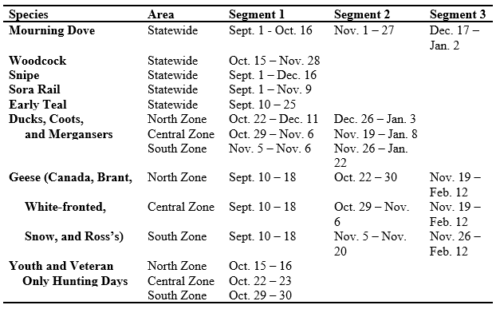
For the daily limits view 2022-23 Migratory Bird Hunting Seasons, Indiana Department of Natural Resources calendar post.
Resources:
Birds and Residential Window Strikes: Tips for Prevention, The Education Store, Purdue Extension resource center
Breeding Birds and Forest Management: the Hardwood Ecosystem Experiment and the Central Hardwoods Region, The Education Store
It’s For the Birds, Indiana Yard and Garden-Purdue Consumer Horticulture
Managing Woodlands for Birds Video, Purdue Extension-Forestry and Natural Resources (FNR) YouTube Channel
Ask An Expert, Playlist, Purdue Extension – FNR YouTube channel
No Room at the Inn: Suburban Backyards and Migratory Birds, Education Store, Purdue Extension resource center
Hardwood Ecosystem Experiment – Wildlife Responses to Timber Harvesting, The Education Store
Subscribe, Purdue Extension – FNR YouTube Channel
Division of Fish & Wildlife
Indiana Department of Natural Resources
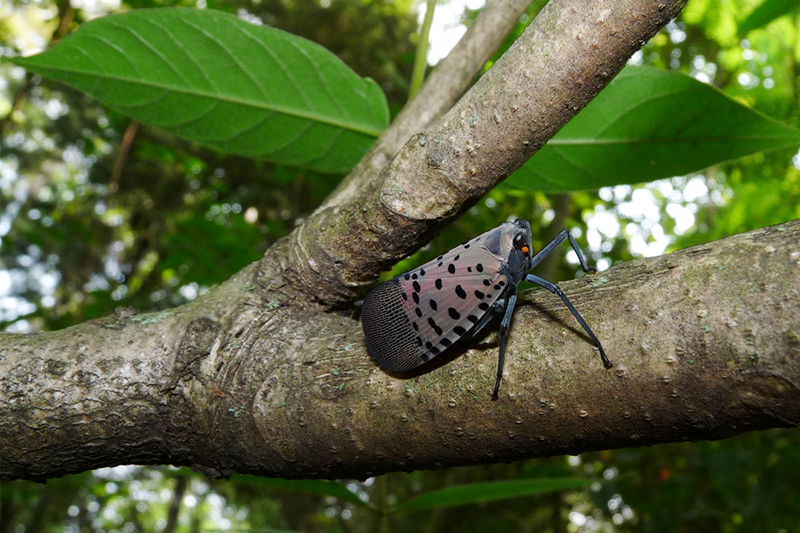 Spotted lanternfly is a major pest of concern across most of the United States. Spotted lanternfly (SLF) is an invasive planthopper native to China that was first detected in the United States in Pennsylvania in 2014. SLF feeds on over 70+ plant species including fruit, ornamental and woody trees with tree-of-heaven as its preferred host. Spotted lanternfly is a hitchhiker and can easily be moved long distances through human assisted movement.
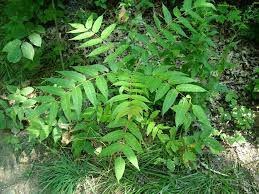
Tree of heaven (TOH) is the preferred host for the spotted lanternfly (SLF). The ability to identify TOH will be critical to monitoring the spread of this invasive pest as the 4th-stage nymphs and adult spotted lantern-flies show a strong preference for TOH.
Report a Sighting
- Take a picture and note your location.
- If you can, collect a sample of the insect by catching it and placing it in a freezer. You can use any container available as long as it has a tight seal (like a water bottle) so that the spotted lanternfly can’t escape.
- Report the sighting at DEPP@dnr.in.gov, eddmaps.org, or 1-866-663-9684.
 Stop the Spread
- Check your car and outdoor equipment for spotted lanternfly eggs, nymphs, and adults before driving or moving to a new location.
- Don’t move firewood because it can spread spotted lanternfly and many other invasive insects.
- Stay up to date with the latest spotted lanternfly information by subscribing to our newsletters (www.purduelandscapereport.org/ and www.in.gov/dnr/entomology/entomology-weekly- review/) and following us on Facebook, Twitter, and Instagram (@reportINvasive and @INdnrinvasive).
- Share your spotted lanternfly knowledge with others!
Resources:
Spotted Lanternfly, Indiana Department of Natural Resources Entomology
Spotted Lanternfly Found in Indiana, Purdue Landscape Report
Invasive plants: impact on environment and people, The Education Store, Purdue Extension’s resource center
Woodland Management Moment: Invasive Species Control Process, Video, Purdue Extension – Forestry and Natural Resources YouTube Channel
Invasive Species, Playlist, Purdue Extension – FNR YouTube Channel
What are invasive species and why should I care?, Got Nature? Blog, Purdue Extension – Forestry and Natural Resources
Report Invasive
Diana Evans, Extension and Web Communication Specialist
Purdue University Department of Forestry and Natural Resources
In this episode of A Moment in the Wild, wildlife technician Zach Truelock introduces a species of mole salamander that only comes above ground to breed. Meet the Tiger Salamander. This species is brown with yellow modeling or spots but can be differentiated from the spotted salamanders due to the irregular pattern of markings and the fact that markings bleed onto the underbelly of the tiger salamander.
If you have any questions regarding wildlife, trees, forest management, wood products, natural resource planning, or other natural resource topics, feel free to contact us by using our Ask an Expert web page.
Resources
I found this in my barn. Is it a Hellbender?, Purdue Extension
Question: Which salamander is this?, Got Nature? Blog, Purdue Extension – Forestry and Natural Resources
Is it a Hellbender or a Mudpuppy?, Got Nature? Blog
Amphibians: Frogs, Toads, and Salamanders, Purdue Nature of Teaching
A Moment in the Wild, Playlist, Purdue Extension – Forestry and Natural Resources
Help the Hellbender, Playlist & Website
The Nature of Teaching: Adaptations for Aquatic Amphibians, The Education Store, Purdue Extension resource center
Hellbenders Rock!, The Education Store
Help the Hellbender, North America’s Giant Salamander, The Education Store
Zach Truelock, Hellbender Technician
Purdue Forestry and Natural Resources
Rod Williams, Assistant Provost for Engagement/Professor of Wildlife Science
Purdue University Department of Forestry and Natural Resources
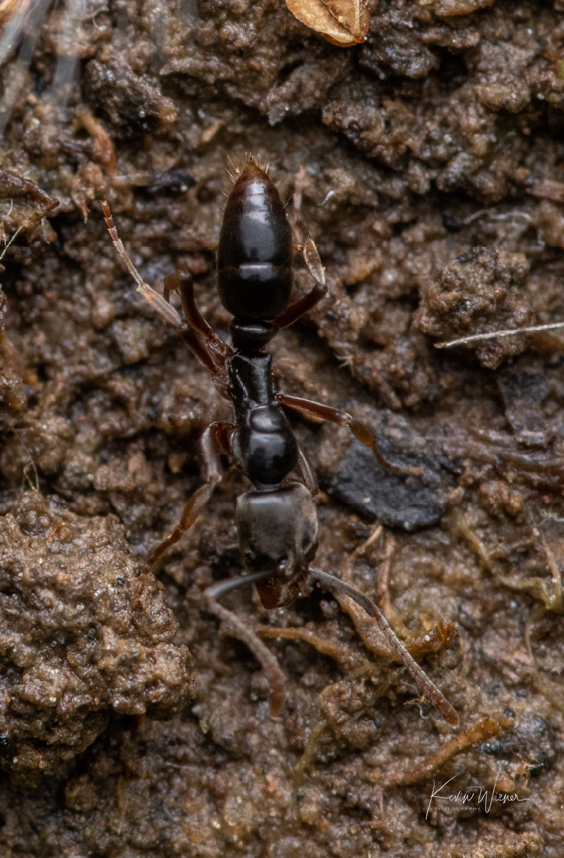
Asian needle ant in
natural setting. Photo by Kevin Weiner, Evansville, IN.
It is official. The Asian needle ant is our newest invasive insect pest and has now become a permanent resident, stinging ant. Two ant specimens taken from a wooded area in southern Indiana by an astute amateur entomologist, who observed their appearance and behavior as ‘out of the ordinary’, was submitted to the Indiana Department of Natural Resources and to the Purdue University Plant and Pest Diagnostic Laboratory for species identification in February, 2022. Both were confirmed to be Formicidae: Brachyponera chinensis, commonly known as the Asian needle ant, not previously recorded from Indiana.
Asian needle ants (ANAs), originally from Eastern Asia (China, Japan, and Korea), were first discovered in the United States in the early 1930s, but only recognized as a pest since 2006. They have been officially established in several states in the U.S. including North Carolina, South Carolina, Alabama and Georgia and, have been anecdotally reported as far north and west as New York, Tennessee and Kentucky.
Note that stings to humans will be moderately painful (potentially causing severe allergic reactions to susceptible individuals) much like fire ant or bee stings, but fortunately because these ants are much less aggressive in protecting their nests, the number of stings per encounter will be less.
The First Report of the Invasive Asian Needle Ant in Indiana pdf provides more details on their identification and biology.
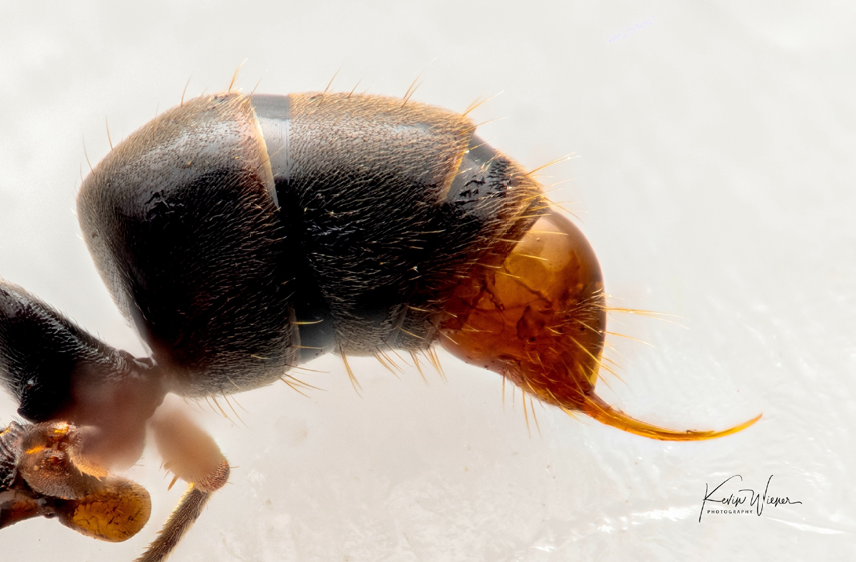
Asian needle ant stinger extended. Photo by Kevin Weiner, Evansville, IN.
If you want to confirm a sighting of the Asian needle ant please contact the Purdue University Plant and Pest Diagnostic Laboratory at this time. More information will be presented as experts monitor the spread.
Resources:
Thousand Cankers Disease, Indiana Department of Natural Resources
Thousand Cankers Disease: Indiana Walnut Trees Threatened, The Education Store, Purdue Extension’s resource center
Indiana Walnut Council
Spotted lanternfly: Everything You Need to Know in 30 Minutes, Video, Emerald Ash Borer University
Emerald Ash Borer, EAB Information Network
Report Invasive Species, Purdue Invasive Species
The GLEDN Phone App – Great Lakes Early Detection Network
EDDMaps – Early Detection and Distribution Mapping System
Indiana Department of Natural Resources: Invasive Species
Indiana Invasive Species Council
Cooperative Invasive Species Management Area (CISMA)
Invasive plants: impact on environment and people, The Education Store
Woodland Management Moment: Invasive Species Control Process, Video, Purdue Extension – Forestry and Natural Resources (FNR) YouTube Channel
Invasive Species, Playlist, Purdue Extension – FNR YouTube Channel
What are invasive species and why should I care?, Got Nature? Blog, Purdue Extension – Forestry and Natural Resources
Report Invasive
Indiana Department of Entomology and Plant Pathology
Tim Gibb, Insect Diagnostician and Extension Specialist
Purdue Department of Entomology
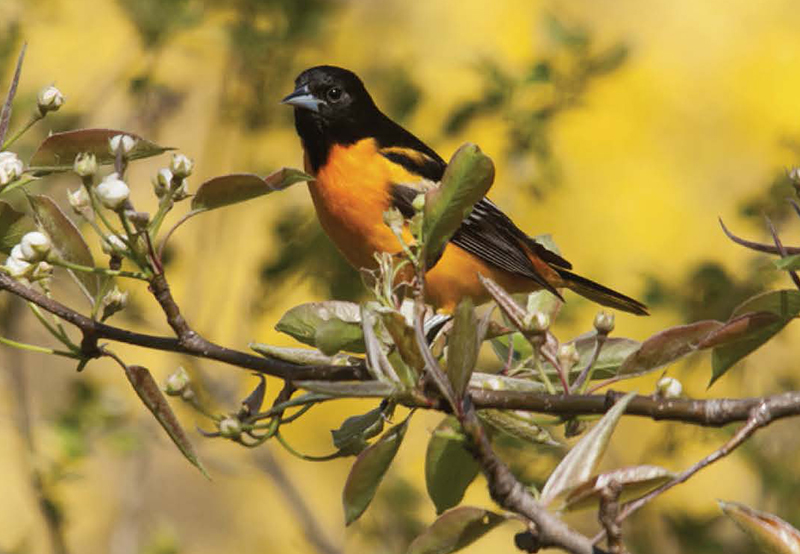 Question: Is there any risk of becoming infected with highly pathogenic avian influenza virus by feeding backyard birds or cleaning a bird feeder?
Answer: There is currently no evidence that suggests you could become infected with highly pathogenic avian influenza virus by feeding backyard birds. Generally, songbirds, or perching birds, (Passeriformes) are the primary type of birds at feeders, and they are usually not affected by HPAI. Most wild birds traditionally associated with avian influenza viruses are waterfowl, shorebirds and scavengers. It is unlikely that bird feeders will contribute to an outbreak among songbirds, but if someone also has backyard poultry, then we recommend removing bird feeders during the outbreak. Songbirds are susceptible to other avian diseases. Therefore, we recommend that people without backyard poultry who feed birds routinely, clean their feeders and bird baths, and anyone who comes in direct contact with bird droppings should thoroughly wash their hands with soap and water.
Additional information:
Indiana Department of Natural Resources (IN DNR) – Fish and Wildlife, Avian Flu: What is the risk to people? Very few types of AI can infect humans. The Centers for Disease Control and Prevention (CDC) considers the risk to people from AI viruses to be low. To date, no human AI infections have been detected in the United States. The U.S. has a strong AIV surveillance program that has been in place for many years.
Cornell Bird Lab: Avian Influenza Outbreak: Should You Take Down Your Bird Feeders?
Utah Division of Wildlife Resources: Is there any risk of becoming infected with highly pathogenic avian influenza virus by feeding backyard birds or cleaning a bird feeder?
Resources:
The National Audubon Society
Birds and Residential Window Strikes: Tips for Prevention, The Education Store, Purdue Extension resource center
Breeding Birds and Forest Management: the Hardwood Ecosystem Experiment and the Central Hardwoods Region, The Education Store
Putting a Little Wildlife in Your Backyard This Spring, The Education Store
It’s For the Birds, Indiana Yard and Garden-Purdue Consumer Horticulture
Managing Woodlands for Birds Video, Purdue Extension-Forestry and Natural Resources YouTube Channel
Brian MacGowan, Wildlife Extension Specialist
Purdue Forestry and Natural Resources
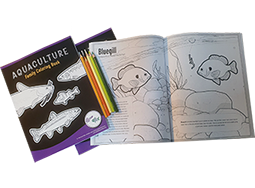
This print-your-own coloring book provides a fun and active way for children and adults to learn about the many kinds of aquatic animals raised on farms for aquaculture. Each spread highlights one species, pairing a beautifully illustrated coloring page with accompanying text for advanced and beginning readers with information about fisheries, recreational fishing, and cooking tips.
This publication is a collaborative project of Illinois-Indiana Sea Grant, the North Central Regional Aquaculture Center, University of Illinois Extension, and Purdue University’s Department of Forestry and Natural Resources.
To receive the free download for the Aquaculture Family Coloring Book visit The Education Store.
About the Author
Amy Shambach is Illinois-Indiana Sea Grant’s (IISG) aquaculture marketing outreach associate who works with the aquaculture industry in the USDA’s North Central Regional Aquaculture Center. Her work focuses on the demand side of domestic farm raised seafood products. She provides outreach and extension services to producers, potential producers, and consumers. Along with Dr. Kwamena Quagrainie, producers, aquaculture associations, and consumers, she works to determine the needs of stakeholders. View the Aquaculture Family Coloring Book Development Team with the free download of the book.
Resources:
Walleye Farmed Fish Fact Sheet, The Education Store
Pacific White Shrimp Farmed Fact Sheet, The Education Store
Yellow Perch Farmed Fish Fact Sheet, The Education Store
Tilapia Farmed Fish Fact Sheet, The Education Store
Rainbow Trout Farmed Fish Fact Sheet, The Education Store
American Paddlefish, The Education Store
Eat Midwest Fish, Illinois-Indiana Sea Grant online resource hub
Illinois-Indiana Sea Grant (IISG), Illinois-Indiana Sea Grant
Amy Shambach, Aquaculture Marketing Outreach Associate
Purdue Department of Forestry and Natural Resources/Illinois Indiana Sea Grant Program

Recent Posts
- Beetle that attacks Tree-of-Heaven found in Indiana, Purdue Landscape Report
Posted: March 20, 2026 in Invasive Insects, Wildlife, Woodlands - ID That Tree: Dwarf Chinkapin Oak
Posted: in Forestry, Urban Forestry, Wildlife, Woodlands - DNR Hiring for Indiana Conservation Officer Positions, MyDNR
Posted: March 9, 2026 in Urban Forestry, Wildlife, Woodlands - ID That Tree: Shumard Oak
Posted: in Plants, Urban Forestry, Wildlife, Woodlands - Uniting Indiana Residents Against Invasive Species
Posted: February 27, 2026 in Community Development, Invasive Insects, Wildlife - Have You Seen a Soaring Eagle Lately? Morning Ag Clips
Posted: February 25, 2026 in Urban Forestry, Wildlife - Register for Natural Resources Teacher Institute’s Class of 2026
Posted: February 19, 2026 in Forestry, Wildlife, Woodlands - ID That Tree: Fragrant Sumac
Posted: February 4, 2026 in Plants, Urban Forestry, Wildlife - Woodsy Owl Edition for Educational Learning, USDA – U.S. Forest Service
Posted: January 21, 2026 in Forestry, Forests and Street Trees, Got Nature for Kids, Urban Forestry, Wildlife - Opt-in to the Deer Management Survey, MyDNR
Posted: January 12, 2026 in Forestry, Wildlife
Archives
Categories
- Alert
- Aquaculture/Fish
- Aquatic/Aquaculture Resources
- Ask the Expert
- Christmas Trees
- Community Development
- Disease
- Drought
- Forestry
- Forests and Street Trees
- Gardening
- Got Nature for Kids
- Great Lakes
- How To
- Invasive Animal Species
- Invasive Insects
- Invasive Plant Species
- Land Use
- Natural Resource Planning
- Nature of Teaching
- Plants
- Podcasts
- Ponds
- Publication
- Safety
- Spiders
- Timber Marketing
- Uncategorized
- Urban Forestry
- Webinar
- Wildlife
- Wood Products/Manufacturing
- Woodland Management Moment
- Woodlands