Purdue Landscape Report: August was National Check Your Tree Month, but this is something that every tree owner/manager should be doing year-round. As the last hot days of summer are finishing up and we look forward to cooler fall days, we can look to our trees for different signs of trouble.
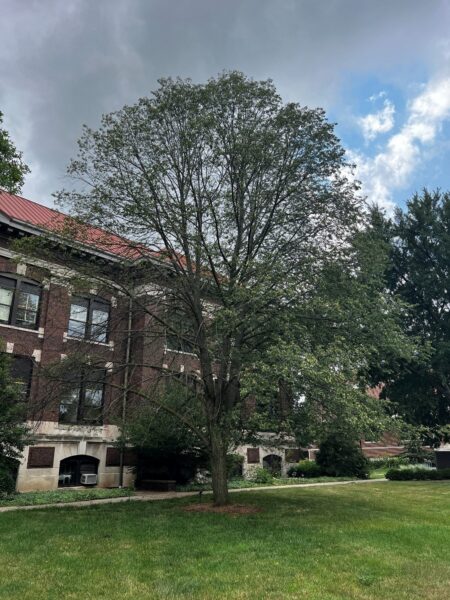
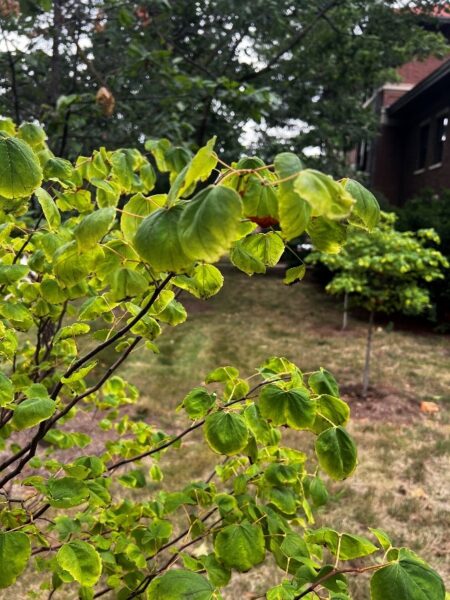
Most people tend to look up at the canopy before anything else in trees. Check leaves for dieback, discoloration, stickiness or signs of chewing. Check branches and the main stem for damage like splits and breaks, peeling bark, tunneling patterns under the bark, oozing wet spots, or sawdust around the tree. These could be signs of issues in the root system, pathogens like bacteria or fungal organisms, insect problems, or structural damage.
This is not an exhaustive list and if you notice these or anything else that seems off, it could be time for a deeper dive into what might be wrong. If you know the species of your tree the Purdue Plant Doctor is a great tool to narrow down a diagnosis. You can also contact your local Extension office or an ISA Certified Arborist.
On a more positive side, you don’t have to be on the lookout for damage, decline, or signs of pathogens and pests. It is also a matter of enjoying the trees in your landscape. Take some time out of your day to sit in the shade especially as we transition from hot summer temperatures into the cooling of autumn. Revel in the color changes as chlorophyll production slows revealing the carotenoids (that give us yellows, oranges, and browns) and anthocyanin (that produces reds and purples). In winter, not only can you better see damage in the canopy hidden by leaves in the growing seasons, but also the structure and architecture of the canopies in different tree species and the differences in bark textures. And in Spring, new growth of leaves and flowers shows us Winter is nearing its end, bringing warmer days.
So check your trees throughout the year. But not only for potential issues and risk management but also for enjoyment. Trees offer us no many benefits and sometimes it takes a little reminder. If you do see any signs of decline or damage, again, be sure to contact your local Extension office or an ISA Certified Arborist.
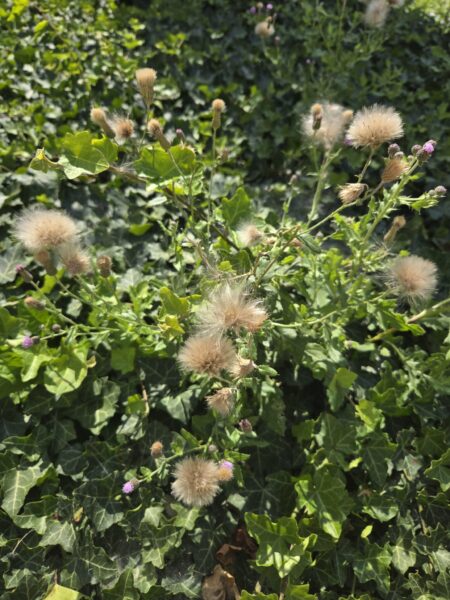
Purdue Landscape Report: As summer comes to a close, plants are rapidly releasing seeds and the most noticeable are the flying fluffy type. Thistles, asters and milkweed are just a few of the summer-flowering plants that depend on the wind to disperse their seeds, sometimes carrying them miles away to potentially suitable locations, though seeds typically land within a few meters of the mother plant. This may not be a concern if it’s a desirable plant, but can become extremely problematic when that seed comes from Canada Thistle (Cirsium arvense) (Fig. 1).
Figure 1. Canada thistle (Cirsium arvense), growing amongst common ivy (Hedera helix), produces a fluffy seed that is dispersed by wind.
Canada thistle is found on the list of Indiana Noxious Weeds (IC 15-16-7-2), which mandates that landowners take necessary steps to control and contain the spread of this highly invasive species. Formal enforcement of this Indiana Code falls to Township Trustees, though weed control is a responsibility that is often overlooked. Landowners and homeowners shouldn’t wait for a notice, or knock at the door, from a Township Trustee to begin controlling Canada thistle. It’s listed as a noxious weed for good reason.
Canada thistle is a perennial plant that can reproduce from seed or rhizomes making it difficult to control and contain. Each plant can produce thousands of wind-blown seeds that may remain viable for up to 20 years in the soil. Rhizomes are horizontal underground stems that can grow several feet and put out new shoots (Fig. 2). To add insult to injury, if a rhizome is cut or tilled, a separate plant may grow from each piece of rhizome.
Mechanical and cultural control options for Canada thistle are limited and may reduce plant density, but are not effective at eradicating large, established populations in a landscape. A new population, without an established root system, may be controlled with frequent mowing to deplete food reserves and prevent seed production.Small, isolated populations may be controlled with hand-pulling, but this will need to be repeated every few weeks.
Figure 2. Canada thistle (Cirsium arvense) reproduces by growing horizontal underground stems called rhizomes. Rhizomes can send up new shoots several feet from the mother plant.
Chemical control options include pre- and post-emergent herbicides and, in many cases, applications of both types are needed for complete eradication. A pre-emergent herbicide, with an active ingredient of dichlobenil, is effective at preventing seed from germinating, but will not control established plants. A post-emergent herbicide with the active ingredient of clopyralid is the most effective option for home gardeners. Clopyralid is a selective herbicide for broadleaf weeds, but most vegetable and ornamental plants are susceptible. Precautions should be taken to avoid off-target damage. Read and understand the herbicide label before use. The label is the law.
Regardless of the method used, complete control of an established Canada thistle population will take persistence over multiple seasons. If the fluffy seed is beginning to fly from your thistle patch, it will likely take many more seasons to rid the garden of this pest, but it is possible. To win the battle against Canada thistle, it takes serious grit and an effective herbicide, or a good realtor.
MyDNR,Indiana’s Outdoor Newsletter: As a result of Indiana’s positive detection of chronic wasting disease (CWD) in LaGrange County in April, Indiana DNR has restricted moving deer from any CWD Positive Area for rehabilitation purposes.
With the change, an individual who finds an orphaned, sick, or injured deer in a CWD Positive Area may only surrender the deer to a DNR-permitted wild animal rehabilitator that is located within a CWD Positive Area. This restriction is to help minimize the spread of CWD to new parts of the state, as deer can carry this disease without appearing sick.
Currently, there is one CWD Positive Area in Indiana. It includes LaGrange, Steuben, Noble, and DeKalb counties. While no CWD positive deer have been documented in Steuben, Noble, or DeKalb counties, those counties are considered part of the CWD Positive Area because of their proximity to where the state’s first CWD-positive deer was found in LaGrange County.
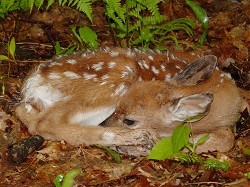
During their first few weeks of life, fawns often hide by themselves and stay motionless to avoid predators while the mother is looking for food. If you find a fawn alone, you can help it by letting it be, giving it space, and leaving the area. Its mother is likely nearby.
Quality of life encompasses individuals’ overall well-being, goals, expectations, standards, and concerns. Various factors shape a person’s perception of quality of life, such as physical and mental health, economic stability, social connections, education, and the environment. Access to healthcare, education, employment opportunities, and recreational facilities significantly influences a person’s ability to meet their needs and achieve their goals (World Health Organization, 2012).
Discover the power of quality of place and placemaking through this new publication by Kara Salazar, who is the Assistant Program Leader for Community Development for Purdue Extension along with being the Sustainable Communities Extension Specialist for Illinois-Indiana Sea Grant. Placemaking is the process of planning, designing, and managing public spaces to enhance quality of life and foster community. Effective placemaking, whether through tactical interventions like pop-up parks or strategic projects that reshape entire neighborhoods, revitalizes communities. By involving residents in the process, we create vibrant spaces that reflect local culture and values. These efforts not only improve quality of life but also attract investment, support local businesses, and promote sustainability.
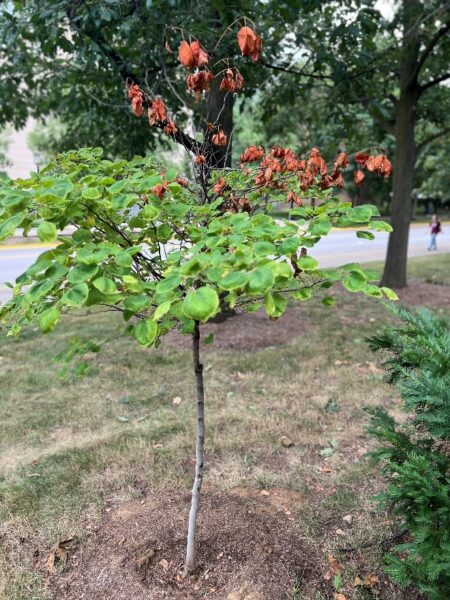
Figure 1: Drought stress can cause decline and, in some cases, death in trees.
Purdue Landscape Report: With recent rain storms across the state, watering may not be at the forefront of everyone’s minds. But as we head deeper into summer it is food to remember most of Indiana is in a state of abnormal dryness to moderate drought, continuing similar conditions from previous years. With that in mind, we should be thinking about the health of our trees (Fig. 1).
Understanding what drought is and its effects on trees can help to bolster care plans. Drought is an extended time with little to no precipitation and can slow growth, reducing photosynthesis, and depleting energy reserves trees need to survive dormancy in winter. Drought conditions can stress trees, making them susceptible to pests and diseases, reducing their ability to produce defensive chemicals, and in severe situations resulting in death (Fig. 2).
One simple task to protect your trees is watering. This is especially important in young and newly transplanted trees. A good industry guideline is the 5-plus-5 rule.
Figure 2a: Wilting in leaves and dieback in parts of the tree can indicate drought stress.
Figure 2b: Wilting in leaves and dieback in parts of the tree can indicate drought stress.
Apply 5 gallons of water plus 5 gallons for every diameter inch of the trunk. For example, a 4-inch tree would require about 25 gallons of water as needed. A good tactic to reduce water runoff from the hose is to take a large bucket and drill enough small holes to create a slow drip watering system. Also check moisture levels in your soil to see if conditions are dry, moist, or saturated.
Another way to maintain soil moisture is to mulch around the tree. Mulch rings should be at least 3 feet in diameter and 2-3 inches deep with a 2–3-inch space between the base of the trunk and the inner mulch ring. Mulching up to the trunk is called volcano mulching and causes issues like stem girdling root production and decay. Mulching reduces evaporation from the soil and helps maintain moderate soil temperatures. It also reduces competition with surrounding lawn and landscaping plants while protecting the trunk from mechanical damage caused by mowing and lawn care practices.
These little steps can go a long way to protect your trees, extending their life spans and your enjoyment with a healthy canopy. For a more detailed look at drought and trees, please have a look at the Purdue extension store here.
In this edition of ID That Tree, Purdue Extension forester Lenny Farlee takes us through the different characteristics of coniferous trees found here in Indiana, particularly their foliage and the features that pertain to them. Come along as we look through real examples of shape, scales, leaf and branches of various local trees. The featured species include Eastern red cedarwood, Northern white cedar, and more.
If you have any questions regarding wildlife, trees, forest management, wood products, natural resource planning or other natural resource topics, feel free to contact us by using our Ask an Expert web page.
Purdue Landscape Report: Recently a homeowner in Hamilton County posted on the Indiana Native Plant Society Facebook page with concerns about aphids, mites, and apple scab in her maple and oak trees. She asked for a second opinion and treatment options for these pests. I reached out to the homeowner and requested permission to collect samples from the trees. Let’s look at what I found (or didn’t find) and discuss when and if these issues should be treated.
Apple Scab on Maples?
First, we can eliminate the concern about apple scab because maple and oak trees are not hosts for this pathogen. Apple scab is caused by the fungus Venturia inaequalis, and hosts include apples, crabapples, hawthorn, mountain ash, firethorn, and loquat. There are other fungal diseases which cause leaf spotting in maples, such as Anthracnose, tar spot, and Phyllosticta leaf spot. To diagnosis these diseases, homeowners can submit a sample to the Purdue Plant & Pest Diagnostic Lab, or hire a certified arborist to assess the tree. However, all these diseases are primarily aesthetic issues. A healthy tree will not die from these pathogens and does not require treatment. You can find more information about maple diseases in this publication: Diseases in Hardwood Tree Plantings. You can also find a previous article on Tar Spot in Maple in the Purdue Landscape Report (Issue 18-12).
Fig. 1. Severe spider mite damage on maple leaves. (Photo: S. D. Frank, North Carolina State University)
Spider Mites
The next pest concern on these trees is spider mites. Out of the dozens of leaves I collected, I found only two immature mites on a couple of maple leaves I examined. This is a very small mite presence, and it is not recommended to treat for spider mites unless the populations threaten the health or appearance of the tree. Limiting pesticide usage will conserve the natural enemies, which are vital to keeping mite populations in check. In fact, improper pesticide applications can kill these important natural enemies and worsen mite infestations.
When do you know if the mite population is large enough to merit intervention? Check your trees for signs of heavy feeding damage, such as leaf stippling (Fig. 1), or dense webbing on the leaves. Mites can also be monitored by placing a sheet of paper (8.5×11”) beneath a branch and striking the limb. Chemical treatments should be considered when you count ≥24 mites per strike. You can find detailed management recommendations and a full list of pesticide options in this Purdue Extension publication: Spider Mites on Ornamentals.
Fig. 2: Adult painted maple aphids found on maple in Hamilton Co, Indiana. (Photo: Andrew Johnston, Purdue University).
Aphids
The aphids I found on the homeowner’s maple trees are Drepanaphis acerifoliae, or the painted maple aphid (Fig. 2). This species only feeds on maple trees, and is not a threat to the oak tree on this homeowner’s property. Painted maple aphid is a very common aphid in our region. I found only a few aphids on one of the maple trees I sampled, which is not enough to require treatment. In addition, one of the aphids was a “mummy”, or a carcass left behind from a parasitoid wasp. This indicates that natural enemies are already at work managing the aphid population. Aphids may rarely require chemical control if their numbers grow large enough to produce significant amounts of honeydew, which can result in sooty mold outbreaks.
Tussock Moth
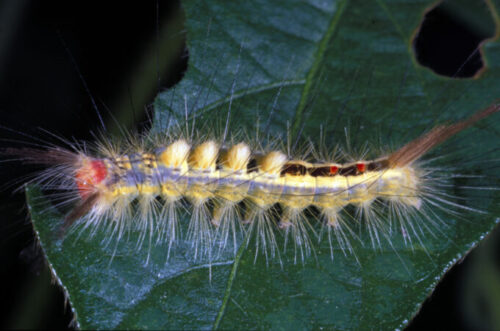
The only insect I found on the oak tree was a white-marked tussock moth caterpillar, Orgyia leucostigma (Fig. 3). This is the likely culprit for the minor feeding damage I noticed. These are not significant pests and do not require treatment. Don’t touch them, though! The setae of this caterpillar are irritating and may cause allergic reactions.
Overall, the pests I found were minimal and non-threatening to the trees. It’s normal to find some insect pressure in the landscape. Knowing when and if to treat requires accurate diagnosis and monitoring of pest levels. Check out PurduePlantDoctor.com for an easy-to-use diagnostic aid and treatment recommendations.
In this episode of A Woodland Management Moment, Purdue Extension forester Lenny Farlee talks about the importance of oak regeneration. Oak is a ‘keystone’ species, integral to supporting many different facets of wildlife. This includes insects to large mammals all across the environment in Indiana and the central hardwood region. This video also shares details regarding Purdue’s initiatives to ensure the diverse ecosystems maintained by oak and to provide the resources needed to keep regenerating this integral tree
If you have any questions regarding trees, forests, wildlife, wood products or other natural resource topics, feel free to contact us by using our Ask an Expert web page.
Familiar with surprise lilies? Indiana has a native surprise onion!
Many yards where I grew up in southern Indiana were graced with surprise lilies. These plants grew long narrow leaves in the spring, which faded and died by early summer. After a pause with no evidence of the plant, long stems with pink lily-like flowers emerged, with no leaves to be seen.
Ramps foliage is often found in clusters or patches in early spring. These leaves will die before summer.
While these plants are not a native species, we do have a native with similar habits that is a distant relative of the surprise lily. That plant is ramps, also known as wild leek and a variety of other local names. There are two species of ramps recognized now – the more common broad-leaved ramps, Allium tricoccum, and the narrow-leaved ramps, Allium burdickii. Ramps are related to onions and garlic and have odor and taste reminiscent of those plants. Ramps foliage emerges early in the spring and was one of the earliest green edibles available to First Nations people and early European settlers.
Many communities developed festivals or celebrations centered on the emergence of ramps as a sign of spring and some fresh greens to eat. The bright green leaves emerge before the tree leaves and fade before summer, but by the first half of June expect to see thin stems with a rounded cluster of small white flowers emerge – our surprise onion! It may take a ramps plant seven to ten years from seed to produce a flower, so this is a slow-growing and long-lived forest perennial. The flowers are pollinated by insects and produce round black seeds that may stay on the stalk through winter.
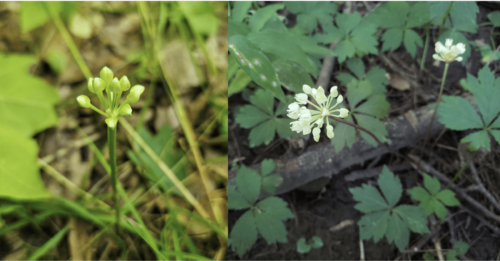
Newly emerged flower stem and buds and the blooming flowers of ramps.
Look for ramps in well-shaded forest areas with moist soils. They have a scattered distribution across Indiana, so you won’t find them in every woodland. The leaves and bulbs are edible, but absolute certainty of ID is essential as there are some toxic plants that look similar. Check ID references and spend some time with experienced foragers before eating any wild plants. The onion/garlic odor of ramps is a good indicator for positive ID.
Since this is a slow growing plant with a limited distribution, over-collection is a threat. A responsible harvesting technique is to harvest one leaf from mature plants, leaving the other leaves and the bulb. If you harvest the whole plant, take less than 5 percent of the plants in a patch, allowing seeding and bulb division to repopulate the area. Seed or bulbs can also be used to plant new patches. So keep you eyes open for our local surprise flowers this June – ramps!
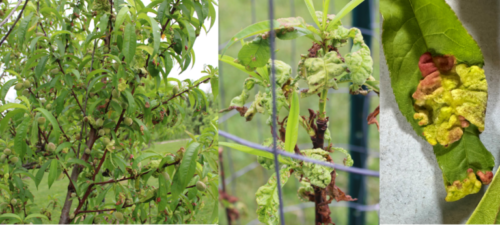
Figure 1: Peach trees showing symptoms of peach leaf curl caused by Taphrina
Purdue Landscape Report: The past two months have been relatively wet and cool to warm. This prolonged period of overcast conditions, high humidity, and light to moderate rainfall is perfect for some of our foliar disease issues.
“April flowers bring May Leaf spots” doesn’t have the right ring to it, but we are seeing quite a bit of leaf curl and leaf blister. These are two disease issues caused by Taphrina spp. fungi. Like the common names of their diseases, the symptoms caused by a Taphrina infection include leaf deformation.
Figure 2: Oak leaf blister symptoms ranging from light green early infections, changing to yellow and then becoming necrotic as the season progresses.
In the case of Peach, the leaves turn light yellow, bright pink, or red where tissue puckers and twists leading to curled leaves. In oak, leaves develop localized blisters that are light green early in the season and are easy to miss since the color is not very different from healthy tissue.
However, the blisters will turn brown later in the season which makes them more noticeable. Maples also get a disease caused by Taphrina, but it does not cause as much distortion as it does on oak or peach. Severe maple leaf blister can lead to leaves becoming slightly contorted, but the primary symptom is brown necrotic lesions.
With cool wet weather over an extended period of time, we have been seeing more foliar disease issues than in the last few years.
Figure 3: Symptoms of leaf blister on maple trees.
Since disease problems can take time to develop, Taphrina is likely just the harbinger for some other disease issues we may see in early summer if moderate conditions continue. If the weather dries out as it heats up, it will halt many of these foliar problems in their tracks.