 Purdue University - Extension - Forestry and Natural Resources
Got Nature? Blog

Issue:
Woodlands provide a multitude of environmental (e.g., carbon sequestration, enhance water quality, wildlife habitat), economic (e.g., timber, wood products manufacturing, tourism), and social (e.g., recreation, aesthetics) benefits to Indiana residents. The sustainability of these benefits is strongly tied to stability of the resource. In Indiana, 75 percent of the 4.65 million acres of forestland is owned by families. Actions they take on their property can impact the benefits woodlands provide all Indiana residents. However, many do not understand available options or sources of assistance.
What Has Been Done:
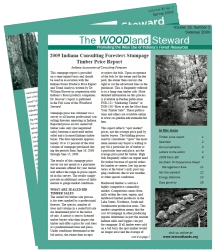 The Department of Forestry and Natural Resources, in partnership with many other organizations, helps produce and mail over 31,000 copies of the Indiana Woodland Steward to woodland owners three times each year. This 16-page, two-color publication includes in-depth articles on forest stewardship and health, invasive species and pests, wildlife habitat management, economics, and more.
Results:
Subscribers owned more woods (71.6 ac) for a longer tenure (33 years) than the average woodland owner in Indiana based on data from the National Woodland Owner Survey. As a group, they were also more active managers based on the proportion enrolled in assistance programs and who had a written stewardship plan. Fifty-four percent regularly utilized information from the Woodland Steward. In addition, 51 percent of respondents have implemented at least one practice they read about from The Woodland Steward, potentially impacting an estimated 1.2 million acres of forestland. His use of print media to communicate with woodland owners could be considered expensive, but clearly a large number of woodland owners regularly read and utilize the information making the average investment per landowner much lower.
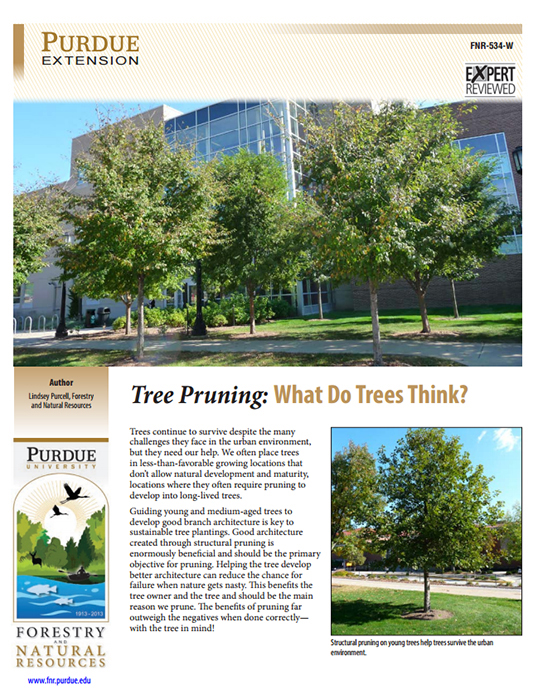 The Tree Pruning: What Do Trees Think publication explains the physiological and physical changes that happen within trees as a response to pruning. Guiding young and medium-aged trees to develop good branch architecture is key to sustainable tree plantings. Good architecture created through structural pruning is enormously beneficial and should be the primary objective for pruning. Helping the tree develop better architecture can reduce the chance for failure when nature gets nasty. The benefits of pruning far outweigh the negatives when done correctly–with the tree in mind!
Resources:
Tree Pruning Essentials – publication, The Education Store, Purdue Extension Resource Center
Tree Pruning Essentials – video, The Education Store
Trees and Storms, Got Nature?
Tree Risk Management, The Education Store
Lindsey Purcell, Urban Forestry Specialist
Purdue University, Department of Forestry and Natural Resources
Pruning has been called “one of the best, worst maintenance practices,” especially when performed on urban trees. The process creates wounds, which have a major impact on plant processes. Improper cutting on a tree causes severe damage or even death. Be sure to watch this before pruning trees! Tree Pruning Essentials video.
View publication for more details: Tree Pruning Essentials – FNR-506-W at the Education Store.
Resources
Tree Pruning Essentials – publication, Purdue Extension
Trees and Storms, Got Nature?
Tree Risk Management, The Education Store – Purdue Extension Resource Center
Lindsey Purcell, Urban Forestry Specialist
Purdue University, Department of Forestry and Natural Resources
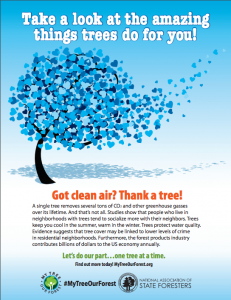 Both urban and community forests alike are indispensable staples of our ecosystem that we cannot live without. The My Tree—Our Forest® campaign, from The National Association of State Foresters, is an urban and community forestry campaign that aims to increase public understanding about the benefits that healthy forests offer to communities across the United States and the role that state forestry agencies play in protecting the nation’s urban trees.
For your next outreach event, consider downloading the My Tree—Our Forest® fact sheet, a free pdf that takes a look at the amazing things trees do for you.
Resources:
Indiana’s Urban Woodlots, The Education Store
Urban Wood and Traditional Wood: A Comparison of Properties and Uses, The Education Store
Tree selection for the “Un-natural” Environment, The Education Store
Planting Your Tree Part 1: Choosing Your Tree – Video, The Education Store
Lumber from Urban and Construction-Site Trees, The Education Store
National Association of State Foresters (NASF)
 The Indiana Department of Natural Resources (IDNR) has released its latest video – Indiana’s Working Forests.
This video explores the origins of Indiana’s state forest system that developed after pioneer settlers cleared the original forests and left behind a nearly barren landscape.
State forests were established to demonstrate how to use science to grow and sustain healthy forest systems. Beginning with just 2,000 acres at Clark State Forest in 1903, the DNR Division of Forestry has expanded to cover more than 156,000 acres at 15 sites.
In the video, IDNR Forestry professionals discuss how management practices contribute to forest health by mimicking natural disturbances. Those practices promote regeneration of oaks and hickories that are valuable food sources for many forest wildlife species. They explain that although timber harvests have increased in recent years, the selective approach they use removes less than 1 percent of the available trees in any given year.
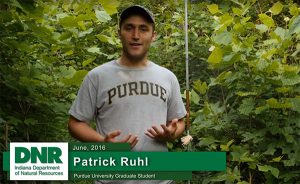
FNR graduate wildlife student Patrick Ruhl, Purdue adviser Dr. J. Barny Dunning, Jr., shares how the Hardwood Ecosystem Experiment provides him the opportunity to study the effects of forest management and the changes that are taking place among migratory songbirds. This project is a collaborative effort with the following sponsors: Indiana Department of Natural Resources, Division of Forestry; Indiana Department of Natural Resources, Division of Fish and Wildlife, Wildlife Diversity Section; Purdue University; Indiana Chapter of the Ruffed Grouse Society; National Geographic Society; and The Wildlife Management Institute. To view more partners view the Hardwood Ecosystem Experiment website: heeforestudy.org.
Resources:
A Landowner’s Guide to Sustainable Forestry: Part 1: Sustainable Forestry – What does it mean for Indiana?, The Education Store
Indiana Forest Issues and Recommendations, The Education Store
The Hardwood Ecosystem Experiment: Indiana Forestry and Wildlife, The Education Store
Forest Ecosystem Management in Indiana, The Education Store
Forest Ecosystem Management in the Central Hardwood Region, The Education Store
Phil Bloom, Director
Indiana Department of Natural Resources
Choosing and planting a tree should be a well-informed and planned decision. Proper selection and planting can provide years of enjoyment for you and future generations as well as increased property value, improved environmental quality, and economic benefits. On the other hand, an inappropriate tree for your site or location can be a continual challenge and maintenance problem, or even a potential hazard, especially when there are utilities or other infrastructure nearby. This informative video will describe everything needed to know about choosing the right tree.
Resources:
Financial and Tax Aspect of Tree Planting, The Education Store
Tree Risk Management, The Education Store
Designing Hardwood Tree Plantings for Wildlife, The Education Store
Importance of Hardwood Tree Planting, The Education Store
Planning the Tree Planting Operation, The Education Store
Purdue Extension – Forestry and Natural Resources

It’s a tough neighborhood for trees in the built environment. It is an ecosystem unlike any other, because it is dynamic, fragmented, high-pressure, and constantly under siege. There are continual extremes and challenges in this “un-natural” area as opposed to the environment in a more natural woodland. It’s a place where trees die young, without proper selection, planting, and care. Successful tree selection requires us to think backwards—beginning with the end in mind— to get the right tree in the right place…in the right way. This publication, Tree Selection for the “Un-natural” Environment, takes a look at some important components of the decision-making process for tree selection. There is both a publication and a video resource on this topic, both of which can be found below.
The video can be watched here:
Planting Your Tree Part 1: Choosing Your Tree
Resources:
Tree Selection for the “Un-natural” Environment, The Education Store, Purdue Extension’s resource center
Tree Installation: Process and Practices, The Education Store
Construction and Trees: Guidelines for Protection, The Education Store
Diseases in Hardwood Tree Plantings, The Education Store
Question: We want to plant five fastigiata (upright blue spruce) in an area with heavily compacted soil with large percentage of clay content in the soil. The soil essentially feels and handles like play dough. Water cannot drain down in the soil because of the high clay content. Ewes were planted but they are dying since they are sitting in clay soil with water standing around the roots. A swimming pool was built nearby three years ago and the equipment used was rolled over this area numerous times to remove soil for the pool area, and the clay soil is heavily compacted and won’t allow water to drain. We are thinking we will dig out the soil maybe five feet deep, 10 feet wide, and 20 feet deep and replace it with good compost top soil mix. We are not sure if we need a T drain or not. We want to plant five of the upright blue spruce in this area. Do you have an arborist you can suggest to come out and look at our situation?
Answer: This is a typical issue with soils in our area being composed of primarily clay which leads to heavy, poorly drained soils. The fact that there has been a great deal of construction damage worsens the problem even further. Traffic of this magnitude can render landscape sites virtually useless for any type of sustainable tree planting without mitigation. Your ideas of creating an adjusted planting space may not correct the problem completely, but may help alleviate the damage and improve planting conditions.
 I am not certain that digging up and replacing the soil would be of much value, long term. I have had success with site improvements, but it isn’t guaranteed. It may provide temporary improvements to get the trees established, however, once they mature and outgrow your “prepared planting space”, the troubles could begin. Once the roots try to expand into the compacted, native soils, most likely they would be redirected back into the pit, minimizing good root spread for health and stability. Additionally, you would be creating a “bathtub effect” with poor drainage in your excavated pit.
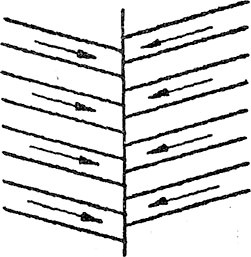
It may be possible to remove and replace the soils in that excavated area with lateral drainage at the bottom of the planting area to remove the water and prevent prolonged exposure to wetness on the root system. Perforated tiles draining outside of the planting area may work. Create a single, central line with a herringbone lateral system that goes past the dimensions of the pit. Use good topsoil with no amendments to the new planting area. One other consideration would be roots clogging the drainage system if not set deep enough. Again, this is a stretch for mitigation, but may be successful with proper preparation.
I would suggest contacting a company with an ISA certified arborist who can assist you with the process. Use Trees Are Good’s Arborist Search to help locate an arborist in your area. Also, try reviewing the publications on construction damage for some corrective and preventative treatments for the future.
Resources:
Collecting Soil Samples for Testing, The Education Store
Soil and Water Conservation Districts, Indiana State Department of Agriculture
Certified Soil Testing Laboratories, Purdue Department of Agronomy/Extension
Arborist Search – Trees Are Good
Tree Installation: Process and Practices – The Education Store, Purdue Extension Resource Center
Mechanical Damage to Trees: Mowing and Maintenance Equipment – The Education Store
Why Is My Tree Dying? – The Education Store
Tree Risk Management – The Education Store
Lindsey Purcell, Urban Forestry Specialist
Purdue University Department of Forestry and Natural Resources
 Question: I have noticed that a lot of very mature (> 80 ft) sycamore trees look ill. They don’t seem to have as many leaves, or as large as they usually get and some have already turned brown and died. There are at least 2 in my 5 acres of woods and have noticed the same with other sycamores while driving from Mooresville to Indianapolis. Is there a certain blight/canker/pest that is damaging sycamores this year?
Answer: I have also noticed that many sycamores appear relatively bare and may have brown or wilted leaves on the stems and littering the ground around the trees. The culprit is sycamore anthracnose, a fungal disease that causes damage and death of leaves as well as stem cankers. Sycamore anthracnose symptoms can be severe when we have cool, moist spring weather at the time of bud-break and leaf emergence, but healthy trees generally recover and put on new leaf area once the environmental conditions that favor the disease change to the warmer, drier conditions of late spring and summer.
Normally, the best management practices for sycamore anthracnose are patience and maintaining good tree health. The disease cycle is dependent on cool, moist spring weather, so it will run its course by late spring or summer when the average temperatures rise. Trees that are repeatedly defoliated could be reduced in vigor and be more susceptible to other problems, so steps to promote good tree health can be used as a preventative measure.
Resources:
Purdue Plant Doctor – Purdue Extension
Fertilizing Woody Plants – The Education Store, Purdue Extension’s resource center
Anthracnose of Shade Trees or Wind Injury: Look Alike Symptoms Can be Perplexing, Purdue Plant & Pest Diagnostic Laboratory
Sycamore – The Education Store
Native Trees of the Midwest, The Education Store
Shrubs and Woody Vines of Indiana and the Midwest, The Education Store
Investing in Indiana Woodlands, The Education Store
Forest Improvement Handbook, The Education Store
ID That Tree, Purdue Extension-Forestry & Natural Resources (FNR) YouTube playlist
Woodland Management Moment, Purdue Extension-FNR YouTube playlist
Lenny Farlee, Extension Forester
Purdue University Department of Forestry and Natural Resources
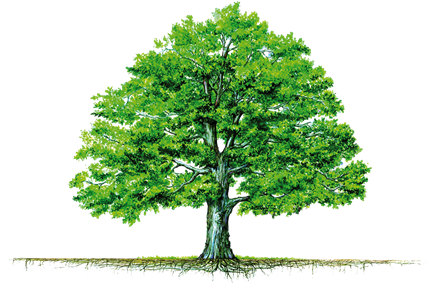 Question: I have two White Ash trees growing in my front yard along the street. One is 8″ in diameter and the other 12″. Large roots are growing out of the ground horizontally away from the trees. Should I try to cut these roots and risk hurting the tree or should I try to mound dirt over them to allow grass to grow? The roots are unsightly and ruining my lawn.
Answer: Trees provide many benefits including clean air and water. Also, they can provide up to 10% greater property value by keeping trees on your site healthy. First, make sure they are treated against Emerald Ash Borer to prevent from losing them to the pest.
Tree roots can grow a great distance from a tree, sometimes two to three times the height of the tree. These are very important for stability and health. Cutting tree roots can be a very risky choice as well as covering them with soil. When you cover existing tree roots with soil the results are similar to smothering the tree by not allowing gas exchange between the roots and the air above.
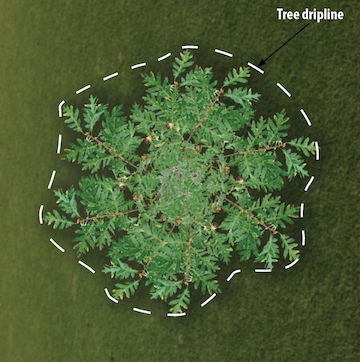
I would suggest not doing anything to the roots within the drip line of the tree. Outside of this critical root zone area is less risky and changes can be made with minimal risk. The best option under the drip line would be to add a light layer of two to three inches of hardwood mulch creating tree rings to help the tree, reduce mowing and cover the roots.
Resources:
When Tree Roots Surface – Purdue Extension
Emerald Ash Borer in Indiana – Purdue Extension
Mechanical Damage to Trees: Mowing and Maintenance Equipment – The Education Store, Purdue Extension Resource Center
Why Is My Tree Dying? – The Education Store
Tree Owner’s Manual – Indiana Department of Natural Resources
Lindsey Purcell, Urban Forestry Specialist
Purdue University Department of Forestry and Natural Resources

Recent Posts
- Urban Tree Spotlight: Planting Deciduous Shade Trees, Purdue Landscape Report
Posted: March 25, 2026 in Forests and Street Trees, Urban Forestry, Woodlands - ID That Tree: Dwarf Chinkapin Oak
Posted: March 20, 2026 in Forestry, Urban Forestry, Wildlife, Woodlands - DNR Hiring for Indiana Conservation Officer Positions, MyDNR
Posted: March 9, 2026 in Urban Forestry, Wildlife, Woodlands - ID That Tree: Shumard Oak
Posted: in Plants, Urban Forestry, Wildlife, Woodlands - A Woodland Management Moment: Windbreak Around Walnut Plantings
Posted: March 3, 2026 in Forestry, Urban Forestry, Woodland Management Moment - Getting Certified as an Indiana Certified Prescribed Burn Manager
Posted: March 2, 2026 in How To, Urban Forestry, Woodlands - Have You Seen a Soaring Eagle Lately? Morning Ag Clips
Posted: February 25, 2026 in Urban Forestry, Wildlife - ID That Tree: Fragrant Sumac
Posted: February 4, 2026 in Plants, Urban Forestry, Wildlife - Tree Silvics and Succession Webinar: A Biological Basis for Management
Posted: January 30, 2026 in Forests and Street Trees, Urban Forestry, Woodlands - Southwest Damage, Scalding or Frost Cracking
Posted: in Forestry, Urban Forestry
Archives
Categories
- Alert
- Aquaculture/Fish
- Aquatic/Aquaculture Resources
- Ask the Expert
- Christmas Trees
- Community Development
- Disease
- Drought
- Forestry
- Forests and Street Trees
- Gardening
- Got Nature for Kids
- Great Lakes
- How To
- Invasive Animal Species
- Invasive Insects
- Invasive Plant Species
- Land Use
- Natural Resource Planning
- Nature of Teaching
- Plants
- Podcasts
- Ponds
- Publication
- Safety
- Spiders
- Timber Marketing
- Uncategorized
- Urban Forestry
- Webinar
- Wildlife
- Wood Products/Manufacturing
- Woodland Management Moment
- Woodlands