 Purdue University - Extension - Forestry and Natural Resources
Got Nature? Blog
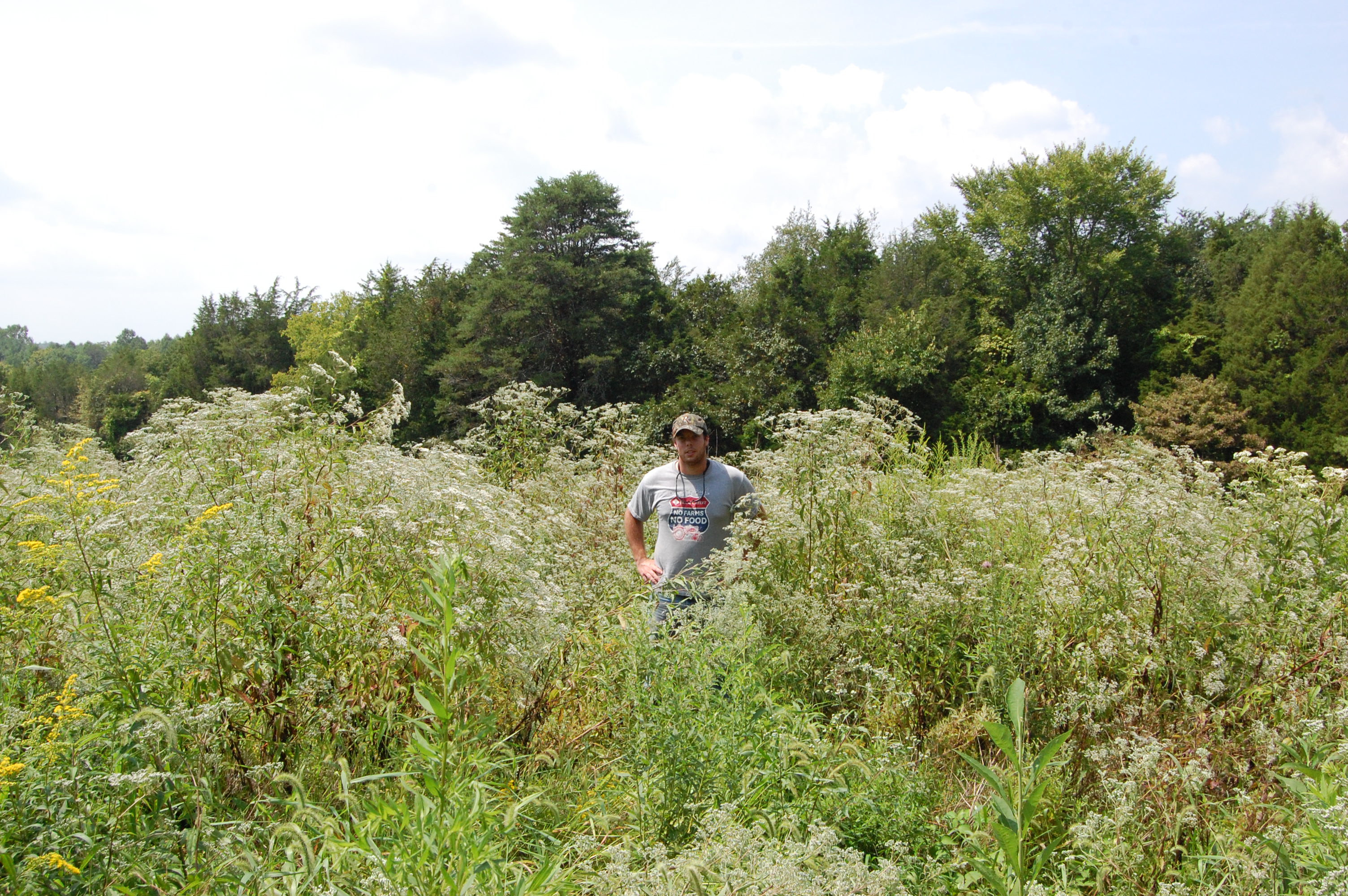
A “weedy” field like this may seem unsightly to some, but to wildlife, it provides invaluable food and cover. Just by leaving this field unmowed, you can improve habitat on your farm.

Mowing just to clean up the farm, or Recreational Mowing Syndrome (RMS), eliminates habitat for countless wildlife species.
Do you have a sudden urge to jump in the tractor and mow your fields, field borders or road ditches?
You might have RMS.
Do you enjoy spending your weekend in the cab of the tractor with a mower in tow in search of places to mow across your property?
You might have RMS.
Do you get queasy at the sight of a “weedy” unkempt field?
You might have RMS.
What is RMS you ask? RMS stands for Recreational Mowing Syndrome, a condition that afflicts many rural landowners during the summer months. And if you answered yes to any or all of the questions above, then you have RMS.
What is it?
RMS is the sudden urge many landowners get to ‘clean’ up their property by mowing the ideal fields, field borders, and road ditches around the farm during the summer months. While a mowed field may look attractive in the eyes of a landowner, in the eyes of wildlife, this is a serious problem.
These prime mowing spots provide habitat for a suite of birds, mammals, herpetofauna, and pollinating insects that inhabit our rural landscapes. Many of these species are actively nesting or raising young in these areas during peak mowing season – April through September. And the weeds coming up in these fields like common milkweed, tall ironweed, common ragweed, and many others provide food and cover for wildlife.
How to treat it?
The easiest way to treat RMS is by going cold-turkey – park the tractor for the summer. If you are not ready to give up mowing all together, then restrict your mowing to just the lanes around the fields, instead of the whole field. If you are ready to give up mowing, but still want to enjoy time in the tractor, try these options.
Instead of hooking up the mower, hook up the sprayer and go control some invasive species on the property, like bush honeysuckle, autumn olive, or sericea lespedeza. Or try hooking up the disk and disking around the field to prepare firebreaks for a late summer or fall prescribed fire.
You can still spend time on the tractor during the summer months without eliminating wildlife habitat through mowing. In fact, you can improve it!
Next time you look at your window and see a “weedy” field, don’t cringe and give into the urge to mow it. Instead, just smile and listen to all the quail whistling, songbirds singing, and bees buzzing in the habitat you improved by not mowing.
Resources
Renovating native warm-season grass stands for wildlife: A Land Manager’s Guide, The Education Store, Purdue Extension Resource Center
Effective Firebreaks for Safe Use of Prescribed Fire, Got Nature?, Purdue Extension – FNR
Sericea Lespedeza: Plague on the Prairie, Got Nature?, Purdue Extension – FNR
Jarred Brooke, Wildlife Extension Specialist
Purdue Forestry and Natural Resources
Proper disposal of medicine and personal care products is important not only 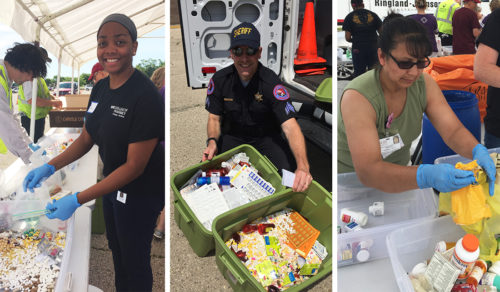 for you and your loved ones, but for the safety of the community around you. This article will walk you through methods of proper disposal for your area.
“Illinois-Indiana Sea Grant’s (IISG) Pollution Prevention Team is continually working with individuals, communities, and local governments to make the disposal of your unused, expired, or unwanted medicines convenient and safe. Since 2007, IISG has helped set up more than 70 new take-back programs, including more than 40 permanent take-back sites, collecting over 55 tons of unwanted medicines at collection events/locations in Illinois, Indiana, Michigan, and Wisconsin.” Read more and find out “Where to Dispose”. . .
Unwanted Medicine, Indiana Department of Environmental Management
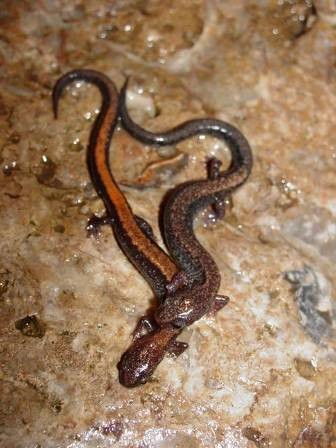 The Purdue Extension-Nature of Teaching has recently released a new publication through The Education Store. The Nature of Teaching provides free Indiana Academic Standard-based lesson plans for students in grades second through sixth to guide them on how to help maintain a healthy environment.
Understanding adaptations for aquatic amphibians can help humans learn more about healthy ecosystems. Through this educational unit, students will be able to explain how amphibian adaptations benefit survival, describe the importance of Eastern Hellbender adaptations, and identify impacts that humans have on aquatic amphibians.
These packed lesson plans are great resources for school teachers, parents, 4-H leaders and other natural resource educators. View the Adaptations for Aquatic Amphibians for the latest installment in the Nature of Teaching resources. See below for other related publications, lesson plans and games.
Resources
Frogs and Toads of Indiana, The Education Store, Purdue Extension
Salamanders of Indiana, The Education Store
Snakes and Lizards of Indiana, The Education Store
Turtles of Indiana, The Education Store
Help the Hellbender, Purdue Extension
Hellbender Decline, Purdue Extension-FNR Youtube
The Nature of Teaching, Lesson Plans K-12, Purdue Extension
Nick Burgmeier, Extension Wildlife Specialist & Research Biologist
Purdue University Department of Forestry and Natural Resources
The Invasive Terrestrial Plant Rule was signed by Governor Holcomb and published on March 18, 2019. the rule goes into effect 30 days after publishing, so it will be effective in April.
The Rule States that a person must not: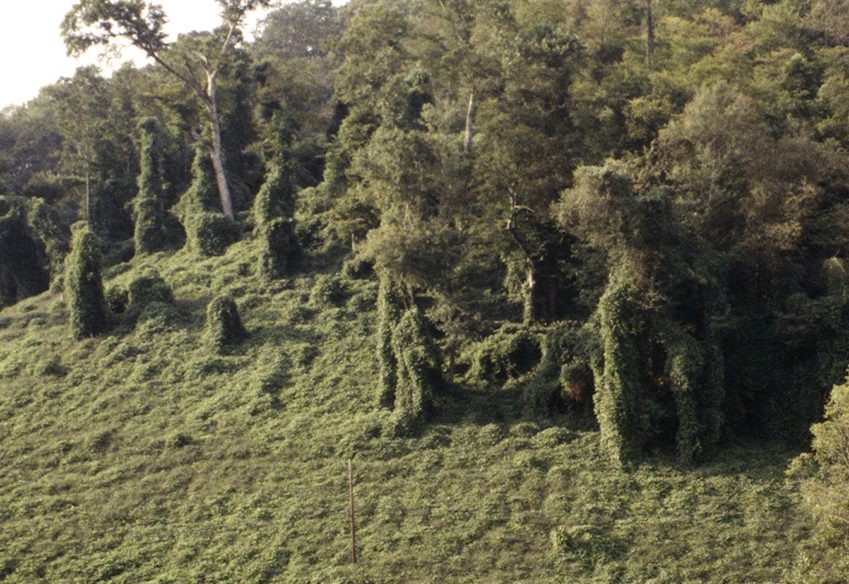
- sell, offer or grow for sale, gift, barter, exchange, or distribute a species;
- transport or transfer a species;
- introduce a species
with respect to the 44 invasive plant species (see full list in the Landscape Report).
Note: Selling, offering, distributing and transporting doesn’t go into effect until April of 2020, so nurseries will have some time to sell down their stock. This is an important component of the rule to minimize economic loss to nurseries that grow and/or sell the few commercially available species that are on the list. Currently there is no mandate to eradicate existing plantings in nurseries, landscapes, or forested areas
To learn more about what an invasive species is, what damage they do, what Indiana is doing, and more please read the Landscape Report, Terrestrial Invasive Species Rule Signed by Indiana Governor.
Resources
Mile-a-Minute Invasive Vine Found Indiana, Got Nature? Blog
Invasive plants: impact on environment and people, Purdue Extension The Education Store
Invasive Plant Species in Hardwood Tree Plantations, The Education Store
Invasive Plant Species: Callery Pear, Purdue Extension The Education Store
Invasive Plant Species: Wintercreeper, Purdue Extension The Education Store
Invasive Plant Species Oriental Bittersweet, Purdue Extension The Education Store
Report Invasive Species, Purdue Invasive Species
The GLEDN Phone App – Great Lakes Early Detection Network
EDDMaps – Early Detection and Distribution Mapping System (Report Invasives)
Cooperative Invasive Species Management Area (CISMA)
Indiana Department of Natural Resources: Invasive Species
Indiana Invasive Species Council
Indiana Department of Natural Resources (IDNR)
Kristol from Tippecanoe County, IN, sent in question to the Purdue Extension-Forestry and Natural Resources experts (Ask an Expert ) asking what resources are available to help with landscaping for a front yard and sidewalk area that accumulates water after a hard rain. She also asked for resources to improve drainage.
Purdue Extension has several articles and resources to help with this type of situation.
The resources in our Rainscaping and Master Gardeners Program shares several neat options:
Rain Gardens Go with the Flow, Indiana Yard and Garden, Purdue Horticulture
Rainscaping Program
Master Gardeners Program
Don’t miss the publications located in the Purdue Extension resource center, The Education Store, relating to the topic:
Tree Installation: Process and Practices
Planting Forest Trees and Shrubs in Indiana
Climate Change: How will you manage stormwater runoff?
For Midwest Landscapes, have a look at the Purdue Landscape Report:
Purdue Landscape Report
Check out upcoming workshops available for land and woodland owners, to talk with an expert:
Purdue Extension-Forestry and Natural Resources Calendar
Check out our Got Nature? posts as well, as this is always a great resource for new information:
Got Nature?, Forestry and Natural Resources-Purdue Extension
These resources give you lots of options that match what your looking for along with experts in the field to contact if needed.
We always appreciate the questions coming in, so keep them coming. Our experts will respond quickly and give you the guidance you need for your next steps.
Diana Evans, Extension Information Coordinator
Purdue Forestry and Natural Resources
This looks to be shaping up as a tough winter for us and our trees. Lots of snow and ice are predicted for the Hoosier state and this can be a challenge for our trees and shrubs.
After a heavy snowfall, protect your trees and property with these simple tips:

Limbs bending from ice loading.
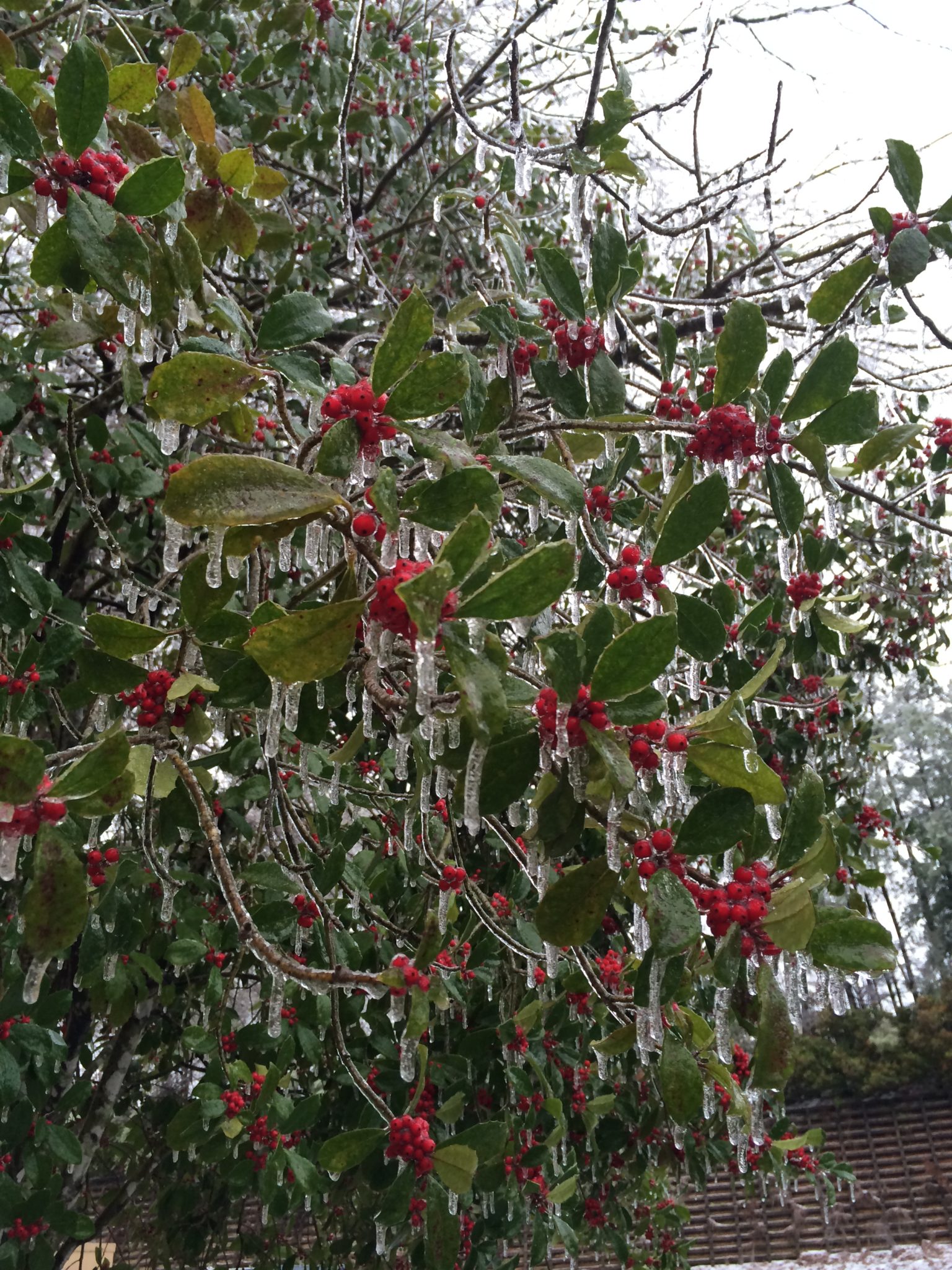
Ice accretion on hawthorn branches.
Do not shake limbs to try to remove snow or ice.
When you find your trees are bending or drooping as a result of ice or snow accumulation, your first instinct is probably to shake the branches or knock the weight off with a broom or something similar. This may cause worse damage or actually cause the branch to snap off. Stop right there! Healthy tree branches are flexible, so knocking off the accumulation of snow or ice accretion may cause them to “snap” back, potentially damaging their food and water transport system. The results of the damage may not be evident until next spring.
Trees that tend to suffer the worst damage as a result of snow and ice are upright evergreens, like arborvitae and juniper, and clump trees, like birch. And, when it comes to ice, age does not make a tree stronger; younger trees are better at actually overcoming damage in ice storms.
Hire a Professional.
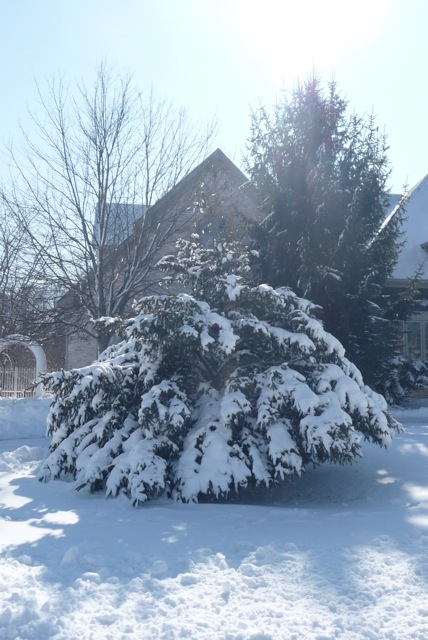
Snow weighing down spruce branches.
Safely remove broken limbs.
Broken and hanging branches can be a threat to people and property. If a limb breaks off from the weight of ice or snow and remains in the tree canopy, have it removed and the remaining stub properly pruned to the branch collar as soon as weather allows. The tree will recover better when properly pruned. For undamaged limbs bending under the weight of ice or snow, don’t prune as a means of correcting the situation. Be patient. It takes time for wood fibers in the limbs to return to its natural position.
Always be mindful of walking or parking under branches loaded down by snow or ice as they may snap and fall, causing injury or damage. If a limb breaks and becomes entangled in power lines, notify your utility company immediately. Never approach a downed power line or a branch touching a utility line.
If there is substantial damage to your tree, have an arborist examine damaged branches and limbs for signs of weakness and injury for reparations. It is best to always hire an ISA Certified Arborist. To find an arborist in your area, visit the website, www.treesaregood.org
How can you help prevent ice damage to trees? Proper pruning is one way. Particularly important is the removal of poor branch attachments and weak branch structure in the tree, prior to winter. For more information on pruning, download the publication, Tree Pruning Essentials.
Full article published in the Purdue Landscape Report.
Resources
Avoid Deadly Risk of Dying Ash Trees with Timely Tree Removal, Got Nature? Purdue Extension-FNR
New Hope for Fighting Ash Borer, Got Nature? Purdue Extension-FNR
Invasive Pest Species: Tools for Staging and Managing EAB in the Urban Forest, Got Nature?
Emerald Ash Borer, Purdue Extension-Entomology
Emerald Ash Borer Tools & Resources – Purdue Extension Entomology
Corrective Pruning for Deciduous Trees, The Education Store, Extension Publications
Lindsey Purcell, Chapter Executive Director
Indiana Arborist Association
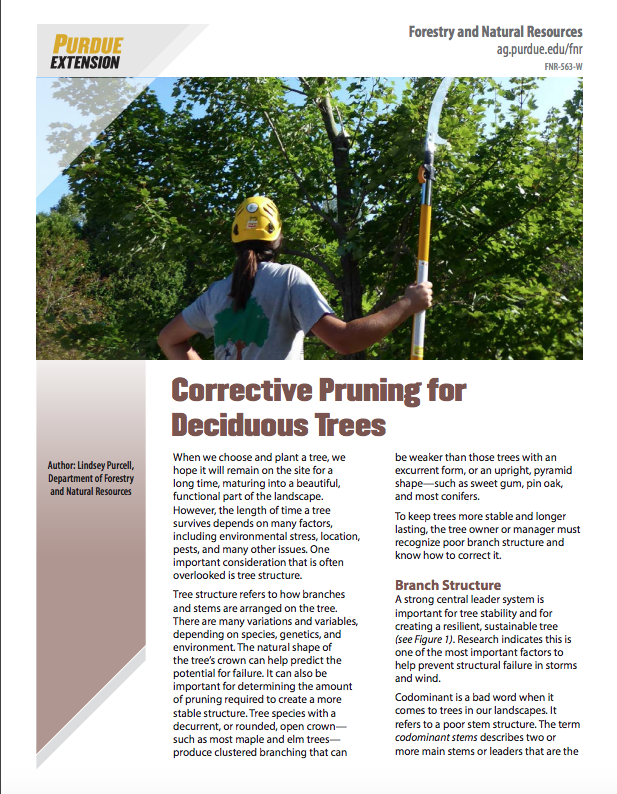
How do I remedy poor branching? Is my tree at risk of splitting, and how can pruning prevent that? Corrective pruning has many implications for tree structure, health, and longevity. Developing a strong, central branch structure in a deciduous tree is critical for preventing structural failure caused by storms, wind, and ice. This 8-page publication explains the problems resulting from a co-dominant stem structure and addresses pruning strategies for correcting poor structure.
To view this full publication please go to Corrective Pruning for Deciduous Trees located in The Education Store, Purdue Extension’s resource center.
Resources
Preparations to Prevent Southwest Tree Injury, Got Nature? Blog
When do you stake a tree?, Got Nature? Blog
Top 5 List for Tree Selection and Planting, Got Nature? Blog
Tree Selection for the “Un-natural” Environment, The Education Store, Purdue Extension
Tree Support Systems, The Education Store, Purdue Extension
Tree Installation: Process and Practices, The Education Store, Purdue Extension
Planting Your Tree Part 1: Choosing Your Tree, video, The Education Store, Purdue Extension
Lindsey Purcell, Urban Forestry Specialist
Purdue Forestry and Natural Resources
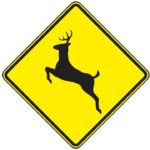 As a child growing up in rural St. Joe County, I can vividly recall the feeling of excitement when the occasional deer visited our backyard. It’s hard to believe now, but we actually placed salt licks out to attract deer for viewing. I still enjoy the sight of a white-tailed deer, but things are a lot different today – the Internet, iPods, and yes, more deer. Estimating the size of wildlife populations is a difficult task in most cases. Currently, experts estimate about 30 million white-tailed deer throughout its range. There are probably more white-tailed deer in North America today than at the time of European settlement. In Indiana, the total deer harvested today exceeds by many times the numbers harvested during my days of youth in the 1970s.
According to the Insurance Institute for Highway Safety, there are approximately one and a half million deer-vehicle collisions in the United States each year, resulting in about 150 deaths and over $1 billion in vehicle damage. The average claim of these deer-collisions is $3,995.
While deer-vehicle collisions can happen any time of year, October to December is the peak. Most collisions occur from dusk to dawn on high speed rural roads. In Indiana, if a deer dies following a collision with a motor vehicle, a conservation officer, DNR property manager or other law enforcement officer may issue a permit to an individual to possess the deer.
Don’t Waste Your Money
Many tactics have been tried over the years to reduce collisions. Most of these have proved ineffective or at least need more investigation. One common approach that does not work is the deer whistle. Deer whistles are attached to vehicles and emit noises at moderate to fast speeds. The noise presumably warns deer of approaching vehicles, thereby reducing collisions. While manufacturers contend that deer can hear the whistles up to a quarter mile away, published studies have not verified their effectiveness or whether or not deer can even hear them. The lack of deer response to deer whistles may be because deer don’t recognize the sounds as threatening or they have too little time to react.
What can I do?
There is no foolproof way to prevent deer-vehicle collisions. Hunting is the most biologically and economically effective method of maintaining Indiana’s deer herd at an optimal level – all else being equal, less deer translates to reduced probability of hitting a deer. Fencing deer from roadways has been proven most effective at reducing accidents at specific locations, but it is very costly to construct and maintain.
So what do you do? There are some common-sense precautions all drivers can take to reduce the risk of deer-vehicle collisions. The Insurance Information Institute recommends the following driving tips.
- Be vigilant in early morning and evening hours, the most active time for deer.
- Use your high-beam headlights.
- Slow down and blow your horn with one long blast to frighten the deer away.
- Brake firmly when you notice a deer in or near your path. Do not swerve. It can confuse the deer as to where to run. It can also cause you to lose control and hit a tree or another car.
- Be alert and drive with caution when you are moving through a deer crossing zone.
- Obey posted speed limits and always wear your seatbelt. Most people injured in car/deer crashes were not wearing their seatbelt.
- Look for other deer after one has crossed the road. Deer seldom run alone.
Got Nature? Blog post was also published in the IndyStar, How to avoid hitting a deer with your car, and what to do when you can’t.
Brian MacGowan, Extension Wildlife Specialist
Department of Forestry and Natural Resources, Purdue University
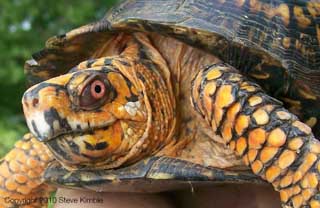
People have been catching wild turtles and selling them as pets, leading to many species becoming endangered. This is very dangerous for the health and survival of the turtle as well as being highly illegal in Indiana. We highly discourage you from taking turtles from their natural habitat and turning them into pets (or any animal for that matter). Here’s a list of reasons why it is not good to make a pet out of a wild turtle and what you can do if you see any turtle miss handling and turtle wrong doing.
Turtles DO NOT make good pets!
Reasons why turtles aren’t good pets:
- Turtles require time and money for proper care, and some species can live up to 50 years.
- Pet turtles do not like to be held and are loners; therefore, they can become boring pets for children.
- Turtles are cold-blooded and need a source of heat. They also require an ultraviolet light for proper growth and health.
- Without this special light, many health issues arise such as metabolic bone disease.
- It is very important to know what kind of species you want and the care it needs before you acquire a pet turtle. Many need special food and tanks.
- Each species has different feeding requirements, with some being strictly carnivores or herbivores. Map turtles, for example, have restricted diets that must include snails, aquatic insects and crayfish. Some species of aquatic turtles, such as the red-eared slider, map turtle and soft-shell, grow up to 12 inches long, requiring a large tank for swimming and basking.
- Land turtles need a large pen, with sufficient substrate, properly sized water bowl, a hide area, as well as heat. Some require more humidity than others.
- If you no longer want your pet turtle, you cannot release into the wild because it is not likely to survive.
- It will have to find its own food, deal with the elements and deal with predators.
- These once-captive turtles are also likely to transmit diseases to wild turtle populations.
- Turtles can carry salmonella bacteria.
- The Centers for Disease Control and Prevention recommend that children, pregnant women, and persons with compromised immune systems avoid contact with reptiles to avoid getting Salmonella.
- The DNR does not encourage the keeping of turtles as pets, but does allow it if the turtle species is obtained legally with a hunting or fishing license.
It is illegal to sell wild turtles
Many native, wild-caught turtles are still sold as pets, even though this practice is illegal in Indiana. The collection of wild turtles has caused many species to become endangered, especially when combined with habitat loss, water pollution and predators. Predators such as raccoons eat a large number of turtle eggs each year, and some species do not even breed until they are several years old, meaning that it can take many years for a population to become established. You can help protect Indiana’s turtles by helping to preserve turtle habitat, especially wetlands, through local conservation organizations or the Indiana Nongame and Endangered Wildlife Program.
Help our endangered turtle species and report any wrong handling, contact DNR Customer Service Center.
For the full article, see Turtles As Pets, Indiana Department of Natural Resources.
Resources:
Turtles of Indiana, The Education Store, Purdue Extension’s resource center
Reptile and Amphibian Regulations, Indiana Department of Natural Resources
Eastern Box Turtle Information, Indiana Department of Natural Resources
Indiana Department of Natural Resources (IDNR)
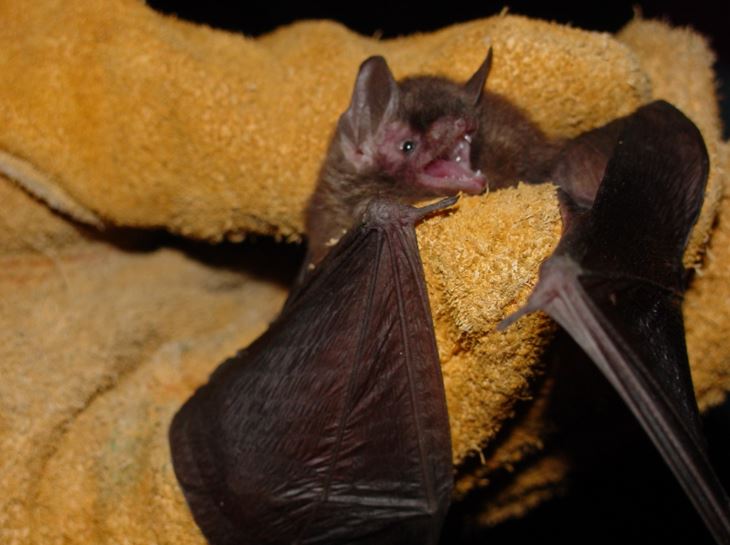 At different times of the year, I get questions about bats in structures. Bats are a timely issue towards the end of summer because young bats will soon be able to fly. Excluding bats from structures is limited to this time. This process is typically called “venting” where access points (both in use and potential) are identified, most are sealed off, and the remaining points are fitted with one-way doors that allow bats to leave but not reenter. If only the opening they use is sealed off, they will simply use another entry point. Think of it this way – our houses have multiple points of entry, but you may only use one. You will use another if necessary.
Bats can make their way into a house in a number of ways – gaps between siding and chimney, gaps between roof sheathing and fascia board, etc. New and old construction alike. Eliminating access to all of these small, potential points of access can be a challenge. The bodies of some bat species are as small as your thumb. Even though you don’t have an attic, there are still spaces inside a structure where bats can live.
Bats are one of the most difficult wildlife conflicts to deal with because of the nature of their habits. They can pass through extremely small openings, move throughout the inside of a structure, and often entre/occupy hard to reach areas. Bat exclusion is not an activity I recommend for most homeowners. There is a skill necessary to find and seal all possible access points. Since most of these are located high above ground and accessing these points can require special ladders, lifts and other safety equipment.
Having bats in the attic isn’t simply a nuisance issue, but also can be a safety issue. Like Most wildlife carry diseases. With bats, histoplasmosis and rabies are the two that are the ones most concern for people with bats in their homes. The Center of Disease Control (CDC) has good information on these and other diseases. Fleas that live on bats can also be vectors for disease. It is always a good idea to limit exposure to wildlife animals as much as possible. For bats, venting in the end of summer and fall and preventing reentry is a logical first step.
If you have bats and want to solve the problem now is the time to contact professionals who can help. Unfortunately, most nuisance wildlife control operators don’t do bat work because it requires specialized equipment and the difficulty of it. Because of that, control will not be cheap for the customer. Many people construct bat houses to attract bats. While beneficial, artificial bat houses will not attract bats from an attic.
Resources:
Selecting a Nuisance Wildlife Control Professional, The Education Store-Purdue Extension’s resource center
Bats in Indiana, Indiana Department of Natural Resources (IDNR)
Bat Houses, Bat Conservation International
Brian J. MacGowan, Extension Wildlife Specialist
Department of Forestry & Natural Resources, Purdue University

Recent Posts
- Deer and Turkey Archery Seasons Opening Soon, MyDNR
Posted: October 13, 2026 in Alert, Safety, Wildlife - Burning for Benefits: Why Fire Belongs in Indiana
Posted: October 12, 2026 in Forestry, Safety, Woodlands - Is It Too Early to Think About Christmas Tree Pests?
Posted: September 22, 2026 in Christmas Trees, Invasive Insects, Safety - Heavy August Rains Bring More Mosquitoes to Indiana
Posted: September 9, 2026 in How To, Invasive Insects, Safety, Wildlife - Lighting a Spark: Prescribed Burn Associations
Posted: August 6, 2026 in Community Development, Forestry, Safety, Wildlife - Jarred Brooke Receives Early Career Award for Prescribed Fire Work
Posted: July 20, 2026 in Forestry, Forests and Street Trees, Natural Resource Planning, Safety - IN-PREPared: Essential Resources for Indiana’s Severe Weather Season
Posted: March 11, 2026 in How To, Safety - Fall Tree Care Tips
Posted: September 20, 2025 in Forestry, Forests and Street Trees, Gardening, How To, Land Use, Plants, Safety, Timber Marketing, Urban Forestry, Wood Products/Manufacturing, Woodlands - Researchers Study Deer-Vehicle Collision Reduction Method
Posted: July 31, 2024 in Safety, Wildlife - MyDNR – First positive case of chronic wasting disease in Indiana
Posted: April 29, 2024 in Alert, Disease, How To, Safety, Wildlife
Archives
Categories
- Alert
- Aquaculture/Fish
- Aquatic/Aquaculture Resources
- Ask the Expert
- Christmas Trees
- Community Development
- Disease
- Drought
- Forestry
- Forests and Street Trees
- Gardening
- Got Nature for Kids
- Great Lakes
- How To
- Invasive Animal Species
- Invasive Insects
- Invasive Plant Species
- Land Use
- Natural Resource Planning
- Nature of Teaching
- Plants
- Podcasts
- Ponds
- Publication
- Safety
- Spiders
- Timber Marketing
- Urban Forestry
- Webinar
- Wildlife
- Wood Products/Manufacturing
- Woodland Management Moment
- Woodlands