 Purdue University - Extension - Forestry and Natural Resources
Got Nature? Blog
In this spring bloom edition of ID That Tree, meet the bladdernut, which features clusters of tiny white/yellow flowers in the spring. Learn more about this small shrub from Purdue Extension forester Lenny Farlee inside.
If you have any questions regarding wildlife, trees, forest management, wood products, natural resource planning or other natural resource topics, feel free to contact us by using our Ask an Expert web page.
Resources:
ID That Tree, Playlist, Purdue Extension – Forestry and Natural Resources Youtube Channel
A Woodland Management Moment, Playlist, Purdue Extension – FNR Youtube Channel
Shrubs and Woody Vines of Indiana and the Midwest, Purdue University Press
Native Trees of the Midwest, Purdue University Press
Investing in Indiana Woodlands, The Education Store
Forest Improvement Handbook, The Education Store
Lenny Farlee, Sustaining Hardwood Extension Specialist
Purdue University Department of Forestry and Natural Resources
On this edition of ID That Tree, meet the American hornbeam, also known as the musclewood or the water or blue beech. This native Indiana understory tree stands out due to its gray bark and striations that resemble muscles and sinews as well as its doubly toothed leaves.
If you have any questions regarding wildlife, trees, forest management, wood products, natural resource planning or other natural resource topics, feel free to contact us by using our Ask an Expert web page.
Resources:
ID That Tree, Playlist, Purdue Extension – Forestry and Natural Resources Youtube Channel
A Woodland Management Moment, Playlist, Purdue Extension – FNR Youtube Channel
Shrubs and Woody Vines of Indiana and the Midwest, Purdue University Press
Native Trees of the Midwest, Purdue University Press
Investing in Indiana Woodlands, The Education Store
Forest Improvement Handbook, The Education Store
American Hornbeam, The Purdue Arboretum Explorer
Lenny Farlee, Sustaining Hardwood Extension Specialist
Purdue University Department of Forestry and Natural Resources
In this edition of ID That Tree, Purdue Extension forester Lenny Farlee introduces you to a common understory shrub that features clusters of flowers and simple leaves reminiscent of red maple. Learn more about this native Indiana species inside.
If you have any questions regarding wildlife, trees, forest management, wood products, natural resource planning or other natural resource topics, feel free to contact us by using our Ask an Expert web page.
Resources:
ID That Tree, Playlist, Purdue Extension – Forestry and Natural Resources Youtube Channel
A Woodland Management Moment, Playlist, Purdue Extension – FNR Youtube Channel
Shrubs and Woody Vines of Indiana and the Midwest, Purdue University Press
Native Trees of the Midwest, Purdue University Press
Investing in Indiana Woodlands, The Education Store
Forest Improvement Handbook, The Education Store
Mapleleaf Viburnum, The Purdue Arboretum Explorer
Lenny Farlee, Sustaining Hardwood Extension Specialist
Purdue University Department of Forestry and Natural Resources
Purdue Landscape Report: Finally, spring has sprung and summer is on its way. The hot days and warm nights are welcome for us, but summer isn’t always so kind to our trees, especially in our urban forests and landscapes. Trees are dynamic living organisms that respond to external stimuli in very strategic ways and each season presents its own challenges and summer is no different.
During the summer, growth slows as some resources become limited and typically, this is water. As the summer season progresses, the likelihood of less rain means potential drought conditions. The primary responses of a tree to heat and drought are a reduction in photosynthesis and carbon assimilation rates. This translates to a reduction in energy production and food reserves. This reduction can increase vulnerability to health issues and reduced defense mechanisms against pests.
There are some key steps to summer tree care which can help trees through potentially challenging conditions in the summer.
- Watch the water; be sure to supplement trees with additional watering when there isn’t adequate rainfall that measures at least an inch per week. Mature trees need supplemental watering just as the younger, newly established trees. Be sure to know the symptoms of dry conditions and how much to water with more information here.
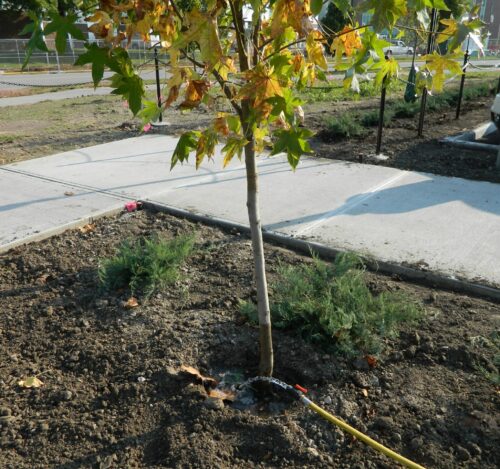
Drought symptoms should be monitored weekly to prevent decline and dieback during the dry months.
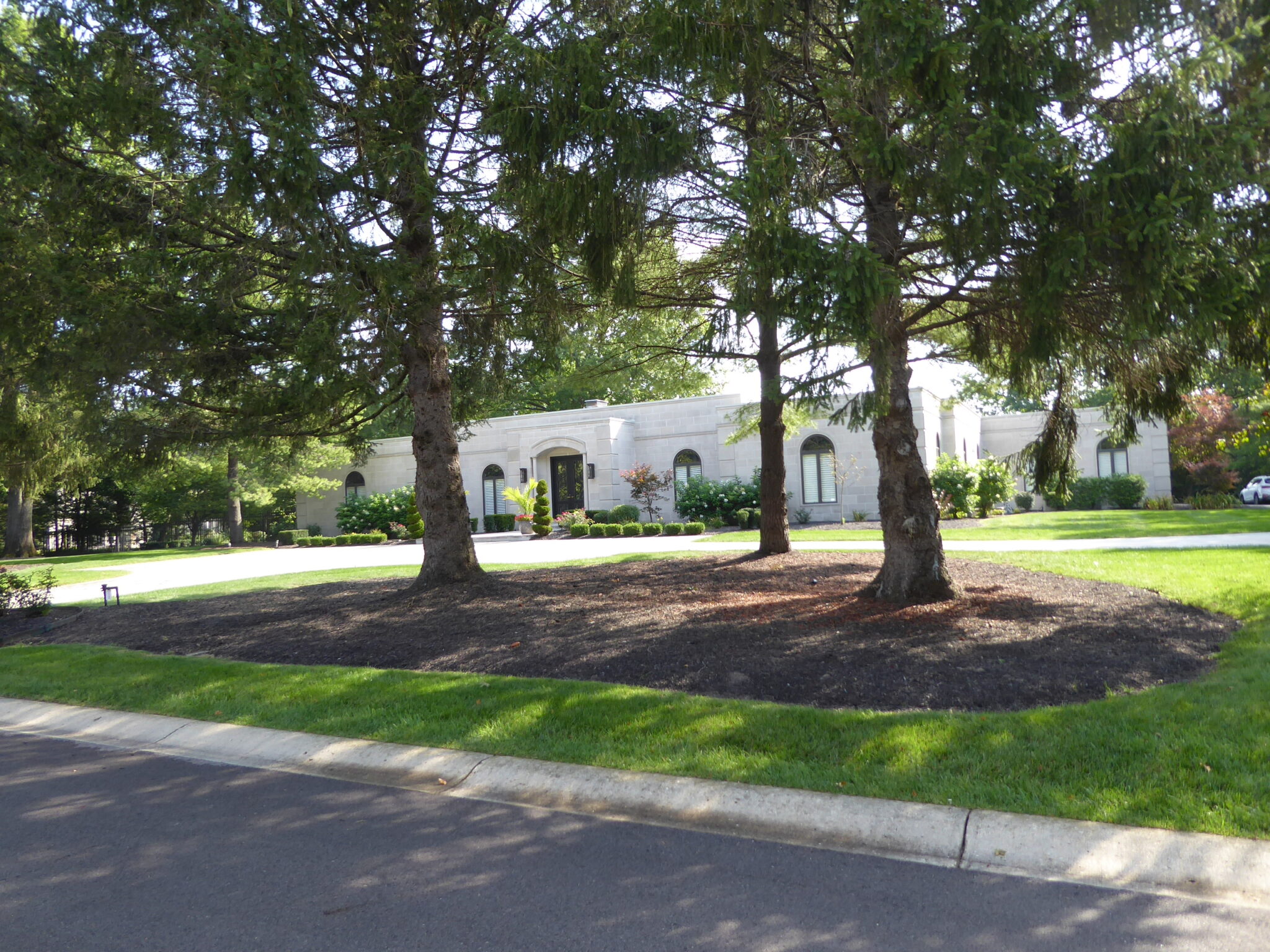
- Refresh your mulch; adding mulch to tree rings or even better, expanding them is a great way to reduce water requirements and competition for water and other resources. As trees grow, so do the roots under the tree and expanding mulching rings outward to the dripline of the crown is a great way to keep trees healthier. Also, this helps with those surface root issues as well.
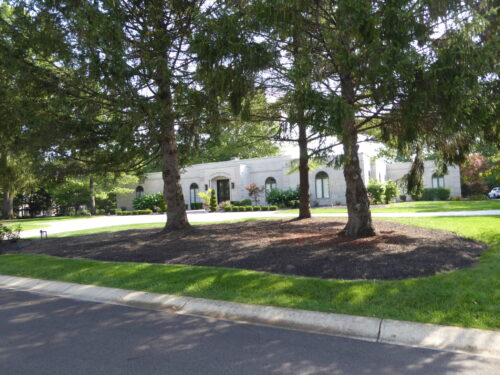
Expanding mulch rings is a great way to improve tree root health and reduce surface root issues.
- Don’t get bugged too much; summer brings out the best in pests too! Many mite and scale species love the heat and can cause major damage and even death to your trees. Look for signs and symptoms of scale infestations and mite damage on your trees and shrubs now. More information on scales can be found here. Additional details on mite damage can be found here.
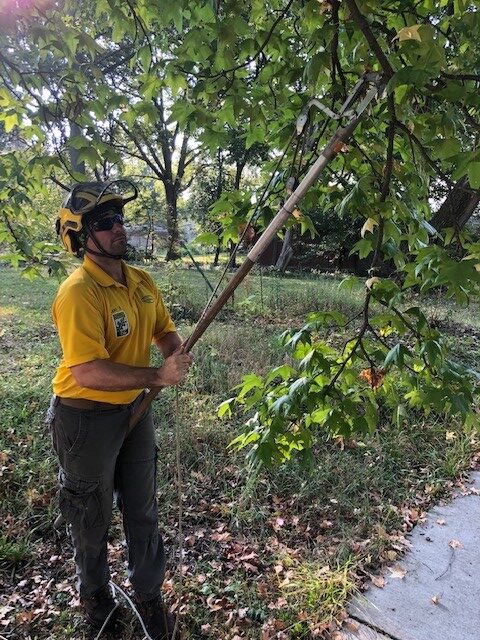
- A nip and tuck are fine; summer is actually a good time to prune as needed to meet objectives such as reducing risk, improving branch structure, and removing conflicts or improving aesthetics. Be sure to only remove what is necessary and reduce the amount of live, green tissue removal. Remember, this is what produces food for the tree. Additional tree pruning techniques are discussed in this publication.
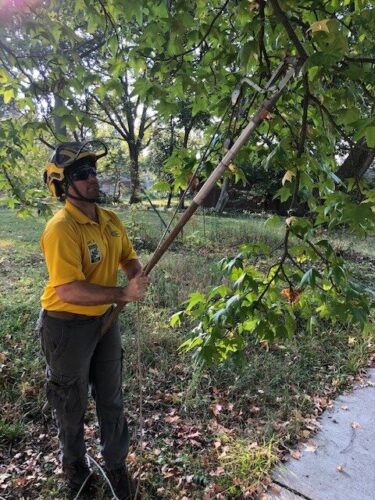
Proper pruning during the summer is a good way to improve aesthetics and stability during stormy weather.
- Call in a professional; it is always a good idea to consult an ISA Certified Arborist for answers to tree questions. A reputable arborist trained in best practices and current research can provide the best solutions to keeping trees healthy and reduce potential risk for damage during those summer storms. Finding a qualified arborist can be a challenge itself. Refer to this website to find an ISA arborist near you.
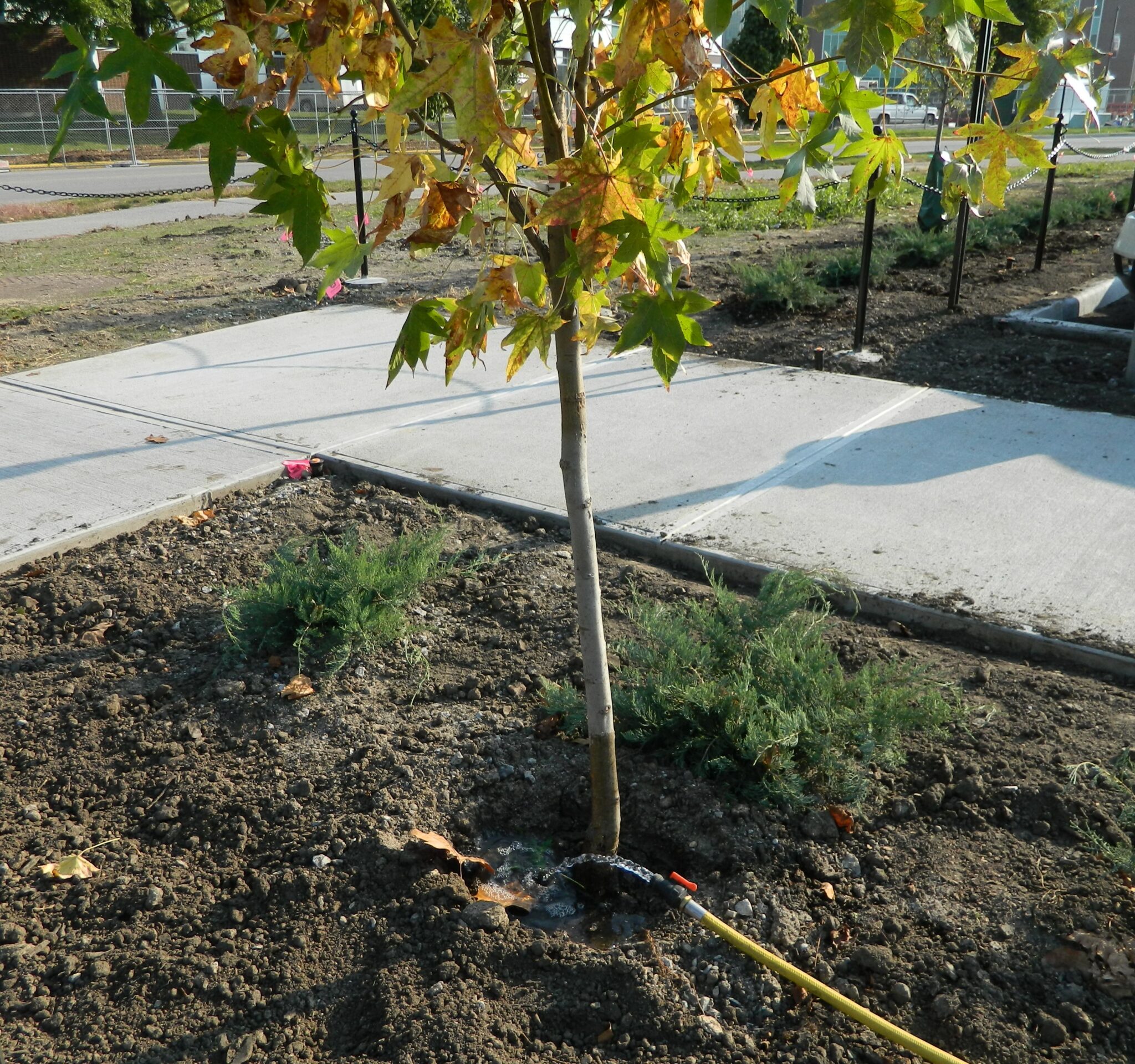
For additional information on urban tree care, check out all the publications at the Purdue Education Store.
Resources:
Planting Your Tree Part 1: Choosing Your Tree, Purdue Extension YouTube Channel
Tree Planting Part 2: Planting a Tree, Purdue Extension YouTube Channel
Tree Selection for the “Un-natural” Environment, The Education Store, Purdue Extension resource center
Tree Installation: Process and Practices, The Education Store
Tree Pruning Essentials Video, Purdue Extension YouTube Channel
Tree Defect Identification, The Education Store
Tree Wound and Healing, Got Nature? Blog, Purdue Extension – Forestry and Natural Resources
Surface Root Syndrome, The Education Store
Purdue Landscape Report
Lindsey Purcell, Urban Forestry Specialist
Purdue Department of Forestry and Natural Resources
Join fisheries specialist Dr. Mitch Zischke and Fred Whitford from the Purdue Pesticide program as they share about pond vegetation, from what is pond vegetation and why is it useful, to how you prevent negative effects from aquatic plants and what can you do to control problem plants.
If you have any questions regarding trees, forests, wildlife, wood products or other natural resource topics, feel free to contact us by using our Ask an Expert web page.
Resources:
Aquatics & Fisheries, Playlist, Purdue Extension – Forestry and Natural Resources YouTube Channel
Ask an Expert: Pond Wildlife Management, Video, Purdue Extension – FNR YouTube Channel
Ask an Expert: Pond Management: What to Do in Winter, How to Plan for Spring, Video, Purdue Extension – FNR YouTube Channel
Aquatic Pest Management, The Education Store, Purdue Extension resource center
Pond Management: Stocking Fish in Indiana Ponds, The Education Store
Aquatic Plant Management: Identifying and Managing Aquatic Vegetation, The Education Store
Aquatic Vegetation Management, College of Agriculture – Purdue Extension
Pond and Wildlife Management, College of Agriculture – Purdue Extension
Purdue Plant and Pest Diagnostic Lab, College of Agriculture – Purdue Extension
Find your county extension educator, College of Agriculture – Purdue Extension
Purdue Pesticide Program eLearning Aquatic Pest Management Module, Purdue Pesticide Program, Purdue Extension
Part 1: Know Your Pond, Video, Purdue Extension YouTube Channel
Part 2: Selecting the Right Equipment for the Job, Video, Purdue Extension YouTube Channel
Part 3: Proper Placement of the Herbicide, Video, Purdue Extension YouTube Channel
Part 4: Stopping the Hitchhikers Boat Cleaning, Video, Purdue Extension YouTube Channel
Mitch Zischke, Clinical Assistant Professor
Purdue Department of Forestry and Natural Resources
Fred Whitford, Clinical Engagement Professor
Purdue Department of Botany and Plant Pathology
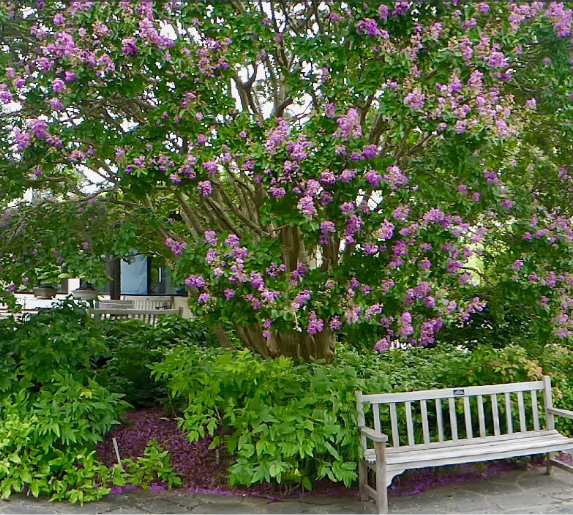 Question: We live near the Amazon Fulfillment Center in the Jeffersonville/Charlestown area. We have significant wind most days. We planted a dogwood tree in our front yard 2 years ago. It struggled through last spring and this year half is not going to make it. Is there a better, preferred tree for this area that we might choose to replace it? We prefer a short stature tree vs one that may reach 20 to 30 feet.
Answer: Dogwood trees can be a challenge to sustain in the landscape due to its environmental requirements. Cornus florida is a “woods edge” tree that like moist, well-drained soil. Most importantly, these trees require protection and at least partial shade to guard against the wind and sun. Recommended publication: Tree Selection, Tree Installation.
Resources
Tree Selection, The Education Store, Purdue Extension resource center
Ask an Expert: Tree Selection and Planting, Purdue Extension – FNR YouTube Channel
Tree Installation, The Education Store
Tree Pruning Essentials, Publication & Video The Education Store
Tree Selection, Tree Installation & Tree Pruning for Landscape, Webinars, Purdue Extension – Forestry and Natural Resources YouTube channel
Planting Problems: Trees Planted Too Deep, Purdue Extension – FNR YouTube Channel
ID That Tree, Purdue Extension – FNR Playlist
Lindsey Purcell, Urban Forestry Specialist
Purdue University, Department of Forestry and Natural Resources
Video series adds “spring bloom” to aid in the identification of different trees. With vivid pictures sharing what to look for regarding the leaves, bark and bloom, Purdue Extension Forester Lenny Farlee identifies these six trees and what to look for in the spring.
 ID That Tree Spring Bloom: American Hazelnut
Did you know that the American hazelnut has male and female flowers? Learn about them and more about this Indiana shrub that produces a tasty treat for humans and wildlife alike in this edition of ID That Tree with Purdue Extension forester Lenny Farlee.
 ID That Tree Spring Bloom: American Plum
In this edition of ID That Tree, Purdue Extension forester Lenny Farlee introduces you to one of our beautiful spring bloomers, the American Plum. Learn how to identify this great alternative to the invasive callery pear by getting to know this species, which can be classified as a small tree or large shrub.
 ID That Tree Spring Bloom: Ohio Buckeye
On this edition of ID That Tree, learn about one of the first native trees to leaf out, the Ohio buckeye. This understory tree is know by its palmate leaves and clusters of yellow/green flowers. Learn more from Purdue Extension Lenny Farlee inside.
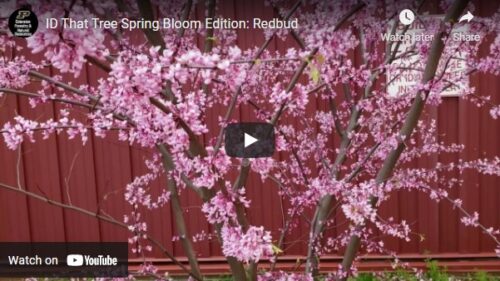 ID That Tree Spring Bloom: Redbud
In this edition of ID That Tree, Purdue Extension forester Lenny Farlee introduces you to the redbud in all of its spring glory. This native Indiana species is known for its pink, lavender and even red and white flowers, which bloom in early spring.
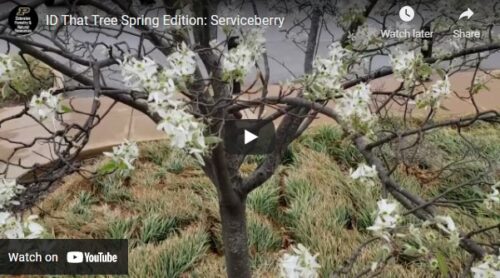 ID That Tree Spring Bloom: Serviceberry
In this spring edition of ID That Tree, Purdue Extension forester Lenny Farlee introduces you to the serviceberry, or juneberry tree. This small native tree is known by its tiny white, or pink, flowers and by its smooth gray bark. Learn more inside.
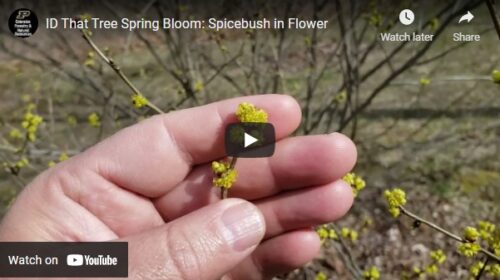 ID That Tree Spring Bloom: Spicebush in Flower
On this episode of ID That Tree, Purdue Extension forester Lenny Farlee introduces the Spicebush, a large native-Indiana shrub that brings early spring color with its clusters of small yellow flowers. This species prefers moist, high-quality soils and is common in forest understories, and brings an aromatic odor when its leaves are crushed or twigs are scraped.
If you have any questions regarding wildlife, trees, forest management, wood products, natural resource planning or other natural resource topics, feel free to contact us by using our Ask an Expert web page.
Resources:
The Education Store, Purdue Extension resource center for publications, videos and apps
The Purdue Arboretum Explorer
Shrubs and Woody Vines of Indiana and the Midwest, Purdue University Press
Native Trees of the Midwest, Purdue University Press
Investing in Indiana Woodlands, The Education Store
Forest Improvement Handbook, The Education Store
Lenny Farlee, Sustaining Hardwood Extension Specialist
Purdue University Department of Forestry and Natural Resources
Join Purdue FNR’s own professor of wildlife science, Dr. Rod Williams, along with Mike Lodato, member of the Indiana Technical Advisory Committee for Herpetology, and Nate Engbrecht, herpetologist for the Indiana Department of Natural Resources, to learn tips on the how’s, when’s and where’s of herping in Indiana, including what gear to take, where to go and what you might see in different parts of the state.
If you have any questions regarding wildlife, trees, forest management, wood products, natural resource planning, or other natural resource topics, feel free to contact us by using our Ask an Expert web page.
Resources:
What’s a Herp? Indiana Department of Natural Resources YouTube Channel
Appreciating Reptiles and Amphibians in Nature, The Education Store, Purdue Extension resource center
The Nature of Teaching, Unit 3: Reptiles, Amphibians, and the Scientific Method, The Education Store
A Moment in the Wild: Eastern Newt Video, Purdue Extension – FNR YouTube Channel
Help the Hellbender, Purdue Extension
Rod Williams, Professor of Wildlife Science
Purdue Department of Forestry and Natural Resources
Nate Engbrecht, Herpetologist
Indiana Department of Natural Resources
Mike Lodato, Member of the Indiana Technical Advisory Committee for Herpetology
Illinois-Indiana Sea Grant (IISG), serving communities in the Great Lakes region, has largemouth bass workshops now available as videos on the IISG YouTube Channel. Presenters from Illinois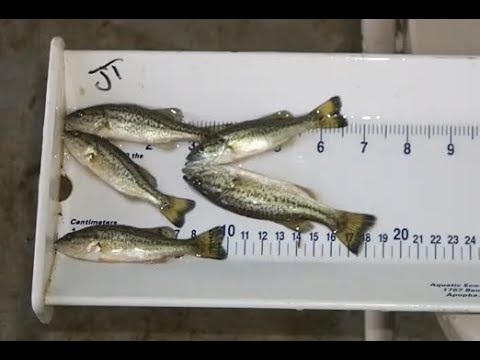 and Kentucky share their expertise with largemouth bass production, marketing trends and best management practices.
Indoor Larval Largemouth Bass Rearing Video
Presenter: Giovanni Molinari, Research Assistant, Center for Fisheries, Aquaculture and Aquatic Science, Sothern Illinois University-Carbondale
Learn about larval largemouth bass rearing in an indoor recirculating aquaculture system from Southern Illinois University graduate student Giovanni Molinari.
Largemouth Bass Production Video
Presenter: Dr. James H. Tidwell, Chair for School of Aquaculture and Aquatic Sciences, Aquaculture Research Center, Kentucky State University
Gain an overview of largemouth bass production from Dr. Tidwell, including stocking and food fish production.
Largemouth Bass Fingerling Production Video
Presenter: Shawn Coyle, Research Associate with the School of Aquaculture and Aquatic Sciences, College of Agriculture, Kentucky State University
Learn about the production of feed trained largemouth bass fingerlings through the first year.
Largemouth Bass Market Trends Video
Presenter: Paul Hitchens, Aquaculture Specialist, Southern Illinois University
Learn about the marketing trends to the food fish market and live market. Paul shares what they gather and how they analyze the numbers there at SIU.
Through workshops, educational materials, and one-on-one interactions, Illinois-Indiana Sea Grant provides people with the tools they need to help incorporate fish into their diet, aid aquaculture producers in defining markets and create value-added opportunities for their products.
Resources:
Eat Midwest Fish website launches fresh fish finder, Illinois – Indiana Sea Grant
Walleye Farmed Fish Fact Sheet: A Guide for Seafood Consumers, The Education Store, Purdue Extension resource center
Yellow Perch Farmed Fish Fact Sheet, The Education Store
Tilapia Farmed Fish Fact Sheet, The Education Store
Fish: Healthy Protein Handout, The Education Store
Fish Cleaning with Purdue Extension County Extension Director, Got Nature? Blog, Purdue Extension – Forestry and Natural Resources
Illinois-Indiana Sea Grant (IISG) YouTube Channel and IISG website, IISG grant combines research, education, and outreach to empower southern Lake Michigan communities to secure a healthy environment and economy.
Amy Shambach, Aquaculture Marketing Outreach Associate
Purdue Department of Forestry and Natural Resources/Illinois Indiana Sea Grant Program
Spring is here! It is the time of year for some of us to be planting new trees. In this Ask an Expert session, we welcome Lindsey Purcell, urban forestry specialist, as he teaches us how to plant and properly care for our trees. He goes over the tree selection process, including which invasive species trees we should avoid, and how to continue to take care of our trees once planted.
If you have any questions regarding wildlife, trees, forest management, wood products, natural resource planning, or other natural resource topics, feel free to contact us by using our Ask an Expert web page.
Resources:
Planting Your Tree Part 1: Choosing Your Tree, Purdue Extension YouTube Channel
Tree Planting Part 2: Planting a Tree, Purdue Extension – Forestry and Natural Resources YouTube Channel
Indiana Invasive Plant List, Indiana Invasive Species Council, Purdue Entomology
Alternatives to Burning Bush for Fall Color, Purdue Landscape Report
Invasive Plant Species: Callery Pear, Youtube, Purdue Extension
Equipment Damage to Trees, Purdue FNR Extension
Landscape Report Shares Importance of Soil Testing, Purdue FNR Extension
Lindsey Purcell, Urban Forestry Specialist
Purdue Department of Forestry and Natural Resources

Recent Posts
- Purdue Extension: Empowering Indiana Through Innovation, Education and Community Impact
Posted: January 28, 2026 in Community Development, How To, Invasive Insects, Invasive Plant Species, Natural Resource Planning, Woodlands - Forest Landowners: Share Your Experience with Regeneration and Restoration
Posted: January 27, 2026 in Forestry, How To, Timber Marketing, Woodlands - It’s Not Too Late to Order Trees for Spring Planting
Posted: January 13, 2026 in Forestry, How To, Plants - Now Is The Time To Control Non-Native Bush Honeysuckle
Posted: October 30, 2025 in Forestry, How To, Invasive Plant Species, Woodlands - October Is Firewood Month: Protect Indiana’s Forests by Making Smart Choices
Posted: October 13, 2025 in Forestry, Forests and Street Trees, How To, Invasive Insects, Urban Forestry - ID That Tree: Smooth Sumac
Posted: October 2, 2025 in Forestry, How To, Wildlife - ID That Tree: Wild Grape Vine
Posted: August 12, 2025 in Forestry, How To, Urban Forestry, Wildlife - Publication – Sericea Lespedeza Control
Posted: July 7, 2025 in Forestry, How To, Invasive Plant Species, Wildlife - How to ID Asian Jumping Worms, Purdue Landscape Report
Posted: July 2, 2025 in How To, Invasive Insects, Wildlife - Alert – Water Your Trees, Watch Video
Posted: June 20, 2025 in Alert, Drought, Forests and Street Trees, How To, Urban Forestry, Wildlife, Woodlands
Archives
Categories
- Alert
- Aquaculture/Fish
- Aquatic/Aquaculture Resources
- Ask the Expert
- Christmas Trees
- Community Development
- Disease
- Drought
- Forestry
- Forests and Street Trees
- Gardening
- Got Nature for Kids
- Great Lakes
- How To
- Invasive Animal Species
- Invasive Insects
- Invasive Plant Species
- Land Use
- Natural Resource Planning
- Nature of Teaching
- Plants
- Podcasts
- Ponds
- Publication
- Safety
- Spiders
- Timber Marketing
- Uncategorized
- Urban Forestry
- Webinar
- Wildlife
- Wood Products/Manufacturing
- Woodland Management Moment
- Woodlands