 Purdue University - Extension - Forestry and Natural Resources
Got Nature? Blog
The 2025 issue of Illinois-Indiana Sea Grant’s magazine, The Helm, is now available. This annual publication is a collection of program research, outreach and education success stories, as well as ongoing activities to address coastal concerns. This issue covers this year’s Shipboard Science Immersion that took place on Lake Michigan, our long-standing team engaged in AIS prevention outreach, our new specialists diving into coastal resilience issues, and past and present program leadership.

Highlights from the newsletter include:
- Educators engage with Great Lakes scientists aboard the Lake Guardian
Teachers joined researchers on Lake Michigan aboard the R/V Lake Guardian, collecting samples, learning new field techniques, and bringing Great Lakes science back to their students. - Scientists and educators investigate Lake Michigan biological hotspots
Every year when a group of Great Lakes educators spend 6–7 days aboard the Lake Guardian as part of the Shipboard Science Immersion, they work side-by-side with scientists engaging in real monitoring work. - IISG looks back on 30 years of AIS outreach
Illinois-Indiana Sea Grant is in the midst of its 30th year of dedicated outreach to address the spread of aquatic invasive species (AIS) in Great Lakes waters. - Coastal communities face challenges in managing beach sand and structures
Beginning in 2025, IISD has not one, but two coastal resilience specialists who are providing support for communities along the southern Lake Michigan shore. - Shaping the Shoreline: Video Series
Explore how natural and engineered structures shape our Great Lakes coastlines. - Stuart Carlton is the new IISG director
Stuart Carlton, longtime Sea Grant communicator and leader, steps into the director role—continuing IISG’s mission of connecting research, education, and outreach. - Tomas Höök reflects on his Sea Grant legacy
After more than a decade as director, Tomas Höök looks back on milestones that shaped IISG’s growth and lasting partnerships.
To view the full newsletter visit: The Helm.
More Resources:
Prescription For Safety: How to Dispose of Unwanted Household Medicine, IISG Publications
A Guide to Marketing for Small-Scale Aquaculture Producers, The Education Store, Purdue Extension resource center
A Guide to Small-Scale Fish Processing Using Local Kitchen Facilities, The Education Store
Marine Shrimp Biofloc Systems: Basic Management Practices, The Education Store
Sustainable Aquaculture: What does it mean to you?, The Education Store
The Benefits of Seafood Consumption The Education Store
Walleye Farmed Fish Fact Sheet: A Guide for Seafood Consumers, The Education Store
Fish Muscle Hydrolysate, The Education Store
Fish Cleaning with Purdue Extension County Extension Director, Got Nature? Blog, Purdue Extension – Forestry and Natural Resources
Aquatics & Fisheries, Playlist, Purdue Extension – Forestry and Natural Resources
Eat Midwest Fish, Illinois-Indiana Sea Grant online resource hub
Conservation Through Community Leadership, Sustainable Communities Extension Program (SCEP)
Climate Change and Sustainable Development, The Education Store
Climate Change: Are you preparing for it?, The Education Store
Illinois-Indiana Sea Grant (IISG)
Diana Evans, Extension & Web Communications Specialist
Purdue University Department of Forestry and Natural Resources
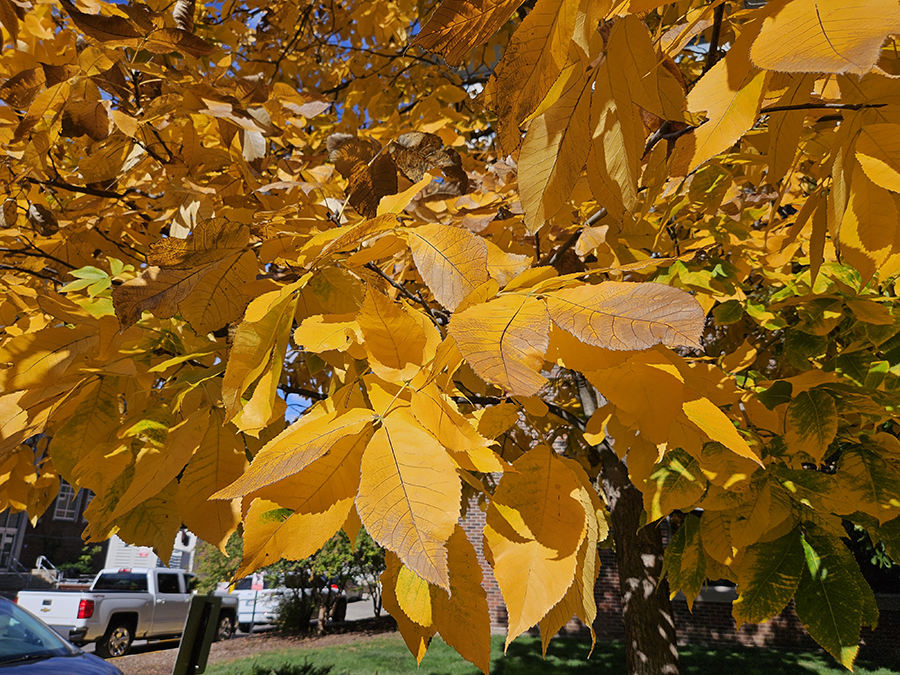
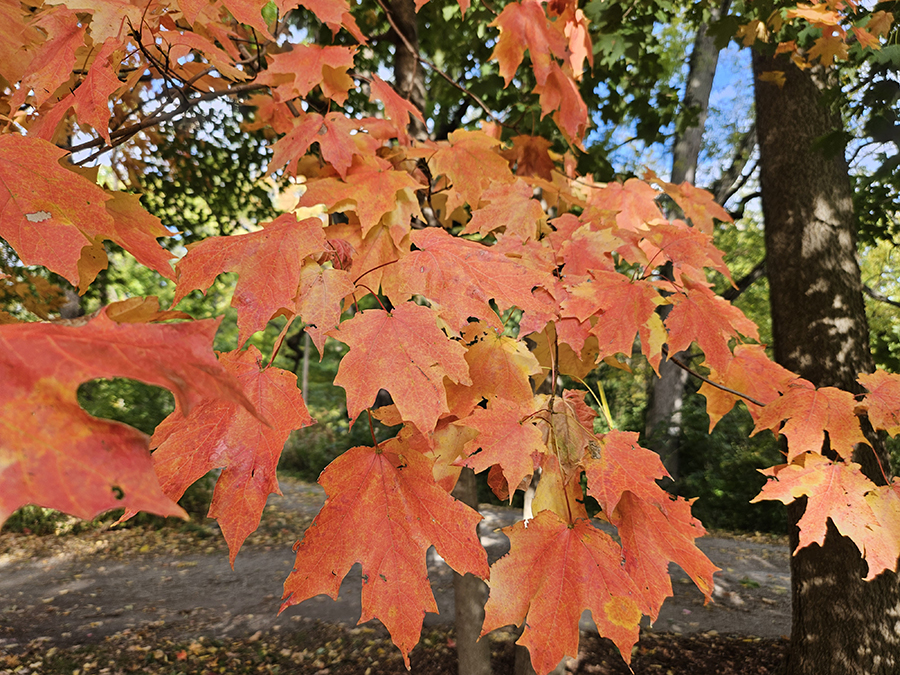
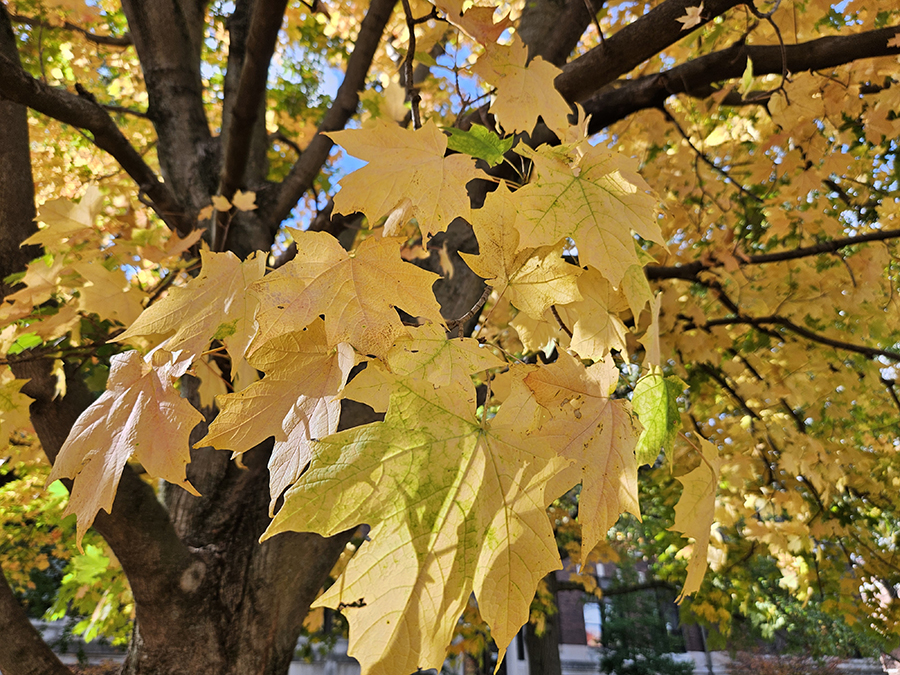
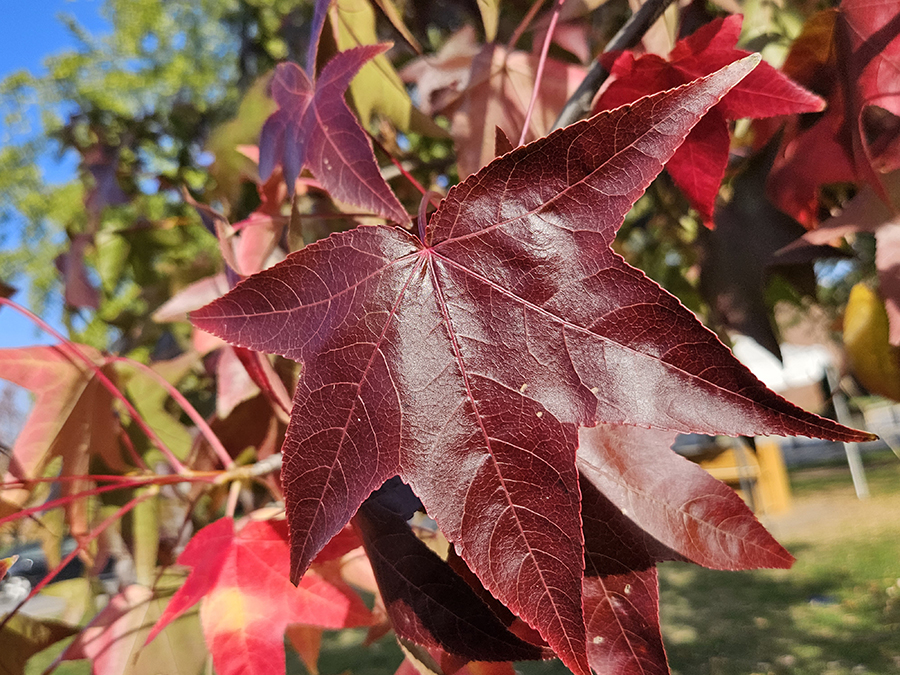
Several things come into play when it comes to determining the colors that we find on leaves of our trees. As our days get shorter and our nights get longer there is a chemical change that happens in the tree. In this video Lenny Farlee talks about the several pigments that are found in trees and what changes from summer to fall that brings us the bright colors on leaves.
Explore IndyStar Story Behind Our Fall Colors
For more on what determines the specific colors our leaves turn and how weather and other factors influence the fall display check out this recent IndyStar article: What determines what color leaves turn in the fall? The story features insights from Lenny Farlee, Purdue Extension forester, who shares his expertise on the science and beauty behind Indiana’s fall foliage.
Fall Foliage by Tree Species (click on the image to expand)


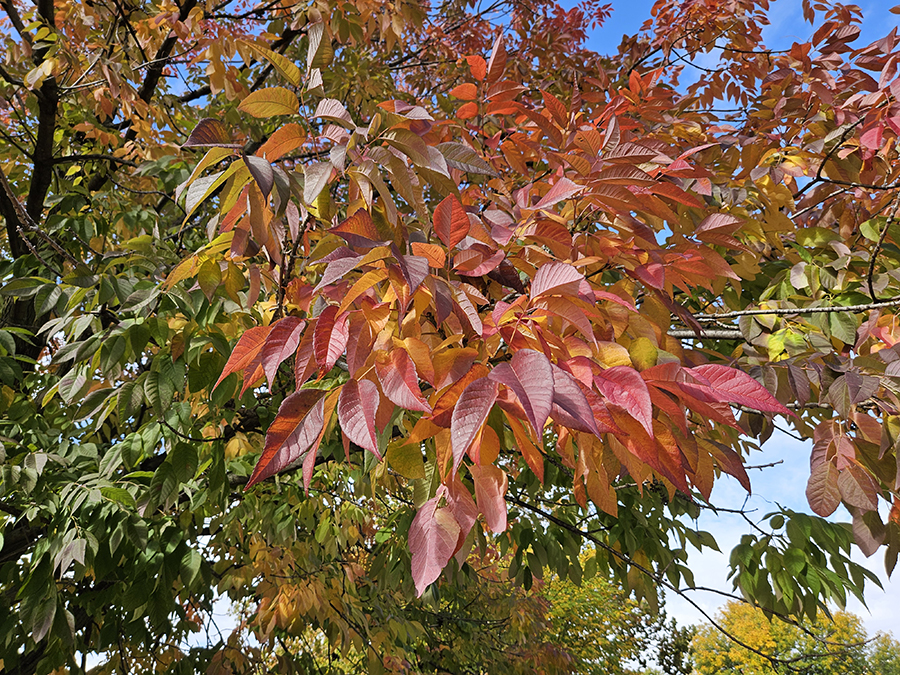
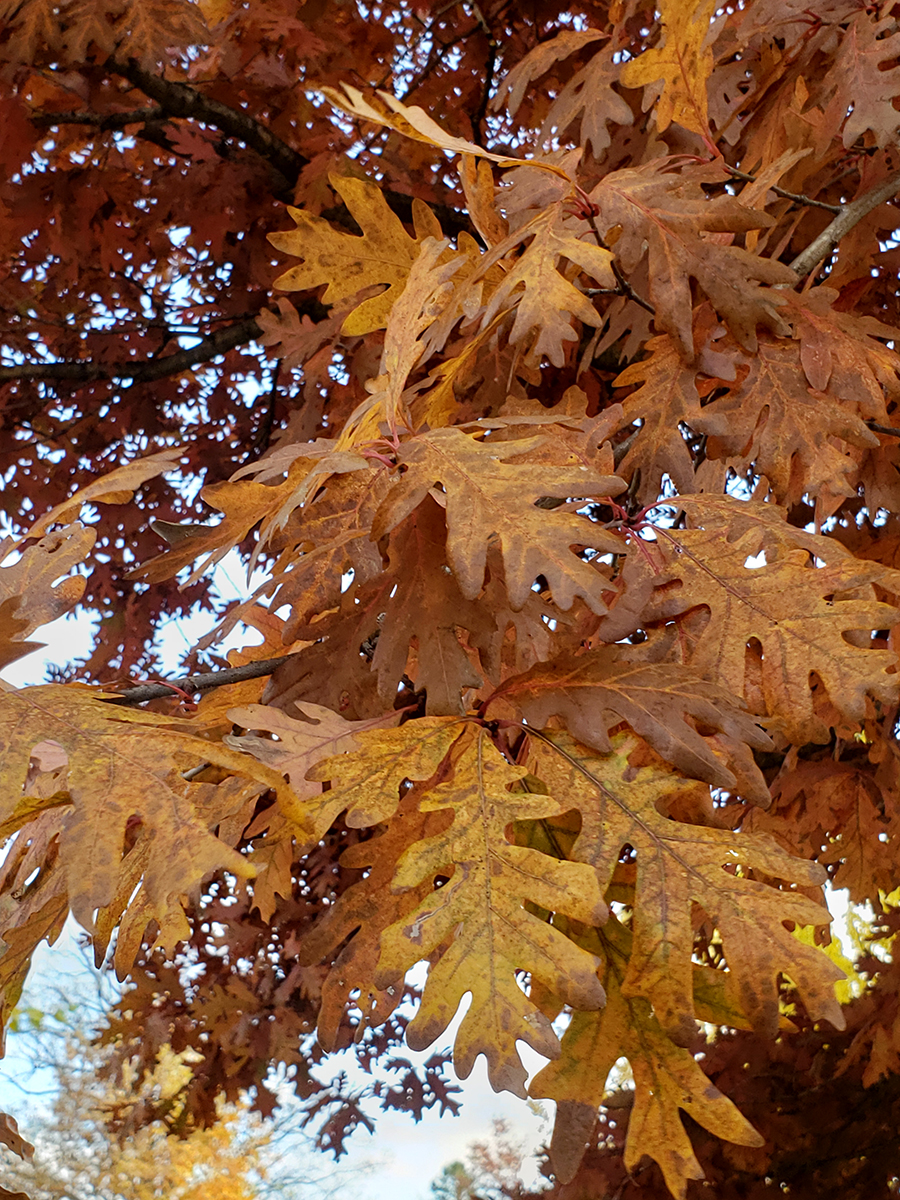

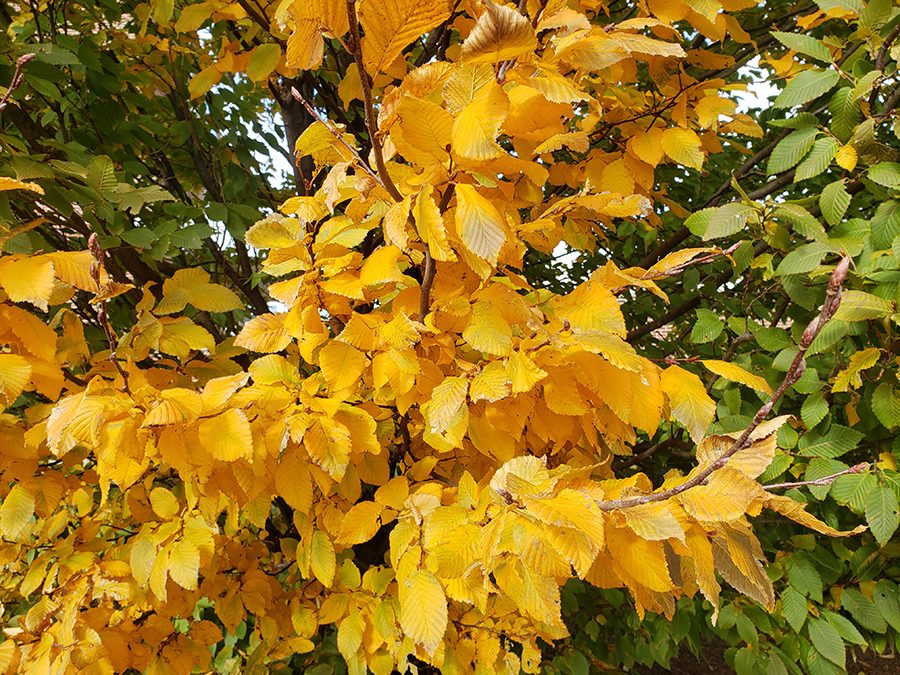
Resources:
Indiana Fall Foliage Map, Explore Fall
Why Fall Color is Sometimes a Dud, Purdue Landscape Report
U.S. Forest Service Website and Hotline, Highlight Fall Colors on National Forests
ID That Tree Fall Color: Sugar Maple, Purdue Extension – Forestry and Natural Resources YouTube Channel, ID That Tree Playlist
ID That Tree Fall Color Edition: Black Gum, Purdue Extension – FNR YouTube Channel, ID That Tree Playlist
ID That Tree Fall Color Edition: Shagbark Hickory, Purdue Extension – FNR YouTube Channel, ID That Tree Playlist
ID That Tree Fall Color Edition: Virginia Creeper, Purdue Extension – FNR YouTube Channel, ID That Tree Playlist
ID That Tree Fall Color Edition: Winged Sumac, Purdue Extension – FNR YouTube Channel, ID That Tree Playlist
Autumn Highlights Tour – South Campus, Purdue Arboretum Explorer
Why Leaves Change Color – the Physiological Basis, The Education Store, Purdue Extension resource center
ID That Tree, Playlist, Subscribe to Purdue Extension – Forestry and Natural Resources YouTube Channel
Lenny Farlee, Extension Forester
Purdue University Department of Forestry and Natural Resources
Hardwood Tree Improvement & Regeneration Center (HTIRC)
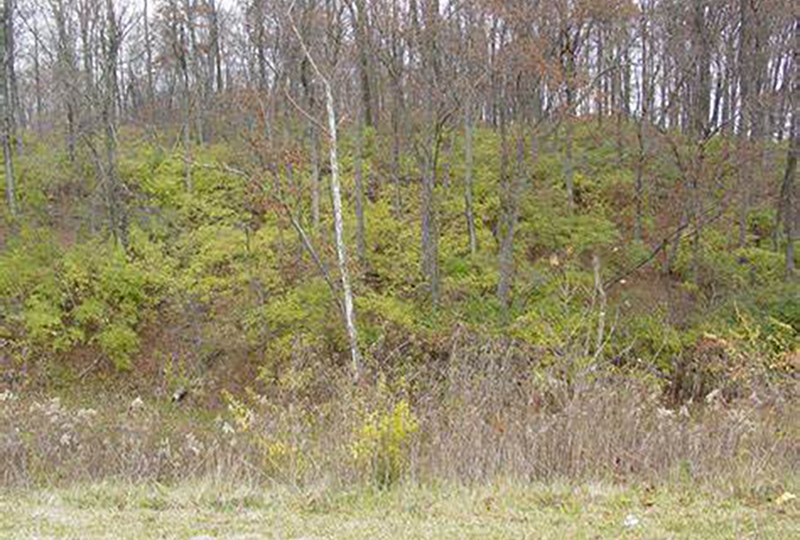
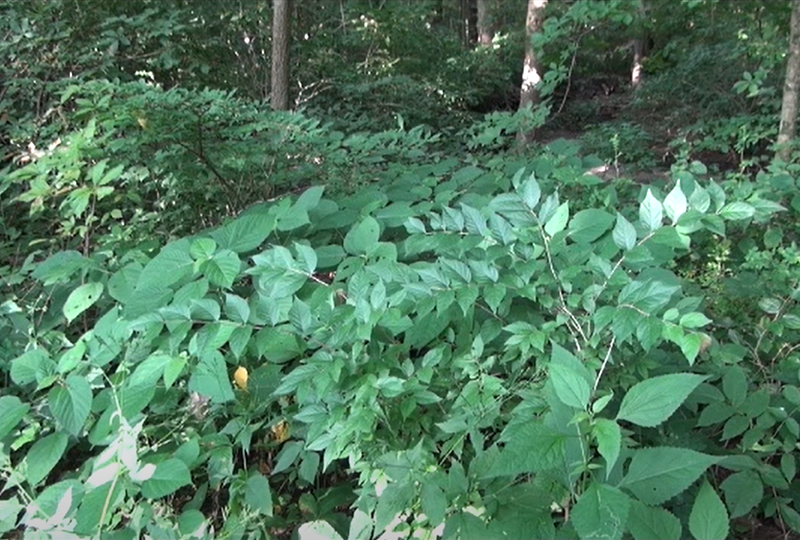
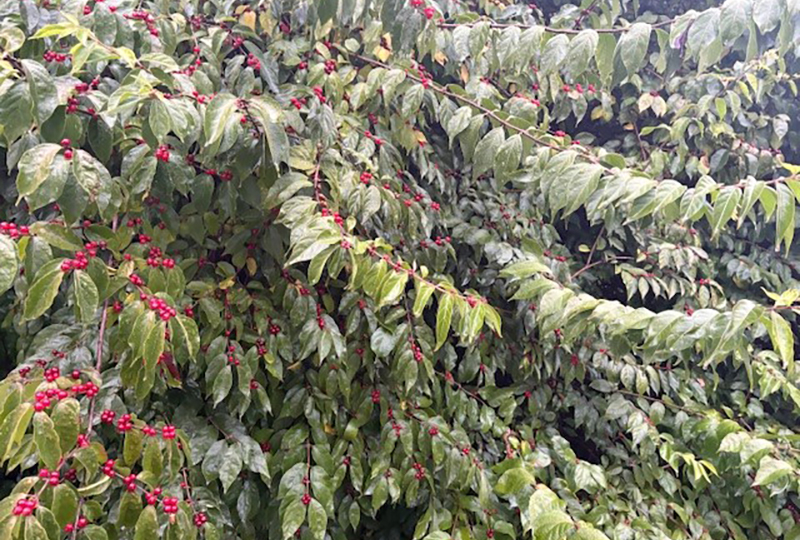
In early November, invasive bush honeysuckle is one of the only understory shrubs that are still green. While many of our native plants are dormant, Asian bush honeysuckle remains green longer making them easy to locate. Doing control measures this time of year also reduces impacts to non-target plants.
How do you control it? That depends on what resources you have available. Small plants can be easily pulled by hand; be sure to hang them on tree branch rather than laying them down on the ground so they don’t re-root. In most cases, some method of herbicide control will be necessary. Ohio State University has a good guide on various methods of control, Controlling Non-Native Invasive Plants in Ohio Forests: Bush Honeysuckle.
Not sure where to start on your property? One of the most daunting aspects of invasive plant control is where to begin. Ellen Jacquart, former Director of Stewardship for the Nature Conservancy in Indiana, wrote an article in the Indiana Woodland Steward. The Where do I Start?! Prioritizing Invasive Plant Control article describes how to plan your invasive plant control including prioritizing what to do first.
Click on the photos below for larger view to help as you identify Asian bush honeysuckle.

Resources:
Subscribe to the Indiana Woodland Steward Newsletter
Consider Fall Eradication of Asian Bush Honeysuckle, Purdue Landscape Report
Asian Bush Honeysuckle, Purdue Extension YouTube Video
A Woodland Moment: Asian Bush Honeysuckle, Purdue Extension – Forestry and Natural Resources (FNR) YouTube Video
Invasive Plants of the Eastern U.S.: An Introduction to the Problematic Non-Native Species, The Education Store, Purdue Extension’s resource center
Report Invasive Species, Purdue Invasive Species
Report Invasive Species: Asian Bush Honeysuckle, Purdue Invasive Species
The GLEDN Phone App – Great Lakes Early Detection Network
EDDMaps – Early Detection and Distribution Mapping System
Episode 11 – Exploring the challenges of Invasive Species, Habitat University-Natural Resource University
What Are Invasive Species and Why Should I Care?, Purdue Extension-FNR Got Nature? Blog
Emerald Ash Borer Information Network, Purdue University and Partners
Aquatic Invasive Species, Illinois-Indiana Sea Grant (IISG)
Invasive plants: impact on environment and people, The Education Store, Purdue Extension’s resource center
Subscribe Purdue Extension-Forestry and Natural Resources YouTube Channel
Brian MacGowan, Wildlife Extension Specialist
Department of Forestry and Natural Resources, Purdue University
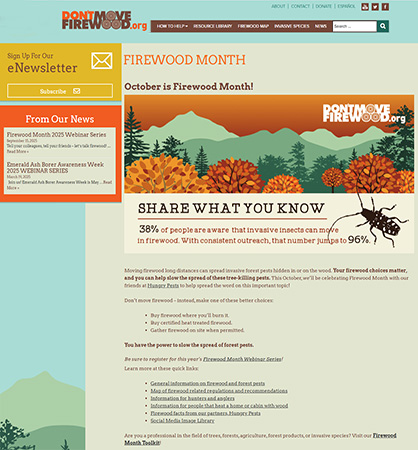
As the crisp autumn air settles in and campfires become a seasonal staple, October brings an important reminder: your firewood choices matter. That’s why October is officially Firewood Month, a nationwide campaign to raise awareness about the risks of moving firewood and the spread of invasive forest pests.
 Why “Don’t Move Firewood” Matters
Transporting firewood, even just a few miles, can unintentionally spread destructive pests like emerald ash borer, Asian longhorned beetle and spongy moth. These invaders often hide inside or on firewood, threatening Indiana’s forests, parks and urban trees.
The Don’t Move Firewood website offers excellent resources to help you make informed choices. Whether you’re heating a cabin, heading out to hunt, or planning a backyard bonfire, they recommend:
- Buying firewood where you’ll burn it
- Choosing certified heat-treated wood
- Gathering wood on-site when permitted
You can also explore their Firewood Month Toolkit, maps of regulations and a webinar series designed for professionals and outdoor enthusiasts alike.
While October is Firewood Month, the risk of spreading invasive pests lasts well beyond the fall. Many forest pests remain a threat throughout the year. Adults may still be visible until the first hard freeze, and egg masses can be observed from now through June. The spotted lanternfly females lay egg masses in late summer through early winter, often peaking in October. These masses can survive through winter and hatch in the spring. Learn more about the Spotted Lanternfly from the Indiana Department of Natural Resources. This is why it’s important to practice safe firewood habits year-round.
Spotlight on ReportINvasive
Check out the latest post on the ReportINvasive Facebook which reinforces the importance of Firewood Month. ReportINvasive is a trusted source for updates on invasive species in Indiana, and their social media outreach is a great way to stay informed and engaged. Give the Facebook page a LIKE and FOLLOW for future webinars and workshops.
Concerned About Insects? Purdue Extension Entomology Can Help
 If you suspect insect damage or want to learn more about forest pests, the Purdue Extension Entomology team is an outstanding resource. Their experts provide science-based guidance on insect identification, management strategies, and outreach materials to help protect Indiana’s ecosystems.
Let’s work together to keep Indiana’s forests healthy and resilient. This October, make the smart choice—don’t move firewood!
More Resources
Spotted Lanternfly – including map sharing locations, Indiana Department of Natural Resources
October is Firewood Awareness Month!, Purdue Landscape Report
Indiana Department of Natural Resources: Invasive Species
Indiana Invasive Species Council
Cooperative Invasive Species Management Area (CISMA)
Aquatic Invasive Species, Illinois-Indiana Sea Grant (IISG)
Emerald Ash Borer Information Network, Purdue University and Partners
Invasive plants: impact on environment and people, The Education Store, Purdue Extension’s resource center
Entomology Weekly Review, Indiana Department of Natural Resources, Division of Entomology & Plant Pathology
Division of Entomology & Plant Pathology, Indiana Department of Natural Resources
Diana Evans, Extension and Web Communication Specialist
Purdue University Department of Forestry and Natural Resources
With rainfall well below average, watering your trees is more important than ever. Indiana typically receives around 3.14 inches of rain in September, but as of 2025, only 1.31 inches have fallen—making this month even drier than last year. These conditions can lead to dry, wilted leaves and stress for trees across the state, especially during prolonged heat. To see how drought is affecting your area, visit the U.S. Drought Monitor for Indiana-specific maps.
In this video, Lindsey Purcell, Executive Director of the Indiana Arborist Association, explains why consistent watering is critical and shares practical tips to help your trees stay healthy through dry spells.
Extreme heat can have a major impact on tree health and survival. Water is the most limiting ecological resource for a tree, and without adequate moisture, decline and death are imminent. It reduces carbohydrate production, significantly lowering energy reserves and production of defense chemicals in the tree. Check out this publication titled Drought? Don’t Forget the Trees! to learn what to look for for any weakening issues including pests that like the dry conditions.
If you have any questions regarding wildlife, trees, forest management, wood products, natural resource planning or other natural resource topics, feel free to contact us by using our Ask an Expert web page.
More Extreme Heat Resources:
Climate and Drought Maps, Purdue Indiana State Climate Office
Summer Tree Care, Purdue Landscape Report
Drought? Don’t Forget the Trees!, The Education Store, Purdue Extension resource center
Extreme Heat Including Fact Sheets, Purdue Extension – IN-PREPared
Extreme Heat – Resources, Extension Disaster Education Network (EDEN)
Drought Information, Indiana Department of Natural Resources
Planting Your Tree Part 1: Choosing Your Tree, Purdue Extension YouTube Channel
Tree Selection for the “Un-natural” Environment, The Education Store
Tree Pruning Essentials Video, Purdue Extension YouTube Channel
Tree Defect Identification, The Education Store
Tree Wound and Healing, Got Nature? Blog, Purdue Extension – Forestry and Natural Resources
Surface Root Syndrome, The Education Store
Submit Sample, Purdue Plant & Pest Diagnostic Lab
Find an Arborist, Indiana Arborist Association
Ben McCallister, Urban Forestry Specialist
Purdue Forestry & Natural Resources
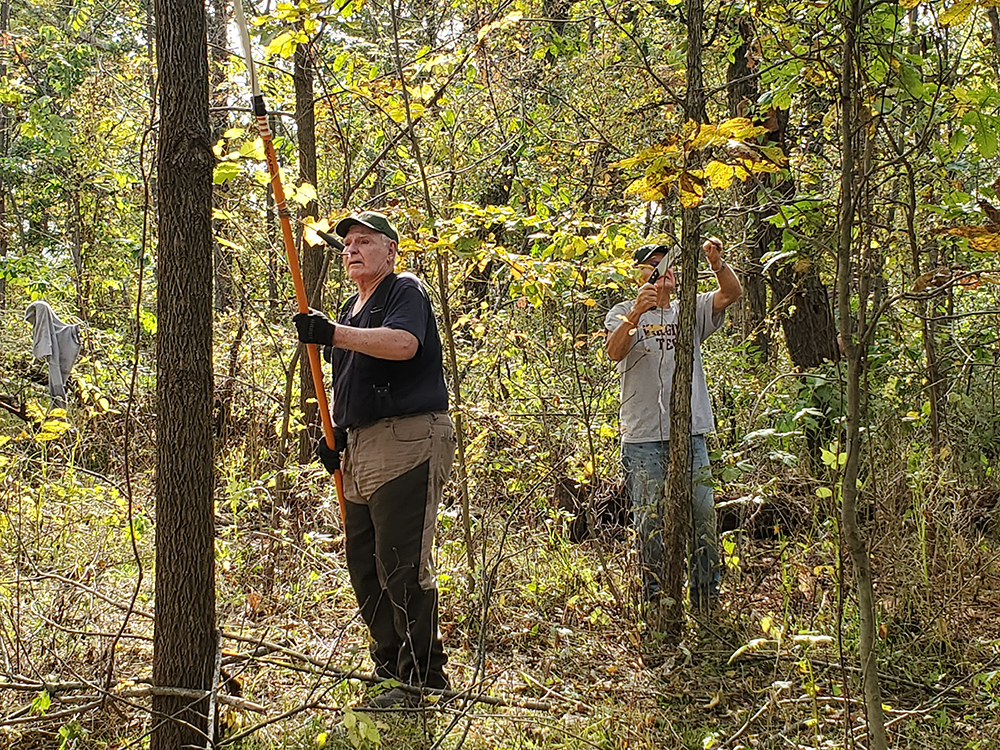
 Step into the woods and into the legacy of sustainable forestry with a full-day field tour of the Goetsch property in Beloit, Wisconsin—one of the highlights of this year’s Walnut Council National Meeting. This unique site, donated to the Council in 2019, showcases nearly a century of hardwood forest management, including majestic walnut trees planted in the 1930s and thousands of younger trees carefully cultivated over the past four decades.
Participants will explore hands-on demonstrations in crop tree release, regeneration planting, drone-assisted monitoring, and sawmilling. The tour includes bus transportation, lunch, and expert-led discussions on real-world forestry practices in action.
Connect, Learn, and Share at the National Meeting in Rockford, Illinois
The full program runs Sunday, July 27 through Tuesday, July 29 at the Hilton Garden Inn Rockford Conference Center, offering a rich mix of networking, education, and inspiration:
- Sunday evening kicks off with a welcoming dinner and informal “Landowner Show & Tell,” where members share personal stories, tips, and lessons learned.
- Monday features the Goetsch property field tour, followed by an evening banquet with a keynote by Illinois State Forester Kenneth Jolly.
- Tuesday brings a full day of indoor programming, including expert presentations on hardwood management, roundtable discussions, and a landowner panel.
Companion tours are also available, including visits to Anderson Japanese Garden and Midway Village Museum.
 Whether you’re a seasoned forester, a new landowner, or simply passionate about sustainable hardwood management, this event offers something for everyone. Register for the full event or individual days, and don’t forget to book your hotel by June 28 to receive the special group rate.
This program will be submitted for CFE credits from Society of American Foresters.
Questions? Call 765-496-5013 or email walnutcouncil@gmail.com.
About the Walnut Council:
Founded in 1970, the Walnut Council is an international association representing nearly 700 woodland owners, foresters, forest scientists, and wood-producing industry representatives in 45 states and three foreign countries. The purpose is to assist in the technical transfer of forest research to field applications, help build and maintain better markets for wood products and nut crops, and to promote sustainable forest management, conservation, reforestation, and utilization of American black walnut (Juglans nigra) and other high quality fine hardwoods.
Resources:
Indiana Forestry & Woodland Owners Association (IFWOA) YouTube Channel
Deer Impact Toolbox, Purdue Extension Pond and Wildlife Management
Grassland Management, Purdue Extension Pond and Wildlife Management
District Forester, Indiana DNR Division of Forestry, for over 10 acres of woodlands
Directory of Professional Foresters, Indiana Forestry & Woodland Owners Association (IFWOA)
Indiana Woodland Steward E-newsletters, Eleven Member Organization
A Woodland Management Moment, Playlist, Purdue Extension – Forestry and Natural Resources (FNR) YouTube Channel
Conservation Tree Planting: Steps to Success, Purdue Extension – FNR YouTube Channel
Forest Improvement Handbook, The Education Store
Invasive Species, Playlist, Purdue Extension – FNR YouTube Channel
Woodland Stewardship for Landowners, Playlist, Purdue Extension – FNR YouTube Channel
Invasive Plant Species Identification, Video, Purdue Extension – FNR YouTube Channel
Report Invasive Species, Purdue Invasive Species
ID That Tree – Video Playlist, Purdue Extension – Forestry and Natural Resources (FNR) YouTube Channel
Subscribe – Purdue Extension-FNR YouTube Channel
Liz Jackson, IFWOA Engagement Specialist & Walnut Council Manager
Indiana Forestry & Woodlands Owners Association (IFWOA)
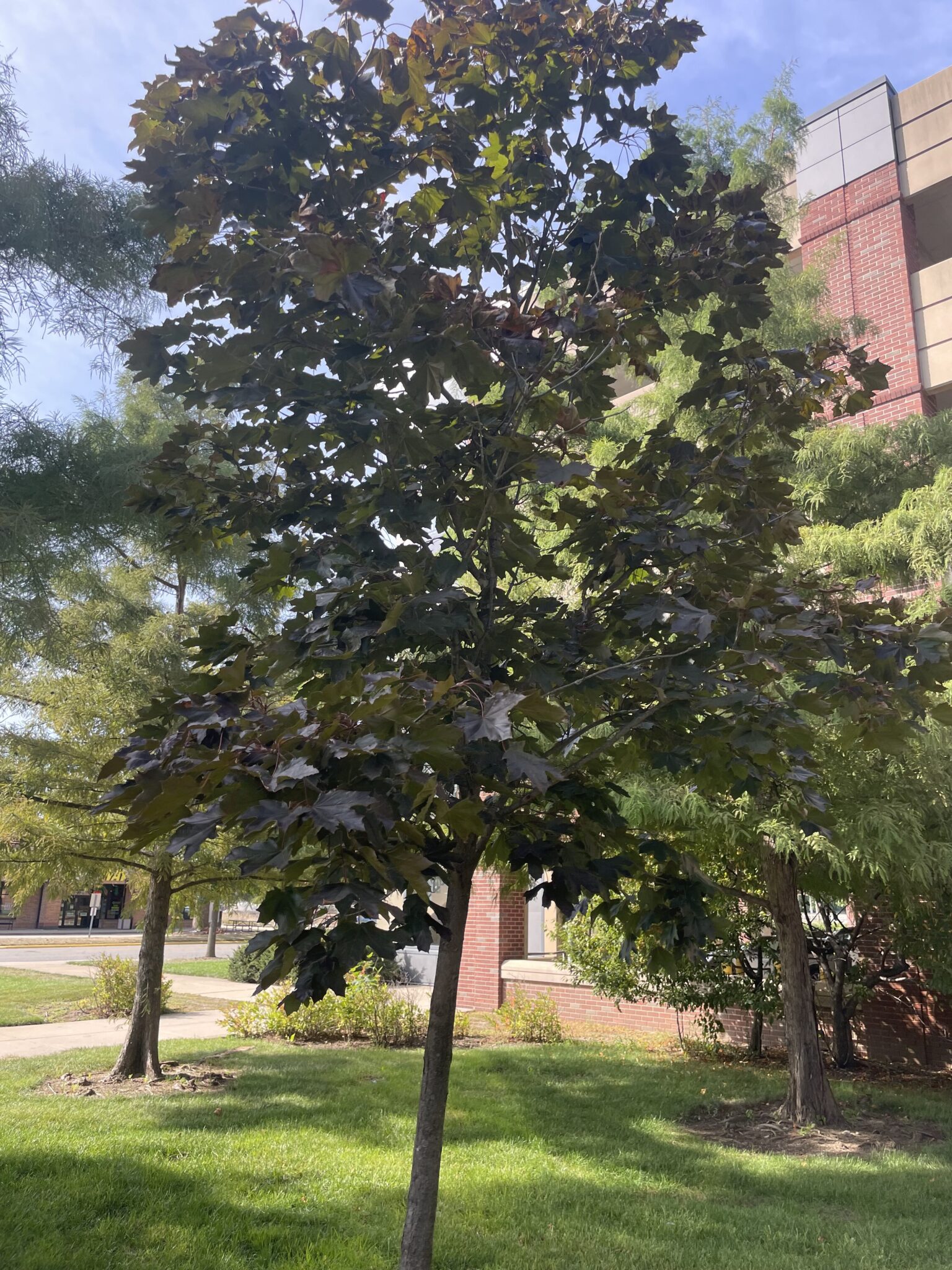
Figure 1. Norway maple is an invasive species that can resemble black and sugar maple. Photo by Purdue Arboretum.
Purdue Landscape Report: These three maples have somewhat similar-looking leaves. On the surface, you may think this is simply an academic exercise. But if you care about invasive plants and local ecology, this distinction is an important one.
Norway maple is an invasive tree species, while sugar and black maples are native tree species (sometimes called hard maples). Sugar and black maples are even more beloved for their gift of delicious sugary sap that can be made into maple syrup and similar products. They also make great shade trees. Note that there are other native and non-native maple species.
One way to distinguish between Norway (Acer platanoides), sugar (Acer saccharum), and black (Acer nigrum) maples is to count the number of lobes on the leaves. Lobes are large areas of the leaf that stick out, like an ear lobe, although that is not the clearest analogy. Norway maples typically have 5-7 lobes (commonly 7), sugar maples typically have 5, and black maples typically have 3-5. Black maple’s bottom two lobes are so much less prominent than sugar maple that it often looks like 3 main lobes. Additionally, black maple leaves droop on the sides, almost like they are starting to wilt from lack of water.
Another way to distinguish Norway maples from native maples (sugar and black) is to look at the winged seeds, called samaras. Children may call these “helicopters,” as they twirl on their way to the ground. The Norway maple has paired samaras arranged like a handlebar mustache. Sugar and black maple samara pairs look more like a Fu Manchu mustache, pointing downward rather than the near horizontal arrangement of Norway maple samaras.

Figure 2c. Black maple leaf. Photo by Purdue Arboretum.
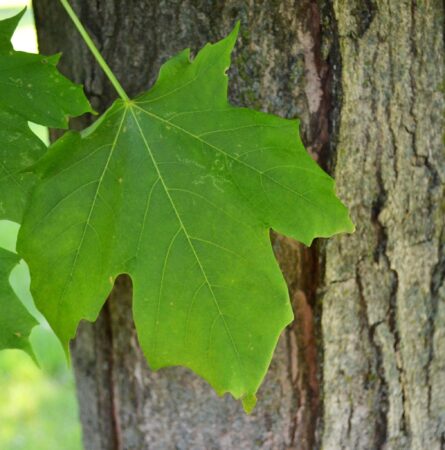
Figure 2b. Sugar maple leaf. Photo by Purdue Arboretum.

Figure 2a. Norway maple leaf. Photo by Purdue Arboretum.
A third way to distinguish Norway maples from native maples is to snap off the long leaf stem (petiole). Norway maples have a milky latex sap that exudes if you squeeze or pinch a petiole, while native maples have clear sap.
There are a few other identification nuances between these species. For example, black maples have stipules (leaf-like growths) at the base of their petioles (absent on sugar maple). They also have pubescence or hairiness on the underside of the leaves. Norway maple has hairs in the axils of leaf veins. Norway maple’s leaves are generally broader than long. Other differences may be seen in the bark, twigs, buds, and fall coloring.
Although Norway maple is an invasive species, it has been a long-time landscaping favorite of homeowners, especially cultivars like ‘Crimson King’ that retain their deep red color all year. This attribute has made Norway maple a popular choice because few other options exist to offer that color feature for the landscape. Other varieties or cultivars exhibit the normal green leaf color. Native to northern Europe, the tree was introduced in America in the late 1700s. George Washington reportedly purchased two trees in 1792 to plant at Mount Vernon.
For full article: Distinguishing Between Norway, Sugar, and Black Maples, Purdue Landscape Report.
Resources:
ReportINvasive, Purdue College of Agriculture
What are Invasive Species and Why Should I Care?, Got Nature? Blog, Purdue Extension – Forestry and Natural Resources
Large Spots on Maple Leaves that Look Like Tar, Purdue Extension News
Find an Arborist, International Society of Arboriculture
Fifty Common Trees of Indiana
An Introduction to Trees of Indiana
Native Trees of the Midwest, The Education Store
Shrubs and Woody Vines of Indiana and the Midwest, The Education Store
Tree Installation: Process and Practices, The Education Store
Planting Your Tree Part 1: Choosing Your Tree, Video, Purdue Extension – Forestry & Natural Resource (FNR) YouTube Channel
Investing in Indiana Woodlands, The Education Store
Forest Improvement Handbook, The Education Store
ID That Tree, Purdue Extension-FNR YouTube playlist
Purdue Plant and Pest Diagnostic Laboratory
John E. Woodmansee, Extension Educator – Agriculture and Natural Resources (ANR)
Purdue Extension – Whitely County
 Question: Is it recommended to feed birds during the summer? Could this effect migration?
Answer: Continuing to feed birds in the spring and summer comes down to personal preference and is not a problem for birds. Many things drive migration including daylength. The only difference is some foods (e.g., suet) can become rancid. Even bird seed (especially wet seed) can spoil quicker. You can fix this by changing out your food regularly, or by not filling the feeders as full so that birds empty the feeder more quickly.
Resources:
The Basics of Bird Migration: How, Why and Where, Cornell Lab
Feeding Birds, Cornell Lab
Bird Feeding Tips, Audubon.org
More Resources:
Virtual Tour Brings Forest Management for Birds to Life, Purdue Extension – Forestry and Natural Resources (FNR) Got Nature? Blog
Breeding Bird Atlas, Indiana Department of Natural Resources
IN DNR Shares How to Keep Your Backyard Birds Healthy, Purdue Extension – FNR Got Nature? Blog
Question: Is there any risk of becoming infected with avian influenza virus by feeding backyard birds?, Purdue Extension – FNR Got Nature? Blog
Breeding Birds and Forest Management: the Hardwood Ecosystem Experiment and the Central Hardwoods Region, The Education Store, Purdue Extension resource center
Forest Birds, The Education Store
Managing Woodlands for Birds, The Education Store
Managing Woodlands for Birds Video, Purdue Extension – FNR YouTube Channel
The Birders’ Dozen, Profile: Baltimore Oriole, Indiana Woodland Steward
Ask An Expert, Playlist, Purdue Extension – FNR YouTube channel
Birds and Residential Window Strikes: Tips for Prevention, The Education Store
No Room at the Inn: Suburban Backyards and Migratory Birds, Education Store
Putting a Little Wildlife in Your Backyard This Spring, The Education Store
Subscribe, Purdue Extension – FNR YouTube Channel
Dr. Brian MacGowan, Extension Wildlife Specialist & Certified Wildlife Biologist
Department of Forestry & Natural Resources, Purdue University
Hummingbirds are a popular attraction in any backyard and we receive questions on when they will be coming to Indiana and how to attract them to your backyard. Our Purdue professor emeritus of wildlife ecology Barny Dunning in this interview for CBS4 Indianapolis titled “How to attract hummingbirds during peak migration,” shares how planting a variety of plants that bloom will help draw them in along with a simple hummingbird mixture.
The ruby-throated hummingbird is the only species of hummingbird that nests in the Hoosier state. These colorful visitors are migratory and arrive from their wintering grounds around mid-April.
Dr. Brian MacGowan has a publication titled Attracting Hummingbirds to Your Yard that is a great resource to share along with this video showing how to prepare your hummingbird feeders and how to find out when they will be migrating to your area. Hummingbird Central also tracks spring and fall migrations. Anyone can submit sightings on their website and view up-to-date sightings.
Resources:
Attracting Hummingbirds to Your Yard publication, The Education Store-Purdue Extension resource center
Virtual Tour Brings Forest Management for Birds to Life, Got Nature? Blog, Purdue Extension FNR
Birding Through the Seasons, Indiana Forestry & Woodland owners Association (IFWOA)
Behold! The Atlas of Breeding Birds of Indiana, MyDNR, Indiana Department of Natural Resources, Got Nature? Blog, Purdue Extension FNR
Breeding Birds and Forest Management: the Hardwood Ecosystem Experiment and the Central Hardwoods Region, The Education Store, Purdue Extension – Forestry and Natural Resources
Forest Birds, The Education Store
Managing Woodlands for Birds, The Education Store
Managing Woodlands for Birds Video, Purdue Extension-Forestry and Natural Resources (FNR) YouTube Channel
The Birders’ Dozen, Profile: Baltimore Oriole, Indiana Woodland Steward
Birds and Residential Window Strikes: Tips for Prevention, The Education Store, Purdue Extension resource center
No Room at the Inn: Suburban Backyards and Migratory Birds, Education Store
Question: Is there any risk of becoming infected with avian influenza virus by feeding backyard birds?, Got Nature? Blog, Purdue Extension FNR
Preventing Wildlife Damage – Do You Need a Permit?, The Education Store
How to Construct a Scent Station video, The Education Store
Question: How do I properly relocate raccoons from my attic?, Got Nature? Blog, Purdue Extension FNR
Nuisance Wildlife, Indiana Department of Natural Resources
Subscribe – Purdue Extension-FNR YouTube Channel
Brian MacGowan, Wildlife Extension Specialist
Purdue Forestry and Natural Resources
 Join David and Mary Ray on a tour of their award winning forest in southwest Jackson County! The Rays are hands-on managers of their beautiful southern Indiana oak forest, and are excited to share the results of their management strategies with you!
Registration is required for this FREE EVENT. To register call or email Let the Sun Shine In – Indiana, Judi Brown, coordinator, 812-631-4904, JBrown@abcbirds.org. Registration is due April 3rd. Please share any dietary restrictions if needed.
Date: April 5, 2025
Time: 9:30am to 1:00pm EDT
Location: David & Mary Ray Property, Southwest Jackson County, 5 miles SW of Medora, event signs will be posted
Schedule:
Onsite Registration: 9:00 AM
Forestry Tour: 9:30 to Noon
Lunch: 12 to 1 PM, sponsored by Indiana Forestry and Woodland Owners Association (IFWOA)
Maple Sap Gathering 1 PM, optional
Speakers Include:
David Ray, Property Owner
Dan McGuckin, ACF, CF, CWB
Dan Shaver, NRCS State Forester
Judi Brown, LSSI IN
Take note: This is a walking tour in a hilly forest. Be prepared for rough terrain; please wear appropriate clothing and footwear. Limited on-site transportation assistance available, if needed. In the event of storm rain date is April 12, 2025.
To print flyer and view large map visit: Indiana Forestry & Woodlands Owners Association (IFWOA): Oak Management Forestry Field Day: Jackson County flyer (pdf).
For all IFWOA events and woodland resources view Indiana Forestry & Woodlands Owners Association (IFWOA) website.
Resources:
Indiana Forestry & Woodland Owners Association (IFWOA) YouTube Channel
Deer Impact Toolbox, Purdue Extension Pond and Wildlife Management
District Forester, Indiana DNR Division of Forestry, for over 10 acres of woodlands
Directory of Professional Foresters, Indiana Forestry & Woodland Owners Association (IFWOA)
Indiana Woodland Steward E-newsletters, Eleven Member Organization
A Woodland Management Moment, Playlist, Purdue Extension – Forestry and Natural Resources (FNR) YouTube Channel
Conservation Tree Planting: Steps to Success, Purdue Extension – FNR YouTube Channel
Forest Improvement Handbook, The Education Store
Invasive Species, Playlist, Purdue Extension – FNR YouTube Channel
Woodland Stewardship for Landowners, Playlist, Purdue Extension – FNR YouTube Channel
Invasive Plant Species Identification, Video, Purdue Extension – FNR YouTube Channel
Report Invasive Species, Purdue Invasive Species
ID That Tree – Video Playlist, Purdue Extension – Forestry and Natural Resources (FNR) YouTube Channel
Subscribe – Purdue Extension-FNR YouTube Channel
Liz Jackson, IFWOA engagement specialist & Walnut Council Manager
Indiana Forestry & Woodlands Owners Association (IFWOA)

Recent Posts
- A Woodland Management Moment: Black Walnut in Pine Plantation
Posted: December 19, 2025 in Forestry, Forests and Street Trees, Urban Forestry, Woodlands - ID That Tree: Sugarberry
Posted: December 12, 2025 in Forestry, Wildlife, Woodlands - Powering Rural Futures: Purdue’s Agrivoltaics Initiative for Sustainable Growth
Posted: December 9, 2025 in Community Development, Wildlife - Learn How to Control Reed Canarygrass
Posted: December 8, 2025 in Forestry, Invasive Plant Species, Wildlife - Benefits of a Real Christmas Tree, Hoosier Ag Today Podcast
Posted: December 5, 2025 in Christmas Trees, Forestry, Woodlands - Succession Planning Resource: Secure your Future
Posted: December 2, 2025 in Community Development, Land Use, Woodlands - A Woodland Management Moment: Butternut Disease and Breeding
Posted: December 1, 2025 in Forestry, Forests and Street Trees, Woodland Management Moment, Woodlands - Controlling Introduced Cool-Season Grasses
Posted: in Forestry, Invasive Plant Species, Wildlife - Red in Winter – What Are Those Red Fruits I See?
Posted: in Forestry, Plants, Urban Forestry, Wildlife, Woodlands - Managing Common and Cut Leaved Teasel
Posted: November 24, 2025 in Forestry, Invasive Plant Species, Wildlife
Archives
Categories
- Alert
- Aquaculture/Fish
- Aquatic/Aquaculture Resources
- Ask the Expert
- Christmas Trees
- Community Development
- Disease
- Drought
- Forestry
- Forests and Street Trees
- Gardening
- Got Nature for Kids
- Great Lakes
- How To
- Invasive Animal Species
- Invasive Insects
- Invasive Plant Species
- Land Use
- Natural Resource Planning
- Nature of Teaching
- Plants
- Podcasts
- Ponds
- Publication
- Safety
- Spiders
- Timber Marketing
- Uncategorized
- Urban Forestry
- Webinar
- Wildlife
- Wood Products/Manufacturing
- Woodland Management Moment
- Woodlands