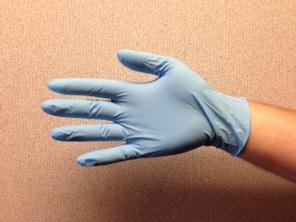
Use Type
- Incidental chemical contact use only
- General lab chemical use
- Commonly used in the medical field
Advantages
- Good general lab use glove; protection from many organic solvents, oils, greases, some acids and bases
- Good protection from blood, cell lines, and tissue
- Clear indication of tears and breaks
- Excellent dexterity
- Non-allergenic
Disadvantages
- Not effective for direct contact use
- Not effective with many halogenated solvents
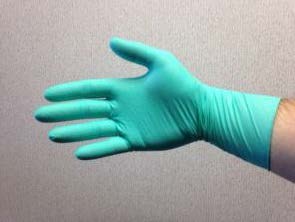
Use Type
- Incidental chemical contact use only
- General lab chemical use
Advantages
- Good protection from many acids, bases, peroxides, fuels, alcohols, and phenols
- Clear indication of tears and breaks
- Excellent dexterity
Disadvantages
- Not effective for direct contact use
- Not effective with many halogenated solvents
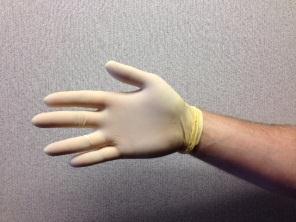
Use Type
- Incidental chemical contact use only
- Commonly used in the medical field
- Not suitable for many lab settings
Advantages
- Good protection from biological agents (blood, cell lines, tissue)
- Protection from some acids and bases
- Excellent dexterity
Disadvantages
- Not effective for direct contact use
- Not effective with many organic solvents
- Allergenic
- Difficult to detect tears and breaks
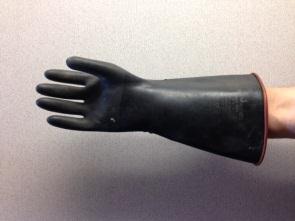
Use Type
- Suitable for direct contact with some chemicals
Advantages
- Good protection from ketones, esters, gases, vapors, acids, and bases
- Can be decontaminated and reused
- Puncture and tear resistant
Disadvantages
- Not effective with gasoline, aliphatic, aromatic, and halogenated hydrocarbons
- Poor dexterity
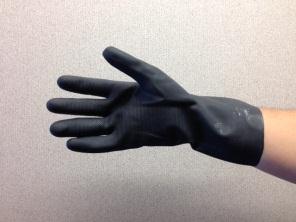
Use Type
- Suitable for direct contact with some chemicals
Advantages
- Good protection from chlorinated and aromatic hydrocarbons
- Can be decontaminated and reused
- Puncture and tear resistant
Disadvantages
- Not effective with ketones
- Average dexterity
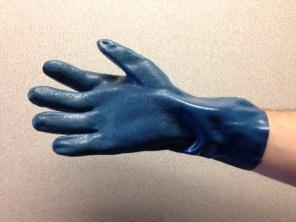
Use Type
- Suitable for direct contact with some chemicals
Advantages
- Good protection from acids, bases, oils, fats, peroxides, and amines
- Can be decontaminated and reused
- Puncture and tear resistant
Disadvantages
- Not effective with many organic solvents
- Average dexterity
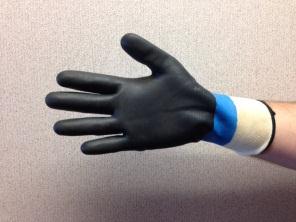
Use Type
- Incidental chemical contact use only
Advantages
- Good all-purpose glove for minor chemical contamination
- Minimal chemical resistance
- Can be decontaminated and reused
- Puncture and tear resistant
- Good dexterity and grip
Disadvantages
- Not effective for direct or prolonged chemical exposure
Use Type
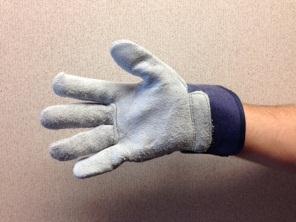
Use Type
- Non-hazardous material handling only
Advantages
- Good all-purpose glove for non-hazardous materials
- Puncture and tear resistant
Disadvantages
- Not effective with hazardous chemicals (absorbs liquids)
- Poor dexterity
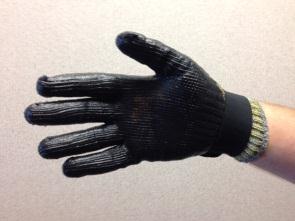
Use Type
- Handling sharp objects
- Incidental chemical contact only
Advantages
- Excellent cut resistance (razor blades, pipette tips)
- Some provide minimal chemical resistance
- Can be decontaminated and reused
- Good dexterity and grip
Disadvantages
- Not effective for direct or prolonged chemical exposure
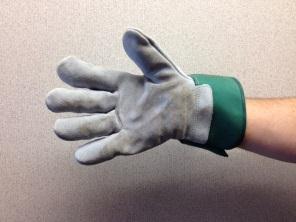
Use Type
- Handling cryogenic surfaces
Advantages
- Protection from cryogenic liquids (e.g., liquid nitrogen)
- Designed for long-term reuse
Disadvantages
- Not effective for direct or prolonged chemical exposure
- Poor dexterity
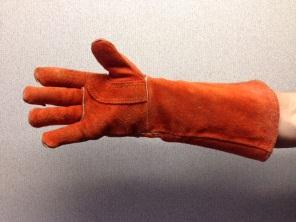
Use Type
- Handling hot surfaces
Advantages
- Protection from hot surfaces (autoclaves, ovens)
- Designed for long-term reuse
Disadvantages
- Not effective with hazardous chemicals (leather absorbs liquids)
- Poor dexterity