Skip to content
Purdue University Home Environmental Health and Safety
  • Home
  • Safety
    • Employee Safety
      • Medical Facilities
      • Report an Injury
      • Report a Near Miss
      • Report a Safety Concern
      • Return to Work
    • Personal Safety
      • Animal Bite and Scratch Exposure
      • Bloodborne Pathogens
      • Ergonomics
      • Food Safety
      • Minors in Labs and Other Hazardous Areas
      • Personal Protective Equipment
      • Pregnancy and Radiation
      • Presidential Safety Award
      • Situational Awareness
    • Building Safety
      • Asbestos Management Program
      • Excavation Safety
      • Indoor Air Quality
      • Indoor Water Quality
      • Lead Testing of Paint
      • Refrigerant Compliance Program
      • Silica
      • Slips, Trips and Falls
    • Lab and Equipment Safety
      • Autoclave Testing
      • Biosafety Cabinets and Clean Benches
      • Chemical Fume Hoods
      • Confined Space
      • Control of Hazardous Energy
      • Electrical Safety
      • Eyewashes and Safety Showers
      • Hazard Clearance and Declaration
      • Laser Safety
      • Mercury Thermometers
      • Mobile Elevating Work Platforms
      • Personal Protective Equipment
      • Researcher’s Guide
      • Scanning Electron Microscope
      • X-Ray Machines
  • Hazardous Waste and Materials 
    • Hazardous Materials
      • Biological Materials
      • Chemical Hygiene Plan
      • Chemical Materials
      • Controlled Substances
      • Hazard Communication
      • Laboratory Decommissioning
      • Laboratory Moves
      • Shipping Hazardous Materials
      • Standard Operating Procedures
      • Radioactive Materials
      • Worker Protection Standard
    • Hazardous Waste
      • Battery Disposal
      • Biological Waste
      • Chemical Waste Storage
      • Empty Container Disposal
      • Hazardous Waste Disposal
      • Household Hazardous Waste and E-Waste
      • HPLC Waste
      • Radioactive Waste
      • Universal Waste
      • Unknown Chemicals
      • Waste Containers
      • Waste Minimization
    • Spills
      • Blood Spills
      • Chemical Spills
      • Mercury Spills
      • Radioactive Materials Spills
  • ISP
    • ISP Certified Programs
    • Safety Committees
  • Compliance Programs
  • Environmental Programs
    • ECAD
    • Safe and Sustainable Labs Program 
  • About
    • Environmental Health
    • Environmental Safety Services
    • Hazardous Materials Management 
    • Industrial Hygiene
    • Occupational Safety
    • Radiation and Laser Safety
Environmental Health and Safety
  • Home
  • Safety
    • Employee Safety
      • Medical Facilities
      • Report an Injury
      • Report a Near Miss
      • Report a Safety Concern
      • Return to Work
    • Personal Safety
      • Animal Bite and Scratch Exposure
      • Bloodborne Pathogens
      • Ergonomics
      • Food Safety
      • Minors in Labs and Other Hazardous Areas
      • Personal Protective Equipment
      • Pregnancy and Radiation
      • Presidential Safety Award
      • Situational Awareness
    • Building Safety
      • Asbestos Management Program
      • Excavation Safety
      • Indoor Air Quality
      • Indoor Water Quality
      • Lead Testing of Paint
      • Refrigerant Compliance Program
      • Silica
      • Slips, Trips and Falls
    • Lab and Equipment Safety
      • Autoclave Testing
      • Biosafety Cabinets and Clean Benches
      • Chemical Fume Hoods
      • Confined Space
      • Control of Hazardous Energy
      • Electrical Safety
      • Eyewashes and Safety Showers
      • Hazard Clearance and Declaration
      • Laser Safety
      • Mercury Thermometers
      • Mobile Elevating Work Platforms
      • Personal Protective Equipment
      • Researcher’s Guide
      • Scanning Electron Microscope
      • X-Ray Machines
  • Hazardous Waste and Materials 
    • Hazardous Materials
      • Biological Materials
      • Chemical Hygiene Plan
      • Chemical Materials
      • Controlled Substances
      • Hazard Communication
      • Laboratory Decommissioning
      • Laboratory Moves
      • Shipping Hazardous Materials
      • Standard Operating Procedures
      • Radioactive Materials
      • Worker Protection Standard
    • Hazardous Waste
      • Battery Disposal
      • Biological Waste
      • Chemical Waste Storage
      • Empty Container Disposal
      • Hazardous Waste Disposal
      • Household Hazardous Waste and E-Waste
      • HPLC Waste
      • Radioactive Waste
      • Universal Waste
      • Unknown Chemicals
      • Waste Containers
      • Waste Minimization
    • Spills
      • Blood Spills
      • Chemical Spills
      • Mercury Spills
      • Radioactive Materials Spills
  • ISP
    • ISP Certified Programs
    • Safety Committees
  • Compliance Programs
  • Environmental Programs
    • ECAD
    • Safe and Sustainable Labs Program 
  • About
    • Environmental Health
    • Environmental Safety Services
    • Hazardous Materials Management 
    • Industrial Hygiene
    • Occupational Safety
    • Radiation and Laser Safety
Helpful links
  • CURRENT STUDENTS
  • FACULTY AND STAFF
  • Give
  • Events Calendar
  • Shop
  • News

Asbestos Management Program

Shortcuts:
  • Purpose/Scope
  • Protocol
  • Responsibilities
  • FAQs
  • Contacts
  • Definitions

Purpose/Scope

This program outlines the Purdue University Asbestos Management Procedures. Purdue University follows a practice that is endorsed by the U.S. Environmental Protection Agency (EPA) known as Management of Asbestos in Place. The asbestos program covers the identification, maintenance and removal of regulated Asbestos Containing Materials (ACM) and Presumed Asbestos Containing Materials (PACM) in university facilities.

Protocol

There is no thorough inventory of all suspected asbestos containing materials in the buildings and facilities at Purdue. Assume that all building materials are asbestos containing unless informed by a representative of Environmental Health and Safety (EHS) or you have been provided a copy of test results proving the suspect materials that are to be disturbed do not contain asbestos. Proper identification of ACM or PACM must be made by an asbestos building inspector that is accredited by the State of Indiana Department of Environmental Management. If for any reason these materials must be disturbed they must be tested for asbestos content. All maintenance personnel and contractors doing work at the university that may come in contact with suspect asbestos containing materials, must be informed of the university’s position regarding asbestos. This includes identification of known ACM locations and procedures to use to avoid disturbing the material.

Responsibilities

  • Follow procedures listed above.
  • Report any loose or damaged ACM or PACM to EHS.

  • Ensure employees receive training on possible location of ACM, hazards and procedures for reporting incidents. Document training should be conducted with all new personnel and annually thereafter.
  • Report asbestos incidents to EHS for follow-up. Report any loose or damaged ACM or PACM to EHS.
  • Contact the Environmental Safety Services Manager (ESSM) to schedule the removal of any ACM.

  • Perform duties as trained.
  • Report any loose or damaged ACM or PACM to your supervisor or EHS.

Contact the ESSM to discuss projects in detail to insure proper identification of suspect ACM prior to the start of projects. Contact the ESSM when the scope of work changes to insure that a re-inspection of the area is made to identify additional ACM.

  • Coordinate the asbestos program and maintain a database of known asbestos locations. Schedule, coordinate, prioritize and conduct the removal activities of ACM.
  • Provide industrial hygiene consultation services by a competent person. Relay requirements to university supervisors and managers.
  • Conduct bulk and air samples for analysis as requested or required.
  • Conduct periodic inspections of university facilities to assess the condition of ACM and repair these areas when identified.

Frequently Asked Questions

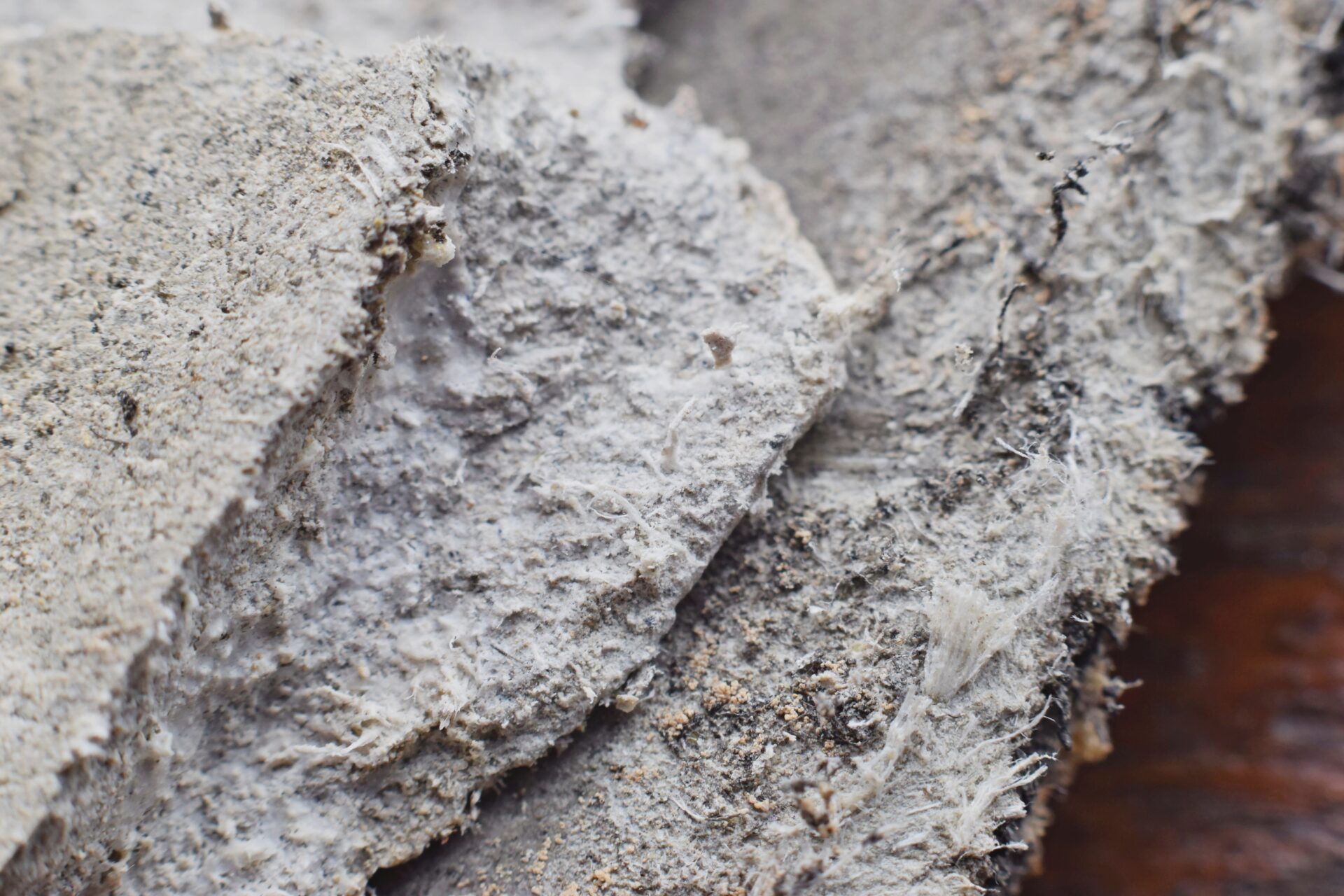
Asbestos is a fibrous material used in a variety of building materials and industrial products.

Asbestos is found in a number of building materials, including sprayed-on insulation, troweled-on insulation, acoustical plaster, pipe insulation, boiler insulation, duct insulation, floor tile, transit cement board, vinyl flooring, wire insulation and ceiling tiles. It is also used as thermal insulation in some devices and in friction products such as brake shoes.

Overexposure to asbestos has been shown to cause a type of lung disease called asbestosis and cancers of the lung and peritoneum. The disease states associated with exposure to asbestos were caused by high, long-term exposure and much less often from very short-term exposure.

No. Asbestos must be airborne and inhaled in order to be harmful, and asbestos-containing materials must be disturbed to become airborne.

Contact your foreman or supervisor. They will contact Environmental Health and Safety and request that a sample of the material be analyzed for asbestos.

Contact your foreman or supervisor. They will then contact the Environmental Control and Abatement Department and the asbestos coordinator. These groups will arrange for the asbestos-containing materials to be removed safely by properly trained and protected personnel.

Sweeping asbestos-containing debris, improperly removing asbestos-containing materials, sawing, drilling, sanding or otherwise disturbing asbestos-containing materials.

Contacts

  • Environmental Safety Services
  • Industrial Hygiene

Definitions

  • ACM: Any material that is greater than 1% asbestos.
  • Competent Person: One who is capable of identifying existing asbestos hazards in the workplace and selecting the appropriate control strategy for asbestos exposure and who has the authority to take prompt corrective measures to eliminate them.
Purdue Logo

Purdue University
610 Purdue Mall
West Lafayette, IN 47907

765-494-4600

Systemwide options

Follow Us

  • Facebook
  • Instagram
Systemwide options

  • West Lafayette Map
  • Careers
  • Center for Healthy Living
  • Colleges and Schools
  • Directory
  • Entrepreneurship and Commercialization
  • Human Resources
  • Libraries

  • Ethics and Compliance
  • Events
  • Give
  • Lost and Found
  • Office of Engagement
  • President
  • Tuition Calculator

  • BoilerConnect
  • Brightspace
  • Current Students
  • Faculty and Staff
  • myPurdue
  • Office 365
  • OneCampus Portal
  • Outlook

  • Annual Security Report
  • Construction
  • Emergency
  • Information Technology
  • Marketing and Communications
  • Purdue News
  • Purdue Hotline
  • Timely Warnings

Last modified: April 13, 2026

Copyright © 2026 Purdue University. All Rights Reserved. Trademark Statement.
Accessibility | EA/EO University | Integrity Statement | Free Expression | College Scorecard (ed.gov) | Privacy Policy | Contact Us