Skip to content
Purdue University Home Environmental Health and Safety
  • Home
  • Safety
    • Employee Safety
      • Medical Facilities
      • Report an Injury
      • Report a Near Miss
      • Report a Safety Concern
      • Return to Work
    • Personal Safety
      • Animal Bite and Scratch Exposure
      • Bloodborne Pathogens
      • Ergonomics
      • Food Safety
      • Minors in Labs and Other Hazardous Areas
      • Personal Protective Equipment
      • Pregnancy and Radiation
      • Presidential Safety Award
      • Situational Awareness
    • Building Safety
      • Asbestos Management Program
      • Excavation Safety
      • Indoor Air Quality
      • Indoor Water Quality
      • Lead Testing of Paint
      • Refrigerant Compliance Program
      • Silica
      • Slips, Trips and Falls
    • Lab and Equipment Safety
      • Autoclave Testing
      • Biosafety Cabinets and Clean Benches
      • Chemical Fume Hoods
      • Confined Space
      • Control of Hazardous Energy
      • Electrical Safety
      • Eyewashes and Safety Showers
      • Hazard Clearance and Declaration
      • Laser Safety
      • Mercury Thermometers
      • Mobile Elevating Work Platforms
      • Personal Protective Equipment
      • Researcher’s Guide
      • Scanning Electron Microscope
      • X-Ray Machines
  • Hazardous Waste and Materials 
    • Hazardous Materials
      • Biological Materials
      • Chemical Hygiene Plan
      • Chemical Materials
      • Controlled Substances
      • Hazard Communication
      • Laboratory Decommissioning
      • Laboratory Moves
      • Shipping Hazardous Materials
      • Standard Operating Procedures
      • Radioactive Materials
      • Worker Protection Standard
    • Hazardous Waste
      • Battery Disposal
      • Biological Waste
      • Chemical Waste Storage
      • Empty Container Disposal
      • Hazardous Waste Disposal
      • Household Hazardous Waste and E-Waste
      • HPLC Waste
      • Radioactive Waste
      • Universal Waste
      • Unknown Chemicals
      • Waste Containers
      • Waste Minimization
    • Spills
      • Blood Spills
      • Chemical Spills
      • Mercury Spills
      • Radioactive Materials Spills
  • ISP
    • ISP Certified Programs
    • Safety Committees
  • Compliance Programs
  • Environmental Programs
    • ECAD
    • Safe and Sustainable Labs Program 
  • About
    • Environmental Health
    • Environmental Safety Services
    • Hazardous Materials Management 
    • Industrial Hygiene
    • Occupational Safety
    • Radiation and Laser Safety
Environmental Health and Safety
  • Home
  • Safety
    • Employee Safety
      • Medical Facilities
      • Report an Injury
      • Report a Near Miss
      • Report a Safety Concern
      • Return to Work
    • Personal Safety
      • Animal Bite and Scratch Exposure
      • Bloodborne Pathogens
      • Ergonomics
      • Food Safety
      • Minors in Labs and Other Hazardous Areas
      • Personal Protective Equipment
      • Pregnancy and Radiation
      • Presidential Safety Award
      • Situational Awareness
    • Building Safety
      • Asbestos Management Program
      • Excavation Safety
      • Indoor Air Quality
      • Indoor Water Quality
      • Lead Testing of Paint
      • Refrigerant Compliance Program
      • Silica
      • Slips, Trips and Falls
    • Lab and Equipment Safety
      • Autoclave Testing
      • Biosafety Cabinets and Clean Benches
      • Chemical Fume Hoods
      • Confined Space
      • Control of Hazardous Energy
      • Electrical Safety
      • Eyewashes and Safety Showers
      • Hazard Clearance and Declaration
      • Laser Safety
      • Mercury Thermometers
      • Mobile Elevating Work Platforms
      • Personal Protective Equipment
      • Researcher’s Guide
      • Scanning Electron Microscope
      • X-Ray Machines
  • Hazardous Waste and Materials 
    • Hazardous Materials
      • Biological Materials
      • Chemical Hygiene Plan
      • Chemical Materials
      • Controlled Substances
      • Hazard Communication
      • Laboratory Decommissioning
      • Laboratory Moves
      • Shipping Hazardous Materials
      • Standard Operating Procedures
      • Radioactive Materials
      • Worker Protection Standard
    • Hazardous Waste
      • Battery Disposal
      • Biological Waste
      • Chemical Waste Storage
      • Empty Container Disposal
      • Hazardous Waste Disposal
      • Household Hazardous Waste and E-Waste
      • HPLC Waste
      • Radioactive Waste
      • Universal Waste
      • Unknown Chemicals
      • Waste Containers
      • Waste Minimization
    • Spills
      • Blood Spills
      • Chemical Spills
      • Mercury Spills
      • Radioactive Materials Spills
  • ISP
    • ISP Certified Programs
    • Safety Committees
  • Compliance Programs
  • Environmental Programs
    • ECAD
    • Safe and Sustainable Labs Program 
  • About
    • Environmental Health
    • Environmental Safety Services
    • Hazardous Materials Management 
    • Industrial Hygiene
    • Occupational Safety
    • Radiation and Laser Safety
Helpful links
  • CURRENT STUDENTS
  • FACULTY AND STAFF
  • Give
  • Events Calendar
  • Shop
  • News

Worker Protection Standard

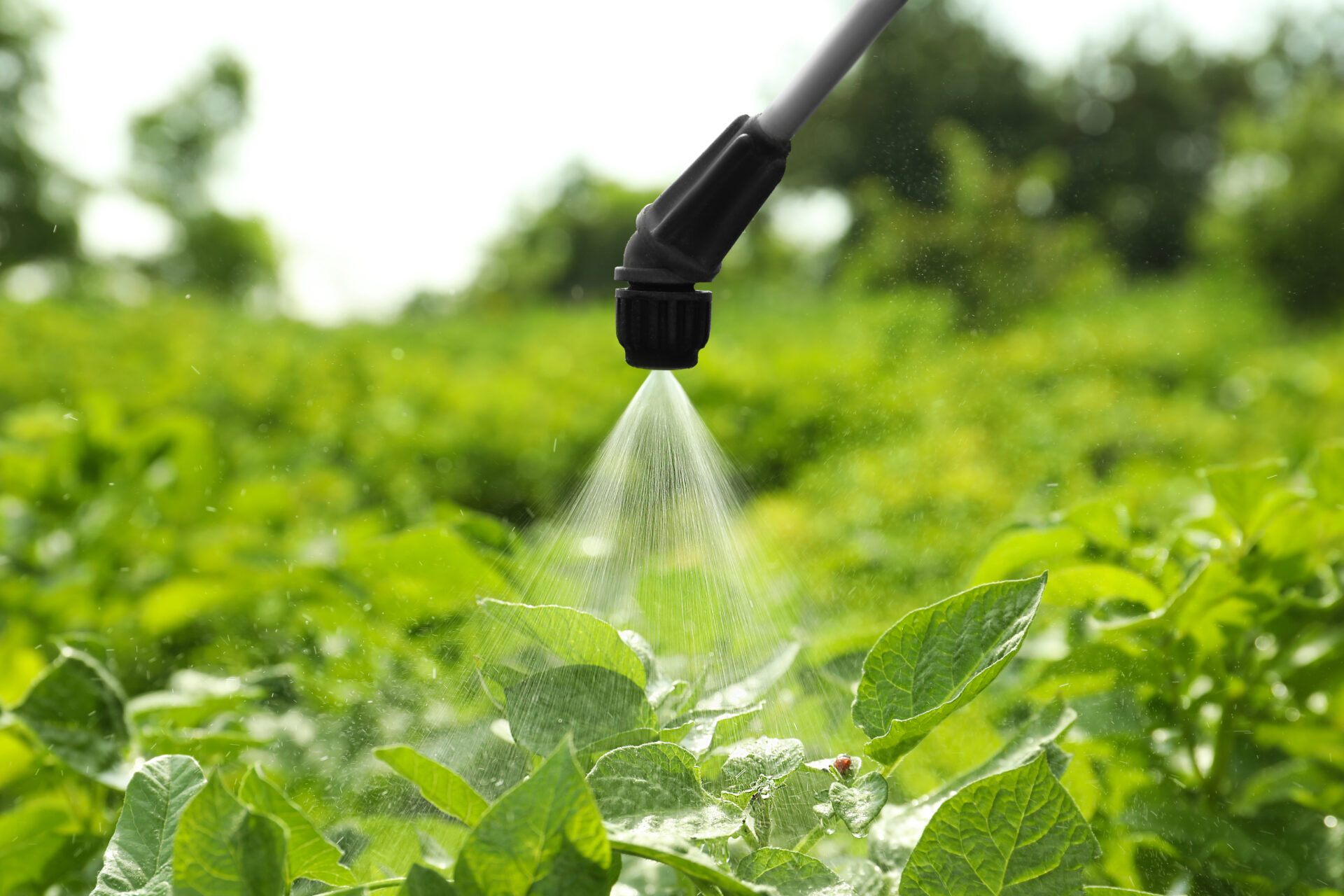
The Worker Protection Standard is for Agricultural Workers and Handlers of Agricultural Use Pesticides. The U.S. Environmental Protection Agency (EPA) through the Code of Federal Regulations established the Worker Protection Standard (40 CFR 170) which pertains to the safety and health of employees who work on farms, in forests, in greenhouses or in nurseries where agricultural use pesticides are used or stored in the production of agricultural plants grown or maintained for commercial or research purposes.

The Worker Protection Standard (WPS) requires agricultural establishment owners such as Purdue University to take steps to “reduce the risk of pesticide related illness and injury (1) if they use these pesticides, or (2) employ workers or pesticide handlers who are exposed to such pesticides”.

Pesticide Handler Training

To ensure compliance with the WPS, Environmental Health and Safety (EHS) offers pesticide handler training. The training provides employees with information about exposure to pesticides, protection against exposure to pesticides and ways to mitigate exposures to pesticides. WPS Pesticide Safety Training is available from EHS by contacting the Safety section.

WPS training notification is done via email to departmental contacts who distribute and post notices when necessary. Training is performed on campus by EHS at the beginning of each semester or when requested. Training is available for satellite operations and farms as well. There is no sign-up required, individual’s may attend any session that suits their schedule.

WPS training verification is provided by the “WPS Training and Information Verification” form, which is completed at the end of the training session. A copy of the signed verification form is sent to the trained individual’s business office to be placed in their personnel file. EHS retains the original. Training is good for one (1) year.

By signing the WPS Training and Information Verification form, an individual is acknowledging they have received Worker Protection Standard training and information about policies and procedures applicable to their work environment. WPS training program contains at a minimum the following elements:

  1. Format and meaning of information on pesticide labels and in labeling, including safety information such as precautionary statements about human health hazards
  2. Hazards of pesticides resulting from toxicity and exposure, including acute effects, chronic effects, delayed effects and sensitization
  3. Routes through which pesticides can enter the body
  4. Signs and symptoms of common types of pesticide poisoning
  5. Emergency aid for pesticide injuries or poisonings
  6. How to obtain emergency care
  7. Routine and emergency decontamination procedures including emergency eye flushing techniques
  8. Need for and appropriate personal protective equipment (PPE)
  9. Prevention, recognition and first aid treatment of heat related illness
  10. Safety requirements for handling, transporting, storing and disposing of pesticides, including general procedures for spill cleanup
  11. Environmental concerns such as drift, runoff and wildlife hazards
  12. Warnings about taking pesticides or pesticide containers home
  13. An explanation of the WPS requirements handlers and employees must adhere to for the protection of handlers and others, including the prohibition against applying pesticides in a manner that will cause contact with workers or to other persons, requirements for use of personal protective equipment (PPE), the provisions for training and decontamination and protection against retaliatory acts

Definitions

  • Handler – those employees that mix, load or apply agricultural pesticides; clean or repair pesticide application equipment; or assist with the application of pesticides in any way. Handlers must be trained before performing any handling task.
  • Worker – those employees that perform tasks related to the cultivation and harvesting of plants on university farms or in greenhouses, nurseries or forests. Workers include anyone employed for any compensation doing tasks, such as carrying nursery stock, repotting plants or watering, related to the production of agricultural plants at the university. Workers must receive basic pesticide safety information before they enter a treated area. No more than 5 days after initial employment, workers must receive complete WPS safety training. Workers do NOT include such employees as office employees, truck drivers, mechanics and any other worker not engaged in agricultural worker/handler activities.

Purdue Logo

Purdue University
610 Purdue Mall
West Lafayette, IN 47907

765-494-4600

Systemwide options

Follow Us

  • Facebook
  • Instagram
Systemwide options

  • West Lafayette Map
  • Careers
  • Center for Healthy Living
  • Colleges and Schools
  • Directory
  • Entrepreneurship and Commercialization
  • Human Resources
  • Libraries

  • Ethics and Compliance
  • Events
  • Give
  • Lost and Found
  • Office of Engagement
  • President
  • Tuition Calculator

  • BoilerConnect
  • Brightspace
  • Current Students
  • Faculty and Staff
  • myPurdue
  • Office 365
  • OneCampus Portal
  • Outlook

  • Annual Security Report
  • Construction
  • Emergency
  • Information Technology
  • Marketing and Communications
  • Purdue News
  • Purdue Hotline
  • Timely Warnings

Last modified: March 18, 2026

Copyright © 2026 Purdue University. All Rights Reserved. Trademark Statement.
Accessibility | EA/EO University | Integrity Statement | Free Expression | College Scorecard (ed.gov) | Privacy Policy | Contact Us