Food Safety
Food Safety Inspections and Oversight
The Indiana State Department of Health Retail Food Establishment Sanitation requirements, Title 410 IAC 7-26, is intended to minimize the possibility of foodborne illness. Inspections are conducted for the West Lafayette campus and satellite campuses (Indianapolis, Calumet, N. Central, and Ft. Wayne) at least once per semester. Greek housing, sporting events, large temporary events and retail facilities at the West Lafayette campus are inspected at least once per year. Food service inspection results become public knowledge ten days after the inspection date and are located in the Environmental Health office. Visit the Indiana State Department of Health Food Protection Program website for further food safety information.
Food Safety
Foodborne Illness
Foodborne illness is relatively common and not generally life threatening, but it can seriously compromise the health of young children or anyone with a suppressed or stressed immune system. Norovirus is the most common cause of foodborne illness; Salmonella is the most frequently reported cause of foodborne illness. Foodborne related allergic reactions can be very serious or life threatening. Physical contaminants such as chemical (lighter fluid, pesticides), physical (glass, wood), or microbial (virus, bacteria, parasite) also contribute to foodborne illness.
If you suspect you have a foodborne illness or a food-related allergic reaction, please seek medical attention first. Afterward, complete the Foodborne Illness Report and Allergy Form.
Food Safety: Best Practices
The following is a partial overview intended to assist in preventing foodborne illness:
- Microbes, including pathogens, grow rapidly on food items between the temperatures 41 °F and 135 °F. Meat, poultry, and eggs are commonly contaminated when they arrive from the supplier; therefore, temperature control is critical for slowing or preventing microbial growth.
- Refrigerate foods immediately upon delivery
- Refrigerators 41° F or below
- Freezers 0° F or below
- Hot displays 135° F or above, cold displays 41° F or below
- Heat leftovers to 165° F before putting on display
- Cook poultry to 165° F and ground beef to 155° F.
- Cool leftovers on ice or in refrigerator (cooked TCS food must be cooled within two (2) hours, from one hundred thirty-five (135) degrees F to seventy (70) degrees F, within a total of six (6) hours to go from one hundred thirty-five (135) degrees F to forty-one (41) degrees F), do not cool at room temperature.
- Thaw meat in the refrigerator or under cold, running water, not at room temperature
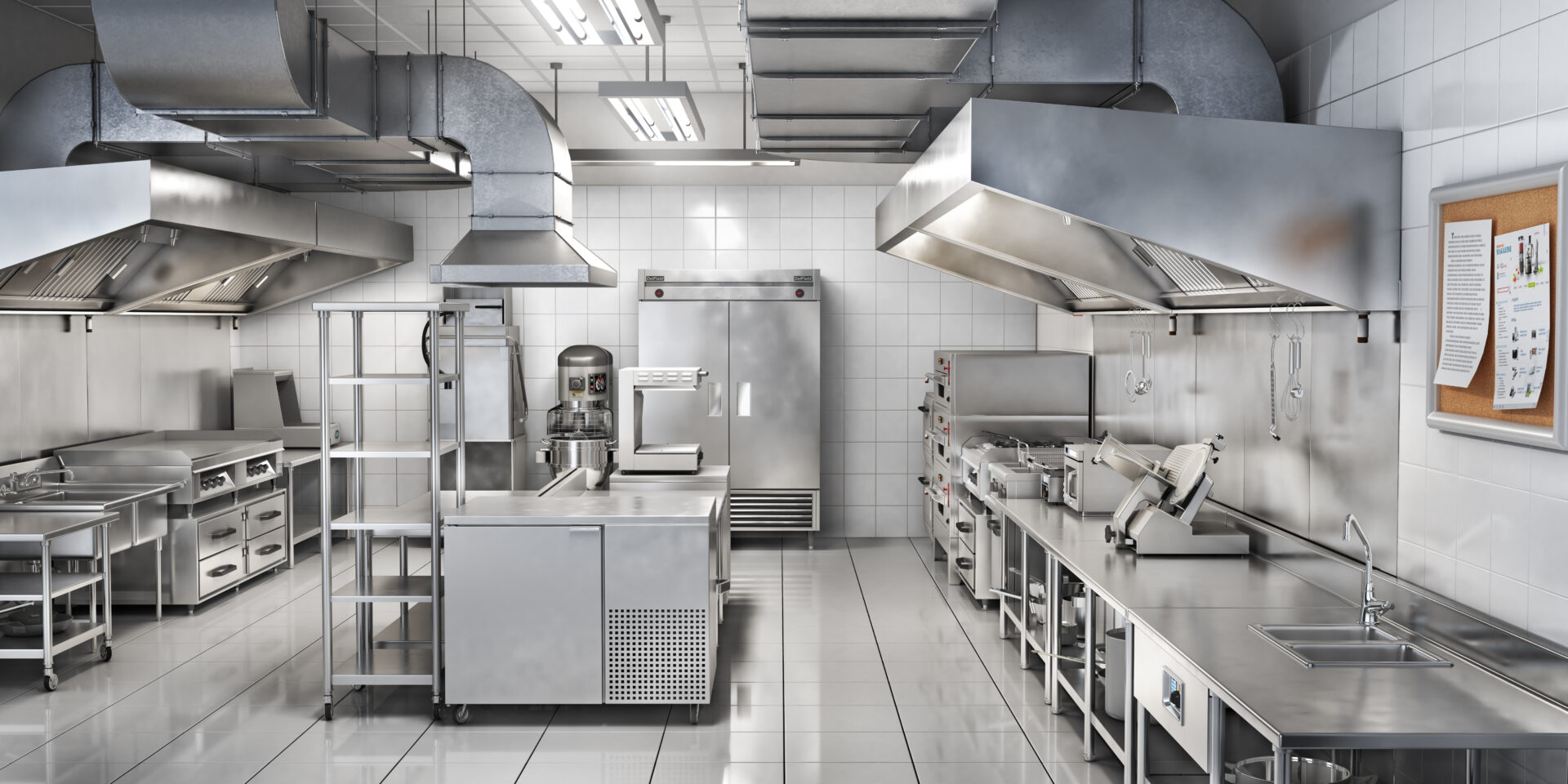
- Ventilation hoods should be functioning properly. Air flow at the stove hood should be at least 100 fpm. Small dish machines should be equipped with a condenser hood. The filters and the hoods themselves should be free from grease and dust.
- Food preparation and dish washing areas should have at least 70 foot-candles of light; other areas should have at least 20 foot-candles. All lights should have a clean, protective cover (including those on display tables).
- Dish machines should be free from lime build-up. The final rinse temperature at dish contact should be 160° F or higher and 15-25 psi chemical sanitizers should have a concentration of chlorine between 50-100 ppm.
- Hand washed items should be washed, rinsed and sanitized in a three-compartment sink (or two-compartment sink and a tub). To reduce the risk of chemical contamination this sink should be kept exclusively for washing. Food should never be handled in this sink. A separate sink should be used for food preparation which is never used for any other purpose.
- Equipment should be cleaned and sanitized with sanitizing bleach solution (one teaspoon of bleach per quart water). An approved sanitizer may be substituted for bleach. Dish cloths should be kept in a sanitizing solution between use.
- Equipment that is damaged, chipped, rusted, etc. cannot be properly sanitized and can be a source of contamination (glass, wood, rust). Therefore, such equipment should be discarded.
- Hand washing sinks should be accessible and equipped with liquid soap, disposable towels and a trash can. Hands should be washed frequently since they are a major source of contamination, especially viral contamination.
- Mops, brooms, etc. should be stored away from the kitchen. Mop water should never be disposed in a kitchen sink. Toxic items should be stored away from food and should be clearly labeled.
- Everyone entering the kitchen should wear a hair restraint. Personal items, including medications, should not be stored in the kitchen or pantry. Excess traffic should be kept to a minimum.
- Pest control measures such as screens and weather-stripping, lids on trash cans and removal of excess crumbs and grease should be followed. To eliminate places for pest harborage, all stationary equipment should be sealed to walls.
- Measures should be taken to minimize the spread of communicable diseases. Sneeze guards should be installed; tongs/utensils should be provided to minimize touching food; utensils should be stored with the handles up, ice should be served only with a scoop that is stored outside the ice machine; there should be no eating, drinking or smoking in the food preparation area. All cuts or infected wounds should be covered with a bandage; and, if on the hand, a plastic glove should be worn.
- To reduce risk of contamination and cross-contamination all stored food items should be covered. Never store potential hazardous foods (meats, poultry, eggs) such that they can drip or otherwise contaminate foods that may be eaten raw or partially cooked. After handling potentially hazardous foods, wash hands before handling foods which may be eaten raw or partially cooked. Furthermore, all surfaces (knives, cutting boards, counters) which touch potentially hazardous food should be sanitized or replaced with clean equipment before other foods are handled.
- All items should be six inches off the floor. This allows for all areas of all floors to be properly cleaned and helps control pests. Wooden shelves cannot be adequately cleaned and should be replaced with nonporous shelving. Cabinets and drawers should not be lined with paper.
- Facilities may be required to have at least one employee that is a certified food handler.
Food Service Approvals and Events
New Construction or Renovation
A Plan Review Questionnaire should be completed in the early design and planning process before actual construction begins. Contact foodsafety@purdue.edu to get a copy of the Plan Review Questionnaire form.
Temporary Food Service Events
If you are planning an event that will serve food you must complete and submit a Temporary Food Service Application. Your event may require you to have a Certified Food Handler certification for training purposes.
Forms and Resources
- Temporary Food Service Application
- Foodborne Illness Report and Allergy Form
The following links are external resources and may not meet Purdue’s accessibility standards: