Skip to content
Purdue University Home Environmental Health and Safety
  • Home
  • Safety
    • Employee Safety
      • Medical Facilities
      • Report an Injury
      • Report a Near Miss
      • Report a Safety Concern
      • Return to Work
    • Personal Safety
      • Animal Bite and Scratch Exposure
      • Bloodborne Pathogens
      • Ergonomics
      • Food Safety
      • Minors in Labs and Other Hazardous Areas
      • Personal Protective Equipment
      • Pregnancy and Radiation
      • Presidential Safety Award
      • Situational Awareness
    • Building Safety
      • Asbestos Management Program
      • Excavation Safety
      • Indoor Air Quality
      • Indoor Water Quality
      • Lead Testing of Paint
      • Refrigerant Compliance Program
      • Silica
      • Slips, Trips and Falls
    • Lab and Equipment Safety
      • Autoclave Testing
      • Biosafety Cabinets and Clean Benches
      • Chemical Fume Hoods
      • Confined Space
      • Control of Hazardous Energy
      • Electrical Safety
      • Eyewashes and Safety Showers
      • Hazard Clearance and Declaration
      • Laser Safety
      • Mercury Thermometers
      • Mobile Elevating Work Platforms
      • Personal Protective Equipment
      • Researcher’s Guide
      • Scanning Electron Microscope
      • X-Ray Machines
  • Hazardous Waste and Materials 
    • Hazardous Materials
      • Biological Materials
      • Chemical Hygiene Plan
      • Chemical Materials
      • Controlled Substances
      • Hazard Communication
      • Laboratory Decommissioning
      • Laboratory Moves
      • Shipping Hazardous Materials
      • Standard Operating Procedures
      • Radioactive Materials
      • Worker Protection Standard
    • Hazardous Waste
      • Battery Disposal
      • Biological Waste
      • Chemical Waste Storage
      • Empty Container Disposal
      • Hazardous Waste Disposal
      • Household Hazardous Waste and E-Waste
      • HPLC Waste
      • Radioactive Waste
      • Universal Waste
      • Unknown Chemicals
      • Waste Containers
      • Waste Minimization
    • Spills
      • Blood Spills
      • Chemical Spills
      • Mercury Spills
      • Radioactive Materials Spills
  • ISP
    • ISP Certified Programs
    • Safety Committees
  • Compliance Programs
  • Environmental Programs
    • ECAD
    • Safe and Sustainable Labs Program 
  • About
    • Environmental Health
    • Environmental Safety Services
    • Hazardous Materials Management 
    • Industrial Hygiene
    • Occupational Safety
    • Radiation and Laser Safety
Environmental Health and Safety
  • Home
  • Safety
    • Employee Safety
      • Medical Facilities
      • Report an Injury
      • Report a Near Miss
      • Report a Safety Concern
      • Return to Work
    • Personal Safety
      • Animal Bite and Scratch Exposure
      • Bloodborne Pathogens
      • Ergonomics
      • Food Safety
      • Minors in Labs and Other Hazardous Areas
      • Personal Protective Equipment
      • Pregnancy and Radiation
      • Presidential Safety Award
      • Situational Awareness
    • Building Safety
      • Asbestos Management Program
      • Excavation Safety
      • Indoor Air Quality
      • Indoor Water Quality
      • Lead Testing of Paint
      • Refrigerant Compliance Program
      • Silica
      • Slips, Trips and Falls
    • Lab and Equipment Safety
      • Autoclave Testing
      • Biosafety Cabinets and Clean Benches
      • Chemical Fume Hoods
      • Confined Space
      • Control of Hazardous Energy
      • Electrical Safety
      • Eyewashes and Safety Showers
      • Hazard Clearance and Declaration
      • Laser Safety
      • Mercury Thermometers
      • Mobile Elevating Work Platforms
      • Personal Protective Equipment
      • Researcher’s Guide
      • Scanning Electron Microscope
      • X-Ray Machines
  • Hazardous Waste and Materials 
    • Hazardous Materials
      • Biological Materials
      • Chemical Hygiene Plan
      • Chemical Materials
      • Controlled Substances
      • Hazard Communication
      • Laboratory Decommissioning
      • Laboratory Moves
      • Shipping Hazardous Materials
      • Standard Operating Procedures
      • Radioactive Materials
      • Worker Protection Standard
    • Hazardous Waste
      • Battery Disposal
      • Biological Waste
      • Chemical Waste Storage
      • Empty Container Disposal
      • Hazardous Waste Disposal
      • Household Hazardous Waste and E-Waste
      • HPLC Waste
      • Radioactive Waste
      • Universal Waste
      • Unknown Chemicals
      • Waste Containers
      • Waste Minimization
    • Spills
      • Blood Spills
      • Chemical Spills
      • Mercury Spills
      • Radioactive Materials Spills
  • ISP
    • ISP Certified Programs
    • Safety Committees
  • Compliance Programs
  • Environmental Programs
    • ECAD
    • Safe and Sustainable Labs Program 
  • About
    • Environmental Health
    • Environmental Safety Services
    • Hazardous Materials Management 
    • Industrial Hygiene
    • Occupational Safety
    • Radiation and Laser Safety
Helpful links
  • CURRENT STUDENTS
  • FACULTY AND STAFF
  • Give
  • Events Calendar
  • Shop
  • News

Hydrofluoric Acid and Hydrogen Fluoride

Shortcuts:
  • Health Effects
  • Good Work Practices
  • First Aid and Response
  • Disposal and Storage

Hazard Summary

Hydrofluoric acid (HA) and Hydrogen Fluoride (HF) are very poisonous, highly irritating and corrosive. Hydrofluoric acid or Hydrogen Fluoride is fatal if inhaled, if swallowed or in contact with skin. It causes severe skin burns and eye damage. The effects may be delayed after exposure. Do not eat, drink or smoke when using HF. HF is corrosive to metals.
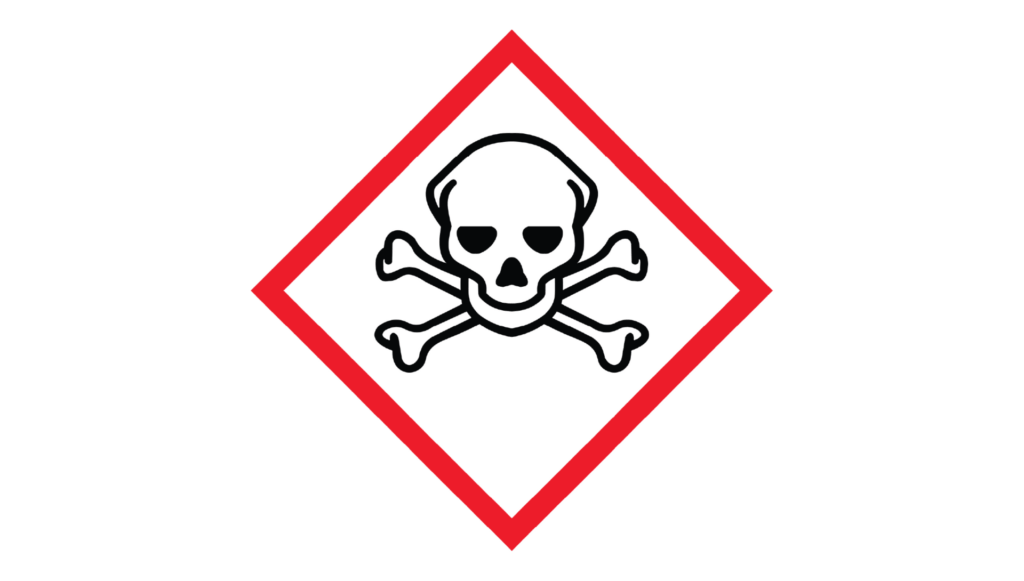
Acute Toxicity symbol, skull and crossbones in a red diamond
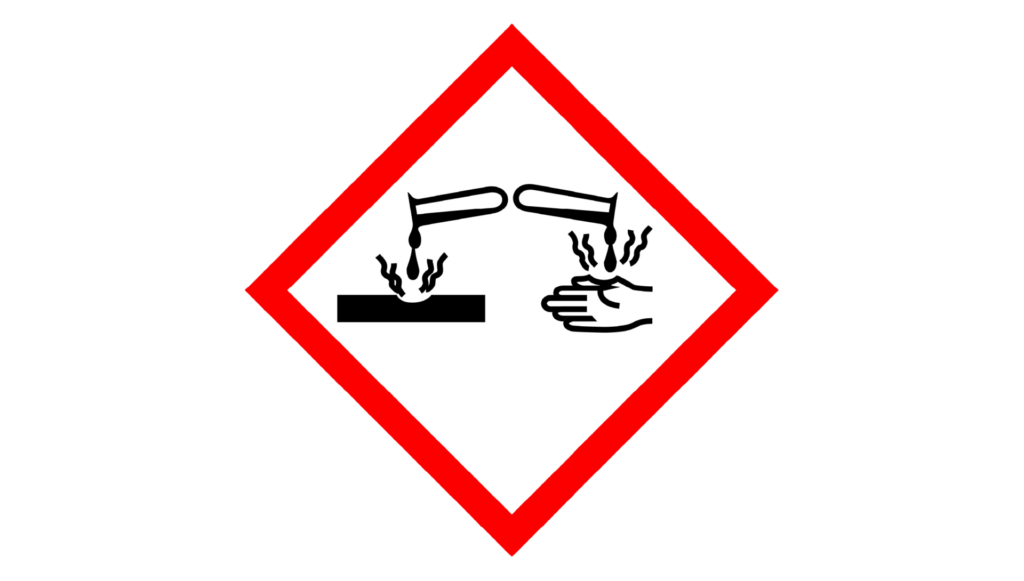
Corrosive symbol: Red diamond showing liquid corroding a hand and metal.

OSHA Hazards: Target Organ Effect, Toxic by Inhalation, Highly Toxic by Ingestion, Highly Toxic by Skin Absorption, Corrosive

GHS Classification

Hazard ClassGHS CategoryClassification Criteria
Acute toxicity, OralCategory 2LD50/LC50  > 5 and ≤ 50 mg/kg bodyweight
Acute toxicity, InhalationCategory 2LD50/LC50  > 100 and ≤ 500 ppmV
Acute toxicity, DermalCategory 1LD50/LC50 ≤ 50 mg/kg bodyweight
Skin corrosionCategory 1A≤ 3 min
Serious eye damageCategory 1≥ 3% solutions causes irreversible eye effects

Health Effects

Acute Health Effects

Hydrogen fluoride is an extremely corrosive chemical. The vapor or liquid can cause severe corrosion of the skin, nose, throat and eyes. Accidental deaths have occurred from single inhalation and splash exposures. Even weak liquid splashes or vapor exposures can cause severe, insidious and exceptionally painful chemical burns that may have a delayed appearance (see Table 1).

Skin Contact

Produces deep and extremely painful skin burns which take a long time to heal. Burns from strong solutions are felt immediately but weaker solutions spilled on the skin may not cause pain for several hours (see Table 1). Workers may have finished work and returned home before the pain hits them and they realize that something is wrong. Fingernails not properly scrubbed can be a problem.

Even weak solutions of hydrofluoric acid will rapidly penetrate the skin, destroying the soft tissue and bone underneath. For these reason a neutralizing agent (calcium gluconate gel), which will also penetrate the skin, needs to be applied after the skin is washed.

Table 1: Time before onset of pain depends on concentration.
HF ConcentrationTime Before Onset of Pain
0 – 20% HFUp to 24 Hours
20 – 50% HF1 – 8 Hours
50 – 70% HF< 1 Hour
> 70% HFImmediately

Eye Contact

Hydrofluoric acid fumes can dry out the eyes and cause a burning sensation, redness and secretions. Splashing into the eyes may cause severe and irreversible damage that permanently affects the person’s sight.

Inhalation

Fumes are corrosive and irritating to the respiratory tract and all mucosal tissue. Symptoms include lacrimation, cough, labored breathing and excessive salivary and sputum formation. Excessive irritation causes chemical pneumonitis and pulmonary edema which could be fatal.

Long-Term Effects

Fluoride is deposited in the bone (fluorosis), and may cause pain and stiffness in joints and limbs. There is no evidence that hydrogen fluoride exposure causes cancer. There is inconclusive animal data about toxic effects to a fetus.

Good Work Practices

As an employee, you must take reasonable care to protect your own safety and the safety of others in your workplace. When you are using hydrofluoric acid:

  • Follow your employer’s instructions and training in the safe use of the material.
  • Use all of the protective equipment and clothing provided.
  • Tell your employer about any situation that may be dangerous so that something can be done before an accident happens.
  • Report any accidents, spills or leaks immediately.

Before any HF Use

  1. All people who will be in the room while HF is in use must have completed training. File a training documentation form signed by the trainee and by the supervisor noting the date, topics and duration of the training. A hazard assessment must be completed as well. The Environmental Health and Safety (EHS) HF SOP can be used as a template.
  2. All first aid supplies must be acquired, labeled properly, dated and assembled in the work area.
  3. The following information must be available and prominently posted in the work area:
    • Standard operating procedure for HF use and the associated hazard assessment.
    • The location of the HF first aid supplies.
    • First aid and medical treatment instructions and material safety data sheets for all types of HF present (available as laminated poster from EHS).

Personal Protective Equipment (PPE)

  • Lab coat or acid-resistant clothing made with 0.4 kg (13 ounce) neoprene or polyvinyl chloride (PVC) with a nylon liner is recommended. 
  • The eyes should be protected from liquid splashes with goggles, safety glasses or face shields, as appropriate.
  • Wear chemical resistant gloves.
  • Appropriate respiratory protection should be worn whenever vapor concentrations exceed permissible limits.

First Aid Supplies and Response

Labs using HF in any concentration should have an HF first aid kit containing, at minimum, the following items:

  • Calcium Gluconate 2.5% Gel
  • Milk of Magnesia
  • Eye wash 1% Calcium Gluconate

Other products are available for treatment of HF exposure. Contact EHS with any questions about HF safety and what would be best to use in specific circumstances.

Immediately call 911 if exposure to HF occurs. While waiting for medical response, the following steps should occur.

  • Wash the affected area with water for 5 minute.
  • Apply calcium gluconate gel, 2.5%.

  • Use eye wash to rinse eye(s) for 5 minutes.
  • Irrigate with 1% calcium gluconate solution.

  • Move victim to fresh air.
  • Give the victim oxygen.

  • Do NOT induce vomiting.
  • Drink water.
  • Drink Milk of Magnesia.

Disposal and Storage

  • Do NOT store any Hydrofluoric acid in glass containers, use ONLY plastic (most manufacturers recommend less than two years).
  • Do NOT store any Hydrogen Fluoride cylinders for extended periods of time.
    • There is a potential over-pressure hazard with long term storage of carbon steel containers and Hydrogen Fluoride. Hydrogen Fluoride in the carbon steel container reacts very slowly with the iron in the steel to form iron fluoride and hydrogen which builds pressure within the container. Hydrogen Fluoride in carbon steel containers should not be stored for extended periods of time (recommend less than two years). Extreme caution should be taken during the handling of any carbon steel containers storing Hydrogen Fluoride that have been stored for extended periods of time.
    • If you suspect you have an old HF cylinder or lecture bottle, contact EHS immediately at 765-494-0121.
  • Submit a Hazardous Materials Pickup Request to EHS to dispose of any unwanted Hydrofluoric Acid or Hydrogen Fluoride.

Purdue Logo

Purdue University
610 Purdue Mall
West Lafayette, IN 47907

765-494-4600

Systemwide options

Follow Us

  • Facebook
  • Instagram
Systemwide options

  • West Lafayette Map
  • Careers
  • Center for Healthy Living
  • Colleges and Schools
  • Directory
  • Entrepreneurship and Commercialization
  • Human Resources
  • Libraries

  • Ethics and Compliance
  • Events
  • Give
  • Lost and Found
  • Office of Engagement
  • President
  • Tuition Calculator

  • BoilerConnect
  • Brightspace
  • Current Students
  • Faculty and Staff
  • myPurdue
  • Office 365
  • OneCampus Portal
  • Outlook

  • Annual Security Report
  • Construction
  • Emergency
  • Information Technology
  • Marketing and Communications
  • Purdue News
  • Purdue Hotline
  • Timely Warnings

Last modified: March 17, 2026

Copyright © 2026 Purdue University. All Rights Reserved. Trademark Statement.
Accessibility | EA/EO University | Integrity Statement | Free Expression | College Scorecard (ed.gov) | Privacy Policy | Contact Us