Contaminated Lab Debris
Hazardous Materials
What to Know Before You Dispose
What is Contaminated Lab Debris?
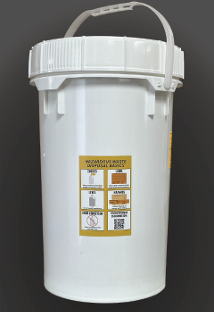
Contaminated lab debris includes materials such as paper, plastic or glass that have been heavily exposed to chemicals or other hazardous substances. Because of the potential risks, this debris must be collected and disposed of by Environmental Health and Safety.
Examples of gross contamination include:
- Items used during spill cleanup (e.g., gloves, paper towels, absorbent pads)
- Kimwipes, cotton balls or filter papers saturated during procedures
- Small items that cannot be easily rinsed (e.g., pipette tips, small empty test tubes)
Items to collect separately:
- Glass (broken or intact)
- Sharps (needles, razors, knives)
- Used silica gel
- Gloves, paper and plastic waste
Collecting Debris for Disposal
Debris waste must be collected using the same safety protocols as liquid hazardous waste
- Keep the waste container closed when not in use.
- Do not overfill; debris containers must not exceed 30 pounds.
- Affix an orange hazardous waste tag to the outside of the container.
- On the tag, list the types of debris with estimated percentages.
- Record all contaminants as “trace,” including any chemicals that have contacted the items, even if they appear dry.
Contact
Environmental Health and Safety
hazwaste@purdue.edu
765-494-0121