Battery Disposal
Hazardous Materials
Safe Battery Handling Basics
Universal Waste
Many batteries qualify as universal waste, meaning they are hazardous but commonly used and readily recyclable.
Intact batteries that are rechargeable or contain heavy metals must be treated as Universal Waste and include batteries from:
- Cell phones
- Power tools
- Cameras
- Laptops
- Phone charging packs
- Universal power supplies
Symbols or wording will indicate the type of battery, regulated metals added or required disposal method.
- Nickel Cadmium (Ni-Cd)
- Nickel Metal Hydride (Ni-MH)
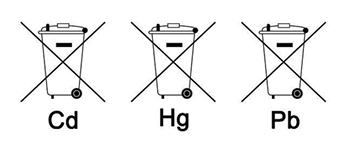
- Mercury (Hg)
- Lithium Metal (Li)
- Lithium Ion (Li-Ion)
- Lithium Polymer (Li-Po)
- Lead Acid (Pb)
Alkaline Batteries
Standard alkaline batteries may be disposed of in the regular trash. These batteries may have statements to indicate they are safe for disposal in the trash.
A “Do Not Trash” symbol with EU refers to disposal in requirements in the European Union. These batteries can be disposed of in regular trash in the US.
Alkaline batteries that are not safe for disposal in the regular trash contain regulated metals like cadmium, mercury and lead. Look for a “Do Not Trash” symbol or wording that indicates the battery contains these regulated metals.
Damaged Batteries
Damaged, swollen or leaking rechargeable batteries or any that contain the regulated metals must be treated as hazardous waste. Call EHS Hazardous Materials Management at 765-494-0121 or the Purdue Fire Department’s non emergency line at 765-494-6919 with questions or concerns about a battery.
Call 911 if a battery is hot or smoking.
Contact
Environmental Health and Safety
hazwaste@purdue.edu
765-494-0121