 Purdue University - Extension - Forestry and Natural Resources
Got Nature? Blog
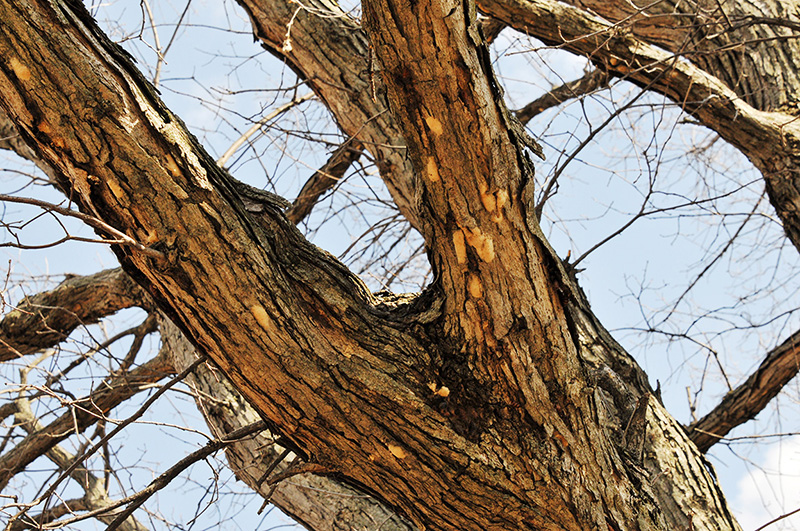
Figure 1: Spongy moth caterpillar, credit to John Obermeyer.
Purdue Landscape Report: Spring is always a wonderful, if somewhat chaotic, time of year in Indiana. Between the heavy rains and beautiful flowers blooming, the months leading up to summer can make your head spin. While we enjoy the trees greening out and watch out for storms, we need to be aware that spring awakens other organisms, many of which have a major impact on our lives. This time of the year introduces a host of insect species hatching from eggs, emerging from cocoons, or returning from their overwintering nap, and many of those species mean bad news for our trees. One of the most impactful species we deal with in Indiana is Lymantria dispar, or the spongy moth.
The spongy moth, so named for the sponge-like egg masses they lay in the early fall, is an invasive species belonging to family Erebidae, a large group of moths that include species such as the woolly bear we see every year in Indiana. Spongy moth is a native to Eurasia, and historical record shows it has caused problems throughout Europe as early as the seventeenth century. In the late nineteenth century, an amateur entomologist and would-be entrepreneur brought spongy moth to North America in a failed attempt to create a new silk moth hybrid. Inevitably, the insect escaped captivity and has since spread through several states over the last century, including the northern portion of Indiana.

Figure 2: Mating spongy moth adults, credit to John Obermeyer.
Spongy moth is a generalist pest that strips leaf tissue from many species of trees, though it has a particular preference for oak. Like all butterflies and moths, the larva, or caterpillar, is the damaging form of this insect. Spongy moth caterpillars bear chewing mouthparts they use to consume leaf tissue, but they do not attack wood or root systems of their hosts. Adults are non-feeding and only survive long enough to reproduce. Spongy moth can produce large populations each year and move quickly across a landscape, creating sudden infestations and near-complete defoliation in those areas. While trees will typically recover after losing a significant portion of their leaf tissue, repeated infestations will make a host tree more susceptible to disease, reduce resilience, and potentially lead to death.
Like other moths and butterflies, spongy moth has well-defined life stages that can be used to easily identify them. Caterpillars will begin to appear between mid-April and early May and can be identified by their hairy appearance, distinct black, blue, and red coloration, and the tendency to move up and down the surface of a tree (Fig. 1). Male larvae will develop through five instars, while female larvae will grow over the course of six instars. Larvae will enter the pupal stage midsummer and spend approximately ten to twelve days developing. The pupae of this insect are darkly colored and lack the silk cocoon seen in other species. Adult male moths will emerge in the latter half of the summer season, followed by female moths about a week later. The moths can be identified by the pattern on their wings: a black chevron associated with a dot on a pale white or cream background (Fig. 2). Male moths will have large, feathery antennae and are capable of flight, while females are flightless with smaller antennae. Adult moths will only survive for a few days to reproduce and lay sponge-like egg masses, which will overwinter and hatch the following spring (Fig. 3).
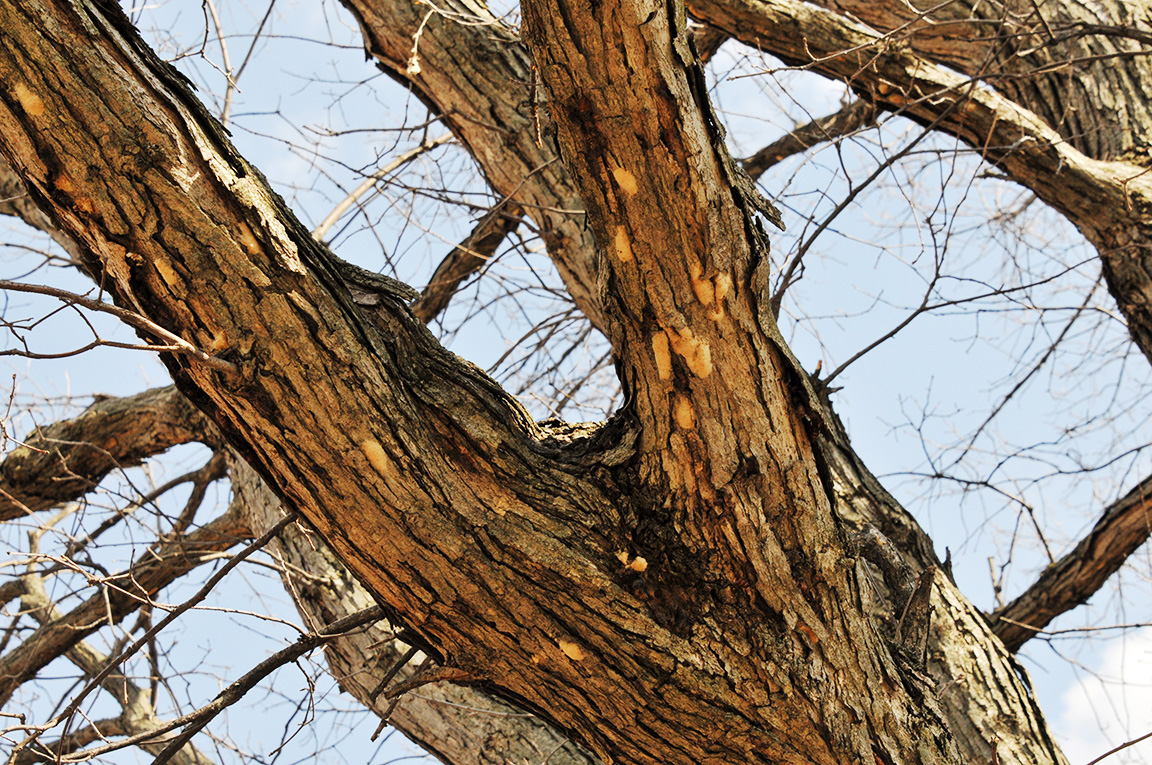
Figure 3: Spongy moth egg mass on tree, credit to John Obermeyer.
Management of spongy moth often involves work by state and federal agencies, such as the Indiana’s Department of Natural Resources. Within the Hoosier state, the DNR has quarantined several northern counties to prevent movement of materials that could potentially spread spongy moth even further. They also conduct yearly mitigation programs to eliminate infestations that are outside of the quarantined area. Indiana DNR, specifically the Division of Entomology and Plant Pathology, posts information on all mitigation efforts as well as hosts public meetings so residents understand what treatments are used for spongy moth management, and how it will affect their community.
Most organizations, including Indiana DNR, typically use two methods to control spongy moth: mating disruption and Btk applications. Mating disruption uses the moth’s biology against it by confounding its ability to locate a mate. Spongy moths, like many species, use a chemical signal called a pheromone to attract potential mates; male moths follow the trail of pheromones emitted by a female. By filling an area with the pheromone, the male moths become unable to follow individual chemical signals, resulting in fewer eggs being laid for the next spring. Pheromones are also highly species-specific, ensuring little to no impact on other organisms. In Indiana, the chemical used for mating disruption is applied aerially to cover a significant area, and the chemical used is made of food grade materials that break down easily.
Btk applications are also done aerially, coating foliage with a selective pesticide that only affects moth and butterfly species. Btk is a protein derived from a native soil-borne bacteria (Bacillus thuringiensis kurstaki) and works by damaging the internal lining of an insect’s gut after being consumed. This is a pesticide that is commonly applied to all manner of crops, persists only for a short time in the environment, and only harms insects. It also has the benefit of having minimal impact on pollinators, especially when applied using label directions.
While spongy moth is a serious challenge, there are some options you can use to protect your natural spaces. The first option, and perhaps the most important, is to be vigilant. If you live in or near an infestation, get into the habit of checking your trees for egg masses starting in the late summer through the fall. When you find egg masses, check for small pinholes in the sponge-like covering; the hole is created by a beneficial parasitoid wasp that uses the caterpillars as hosts for their young. You can also destroy egg masses by using a horticultural oil labeled for that purpose, or by scraping off the egg masses into a bucket of soapy water. Also be watchful of egg masses being laid on homes, firewood, or the sides and undersides of vehicles that move through infested areas.
Larvae will begin to appear in late April, with warmer temperatures encouraging populations to hatch earlier. One method of controlling larvae is to use burlap banding as a trap to capture larvae moving up and down the surface of the tree trunk. This can be done by tying a folded piece of burlap around the trunk of the tree at approximately chest height. Caterpillars, attempting to hide from predators during the day, will crawl into the folds. Once the late afternoon arrives, the caterpillars can be removed and destroyed by dumping them into soapy water. You can also use sticky substances in an effort to capture the caterpillars by coating a tree at chest height with it, but this method has several drawbacks. Any substrate that is sticky enough to capture spongy moth caterpillars will also capture any other insect, beneficial and damaging, and could potentially catch small mammals and birds as well.
If you plan to use pesticides, May through June is the best time to apply. Biological pesticides such as Btk, spinosad, and others, are available for homeowner use, as well as systemic insecticides such as dinotefuran and emamectin benzoate. However, given how widespread the caterpillars can be and the heights they can reach, using some insecticides may not be feasible or may require professional assistance. Homeowners and property managers should consult certified arborists to learn what options will be best, and use pesticides as per the label directions.
While spongy moth is now a permanent part of our ecosystem, we still want to limit its ability to move into new parts of Indiana. If you live outside of quarantine areas and find an egg mass, caterpillar, or adult moth, report them by contacting the Indiana Department of Natural Resources at 1-866-NOEXOTIC, or by emailing DEPP@dnr.in.gov; make sure to include pictures and location. You can also consult your local Extension office for assistance in finding arborists, speaking with specialists, or getting problem insects identified.
Original article posted: Purdue Landscape Report.
Subscribe and receive the newsletter: Purdue Landscape Report Newsletter.
Resources:
Spongy Moth, Indiana Department of Natural Resources
The Spongy Moth in Indiana, Purdue Extension – Entomology
Invasive Species, Playlist, Purdue Extension – FNR YouTube Channel
Report Invasive Species, Purdue Invasive Species
What are invasive species and why should I care?, Got Nature? Blog, Purdue Extension – Forestry and Natural Resources
Pest Management, The Education Store
Protecting Pollinators: Why Should We Care About Pollinators?, The Education Store, Purdue Extension resource center
Subscribe Purdue Extension-Forestry and Natural Resources YouTube Channel
Bob Bruner, Exotic Forest Pest Educator
Purdue Entomology
In this webinar hosted by Indiana Forestry & Woodland Owners Association, author Doug Tallamy discusses his book “The Nature of Oaks” and how Oaks sustain a complex and fascinating web of wildlife. Doug has also written Bringing Nature Home: How Native Plants Sustain Wildlife in Our Gardens which was awarded the silver metal in 2008 by the Garden Writers Association, Living Landscape, and Nature’s Best Hope. Tallamy has also founded Homegrown National Parks, a grassroots call-to-action to regenerate biodiversity and ecosystem function by planting native plants and creating new ecological networks.
Join IFWOA for their upcoming webinar that will be recorded and placed on their YouTube Channel:
- April 12, 2023 – Magnificent Trees of Indiana
Check out their Indiana Forestry & Woodland Association YouTube Channel for videos including: What is IFWOA?; A New Carbon Program for Hardwood Landowners Webinar, 202 Charles Deam Forest Stewardship Award and much more.
The Indiana Forestry & Woodland Owners Association (IFWOA) was founded in 1977 and is a non-profit organization dedicated to conservation and sustainable management of woodlands in Indiana. IFWOA advocates for scientific best practices for management to achieve objectives of clean water, wildlife habitat, soil protection, native species diversity, timber production, recreation, carbon sequestration and many others.
IFWOA is an affiliate of the National Woodland Owners Association. IFWOA is a partner, collaborator or is represented on leading National and State organizations. These memberships or collaborations are selected to advance Indiana Woodland owner’s interests. IFWOA monitors and influences legislation and economic trends impacting Indiana woodlands and landowners for our members. Membership in IFWOA provides a valuable network linkage to information and resources at the leading edge of science, industry and politics impacting Indiana woodlands.
Resources:
Find an Indiana Professional Forester, Indiana Forestry & Woodland Owners Association (IFWOA)
Purdue Arboretum Explorer
Native Trees of the Midwest, The Education Store
Shrubs and Woody Vines of Indiana and the Midwest, The Education Store
Investing in Indiana Woodlands, The Education Store
Forest Improvement Handbook, The Education Store
ID That Tree, Purdue Extension-Forestry & Natural Resources (FNR) YouTube playlist
Woodland Management Moment , Purdue Extension-FNR YouTube playlist
Diana Evans, Extension and Web Communication Specialist
Purdue University Department of Forestry and Natural Resources
Liz Jackson, Engagement Lead
Indiana Forestry & Woodland Association
Purdue Landscape Report: Tubakia leaf spot, caused by the fungus Tubakia, is the disease we find more commonly on oak than any other. Throughout the world, there are 11 species of Tubakia known to infect oak, with Tubakia dryina (previously known as Actinopelte dryina) being the most commonly encountered species in our landscapes. Apple, ash, black gum, chestnut, elm, maple, and redbud are all reported as hosts of Tubakia species, but oaks are the most frequently and severely affected. Among the oaks, the red oak group, specifically red, pin, and black oaks, are reported to be more susceptible to infection compared to those in the white oak group.

Figure 2: Oak leaf with circular shaped Tubakia leaf spots along with extensive veinal necrosis.
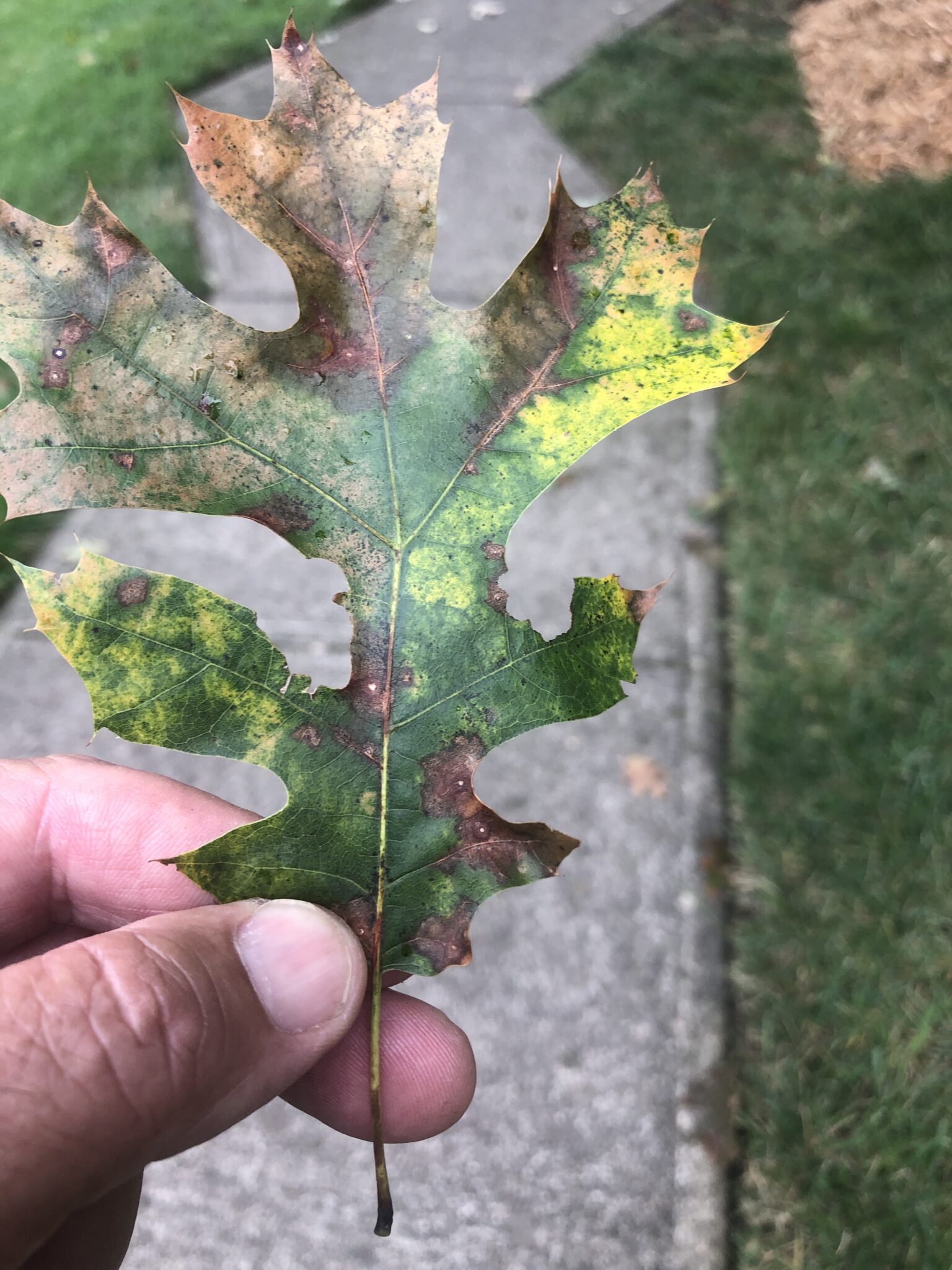
Figure 1: Oak leaf with irregularly shaped Tubakia leaf spots and veinal necrosis.
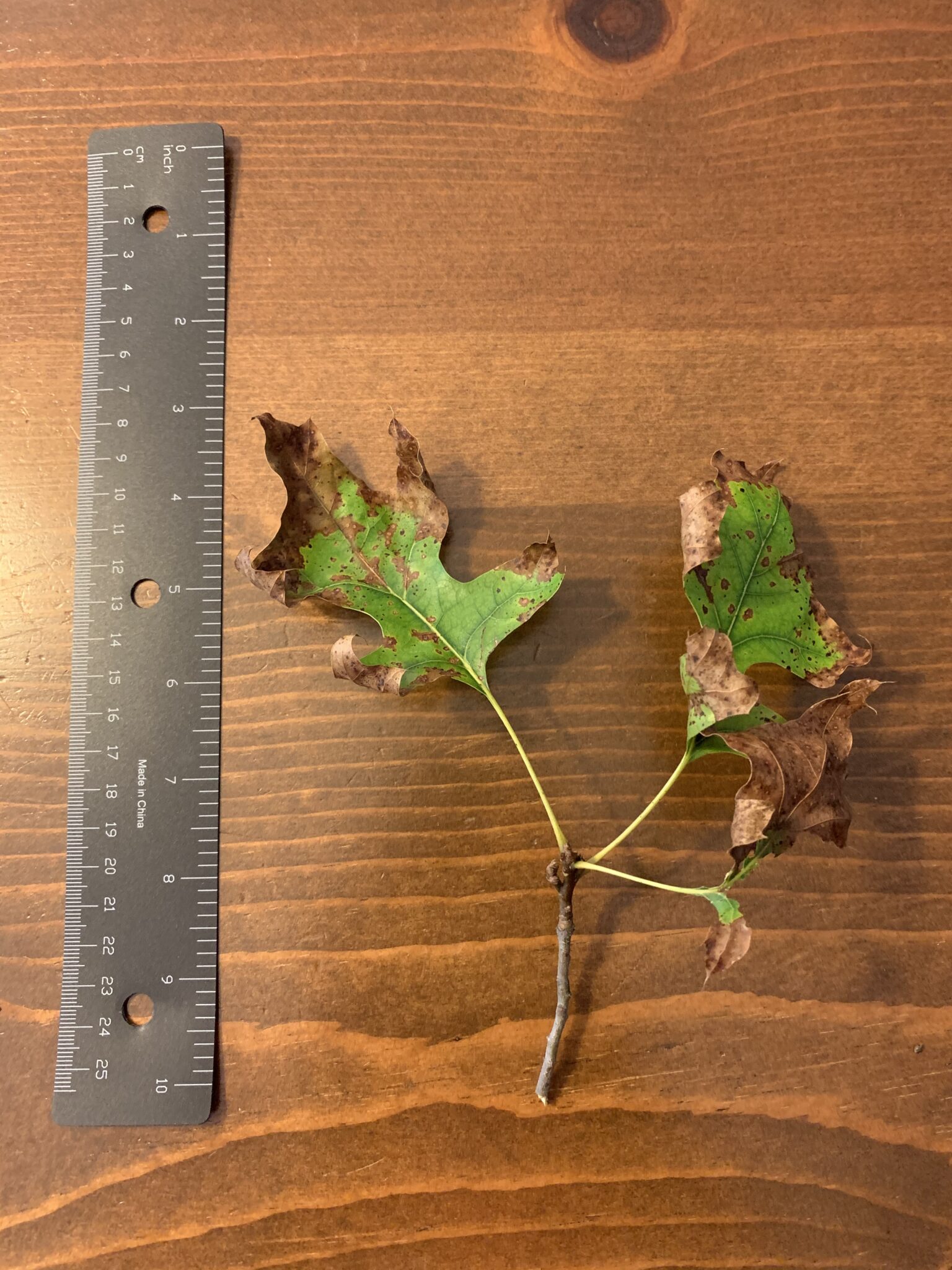
Figure 3: Marginal blighting due to coalescing spots and veinal necrosis.

Figure 5: Blighting of large leaf area caused by veinal infection by Tubakia.

Figure 4: Typical Tubakia leaf spot symptoms illustrating how the fungus spreads along leaf veins.
The pathogen produces conidia within shield shaped structures called pycniothyria (Figure 6) which can be found on both the top or bottom surface of the leaf and along veins (Figure 7). These structures are very small and can only be seen with a 40x or stronger hand lens. The fungus overwinters on fallen leaves and on dead stems which act as the source of inoculum for the next year. During early spring, spores are spread by wind and water splash dispersal (rain) to healthy new foliage. However, it takes time for symptoms to develop throughout the season, depending on tree stress and environmental conditions (warm wet weather favors spread).
For full article view: Purdue Landscape Report, Purdue Landscape Report.
Diseases of Landscape Plants: Leaf Diseases, The Education Store, Purdue Extension resource center
Consumer Horticulture: Fertilizing Woody Plants, The Education Store
Tree Disease; Oak Wilt in Indiana, The Education Store
Diseases of Soybean: Frogeye Leaf Spot, The Education Store
Bur Oak, Purdue Arboretum Explorer
Bur Oak, Native Trees of Indiana River Walk, Purdue Fort Wayne
Find an Arborist, TreesAreGood.org
John Bonkowski, Plant Disease Diagnostician
Purdue Department of Botany and Plant Pathology
Tom C Creswell, Clinical Engagement Professor – PPDL
Purdue Department of Botany and Plant Pathology

Recent Posts
- Restoring Roots to Save the Salamanders, USDA – Natural Resources Conservation Service
Posted: May 6, 2026 in Aquaculture/Fish, Forestry, Wildlife - Spring Storms Are Coming: How to Reduce Tree Damage and Risk
Posted: May 1, 2026 in How To, Urban Forestry, Wildlife, Woodlands - Cryptocline Leaf Spot (Anthracnose) of Elm, Purdue Landscape Report
Posted: April 30, 2026 in Disease, Forestry, Woodlands - Mechanical Damage to Trees: Mowing and Maintenance Equipment
Posted: April 24, 2026 in Forestry, Forests and Street Trees, Urban Forestry - A Woodland Management Moment: Growing Quality Black Walnut in Openings
Posted: April 20, 2026 in Urban Forestry, Woodland Management Moment, Woodlands - Spring Into Bloom With ID That Tree
Posted: in Forests and Street Trees, Urban Forestry, Woodlands - Question: Have Whippoorwill Birds Declined in Numbers?
Posted: in Ask the Expert, Wildlife - Invasive Species in Eastern Forests, Webinar Series
Posted: in Invasive Insects, Invasive Plant Species, Urban Forestry, Wildlife - Tree Risk Management: What Every Property Owner Needs to Know
Posted: April 17, 2026 in Forests and Street Trees, Wildlife, Woodlands - As the spring wildflowers emerge, so do the woodland invaders
Posted: April 16, 2026 in Forestry, Forests and Street Trees, Invasive Plant Species
Archives
Categories
- Alert
- Aquaculture/Fish
- Aquatic/Aquaculture Resources
- Ask the Expert
- Christmas Trees
- Community Development
- Disease
- Drought
- Forestry
- Forests and Street Trees
- Gardening
- Got Nature for Kids
- Great Lakes
- How To
- Invasive Animal Species
- Invasive Insects
- Invasive Plant Species
- Land Use
- Natural Resource Planning
- Nature of Teaching
- Plants
- Podcasts
- Ponds
- Publication
- Safety
- Spiders
- Timber Marketing
- Urban Forestry
- Webinar
- Wildlife
- Wood Products/Manufacturing
- Woodland Management Moment
- Woodlands