 Purdue University - Extension - Forestry and Natural Resources
Got Nature? Blog
Have you been hearing more annoying buzzing around your ears than normal? Maybe you’ve got an itch you just can’t seem to scratch. There’s a good explanation for that.
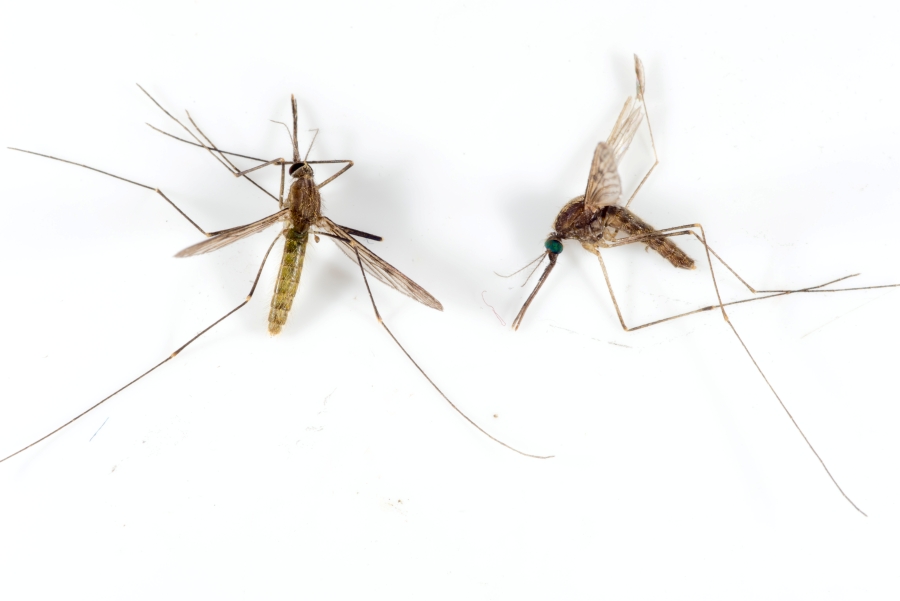
Photo provided by Purdue Extension – Entomology
Indiana saw record amounts of rainfall in August, resulting in flooding across the state. These rain events and flooding, along with a warm start to September, have created the perfect storm of conditions for a large boom in mosquito populations. Although flooding itself may temporarily wash away some mosquito larvae, the standing water left behind as floodwaters recede can provide abundant new breeding habitat. Floodwater is one of several important mosquito breeding environments in Indiana, along with woodland pools, slow-moving streams, ditches, marshes and the edges of lakes.
Indiana is home to more than 50 species of mosquitoes, and different species use different types of water for reproduction. Some mosquitoes are associated with floodwater and other natural habitats, while others prefer smaller, humanmade containers. Following a period of heavy rain, water can collect in old tires, clogged gutters, rain barrels, birdbaths, catch basins, tree cavities and other objects around homes. It’s important to empty these water sources to reduce mosquito populations around the home.
The mosquito life cycle also helps explain why populations can appear to increase rapidly after a major rain event. Female mosquitoes can lay as many as 400 eggs after having a blood meal. Depending on the species and environmental conditions, eggs can hatch in less than three days. The larvae, commonly called “wrigglers,” take roughly 7-10 days to develop into pupae. After an additional 2-3 days, the next round of adult mosquitoes emerges. The water remaining after all of the August storms will produce many new generations of mosquitoes in a relatively short period of time. You may have already noticed an influx in these pesky insects!
The increase in mosquitoes is not just an outdoor annoyance. Several mosquito-borne viruses are concerns for Hoosiers, including West Nile virus, St. Louis encephalitis, La Crosse fever, Eastern equine encephalitis and Western equine encephalitis. Wild birds can serve as reservoirs for some of these viruses. Mosquitoes feeding on infected birds may subsequently transmit viruses when they feed on other animals or people. The Indiana Board of Health monitors for vector borne diseases, and has identified mosquito pools that are positive for West Nile Virus across the state.
For Indiana residents dealing with the aftermath of heavy August rainfall, reducing standing water around homes is an important first step. Removing or disposing of objects that collect water, regularly changing water in birdbaths and unused wading pools, keeping rain gutters unclogged, draining stagnant pools and puddles, and covering stored water such as rain barrels and cisterns are all great preventative measures around your home. Eliminating these breeding sites interrupts the mosquito life cycle before adults emerge.
Homeowners can also reduce exposure to adult mosquitoes. Wearing long-sleeved shirts and long pants, particularly during periods of high mosquito activity, can greatly reduce the chance of mosquito bites. Mosquitoes are often most active around dawn and dusk, so limiting outdoor exposure during those periods or staying in screened areas can reduce the chance of being bitten. EPA-registered mosquito repellents can provide additional protection.
As Indiana moves beyond August, mosquito numbers may remain elevated wherever standing water persists. Removing that water, improving drainage and protecting against bites can help Hoosiers reduce mosquito populations and limit their potential impact on people and animals.
Resources:
Indiana Department of Health
Mosquitoes, Purdue Extension Entomology
Mosquitoes In and Around the Home, The Education Store, Purdue Extension’s resource center
Community-Wide Mosquito Management, Purdue Extension – Entomology
Mosquitoes, Ticks and Other Arthropods, CDC Yellow Book, U.S. Centers for Disease Control and Prevention
Mosquitoes and ticks – little pests carry big risks – Got Nature? Blog, Purdue Extension – Forestry and Natural Resources (FNR)
Mosquitoes carrying Zika virus can be controlled and avoided – Got Nature? Blog, Purdue Extension – FNR
Field Season Upon Us! Be Prepared – Got Nature? Blog, Purdue Extension – FNR
Excess Rain and Pond Integrity – Got Nature? Blog, Purdue Extension – FNR
Health & Wellness Lessons, The Nature of Teaching
Subscribe – Purdue Extension-FNR YouTube Channel
Tabatha (Tabby) Flinn, Senior Regional Educator
Agriculture and Natural Resources, Purdue Extension
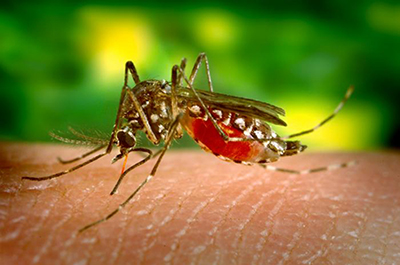
Photo by: James Gathany, Center for Disease Control and Prevention
While researchers say it is difficult to determine whether unusual weather patterns this winter and spring will lead to larger mosquito and tick populations in the Upper Midwest this summer, one thing is certain – anyone planning to spend time outdoors should take steps to avoid the potentially dangerous pests.
“Every year we face the same risks and every year it is wise to take precautions,” said Catherine Hill, Purdue University medical entomologist. “If you’re going to be outside anytime from early spring to late summer and early fall, you need to be thinking about prevention and protection.”
Both mosquitos and ticks can carry a number of pathogens that could pose a serious threat to people and animals. Mosquitos can transmit several viruses that can cause severe encephalitis (inflammation of the brain and spinal cord), including Zika and West Nile virus, among others. Ticks are known carriers of Lyme disease, which infects about 300,000 people each year, as well as less common but equally dangerous conditions such as anaplasmosis, babesiosis, Powassan and Rocky Mountain spotted fever.
To avoid mosquito bites, the best advice is to stay indoors during peak biting times, which is typically dusk to dawn for the mosquitoes that transmit West Nile virus and during the day for mosquitoes that transmit Zika.
“If you have to be outside during those times, it is best to wear clothing that can help prevent bites,” Hill said. Appropriate wardrobe choices include long-sleeve shirts and long pants tucked into socks. It is also advisable to use an effective repellant, such as products containing a minimum of 20 to 30 percent – of diethyltoluamide, commonly known as DEET. The Centers for Disease Control also recommends products containing picaridin, lemon of eucalyptus and IR3535. More information is available on the CDC website at Mosquitoes, Ticks and Other Arthropods.
Mosquitoes breed in standing water and their larvae and pupae need water to develop. Homeowners can help reduce mosquito populations in their back yard by dumping standing water out of buckets and wading pools, keeping lawns mowed and removing piles of brush or yard waste, Hill said.
Ticks can thrive in back yards as well, particularly those adjacent heavily wooded areas, in tall grass and brush and under leaf piles.
Hill said the warmer winter and wet spring could have created ideal conditions for ticks in some areas although conditions vary significantly from region to region.
“We’ve already been getting plenty of ticks,” Hill said. “They’re certainly active.”
The best defense against ticks is to wear light colored clothing with long sleeves and pants and to use a U.S. Environmental Protection Agency-approved repellant. It is also a good idea to check your body and clothing for ticks immediately after coming back indoors.
“If you can remove a tick within 24 hours, you have a very good chance of catching them before they transmit,” Hill said.
Ticks feed on blood and tend to attach themselves to tender areas of the skin, including around the hairline and in the armpit and groin.
For the full article, see Purdue Agriculture News.
Resources:
Mosquitoes, Purdue Extension Entomology
Indiana Department of Health
Mosquitoes In and Around the Home, The Education Store, Purdue Extension’s resource center
Community-Wide Mosquito Management, Purdue Extension – Engomology
Mosquitoes and ticks – little pests carry big risks – Got Nature? Blog, Purdue Extension – Forestry and Natural Resources (FNR)
Mosquitoes carrying Zika virus can be controlled and avoided – Got Nature? Blog, Purdue Extension – FNR
Field Season Upon Us! Be Prepared – Got Nature? Blog, Purdue Extension – FNR
Excess Rain and Pond Integrity – Got Nature? Blog, Purdue Extension – FNR
Health & Wellness Lessons, The Nature of Teaching
Darrin J Pack, Writer/Editor
Purdue University Department of Agricultural Communication
Catherine A Hill, Professor of Entomology/Vector Biology
Purdue University Department of Entomology

Recent Posts
- Heavy August Rains Bring More Mosquitoes to Indiana
Posted: September 9, 2026 in How To, Invasive Insects, Safety, Wildlife - Question: Why Did the Shagbark Hickories Survive the Tornado?
Posted: August 27, 2026 in Forests and Street Trees, How To, Urban Forestry - New Indiana Woodland Steward Newsletter
Posted: August 12, 2026 in Forestry, Urban Forestry, Wildlife, Woodlands - Indiana Fall Hunting Licenses on Sale and New Mobile App Available
Posted: in Forestry, How To, Wildlife - Trees and Storms: Understanding Damage, Risk and Recovery
Posted: in How To, Urban Forestry - Lighting a Spark: Prescribed Burn Associations
Posted: August 6, 2026 in Community Development, Forestry, Safety, Wildlife - ID That Tree: Nannyberry Viburnum
Posted: July 22, 2026 in Forestry, Plants, Wildlife, Woodlands - ID That Tree: Eastern Swamp Privet
Posted: in Forestry, Plants, Wildlife, Woodlands - Jarred Brooke Receives Early Career Award for Prescribed Fire Work
Posted: July 20, 2026 in Forestry, Forests and Street Trees, Natural Resource Planning, Safety - Bovine Tuberculosis in Wild White-tailed Deer: Background and Frequently Asked Questions
Posted: in Disease, Natural Resource Planning, Wildlife
Archives
Categories
- Alert
- Aquaculture/Fish
- Aquatic/Aquaculture Resources
- Ask the Expert
- Christmas Trees
- Community Development
- Disease
- Drought
- Forestry
- Forests and Street Trees
- Gardening
- Got Nature for Kids
- Great Lakes
- How To
- Invasive Animal Species
- Invasive Insects
- Invasive Plant Species
- Land Use
- Natural Resource Planning
- Nature of Teaching
- Plants
- Podcasts
- Ponds
- Publication
- Safety
- Spiders
- Timber Marketing
- Urban Forestry
- Webinar
- Wildlife
- Wood Products/Manufacturing
- Woodland Management Moment
- Woodlands