 Purdue University - Extension - Forestry and Natural Resources
Got Nature? Blog
Purdue Landscape Report: Is it too early (and too hot outside) to think about Christmas trees? Maybe, but many of the pests that attack them are active at this time of year. In this week’s IDNR Entomology review, Jared Spokowsky shared damage he observed on pine from white pine weevil and Zimmerman pine moth, which got me thinking about Christmas tree season.
One of my favorite winter traditions is selecting a Christmas tree to bring home and decorate. Whether you are a Christmas tree grower or simply have conifers in your landscape, there are several pests to keep an eye out for as summer comes to an end. Here is a brief review of a few pests that threaten our Christmas (tree) spirit.
Zimmerman pine moth (ZPM)

Fig. 1. White ooze caused from ZPM feeding. Image by Cliff Sadof.
At this time of year, second-generation caterpillars of this moth are hatching from eggs laid in August. Their feeding creates white, oozing, gummy wounds along the trunk (Fig. 1). It is recommended to remove heavily infested trees to help reduce populations for the following spring. Insecticides are best applied in April.
Weevils
The Eastern pine weevil (Pissodes nemorensis, formerly Pissodes approximatus), also known as the deodar weevil, is a brownish-red snout beetle with orange and white spots (Fig. 2). These beetles are especially problematic where large numbers of stumps are present because stumps attract adults and provide an oviposition substrate. Adults feed on twigs and terminal ends, causing dieback. The larvae tunnel beneath the bark and can cause significant damage to newly planted trees. Typically, however, they are not a major issue in healthy trees.
The Pales weevil (Hylobius pales) has a similar biology to the Northern pine weevil. Pales weevils are larger than Northern pine weevils, but the adults are larger and lack the orange and white spots (Fig. 2).

Fig. 2. Adult Eastern pine weevil (right) next to a Pales weevil (left). Image by Gerald J. Lenhard, Louisiana State University Ag Center.
The white pine weevil (Pissodes strobi) feeds on a wide range of conifers, including pines, firs, and spruces. It looks similar to P. nemorensis shown above (Fig. 2), but the species can be distinguished by their different life cycles and biology. White pine weevil adults become active and mate in the treetops during the spring. Eggs are laid on the terminal ends of branches, and significant damage can occur when larvae tunnel into developing shoots (Fig. 3). The larvae develop throughout the summer. At this time of year, the new adults have emerged and may cause feeding damage on twigs (Fig. 4). Check out the Purdue Plant Doctor for management recommendations here.
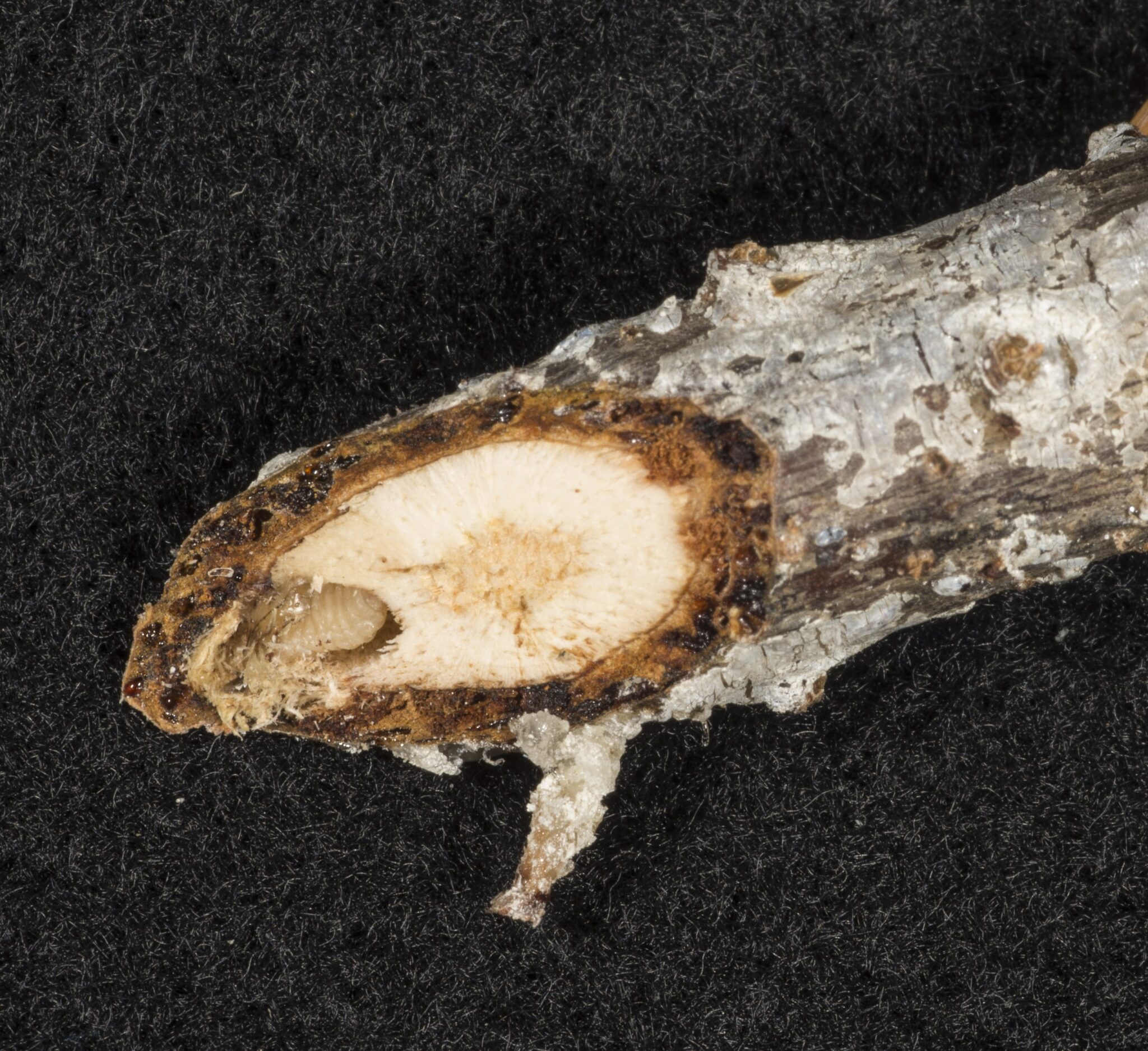
Fig. 3. Exposed White pine weevil larvae in a cut branch. Image by John Obermeyer
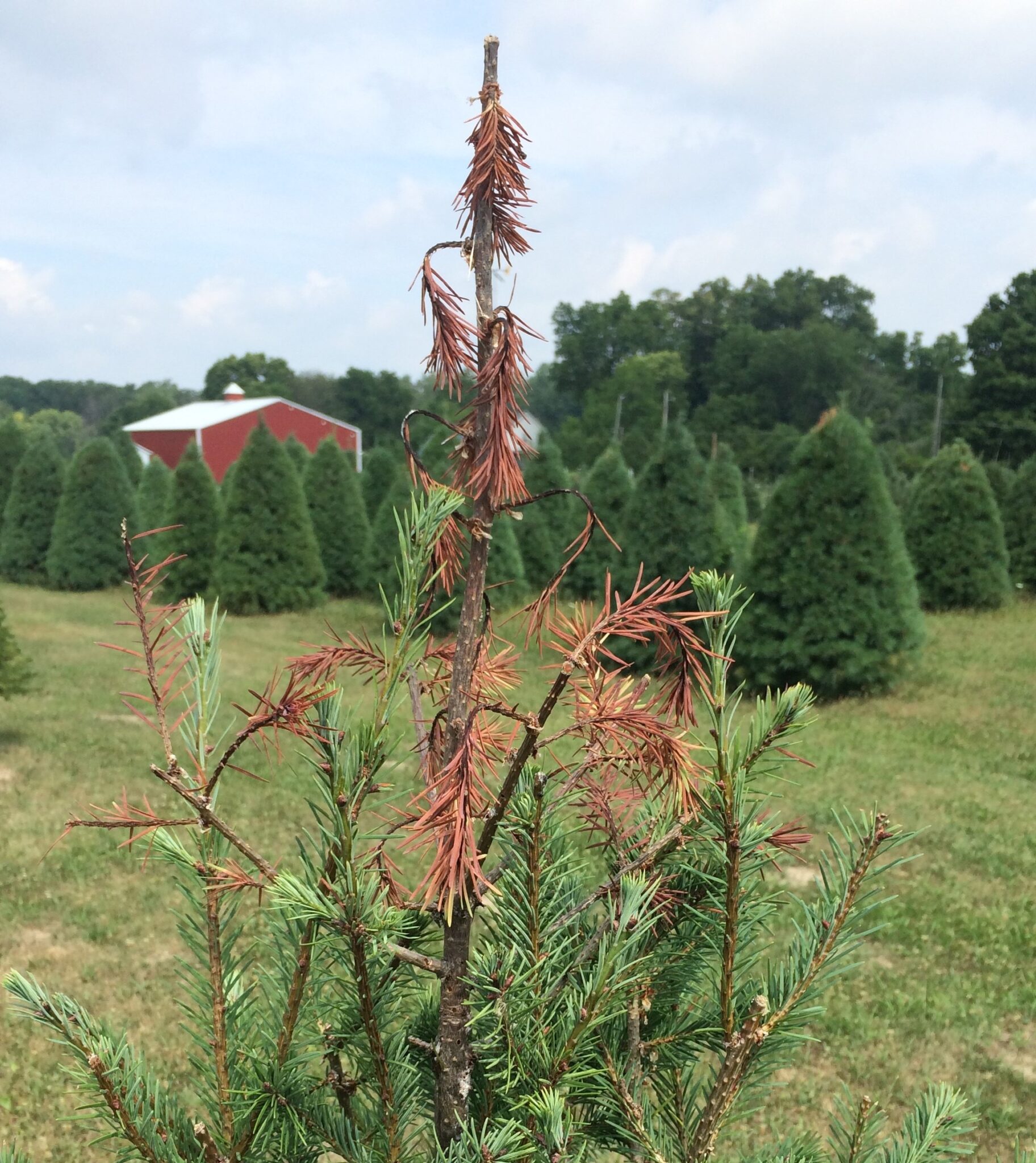
Fig. 4. White pine weevil damage. Note twig browning and curling. Image by Vince Burkle, IDNR.
Scales
Pine needle scales (Chionaspis pinifoliae and C. heterophyllae) are slender, white scales that look like small white flecks on needles (Fig. 5). In severe cases, infestations can cause needles to turn yellow and drop. Horticultural oils are best applied during the dormant season or when crawlers are active in the summer.
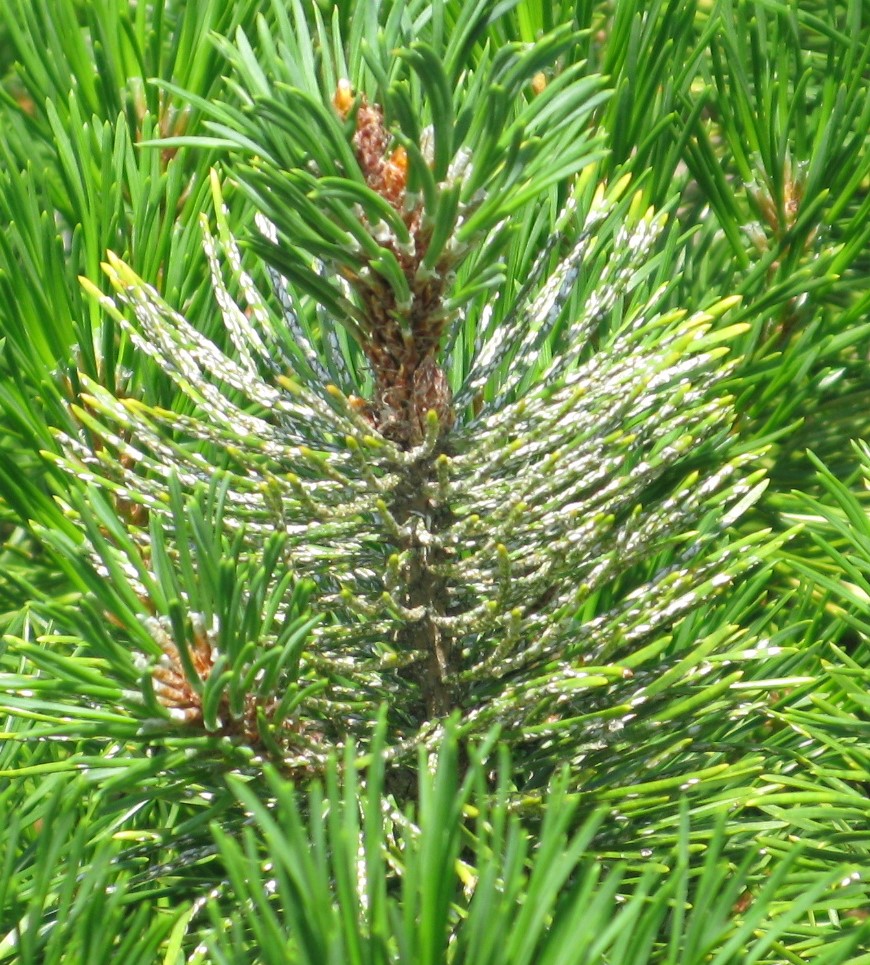
Fig. 5. Pine shoot infested with pine needle scale. Image by Cliff Sadof.
Cryptomeria scale (Aspidiotus cryptomeriae) is an invasive species that has become a problematic pest in recent years. It feeds on several conifers but especially favors firs and hemlocks. These scales have a distinctive “fried egg” appearance on the undersides of needles. Need a refresher on its biology and management? Check the previous article I wrote about this scale for a more thorough review.
Sawflies
Sawflies may superficially resemble caterpillars, but they are actually insects in the order Hymenoptera. Several species of sawfly attack pines and other conifers by feeding on needles and stripping branches. Repeated defoliation can eventually lead to tree death.
White pine sawfly (Neodiprion pinetum) adults lay eggs in the spring, and larval feeding occurs throughout the summer. Another generation occurs from late summer into fall, so you may see the second generation of white pine sawflies beginning to feed in the coming weeks. Now is a good time to scout for them, as insecticide applications are most effective when applied to small larvae soon after hatching. They feed on multiple pine species but especially prefer white pine. Monitor trees for pale yellow larvae with black heads and black spots extending toward the tail.
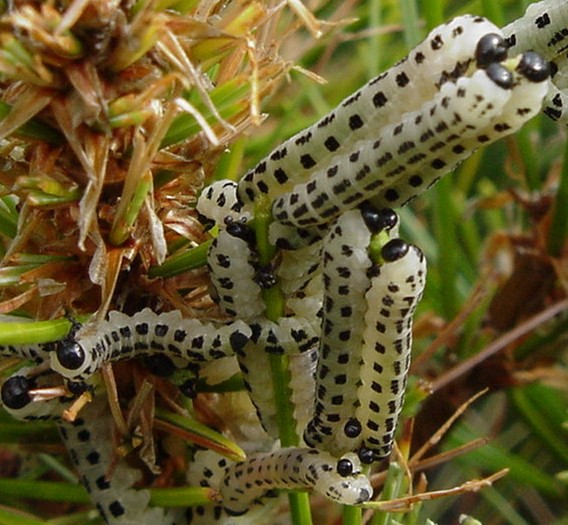
Fig. 6. White pine sawfly larvae. Image by Cliff Sadof.
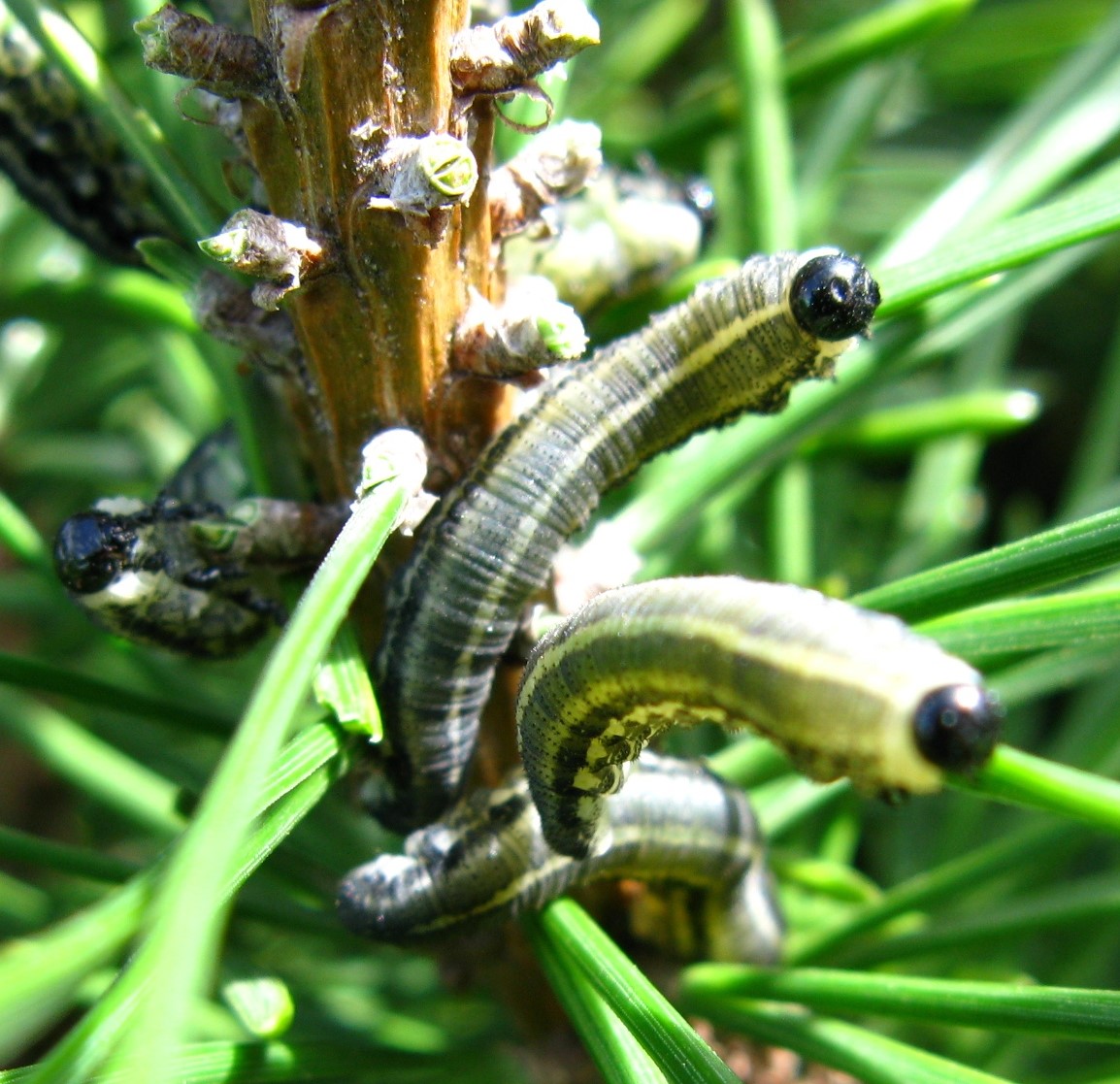
Fig. 7. European pine sawfly larvae. Image by Cliff Sadof.
European pine sawfly (Neodiprion sertifer) adults emerge in August and September to lay eggs. Females insert their eggs into the needles, where they appear as small yellow spots or bumps. The eggs overwinter in this stage and hatch the following spring. Monitor for larvae in the spring, as this is the best time to apply insecticides if management is needed. The larvae are greenish-gray with black heads and a stripe running down the center of their backs (Fig. 7).
Late summer and early fall are a good time to scout conifers for pests and identify potential problems before they become more serious. A little monitoring now can help keep those firs, pines, and spruces looking their best when Christmas tree season finally arrives.
Resources:
A Choose-and-Cut Pine and Fir Christmas Tree Case Study, The Education Store, Purdue Extension’s resource center
Living Christmas Trees For The Holidays and Beyond, IN Yard & Garden, Purdue Consumer Horticulture
Tips for First-Time Buyers of Real Christmas Trees, The Education Store, Purdue Extension’s resource center
Growing Christmas Trees, The Education Store
Selecting an Indiana-Grown Christmas Tree, The Education Store
Winterize Your Trees, The Education Store
Tree Installation: Process and Practices, The Education Store
What do Treed Do in the Winter?, Got Nature? Blog, Purdue Extension – Forestry and Natural Resources (FNR)
Forest/Timber Playlist, subscribe to Purdue Extension – FNR YouTube Channel
Ask the Expert: Holidays in the Wild, Purdue Extension – FNR YouTube Channel
ID That Tree: Balsam Fir, Purdue Extension – FNR YouTube Channel
ID That Tree: Scotch Pine, Purdue Extension – FNR YouTube Channel
Subscribe – Purdue Extension-FNR YouTube Channel
Alicia Kelley, Cooperative Agricultural Pest Survey (CAPS) State Survey Coordinator
Purdue Extension – Entomology

Recent Posts
- Disease May Cause Wilting and Eventual Death of Certain Trees and Shrubs, Purdue Landscape Report
Posted: October 5, 2026 in Disease, Forestry, Plants - October Is Firewood Month: Protect Indiana’s Forests by Making Smart Choices
Posted: October 1, 2026 in Forestry, Forests and Street Trees, How To, Invasive Insects, Urban Forestry - Minecraft Meets the Hellbender
Posted: September 22, 2026 in Aquaculture/Fish, Aquatic/Aquaculture Resources, Wildlife - Is It Too Early to Think About Christmas Tree Pests?
Posted: in Christmas Trees, Invasive Insects, Safety - What You Plant Matters to Wildlife
Posted: September 16, 2026 in Plants, Urban Forestry, Wildlife - Woodland Flowers of Late Summer
Posted: September 14, 2026 in Forestry, Gardening, Wildlife, Woodlands - Heavy August Rains Bring More Mosquitoes to Indiana
Posted: September 9, 2026 in How To, Invasive Insects, Safety, Wildlife - Question: Why Did the Shagbark Hickories Survive the Tornado?
Posted: August 27, 2026 in Forests and Street Trees, How To, Urban Forestry - New Indiana Woodland Steward Newsletter
Posted: August 12, 2026 in Forestry, Urban Forestry, Wildlife, Woodlands - Indiana Fall Hunting Licenses on Sale and New Mobile App Available
Posted: in Forestry, How To, Wildlife
Archives
Categories
- Alert
- Aquaculture/Fish
- Aquatic/Aquaculture Resources
- Ask the Expert
- Christmas Trees
- Community Development
- Disease
- Drought
- Forestry
- Forests and Street Trees
- Gardening
- Got Nature for Kids
- Great Lakes
- How To
- Invasive Animal Species
- Invasive Insects
- Invasive Plant Species
- Land Use
- Natural Resource Planning
- Nature of Teaching
- Plants
- Podcasts
- Ponds
- Publication
- Safety
- Spiders
- Timber Marketing
- Urban Forestry
- Webinar
- Wildlife
- Wood Products/Manufacturing
- Woodland Management Moment
- Woodlands