 Purdue University - Extension - Forestry and Natural Resources
Got Nature? Blog
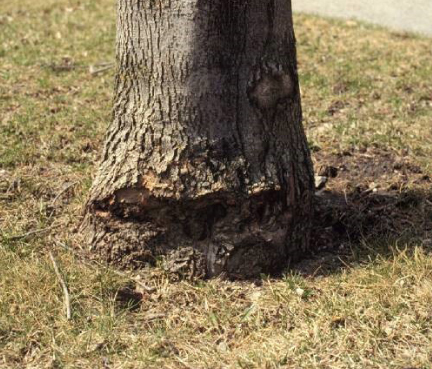
Photo from publication FNR-492-W
Question: I am actually a Master Gardner in Hamilton County and I need help with a tree bark damage question. We have a beautiful dogwood tree that is about 18’ tall and 6” in diameter. By accident my husband backed into the tree with his truck while unloading mulch – he did not see it! Now there is severe damage to the bark at the bumper height – about 3” wide and 14” long. All the way down the bark is gone.
What are the chances the tree will survive? What if anything should I do at this point?
My husband wanted to cover it with painter’s tape to protect it but I know that is not good for the tree. Please let me know your suggestions as I do hope to save the tree if possible.
Answer: Well, that is certainly an unfortunate accident for the tree! There may be a rescue treatment worth trying that research has shown promise in sealing the wound. The ability for the tree to seal and close off wounds is based on species, age and energy resources. Additionally, follow these instructions…
- Keep the tree healthy; mulch and supplemental watering during drought conditions.
- Trace the wound with a wood file and sharp knife, removing any loose bark to a clean wound.
- Take black plastic and attach it to the tree wound, just past the wound edge, using small, ¼” staples from a staple gun.
- Attach the plastic so that it forms a seal which will help to maintain a moist environment for parenchyma cells to do their work at compartmentalizing and creating wound wood on the perimeter of the damaged area.
- The plastic may need to be checked periodically to be sure it is attached well until removal.
- Leave the wound covered for about 12 months, then remove carefully.
This will not guarantee recovery, but research has indicated it does facilitate healing more quickly in many species. Continue to monitor for health and recovery.
Good luck!
Resources
Tree Wound and Healing, Got Nature? Blog, Purdue Extension – Forestry and Natural Resources
Equipment Damage to Trees, Got Nature? Blog
Tree Defect Identification, The Education Store, Purdue Extension resource center
Tree Pruning Essentials, Publication & Video, The Education Store
Tree Pruning: What Do Trees Think?, The Education Store
Mechanical Damage to Trees: Mowing and Maintenance Equipment, The Education Store
Tree Planting Part 1: Choosing a Tree, Video, Purdue Extension Channel
Tree Planting Part 2: Planting Your Tree, Purdue Extension Video
Lindsey Purcell, Chapter Executive Director
Indiana Arborist Association
Join Rod Williams, Purdue FNR Professor of Wildlife Science, Jason Hoverman, Purdue FNR Professor of Invertebrate Ecology, and Michael Lannoo, Indiana University School of Medicine – Professor of Anatomy and Cell Biology, to learn interesting facts about frogs and toads, their natural history, research about the threats they face, and what can you do to help these species.
If you have any questions regarding wildlife, trees, forest management, wood products, natural resource planning or other natural resource topics, feel free to contact us by using our Ask an Expert web page.
Resources
Mythbusters, Got Nature? Blog, Purdue Extension – Forestry and Natural Resources
Frogs and Toads of Indiana, The Education Store, Purdue Extension resource center
Appreciating Reptiles and Amphibians in Nature, The Education Store
Forestry Management for Reptiles and Amphibians: A Technical Guide for the Midwest, The Education Store
The Nature of Teaching, Unit 3: Reptiles, Amphibians, and the Scientific Method, The Education Store
Ecotoxicology and Environmental Health, The Education Store
Disease Ecology, The Education Store
Okoboji Wetlands: A Lesson in Natural History, 1996, University of Iowa Press
Status and Conservation of Midwestern Amphibians, 1998
Amphibian Declines, 2005, University of California Press
Malformed Frogs: The Collapse of Aquatic Ecosystems, 2008
Leopold’s Shack and Rickett’s Lab: The Emergence of Environmentalism, 2010
The Iowa Lakeside Laboratory: A Century of Discovering the Nature of Nature, 2012
North American Amphibians: Distribution and Diversity, 2014
This Land is Your Land: The Story of Field Biology in America, 2018, The University of Chicago Press
The Call of the Crawfish Frog, 2020
AmphibiaWeb
Indiana Herp atlas
Amphibian Ecology and Conservation
Handbook of Larval Amphibians of the United States and Canada, Cornell Press
Rod Williams, Professor of Wildlife Science
Purdue University Department of Forestry and Natural Resources
Jason Hoverman, Professor of Vertebrate Ecology
Purdue University Department of Forestry and Natural Resources
It’s time to meet another native Indiana tree. This time Purdue Extension forester Lenny Farlee brings you the Umbrella Magnolia. This small tree is easily identified by the clusters of long simple leaves at the end of the twigs, which form an umbrella shape.
If you have any questions regarding wildlife, trees, forest management, wood products, natural resource planning or other natural resource topics, feel free to contact us by using our Ask an Expert web page.
Resources
Indiana’s Native Magnolias, The Education Store, Purdue Extension resource center
Umbrella Magnolia, Native Trees of Indiana River Walk, Purdue Fort Wayne
Umbrella Magnolia, Purdue Arboretum Explorer
ID That Tree, Playlist, Purdue Extension-FNR YouTube Channel
A Woodland Management Moment, Playlist, Purdue Extension-FNR YouTube Channel
Shrubs and Woody Vines of Indiana and the Midwest, Purdue University Press
Native Trees of the Midwest, Purdue University Press
Investing in Indiana Woodlands, The Education Store
Forest Improvement Handbook, The Education Store
Lenny Farlee, Sustaining Hardwood Extension Specialist
Purdue University Department of Forestry and Natural Resource
Purdue Landscape Report: PART 1 – The Importance of “Physical” Soil Testing
In my 40 years of teaching and consulting, one of the biggest and most frustrating problems I continually encounter is when so called “landscape professionals” and homeowners continue to apply annual soil fertilizers, lime, and other soil amendments without ever conducting a professional soils test.
Before planting long-lived trees, shrubs, flowering perennials and lawns, it is absolutely essential to have your soil tested for its physical, chemical, and biological properties. To have a beautiful landscape, an awesome lawn, or a very productive vegetable garden, we need to do soil tests because the health and vigor of everything we grow is directly dependent on the soil we are growing our plant’s roots in.
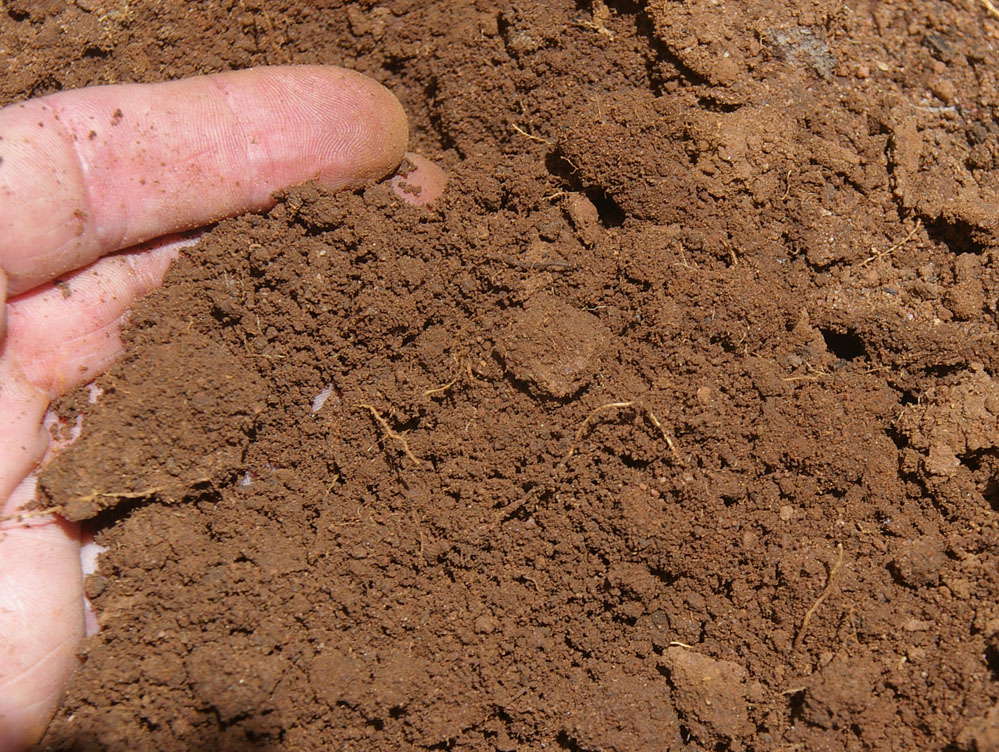
Figure 2: It is important to recognize the amount of sand, silt and clay in your landscape soils.
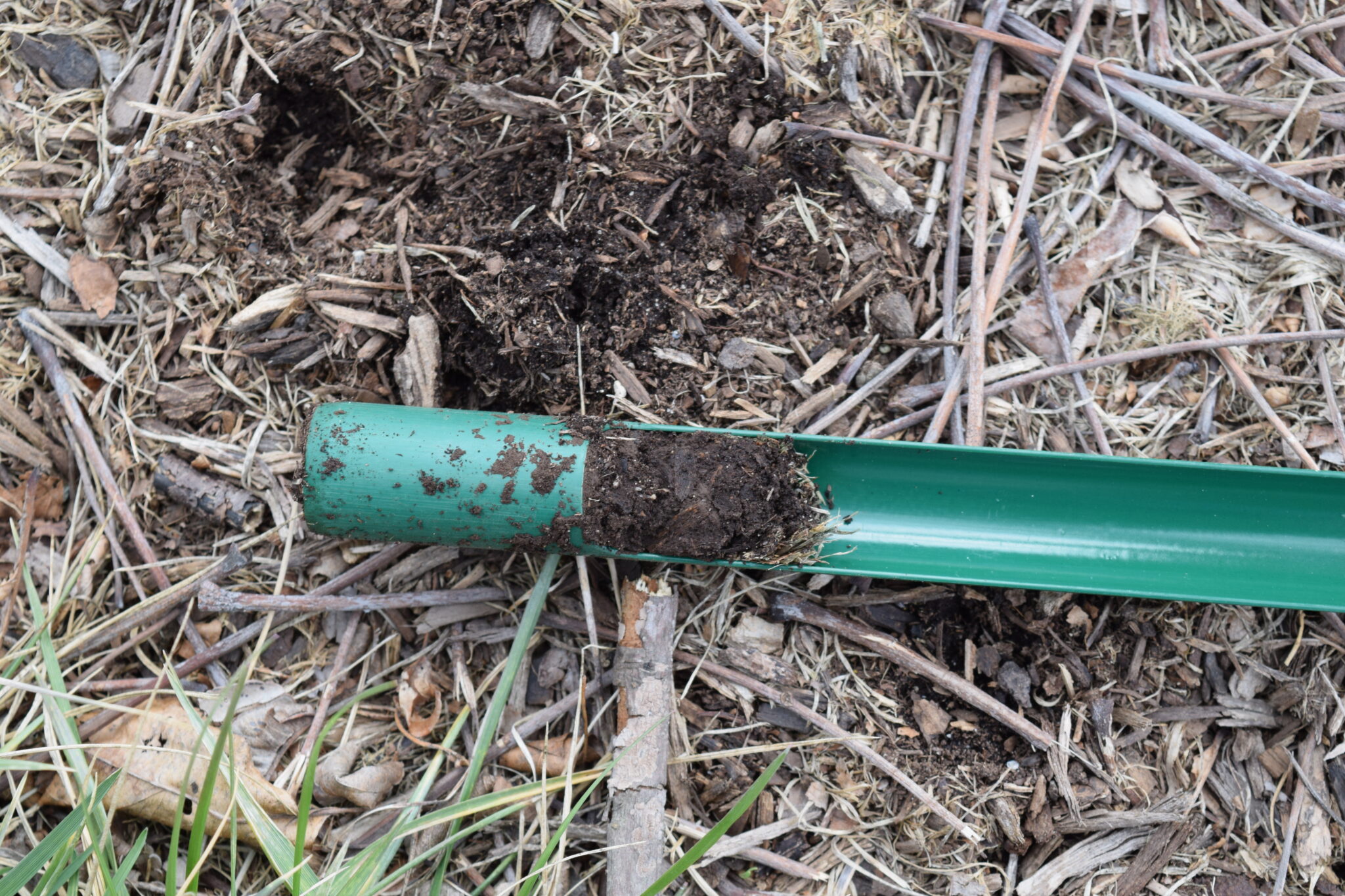
Figure1: A soil probe can be useful for soil testing and checking for moisture in the soil.
As an analogy, when you go to a family doctor or physician, why will they usually require a professional blood test from you? They want to “show you the numbers” of your cholesterol, HDL, LDL, triglycerides, sodium, potassium, and a whole array of other very important blood tests. Again, if they prescribe you to take medications, but they are not helping and can actually hinder your health, lawsuits can definitely occur. I tell my students, before anything is applied on a client’s property, “show me the numbers”!
Although many intelligent homeowners and landscapers may have initially done a chemical soil test, many have never done a soil texture, soil compaction, and/or soil drainage test on their property or their clients. Why do we need to do these “physical” soil tests? Think about it. For root growth, its not just about nutrient deficiencies, toxicities, or soil acidity problems, its about life giving oxygen in the root zone. Without oxygen, the entire ecosystem below ground will suffer. This is why I recommend you to determine your soil texture, (sand, silt, and clay %’s). Professional soils labs can determine your soil’s texture and that is very important, not only for knowing how much and when to water, but to determine what kind of fertilizers will work best for your soil. Many sandy soils are nutrient deficient because they have little negatively charged organic matter or clay to hold onto the positively charged nutrient fertilizers (cations). Excess rain and watering will leach many of the quick-release fertilizers, especially nitrate and potassium out of the root zone. This is why I recommend slow-release fertilizers on most soils so your plant’s roots will have available nutrients for a much longer time.
Resources
Soil Sampling Guidelines, The Education Store, Purdue Extension resource center
Soil Testing for Lawns, The Education Store
Consumer Horticulture: Collecting Soil Samples for Testing, The Education Store
Certified Soil Testing Laboratories, Purdue Extension – Master Gardener Program
Example soil test form
On this winter edition of ID That Tree, Purdue Extension forester Lenny Farlee uses black walnut and eastern cottonwood twigs to show you tips on how to identify native Indiana trees with alternative leaf arrangement without help from the leaves.
If you have any questions regarding wildlife, trees, forest management, wood products, natural resource planning or other natural resource topics, feel free to contact us by using our Ask an Expert web page.
Resources
Black Walnut, The Education Store, Purdue Extension resource center
Facts About Black Walnut, The Education Store
Indiana Walnut Council, Industry Representatives include 45 states and 3 foreign countries
Cottonwood, The Education Store
Eastern Cottonwood, Native Trees of Indiana Riverwalk
FNR Hardwood – Eastern Cottonwood, The Purdue Arboretum Explorer
ID That Tree, Playlist
A Woodland Management Moment, Playlist, Purdue Extension-FNR YouTube Channel
Investing in Indiana Woodlands, The Education Store
Forest Improvement Handbook, The Education Store
Lenny Farlee, Sustaining Hardwood Extension Specialist
Purdue University Department of Forestry and Natural Resource
In this episode of ID That Tree, Purdue Extension forester Lenny Farlee continues to talk about the oak groups, this time focusing on the black oak species. Deep sinuses on the leaves and shinier coat, a dark blocky bark and acorns with loose shingle-like plates on the cap are some key identifiers to separate it from the red oak and others.
If you have any questions regarding wildlife, trees, forest management, wood products, natural resource planning or other natural resource topics, feel free to contact us by using our Ask an Expert web page.
Resources
Black Oak, Native Trees of Indiana Riverwalk, Purdue Fort Wayne
Black Oak, The Purdue Arboretum Explorer
ID That Tree, Playlist
A Woodland Management Moment, Playlist, Purdue Extension-FNR YouTube Channel
Investing in Indiana Woodlands, The Education Store
Forest Improvement Handbook, The Education Store
Lenny Farlee, Sustaining Hardwood Extension Specialist
Purdue University Department of Forestry and Natural Resource
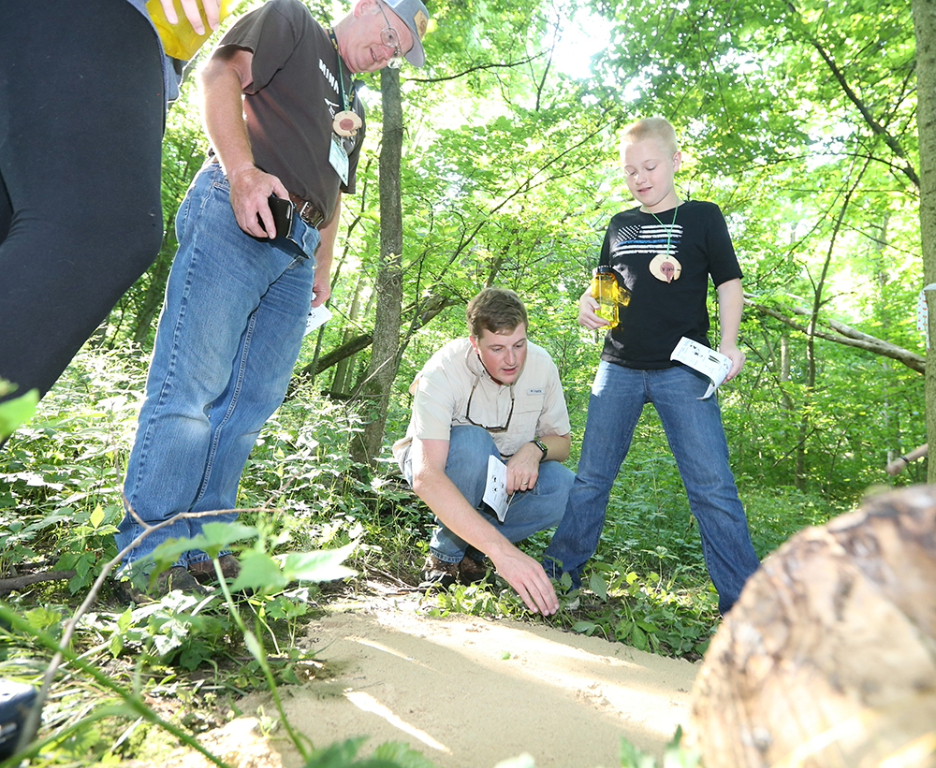 Purdue Extension wildlife specialist Jarred Brooke was honored by the College of Agriculture PK-12 Council on Thursday with the Staff Excellence Award for his work with PK-12 audiences to expand their interest in and preparation for careers in natural resource sciences.
The Council’s Outreach and Engagement Awards were established to recognize, reward and celebrate faculty and staff involved in successful outreach and engagement activities and to encourage the improvement and expansion of those activities.
“Winning this award is truly an honor,” Brooke said. “Working with PK-12 youth and youth educators is one of the most rewarding aspects of my job. Each time I see students or teachers have those ‘aha moments’ while connecting with nature it reaffirms that I chose the right career. I would not have been able to win this award if it were not for the help of my many great colleagues at Purdue, other universities, and beyond.
“Connecting youth with nature is so vital because their outdoor experiences now will shape how they view and understand nature as adults, ultimately influencing their willingness to protect and conserve the natural world in the future.”
Brooke, who earned his wildlife degree from Purdue Forestry and Natural Resources in 2012, joined the FNR staff in August 2016. His extension work impacting youth includes conservation field days, writing natural resources-based curricula for The Nature of Teaching signature program, and also planning and overseeing the 4-H and FFA Wildlife Habitat Education Program contest among other things.
Resources:
Nature of Teaching, Purdue Agriculture
Natural of Teaching YouTube Channel
Indiana 4-H Youth Development, Purdue Extension
4-H Academy, Purdue Extension
College of Agriculture PK-12 Council Outreach and Engagement Awards, Purdue Agriculture
National Wildlife Habitat Education Program (WHEP), Teaching Youth Valuable Skills
Jarred Brooke, Wildlife Extension Specialist
Purdue Department of Forestry and Natural Resources
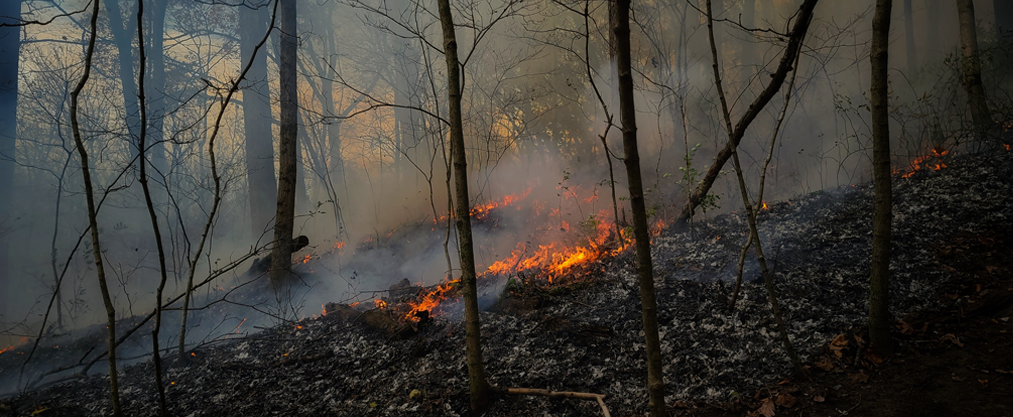 The goal of extension work is to provide practical solutions to local – and global – issues from agricultural production, environmental issues, natural resource conservation, land use and more.
Purdue Extension wildlife specialist Jarred Brooke’s work with prescribed fire is doing just that, as it is now being used to educate a new audience about various techniques of the habitat management method, the Wounaan indigenous community of Panama among others, thanks to the United States Forest Service.
Naomi Mills, a smokejumper squad leader for the Missoula Smokejumpers and fire specialist for USFS International Programs in the Latin America region, is utilizing Brooke’s Wildlife Habitat Hint series on prescribed fire techniques to illustrate various ignition techniques and methods as part of her virtual fire management training sessions.
Resources
Wildlife Habitat Hint: Prescribed Fire Techniques – Backing Fire, Video, Purdue Extension – Forestry and Natural Resources YouTube channel
Wildlife Habitat Hint: Prescribed Fire Techniques – Flanking Fire, Purdue Extension – FNR Video
Wildlife Habitat Hint: Prescribed Fire Techniques – Strip Head Fire, Purdue Extension – FNR Video
Wildlife Habitat Hints: Prescribed Fire Techniques – Ring Fire, Purdue Extension – FNR Video
Wildlife Habitat Hints: Prescribed Fire Techniques – Point Source Fire, Purdue Extension – FNR Video
Wildlife Habitat Hint: Late Growing Season Prescribed Fire, Purdue Extension – FNR Video
FNR Ask The Expert: Prescribed Fire with Jarred Brooke and Mike Saunders, Purdue Extension – FNR Video
Renovating Native Warm-Season Grass Stands for Wildlife: A Land Manager’s Guide, The Education Store, Purdue Extension resource center
Prescribed fire: 6 things to consider before you ignite, Got Nature? Blog, Purdue Extension – Forestry and Natural Resources
Indiana Prescribed Fire Council
Jarred Brooke, Wildlife Extension Specialist
Purdue Department of Forestry and Natural Resource
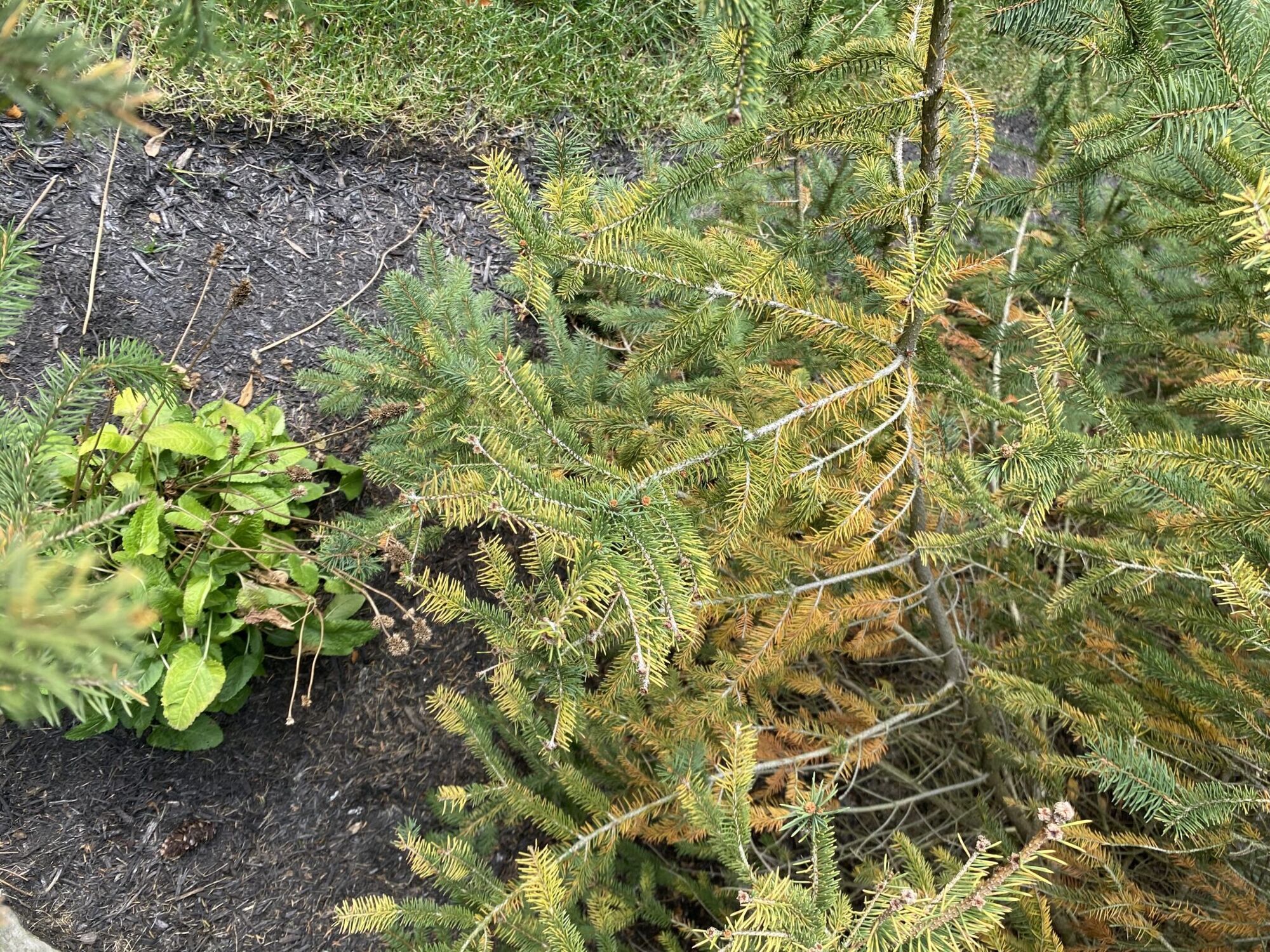
Figure 2: A young spruce tree under the effects of transplant and root stress.
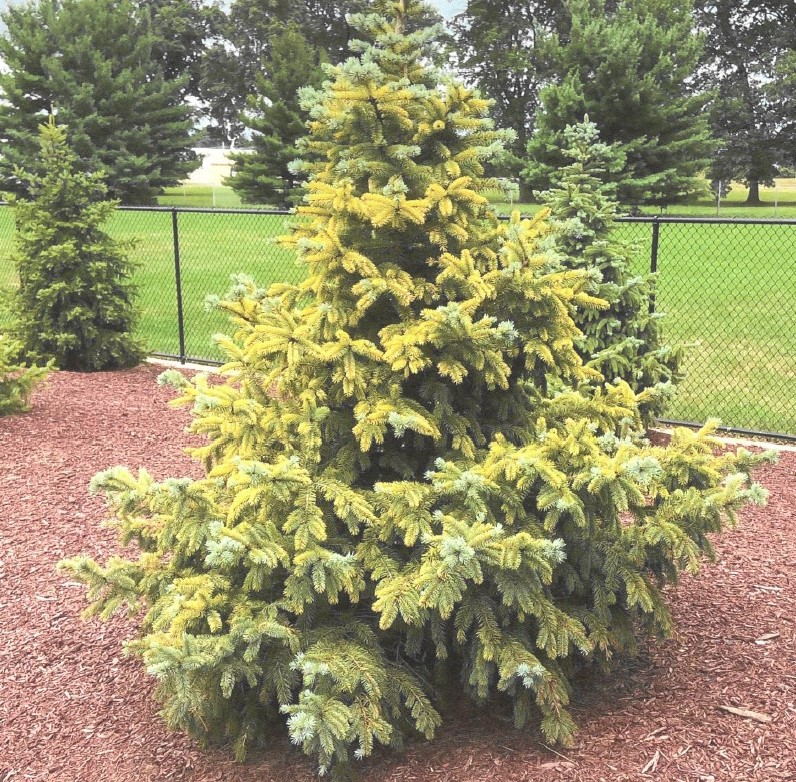
Figure 1: A spruce tree suffering from root damage and water stress.
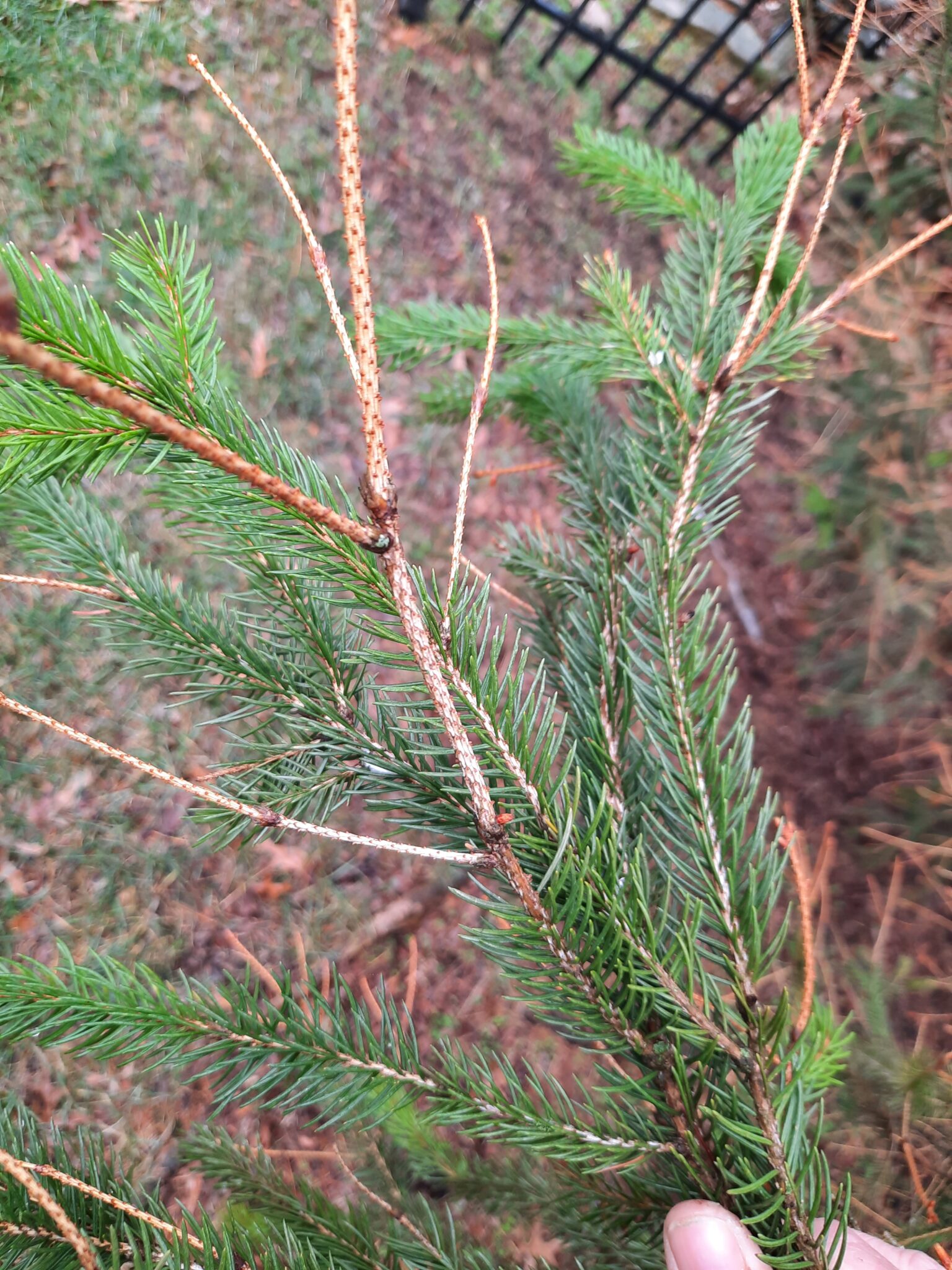
Figure 4: Phomopsis dieback with excessive needle loss on branch tips.
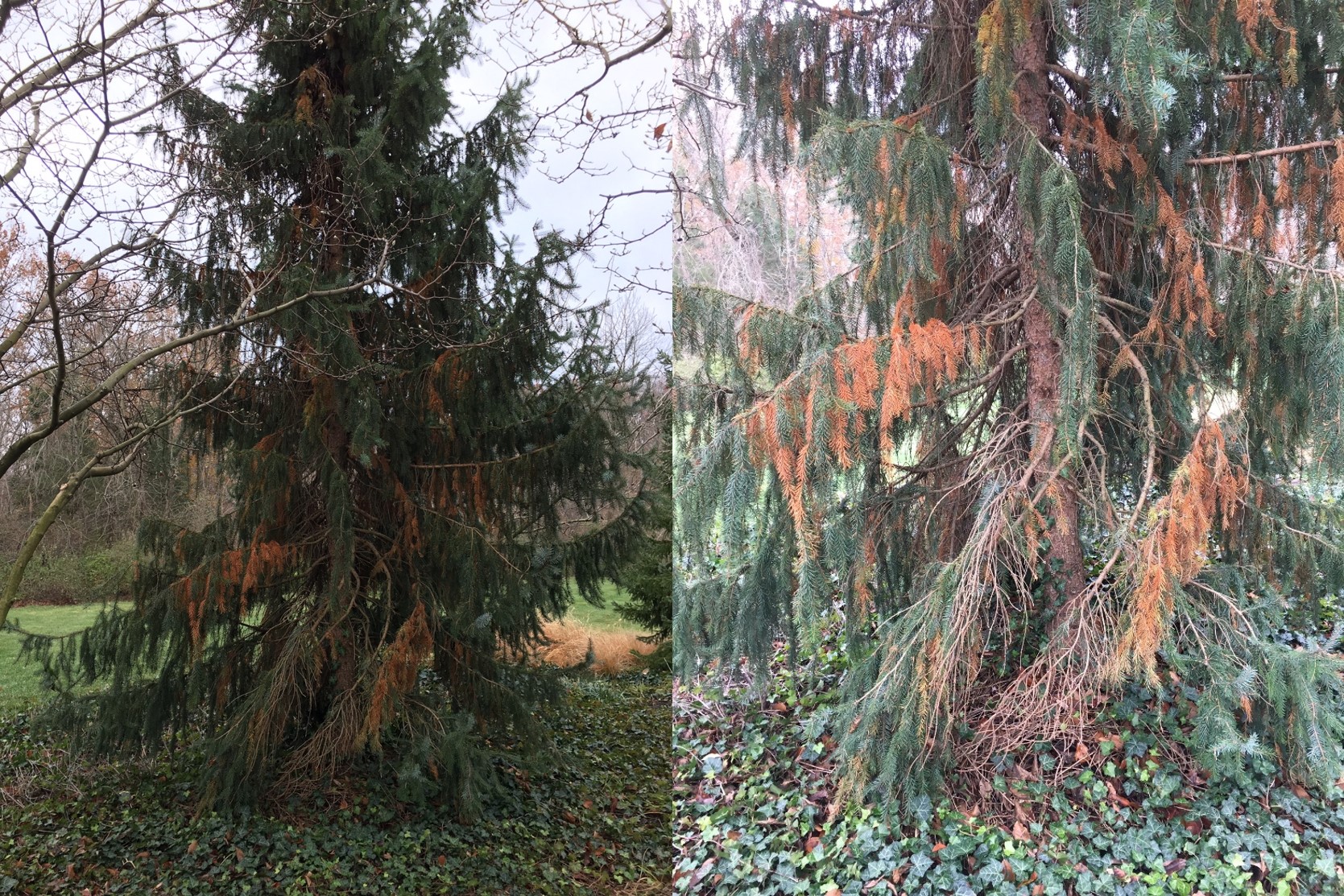
Figure 3: Dieback symptoms in a mature tree associated with Phomopsis infection.
Resources
Borers of Pines and Other Needle Bearing Evergreens in Landscapes, The Education Store, Purdue Extension resource center
Ask an Expert Question: Blue Spruce dying, what can I do?, Got Nature? Blog, Purdue Extension – Forestry and Natural Resources
Why Spruce Trees Lose Their Needles, Purdue Extension
Diseases Common in Blue Spruce, Purdue Extension
John Bonkowski, Plant Disease Diagnostician
Purdue Department of Botany and Plant Pathology
In this edition of ID That Tree, Purdue Extension forester Lenny Farlee gives tips on how to identify two species – honey locust and bur oak – from just the markings and scarring on leafless twigs.
If you have any questions regarding wildlife, trees, forest management, wood products, natural resource planning or other natural resource topics, feel free to contact us by using our Ask an Expert web page.
Resources
Honey Locust, The Education Store, Purdue Extension resource center
Bur Oak, The Purdue Arboretum Explorer
Bur Oak, Native Trees of Indiana Riverwalk, Purdue Fort Wayne
ID That Tree, Playlist, Purdue Extension-FNR YouTube Channel
A Woodland Management Moment, Purdue Extension – FNR Playlist
Investing in Indiana Woodlands, The Education Store
Forest Improvement Handbook, The Education Store
Lenny Farlee, Sustaining Hardwood Extension Specialist
Purdue University Department of Forestry and Natural Resource

Recent Posts
- ID That Tree: Nannyberry Viburnum
Posted: July 22, 2026 in Forestry, Plants, Wildlife, Woodlands - ID That Tree: Eastern Swamp Privet
Posted: in Forestry, Plants, Wildlife, Woodlands - Jarred Brooke Receives Early Career Award for Prescribed Fire Work
Posted: July 20, 2026 in Forestry, Forests and Street Trees, Natural Resource Planning, Safety - Bovine Tuberculosis in Wild White-tailed Deer: Background and Frequently Asked Questions
Posted: in Disease, Natural Resource Planning, Wildlife - ID That Tree: Carolina Buckthorn
Posted: July 15, 2026 in Forestry, Wildlife, Woodlands - Bat Roost Reporting Tool
Posted: July 8, 2026 in Alert, Community Development, Invasive Animal Species, Wildlife - Pruning Highlight; Espalier Pruning: Training Trees into Living Patterns
Posted: in Forestry, Forests and Street Trees, Gardening - Thank You, Turkey Trackers! Your Brood Counts Make a Difference – MyDNR
Posted: in Alert, Community Development, Wildlife - Identifying Evergreens
Posted: June 24, 2026 in Forestry, Wildlife, Woodlands - Celebrate Pollinator Week With Flowers of June Tour
Posted: June 15, 2026 in Forestry, Gardening, How To, Wildlife
Archives
Categories
- Alert
- Aquaculture/Fish
- Aquatic/Aquaculture Resources
- Ask the Expert
- Christmas Trees
- Community Development
- Disease
- Drought
- Forestry
- Forests and Street Trees
- Gardening
- Got Nature for Kids
- Great Lakes
- How To
- Invasive Animal Species
- Invasive Insects
- Invasive Plant Species
- Land Use
- Natural Resource Planning
- Nature of Teaching
- Plants
- Podcasts
- Ponds
- Publication
- Safety
- Spiders
- Timber Marketing
- Urban Forestry
- Webinar
- Wildlife
- Wood Products/Manufacturing
- Woodland Management Moment
- Woodlands