 Purdue University - Extension - Forestry and Natural Resources
Got Nature? Blog
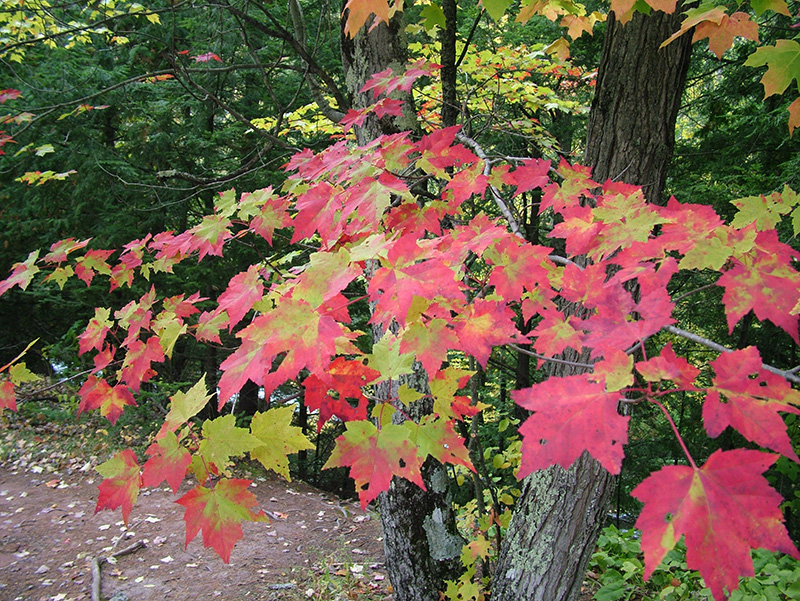
Red maple tree with leaves turning red in fall. Photo by: Lenny Farlee
The calendar flipping over to October is a reminder the annual Autumn leaf color display is on its way. The perennial question is “how will the color be this year?” Predicting the quality of the fall display requires weighing several factors that may vary over time and across the landscape. In general, Indiana started the growing season wet and is ending it dry. The good growing conditions early this year have produced abundant leaf area on many trees. As we have dried out late in the season, some trees are experiencing stress that may cause leaves to turn color and drop early, or to simply turn brown. Drought may also delay the color change by a week or more in some cases. Leaves that were attacked by insects or disease may also drop early or provide very little color. I noticed Japanese beetles seemed to be more active than normal this year, skeletonizing leaves on preferred plants like linden and Virginia creeper. Local weather patterns can also influence color intensity in a positive way. Sunny days and cool nights late in the summer and early fall can enhance the production of anthocyanin – a pigment produced in some trees that provides bright red, maroon and purple tones to the fall color palate.

Hop hornbeam tree with yellow fall leaves. Photo by: Lenny Farlee.
This brings us to another variable: different species of trees may produce different colors, timing, and duration of fall color. Some species like sassafras, sumac, black and sweet gum, and sugar and red maple are famous for bright fall color. Some species like elms, buckeye and walnut may simply turn brown or drop early with little color display. Different individual trees may also vary due to genetic differences, growing conditions and tree health. For example, some sugar maple located in open areas or on the edge of a woodlot, receiving lots of sunlight, may regularly produce vibrant oranges and reds, while nearby sugar maple in the shade of the forest will turn a subdued yellow, lacking the sugar reserves produced by their neighbors in the sun.
Leaf color change is also the result of a very predictable process based on the longer night period as summer slips into fall. The production of green chlorophyll pigments slows and finally stops as the nights become longer and cooler, exposing the yellows and oranges of carotenoids and reds and maroons of anthocyanins. This process also starts forming a zone of separation between the leaf and branch that ultimately brings the leaves to the ground, often with the help of wind and rain.
My best answer to those asking for a fall color prediction is another set of questions: how was your weather, what species of trees do you have, and how much sunlight do they receive?
Resources:
Why Leaves Change Color, The Education Store, Purdue Extension
Why Leaves Change Color, USDA Forest Service, Northeastern Area
Fifty Common Trees of Indiana
An Introduction to Trees of Indiana
Native Trees of the Midwest, The Education Store
Shrubs of Indiana CD: Their Identification and Uses, The Education Store
Shrubs and Woody Vines of Indiana and the Midwest, The Education Store
Trees of Indiana CD, The Education Store
Lenny Farlee, Sustaining Hardwood Extension Specialist
Purdue Department of Forestry and Natural Resources
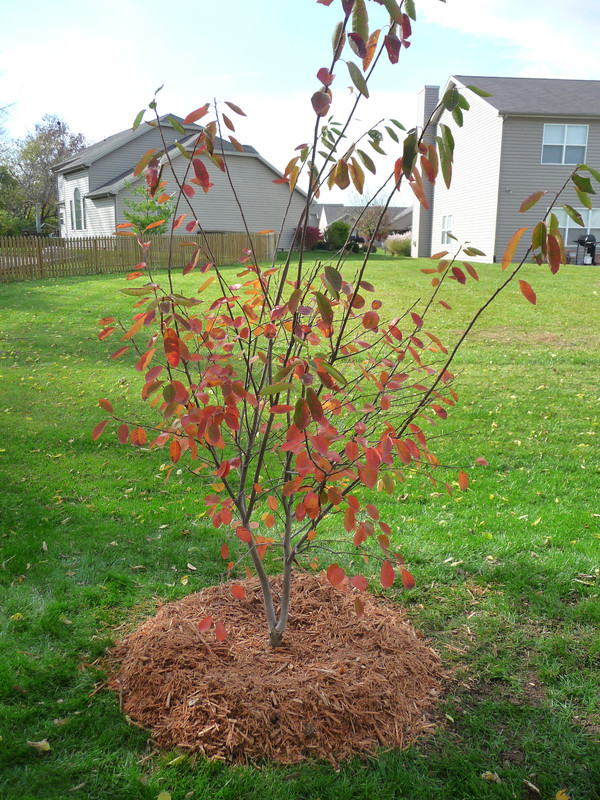 Spring and Fall is prime time for improving your property with new trees. They provide many benefits which everyone can share. Trees mean more attractive landscapes, lower energy bills and a healthier environment. However, just planting a tree without some thought and planning can create a liability rather than an asset to your site. Wise planning is essential to ensure the new trees meet your design needs and functional solutions as well. Follow these basic tips to get your tree started right and make it a long-lasting sustainable planting. For more information, download the free publication Tree Installation: Process and Practice.
Right Tree-Right Place.
Location, location, location! Planning before planting can help ensure that the right tree is planted in the right place. Proper tree selection and placement enhances your property value, prevents costly and sometimes unsightly maintenance with trimming, and lowers the risk of damage to your home and property. In some instances, trees are the innocent victim of poor planting locations and must be removed. Always allow room for growth! Also, consider native trees or those trees with fewer pests which can attack your tree. Large trees include Kentucky Coffeetree, Bur Oak and Hardy Rubber Tree. Medium-sized trees can include Japanese Pagoda Tree, Sourwood, Katsura Tree and Golden Raintree. Finally, for areas with less room, consider Serviceberry, Ironwood, Amur Maackia or Hop Tree. These are just a few of the many trees which can be chosen for your situation.
Look Up, Look Down, and Look All Around!
Regardless if the planting is in the front yard or the back yard of the home or business, be sure there will be no interference with utilities; Call 811 before you dig. It will prevent costly mistakes and maybe a life. In addition, if the tree is going to be planted along the street, typically, there is an ordinance requiring a permit to plant in the right of way. This helps Urban Forestry administration keep up the street tree inventory and allows the ISA Certified Arborists on staff a chance to offer free advice to help in the planting decisions.
It Comes from Good Stock…
Choose the tree twice, meaning get the right species for your location; then, make an informed choice on the nursery stock. Be sure the function of the tree is understood and choose the right tree for the location. Shade? Flowers? Screening? Sound Barrier? Trees can be used as tools to work for you on the site. “You get what you pay for” applies to nursery stock as well. Purchase plant material from a reputable source and get a professional opinion on the tree species for your application. One hint, if it is a fast growing tree, it probably won’t last long. See our video for tree selection tips.
This Hole is a Home!
It is a permanent home for the trees… understand the planting site prior to planting. Determine soil type and pH, drainage and exposure to the sun. If the tree isn’t naturally suited to the planting place, it doesn’t have a chance. Planting depth is a major tree planting concern. Be sure to find the “root flare” when establishing the final grade of the tree. Drainage is crucial to survival. Use the two-hour test. Dig the hole, fill it with water. If the hole is empty upon returning, there is suitable drainage for any tree. Plant the tree properly and at the proper depth, you only get one chance… Don’t dig a $10 hole for a $100 tree. See our video on tree planting tips.
Keep Good Care of the Investment.
Once the tree is in the ground, take good care of it. At least an inch of water per week to keep it growing vigorously, apply clean, hardwood mulch on the root zone to keep soils cool and moist, but never exceed three inches in depth. Remember to remove any tags on the tree and don’t forget to remove the twine from around the trunk. Don’t worry about the fertilizer at planting time, wait until next year, after the tree has gotten settled in to its new home. Enjoy your new addition to the home and landscape!
Resources:
Tree Selection for the “Un-natural” Environment, The Education Store, Purdue Extension
Tree Support Systems, The Education Store, Purdue Extension
Tree Installation: Process and Practices, The Education Store, Purdue Extension
Planting Your Tree Part 1: Choosing Your Tree, video, The Education Store, Purdue Extension
Lindsey Purcell, Urban Forestry Specialist
Purdue University, Department of Forestry and Natural Resources
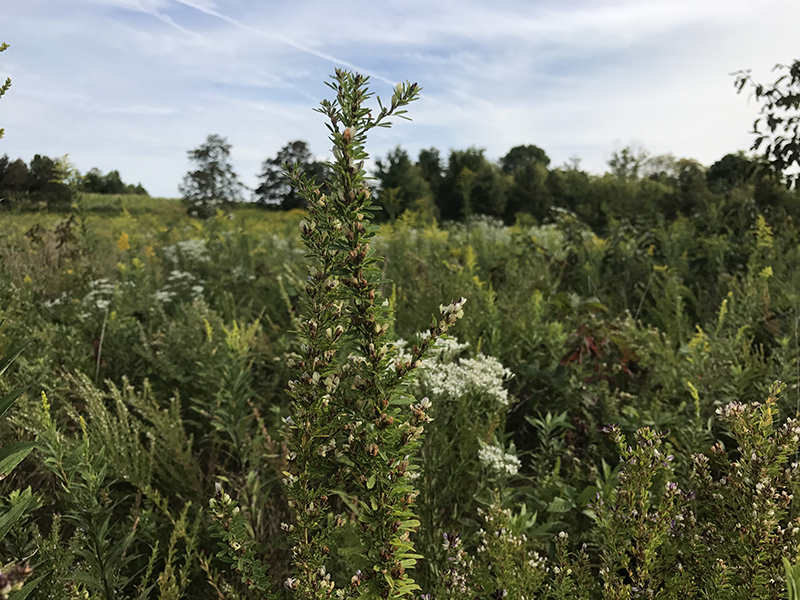 Sericea lespedeza is arguably one of the most problematic invasive species of old fields, prairies and other early successional areas managed for wildlife. Sericea lespedeza is a perennial legume native to eastern Asia that was originally promoted for erosion control, cattle forage, cover and food for wildlife. But as with many plant introductions during the early and mid-19th century (e.g., multiflora rose, autumn olive, and bush honeysuckle), the original beliefs – while well intentioned – were ill fated and short-sided. Sericea has become invasive, is considered noxious in many states, and can be found from Massachusetts to Nebraska and from Florida to Ontario.
Here are 3 problems with sericea and 3 tools for control.
Problems:
- Sericea is adapted to a wide variety of conditions: sericea is able to tolerant and thrive in acidic soils with relatively low soil fertility and is also drought tolerant. These factors combined with allopathic chemicals makes sericea extremely competitive causing sericea to quickly invade and overtake early successional areas displacing many native species.
- Sericea produces an abundance of seed: one sericea plant is able to produce more than 1000 seeds and seeds are thought to be viable for up to 20 years in the seedbank. Sericea was initially thought to provide an abundance of seed valuable to wildlife including northern bobwhite. However, the seed cannot be digested by most wildlife, thus it provides no nutritional benefits and bobwhite can actually starve by consuming only sericea seed. Research in Kansas also reported a higher percentage of sericea seed germinated after passing through the digestive system of bobwhite compared to unconsumed seed.
- Sericea responds prolifically following spring fires: fire is the most effective way to manage early successional vegetation. However, fire during the dormant season seems to only anger sericea and exacerbate the problem. Fire scarifies sericea seed and seedling density is increased following spring fires.
Control: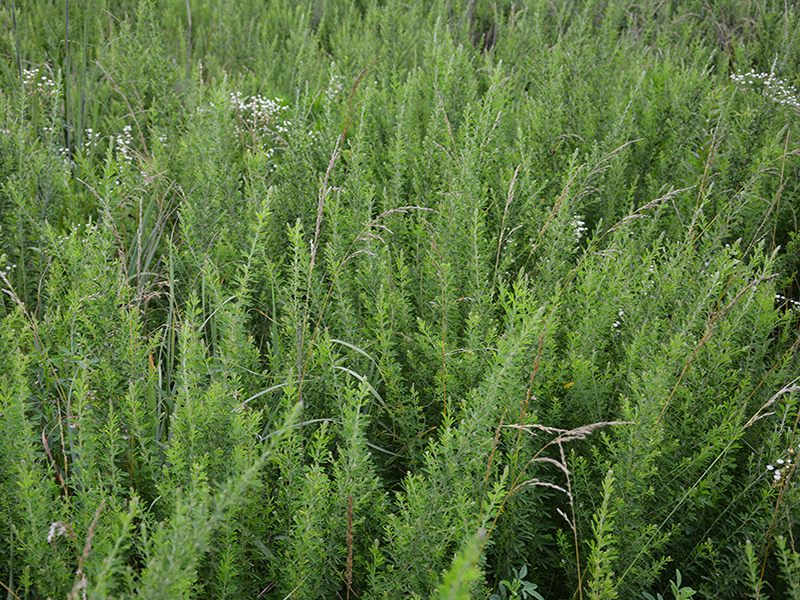
- Herbicide: triclopyr (32 oz/acre), triclopyr + fluroxypyr (1.5 pt/acre), or glyphosate (1-2 qt/acre) can be used to effectively control sericea in early successional areas from June through July when sericea is 12-18 inches tall. Metsulfuron methyl (1 oz/ac) provides effective control when applied to sericea during flowering (Aug-Sep).
- Prescribed fire: while prescribed fire during the dormant season enhances sericea germination, fire during the late-growing season (July-Sep) can reduce sericea seed production and can decrease sericea survival. However, fire alone may not be enough to control sericea long term.
- Herbicide + Prescribed Fire: sericea can be controlled with herbicide during the growing season. This can be followed up with a late-growing season fire to consume any sericea not killed by the herbicide and reduce sericea seed production. The following summer herbicide can be used again to kill any new sericea seedlings or plants that have resprouted from rhizomes.
If you find sericea in fields that you manage, working quickly to stop seed production and kill the existing plants will be the most effective way to control an invasion.
Web Resources:
Herbicides to control sericea lespedeza, Southeastern Association of Fish & Wildlife Agencies
Effects of Growing-Season Prescribed Burning on Vigor of Sericea Lespedeza in the Kansas Flint Hills: I. Suppression of Seed Production and Canopy Dominance, Kansas Agricultural Experiment Station Research Reports
Other Resources:
If Your Native Grasses Look Like This, It’s Time for Management, Got Nature?, Purdue Extension-FNR
Invasive plants: impact on environment and people, The Education Store, Purdue Extension
Jarred Brooke, Extension Wildlife Specialist
Purdue University Department of Forestry and Natural Resources
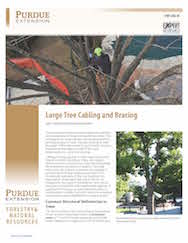 Due to reasons such as pruning, location of growth and species characteristics, trees can grow in ways that don’t endorse long-term health and safety. To counter trees growing in unsafe ways, cabling, bracing, guying, or props can be utilized to prevent branch or whole-tree failure. These tree support systems reinforce critical areas of the tree by limiting the movement of branches or leaders. In the publication titled Large Tree Cabling and Bracing, FNR-550-W, common structural deficiencies in trees and the tree support devices used to prevent problems caused by those deficiencies are described and covered.
Resources:
Tree Support Systems, The Education Store, Purdue Extension
Tree Planting Part 1: Choosing a Tree, The Education Store, Purdue Extension
Tree Pruning: What Do Trees Think?, The Education Store, Purdue Extension
Forest Improvement Handbook, The Education Store, Purdue Extension
Got Nature?, Purdue Extension, Forestry and Natural Resources
Lindsey Purcell, Urban Forestry Specialist
Purdue University, Department of Forestry and Natural Resources
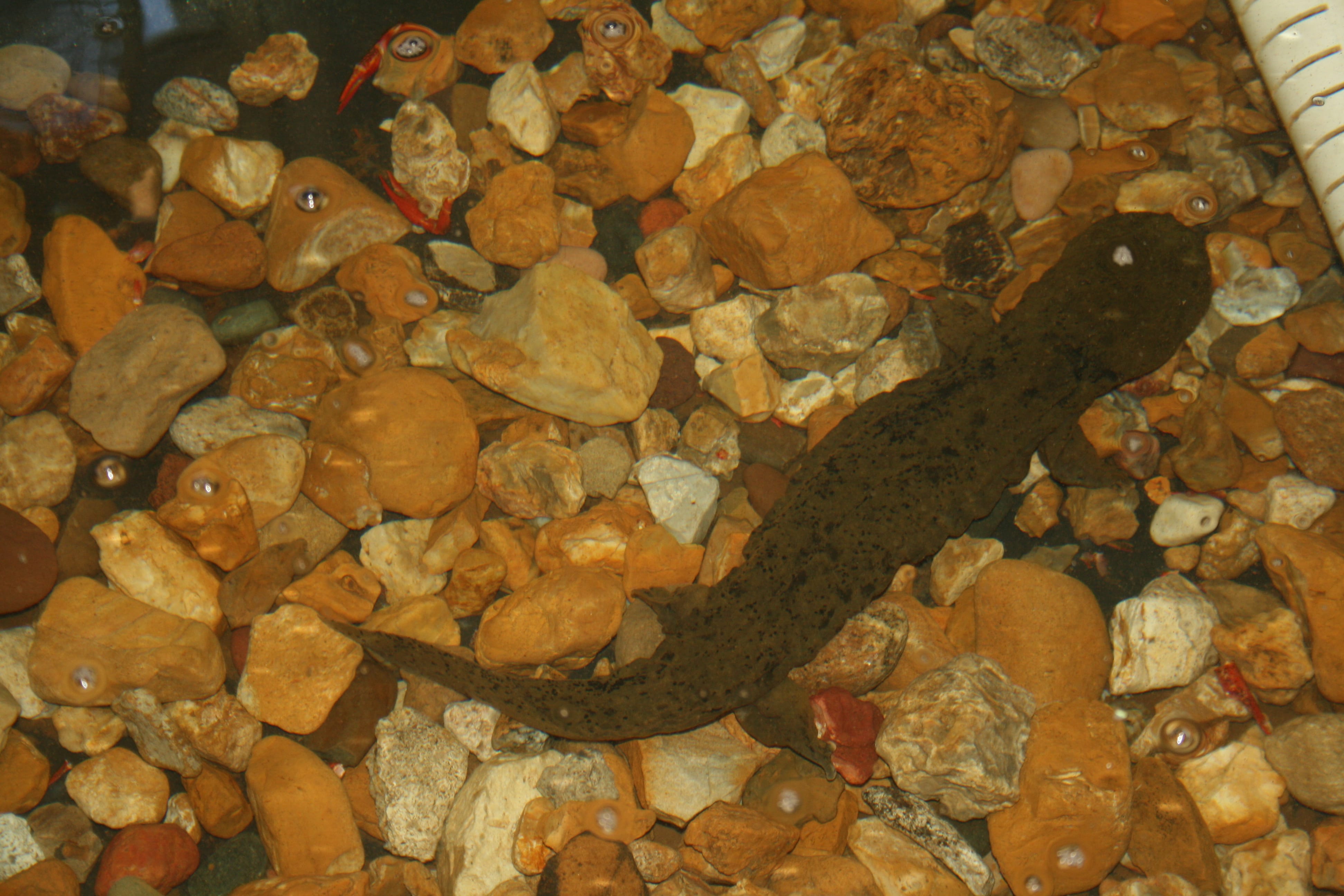 Eastern Hellbender We have written about the Eastern Hellbender salamander (Cryptobranchus alleganiensis alleganiensis) in this blog multiple times. It is a unique species and plays an important role in the aquatic ecosystem in which it inhabits. Unfortunately, the species has been declining throughout much of its range over the past several decades and can no longer be found in many of the rivers and streams where it used to be common. In Indiana, the Eastern Hellbender can only be found in the Blue River. However, this population is also declining and without intervention will likely disappear within the next 20 years. To help prevent this, Purdue University’s “Help the Hellbender” has teamed with Mesker Park Zoo and Botanic Garden (MPZ) to attempt to captive breed the Eastern Hellbender. Purdue University biologists have been capturing wild Eastern Hellbenders from the Blue River and transporting them to MPZ. MPZ has built an indoor stream designed to mimic the conditions in the Blue River. They have followed the advice of members of the highly successful Ozark Hellbender subspecies (C. a. bishopi) breeding program at St. Louis Zoo.  Mesker Park Zoo and Botanic Garden zookeeper, Bryan Plis, places a wild Eastern Hellbender into the new breeding raceway If successful, this captive population will provide a long-term, easily accessible source of young Hellbenders for eventual release. This will allow us to continue to repopulate the Blue River while expanding our release efforts to include other southern Indiana rivers with suitable habitat. The breeding program also will reduce the need to spend countless hours searching the river in the hopes of finding increasingly rare Hellbender nests. Through these efforts we will hopefully be able to reestablish self-sustaining populations of Hellbenders throughout southern Indiana and help prevent the extinction of a truly magnificent animal. For more ways you can help, please visit HelptheHellbender.org. |
Resources:
Mesker Park Zoo: Helping the Hellbender , Purdue Extension-Forestry and Natural Resources, YouTube
Help the Hellbender, Purdue Extension-Forestry and Natural Resources
Mesker Park Zoo and Botanic Garden
Hellbender Information, St. Louis Zoo
Purdue Partners with Indiana Zoos for Hellbender Conservation, Purdue Newsroom
I found this in my barn. Is it a Hellbender?, Purdue Got Nature?, Forestry and Natural Resources
Nick Burgmeier, Research Biologist and Extension Wildlife Specialist
Purdue University Department of Forestry and Natural Resources
 Rapid growth in the craft brewing industry has created an opportunity for Hoosier farmers to start growing hops. Hops are the female flowers (also called cones) from the hop plant (Humulus lupulus). This high-value, perennial crop is used to flavor and stabilize beer. Now available in a free download is a new publication with a study focusing on growing hops along the fence lines of newly established forest stands. This publication titled Costs and Returns of Producing Hops in Established Tree Plantations is the first of two publications that analyzes the economic opportunities in forest farming for Indiana forest plantation owners. The economic analysis presented in this article is developed for two hops varieties, ‘Cascade’ and ‘Comet’, based on marketability and presumed adaption to low sunlight, respectively.
Additional Resources:
Costs and Returns of Producing Wild-Simulated Ginseng in Established Tree Plantations, The Education Store, Purdue Extension’s resource center
Forest Improvement Handbook, The Education Store
The Nature of Teaching, Lesson Plans K-12, Purdue Extension
Hardwood Ecosystem Experiment – Sustaining Our Oak-Hickory Forests, The Education Store
Tree Pruning: What Do Trees Think?, The Education Store
Kim Ha, Research Assistant
Purdue Agricultural Economics
Other contributing authors: Dr. Shadi Atallah, Tamara Benjamin, Dr. Lori Hoagland, Lenny Farlee and Dr. Keith Woeste.
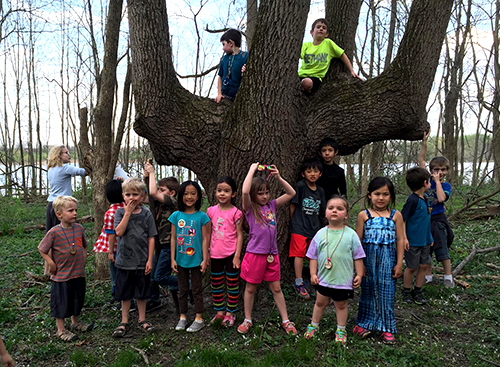
Students in Forestry and Natural Resources (FNR) continue to volunteer for Hands of the Future, Inc., a non-profit program whose mission is to help educate children about the outdoors and natural resources. As this program continues to grow, one of their dreams has been to find woods to create a children’s forest. To have a natural site that has been embellished upon with children’s needs in mind and to encourage outdoor play and adventures.
The students plan on transforming 18.8 acres of idle woods into Zonda’s Children’s Forest. The children’s forest will be composed of six main areas:
- A children’s garden, equipped with a greenhouse and kitchen, that’ll allow children to learn how to properly grow and cook food.
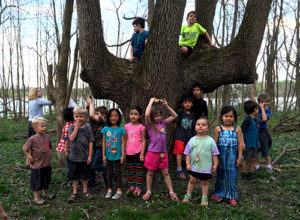
- An enclosed area dedicated to allowing children having fun and safe adventures.
- A viewing area for butterflies, birds and other organisms of the wild, allowing children to easily enjoy the life of the forest.
- A maze designed by sunflowers, where children can have fun and do problem-solving, while close to nature.
- A walk dedicated to viewing the owls and other organisms composing the forest.
- Another enclosed area of the woods for adventures; However, it’ll also contain tree houses, bridges and other fun additions for the children.
Donations:
Donations to help make Zonda’s Children’s Forest a reality can be made here. They have six months to raise $235,000 in order to purchase the woods.
Volunteers & Interns:
Older students and adults can apply to be a volunteer. Volunteers are always appreciated, no past experience necessary. If you love nature and kids you will enjoy this program. Internships are available for college students, contact Zonda Bryant.
Resources:
Family Nature Clubs in Indiana – Indiana Children and Nature Network
Zonda Bryant, Director
765.366.9126
director@hands-future.org
In Tennessee, magnolia and the highly invasive ornamental pear trees are in full bloom. In New Jersey, crocuses and buttercups are vibrant spectacles of color. Here in Indiana, flowering dogwood, pawpaw, and red oak have responded to an early spring with a burst of blooms as well. This vibrant display is the result of a mild winter. Unfortunately, there is a downside. A sudden cold freeze after this swathe of warm weather could severely damage blossoms, buds, and significantly reduce yields in fruit and nut trees.
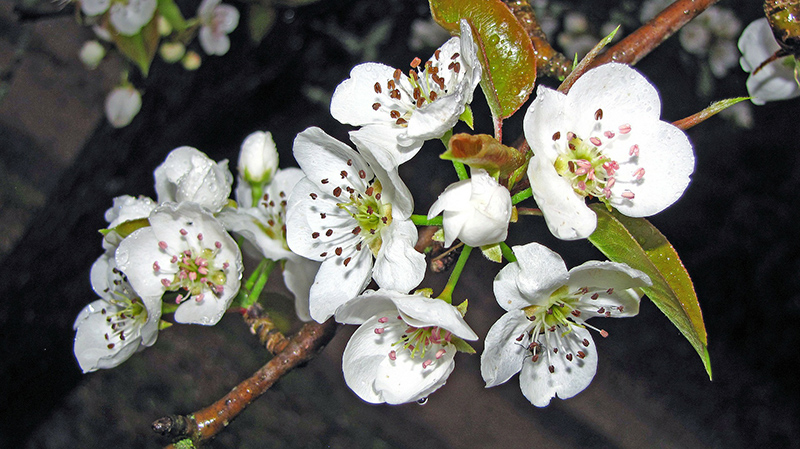
Blooms on pear tree.
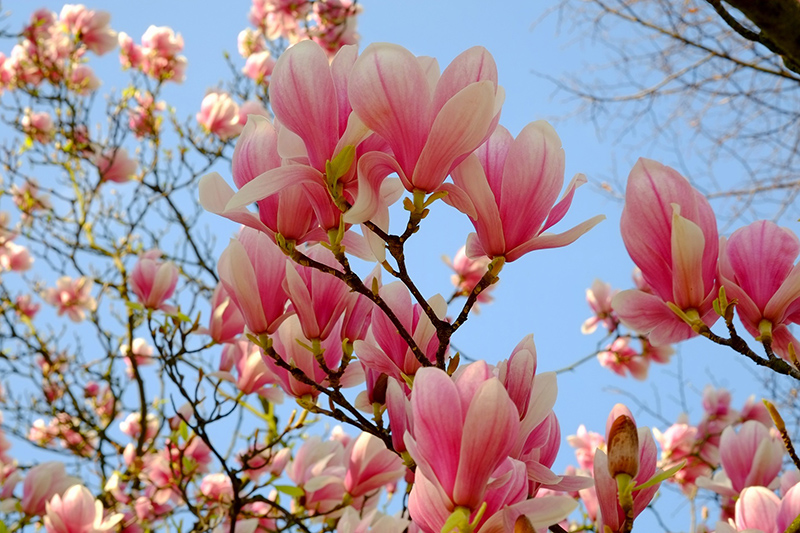
Blooms on magnolia tree.
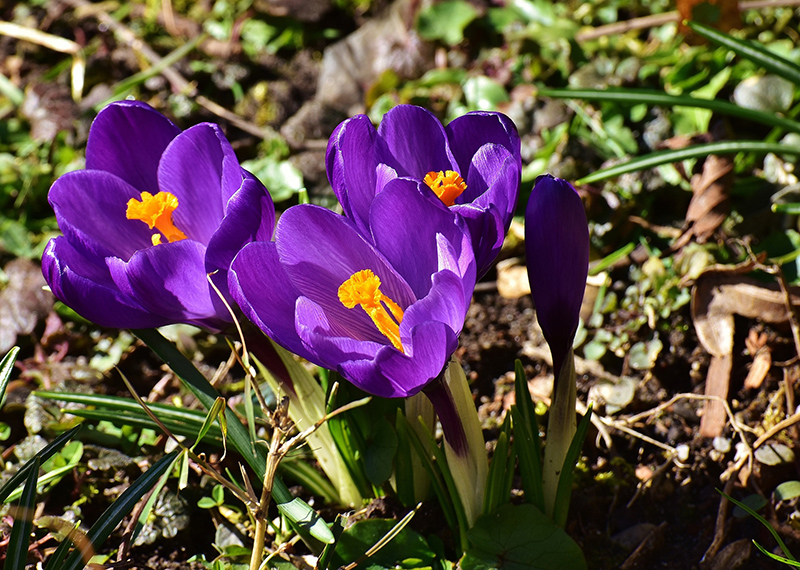
Crocus blooms.
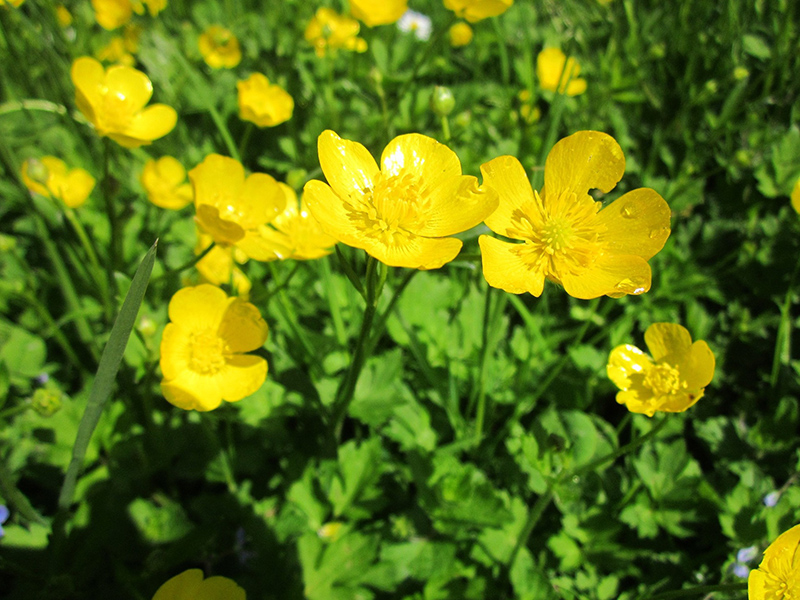
Buttercup blooms.
Growth of a tree or flower is the result of the weather and the perpetuation of its natural growth cycle. To store sufficient resources for the following year, trees use the winter season as an opportunity to shuttle nutrients to their roots. With cold temperatures keeping pests at bay, fewer nutrient resources are needed for defense and maintenance. These nutrients will be shuttled to the branches the following spring to support the growth of buds and blossoms. Interruption in the storage process caused by early spring conditions interferes with nutrient supplies and kickstarts the growing cycle again.
Nutrients once slated for root storage are now being sent to the branches to begin fruit and bud production despite having fewer resources in storage than usual. A freeze that occurs after leaves and buds begin to appear will damage the new growth and likely delay flowering and fruiting until much later in the year when surfeit energy is available to support a second growth effort. While trees are usually able to leaf out a second time, there are often more issues with low yield and early leaf drop.
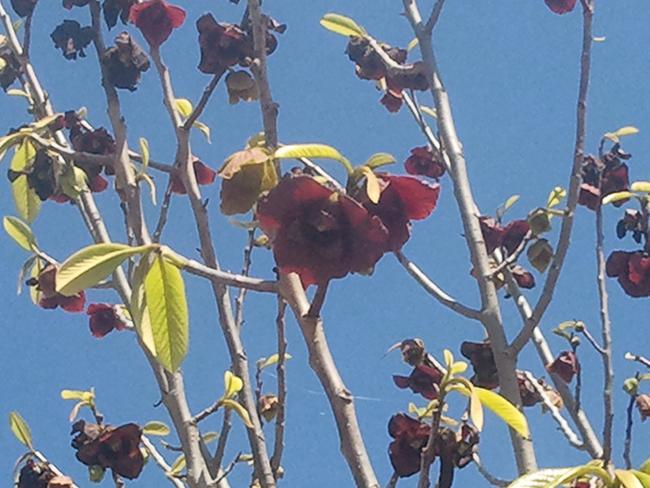
Pawpaw
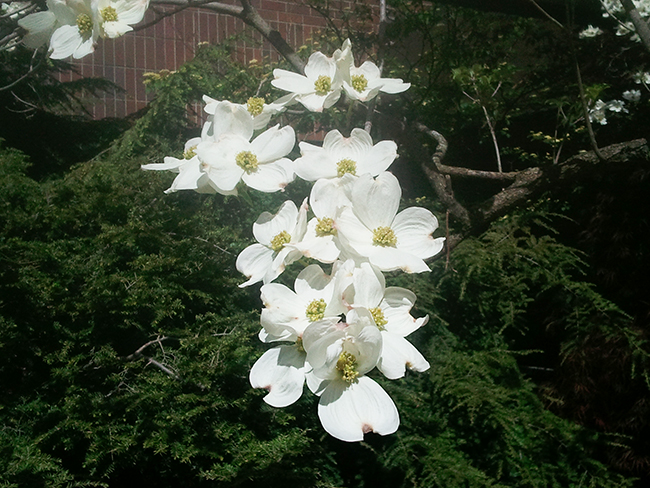
Dogwood
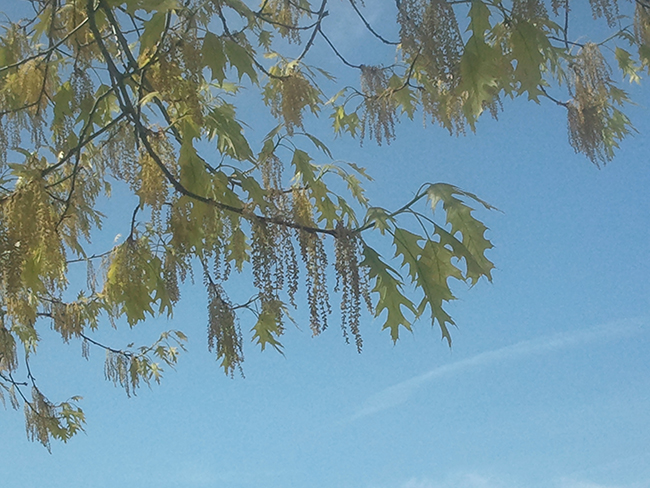
Red oak
Also, insect pests, usually subdued by cold winter temperatures are likely to be out much earlier than usual and with greater numbers. This increase in insect presence does not necessarily bode well for plant pollinator populations. If, for example, a tree flowers earlier than honeybee populations are available, then it is possible that those trees will go unpollinated. Also, if other pollinators are also unavailable, there will be no fruits the following year on that tree.
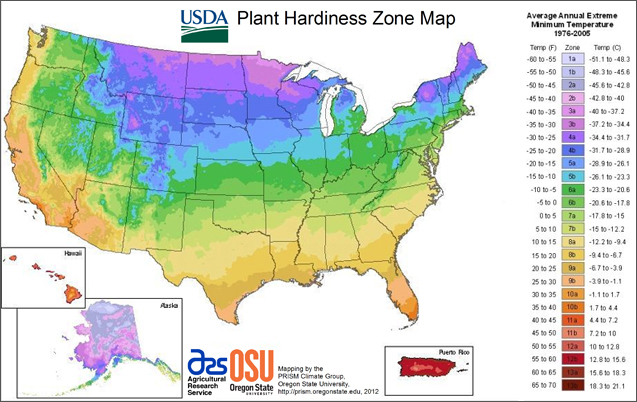
USDA Plant Hardiness Zone Map. Agricultural Research Service, U.S. Department of Agriculture, planthardiness.ars.usda.gov.
Ultimately, the state of our seed, fruit, and nut production depends on two major events; pollination and lack of a cold freeze. If we see a sudden cold snap that damages the trees and eliminates pollinators, then next spring will be a time of sorrow rather than an exciting start to the growing season. The dramatic shifts in weather temperatures over the last decade have led the Department of Agriculture to reevaluate and reassess plant hardiness zones. For the first time in thirty years, an updated map with new zones has now been created, USDA Plant Hardiness Zone Map.
Resources:
Purdue Plant Doctor App, Purdue Extension
Purdue Plant and Pest Diagnostic Laboratory, Purdue Agriculture
Planting & Transplanting Landscape Trees and Shrubs, The Education Store, Purdue Extension resource center
Tree Planting Part 1: Choosing a Tree – video, The Education Store
Tree Installation: Process and Practices, The Education Store
Shaneka Lawson, USDA Forest Service/HTIRC Research Plant Physiologist/Adjunct Assistant Professor
Purdue University Department of Forestry and Natural Resources
Lenny Farlee, Sustaining Hardwood Extension Specialist
Purdue Department of Forestry and Natural Resources
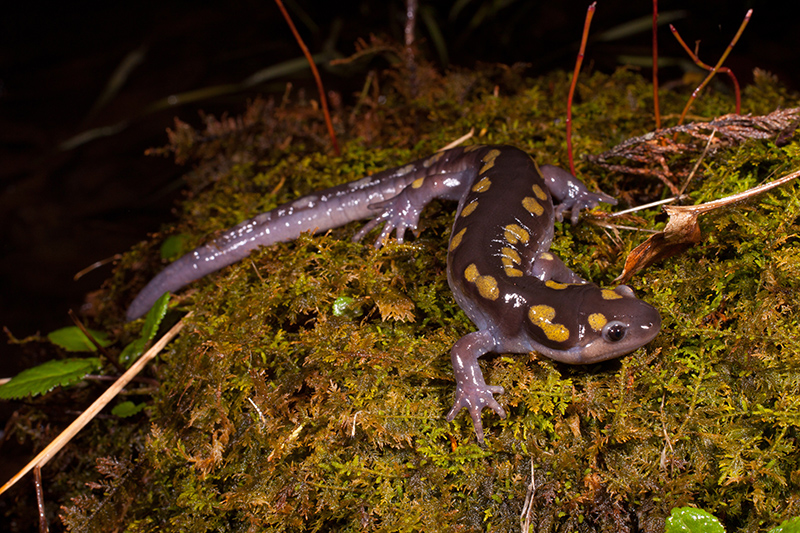
The Spotted Salamander (Ambystoma maculatum) is a common species of mole salamander. Photo credit: T. Travis Brown.
I have been asked some variation of this question multiple times over the past several years. Sometimes the “hellbender” is found in a barn, on a basement floor, crawling across a driveway, or occasionally in a pond. The common denominator is always that someone has found a salamander, and they are concerned it is an Eastern Hellbender that needs help.
I appreciate this concern. I am glad to see that people have become more aware of the existence of the Eastern Hellbender and that it is something worth helping. The Eastern Hellbender is an endangered species in Indiana, and we always welcome reports from concerned citizens. However, the Eastern Hellbender is a very rare species in Indiana and is uncommon throughout most of its range in the eastern United States. The species has been declining in Indiana over the past several decades and is now known only from the Blue River in Washington, Harrison, and Crawford Counties. For this reason alone, it is unlikely that anyone would find a Hellbender on their property.
However, another equally important reason that it is unlikely a Hellbender involves the species biology. The Eastern Hellbender is fully aquatic and lives exclusively in rivers and streams. Unlike most amphibians, its primary means of respiration is by absorbing oxygen directly from the water through its skin. One adaptation Hellbenders have evolved to help with oxygen absorption is the development of wavy skin-folds along the sides of their bodies. These skin-folds provide greater surface area for oxygen absorption. Hellbenders have lungs, but they do not function well enough to allow them to survive extended periods of time on land. Hellbenders have been found on land immediately next to rivers and streams, but this is rare and is generally considered an anomaly.
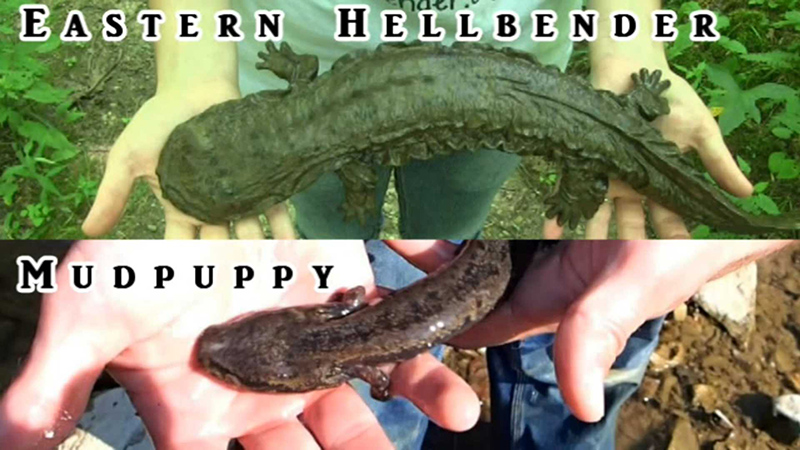
Top: Hellbender, Bottom: Common Mudpuppy.
While this rules out finding them on land away from rivers and streams, what about ponds and lakes? Hellbenders typically prefer clean, cool, swift flowing rivers and streams with a high oxygen content. These conditions are not typically found in ponds and lakes, and would make it unlikely that hellbenders would willingly reside in them. Moreover, these water bodies are usually landlocked with no close access from rivers and streams, and since hellbenders do not like to travel overland, they will likely never encounter a pond or lake.
There are two unlikely possibilities that might result in a Hellbender being found in a pond or lake. The first would be if someone captured a hellbender and moved it there. The second would be a pond or lake owner that lives in the floodplain of a river containing Hellbenders. Hellbenders do occasionally get dislodged by flooding and washed downstream. A large flood has the potential, however unlikely, to wash a Hellbender into a nearby pond. I am unaware of this ever happening, but it is a possibility.
So if you haven’t found a Hellbender, what have you found? If you found your salamander on land, it is very likely one of a group of salamanders known as mole salamanders. Mole salamanders are common throughout most of Indiana. They typically breed in ponds in the spring and then hide under logs or bury themselves underground. They are commonly found during spring breeding migrations and are frequently seen in large numbers. They often times find themselves wandering onto our properties and getting stuck in window wells or hiding themselves under rocks, firewood, or in our barns.
If you found your salamander in the water then it could be either the aforementioned mole salamander or a Common Mudpuppy. Mudpuppies are commonly confused with hellbenders and do live in ponds, wetlands, and creeks. Like the Hellbender, they are fully aquatic and don’t go on land except in very rare circumstances. Mudpuppies have large, fluffy gills behind their heads, which Hellbenders do not have. Mudpuppies also lack the skins folds along the sides of their bodies.
While most people will go their entire lives without ever seeing a Hellbender, if you live in the right areas it is a possibility. If you think you have seen a Hellbender, then please take a photo and let us know by visiting our Hellbender Reporting Webpage below. We are always happy to help.
Resources:
Hellbender ID – video, The Education Store, Purdue Extension resource center
HelptheHellbender.org, Purdue Extension
Help the Hellbender: North America’s Giant Salamander, The Education Store
Salamanders of Indiana, The Education Store
Appreciating Reptiles and Amphibians, The Education Store
Nick Burgmeier, Research Biologist and Extension Wildlife Specialist
Purdue Department of Forestry and Natural Resources
 If you or someone you know loves to learn about wildlife, especially reptiles and amphibians, then you will be interested in our new special offer package. We are offering our complete collection of reptile and amphibian field guides (4 softcover books) for 10% of the price of each individual book. These books cover all of the reptiles and amphibians that are found in the state of Indiana. They include detailed physical descriptions, distribution maps, and interesting information about the ecology of each species. All of the included books have been peer-reviewed by experts in the field of herpetology.
The Indiana Amphibian and Reptile ID Package can be purchased from the Purdue Education Store for $36.00.
Additional Resources, The Education Store, Purdue Extension:
Frogs and Toads of Indiana
Salamanders of Indiana
Snakes and Lizards of Indiana
Turtles of Indiana
More Resources Available:
Help the Hellbender, Purdue Extension
The Nature of Teaching, Lesson Plans K-12, Purdue Extension
Nick Burgmeier, Research Biologist and Extension Wildlife Specialist
Purdue Department of Forestry and Natural Resources

Recent Posts
- New Indiana Woodland Steward Newsletter
Posted: August 12, 2026 in Forestry, Urban Forestry, Wildlife, Woodlands - ID That Tree: Nannyberry Viburnum
Posted: July 22, 2026 in Forestry, Plants, Wildlife, Woodlands - ID That Tree: Eastern Swamp Privet
Posted: in Forestry, Plants, Wildlife, Woodlands - ID That Tree: Carolina Buckthorn
Posted: July 15, 2026 in Forestry, Wildlife, Woodlands - Identifying Evergreens
Posted: June 24, 2026 in Forestry, Wildlife, Woodlands - Pruning Highlight-Pollarding Trees: A Traditional Pruning Practice with Modern Uses
Posted: June 11, 2026 in Forestry, Forests and Street Trees, Urban Forestry, Wildlife, Woodlands - Danielle Howard Hired as FNR Extension Prescribed Fire Specialist
Posted: June 10, 2026 in Forestry, Wildlife, Woodlands - Flat-Faced Longhorn Beetle Found in Hardwood Logs – IDNR Division of Entomology
Posted: June 8, 2026 in Alert, Forestry, Forests and Street Trees, Invasive Insects, Urban Forestry, Wildlife, Woodlands - Connecting Research to Practice: Natural Resources & Land Use Spring Training
Posted: June 5, 2026 in Forestry, Forests and Street Trees, How To, Invasive Animal Species, Invasive Plant Species, Land Use, Natural Resource Planning, Urban Forestry, Wildlife, Woodlands - Spring Storms Are Coming: How to Reduce Tree Damage and Risk
Posted: May 1, 2026 in How To, Urban Forestry, Wildlife, Woodlands
Archives
Categories
- Alert
- Aquaculture/Fish
- Aquatic/Aquaculture Resources
- Ask the Expert
- Christmas Trees
- Community Development
- Disease
- Drought
- Forestry
- Forests and Street Trees
- Gardening
- Got Nature for Kids
- Great Lakes
- How To
- Invasive Animal Species
- Invasive Insects
- Invasive Plant Species
- Land Use
- Natural Resource Planning
- Nature of Teaching
- Plants
- Podcasts
- Ponds
- Publication
- Safety
- Spiders
- Timber Marketing
- Urban Forestry
- Webinar
- Wildlife
- Wood Products/Manufacturing
- Woodland Management Moment
- Woodlands