 Purdue University - Extension - Forestry and Natural Resources
Got Nature? Blog
USDA – U.S. Forest Service: There’s a new resource for teachers and kids in this month’s National Research Digest from USDA Forest Service Research. Read how Woodsy Owl and agency scientists lend a hand and care for the land with a journal for learners of all ages.

Photo from USDA Forest Service
The Woodsy Owl edition examines research on a variety of topics including how climate change affects owls in the Southwest, research on visitors to natural and landscaped areas in urban parks, how scientists identify characteristics of fisher habitats, and how forest planting decisions affect wildlife habitat for certain species. This journal also features sections where Woodsy Owl will share some ways that you can “Lend a Hand” and “Care for the Land.” You and your students can be a part of conserving our natural resources, protecting our environment, and enjoying all that nature has to offer!
This is a valuable educational tool that’s an engaging way for educators to use in teaching, making environmental research accessible to all ages and learning practical ways to make a difference.
Keep up with more research and news by subscribing to the USDA Forest Service National Research Digest.
Resources:
Creating a Wildlife Habitat Management Plan for Landowners, The Education Store, Purdue Extension’s resource center
A Template for Your Wildlife Habitat Management Plan, The Education Store
What a Waste of Food!, lesson plans, The Education Store, Purdue Extension’s resource center
Common Indiana Mammals: Natural History and Identification Sneak Peak Video, Nature of Teaching
Food Waste Lesson Plans, Nature of Teaching
The Nature of Teaching, YouTube channel
Conservation Tree Planting: Steps to Success – webinar, Purdue Extension-Forestry & Natural Resources (FNR) YouTube Channel
Planting Forest Trees and Shrubs in Indiana (pdf), located on The Education Store, Purdue Extension’s resource center
Planting and Care of Fine Hardwood Seedlings (pdf), located on The Education Store, Purdue Extension’s resource center
Managing Woodlands for Birds Video, Purdue Extension-Forestry and Natural Resources (FNR) YouTube Channel
Developing a Wildlife Habitat Management Plan, The Education Store
Subscribe to Purdue Extension-Forestry & Natural Resources YouTube Channel, Wildlife Playlist
Diana Evans, Extension & Web Communications Specialist
Purdue University Department of Forestry and Natural Resources
U.S. Department of Agriculture – Forest Service Research & Development
In this edition of ID That Tree, Purdue Extension Forester Lenny Farlee introduces us to trumpet creeper, a native vine commonly found throughout Indiana. Often noticed climbing trees and other structures, this species plays a visible role in many woodland edges and disturbed sites. Student, landowner or even just simply curious about the plants you see climbing through trees and along roadsides, this video provides a quick and informational introduction to trumpet creeper in Indiana.
If you have any questions regarding wildlife, trees, forest management, wood products, natural resource planning or other natural resource topics, feel free to contact us by using our Ask an Expert web page.
Resources:
ID That Tree – Video Playlist, Purdue Extension – Forestry and Natural Resources (FNR) YouTube Channel
Purdue Arboretum Explorer
Conservation Tree Planting: Steps to Success, Purdue Extension – FNR YouTube Channel
A Woodland Management Moment, Playlist, Purdue Extension – FNR YouTube Channel
Woodland Stewardship for Landowners, Playlist, Purdue Extension – FNR YouTube Channel
Indiana Department of Natural Resources: Invasive Species
Indiana Invasive Species Council
Cooperative Invasive Species Management Area (CISMA)
Report Invasive, Purdue Extension
Fifty Common Trees of Indiana, Purdue Extension – FNR
Habitat University, Episode 12 – Exploring the challenges of Invasive Species, Habitat University-Natural Resource University
Shrubs and Woody Vines of Indiana and the Midwest, Purdue University Press
Native Trees of the Midwest, Purdue University Press
Professional Forester, Indiana Forestry Woodland Owners Association
District Forester, Indiana Department of Natural Resources, 10+ acres
Find an Arborist, International Society of Arboriculture
Forest Improvement Handbook, The Education Store
Lenny Farlee, Extension Forester
Hardwood Tree Improvement and Regeneration Center
Purdue Department of Forestry & Natural Resources
Explore the latest newsletter updates on the Indiana Woodland Steward website. Stay up-to-date with forestry news and receive their free e-newsletter by subscribing at IWS Subscribe.
Highlights from the new Newsletter include:
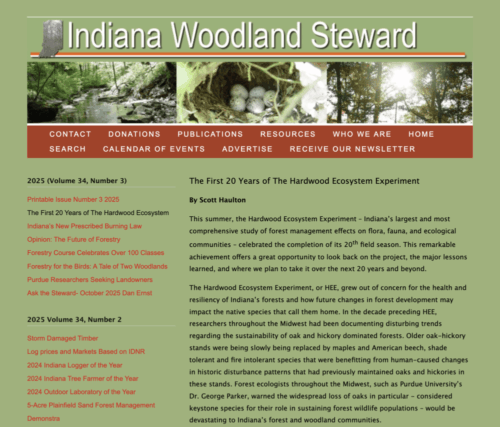 The First 20 Years of The Hardwood Ecosystem Experiment
By Scott Haulton
“This summer, the Hardwood Ecosystem Experiment – Indiana’s largest and most comprehensive study of forest management effects…”- Information on Indiana’s New Prescribed Burning Law
By Rob McCrea
“On July 1st, 2025, Indiana’s newly enacted law on prescribed burning took effect. This law does not.. - Opinion: The Future of Forestry
By Liz Jackson
“For decades the approach to forestry in Indiana has been one of restoration and recovery from the years of overcutting and abandonment…” - Purdue Extension Forestry Course Celebrates Over 100 Classes
“Forest Management for the Private Woodland Owner Course,” sometimes referred to as the Purdue Forestry short course…” - Forestry for the Birds: A Tale of Two Woodlands
By Dr. Jessica Outcalt
“Once upon a time, a few centuries ago, a woodland grew in a river valley of central Indiana. The people who managed this grove…” - Purdue Researchers Seeking Landowners
“In natural resource management, there is a need to understand the densities of wildlife species to determine hunting quotas, issue take permits, and predict…” - Ask the Steward
by Dan Ernst
“Question: Why does my glyphosate foliar treatment sometimes seem ineffective?”
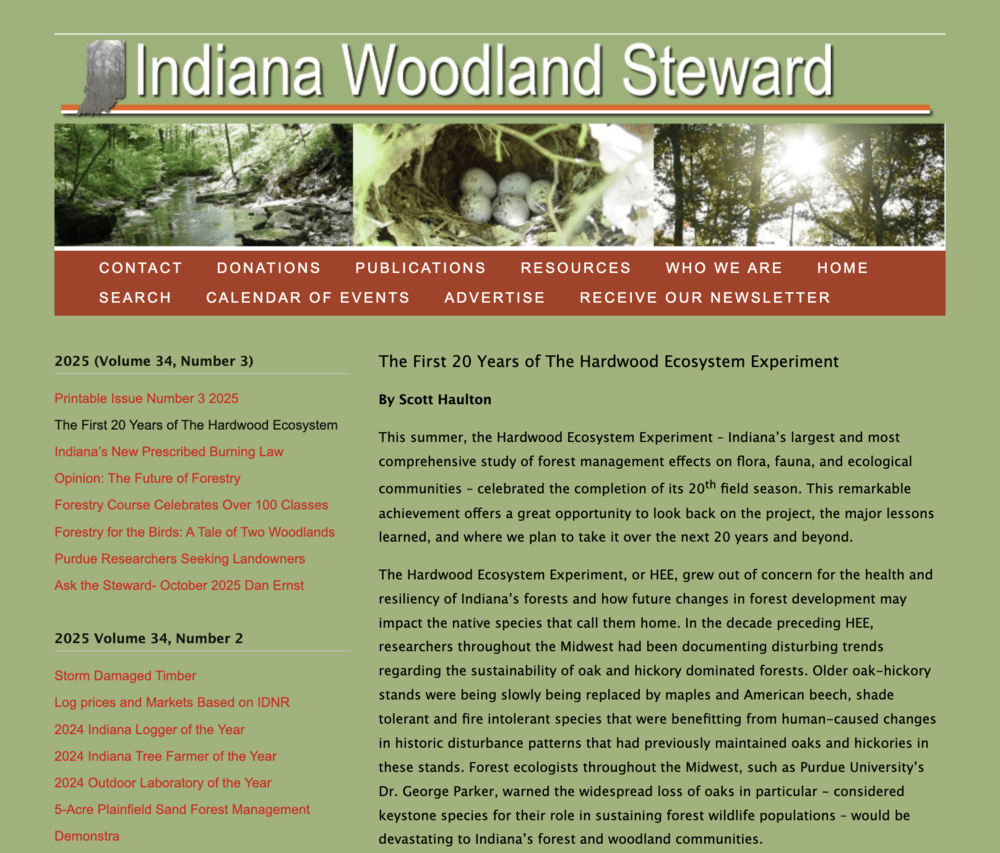
The Indiana Woodland Steward Newsletter is a resource offering a wealth of valuable information for foresters, woodland owners, timber marketing specialists, woodland and wildlife enthusiasts. The Indiana Woodland Steward Institute (IWS) is an entity made from 11 organizations within the state including Purdue University, Indiana Department of Natural Resources (DNR), and Indiana Hardwood Lumbermen’s Association (IHLA), that works to promote best usage practices of Indiana’s woodland resources through their Woodland Steward publication.
Resources
Hardwood Ecosystem Experiment (HEE) website
Hardwood Ecosystem Experiment – Wildlife Responses to Timber Harvesting, Purdue Extension
Forest Improvement Handbook, The Education Store
Invasive plants: impact on environment and people, The Education Store
Managing Your Woods for White-Tailed Deer, The Education Store
Shrubs and Woody Vines of Indiana and the Midwest, Purdue University Press
Virtual Tour Brings Forest Management for Birds to Life, Got Nature? Blog Post, Purdue Extension – Forestry and Natural Resources (FNR)
Breeding Birds and Forest Management: the Hardwood Ecosystem Experiment and the Central Hardwoods Region, The Education Store
Deer Impact Toolbox, Purdue Extension
Grassland Management Series, Purdue Extension Pond and Wildlife Management
Birdfeeder tips, The National Audubon Society
Explore the Rich World of Oaks with Purdue FNR Extension & Partners, Purdue Extension – FNR
Managing Woodlands for Birds Video, Purdue Extension-Forestry and Natural Resources YouTube Channel
Subscribe: Deer, Forest Management, ID That Tree, Woodland Management Moment, Invasive Species and many other topic video playlists Purdue Extension-Forestry and Natural Resources YouTube Channel
Dan McGuckin, President
Indiana Woodland Steward
Dr. Brian MacGowan, Extension Wildlife Specialist
Department of Forestry & Natural Resources, Purdue University
Do you want to learn more about trees, forests and how to better manage your woodlands for a variety of purposes?
Sign up for one of four upcoming editions of the award-winning Forest Management for the Private Woodland Owner course in Spring 2026. The course received the 2024 Family Forests Education Award from the National Woodland Owners Association (NWOA) and the National Association of University Forestry Resources Programs (NAUFRP).
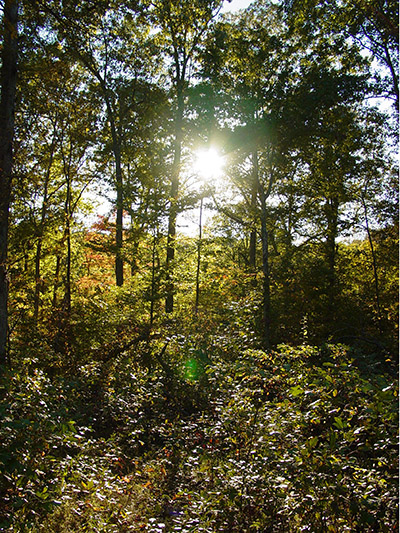
Forest Management for the Private Woodland Owner introduces forest landowners to the biology and management of forests. Topics covered include tree identification, forest biology and history, forest management planning and practices, wildlife management, considerations for selling timber, forest economics and taxation, and resources and assistance available to forest landowners.
 According to survey results from course participants in 2021, “94.4% stated that the information was useful to help them make future decisions and 92.5% stated that the information was useful to help act to manage their property objectives.”
Ron Rathfon is set to teach an eight-week version of the course at the Southern Indiana Purdue Agricultural Center (SIPAC) in Dubois, Indiana, from January 26 to March 16.
The course will meet on Monday evenings (6-9 p.m.) at 11371 East Purdue Farm Rd., and also will include one Saturday field session. Class size is limited to 40 registrants. Advanced registration is required by Jan. 16. Cost is $50 with couples/family registration available for $30 for each additional person.
Those interested should contact Amity Traylor, District Coordinator with the Pike County Soil & Water Conservation District at 812-354-6120 ext. 3 or pikecoswcd@gmail.com to receive a brochure and registration form as well as payment information.
Purdue Extension forester Lenny Farlee will teach two iterations of the course in Tippecanoe County, beginning on Feb. 18 and March 5 respectively.
- A virtual course is slated to begin on Wednesday Feb. 18. The course will feature three live online meetings during which participants may ask questions and receive updated information from the course instructor related to the recorded videos available to view at any time by the registrants. Live meetings are set for Feb. 18, March 11 and April 1. Full registration fee is $15. Registration for this virtual edition is available online through Feb. 13.
- Farlee also will teach an in-person edition of the course, meeting on Thursday evenings from March 5 to April 23 at the John S. Wright Center (1007 N 725 W, West Lafayette, IN 47906). In addition to the eight evening meetings (from 6-9 p.m. ET), the course will include two Saturday field days, which will provide in-person experience with forest biology and management demonstrations and instruction. Full registration fee ($50) includes handouts, flash drive with class reference resources and a tree measuring stick. Guest registration fee ($30) includes class handouts. Visit Forest Management for the Private Woodland Owner Event webpage to learn more and register by February 28th.
Veronica Bullock and Dave Osborne will be teaching a program in Franklin County from Feb. 10 to March 31.
The course will take place on Tuesdays from 5:30 – 8:30 p.m. ET at the Franklin County Public Library – 919 Main Street, Brookville, IN 47012. This course also will include a field tour at the Southeast Purdue Agriculture Center (4426 County Road 360 North, Butlerville, IN 47223) on March 21. Registration is available online. Contact Bullock with any questions at bullockv@purdue.edu.
To view this article along with other news and stories posted on the Purdue Forestry and Natural Resources website view: FNR Extension Set to Offer Four Editions of Forest Management for the Private Woodland Owner Course in Spring 2026.
Resources:
Woodland Stewardship for Landowners YouTube Playlist, Purdue Extension – FNR
Wildlife Habitat Hint YouTube Playlist, Purdue Extension – FNR
Woodland Management Moment YouTube Playlist, Purdue Extension – FNR
Invasive Species YouTube Playlist, Purdue Extension – FNR
Forest Management for the Private Woodland Owner Course – Got Nature? Blog, Purdue Extension – Forestry and Natural Resources
Report Invasive Species, Purdue Invasive Species
Finding help from a professional forester, Indiana Forestry & Woodland Owners Association
Forest Improvement Handbook, The Education Store, Purdue Extension resource center
Indiana Woodland Steward Institute
Hardwood Ecosystem Experiment (HEE)
Hardwood Tree Improvement & Regeneration Center (HTIRC)
Help the Hellbender
The Nature of Teaching
Pond and Wildlife Management, Website
Sustainable Communities and Community Planning, Purdue Extension
Subscribe Purdue Extension – Forestry and Natural Resources YouTube Channel
Wendy Mayer, FNR Communications Coordinator
Purdue University Department of Forestry and Natural Resources
Join Purdue Extension forester Lenny Farlee in this episode of “A Woodland Management Moment” as he discusses the presence of black walnut within a pine plantation. This episode explores how hardwood species like black walnut can become established in planted pine stands and what that means for woodland management decisions. Watch the video to learn about opportunities, challenges and considerations for managing mixed-species woodlands over time.
A good resource to learn more is the Walnut Council website. Founded in 1970, the Walnut Council is an international association representing nearly 700 woodland owners, foresters, forest scientists, and wood-producing industry representatives in 45 states and three foreign countries. The purpose is to assist in the technical transfer of forest research to field applications, help build and maintain better markets for wood products and nut crops, and to promote sustainable forest management, conservation, reforestation, and utilization of American black walnut (Juglans nigra) and other high quality fine hardwoods.
If you have any questions regarding trees, forests, wildlife, wood products, or other natural resource topics, feel free to contact us by using our Ask an Expert web page.
Resources:
A Woodland Management Moment, Playlist, Purdue Extension – Forestry and Natural Resources (FNR) YouTube Channel
The Nature of Oaks Webinar, Purdue Extension-FNR YouTube Channel, Shared from Indiana Forestry & Woodland Owners Association
Conservation Tree Planting: Steps to Success, Purdue Extension – FNR YouTube Channel
Shrubs and Woody Vines of Indiana and the Midwest, Purdue University Press
Native Trees of the Midwest, Purdue University Press
ID That Tree, Playlist, Purdue Extension – FNR YouTube Channel
Investing in Indiana Woodlands, The Education Store
Woodland Stewardship for Landowners Video Series, Playlist, Indiana Department of Natural Resources YouTube Channel
Ask an Expert: Tree Selection and Planting, Purdue Extension – FNR YouTube Channel
Forest Improvement Handbook, The Education Store
Find an Indiana Professional Forester, Indiana Forestry & Woodland Owners Association (IFWOA)
Purdue Arboretum Explorer
Lenny Farlee, Extension Forester
Hardwood Tree Improvement and Regeneration Center
Purdue Department of Forestry & Natural Resources
Once the leaves have fallen and the landscape is dominated by shades of brown and gray, bright colors like red catch our attention. There are several red fruits that we may encounter in the late fall and winter here in Indiana that add some color to the landscape. These fruits are retained on trees and shrubs for a variety of reasons. Some are not as palatable to wildlife, so they are eaten later in the season. Some are more resistant to freeze damage and thus cling to branches longer than delicate fruits. There may also be an advantage to their appearance. Many of these plants have seeds dispersed by wildlife like birds, which eat the seeds and excrete them later, providing an opportunity to produce new plants away from the parent. Many birds can see much of the same color spectrum we do, plus enhanced vision in the ultra-violet bands. Brightly-colored seeds with waxy skins may reflect more ultra-violet light and be more noticeable to the birds.
What are some of those red fruits?
One family of plants accounts for several red fruit we can see in late fall and winter, the rose family. This family includes apples, plums, cherries, hawthorns, pears and others as well as the roses. In Indiana we have several hawthorns (Crataegus species) that produce a fruit resembling a tiny apple. These vary in size by species but are typically ¼ to ½ inch diameter and often held in clusters. Hawthorns are typically small trees and may have long thin thorns on the twigs.

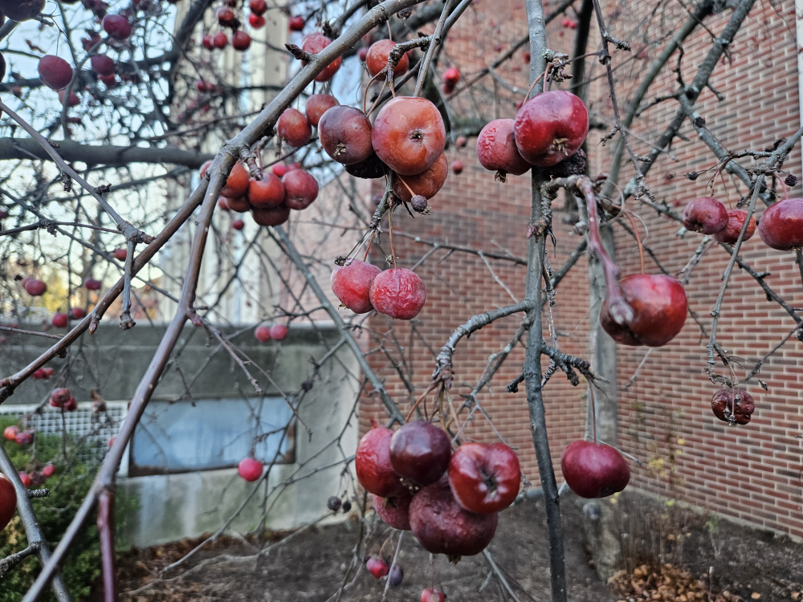
Another rose family member are the apples and crabapples with some small native trees like sweet crabapple, Malus coronaria, and several varieties of fruit-bearing apples and ornamental crabapples planted but sometimes escaping to natural areas. While our native crabapples are usually about 1-2 inches diameter and green to yellow, the domesticated apples and crabapples often have red fruit in various sizes from large apples to ½ inch diameter crabapples.

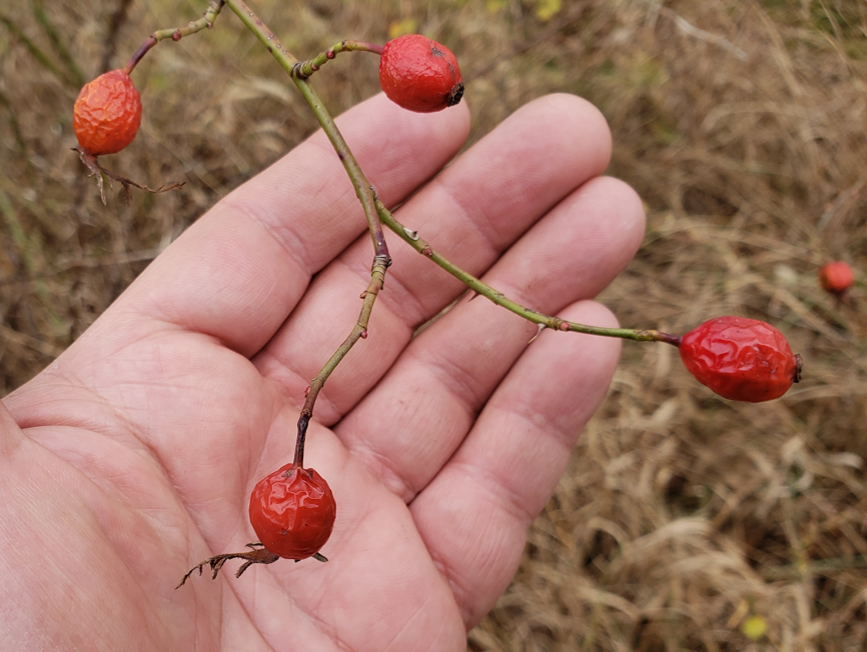
We also have several beautiful native roses in Indiana, and a particularly problematic exotic invasive rose in multiflora rose. Unfortunately, you are more likely to encounter multiflora rose with small ¼ inch clusters of red fruit. Our native roses typically have larger fruit and fewer fruit per cluster.

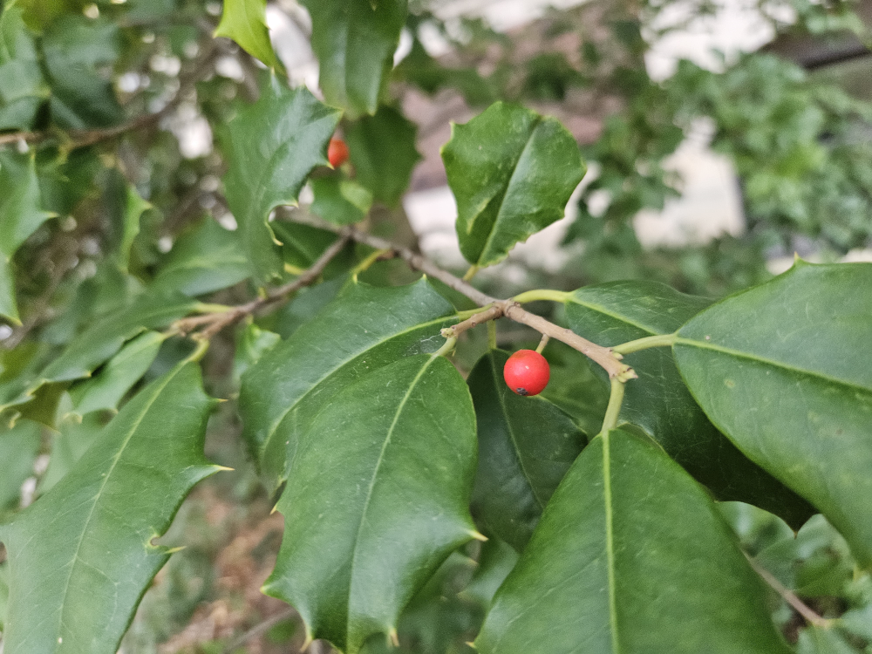
Holly is also noted for red fruit and some being evergreen as well. Our native Indiana hollies are all deciduous, losing their leaves in the fall but often retaining the red fruit on the female plants into winter. The most widespread species is winterberry, Ilex verticillate, a shrub which is seeing more use ornamentally due to its striking red fruit held past Christmas most years. American holly, an evergreen broadleaved tree, is well-known for its glossy, spiny foliage and red fruit on the female trees. Although not native to Indiana, it is spreading from plantings into natural areas. Several evergreen hollies from Europe and Asia are also common in ornamental plantings and may escape into natural areas.
Not only are these late-season showy fruit attractive, but they also provide some important nourishment for wildlife when the many other fruits are long-gone.
Resources:
Ask An Expert: Holidays in the Wild, Purdue Extension – Forestry and Natural Resources (FNR) YouTube Channel
Selecting a Real Christmas Tree, Got Nature? Blog Post, Purdue Extension – FNR
Tips on How You Can Recycle Your Christmas Tree, Got Nature? Blog Post, Purdue Extension – FNR
ID That Tree, Playlist, Purdue Extension – FNR YouTube Channel
ID That Tree: Prickly Ash, Purdue Extension – FNR YouTube Channel
A Woodland Management Moment, Playlist, Purdue Extension – FNR YouTube Channel
Shrubs and Woody Vines of Indiana and the Midwest, The Education Store, Purdue Extension Resource Center
Native Trees of the Midwest, The Education Store
Investing in Indiana Woodlands, The Education Store
Forest Improvement Handbook, The Education Store
Tree Installation: Process and Practices, The Education Store
Tree Planting Part 1: Choosing a Tree, video, The Education Store
Lenny Farlee, Extension Forester
Hardwood Tree Improvement and Regeneration Center
Purdue Department of Forestry & Natural Resources
The Purdue FNR extension team was named as a recipient of the Family Forests Comprehensive Education Program Award presented by the National Woodland Owners Association (NWOA) and National Association of University Forest Resources Programs (NAUFRP).
The award, which is the nation’s top honor for forestry extension programming, recognizes superior performance across nine rigorous criteria, celebrating the standard of excellence for the profession. Drs. Zhao Ma and Mike Saunders received the award on the team’s behalf at the NAUFRP annual meeting at the 2025 Society of American Foresters (SAF) national convention in Hartford, Connecticut, in October.
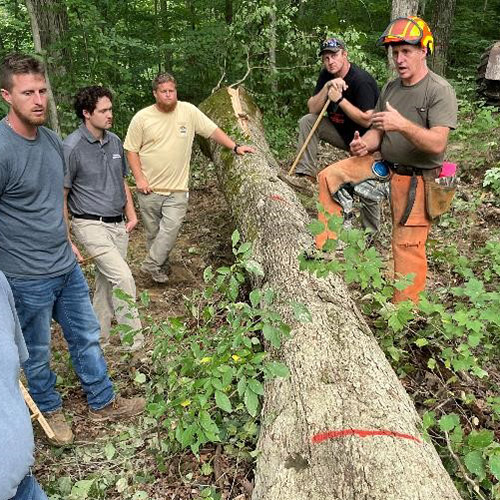 The Family Forests Comprehensive Education Program Award criteria includes:
- Faculty involved (including number and multi-disciplinary involvement)
- Educational needs assessment (including involvement of clients)
- Educational materials, events and other resources used
- Applied research incorporated
- Collaborations among disciplines, agencies and organizations
- Results, impacts or outcomes
- Evidence of program quality
- Degree of innovation
- Emulation of the program by others
NAUFRP extension chair Bill Hubbard, who oversaw the competition said “After a thorough review by our three judges and myself, the committee determined that both the University of Minnesota and Purdue University programs demonstrated such profound and differentiated excellence across the nine core criteria that it was decided to recognize them both.”
According to the NAUFRP announcement, “Purdue’s program was honored for its massive scale, its deep connection to a long-term research asset, and its commitment to building future workforce capacity.”
Program highlights include:
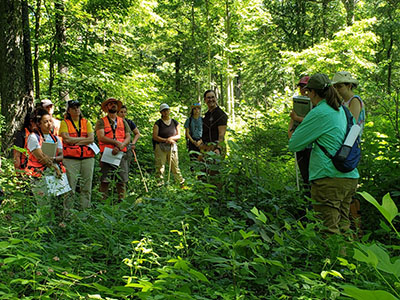
- HEE Integration: The program directly integrates findings from the Hardwood Ecosystem Experiment (HEE)—a 100-year research study—into its curriculum, providing landowners with unbiased, real-time data on management issues like oak/hickory regeneration and wildlife response to timber harvest.
- Economic & Ecological Scale: The program supports the multibillion-dollar hardwood industry by having an impact on over 57,000 acres and engaging a network of tens of thousands of landowners through its extensive publications.
- Curricular Innovation: Purdue was recognized for its pioneering move to formally incorporate Extension training into its undergraduate and graduate curricula, ensuring the next generation of forestry professionals is equipped with crucial outreach skills.
The Purdue team includes five faculty and nine professional staff members. Over the past five years, the group boasts many standout accomplishments including:

- Development of publications that have been downloaded more than 2.1 million times
- Publication and dissemination of the Indiana Woodland Steward newsletter, which has reached more than 31,000 family forest owners, impacting more than 1.2 million acres
- Creation of 215 training programs, which reached more than 50,000 landowners, impacting more than 57,000 acres of woodlands
- Production of 249 videos, downloaded more than 750,000 times, and 38 podcast episodes, reaching more than 50,000 listeners in the United States alone. Videos can be accessed on the FNR Extension YouTube channel. The Habitat University podcast is available as part of the Natural Resources University network.
- Awarded more than $4.4 million in extramural funding for faculty and staff
- Formally incorporated undergraduate and graduate students in Extension at the programmatic level
In the nomination packet, team personnel stated “We aim to address family forest owner needs through collaboration with many stakeholders. Our family forest education serves family forest owners, professional advisors, an industry that receives most of their product base from family forests and the general public who influence policy decisions affecting family forest owners. Our program focuses on adoption or maintenance of stewardship practices (e.g., invasive plant control, timber harvesting), developing or improving forestland planning, and engaging peer and professional advice. In doing these, family forest owners can make informed decisions that meet their personal land management objectives while enhancing the resource for all residents.”
Team members include:
- Jarred Brooke – Extension wildlife specialist; Specializing in wildlife conservation, habitat management and deer impact
- Diana Evans – Extension and web communications specialist; Specializing in website design and communications
- Lenny Farlee – Extension forester; Specializing in forest regeneration, hardwood management and genetics
- Dr. Rado Gazo – professor of wood processing and industrial engineering; Specializing in secondary wood products manufacturing processes
- Dr. Eva Haviarova – professor of wood products; Specializing in strength design and product engineering of furniture and product sustainability
- Liz Jackson – engagement specialist with the Indiana Forestry and Woodland Owners, Walnut Council and Purdue Hardwood Tree Improvement and Regeneration Center; Specializing in black walnut, oaks and landowner engagement
- Dr. Doug Jacobs – Fred M. van Eck professor of forest biology; Specializing in forest ecology, silviculture, regeneration and restoration
- Dr. Brian MacGowan – Extension wildlife specialist and extension coordinator; Specializing in wildlife habitat management, wildlife conservation and wildlife damage
- Wendy Mayer – communications coordinator; Specializing in social media and communications
- Jessica Outcalt – natural resources training specialist; Specializing in natural resources, conservation and professional development
- Henry Quesada – professor, assistant director of Extension and ANR program leader; Specializing in wood products, hardwood lumber, biomaterials, hardwood markets and industry
- Ron Rathfon – regional extension forester; Specializing in forest management, timber marketing, tree planting, oak regeneration and ecology and invasive vegetation management
- Dr. Mike Saunders – professor of ecology and natural resources; Specializing in disturbance-based silviculture, growth and yield, modeling, disturbance ecology and management effects on wood quality.
- Kat Shay – HEE forest project coordinator; Specializing in environmental science and restoration
From 2020 to 2024, the FNR Family Forest Education extension team conducted 788 programs, covering 1,005 sessions and including more than 50,000 individual contacts.
To view the original article along with other news and stories posted on the Purdue Forestry and Natural Resources website view: FNR Extension Team Receives Family Forests Comprehensive Education Award.
Resources:
Woodland Stewardship for Landowners YouTube Playlist, Purdue Extension – FNR
Wildlife Habitat Hint YouTube Playlist, Purdue Extension – FNR
Woodland Management Moment YouTube Playlist, Purdue Extension – FNR
Invasive Species YouTube Playlist, Purdue Extension – FNR
Forest Management for the Private Woodland Owner Course – Got Nature? Blog, Purdue Extension – Forestry and Natural Resources
Report Invasive Species, Purdue Invasive Species
Finding help from a professional forester, Indiana Forestry & Woodland Owners Association
Forest Improvement Handbook, The Education Store, Purdue Extension resource center
Indiana Woodland Steward Institute
Hardwood Ecosystem Experiment (HEE)
Hardwood Tree Improvement & Regeneration Center (HTIRC)
Help the Hellbender
The Nature of Teaching
Pond and Wildlife Management, website
Community Development, Purdue Extension
Subscribe Purdue Extension – Forestry and Natural Resources YouTube Channel
Wendy Mayer, FNR Communications Coordinator
Purdue University Department of Forestry and Natural Resources
In this edition of ID That Tree, Purdue Extension Forester Lenny Farlee introduces us to Norway Spruce, a non-native conifer that has become a familiar sight across Indiana. Originally brought over from Europe, this species is now commonly planted for windbreaks, landscaping and reforestation. Learn how to recognize its distinctive shape and why it’s often chosen for both farms and front yards. Whether you’re a student, landowner or simply curious about the trees around you, this video offers a quick look at one of Indiana’s most widespread introduced evergreens.
If you have any questions regarding wildlife, trees, forest management, wood products, natural resource planning or other natural resource topics, feel free to contact us by using our Ask an Expert web page.
Resources:
ID That Tree – Video Playlist, Purdue Extension – Forestry and Natural Resources (FNR) YouTube Channel
Purdue Arboretum Explorer
Conservation Tree Planting: Steps to Success, Purdue Extension – FNR YouTube Channel
A Woodland Management Moment, Playlist, Purdue Extension – FNR YouTube Channel
Woodland Stewardship for Landowners, Playlist, Purdue Extension – FNR YouTube Channel
Fifty Common Trees of Indiana, Purdue Extension – FNR
Indiana Invasive Species Council
Cooperative Invasive Species Management Area (CISMA)
Report Invasive, Purdue Extension
Habitat University, Episode 12 – Exploring the challenges of Invasive Species, Habitat University-Natural Resource University
Shrubs and Woody Vines of Indiana and the Midwest, Purdue University Press
Native Trees of the Midwest, Purdue University Press
Professional Forester, Indiana Forestry Woodland Owners Association
District Forester, Indiana Department of Natural Resources, 10+ acres
Find an Arborist, International Society of Arboriculture
Forest Improvement Handbook, The Education Store
Lenny Farlee, Extension Forester
Hardwood Tree Improvement and Regeneration Center
Purdue Department of Forestry & Natural Resources
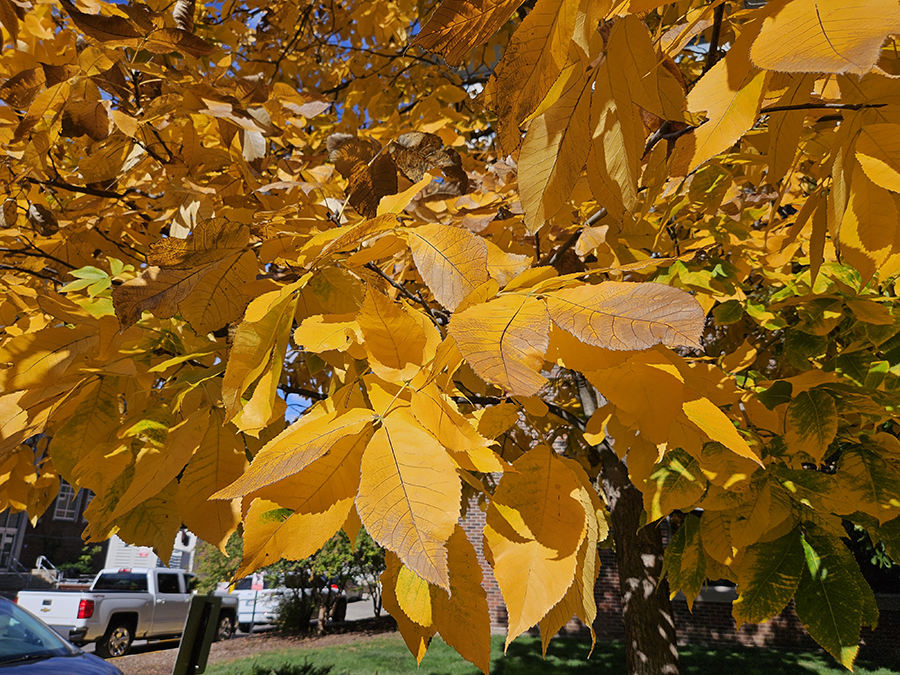
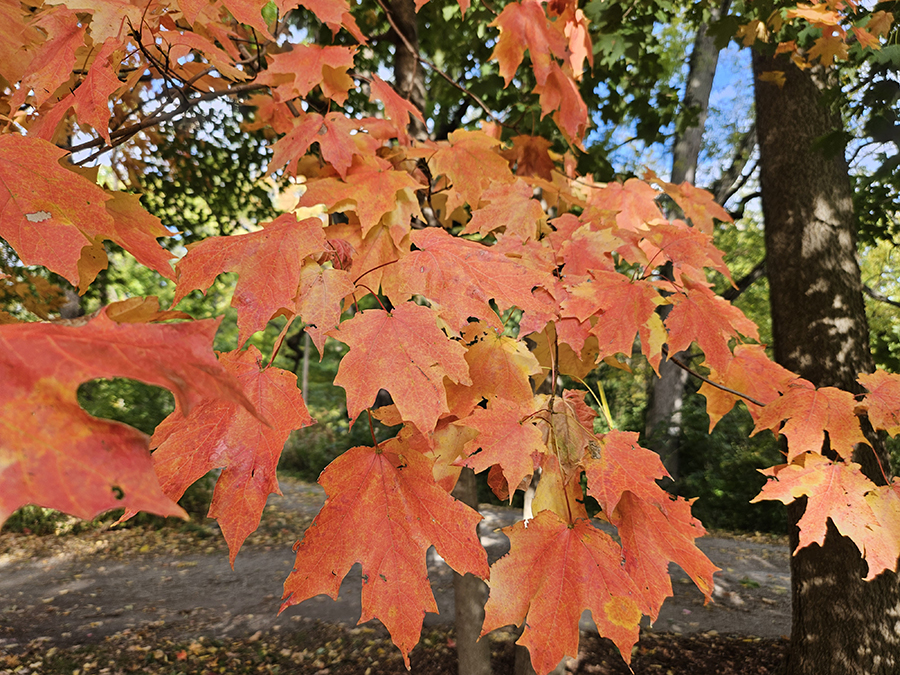
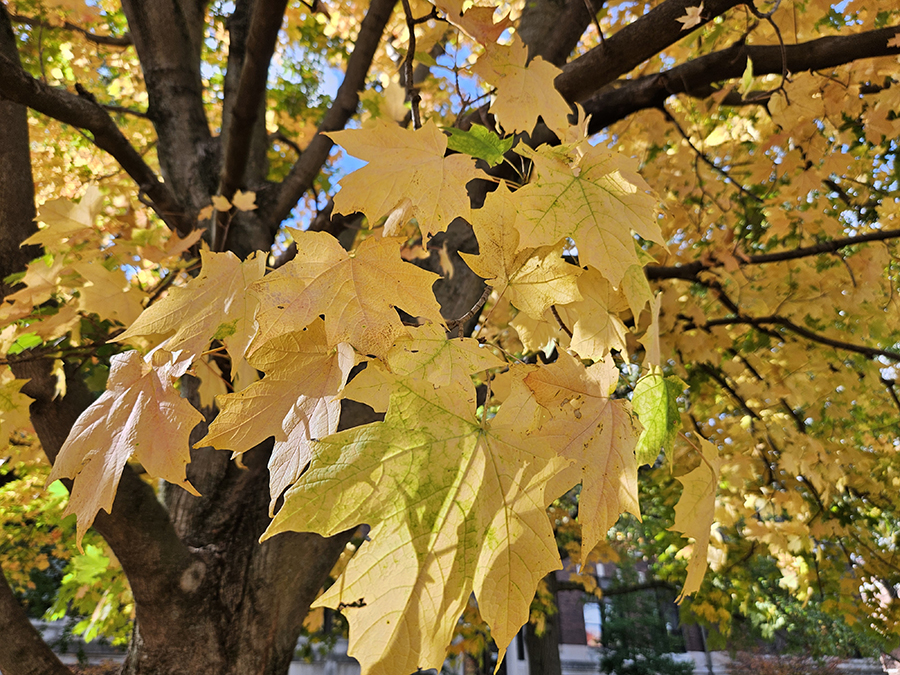
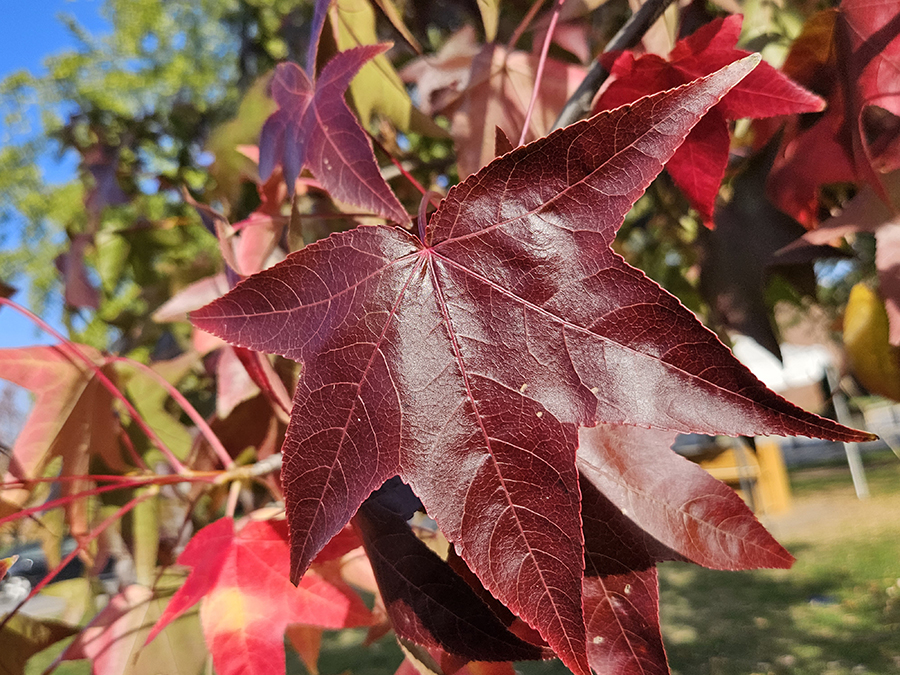
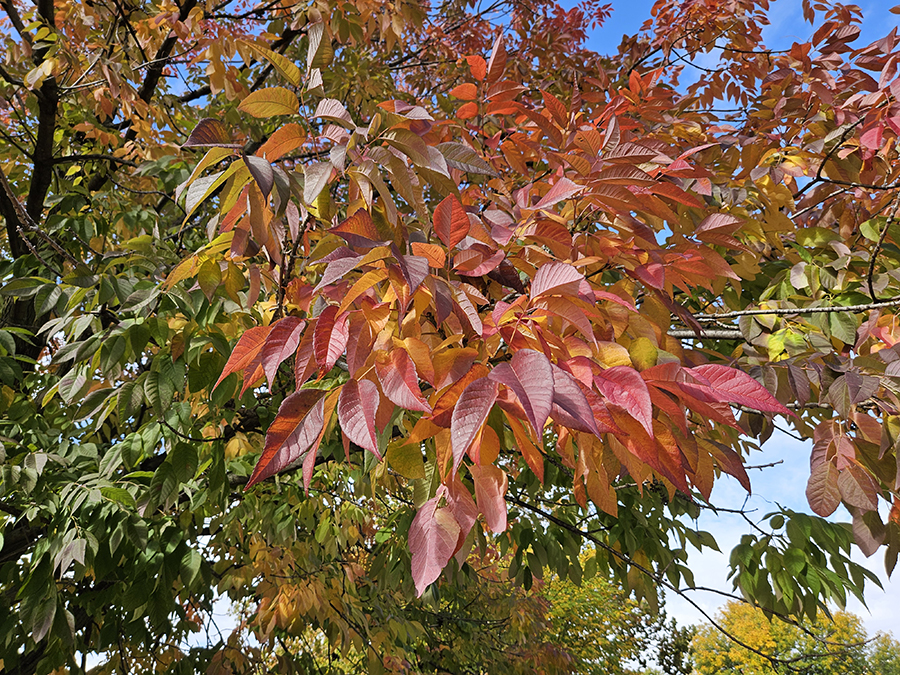
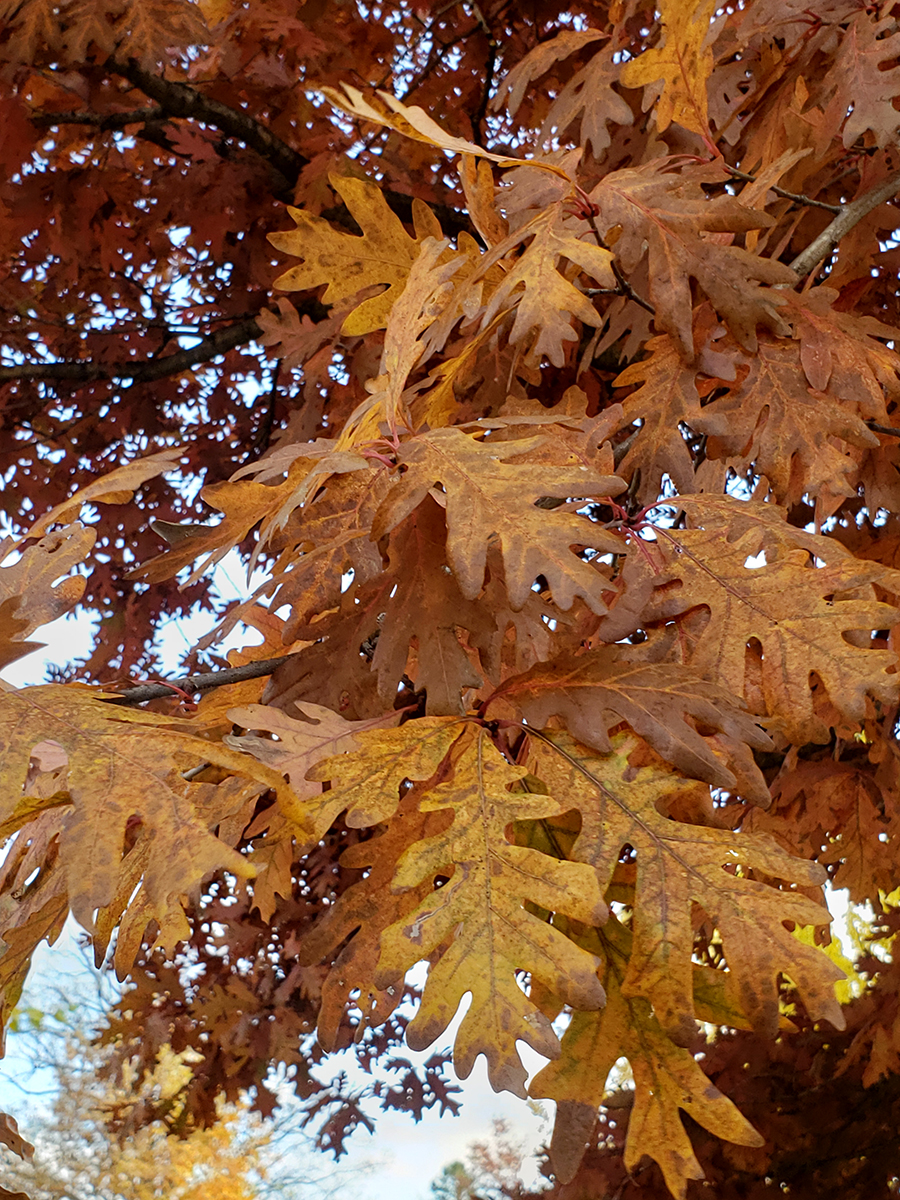
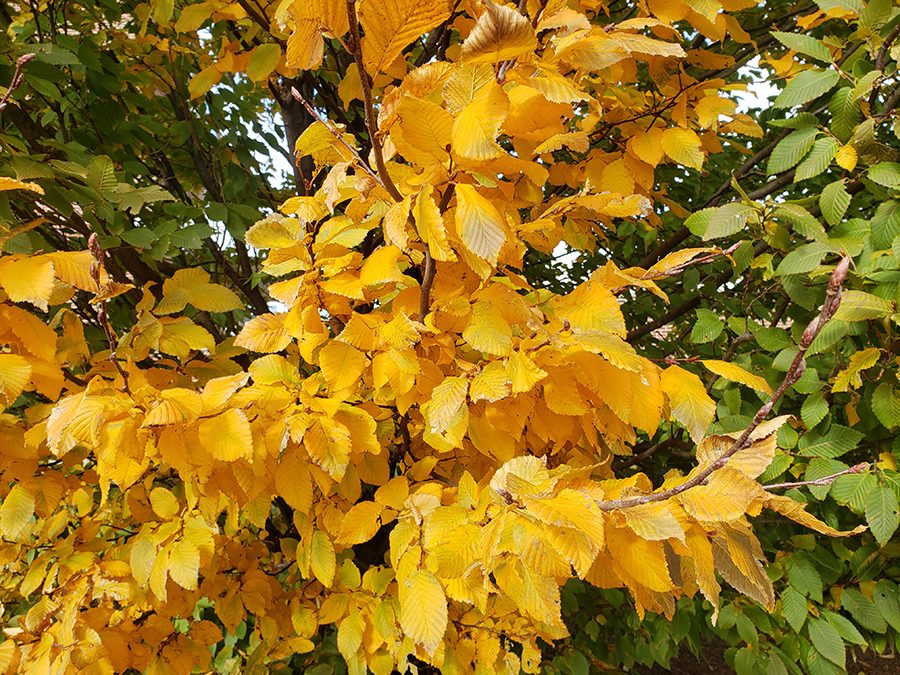
Several things come into play when it comes to determining the colors that we find on leaves of our trees. As our days get shorter and our nights get longer there is a chemical change that happens in the tree. In this video Lenny Farlee talks about the several pigments that are found in trees and what changes from summer to fall that brings us the bright colors on leaves.
Explore IndyStar Story Behind Our Fall Colors
For more on what determines the specific colors our leaves turn and how weather and other factors influence the fall display check out this recent IndyStar article: What determines what color leaves turn in the fall? The story features insights from Lenny Farlee, Purdue Extension forester, who shares his expertise on the science and beauty behind Indiana’s fall foliage.
Fall Foliage by Tree Species (click on the image to expand)



Resources:
Indiana Fall Foliage Map, Explore Fall
Why Fall Color is Sometimes a Dud, Purdue Landscape Report
U.S. Forest Service Website and Hotline, Highlight Fall Colors on National Forests
ID That Tree Fall Color: Sugar Maple, Purdue Extension – Forestry and Natural Resources YouTube Channel, ID That Tree Playlist
ID That Tree Fall Color Edition: Black Gum, Purdue Extension – FNR YouTube Channel, ID That Tree Playlist
ID That Tree Fall Color Edition: Shagbark Hickory, Purdue Extension – FNR YouTube Channel, ID That Tree Playlist
ID That Tree Fall Color Edition: Virginia Creeper, Purdue Extension – FNR YouTube Channel, ID That Tree Playlist
ID That Tree Fall Color Edition: Winged Sumac, Purdue Extension – FNR YouTube Channel, ID That Tree Playlist
Autumn Highlights Tour – South Campus, Purdue Arboretum Explorer
Why Leaves Change Color – the Physiological Basis, The Education Store, Purdue Extension resource center
ID That Tree, Playlist, Subscribe to Purdue Extension – Forestry and Natural Resources YouTube Channel
Lenny Farlee, Extension Forester
Purdue University Department of Forestry and Natural Resources
Hardwood Tree Improvement & Regeneration Center (HTIRC)
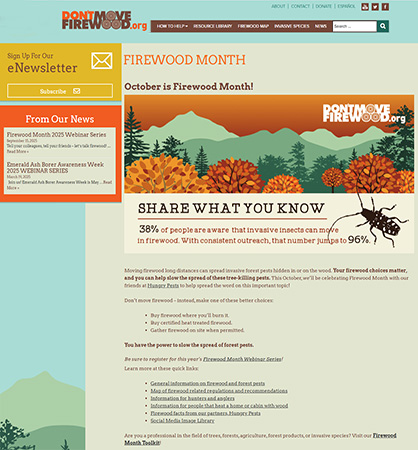
As the crisp autumn air settles in and campfires become a seasonal staple, October brings an important reminder: your firewood choices matter. That’s why October is officially Firewood Month, a nationwide campaign to raise awareness about the risks of moving firewood and the spread of invasive forest pests.
 Why “Don’t Move Firewood” Matters
Transporting firewood, even just a few miles, can unintentionally spread destructive pests like emerald ash borer, Asian longhorned beetle and spongy moth. These invaders often hide inside or on firewood, threatening Indiana’s forests, parks and urban trees.
The Don’t Move Firewood website offers excellent resources to help you make informed choices. Whether you’re heating a cabin, heading out to hunt, or planning a backyard bonfire, they recommend:
- Buying firewood where you’ll burn it
- Choosing certified heat-treated wood
- Gathering wood on-site when permitted
You can also explore their Firewood Month Toolkit, maps of regulations and a webinar series designed for professionals and outdoor enthusiasts alike.
While October is Firewood Month, the risk of spreading invasive pests lasts well beyond the fall. Many forest pests remain a threat throughout the year. Adults may still be visible until the first hard freeze, and egg masses can be observed from now through June. The spotted lanternfly females lay egg masses in late summer through early winter, often peaking in October. These masses can survive through winter and hatch in the spring. Learn more about the Spotted Lanternfly from the Indiana Department of Natural Resources. This is why it’s important to practice safe firewood habits year-round.
Spotlight on ReportINvasive
Check out the latest post on the ReportINvasive Facebook which reinforces the importance of Firewood Month. ReportINvasive is a trusted source for updates on invasive species in Indiana, and their social media outreach is a great way to stay informed and engaged. Give the Facebook page a LIKE and FOLLOW for future webinars and workshops.
Concerned About Insects? Purdue Extension Entomology Can Help
 If you suspect insect damage or want to learn more about forest pests, the Purdue Extension Entomology team is an outstanding resource. Their experts provide science-based guidance on insect identification, management strategies, and outreach materials to help protect Indiana’s ecosystems.
Let’s work together to keep Indiana’s forests healthy and resilient. This October, make the smart choice—don’t move firewood!
More Resources
Spotted Lanternfly – including map sharing locations, Indiana Department of Natural Resources
October is Firewood Awareness Month!, Purdue Landscape Report
Indiana Department of Natural Resources: Invasive Species
Indiana Invasive Species Council
Cooperative Invasive Species Management Area (CISMA)
Aquatic Invasive Species, Illinois-Indiana Sea Grant (IISG)
Emerald Ash Borer Information Network, Purdue University and Partners
Invasive plants: impact on environment and people, The Education Store, Purdue Extension’s resource center
Entomology Weekly Review, Indiana Department of Natural Resources, Division of Entomology & Plant Pathology
Division of Entomology & Plant Pathology, Indiana Department of Natural Resources
Diana Evans, Extension and Web Communication Specialist
Purdue University Department of Forestry and Natural Resources

Recent Posts
- ID That Tree: Dwarf Chinkapin Oak
Posted: March 20, 2026 in Forestry, Urban Forestry, Wildlife, Woodlands - DNR Hiring for Indiana Conservation Officer Positions, MyDNR
Posted: March 9, 2026 in Urban Forestry, Wildlife, Woodlands - ID That Tree: Shumard Oak
Posted: in Plants, Urban Forestry, Wildlife, Woodlands - A Woodland Management Moment: Windbreak Around Walnut Plantings
Posted: March 3, 2026 in Forestry, Urban Forestry, Woodland Management Moment - Getting Certified as an Indiana Certified Prescribed Burn Manager
Posted: March 2, 2026 in How To, Urban Forestry, Woodlands - Have You Seen a Soaring Eagle Lately? Morning Ag Clips
Posted: February 25, 2026 in Urban Forestry, Wildlife - ID That Tree: Fragrant Sumac
Posted: February 4, 2026 in Plants, Urban Forestry, Wildlife - Tree Silvics and Succession Webinar: A Biological Basis for Management
Posted: January 30, 2026 in Forests and Street Trees, Urban Forestry, Woodlands - Southwest Damage, Scalding or Frost Cracking
Posted: in Forestry, Urban Forestry - A Woodland Management Moment: Wide Spacing for Nut Production
Posted: January 29, 2026 in Urban Forestry, Woodland Management Moment, Woodlands
Archives
Categories
- Alert
- Aquaculture/Fish
- Aquatic/Aquaculture Resources
- Ask the Expert
- Christmas Trees
- Community Development
- Disease
- Drought
- Forestry
- Forests and Street Trees
- Gardening
- Got Nature for Kids
- Great Lakes
- How To
- Invasive Animal Species
- Invasive Insects
- Invasive Plant Species
- Land Use
- Natural Resource Planning
- Nature of Teaching
- Plants
- Podcasts
- Ponds
- Publication
- Safety
- Spiders
- Timber Marketing
- Uncategorized
- Urban Forestry
- Webinar
- Wildlife
- Wood Products/Manufacturing
- Woodland Management Moment
- Woodlands