 Purdue University - Extension - Forestry and Natural Resources
Got Nature? Blog
Join Purdue Extension forester Lenny Farlee as he introduces you to the Sassafras in this edition of ID That Tree. The Sassafras is well known for the tree made from its bark and also for having a variety of shaped leaves from zero to three lobes.
If you have any questions regarding trees, forests, wildlife, or other natural resource topics, feel free to contact us by using our Ask an Expert web page.
Resources
ID That Tree, Playlist, Purdue Extension – Forestry and Natural Resources Youtube Channel
A Woodland Management Moment, Playlist, Purdue Extension – Forestry and Natural Resources Youtube Channel
Sassafras albidum, Purdue Arboretum Explorer
Sassafras, The Education Store, Purdue Extension resource center
Investing in Indiana Woodlands, The Education Store
Tree Appraisal and the Value of Trees, The Education Store
Forest Improvement Handbook, The Education Store
Lenny Farlee, Sustaining Hardwood Extension Specialist
Purdue University Department of Forestry and Natural Resources
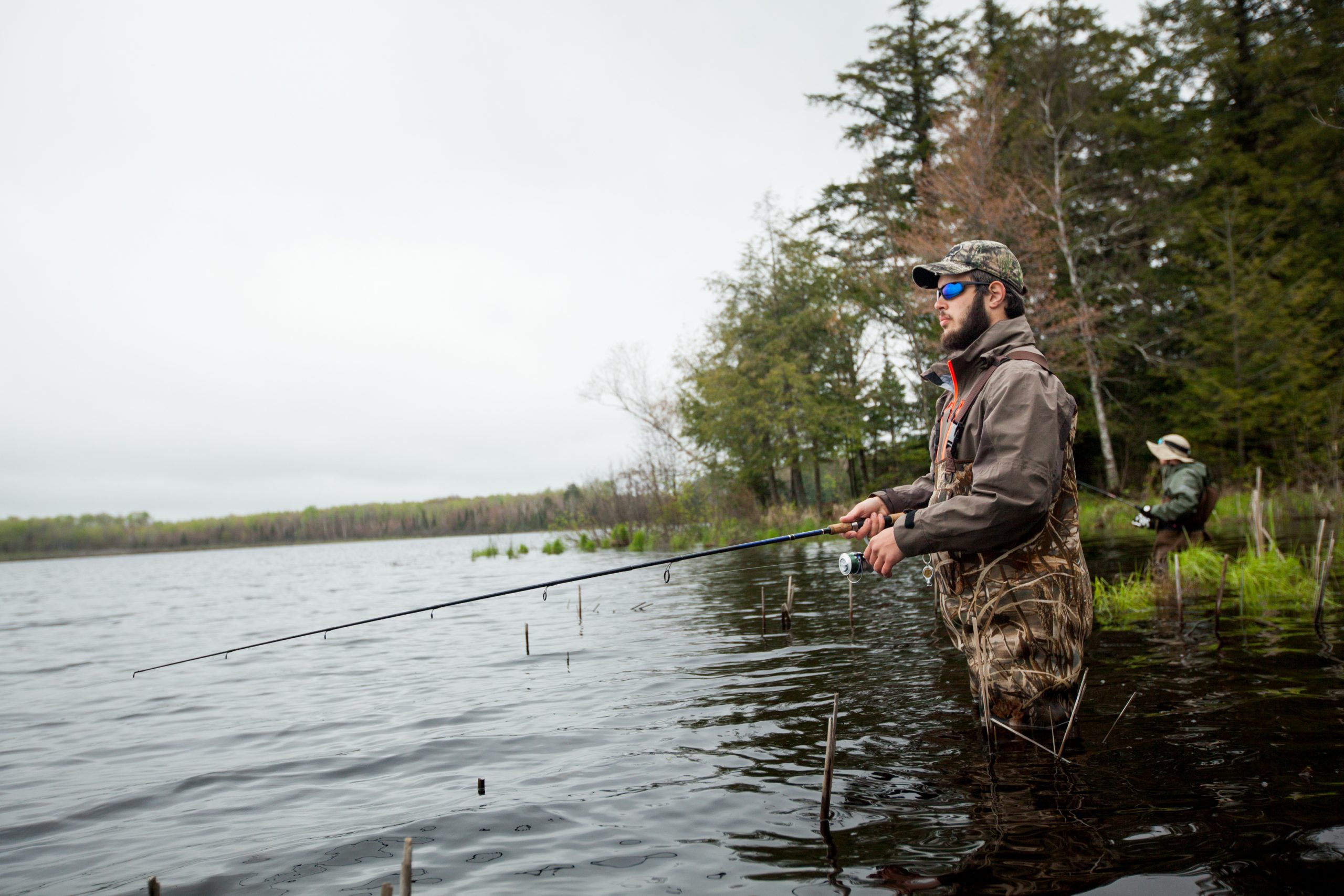 August IDNR Wildlife Bulletin Newsletter: Fascinated with the natural world? Tag along with an Indiana DNR biologist on one of their upcoming excursions to learn more about wildlife and their habitats. Hone your identification skills while enjoying the outdoors.
Aug. 8 – Bike with a Biologist, Amo
For those who are new to hunting and fishing, DNR also hosts workshops through the Learn to Fish and the Learn to Hunt, Shoot, & Trap programs. Find more upcoming educational events.
Aug. 7 – Learn to Hunt: Frogs, Martinsville
Sept. 12 – Learn to Stream Fish, Atterbury Fish & Wildlife Area
Sept. 26 – Family Learn to Fish, Cicero
Resources
Ask an Expert: Wildlife Mythbusters, Video, Purdue Extension – Forestry and Natural Resources Youtube channel
Best Practices Guide for Charter Fishing and COVID-19, The Education Store, Purdue Extension resource center
Resourceful Animal Relationships, The Education Store
Considerations for Trapping Nuisance Wildlife with Box Traps, The Education Store
Handling Harvested Game From Field to Table, Got Nature? Blog, Purdue Extension – Forestry and Natural Resources
Indiana Department of Natural Resources (IN DNR)
In this edition of ID That Tree, Purdue Extension forester Lenny Farlee introduces you to the American Sycamore, one of Indiana’s largest deciduous trees. You can identify the tree from the upper part of the canopy, which glows with smooth white/light green bark.
If you have any questions regarding trees/forests, or other natural resource topics, feel free to contact us by using our Ask an Expert web page.
Resources
Sycamore, The Education Store, Purdue Extension resource center
Investing in Indiana Woodlands, The Education Store
Tree Appraisal and the Value of Trees, The Education Store
Forest Improvement Handbook, The Education Store
American Sycamore, The Purdue Arboretum
What is happening to the local sycamore trees?, Purdue Extension
Sycamore Anthracnose, Purdue Extension
ID That Tree, Playlist, Purdue Extension – Forestry and Natural Resources Youtube Channel
A Woodland Management Moment, Playlist, Purdue Extension – Forestry and Natural Resources Youtube Channel
Lenny Farlee, Sustaining Hardwood Extension Specialist
Purdue University Department of Forestry and Natural Resources
Join Purdue Extension forester Lenny Farlee as he introduces you to one of our more common Indiana tree species, the white oak. This tree gets to be one of our largest and longest lived oak trees in Indiana.
If you have any questions regarding trees/forests, or other natural resource topics, feel free to contact us by using our Ask an Expert web page.
Resources
ID That Tree, Playlist, Purdue Extension – Forestry and Natural Resources Youtube Channel
A Woodland Management Moment, Playlist, Purdue Extension – Forestry and Natural Resources Youtube Channel
White Oak, The Education Store, Purdue Extension resource center
White Oak, The Purdue Arboretum Explorer
Many possible reasons for early loss of white oak leaves / Marestail Control, Indiana Yard & Garden-Purdue Consumer Horticulture
Investing in Indiana Woodlands, The Education Store
Tree Appraisal and the Value of Trees, The Education Store
Forest Improvement Handbook, The Education Store
Lenny Farlee, Sustaining Hardwood Extension Specialist
Purdue University Department of Forestry and Natural Resources
It’s time for another dendrology lesson from Lenny Farlee. This time, he introduces you to one of the native coniferous trees in Indiana, the Eastern Red Cedar.
If you have any questions regarding trees/forests, or other natural resource topics, feel free to contact us by using our Ask an Expert web page.
Resources
Eastern Red Cedars Volunteer Way Too Often, Purdue Garden Articles
Orange ‘Koosh’ Galls on Eastern Red Cedar, Purdue Landscape Report
Investing in Indiana Woodlands, The Education Store
Tree Appraisal and the Value of Trees, The Education Store
Forest Improvement Handbook, The Education Store
ID That Tree, Playlist, Purdue Extension – Forestry and Natural Resources Youtube Channel
A Woodland Management Moment, Playlist, Purdue Extension – Forestry and Natural Resources Youtube Channel
Lenny Farlee, Sustaining Hardwood Extension Specialist
Purdue University Department of Forestry and Natural Resources
 Your Ecosystem Listening Labs (YELLS): The Science of Soundscape Ecology Instructor’s Guide, Grades 5-8 is a 160-page publication, consisting of four chapters that focus on physics of sound, animal communication, soundscapes, and soundscape ecology.
The world around us is full of amazing sounds that are often ignored by humans. Unfortunately, many of the sources of these sounds are actually in danger of being destroyed by human activities. The activities contained in this package take students through the entire scientific method, from observations through conclusions, pairing the practice of science with the exploration of soundscape-based content.
To learn more about soundscape ecology and the sounds around us we might be missing or don’t know are there, visit Center for Global Soundscapes.
Resources
Record the Earth, APP
Community Soundscape Planning Guide: Controlling Noise & Protecting Natural and Cultural Sonic Spaces, The Education Store, Purdue Extension resource center
Bryan Pijanowski, Professor of Landscape and Soundscape Ecology
Purdue University Department of Forestry and Natural Resources
Kristen Bellisario, Post Doc Research Associate
Purdue University Department of Forestry and Natural Resources
Purdue Extension forester Lenny Farlee tells you a little about how to identify Silver Maple trees and differentiate them from other species of maple.
If you have any questions regarding trees, forests, wildlife, wood products or other natural resource topics, feel free to contact us by using our Ask an Expert web page.
Resources
ID That Tree, Playlist, Purdue Extension – Forestry and Natural Resources Youtube Channel
A Woodland Management Moment, Playlist, Purdue Extension – Forestry and Natural Resources Youtube Channel
Investing in Indiana Woodlands, The Education Store
Tree Appraisal and the Value of Trees, The Education Store
Forest Improvement Handbook, The Education Store
Lenny Farlee, Sustaining Hardwood Extension Specialist
Purdue University Department of Forestry and Natural Resources
Purdue Landscape Report: Hot, dry summers are not that unusual in the Midwest, but 2020’s hot dry spell started considerably earlier than usual, before summer even officially began! To make it a triple whammy, the hard freeze in early May caused some landscape plants to burn up more stored carbohydrate reserves to produce a second round of foliage.
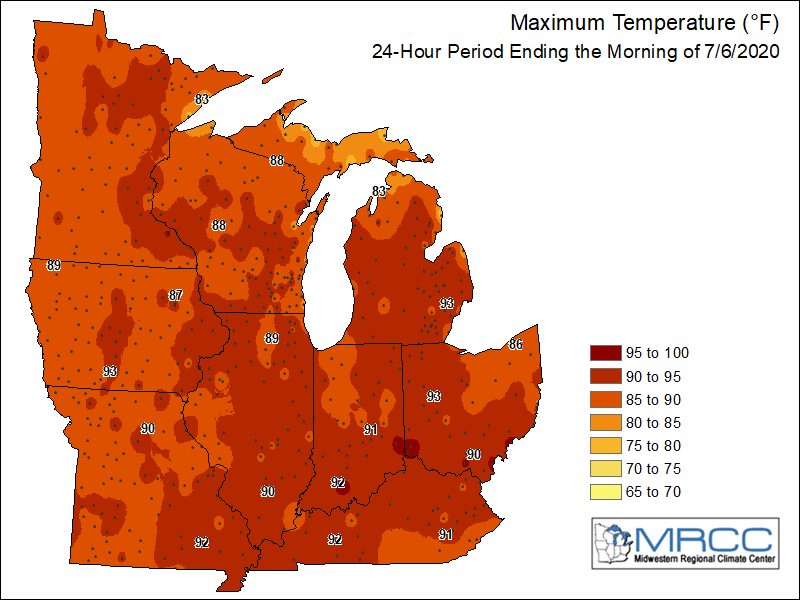
(Figure 2) July Heat Map
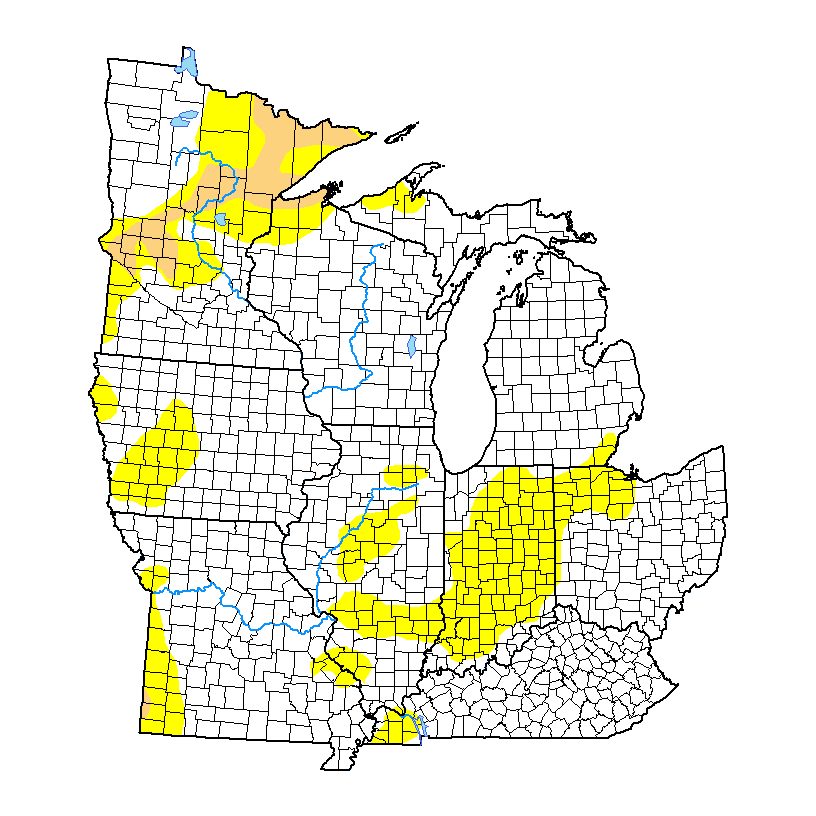
(Figure 1) US Drought Monitor
I’m sure I don’t have to point out that most of Indiana is currently experiencing abnormally hot, dry conditions. Although recent rains have brought relief to some areas, any respite is sure to be temporary. Seasonal thunderstorms may deluge some landscapes with water while other areas, even those close by, may stay fairly dry. Much of the area has experienced highs in the upper 80’s to over 90º F over the past month.
Leaf scorch on trees and shrubs, appearing as a browning along the edges of the leaves, is very common in dry summers. While minor cases of leaf scorch are not very harmful, prolonged lack of moisture can spell disaster for landscape plants.
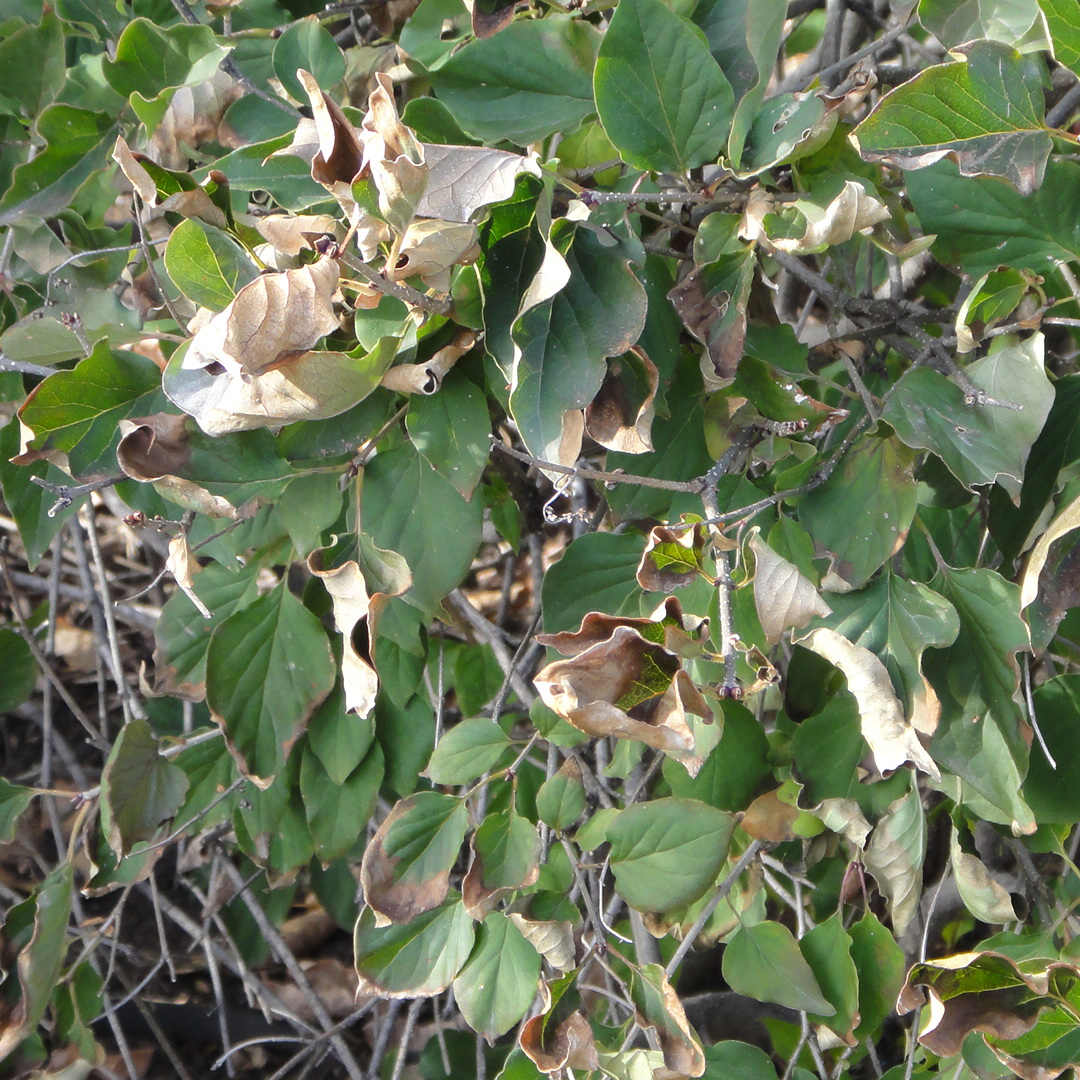
Leaf Scorch on Lilac
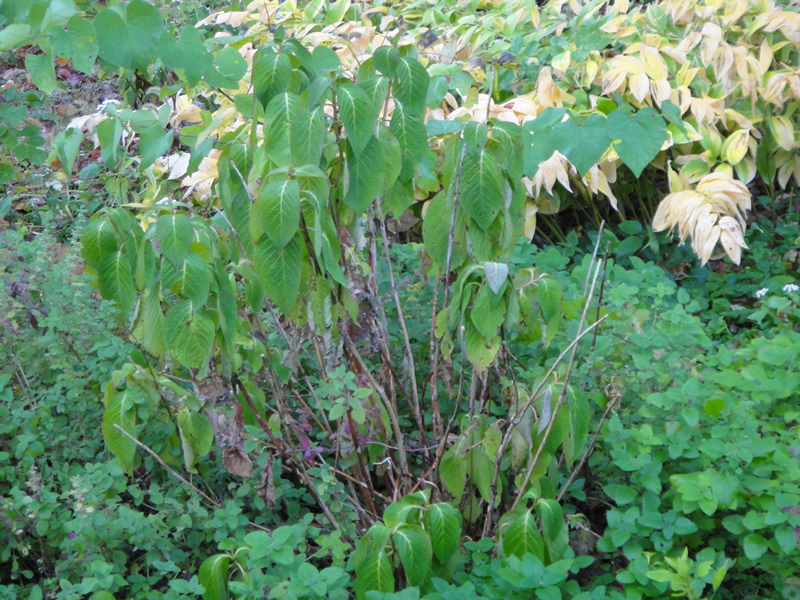
Hydrangea wilting
Young and newly established plants are most susceptible to the dry conditions, but even established plants may reach a critical point during prolonged drought. If the heat and drought continue this summer, branch dieback, combined with eventual root death, will make plants more susceptible to winter injury. Plants that were already under stress from other factors may succumb to severely dry soils.
The intense heat makes it difficult for plants to keep up with water and cooling requirements, even in areas where moisture is adequate. One of the ways that plants cool themselves is through transpiration, which allows water to evaporate from the foliage. Plant leaves have pores called stomata that can open and close to allow water vapor and gas exchange with the environment. During extreme heat and/or drought, stomata will nearly close, thus reducing transpiration and exchange of carbon dioxide and oxygen. The end result is seen as wilting foliage and leaf scorch. But not so obvious is that reduced water uptake and gas exchange also leads to reduced production of carbohydrates through photosynthesis and reduced uptake of soil nutrients, having longer term impact on plant health.
There is still plenty of summer yet to get through to see the further challenges ahead. Meanwhile, we can mitigate some of the stress by watering landscape plants as needed where feasible.
Resources
US Drought Monitor
Indiana – Purdue Rural Emergency Preparedness, Purdue Extension website
In Times of Drought, Indiana Yard and Garden, Purdue Consumer Horticulture
Drought? Don’t Forget the Trees, The Education Store, Purdue Extension resource center
Turfgrass Disease Profiles: Summer Patch, The Education Store
Iron Chlorosis of Trees and Shrubs, The Education Store
, Extension Consumer Horticulturist
Purdue University Department of Horticulture and Landscape Architecture
Join Purdue Extension forester Lenny Farlee as he introduces you to the Bald Cypress in the video below, one of two deciduous conifers in Indiana.
If you have any questions regarding trees, forests, wildlife, wood products or other natural resource topics, feel free to contact us by using our Ask an Expert web page.
Resources
Indiana Department of Natural Resources – Division of Forestry, District Foresters
Forest Improvement Handbook, The Education Store, Purdue Extension resource center
Tree Appraisal and the Value of Trees, The Education Store
ID That Tree, Playlist, Purdue Extension – Forestry and Natural Resources Youtube Channel
A Woodland Management Moment, Playlist
Lenny Farlee, Sustaining Hardwood Extension Specialist
Purdue University Department of Forestry and Natural Resources
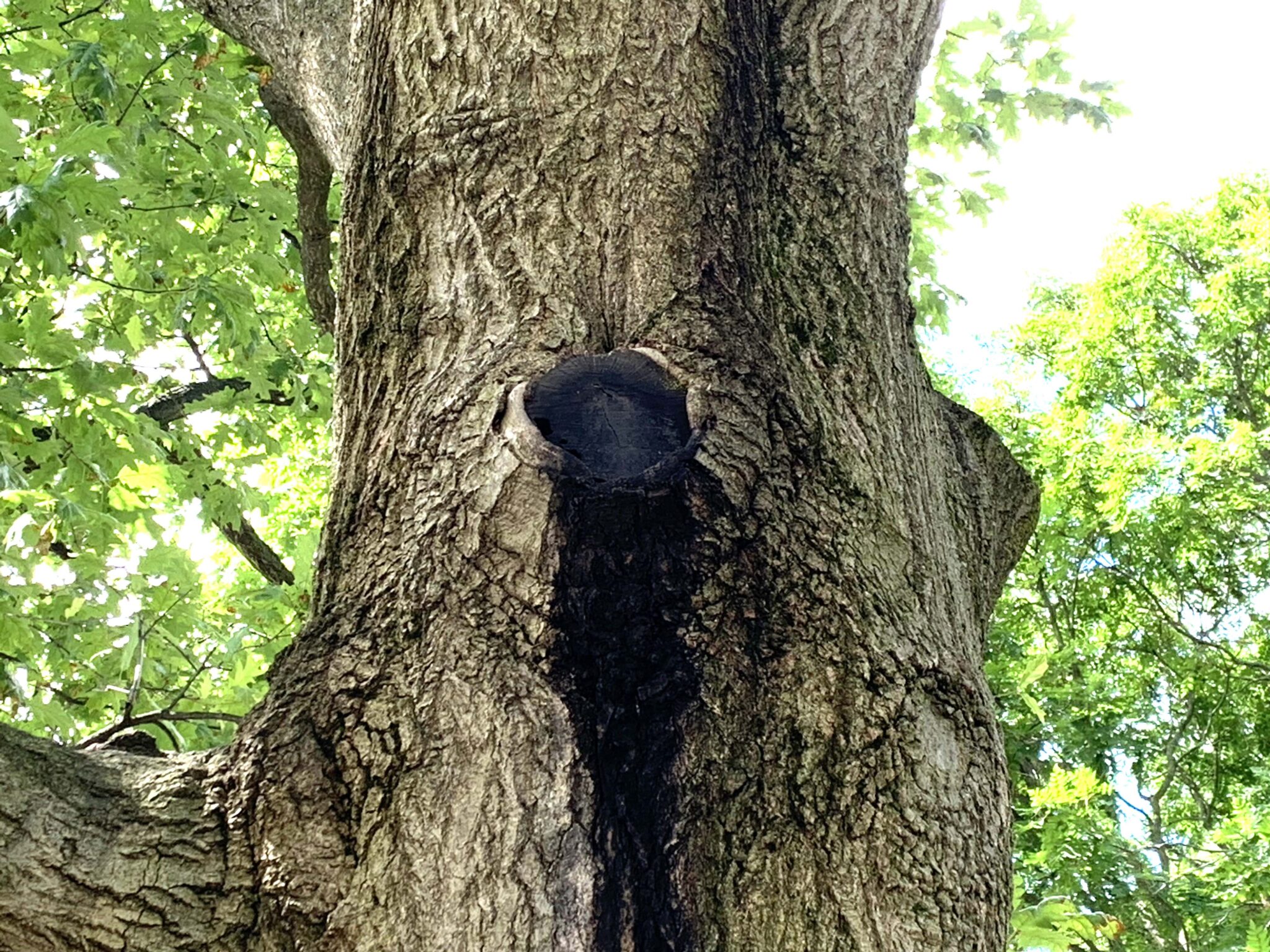
Figure 1. White oak slime flux
Purdue Landscape Report: Slime flux (also known as wet wood) is a dark, foul-smelling and unsightly seepage of sap from tree trunks (fig. 1). The disease is not usually a serious problem but the appearance can be alarming. Slime flux is caused by common surface-inhabiting bacteria or yeast fungi that enter the trunk through wounds associated with improper pruning, stem breakage, injections, cracks from freeze injury or weak limb crotches. The bacteria and yeast may live on sap nutrients within injured trees for many years without any outward evidence.
Symptoms
The main symptom is the appearance of the dark sap oozing on the trunk exterior which happens when gasses produced by growth of the bacteria and yeast cause the internal pressure of the sap to become high enough to force the sap out through cracks in the bark. The dark streaks usually turn light gray or white upon drying. Oozing sap may be frothy and white at the point of exit. Airborne bacteria, yeasts, and fungi often colonize the wet oozing material, which ferments and releases a foul odor. Slime flux may delay wound healing (callus formation).
Slime flux is extremely common on mature elms (fig 2), oak (fig 3) and mulberry; and is seen less frequently on maples (fig 4), paper birch, sycamore, and walnut.
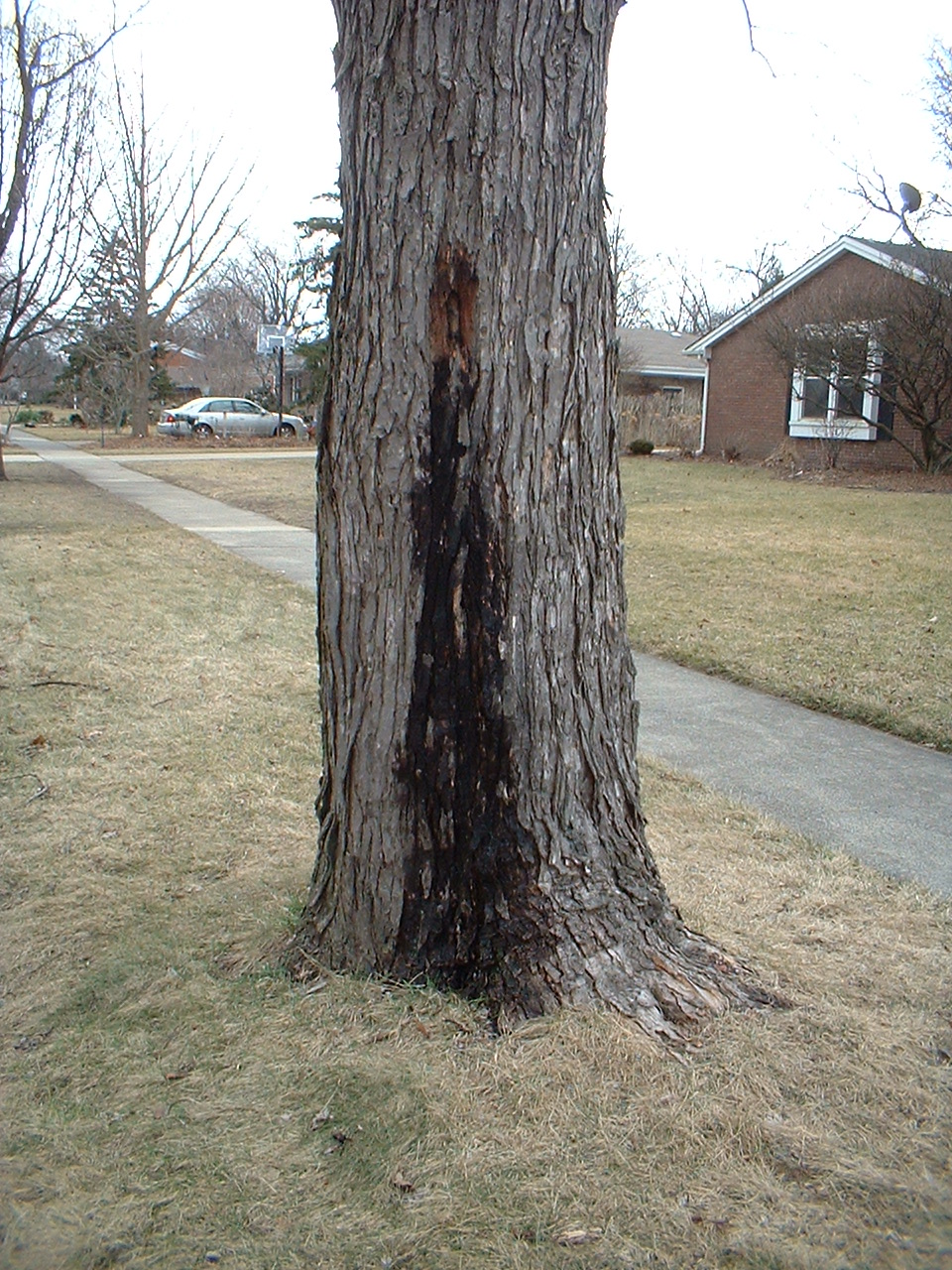
Figure 4. Silver Maple
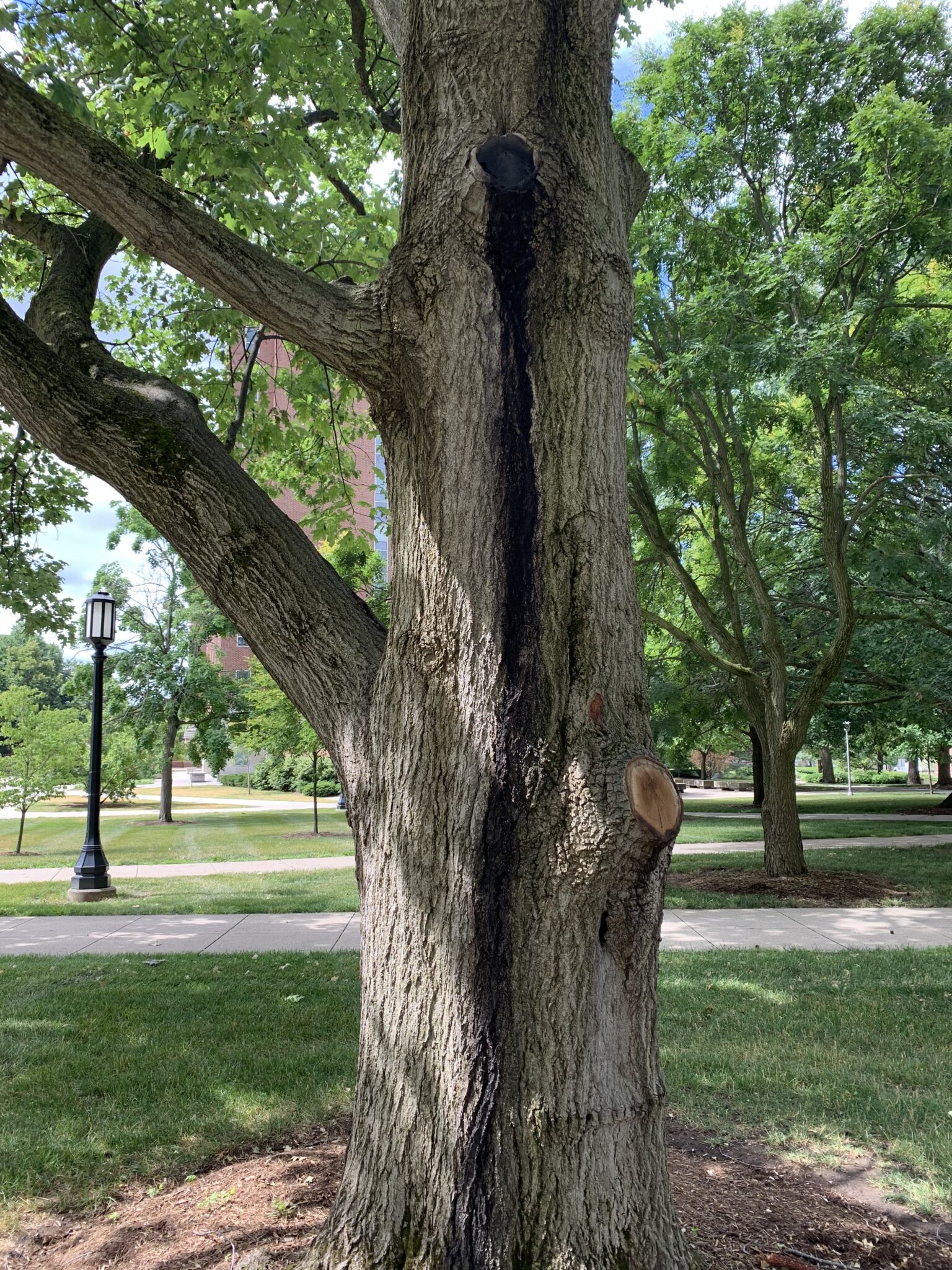
Figure 3. White Oak
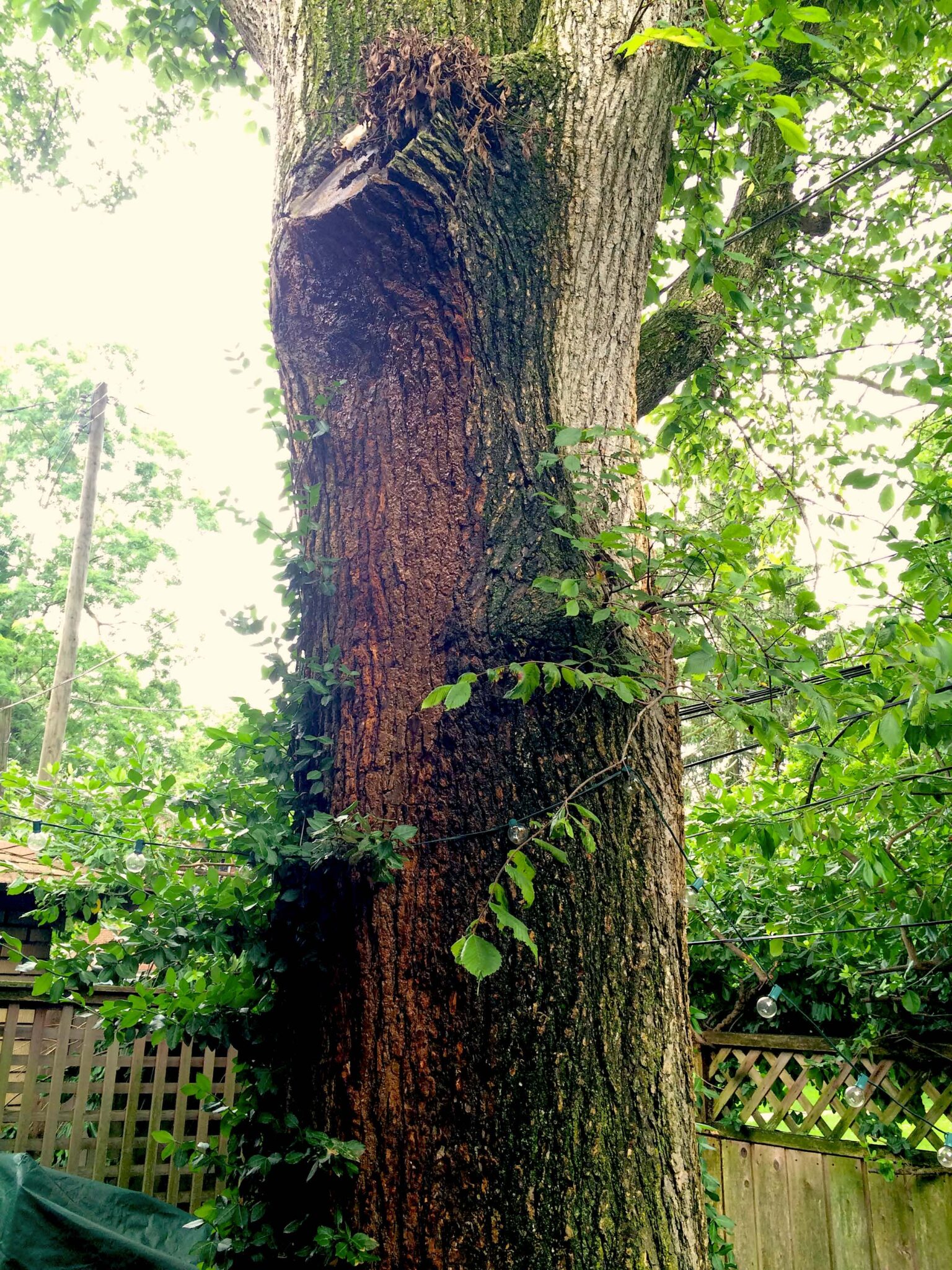
Figure 2. American Elm
Prevention
There is no control or treatment for slime flux. Inserting a drain tube into the tree to relieve pressure and drain infected sap was once an accepted treatment, but is no longer recommended and may do more harm than good. Boring holes in affected trees causes internal spread of the bacteria within the tree and may allow entry of wood decay fungi.
To reduce the chances of susceptible trees developing wet wood avoid unnecessary wounding of the trunk and branches. Proper pruning techniques, HO-4-W, will allow branches to heal more rapidly. Make sure susceptible trees receive good general care; including irrigation when needed and mulch to conserve moisture and keep mowers away from the trunk. Avoid excess traffic in tree root zone to prevent soil compaction and root injury.
The first and most important step for managing a tree disease is to accurately diagnose the problem. The best approach to diagnosis of tree problems is to start by submitting photos of the tree via the digital upload tool on the Purdue Pest & Diagnostic Lab (PPDL) website. In the case of slime flux it is impractical to collect the type of physical sample needed for confirmation so photos are the best alternative.
References
Sinclair, W. A. and H. H. Lyon. 2005. Diseases of trees and shrubs. Cornell University Press, Ithaca, NY. 660 pp.
Stipes, R. J. and Campana, R. J. (eds.) 1981. Compendium of Elm Diseases. APS Press, St. Paul, MN.
Resources
Diseases in Hardwood Tree Plantings , The Education Store, Purdue Extension’s resource center
Iron Chlorosis of Trees and Shrubs, The Education Store
Surface Root Syndrome, The Education Store
Tom C Creswell, Clinical Engagement Professor – Plant & Pest Diagnostic Laboratory
Purdue University Department of Botany and Plant Pathology
Lindsey Purcell, Chapter Executive Director
Indiana Arborist Association

Recent Posts
- Urban Tree Spotlight: Planting Deciduous Shade Trees, Purdue Landscape Report
Posted: March 25, 2026 in Forests and Street Trees, Urban Forestry, Woodlands - Tree Silvics and Succession Webinar: A Biological Basis for Management
Posted: January 30, 2026 in Forests and Street Trees, Urban Forestry, Woodlands - Woodsy Owl Edition for Educational Learning, USDA – U.S. Forest Service
Posted: January 21, 2026 in Forestry, Forests and Street Trees, Got Nature for Kids, Urban Forestry, Wildlife - ID That Tree: Trumpet Creeper
Posted: January 20, 2026 in Forests and Street Trees, Urban Forestry, Woodlands - A Woodland Management Moment: Black Walnut in Pine Plantation
Posted: December 19, 2025 in Forestry, Forests and Street Trees, Urban Forestry, Woodlands - A Woodland Management Moment: Butternut Disease and Breeding
Posted: December 1, 2025 in Forestry, Forests and Street Trees, Woodland Management Moment, Woodlands - Why Do Our Trees Go From Green Leaves to Different Colors?
Posted: November 4, 2025 in Forestry, Forests and Street Trees, Urban Forestry, Woodlands - October Is Firewood Month: Protect Indiana’s Forests by Making Smart Choices
Posted: October 13, 2025 in Forestry, Forests and Street Trees, How To, Invasive Insects, Urban Forestry - Help Your Trees Transition Into Autumn, Purdue Landscape Report
Posted: October 7, 2025 in Forests and Street Trees, Urban Forestry, Woodlands - Marssonina Leaf Spot and Blotch of Poplar, Purdue Landscape Report
Posted: October 1, 2025 in Disease, Forests and Street Trees, Urban Forestry, Woodlands
Archives
Categories
- Alert
- Aquaculture/Fish
- Aquatic/Aquaculture Resources
- Ask the Expert
- Christmas Trees
- Community Development
- Disease
- Drought
- Forestry
- Forests and Street Trees
- Gardening
- Got Nature for Kids
- Great Lakes
- How To
- Invasive Animal Species
- Invasive Insects
- Invasive Plant Species
- Land Use
- Natural Resource Planning
- Nature of Teaching
- Plants
- Podcasts
- Ponds
- Publication
- Safety
- Spiders
- Timber Marketing
- Uncategorized
- Urban Forestry
- Webinar
- Wildlife
- Wood Products/Manufacturing
- Woodland Management Moment
- Woodlands